
Mashie Shirken
March 4, 2015
Outline
• Eating Disorders:
Definitions
Health Consequences
Risk Factors
Prevalence
Prevention
What is an Eating Disorder?
Condition characterized by abnormal eating habits
Cause is unknown
Biological, Psychological, and Environmental influences
Some genes have been identified
Type of behavioral addiction
Triggers similar pathways in the brain associated with
substance abuse
Disordered Eating vs. Eating
Disorder
Disordered eating is a classification used to describe a
wide range of irregular eating behavior that do not
warrant a diagnosis of a specific eating disorder
Individuals affected by disordered eating may be
diagnosed with an eating disorder not otherwise
specified (ENOS)
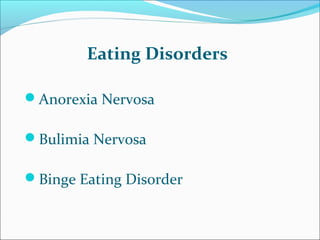
Anorexia Nervosa
Bulimia Nervosa
Binge Eating Disorder
Eating Disorders
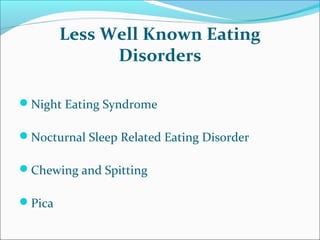
Less Well Known Eating
Disorders
Night Eating Syndrome
Nocturnal Sleep Related Eating Disorder
Chewing and Spitting
Pica
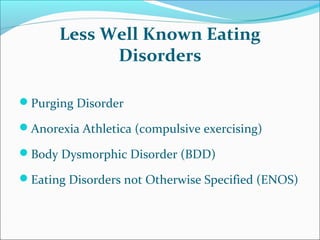
Less Well Known Eating
Disorders
Purging Disorder
Anorexia Athletica (compulsive exercising)
Body Dysmorphic Disorder (BDD)
Eating Disorders not Otherwise Specified (ENOS)
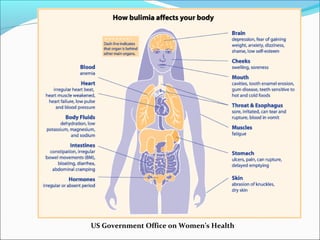
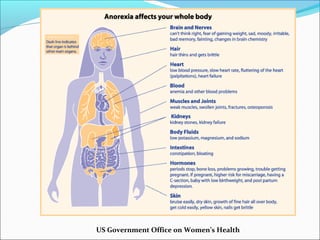
US Government Office on Women’s Health
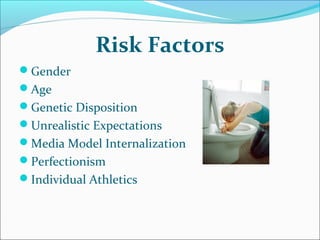
Risk Factors
Gender
Age
Genetic Disposition
Unrealistic Expectations
Media Model Internalization
Perfectionism
Individual Athletics
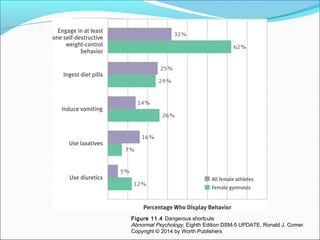
Figure 11.4 Dangerous shortcuts
Abnormal Psychology, Eighth Edition DSM-5 UPDATE, Ronald J. Comer.
Copyright © 2014 by Worth Publishers
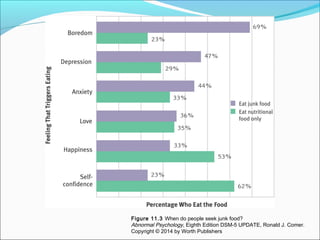
Figure 11.3 When do people seek junk food?
Abnormal Psychology, Eighth Edition DSM-5 UPDATE, Ronald J. Comer.
Copyright © 2014 by Worth Publishers
Statistical Facts About Eating
Disorders in the USA
20 million girls and women and 10 million boys and
men struggle with severe eating disorders such as
Anorexia Nervosa, Bulimia Nervosa and Binge Eating
Disorder.
35-57% of adolescent girls engage in crash dieting,
fasting, self-induced vomiting, diet pills, or laxatives.
Overweight girls are more likely than normal weight
girls to engage in such extreme dieting. (NEDA, 2013)
Statistical Facts - continued
86% of Individuals report onset of illness by the age of
20, with the highest rate of onset between ages of 16-20
(ANAD, 2000).
91% of women surveyed on a college campus
attempted to control weight through dieting.
35% of “normal dieters” progress to pathological
dieting.
Of those, 20-25% progress to partial or full syndrome
eating disorders.
(NEDA, 2013)
Statistical Facts - continued
Over one-half of teenage girls and nearly one-
third of teenage boys use unhealthy weight
control behaviors such as skipping meals, fasting,
smoking cigarettes, vomiting, and taking
laxatives.
Eating disorders have the highest mortality rate
of any other mental disorder.
Co-occurrence of substance abuse and eating
disorders is estimated at close to 50%.
Statistical Facts - continued
The average BMI of Miss America winners has
decreased from around 22 in the 1920’s to 16.9 in the
2000’s. The World Health Organization classifies a
normal BMI as falling between 18.5 and 24.9.
Of American, elementary school girls who read
magazines, 69% say that the pictures influence their
concept of the ideal body shape. 47% say the pictures
make them want to lose weight.
(NEDA, 2013)
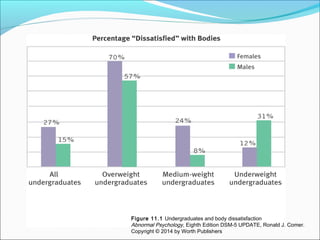
Figure 11.1 Undergraduates and body dissatisfaction
Abnormal Psychology, Eighth Edition DSM-5 UPDATE, Ronald J. Comer.
Copyright © 2014 by Worth Publishers
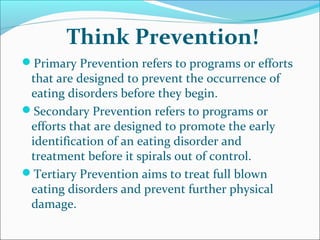
Think Prevention!
Primary Prevention refers to programs or efforts
that are designed to prevent the occurrence of
eating disorders before they begin.
Secondary Prevention refers to programs or
efforts that are designed to promote the early
identification of an eating disorder and
treatment before it spirals out of control.
Tertiary Prevention aims to treat full blown
eating disorders and prevent further physical
damage.
Evidence Based Approaches to
Prevention and Treatment
Programs that adopt an ecological approach –
involving not only individual change but also
changing the environment of teacher and peer
behavior – have shown some success (NEDA,2013).
Social Support Seeking strategy and long term
outcome (Binford et al., 2005).
Evidence Based Approaches to Prevention
and Treatment-continued
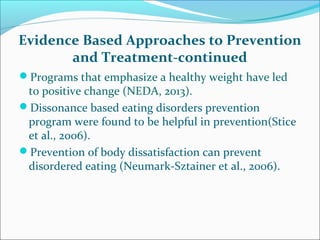
Programs that emphasize a healthy weight have led
to positive change (NEDA, 2013).
Dissonance based eating disorders prevention
program were found to be helpful in prevention(Stice
et al., 2006).
Prevention of body dissatisfaction can prevent
disordered eating (Neumark-Sztainer et al., 2006).
Evidence Based Approaches to Prevention and
Treatment-continued
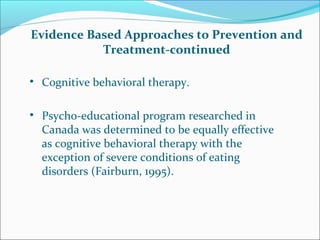
• Cognitive behavioral therapy.
• Psycho-educational program researched in
Canada was determined to be equally effective
as cognitive behavioral therapy with the
exception of severe conditions of eating
disorders (Fairburn, 1995).
Cost of treatment for one person with an eating
disorder is $30,000 per month.
The average direct medical cost for treating eating
disorders patients in the USA is currently $5 to $6
Billion per year.
The global cost of antipsychotic medication is $7
Billion per year.
(NEDA, 2005)
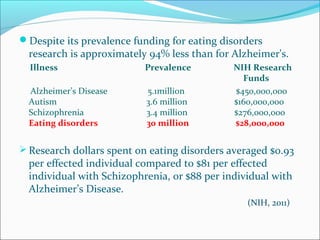
Despite its prevalence funding for eating disorders
research is approximately 94% less than for Alzheimer's.
Illness Prevalence NIH Research
Funds
Alzheimer’s Disease 5.1million $450,000,000
Autism 3.6 million $160,000,000
Schizophrenia 3.4 million $276,000,000
Eating disorders 30 million $28,000,000
Research dollars spent on eating disorders averaged $0.93
per effected individual compared to $81 per effected
individual with Schizophrenia, or $88 per individual with
Alzheimer’s Disease.
(NIH, 2011)
Thank You

Eating Disorders Presentation Brooklyn College

  • 1.
  • 2.
    Outline • Eating Disorders: Definitions HealthConsequences Risk Factors Prevalence Prevention
  • 3.
    What is anEating Disorder? Condition characterized by abnormal eating habits Cause is unknown Biological, Psychological, and Environmental influences Some genes have been identified Type of behavioral addiction Triggers similar pathways in the brain associated with substance abuse
  • 4.
    Disordered Eating vs.Eating Disorder Disordered eating is a classification used to describe a wide range of irregular eating behavior that do not warrant a diagnosis of a specific eating disorder Individuals affected by disordered eating may be diagnosed with an eating disorder not otherwise specified (ENOS)
  • 5.
    Anorexia Nervosa Bulimia Nervosa BingeEating Disorder Eating Disorders
  • 6.
    Less Well KnownEating Disorders Night Eating Syndrome Nocturnal Sleep Related Eating Disorder Chewing and Spitting Pica
  • 7.
    Less Well KnownEating Disorders Purging Disorder Anorexia Athletica (compulsive exercising) Body Dysmorphic Disorder (BDD) Eating Disorders not Otherwise Specified (ENOS)
  • 8.
    US Government Officeon Women’s Health
  • 9.
    US Government Officeon Women’s Health
  • 10.
    Risk Factors Gender Age Genetic Disposition UnrealisticExpectations Media Model Internalization Perfectionism Individual Athletics
  • 11.
    Figure 11.4 Dangerousshortcuts Abnormal Psychology, Eighth Edition DSM-5 UPDATE, Ronald J. Comer. Copyright © 2014 by Worth Publishers
  • 12.
    Figure 11.3 Whendo people seek junk food? Abnormal Psychology, Eighth Edition DSM-5 UPDATE, Ronald J. Comer. Copyright © 2014 by Worth Publishers
  • 13.
    Statistical Facts AboutEating Disorders in the USA 20 million girls and women and 10 million boys and men struggle with severe eating disorders such as Anorexia Nervosa, Bulimia Nervosa and Binge Eating Disorder. 35-57% of adolescent girls engage in crash dieting, fasting, self-induced vomiting, diet pills, or laxatives. Overweight girls are more likely than normal weight girls to engage in such extreme dieting. (NEDA, 2013)
  • 14.
    Statistical Facts -continued 86% of Individuals report onset of illness by the age of 20, with the highest rate of onset between ages of 16-20 (ANAD, 2000). 91% of women surveyed on a college campus attempted to control weight through dieting. 35% of “normal dieters” progress to pathological dieting. Of those, 20-25% progress to partial or full syndrome eating disorders. (NEDA, 2013)
  • 15.
    Statistical Facts -continued Over one-half of teenage girls and nearly one- third of teenage boys use unhealthy weight control behaviors such as skipping meals, fasting, smoking cigarettes, vomiting, and taking laxatives. Eating disorders have the highest mortality rate of any other mental disorder. Co-occurrence of substance abuse and eating disorders is estimated at close to 50%.
  • 16.
    Statistical Facts -continued The average BMI of Miss America winners has decreased from around 22 in the 1920’s to 16.9 in the 2000’s. The World Health Organization classifies a normal BMI as falling between 18.5 and 24.9. Of American, elementary school girls who read magazines, 69% say that the pictures influence their concept of the ideal body shape. 47% say the pictures make them want to lose weight. (NEDA, 2013)
  • 17.
    Figure 11.1 Undergraduatesand body dissatisfaction Abnormal Psychology, Eighth Edition DSM-5 UPDATE, Ronald J. Comer. Copyright © 2014 by Worth Publishers
  • 18.
    Think Prevention! Primary Preventionrefers to programs or efforts that are designed to prevent the occurrence of eating disorders before they begin. Secondary Prevention refers to programs or efforts that are designed to promote the early identification of an eating disorder and treatment before it spirals out of control. Tertiary Prevention aims to treat full blown eating disorders and prevent further physical damage.
  • 19.
    Evidence Based Approachesto Prevention and Treatment Programs that adopt an ecological approach – involving not only individual change but also changing the environment of teacher and peer behavior – have shown some success (NEDA,2013). Social Support Seeking strategy and long term outcome (Binford et al., 2005).
  • 20.
    Evidence Based Approachesto Prevention and Treatment-continued Programs that emphasize a healthy weight have led to positive change (NEDA, 2013). Dissonance based eating disorders prevention program were found to be helpful in prevention(Stice et al., 2006). Prevention of body dissatisfaction can prevent disordered eating (Neumark-Sztainer et al., 2006).
  • 21.
    Evidence Based Approachesto Prevention and Treatment-continued • Cognitive behavioral therapy. • Psycho-educational program researched in Canada was determined to be equally effective as cognitive behavioral therapy with the exception of severe conditions of eating disorders (Fairburn, 1995).
  • 22.
    Cost of treatmentfor one person with an eating disorder is $30,000 per month. The average direct medical cost for treating eating disorders patients in the USA is currently $5 to $6 Billion per year. The global cost of antipsychotic medication is $7 Billion per year. (NEDA, 2005)
  • 23.
    Despite its prevalencefunding for eating disorders research is approximately 94% less than for Alzheimer's. Illness Prevalence NIH Research Funds Alzheimer’s Disease 5.1million $450,000,000 Autism 3.6 million $160,000,000 Schizophrenia 3.4 million $276,000,000 Eating disorders 30 million $28,000,000 Research dollars spent on eating disorders averaged $0.93 per effected individual compared to $81 per effected individual with Schizophrenia, or $88 per individual with Alzheimer’s Disease. (NIH, 2011)
  • 24.

Editor's Notes