Brittany Hammer, McKenzie Gacki, Joan Mansavage
HT 344
Hospitality & Tourism Marketing
April 22, 2013
Overview
 History
 Scope and Reach
 Outside Industry Impact
 Industry Examples
 Interview
 Future Impact of Dual Branding
 Course Content
 Maintaining Competitive Advantage
History
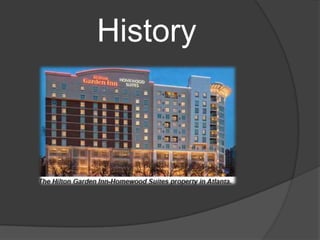
History
 Linking various independent brands
together
 Reaching a broader customer base
 Controlling a large portion of the industry
 Example: P&G, Car Companies, etc.
History Scope Outside Impact Examples Interview Future Impacts
Course Content Advantage
Scope and Reach
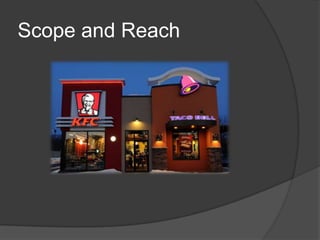
Scope and Reach
 Variety of companies
 Multitude of products and services
 Reaching as many consumers as
possible
History Scope Outside Impact Examples Interview Future Impacts
Course Content Advantage
Trend Impacts
Trend Impacts
 Consumer’s mindset
 Company’s power over an area in their
industry
 Financial Impact
 Cultural Impact
History Scope Outside Impact Examples Interview Future Impacts
Course Content Advantage
Industry Examples
Marriott
 3 Multi Branding Strategies
 Ritz Carton
 Renaissance
 Fairfield Inn
 “A brand really is the sum totals of what
people believe about a business, a
concept, an organization – and it is all
the tangibles and intangibles.”
History Scope Outside Impact Examples Interview Future Impacts
Course Content Advantage
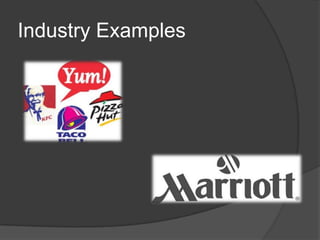
YUM! Brands
 Founded in 1992
 Owns KFC, Pizza Hut, Taco Bell, A & W,
and LJS
 Advantages over competition
 Training
 Location
 Management Teams
Course Content Advantage
Volkswagen
 Audi, Bentley, Lamborghini
 Different consumers=different wants
 Wide variety
 Luxury
 Sport
 Every-day vehicles
Proctor and Gamble
 Multi-brand “tycoon”
 Olay
 Pampers
 Pringles
 Duracell
 Brands people don’t want but NEED
Interview
Rick Trebilcock
 Prior CMO of YUM! 2003 – 2005
 Customers prefer multi branding
 Wider selection for families and groups
 Smaller businesses need to focus on
local sponsorship
History Scope Outside Impact Examples Interview Future Impacts
Course Content Advantage
Future Impact
Future Impact
 Changes the way consumers make
decisions
 Changes the power that large
companies posses
 Recreating hospitality marketing
History Scope Outside Impact Examples Interview Future Impacts
Course Content Advantage
Course Content
Course Content
 Branding
 Target Marketing
 Customer Value & Satisfaction
 Pricing Products
 Promoting Products
History Scope Outside Impact Examples Interview Future Impacts
Course Content Advantage
Maintaining Competitive
Advantage
Competitive Advantage
 Familiar brands have a greater
advantage
 Large
 Location
 Management
 Product
History Scope Outside Impact Examples Interview Future Impacts
Course Content Advantage

Dual branding presentation (1)

  • 1.
    Brittany Hammer, McKenzieGacki, Joan Mansavage HT 344 Hospitality & Tourism Marketing April 22, 2013
  • 2.
    Overview  History  Scopeand Reach  Outside Industry Impact  Industry Examples  Interview  Future Impact of Dual Branding  Course Content  Maintaining Competitive Advantage
  • 3.
  • 4.
    History  Linking variousindependent brands together  Reaching a broader customer base  Controlling a large portion of the industry  Example: P&G, Car Companies, etc. History Scope Outside Impact Examples Interview Future Impacts Course Content Advantage
  • 5.
  • 6.
    Scope and Reach Variety of companies  Multitude of products and services  Reaching as many consumers as possible History Scope Outside Impact Examples Interview Future Impacts Course Content Advantage
  • 7.
  • 8.
    Trend Impacts  Consumer’smindset  Company’s power over an area in their industry  Financial Impact  Cultural Impact History Scope Outside Impact Examples Interview Future Impacts Course Content Advantage
  • 9.
  • 10.
    Marriott  3 MultiBranding Strategies  Ritz Carton  Renaissance  Fairfield Inn  “A brand really is the sum totals of what people believe about a business, a concept, an organization – and it is all the tangibles and intangibles.” History Scope Outside Impact Examples Interview Future Impacts Course Content Advantage
  • 11.
    YUM! Brands  Foundedin 1992  Owns KFC, Pizza Hut, Taco Bell, A & W, and LJS  Advantages over competition  Training  Location  Management Teams Course Content Advantage
  • 12.
    Volkswagen  Audi, Bentley,Lamborghini  Different consumers=different wants  Wide variety  Luxury  Sport  Every-day vehicles
  • 13.
    Proctor and Gamble Multi-brand “tycoon”  Olay  Pampers  Pringles  Duracell  Brands people don’t want but NEED
  • 14.
  • 15.
    Rick Trebilcock  PriorCMO of YUM! 2003 – 2005  Customers prefer multi branding  Wider selection for families and groups  Smaller businesses need to focus on local sponsorship History Scope Outside Impact Examples Interview Future Impacts Course Content Advantage
  • 16.
  • 17.
    Future Impact  Changesthe way consumers make decisions  Changes the power that large companies posses  Recreating hospitality marketing History Scope Outside Impact Examples Interview Future Impacts Course Content Advantage
  • 18.
  • 19.
    Course Content  Branding Target Marketing  Customer Value & Satisfaction  Pricing Products  Promoting Products History Scope Outside Impact Examples Interview Future Impacts Course Content Advantage
  • 20.
  • 21.
    Competitive Advantage  Familiarbrands have a greater advantage  Large  Location  Management  Product History Scope Outside Impact Examples Interview Future Impacts Course Content Advantage