(Domain Specific Language, not Direct Server Link) [email_address] DSL explained
DSL premises
and only then for computers Code is written for people
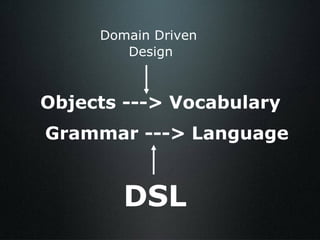
Objects ---> Vocabulary Grammar ---> Language Domain Driven  Design DSL
DSL is advanced stuff
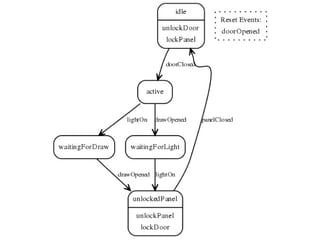
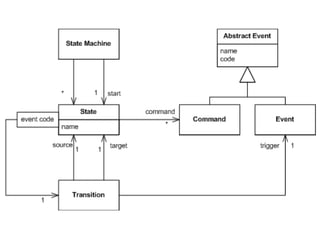
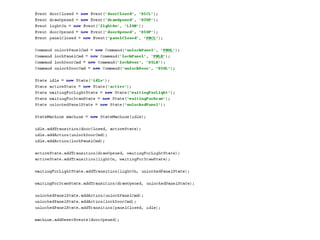
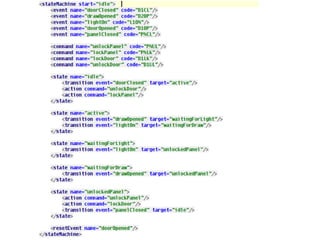
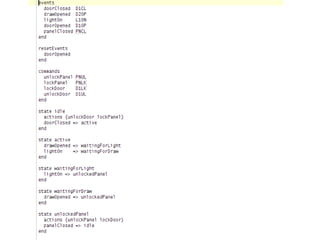
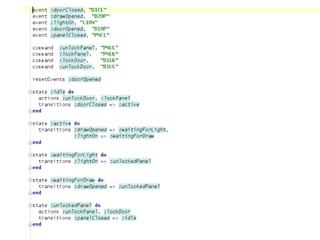
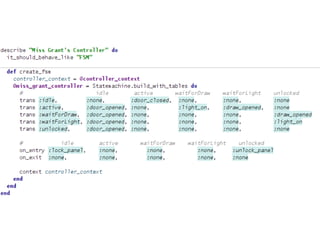
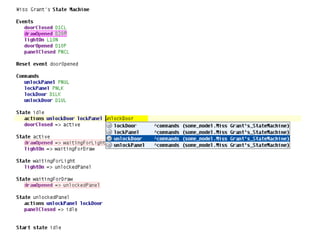
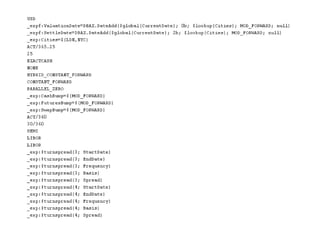
DSL example (by Martin Fowler)


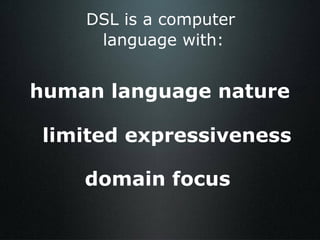
DSL is a computer  language with: human language nature limited expressiveness domain focus
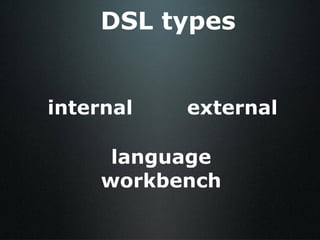
DSL types internal external language workbench
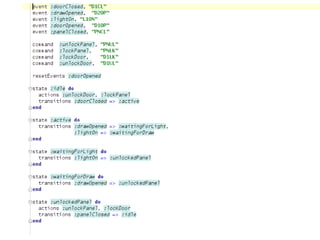
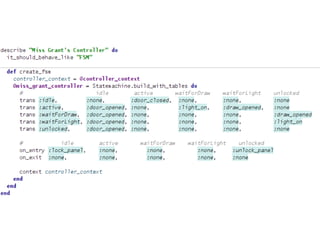
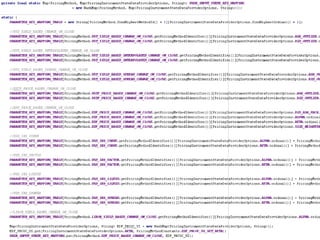
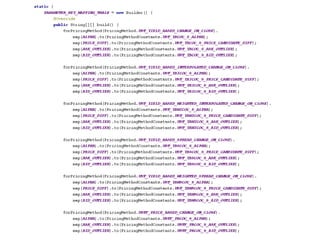
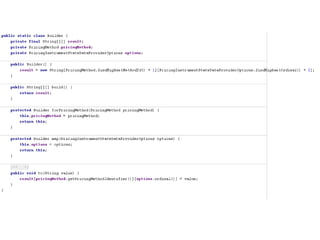
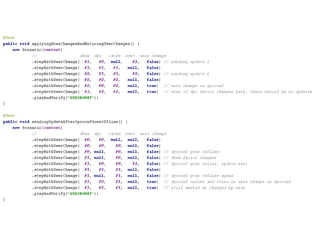
Internal DSL example
 
 
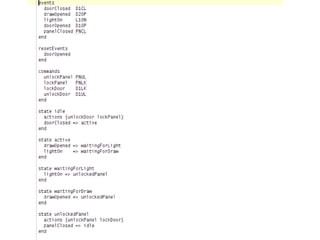
External DSL example
 
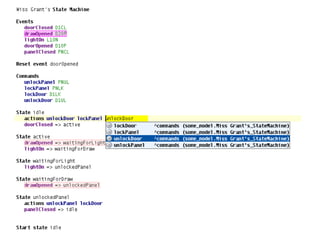
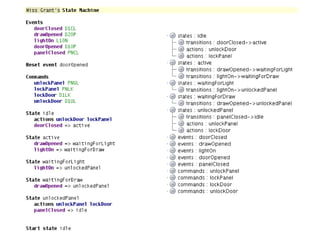
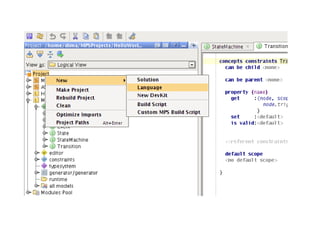
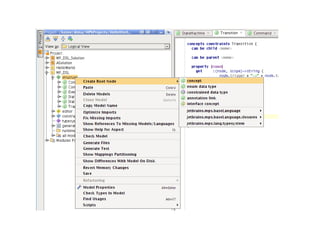
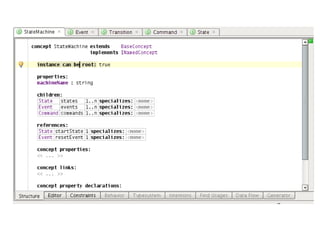
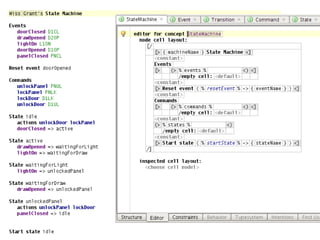
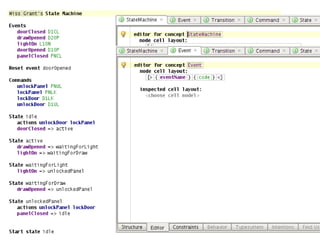
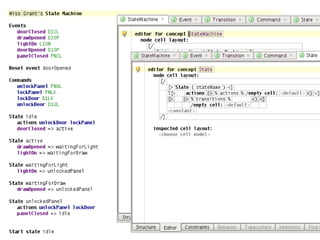
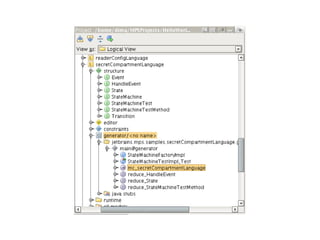
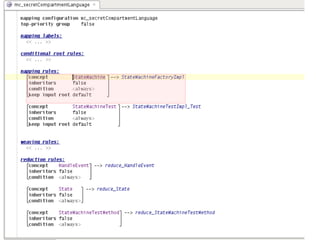
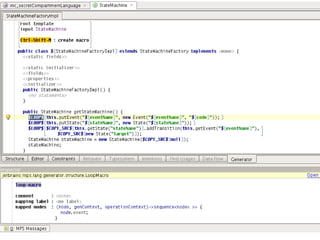
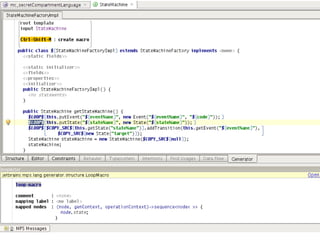
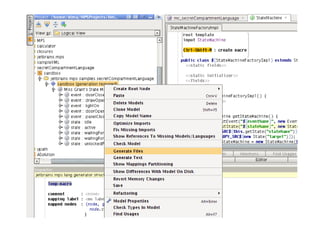
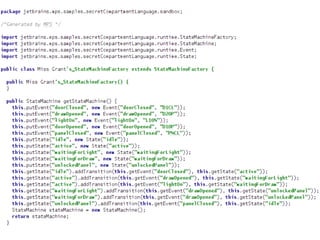
Language workbench example
 
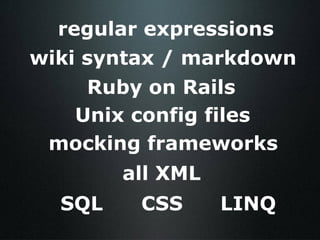
More examples
regular expressions CSS SQL all XML Unix config files Ruby on Rails mocking frameworks wiki syntax / markdown LINQ
Using internal DSL (aka Fluent Interface)
Easy to do... no parsers, etc. Full IDE support Good Bad Limited by host language


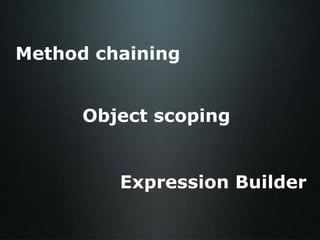
Method chaining Object scoping Expression Builder
Using external DSL
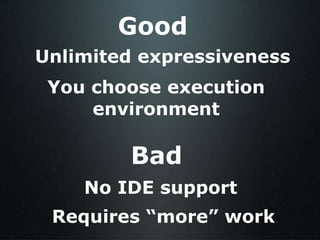
Unlimited expressiveness You choose execution environment Good Bad Requires “more” work No IDE support
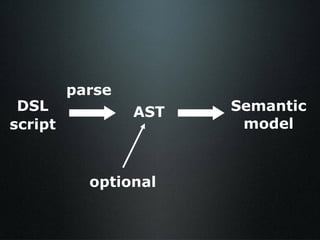
DSL script parse AST Semantic model optional
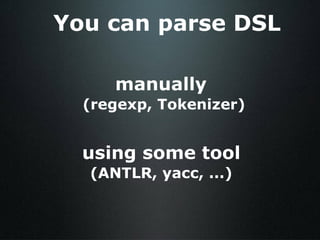
You can parse DSL manually  (regexp, Tokenizer) using some tool (ANTLR, yacc, ...)
 
Using  Language Workbenches
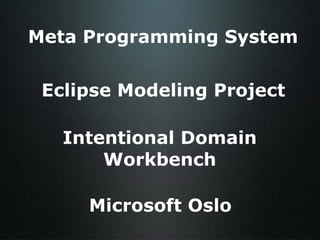
Meta Programming System Microsoft Oslo Intentional Domain Workbench Eclipse Modeling Project
 
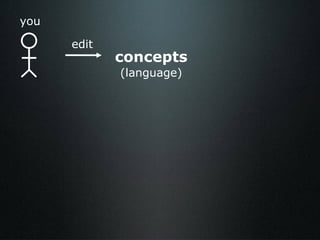
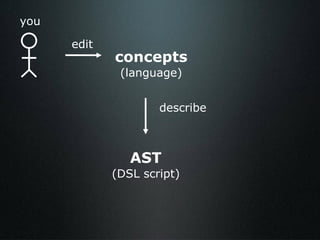
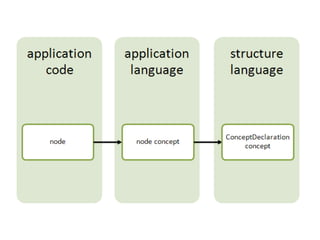
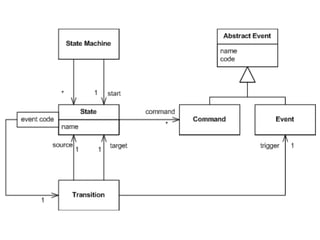
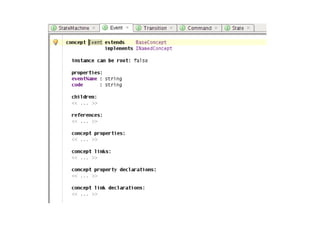
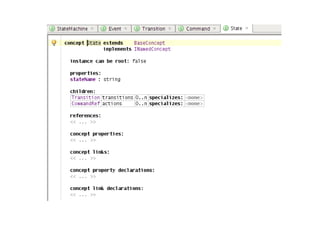
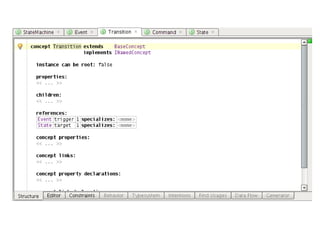
concepts (language) edit you
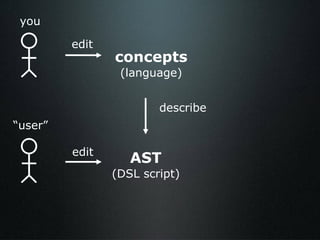
AST (DSL script) concepts (language) edit describe you
AST (DSL script) concepts (language) edit edit describe “ user” you
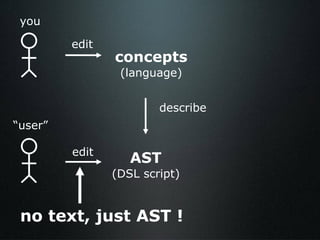
AST (DSL script) concepts (language) edit describe “ user” you no text, just AST ! edit
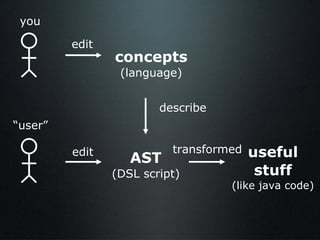
useful stuff (like java code) AST (DSL script) concepts (language) edit describe transformed “ user” you edit
 
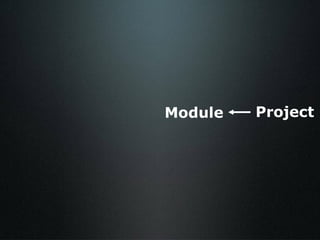
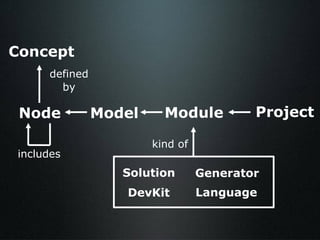
Module Project
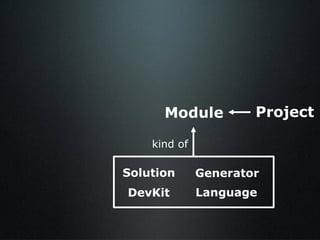
Module Project Solution Language Generator DevKit kind of
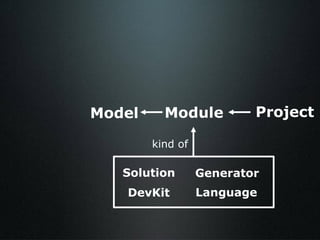
Model Module Project Solution Language Generator DevKit kind of
Node Model Module Project Solution Language Generator DevKit kind of includes Concept defined by


Internal DSLs rule! :)

DSL explained _

Editor's Notes

  • #2 Hi For those who haven't heard about it, SOLID is acronym composed from principles names. (There are 5 of them.) SOLID doesn't have any particular meaning. It's just a good way to remember list of principles. These principles are about low-level design and partly interpretation of OOP basics.
  • #4 Before doing anything it's good to know “why” you're going to do it. In other words operating without context you're becoming coding monkey or a screwdriver.
  • #40 I began programming at school because it was fun (before anyone actually taught me). Turbo Pascal, asm for DOS (for cool things). Then Delphi, C++. Of course we were told at school that OOP not only “Организация Освобождения Палестины”(Palestine Liberation Organization, in Russian sounds like OOP) but also encapsulation, polymorphism, inheritance © Nice words which I've known for quite a long time. What I did at the time was kind of “goal-oriented programming” . You don't really care how the work is done (almost), it's works today – fine! I knew some techniques like using inheritance but never bothered to understand why they exist. After (four?) years I got tired of “fighting the mess” and vision of programming as “low-level activity” so I programmed only for some “code for labs”. Some time later for some reason I though it would be nice to make sense of objects anyway. That way I came across patterns, UML, java, junit, refactoring and OOP (this time for real) . Nice java IDEs were also very attractive, but not more than the following “promises”.