Prof. V.B.Shah Institute of
Management
Subject : Business
Environment
Topic : Drivers & Hurdles of
Globalization
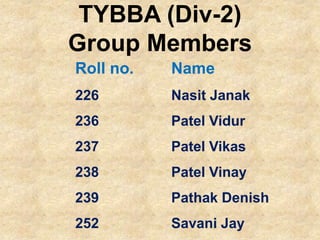
Roll no. Name
226 Nasit Janak
236 Patel Vidur
237 Patel Vikas
238 Patel Vinay
239 Pathak Denish
252 Savani Jay
TYBBA (Div-2)
Group Members
Globalization
The term Globalization refers to
processes of international integration
arising from the interchange of world
views, products, ideas, and other aspects
of culture.
Advances in transportation
and
Telecommunications, infrastructure,
including the rise of the telegraph and its
posterity the Internet, are major factors in
globalization, generating
further interdependence of economic and
cultural activities.
Drivers of Globalization
The media and almost every book on
globalization and international business
speak about different drivers of globalization
and they can basically be separated into five
different groups:
1) Technological drivers
Technology shaped and set the foundation
for modern globalization. Innovations in the
transportation technology revolutionized the
industry. The most important developments
among these are the commercial jet aircraft and
the concept of containerization in the late 1970s
and 1980s. Inventions in the area of
microprocessors and telecommunications
enabled highly effective computing and
communication at a low-cost level. Finally the
rapid growth of the Internet is the latest
technological driver that created global
business and e-commerce.
2) Political drivers
Liberalized trading rules and
deregulated markets lead to lowered
tariffs and allowed foreign direct
investments in almost all over the world.
The institution of GATT (General
Agreement on Tariffs and Trade) 1947
and the WTO (World Trade Organization)
1995 as well as the ongoing opening and
privatization in Eastern Europe are only
some examples of latest developments.
3) Market driversAs domestic markets become more
and more saturated, the opportunities for
growth are limited and global expanding
is a way most organizations choose to
overcome this situation. Common
customer needs and the opportunity to
use global marketing channels and
transfer marketing to some extent are
also incentives to choose
internationalization.
4) Cost drivers
Sourcing efficiency and costs vary
from country to country and global firms
can take advantage of this fact. Other
cost drivers to globalization are the
opportunity to build global scale
economies and the high product
development costs nowadays.
5) Competitive drivers
with the global market, global inter-
firm competition increases and
organizations are forced to “play”
international. Strong interdependences
among countries and high two-way
trades and FDI actions also support this
driver.
Hurdles of Globalization
1)Technological Barriers
Standards-related trade measures,
known in WTO parlance as technical
barriers to trade play a critical role in
shaping global trade.
Governments, market participants, and
other entities can use standards-related
measures as an effective and efficient
means of achieving legitimate commercial
regulations and testing, certification, and
other procedures are involved in
determining whether or not products
conform to standards and technical
regulations.
Significant foreign trade barriers in the
form of product standards, technical
regulations and testing, certification, and
other procedures are involved in
determining whether or not products
conform to standards and technical
regulations.
2) Cultural BarriersIt is typically more difficult to do
business in a foreign country than in
one’s home country due to cultural
barriers.
With the process of globalization and
increasing global trade, it is unavoidable
that different cultures will meet, conflict,
and blend together. People from different
cultures find it is hard to communicate
not only due to language barriers but
also cultural differences.
It is typically more difficult to do
business in a foreign country than in
one’s home country, especially in the
early stages when a firm is considering
either physical investment in or product
expansion to another country.
Expansion planning requires an in-
depth knowledge of existing market
channels and suppliers, of consumer
preferences and current purchase
behavior, and of domestic and foreign
rules and regulations.
3) Ethical Barriers
Despite international trading laws and
declarations, countries continue to face
challenges around ethical trading and
business practices.
Although some argue that the
increasing integration of financial
markets between countries leads to more
consistent and seamless trading
practices, others point out that capital
flows tend to favor the capital owners
more than any other group.
With increased international trade and
global capital flows, critics argue that
income disparities between the rich and
poor are exacerbated, and industrialized
nations grow in power at the expense of
under-capitalized countries.
Anti-globalization groups continue to
protest what they view as the unethical
trading practices of multinational
businesses and capitalist nations, often
targeting groups such as the WTO and
IMF.
4) Economics Barriers
Trade barriers are government-induced
restrictions on international trade, which
generally decrease overall economic
efficiency.
Trade barriers cause a limited choice of
products and, therefore, would force
customers to pay higher prices and
accept inferior quality.
Trade barriers generally favor rich
countries because these countries tend
to set international trade policies and
standards.
Economists generally agree that trade
barriers are detrimental and decrease
overall economic efficiency, which can be
explained by the theory of comparative
advantage.
Drivers & hurdles of globalization

Drivers & hurdles of globalization

  • 1.
    Prof. V.B.Shah Instituteof Management Subject : Business Environment Topic : Drivers & Hurdles of Globalization
  • 2.
    Roll no. Name 226Nasit Janak 236 Patel Vidur 237 Patel Vikas 238 Patel Vinay 239 Pathak Denish 252 Savani Jay TYBBA (Div-2) Group Members
  • 3.
    Globalization The term Globalizationrefers to processes of international integration arising from the interchange of world views, products, ideas, and other aspects of culture. Advances in transportation and Telecommunications, infrastructure, including the rise of the telegraph and its posterity the Internet, are major factors in globalization, generating further interdependence of economic and cultural activities.
  • 4.
    Drivers of Globalization Themedia and almost every book on globalization and international business speak about different drivers of globalization and they can basically be separated into five different groups:
  • 5.
    1) Technological drivers Technologyshaped and set the foundation for modern globalization. Innovations in the transportation technology revolutionized the industry. The most important developments among these are the commercial jet aircraft and the concept of containerization in the late 1970s and 1980s. Inventions in the area of microprocessors and telecommunications enabled highly effective computing and communication at a low-cost level. Finally the rapid growth of the Internet is the latest technological driver that created global business and e-commerce.
  • 6.
    2) Political drivers Liberalizedtrading rules and deregulated markets lead to lowered tariffs and allowed foreign direct investments in almost all over the world. The institution of GATT (General Agreement on Tariffs and Trade) 1947 and the WTO (World Trade Organization) 1995 as well as the ongoing opening and privatization in Eastern Europe are only some examples of latest developments.
  • 7.
    3) Market driversAsdomestic markets become more and more saturated, the opportunities for growth are limited and global expanding is a way most organizations choose to overcome this situation. Common customer needs and the opportunity to use global marketing channels and transfer marketing to some extent are also incentives to choose internationalization.
  • 8.
    4) Cost drivers Sourcingefficiency and costs vary from country to country and global firms can take advantage of this fact. Other cost drivers to globalization are the opportunity to build global scale economies and the high product development costs nowadays.
  • 9.
    5) Competitive drivers withthe global market, global inter- firm competition increases and organizations are forced to “play” international. Strong interdependences among countries and high two-way trades and FDI actions also support this driver.
  • 10.
    Hurdles of Globalization 1)TechnologicalBarriers Standards-related trade measures, known in WTO parlance as technical barriers to trade play a critical role in shaping global trade. Governments, market participants, and other entities can use standards-related measures as an effective and efficient means of achieving legitimate commercial
  • 11.
    regulations and testing,certification, and other procedures are involved in determining whether or not products conform to standards and technical regulations. Significant foreign trade barriers in the form of product standards, technical regulations and testing, certification, and other procedures are involved in determining whether or not products conform to standards and technical regulations.
  • 12.
    2) Cultural BarriersItis typically more difficult to do business in a foreign country than in one’s home country due to cultural barriers. With the process of globalization and increasing global trade, it is unavoidable that different cultures will meet, conflict, and blend together. People from different cultures find it is hard to communicate not only due to language barriers but also cultural differences.
  • 13.
    It is typicallymore difficult to do business in a foreign country than in one’s home country, especially in the early stages when a firm is considering either physical investment in or product expansion to another country. Expansion planning requires an in- depth knowledge of existing market channels and suppliers, of consumer preferences and current purchase behavior, and of domestic and foreign rules and regulations.
  • 14.
    3) Ethical Barriers Despiteinternational trading laws and declarations, countries continue to face challenges around ethical trading and business practices. Although some argue that the increasing integration of financial markets between countries leads to more consistent and seamless trading practices, others point out that capital flows tend to favor the capital owners more than any other group.
  • 15.
    With increased internationaltrade and global capital flows, critics argue that income disparities between the rich and poor are exacerbated, and industrialized nations grow in power at the expense of under-capitalized countries. Anti-globalization groups continue to protest what they view as the unethical trading practices of multinational businesses and capitalist nations, often targeting groups such as the WTO and IMF.
  • 16.
    4) Economics Barriers Tradebarriers are government-induced restrictions on international trade, which generally decrease overall economic efficiency. Trade barriers cause a limited choice of products and, therefore, would force customers to pay higher prices and accept inferior quality.
  • 17.
    Trade barriers generallyfavor rich countries because these countries tend to set international trade policies and standards. Economists generally agree that trade barriers are detrimental and decrease overall economic efficiency, which can be explained by the theory of comparative advantage.