
Does Cloud
Mean the End
of the DBA?
Osama Mustafa
Oracle ACE Director
Agenda
oThe Evolution of the IT
oThe Past
oThe Present
oThe future
oNow, What is next ?
oSummary
Who Am I?
oFounder/CEO for Gurus Solutions
oLeader & Director for JAOUG
oOracle ACE Director
o6x of OCI, 4x AWS and 5x Azure
oAutomation Lover
oStart as DBA and still working on different Of Databases.
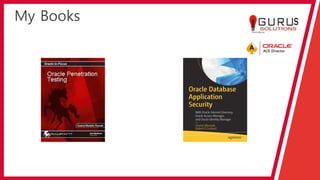
o Author of two books and working on my 3rd one.
oPresenter & Contributor in Oracle Community
oPublished articles in different magazines
oBlogger on osamaoracle.com
My Books
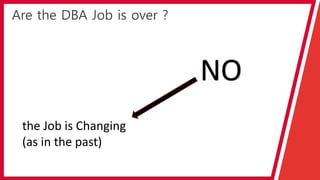
Are the DBA Job is over ?
NO
the Job is Changing
(as in the past)
Oracle Autonomous Database i
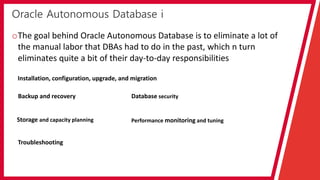
oThe goal behind Oracle Autonomous Database is to eliminate a lot of
the manual labor that DBAs had to do in the past, which n turn
eliminates quite a bit of their day-to-day responsibilities
Installation, configuration, upgrade, and migration
Backup and recovery
Storage and capacity planning
Database security
Performance monitoring and tuning
Troubleshooting
Oracle breaks its database automation into three areas
• Self-driving, which means the database itself handles patching,
upgrades, and tuning while the database is running, and without the
need for any human intervention.
• Self-securing databases take care of all their own security needs. They
automatically encrypt data, handle security updates without the need
for downtime, and protect against external and internal attacks.
Self-repairing means that the database will "automatically detect and
apply corrective actions to ensure nonstop access to your data." It also
uses Oracle Real Application Clusters (RAC) and cross-region Oracle
Active Data Guard to increase uptime and smooth repairs.
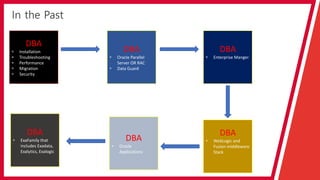
In the Past
DBA
• Oracle Parallel
Server OR RAC
• Data Guard
DBA
• Installation
• Troubleshooting
• Performance
• Migration
• Security
DBA
• Enterprise Manger
DBA
• WebLogic and
Fusion middleware
Stack
DBA
• Oracle
Applications
DBA
• ExaFamily that
includes Exadata,
Exalytics, Exalogic
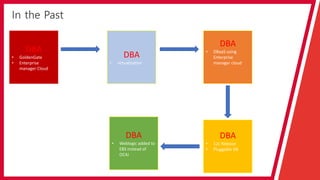
In the Past
DBA
• virtualization
DBA
• GoldenGate
• Enterprise
manager Cloud
DBA
• DBaaS using
Enterprise
manager cloud
DBA
• 12c Release
• Pluggable DB
DBA
• Weblogic added to
EBS instead of
OC4J
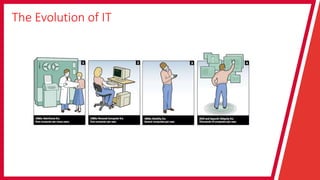
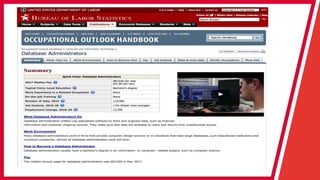
The Evolution of IT
So DBA, What do you do ?
• Get more technical – every time a new project comes in, sharpen your
skills. Get more involved in failover clustering, storage, virtualization,
or the cloud. Write technical presentations to teach your own
company’s staff, and then the public.
• Business intelligence – if you’re constantly surrounded by valuable
data, and you’ve got a creative eye, you can help make sense out of all
those letters and numbers. There’s never been a better time to help
people get actionable insight out of your tables. It’s a wildly different
career path than DBA – it involves more time with people, and less
time with maintenance plans.
So DBA, What do you do ?
• Consult – get technical enough, and develop a reputation for solving
tough problems quickly, and you can change gears entirely. Instead of
working for a single company, you can move around from company to
company, giving guidance on how to put out more fires faster.
• Contract – in some markets, you can keep doing what an employee
does, but as an outsider. Consultants tell companies what to do, and
contractors do what they’re told. If you enjoy the job duties and don’t
really care for the big picture, contracting can be more lucrative.
So DBA, What do you do ?
• Management – if you have enough IT pros around you, and you’ve got
a knack for people skills, you can really shift gears and manage people
instead of servers. Caution, though: this is nothing to do with
databases whatsoever. The skills that served you so well
troubleshooting a cluster may not help you motivate an employee you
don’t like to do a task they hate.
• Architecture – your constant interactions with developers teach you
more and more about building large systems. Because you’re more
senior than other folks in the shop, you end up giving design guidance.
Eventually you spend more time doing guidance than managing
databases, or they hire a junior DBA in to backfill your production
duties.
What are my choices as DBA ?
• Continue as current DBA Learn the new database ATP, Open
source DB.
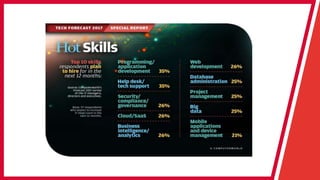
• Add new skills such as Cloud/DevOps/Big data/IOT/BI.
• Add skills with Chatbots (Integrate with Apps).
• Add new Skills such as Machine Learning.
• Add New Skills with AI & VR.
• New Skills with Robotics.
• Add new programming skills to your career.
• A lot of other technologies has been released and can be
added
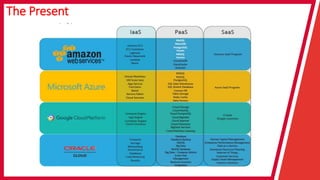
The Present
What you should put into your Consideration ?
• Retirement matters ?
• Did you grow up in Tech & only know that?
• Are you willing to learn new Skills ?
• Do you like Business Side ?
• What About your connection In Business Side ?
• How many project did you implement during your experience ?
Remember Change … not a problem for you if you’re a DBA
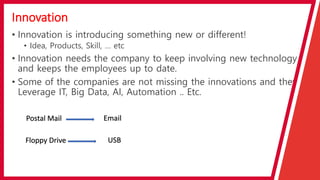
Innovation
• Innovation is introducing something new or different!
• Idea, Products, Skill, … etc
• Innovation needs the company to keep involving new technology
and keeps the employees up to date.
• Some of the companies are not missing the innovations and they
Leverage IT, Big Data, AI, Automation .. Etc.
Postal Mail Email
Floppy Drive USB
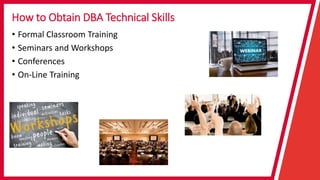
How to Obtain DBA Technical Skills
• Formal Classroom Training
• Seminars and Workshops
• Conferences
• On-Line Training
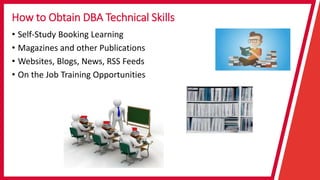
How to Obtain DBA Technical Skills
• Self-Study Booking Learning
• Magazines and other Publications
• Websites, Blogs, News, RSS Feeds
• On the Job Training Opportunities
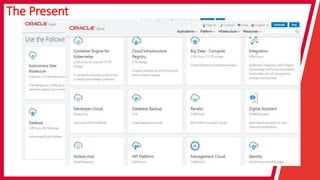
The Present
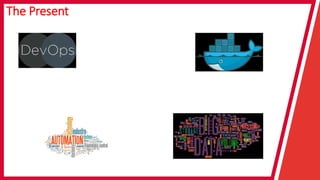
The Present
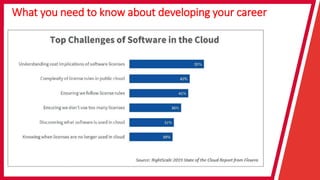
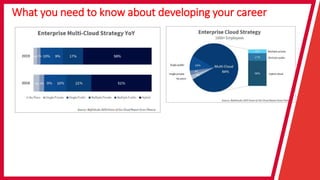
What you need to know about developing your career
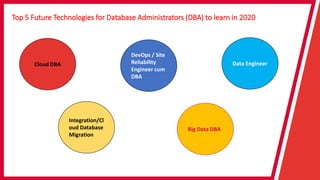
Top 5 Future Technologies for Database Administrators (DBA) to learn in 2020
Cloud DBA
Integration/Cl
oud Database
Migration
DevOps / Site
Reliability
Engineer cum
DBA
Big Data DBA
Data Engineer
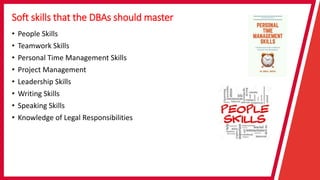
Soft skills that the DBAs should master
• People Skills
• Teamwork Skills
• Personal Time Management Skills
• Project Management
• Leadership Skills
• Writing Skills
• Speaking Skills
• Knowledge of Legal Responsibilities
Thank you!
Twitter
@OsamaOracle
My Blog
OsamaOracle.com
LinkedIn
https://jo.linkedin.com/in/osamamustafa

Does cloud mean the end of the dba

  • 1.
    Does Cloud Mean theEnd of the DBA? Osama Mustafa Oracle ACE Director
  • 2.
    Agenda oThe Evolution ofthe IT oThe Past oThe Present oThe future oNow, What is next ? oSummary
  • 3.
    Who Am I? oFounder/CEOfor Gurus Solutions oLeader & Director for JAOUG oOracle ACE Director o6x of OCI, 4x AWS and 5x Azure oAutomation Lover oStart as DBA and still working on different Of Databases. o Author of two books and working on my 3rd one. oPresenter & Contributor in Oracle Community oPublished articles in different magazines oBlogger on osamaoracle.com
  • 4.
  • 5.
    Are the DBAJob is over ? NO the Job is Changing (as in the past)
  • 7.
    Oracle Autonomous Databasei oThe goal behind Oracle Autonomous Database is to eliminate a lot of the manual labor that DBAs had to do in the past, which n turn eliminates quite a bit of their day-to-day responsibilities Installation, configuration, upgrade, and migration Backup and recovery Storage and capacity planning Database security Performance monitoring and tuning Troubleshooting
  • 8.
    Oracle breaks itsdatabase automation into three areas • Self-driving, which means the database itself handles patching, upgrades, and tuning while the database is running, and without the need for any human intervention. • Self-securing databases take care of all their own security needs. They automatically encrypt data, handle security updates without the need for downtime, and protect against external and internal attacks. Self-repairing means that the database will "automatically detect and apply corrective actions to ensure nonstop access to your data." It also uses Oracle Real Application Clusters (RAC) and cross-region Oracle Active Data Guard to increase uptime and smooth repairs.
  • 9.
    In the Past DBA •Oracle Parallel Server OR RAC • Data Guard DBA • Installation • Troubleshooting • Performance • Migration • Security DBA • Enterprise Manger DBA • WebLogic and Fusion middleware Stack DBA • Oracle Applications DBA • ExaFamily that includes Exadata, Exalytics, Exalogic
  • 10.
    In the Past DBA •virtualization DBA • GoldenGate • Enterprise manager Cloud DBA • DBaaS using Enterprise manager cloud DBA • 12c Release • Pluggable DB DBA • Weblogic added to EBS instead of OC4J
  • 11.
  • 12.
    So DBA, Whatdo you do ? • Get more technical – every time a new project comes in, sharpen your skills. Get more involved in failover clustering, storage, virtualization, or the cloud. Write technical presentations to teach your own company’s staff, and then the public. • Business intelligence – if you’re constantly surrounded by valuable data, and you’ve got a creative eye, you can help make sense out of all those letters and numbers. There’s never been a better time to help people get actionable insight out of your tables. It’s a wildly different career path than DBA – it involves more time with people, and less time with maintenance plans.
  • 13.
    So DBA, Whatdo you do ? • Consult – get technical enough, and develop a reputation for solving tough problems quickly, and you can change gears entirely. Instead of working for a single company, you can move around from company to company, giving guidance on how to put out more fires faster. • Contract – in some markets, you can keep doing what an employee does, but as an outsider. Consultants tell companies what to do, and contractors do what they’re told. If you enjoy the job duties and don’t really care for the big picture, contracting can be more lucrative.
  • 14.
    So DBA, Whatdo you do ? • Management – if you have enough IT pros around you, and you’ve got a knack for people skills, you can really shift gears and manage people instead of servers. Caution, though: this is nothing to do with databases whatsoever. The skills that served you so well troubleshooting a cluster may not help you motivate an employee you don’t like to do a task they hate. • Architecture – your constant interactions with developers teach you more and more about building large systems. Because you’re more senior than other folks in the shop, you end up giving design guidance. Eventually you spend more time doing guidance than managing databases, or they hire a junior DBA in to backfill your production duties.
  • 15.
    What are mychoices as DBA ? • Continue as current DBA Learn the new database ATP, Open source DB. • Add new skills such as Cloud/DevOps/Big data/IOT/BI. • Add skills with Chatbots (Integrate with Apps). • Add new Skills such as Machine Learning. • Add New Skills with AI & VR. • New Skills with Robotics. • Add new programming skills to your career. • A lot of other technologies has been released and can be added
  • 17.
  • 18.
    What you shouldput into your Consideration ? • Retirement matters ? • Did you grow up in Tech & only know that? • Are you willing to learn new Skills ? • Do you like Business Side ? • What About your connection In Business Side ? • How many project did you implement during your experience ? Remember Change … not a problem for you if you’re a DBA
  • 19.
    Innovation • Innovation isintroducing something new or different! • Idea, Products, Skill, … etc • Innovation needs the company to keep involving new technology and keeps the employees up to date. • Some of the companies are not missing the innovations and they Leverage IT, Big Data, AI, Automation .. Etc. Postal Mail Email Floppy Drive USB
  • 20.
    How to ObtainDBA Technical Skills • Formal Classroom Training • Seminars and Workshops • Conferences • On-Line Training
  • 21.
    How to ObtainDBA Technical Skills • Self-Study Booking Learning • Magazines and other Publications • Websites, Blogs, News, RSS Feeds • On the Job Training Opportunities
  • 22.
  • 23.
  • 24.
    What you needto know about developing your career
  • 25.
    What you needto know about developing your career
  • 26.
    Top 5 FutureTechnologies for Database Administrators (DBA) to learn in 2020 Cloud DBA Integration/Cl oud Database Migration DevOps / Site Reliability Engineer cum DBA Big Data DBA Data Engineer
  • 27.
    Soft skills thatthe DBAs should master • People Skills • Teamwork Skills • Personal Time Management Skills • Project Management • Leadership Skills • Writing Skills • Speaking Skills • Knowledge of Legal Responsibilities
  • 29.