Download as PDF, PPTX

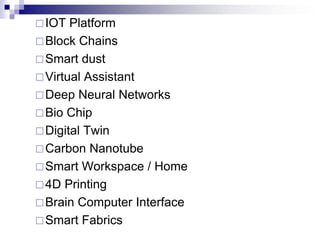
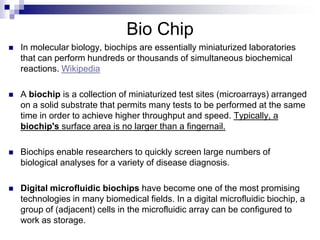
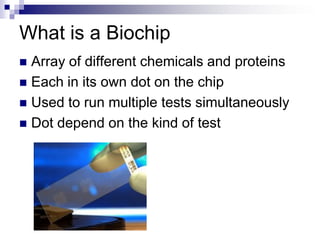
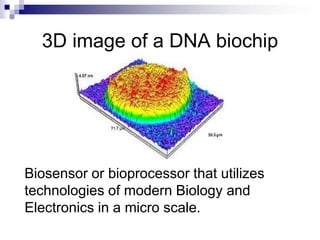
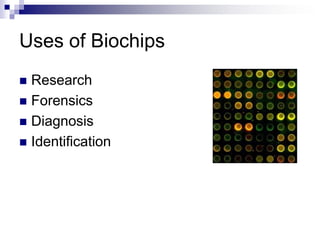
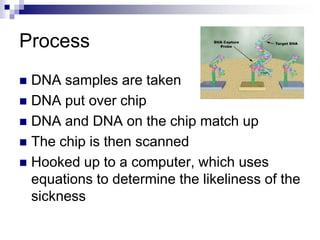
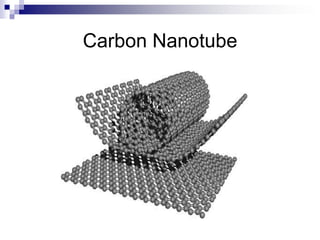
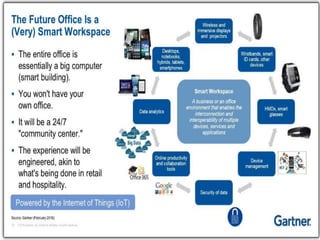
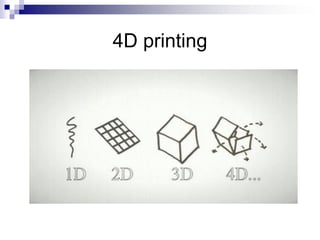
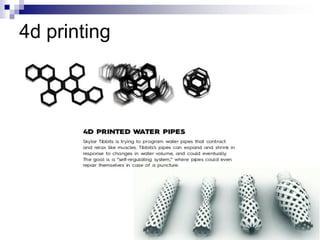
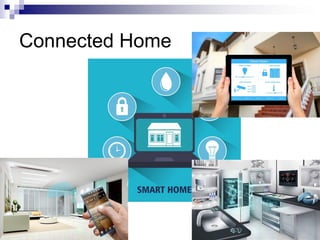

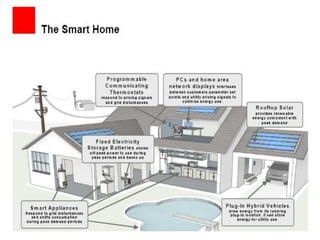
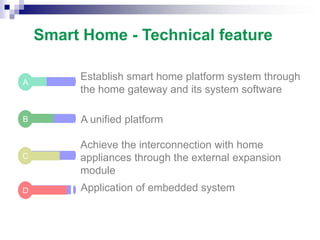
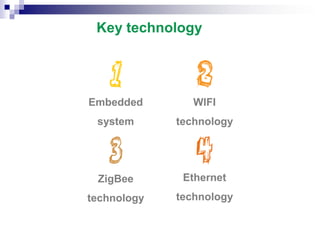
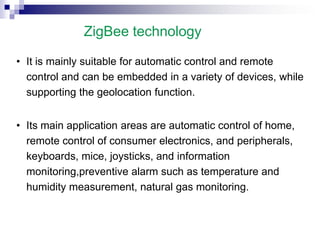
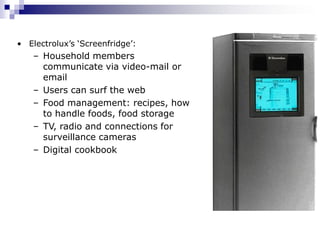
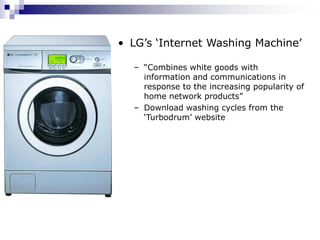
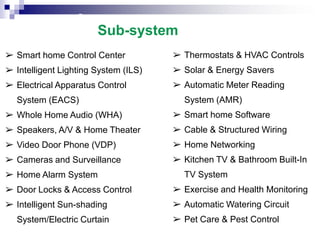
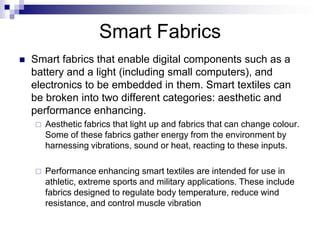
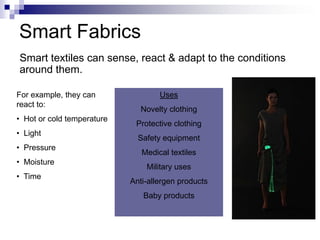
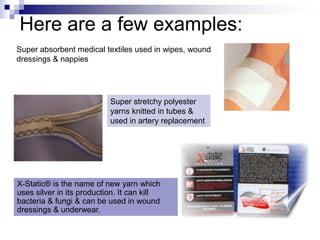

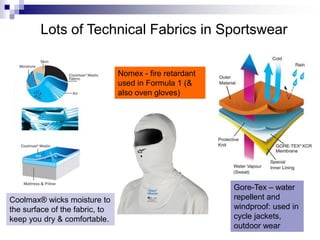



The document discusses several emerging disruptive technologies including biochips, digital twins, carbon nanotubes, smart workspaces, brain computer interfaces, 4D printing, and smart homes. Biochips can perform many biochemical reactions simultaneously and are used for disease diagnosis and identification. Digital twins are digital representations of physical systems that mirror and interact with the physical world. Carbon nanotubes have unique electrical and mechanical properties and potential applications in electronics, sensors, and medicine. Smart workspaces use connectivity, flexibility, and technology to improve employee productivity and experience. Brain computer interfaces allow direct communication between the brain and external devices for research, assistance, and repair of cognitive functions. 4D printing produces objects that can change shape over time in response to environmental


![Getting Started with Apache Spark: Big Data Made Simple [Free Meetup]](https://cdn.slidesharecdn.com/ss_thumbnails/apachesparkgettingstarted-260203175547-8361bcc3-thumbnail.jpg?width=640&height=640&fit=bounds)


