



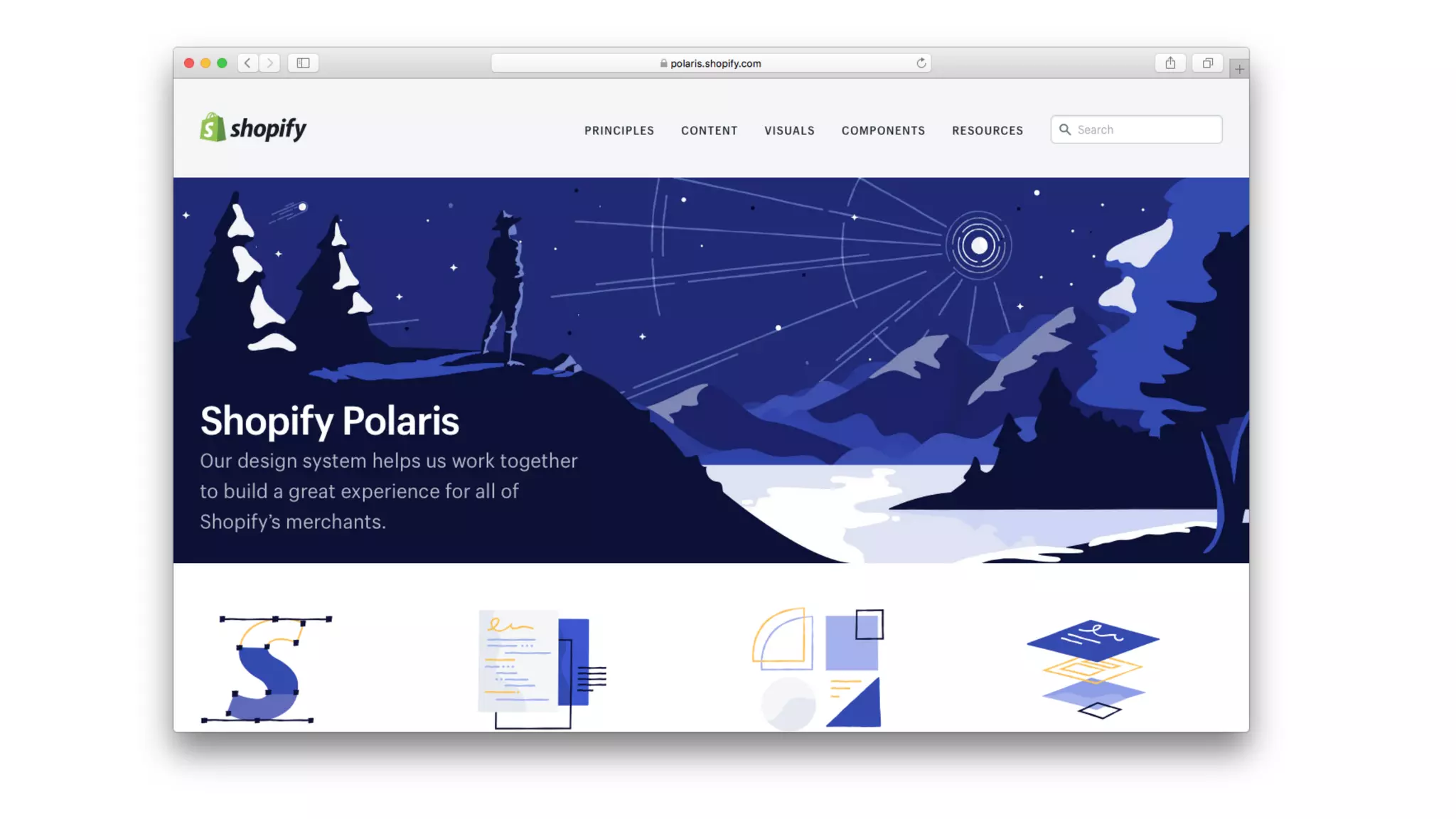
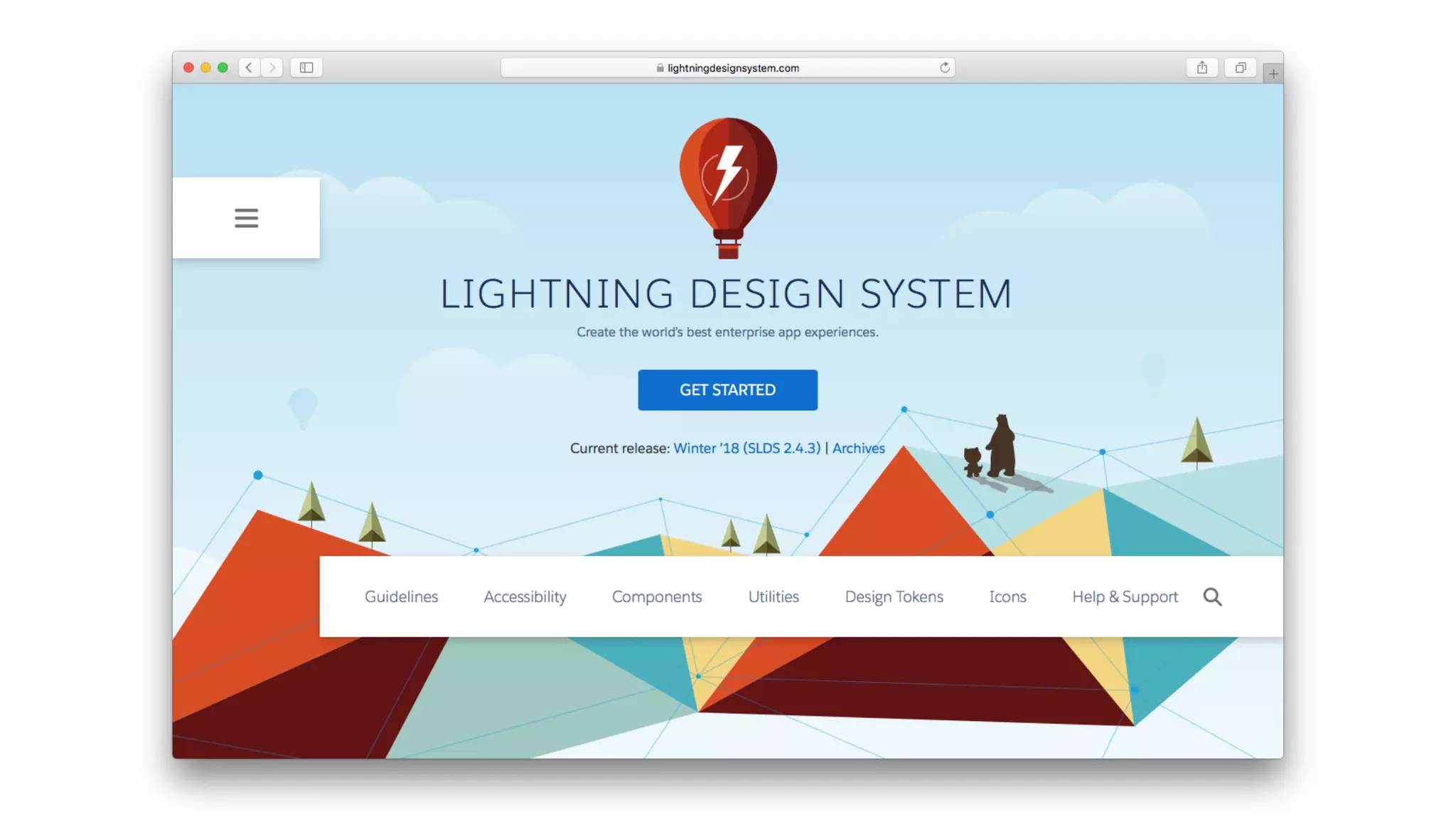



Design System First
Everyday Practices for Creating a Scalable Design Process
Hello!
Role: CEO and Co-founder at UXPin. Design Ops team.
Background: UX Design & Psychology
Passion: Design and Development at scale. Product Strategy.
Design Ops. Design Systems.
@marcintreder
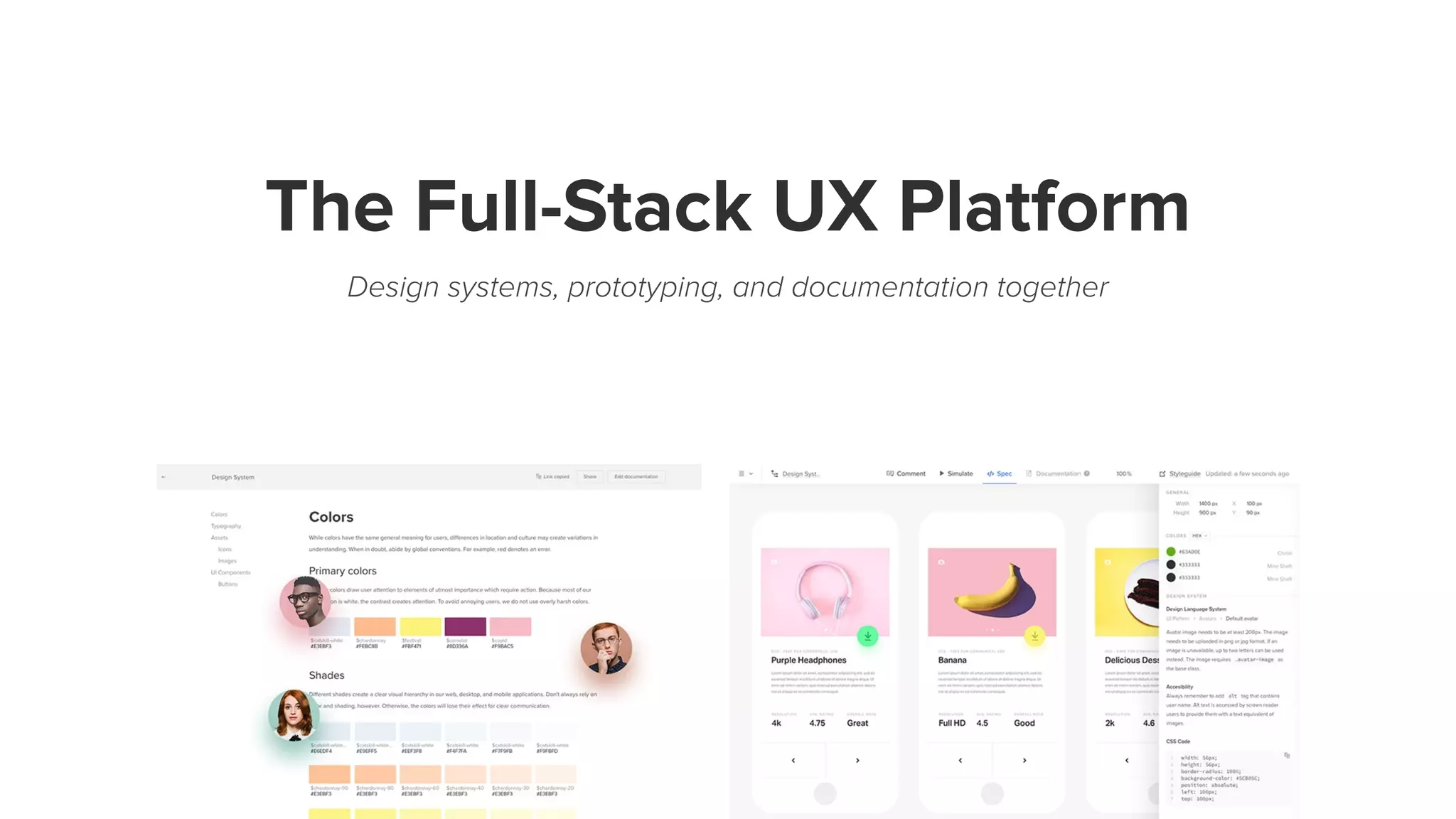
The Full-Stack UX Platform
Design systems, prototyping, and documentation together
UXPin in a Nutshell
Mission: Connecting design and development!
Customers: +150 countries. Focus on enterprises (PayPal, Sapient…)
Team: 70 people. 2 offices (Mountain View, CA and Gdansk, Poland)
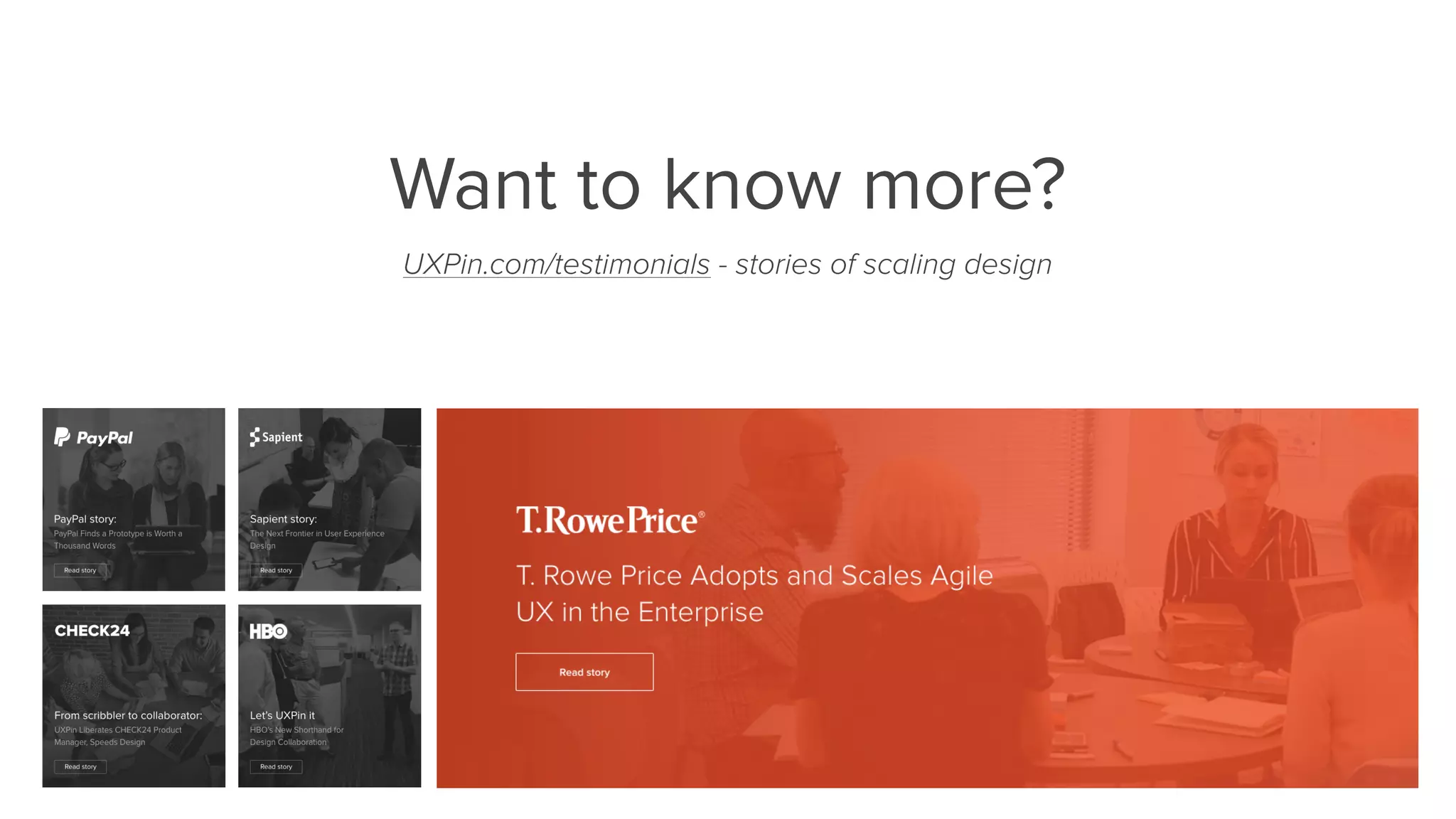
Want to know more?
UXPin.com/testimonials - stories of scaling design
Design System First?
3 things to remember
Elements of systemic thinking in design are beneficial to a team
and project of any size.
Without a design system in place, scaling design leads to chaos.
You can start building in a systemic way - right now.
Design at scale
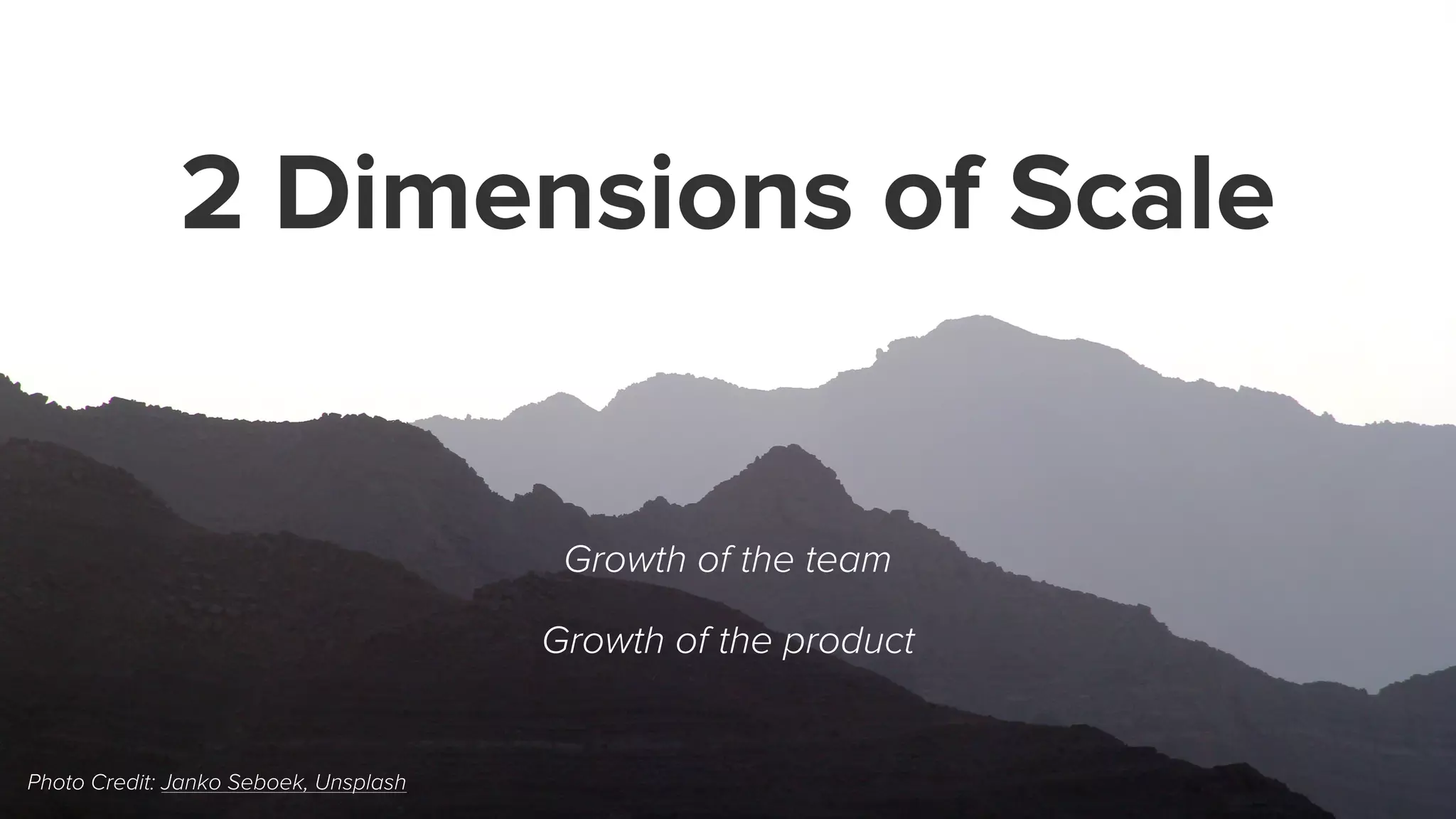
2 Dimensions of Scale
Growth of the team
Growth of the product
Photo Credit: Janko Seboek, Unsplash
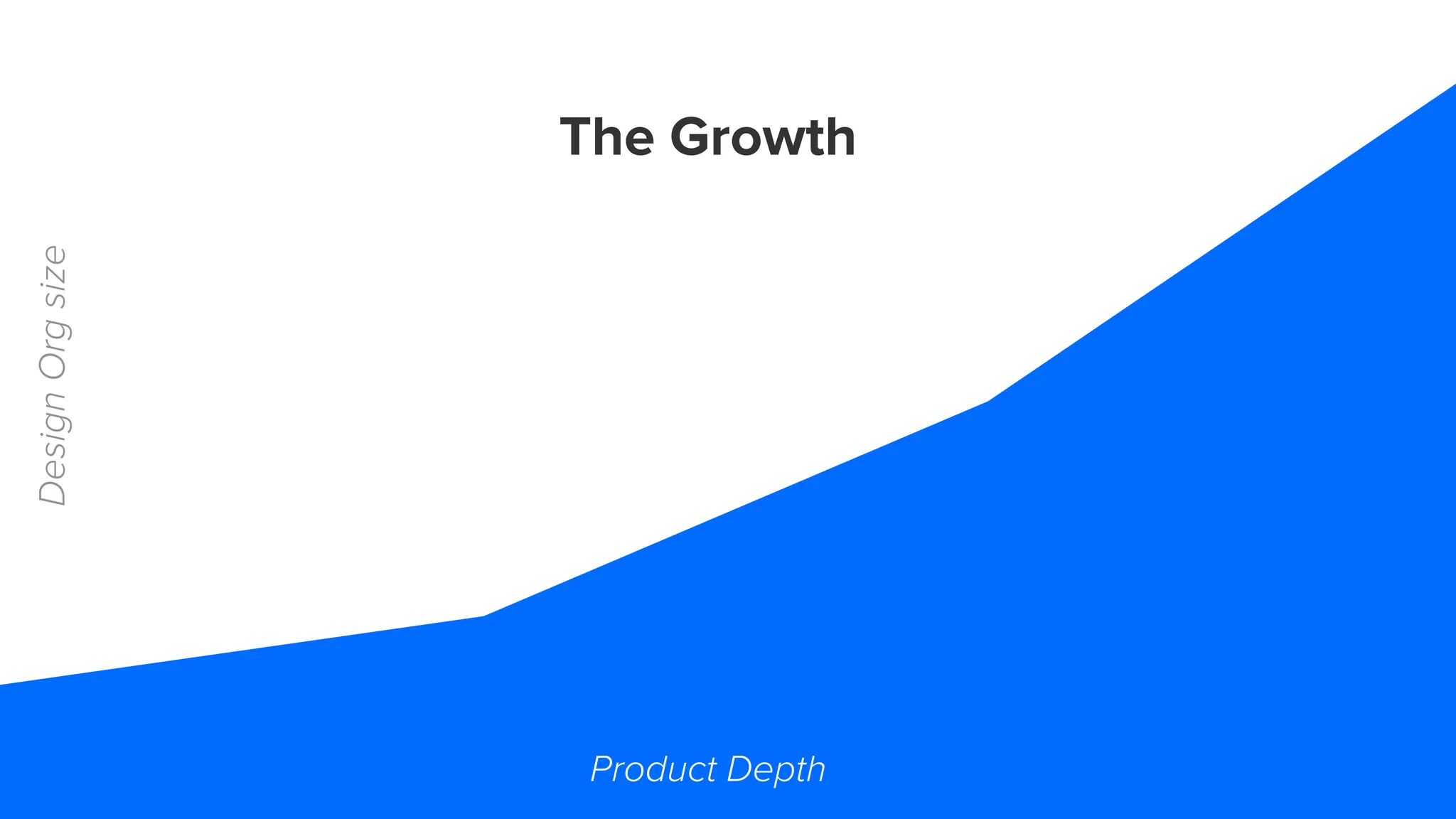
Product Depth
DesignOrgsize
The Growth
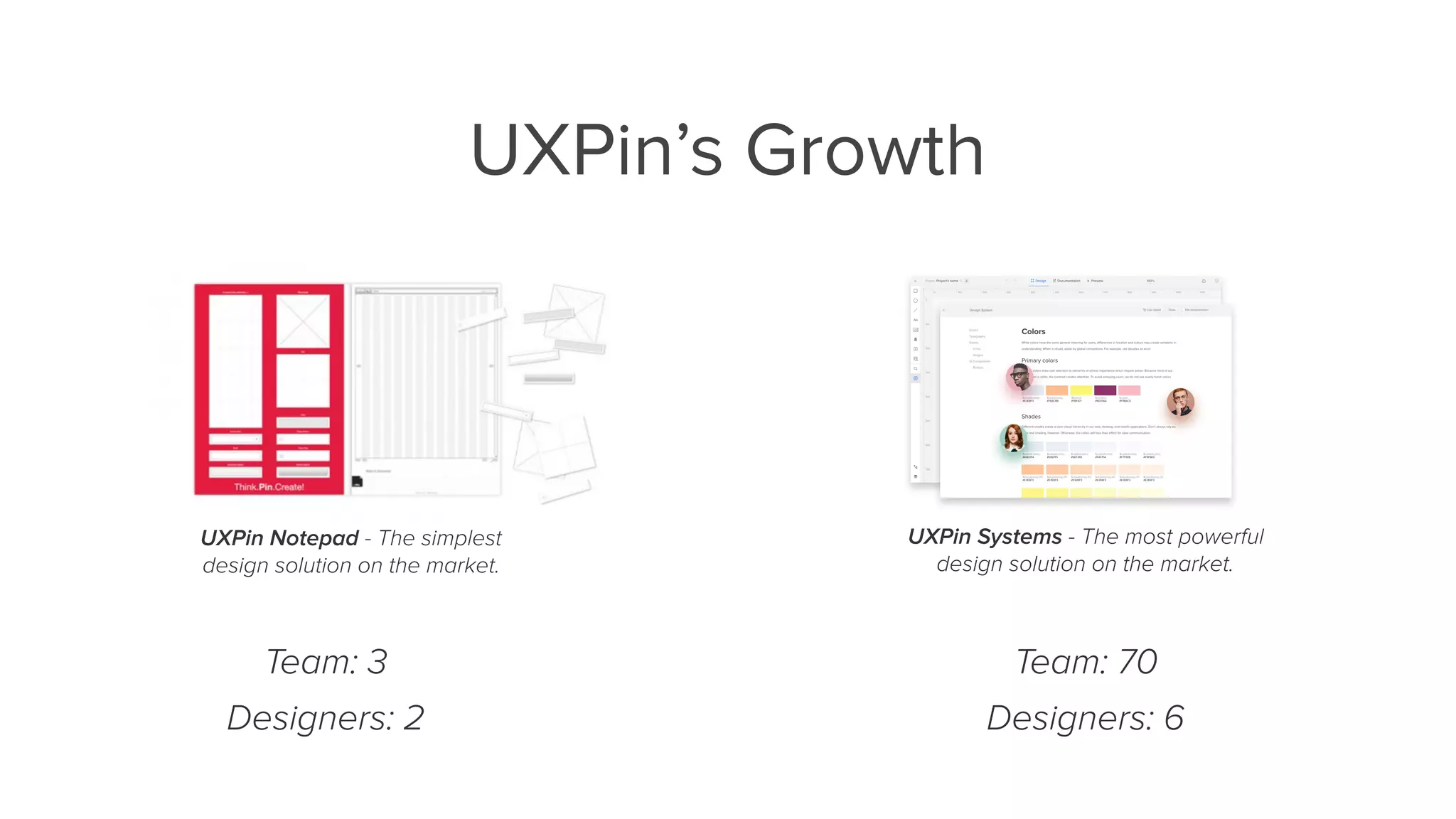
UXPin’s Growth
Team: 3
Designers: 2
Team: 70
Designers: 6
UXPin Notepad - The simplest
design solution on the market.
UXPin Systems - The most powerful
design solution on the market.
But sometimes growth has also the unexpected consequences…
Chaos
Photo by: Patrick Tomasso on Unsplash
“We have to do more and faster… let’s grow the team!”
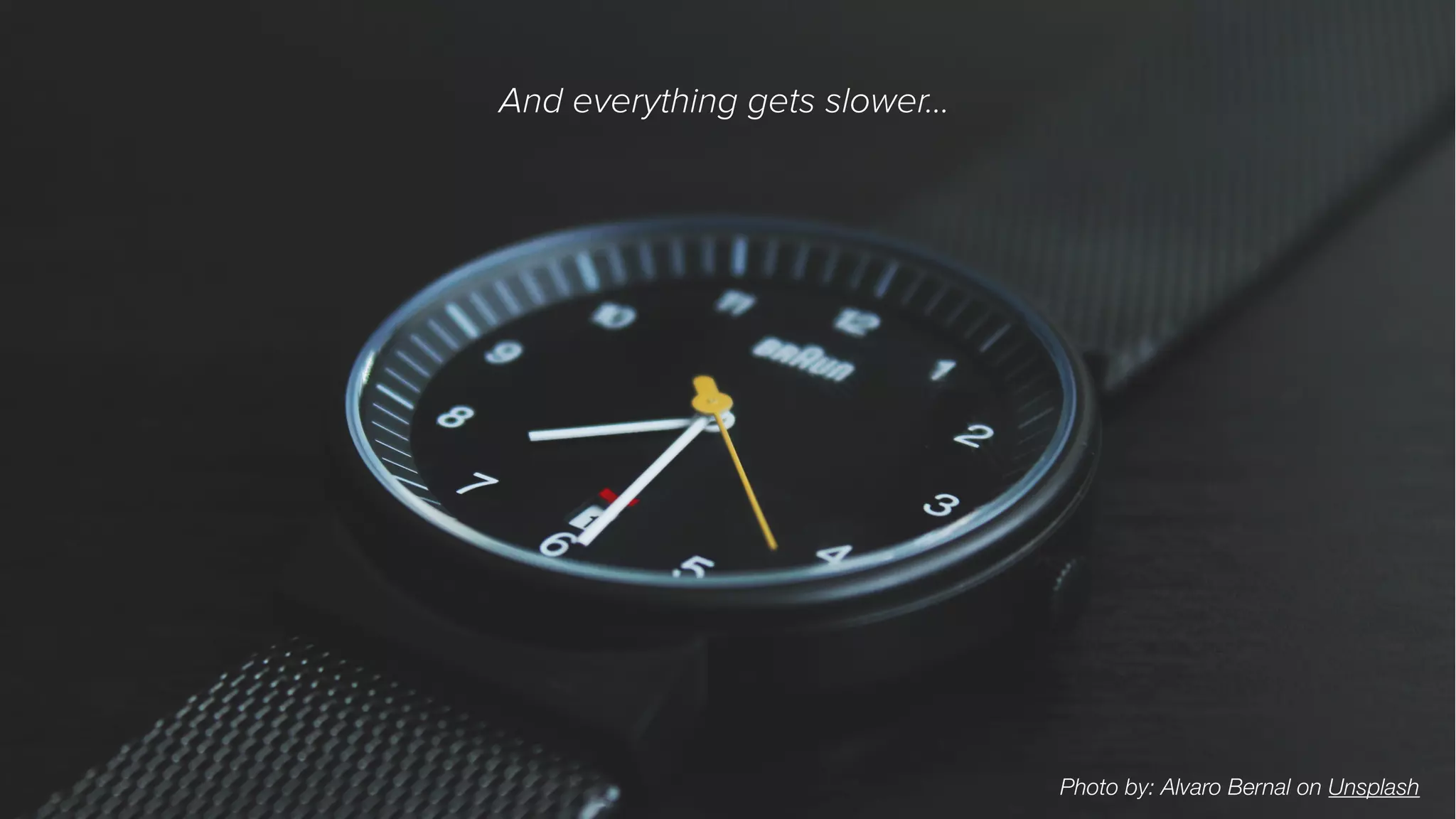
Photo by: Alvaro Bernal on Unsplash
And everything gets slower…
And the quality…
Photo by: Heather Zabriskie on Unsplash
Sounds familiar?
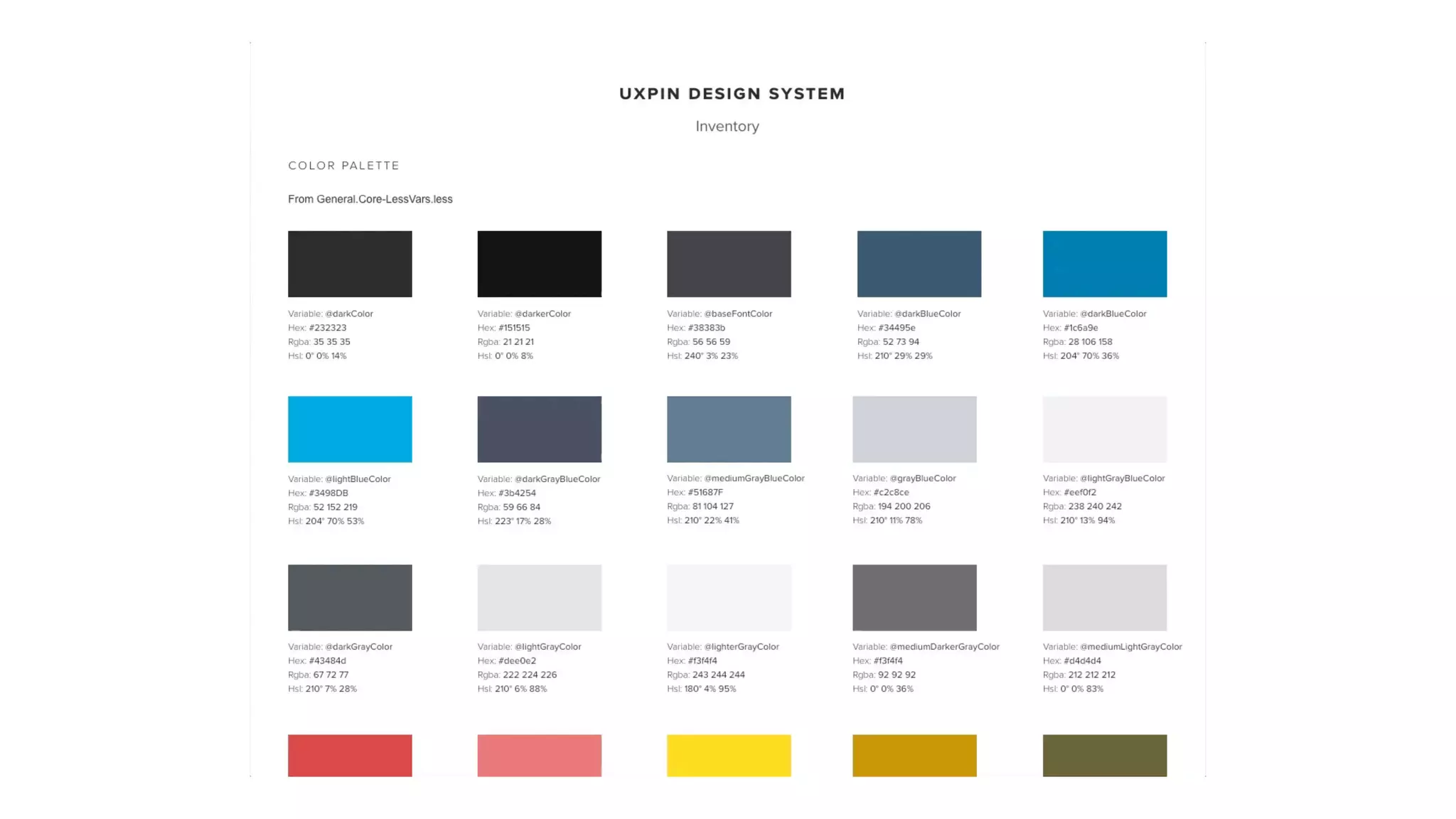
If nothing is standard than everything adds to the chaos.
Unmanaged or mismanaged process of growing design
organization and product leads to:
• user confusion,
• slow design process,
• high cost of product maintenance
• cultural tension.
Photo by: Mark Asthoff on Unsplash Can you avoid it?
YES
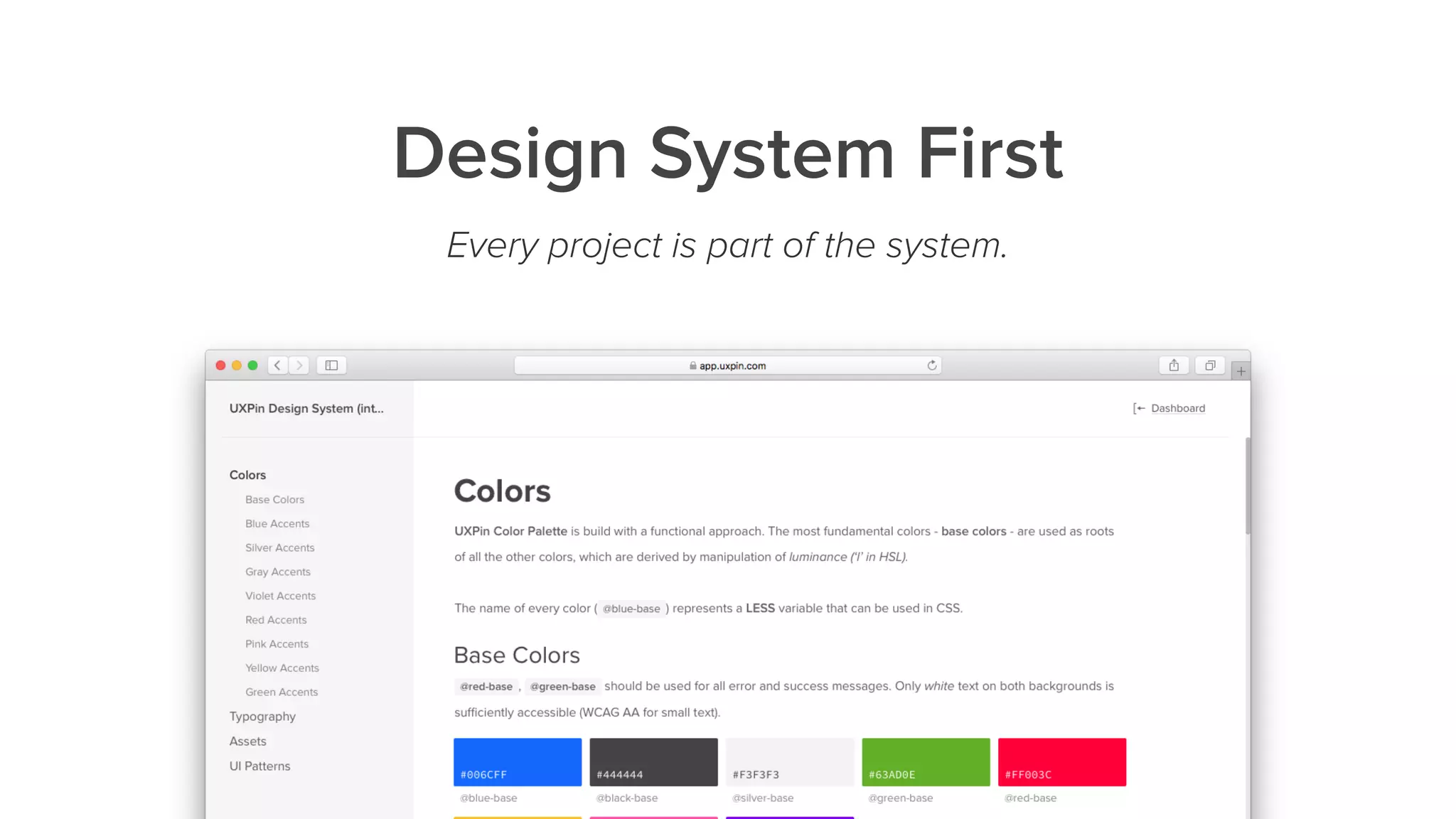
Design System First
Every project is part of the system.
What is a design system again?
“A scalable framework of decisions & team
behaviors across a product portfolio to
converge on a cohesive experience.“
- Nathan Curtis
Decisions, guidelines, resources.
Big companies with lots of $$$ only?
Photo by: Davide Regusa on Unsplash
NO
Design system starts with a way of thinking… and expands over time.
“Thinking modularly and using concepts like components
are vital for a design to create a cohesive, holistic
experience for anything but the most basic or narrow
solution.“
- Nathan Curtis
Photo by: Daniel Hjalmarsson Unsplash
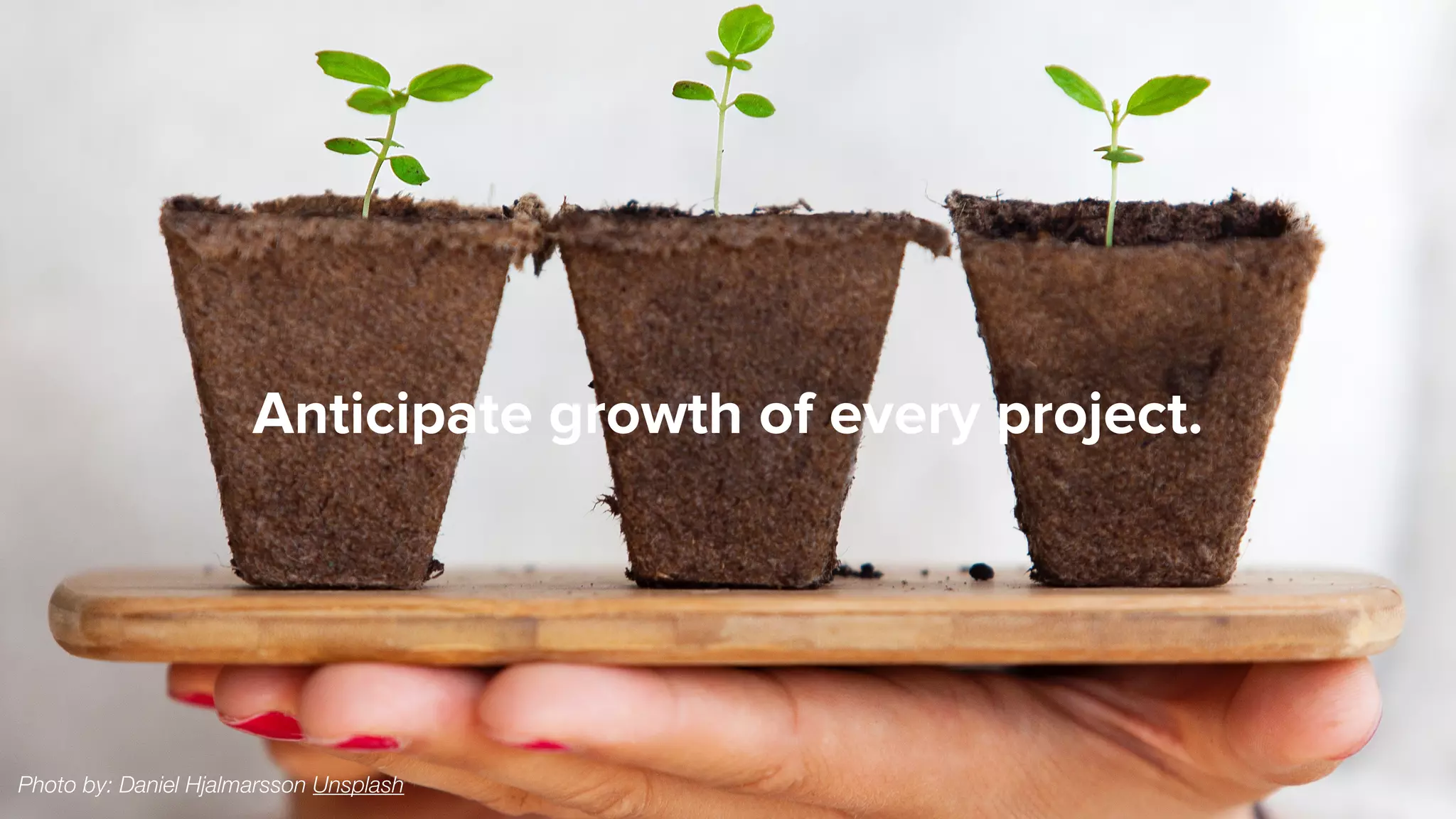
Anticipate growth of every project.
Expect the greatness of the project and design for it.
4 techniques
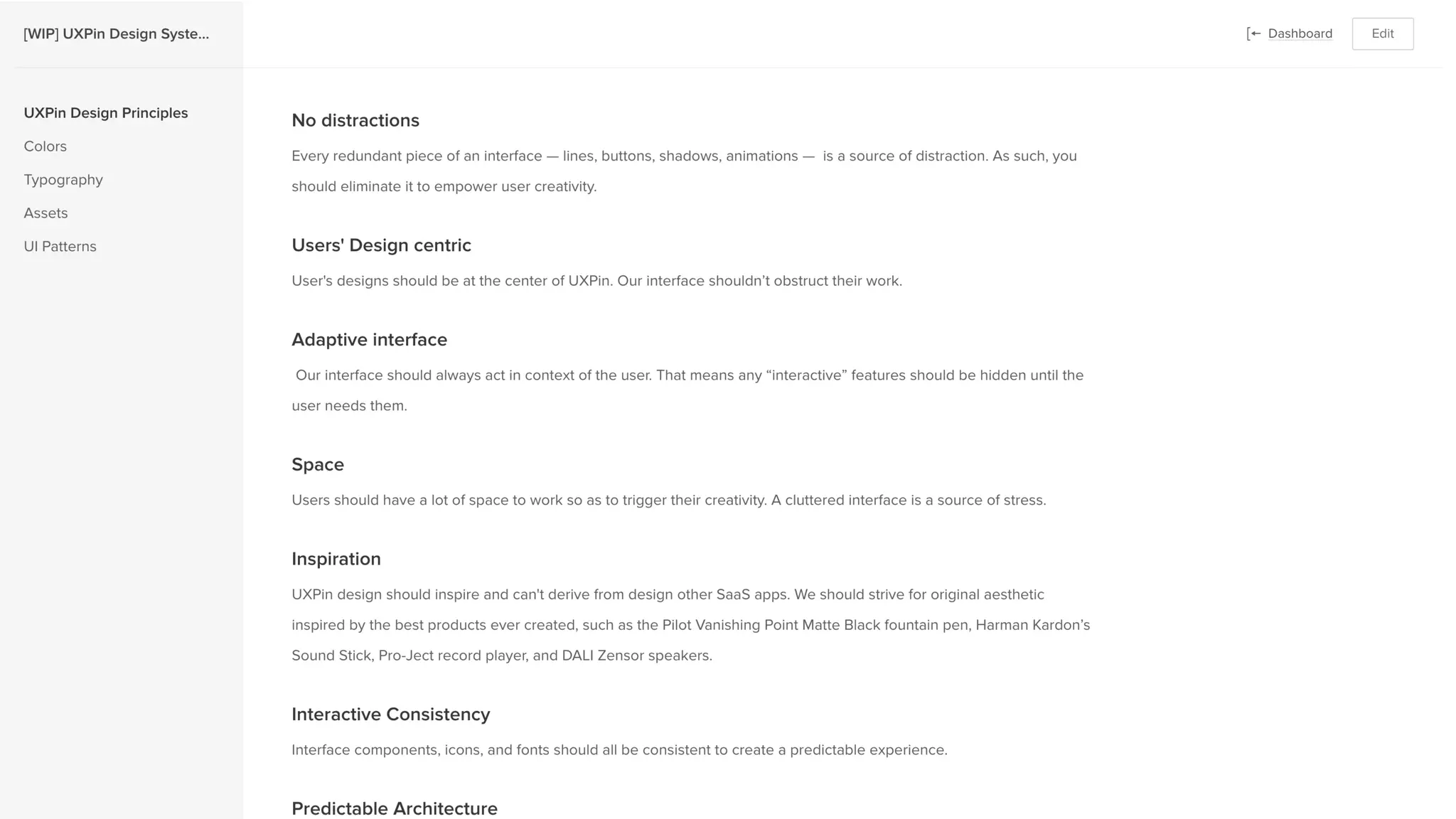
1. Ground your work in principles
2. Set standards, avoid temporary plugs
The worst designs and the worst code start with a thought
‘I’ll just leave it like that for now’.
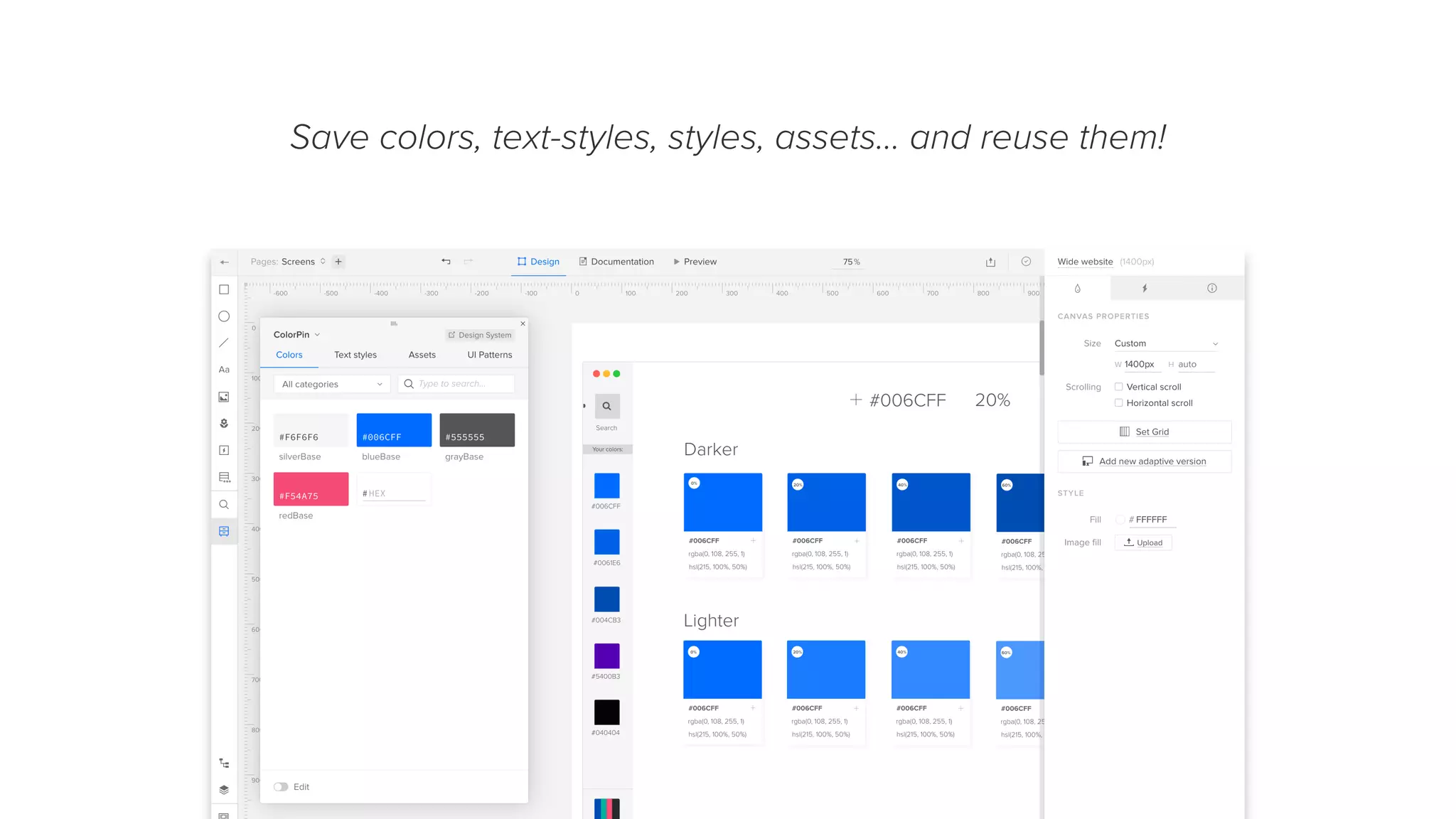
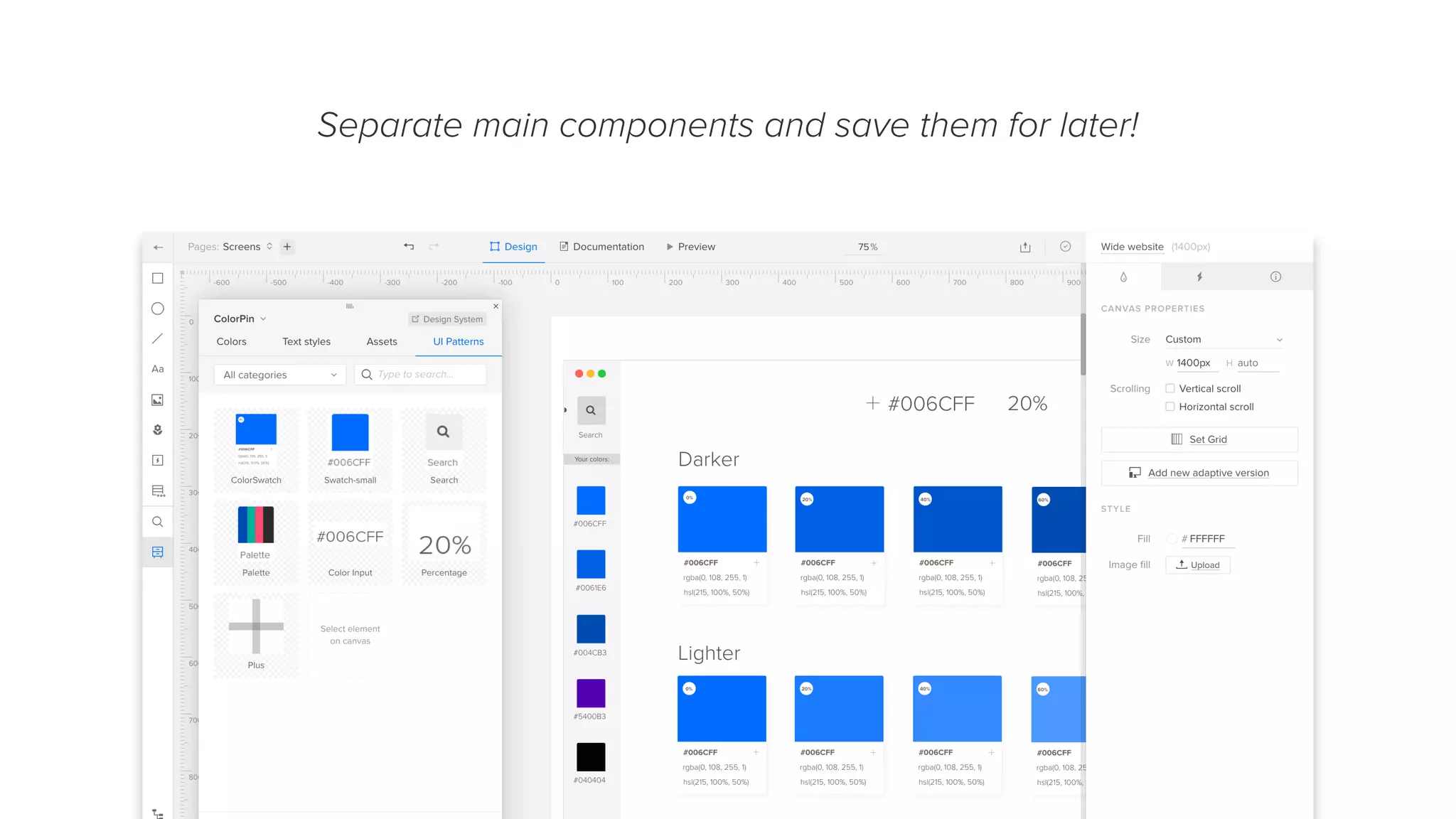
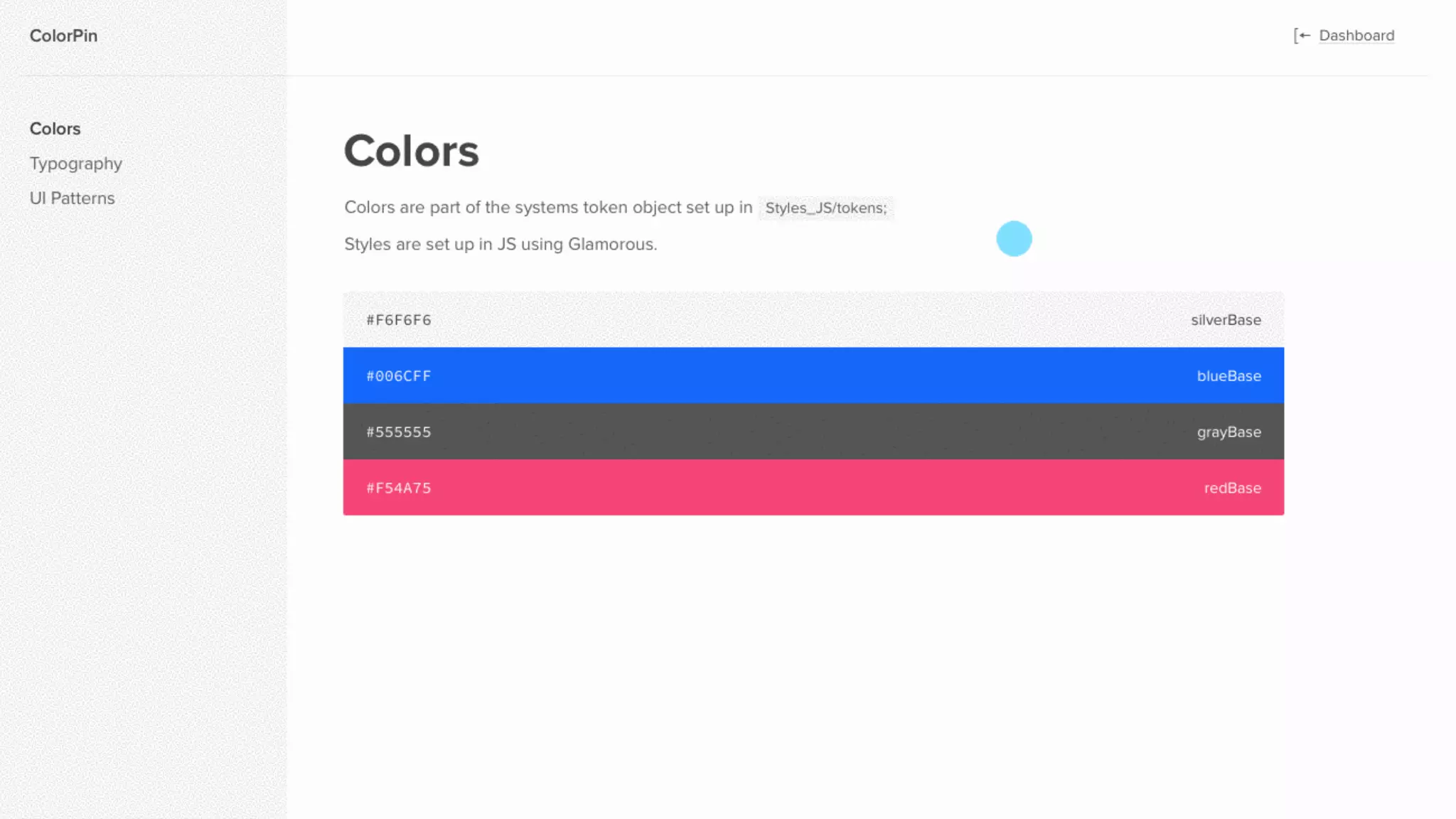
Save colors, text-styles, styles, assets… and reuse them!
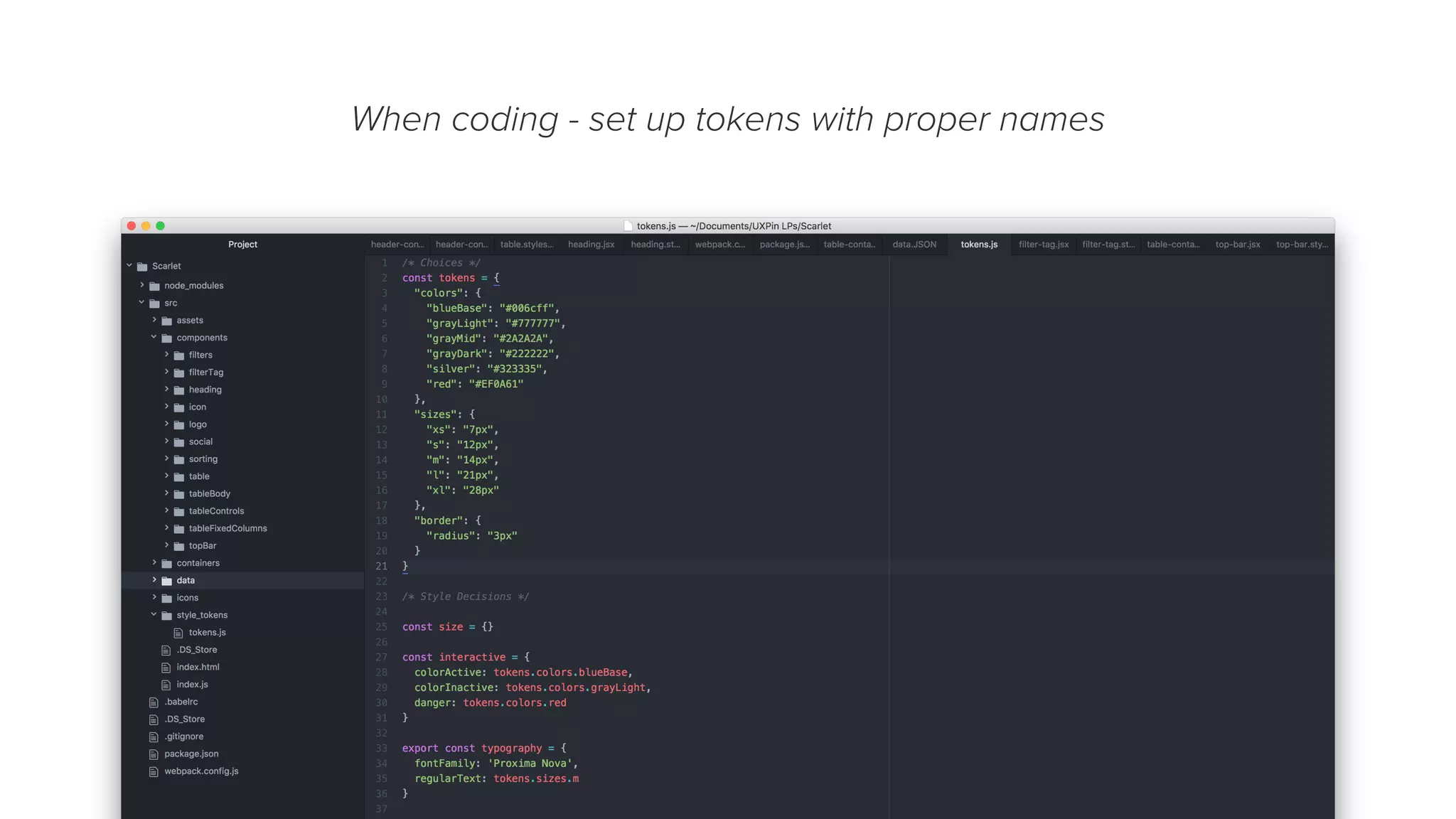
When coding - set up tokens with proper names
3. Think modular. Build components.
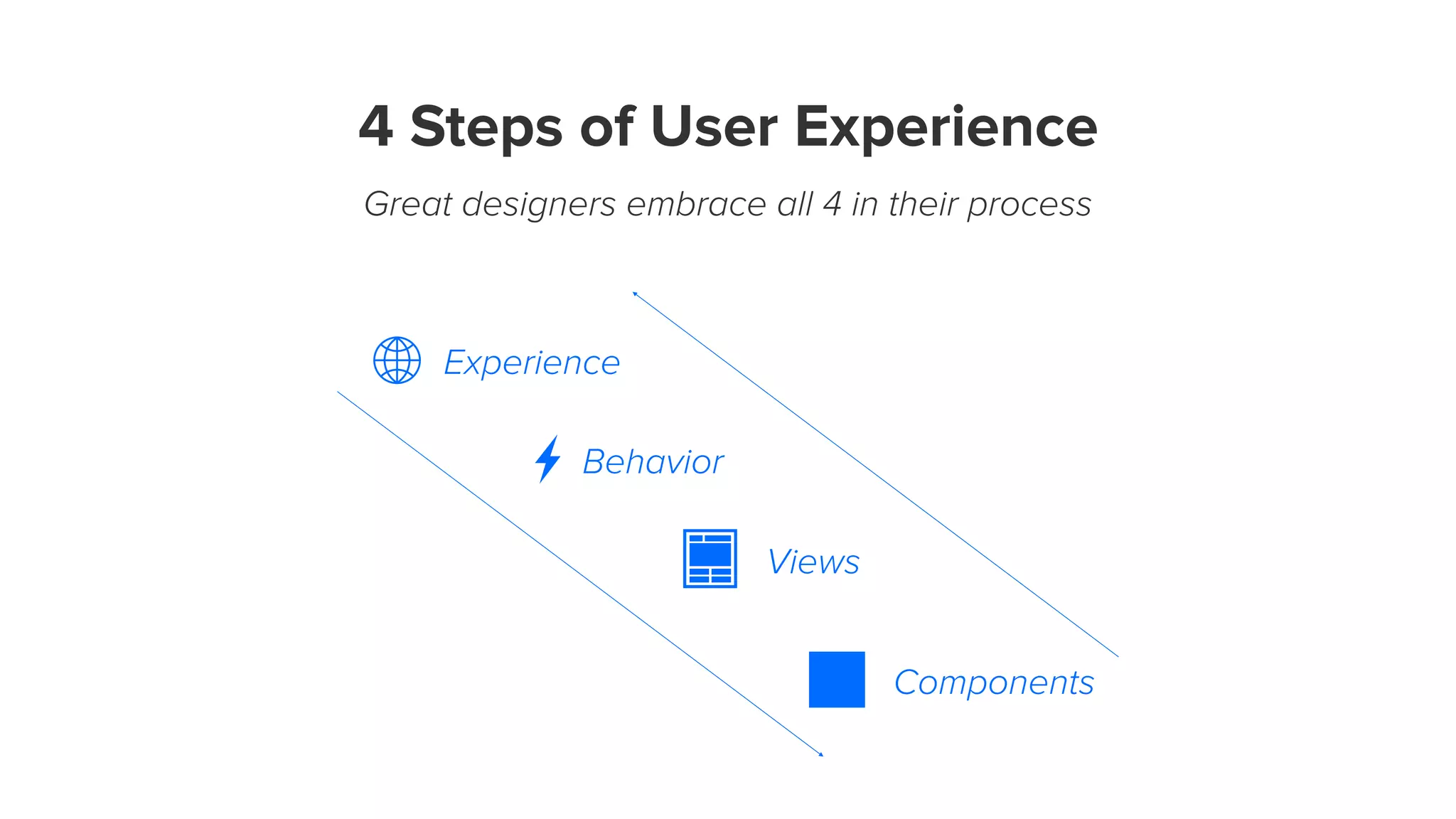
4 Steps of User Experience
Great designers embrace all 4 in their process
Behavior
Experience
Views
Components
Can you see all 4 steps in your projects?
Separate main components and save them for later!
Symbol?
If you use it more than once - it’s a symbol.
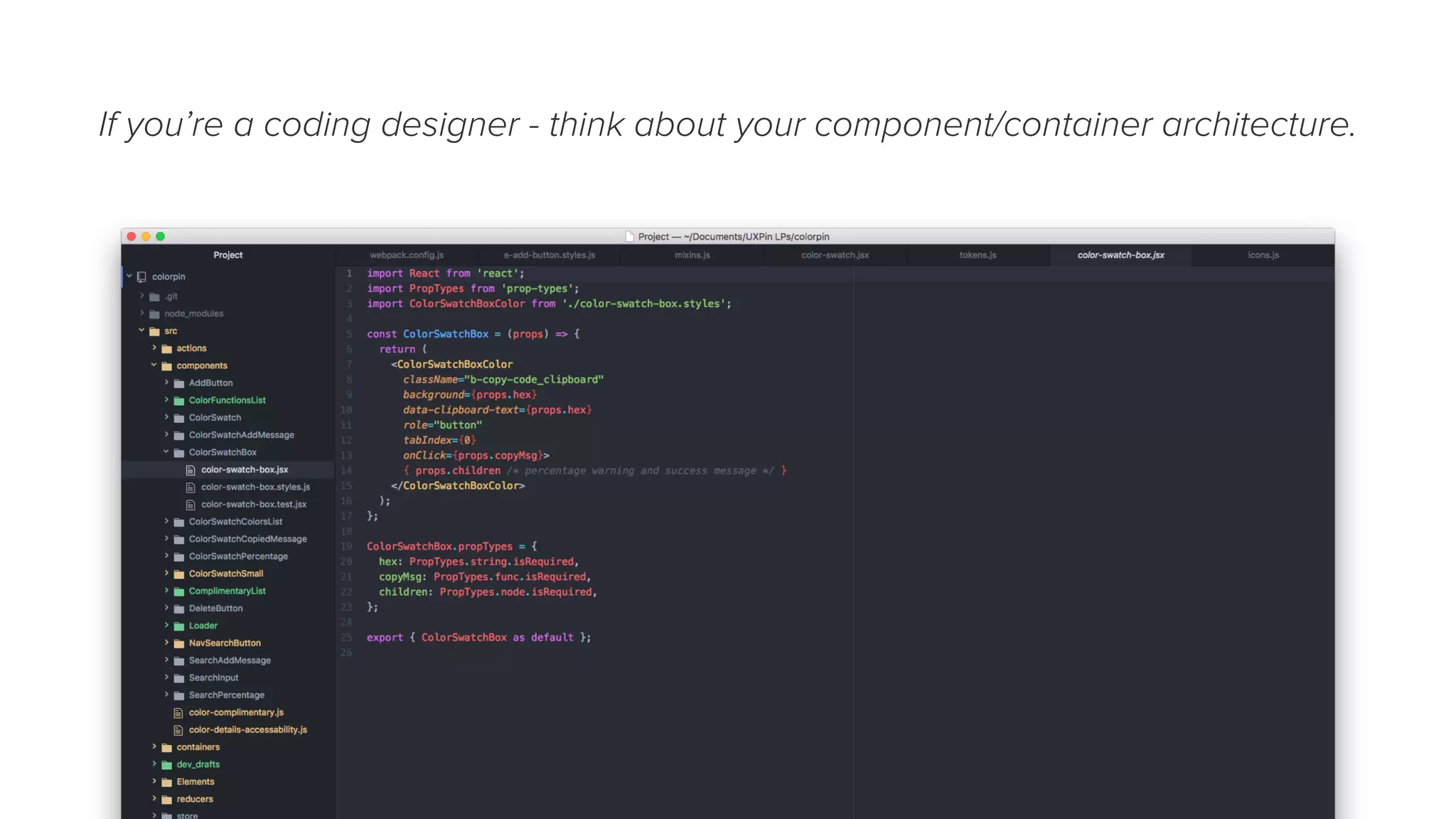
If you’re a coding designer - think about your component/container architecture.
4. Document
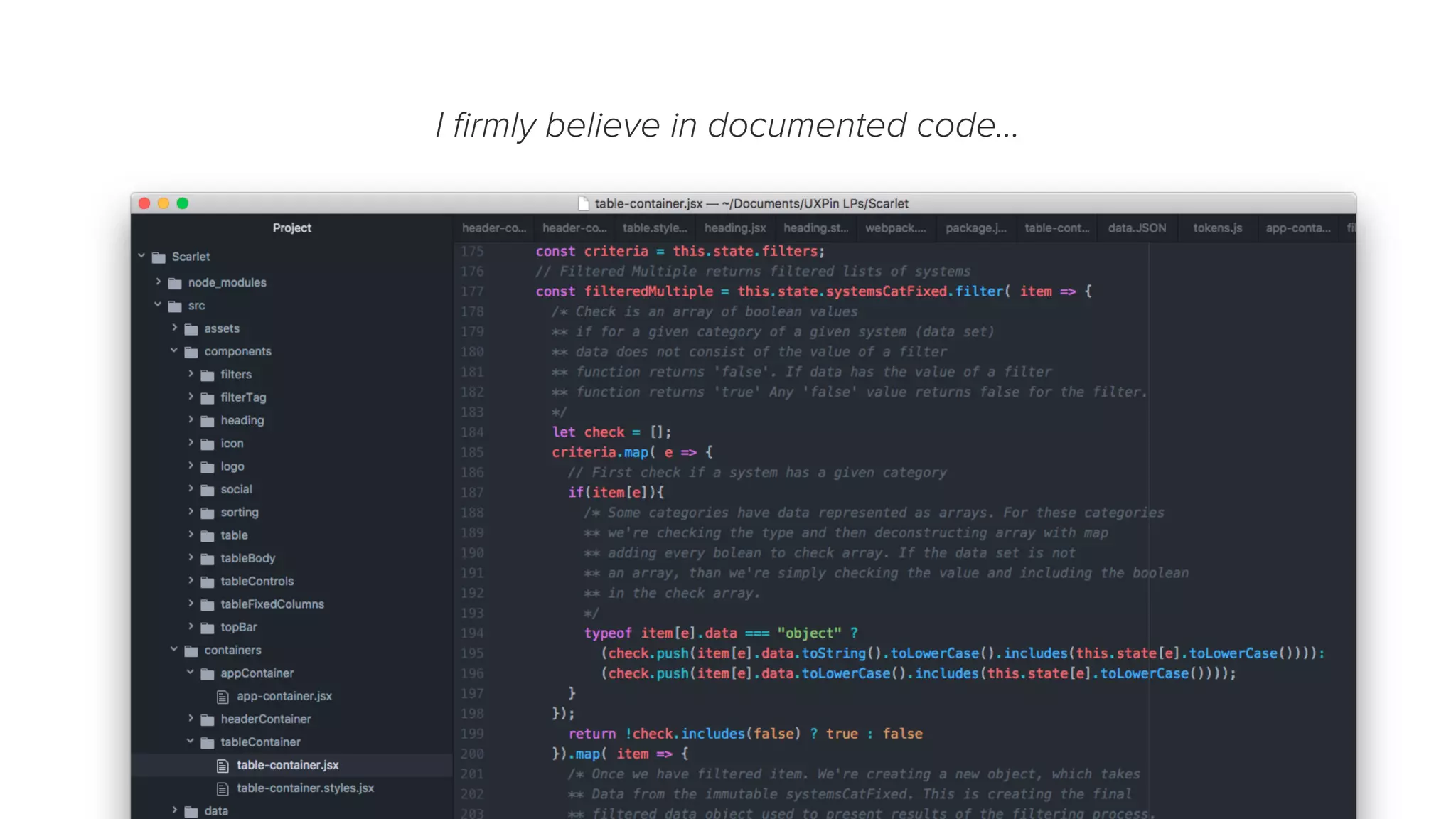
I firmly believe in documented code…
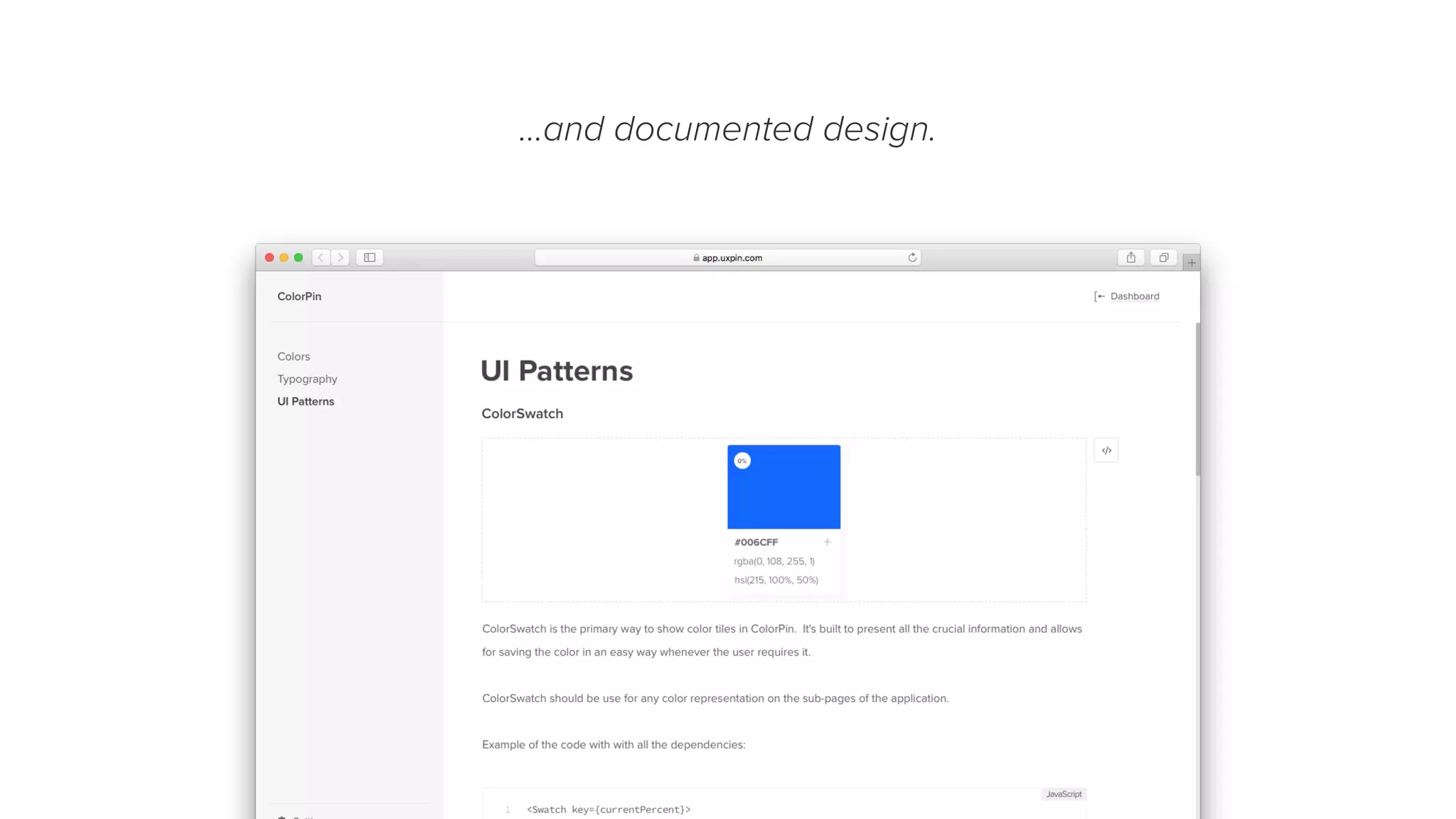
…and documented design.
…assume that everything has to be perfectly understandable for a
person who has no experience with the project.
The Process
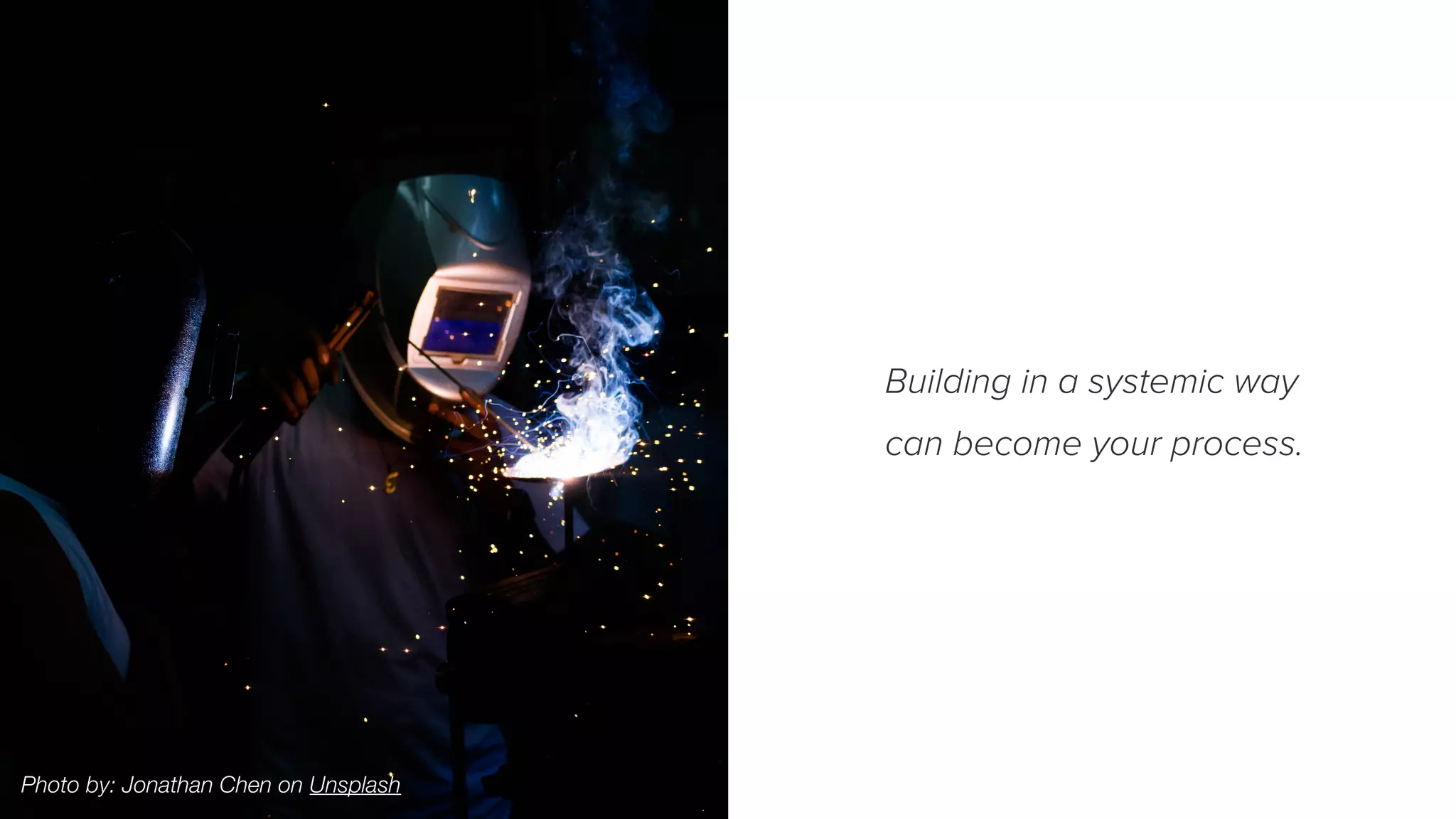
Building in a systemic way
can become your process.
Photo by: Jonathan Chen on Unsplash
Isn’t it too limiting?
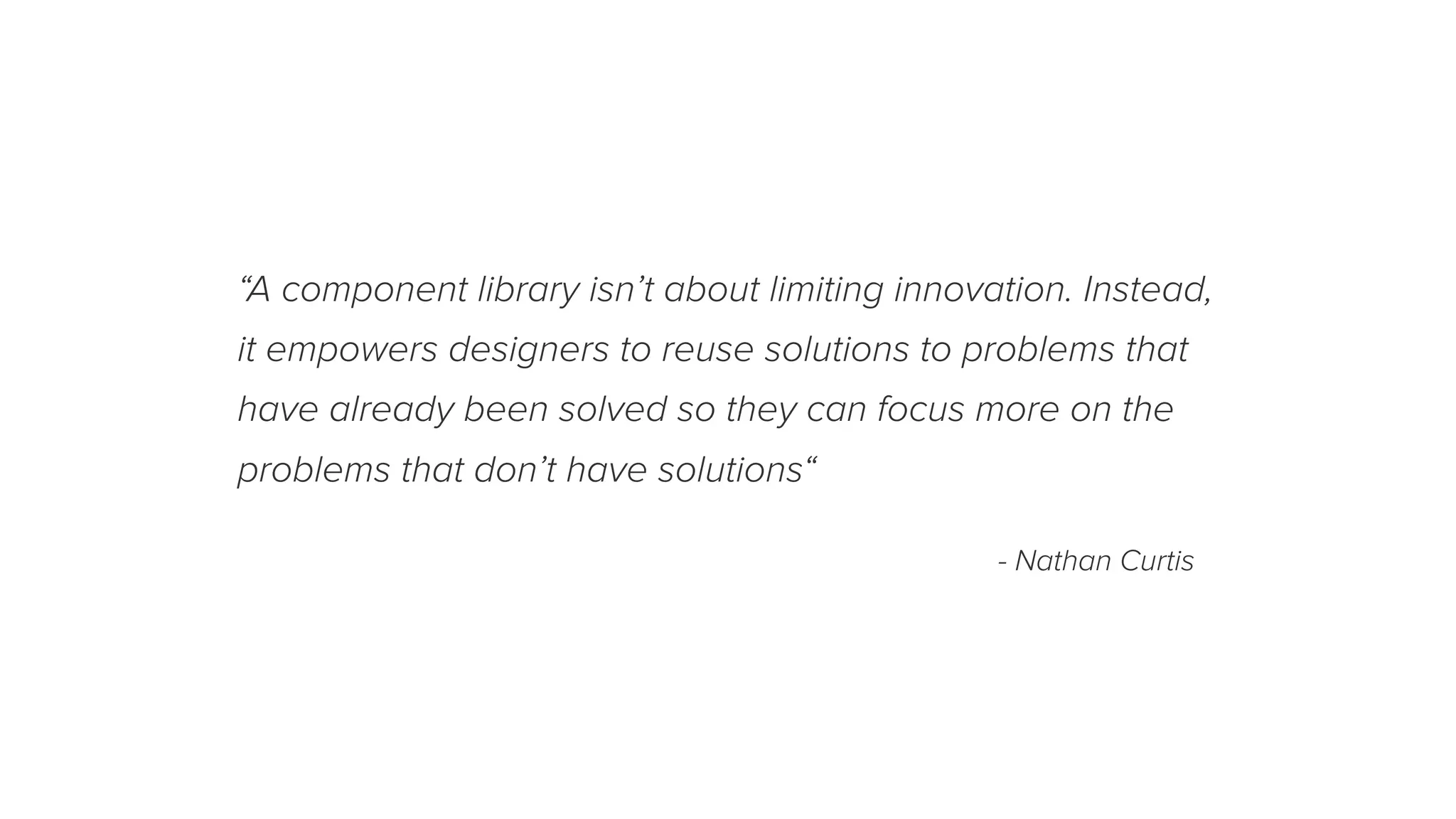
“A component library isn’t about limiting innovation. Instead,
it empowers designers to reuse solutions to problems that
have already been solved so they can focus more on the
problems that don’t have solutions“
- Nathan Curtis
Demo
Thank you!
@marcintreder

Design Systems First: Everyday Practices for a Scaleable Design Process