












Design patterns for
scaling web applications
SysAdmin Bulgaria meetup #01
Ivan Dimitrov
Manager Technical Operations
Xogito Group, Inc
ivan.dimitrov@xogito.com
tl;dr
Web application architecture
Life’s too short for bad software
- Lew Cirne
tl;dr
Scalability patterns
The only real problem is scaling.
Everything else is a sub-problem.
- O’Dell’s Axiom
Let’s start with hardware
Web application architecture
● Single machine web server
● Two-tier web application
● Multi-Tier application
● Message Bus architecture
● Service-Oriented architecture
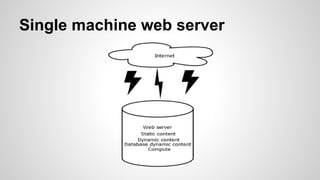
Single machine web server
● All in one server
o Real IP
o Web server
o Application server
o Database
o Storage
o Compute
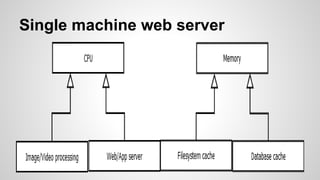
● All in one server
o Security problem
o Shared CPU
o Shared memory
o SPOF
o Maintenance =
Downtime
Single machine web server
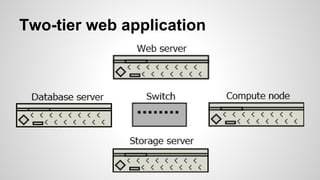
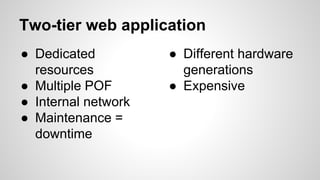
Two-tier web application
● Dedicated
resources
● Multiple POF
● Internal network
● Maintenance =
downtime
● Different hardware
generations
● Expensive
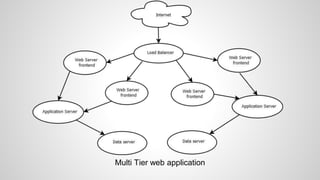
Multi Tier web application
Multi-tier web application
● Separate responsibility to teams
● Most of security at first tier
● Independant scaling
● Front-end can talk with APIs internaly
● Every tier can have it’s own hardware
requirements
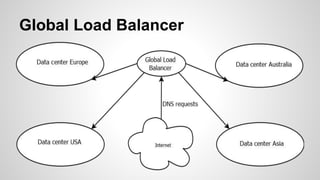
● Global Load Balancer
Global Load Balancer
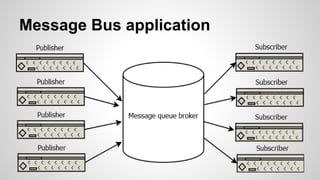
Message Bus application
● Many to Many communication between
servers
● Replaces constantly polling the database
● Asyncronious, not sorted
● Loosly coupled systems
● Support different hardware
Service Oriented Architecture
● Loosly coupled systems
● Service oriented company - small teams
● Can provide services to third parties
● Can subscribe to services from third parties
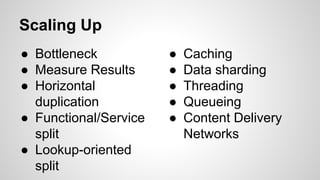
Scaling Up
● Bottleneck
● Measure Results
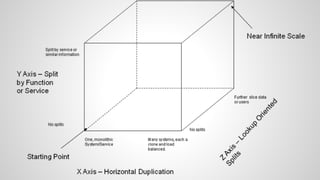
● Horizontal
duplication
● Functional/Service
split
● Lookup-oriented
split
● Caching
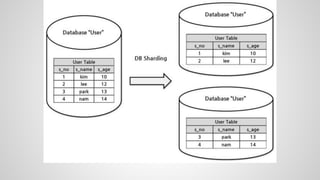
● Data sharding
● Threading
● Queueing
● Content Delivery
Networks
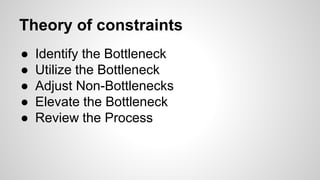
Theory of constraints
● Identify the Bottleneck
● Utilize the Bottleneck
● Adjust Non-Bottlenecks
● Elevate the Bottleneck
● Review the Process
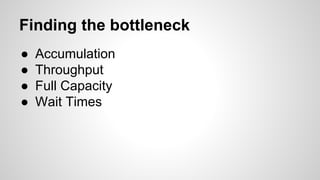
Finding the bottleneck
● Accumulation
● Throughput
● Full Capacity
● Wait Times
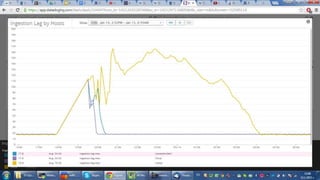
Measure results
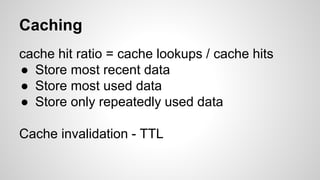
Caching
cache hit ratio = cache lookups / cache hits
● Store most recent data
● Store most used data
● Store only repeatedly used data
Cache invalidation - TTL
Threads and Queues
● Single thread process vs Multi thread
process
● Queues FIFO, LIFO
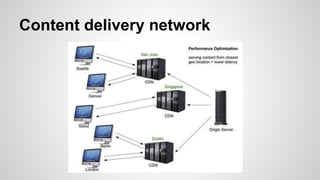
Content delivery network
Additional reading

Design patterns for scaling web applications