COOKERY NC II
Pre-ASSESSMENT/Individual
Practical Assessment
Purpose of Assessment:
 To officially identify a person’s level of qualification.
 To recruit a person for a particular job or position.
 To identify training needs of employees.
 To determine whether individuals have the required
competency for a corresponding level of performance.
 To provide feedback to trainees over a period of
learning and to modify the way in which a training
program delivered to best suit the needs of trainees.
Clustered Units of Competency
1. Prepare and cook hot meals
 Clean and maintain
kitchen premises
 Prepare stocks, sauces
and soups
 Prepare poultry and game
dishes
 Prepare seafood dishes
 Prepare eggs dishes
 Prepare starch dishes
 Prepare vegetable dishes
 Package prepared food
 Prepare meat dishes
2. Prepare Cold Meals
 Clean and maintain
kitchen premises
 Prepare appetizers
 Prepare salads and
dressings
 Package prepared
food
 Prepare sandwiches
3. Prepare Sweets
 Clean and
maintain kitchen
premises
 Prepare desserts
 Package prepared
food
OVERVIEW…..
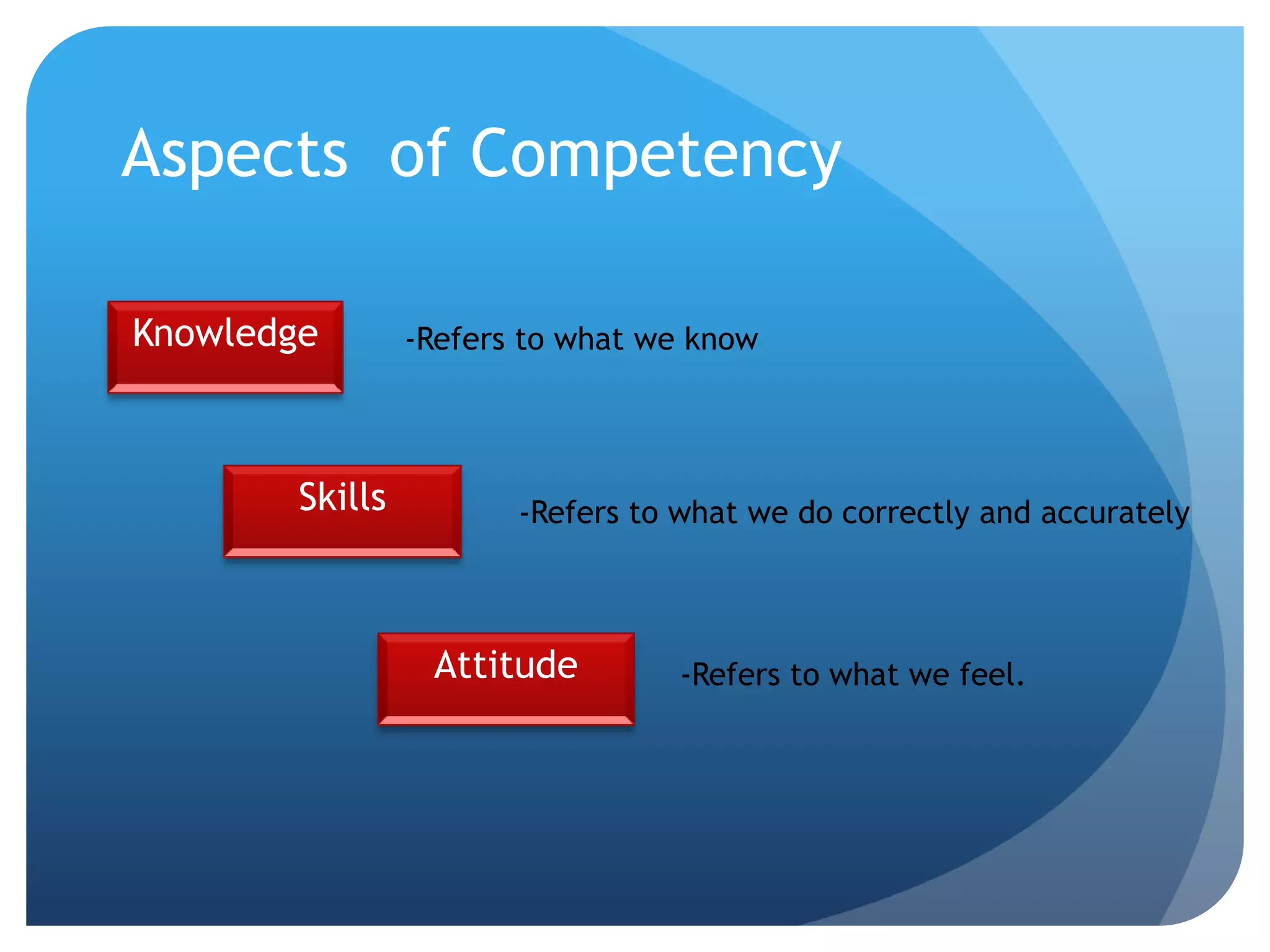
Aspects of Competency
Knowledge
Skills
Attitude
-Refers to what we know
-Refers to what we do correctly and accurately
-Refers to what we feel.
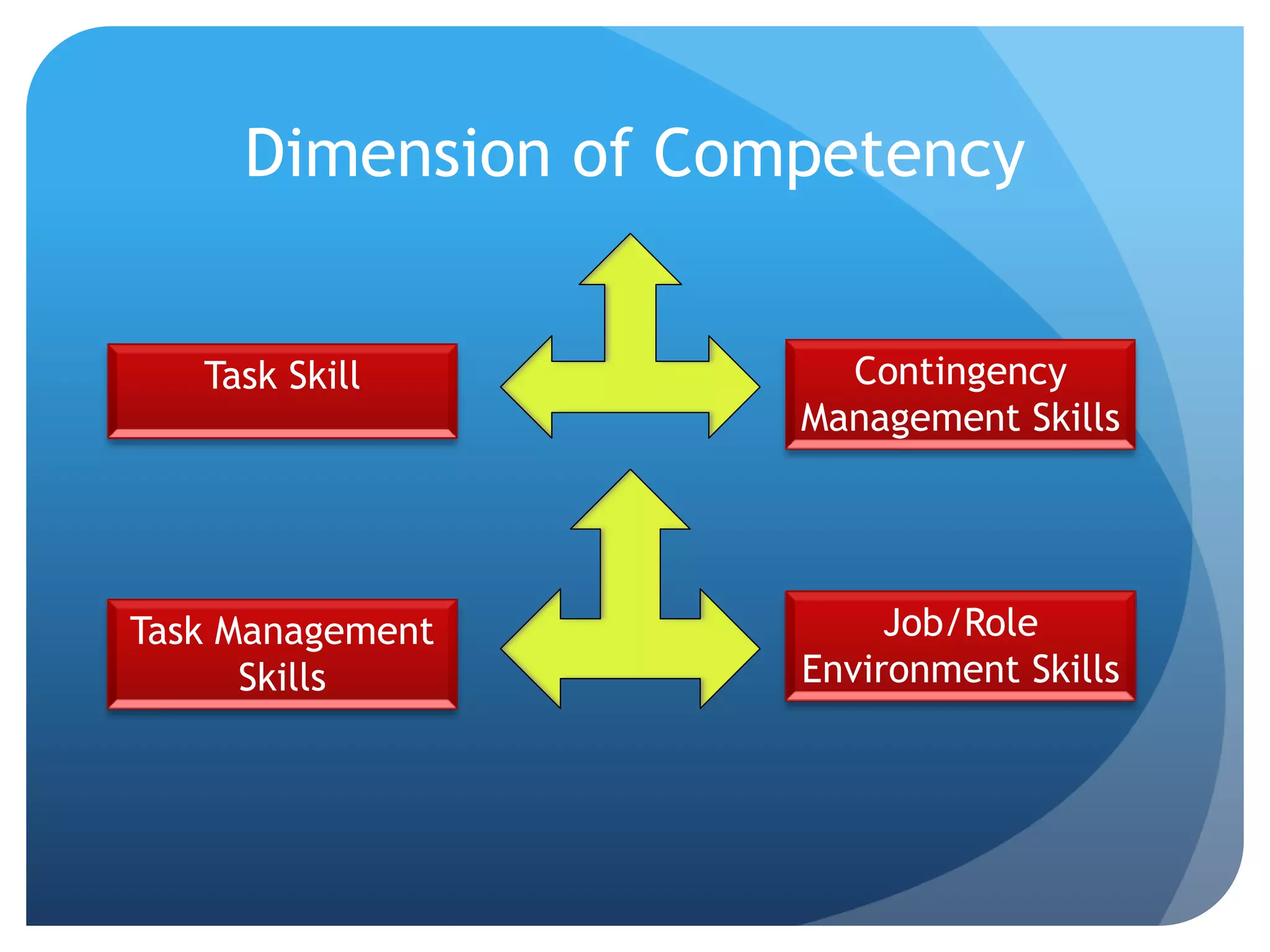
Dimension of Competency
Task Skill
Task Management
Skills
Contingency
Management Skills
Job/Role
Environment Skills
Do’s and Don’ts inside the
Assessment Center:
- Wear Personal Protective Equipment.
- Observe safety and sanitation.
- Clean while you work, work while you clean.
- Observe carefully the specified time limits
provided in the assessment package.
- Translate written and verbal instructions
from English into local dialects.
- Raise relevant question/clarifications before
the assessment activity.
- Stay at the assessment area during the entire
duration of the assessment activity.
- Stop the candidate if accident may occur.
- Provide teamwork.
Do’s
 No cellphones are allowed during the
assessment.
• Talking with others is prohibited.
• Making unnecessary noise is not allowed.
• Avoid wastage of the ingredients.
• If personal necessity may occur, do not leave
the assessment center without asking
permission to the assessor.
• Do not ask questions that are irrelevant to
the assessment proceedings.
• Avoid haste and pressure.
Don’ts
Prepare 8 dishes of menu:
1. Appetizer- 80g-100g
-Hot or Cold Appetizer- 3-5 pcs.
2. Sandwiches- 80-100g/50-75 gs.
Hot/cold
3. Salad with Dressing
-Non-leafy or Leafy
Menu Plan
 4. Dessert 115-150g
 5. Main Course- either: Poultry/Chicken or Shrimp/Squid/Pork/Beef/Fish
 (180-200g)
 6. Starch- Potato/Rice or Risotto/Pasta=80-100g.
 7. Vegetables-60-80g
 Leafy/Non-Leafy
 8. Soup- 175-200g
 Thin/Thick
 Consomme’/Bouillon
 Creamy
 Classical Plating
 The classical plating
technique uses the three
basic food items
of starch, vegetables an
d main in a specific
arrangement. A simple
guide to a classical
plating is to think of the
plate as the face of a
clock.
 Main: Between 3 to 9
o’clock
 Starch: Between 9 to 11
o’clock
 Vegetables: Between 11
to 3 o’clock
“Nothing in the world can take the place of PERSISTENCE”.
Thank you for listening!

DEMO ppt. CONDUCT COMPETENCY ASSESSMENT.pptx

  • 1.
  • 2.
    Purpose of Assessment: To officially identify a person’s level of qualification.  To recruit a person for a particular job or position.  To identify training needs of employees.  To determine whether individuals have the required competency for a corresponding level of performance.  To provide feedback to trainees over a period of learning and to modify the way in which a training program delivered to best suit the needs of trainees.
  • 3.
    Clustered Units ofCompetency 1. Prepare and cook hot meals  Clean and maintain kitchen premises  Prepare stocks, sauces and soups  Prepare poultry and game dishes  Prepare seafood dishes  Prepare eggs dishes  Prepare starch dishes  Prepare vegetable dishes  Package prepared food  Prepare meat dishes 2. Prepare Cold Meals  Clean and maintain kitchen premises  Prepare appetizers  Prepare salads and dressings  Package prepared food  Prepare sandwiches 3. Prepare Sweets  Clean and maintain kitchen premises  Prepare desserts  Package prepared food OVERVIEW…..
  • 4.
    Aspects of Competency Knowledge Skills Attitude -Refersto what we know -Refers to what we do correctly and accurately -Refers to what we feel.
  • 5.
    Dimension of Competency TaskSkill Task Management Skills Contingency Management Skills Job/Role Environment Skills
  • 6.
    Do’s and Don’tsinside the Assessment Center: - Wear Personal Protective Equipment. - Observe safety and sanitation. - Clean while you work, work while you clean. - Observe carefully the specified time limits provided in the assessment package. - Translate written and verbal instructions from English into local dialects. - Raise relevant question/clarifications before the assessment activity. - Stay at the assessment area during the entire duration of the assessment activity. - Stop the candidate if accident may occur. - Provide teamwork. Do’s  No cellphones are allowed during the assessment. • Talking with others is prohibited. • Making unnecessary noise is not allowed. • Avoid wastage of the ingredients. • If personal necessity may occur, do not leave the assessment center without asking permission to the assessor. • Do not ask questions that are irrelevant to the assessment proceedings. • Avoid haste and pressure. Don’ts
  • 7.
    Prepare 8 dishesof menu: 1. Appetizer- 80g-100g -Hot or Cold Appetizer- 3-5 pcs. 2. Sandwiches- 80-100g/50-75 gs. Hot/cold 3. Salad with Dressing -Non-leafy or Leafy
  • 8.
    Menu Plan  4.Dessert 115-150g  5. Main Course- either: Poultry/Chicken or Shrimp/Squid/Pork/Beef/Fish  (180-200g)  6. Starch- Potato/Rice or Risotto/Pasta=80-100g.  7. Vegetables-60-80g  Leafy/Non-Leafy  8. Soup- 175-200g  Thin/Thick  Consomme’/Bouillon  Creamy
  • 9.
     Classical Plating The classical plating technique uses the three basic food items of starch, vegetables an d main in a specific arrangement. A simple guide to a classical plating is to think of the plate as the face of a clock.  Main: Between 3 to 9 o’clock  Starch: Between 9 to 11 o’clock  Vegetables: Between 11 to 3 o’clock
  • 10.
    “Nothing in theworld can take the place of PERSISTENCE”. Thank you for listening!

Editor's Notes

  • #2 Today, I am going to administer competency assessment for Cookery NC II. It is the qualification level with core competencies. These qualification of Cookery NC II core units are clustered to form one (1) assessment package for full qualification. It covers the following:
  • #3 Context of Assessment: 1. Physical Setting - Practical work area 2. Tools, Equipment and Facilities - Introduce the different tools, equipment and facilities that will be used in the assessment. 3. Materials - introduce to the candidate the perishable and consumable materials required during assessment. 4. Purpose of the Assessment -Certification, Licensing and OH and S. 5. Employment Status of the Candidate -ask question to the candidate to know if the assessment is directly related to the candidate’s work. 6. Access to support personnel -introduce the support staff that will part of the assessment process.. (e.g. tool keeper- who will issue to you the needed supplies or materials.)
  • #4 Individuals aspiring to be awarded the qualification of COOKERY NC II must acquire Certificates of Competency in all the following groups or clusters of core units of the Qualification. Successful candidates shall be awarded Certificates of Competency (COC). Upon accumulation and submission of all the above COCs acquired for the relevant units of competency comprising this qualification, an individual shall be issued the corresponding National Certificate. Assessment shall focus on the core units of competency. The basic and common units shall be integrated or assessed concurrently with the core units.
  • #5 Knowledge, skills and attitudes are specific way in which something to be considered during the assessment process. These are the aspects that a person must possess to earn a particular qualification and to determine the competence of the individual..
  • #6 This assessment is designed in accordance with these four dimension of competency namely; task skills, task management skill, contingency skill and job/role environment skills. It is the basis in gathering evidences of a candidate’s competency for a unit during the assessment process or work performance. TASK SKILL involves undertaking a specific workplace task. TASK MANAGEMENT SKILLS involves managing a number of different tasks to complete a whole work activity. CONTINGENCY MANAGEMENT SKILLS involves responding to problems and irregularities when undertaking a work activity(e.g. unexpected or typical result or outcomes) JOB/ROLE ENVIRONMENT SKILLS involve with dealing with the responsibilities and expectations of the work environment when undertaking a work activity.(e.g. working with others)