DEFORESTATION
Presented By:
1-Saira Shahid
2-Sehrish Kaneez
3-Hina Akram
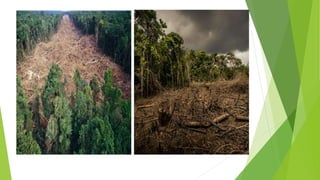
WHAT IS DEFORESTATION?
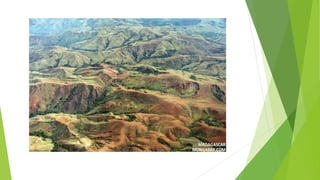
 Deforestation is clearing earth’s forests on a massive
scale, often resulting in damage to the quality of the land
and relates ecosystems, where the land is thereafter
converted to a non-forest use.
 This can include clearing the land for agriculture or
grazing, or using the timber for fuel, construction or
manufacturing.
MAJOR CAUSES OF DEFORESTATION
 Agriculture activities
 Logging
 Urbanization
 Desertification
 Mining
 Forest fires
AGRICULTURE ACTIVITIES
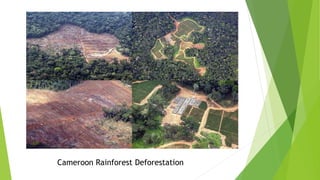
 Agriculture is the most important cause of deforestation
on the planet comprising nearly about 50-70%.
 As the human population continues to grow, there is an
obvious need for more food. Rising demands for more food
has created incentives to convert forests to farmland and
ranch land.
 Once a forest is lost to agriculture, it is usually gone
forever – along with many of the plants and animals that
once lived there.
Cameroon Rainforest Deforestation
LOGGING
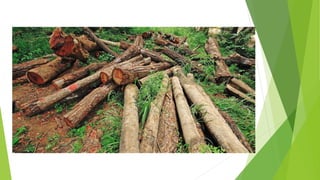
 Logging contributes around 14% in deforestation.
 Wood based industries like paper, match sticks, furniture
etc. need a substancial amount of wood supply for our
ever growing population. Some of these industries thrive
on illegal cutting.
 Logging threatens some of the world’s most famous and
valuable forests, including Amazon, Congo Basin,
Indonesia and the forests of the Russian Far East.
URBANIZATION
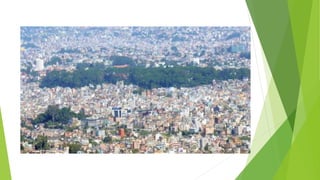
 Urbanization may cause the loss of up to 7.4 million acres
of prime agricultural land each year.
 Overpopulation too directly affects forests covers, as with
the expansion of cities more land is needed to establish
housing and settlements.
 Further in order to gain access to these forests the
construction of roads are undertaken. Therefore forest
land is reclaimed.
DESERTIFICATION OF LAND
 Some other factors that lead to deforestation is also
desertification of land. Destruction of biotic potential of
land leads to desertification.
 It occurs due to land abuse making it unfit for growth of
many trees. Such problems rise due to over-grazing,
indiscriminate falling of trees and over-exploitation of
land resources.
 Desertification affects topsoil, groundwater reserves,
surface runoff, human, animal and plant populations.
MINING
 A lot of forested areas are rich in minerals and vulnerable
to mining operations.
 Oil and coal mining requires considerable amount of forest
land. Large-scale mining operations, especially those
using open-pit mining techniques, can result in significant
deforestation.
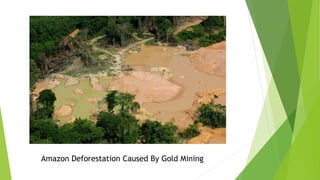
 In Amazon rainforest most mining today revolves around
alluvial gold deposits.
Amazon Deforestation Caused By Gold Mining
FOREST FIRES
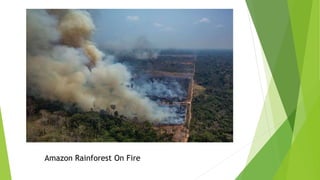
 Each year, fires burn millions of hectares of forest
worldwide. Fires are a part of nature but degraded forests
are particularly vulnerable.
 This happens due to extreme warm summer and milder
winters. Fires whether causes by man or nature results in
huge loss of forest cover.
 Australia, Indonesia, Brazilian Amazon, Arctic forests
experiences wildfires.
Amazon Rainforest On Fire
IMPACTS OF DEFORESTATION
 Soil erosion
 Water cycle disruption
 Green house emissions
 Biodiversity losses
 Disrupted livelihoods
SOIL EROSION
 Erosion is sweeping the land into rivers. Deforestation
generally increases rates of soil loss which lead to farming
problems.
 When humans clear large forests, soil erosion can become
a serious problem.in some areas, eroding soil can lead to
disastrous mudslides.
 Large amounts of soil can wash into local streams and
rivers, clogging waterways and causing damage to
irrigation infrastructure.
WATER CYCLE DISRUPTION
 Trees play a key role in water cycle by helping keep a
balance between the water on land and water in
atmosphere. But when deforestation occurs, the balance
can be thrown off, resulting changes in precipitation and
river flow.
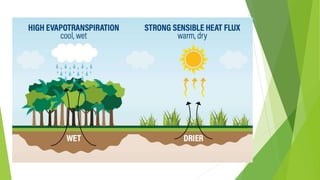
 When large number of trees are cut down, the water they
usually extract, store and release into the atmosphere is
no longer present.
 This means that cleared forests, which once had moist,
fertile soil and plenty of rain become barren and dry.
GREENHOUSE GAS EMISSION
 Trees function as efficient greenhouse gas filters such as
methane and carbon dioxide gases. But when forests are
cut, burned or otherwise removed they emit carbon
instead of absorb carbon.
 Deforestation is responsible for around 15% of all
greenhouse emissions.
 These greenhouse gas emissions contribute to rising
temperatures, changes in patterns of weather and water,
and an increased frequency of extreme weather events.
BIODIVERSITY LOSSES
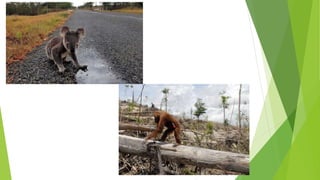
 Deforestation alters land too quickly for plants and
animals to cope, which means that many of them do not
survive. If enough deforestation occurs, entire species can
be wiped out. This is known as biodiversity loss.
 Biodiversity loss affect ecosystems. For example, if a
small species of frog become extict, it would affect
populations of predators such as birds who rely on the
frogs for food.
 Biodiversity losses can lead to what some would argue is
deforestation’s worst consequences of all – a loss of
natural beautyand wonder.
DISRUPTED LIVELIHOODS
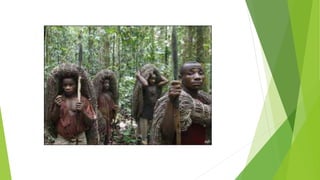
 1.25 billion people around the world rely on forests for
shelter, livelihood, water, fuel, and food security. And 750
million people live in forests. But deforestation disrupts
the lives of these people, sometimes with devastating
consequences.
 In the Greater Mekong in Southeast Asia, where land
tenure systems are weak, deforestation has contributed to
social conflict and migration.
SOLUTIONS TO OVERCOME
DEFORESTATION
 Start planting trees
 Minimize paper wastage and encourage recycling
 Encourage people to live in a way that doesn’t hurt
environment
 Do not buy anything from large, multinationals that are
actively or indirectly involved or responsible for the
clearing of forest land
 Use less paper
SOLUTIONS TO OVERCOME
DEFORESTATION
 Do not burn firewood excessively
 Practice eco-forestry
 Support organizations fighting deforestation
 Help restore degraded forests
 Report illegal logging
DEFORESTATION.pptx

DEFORESTATION.pptx

  • 1.
  • 2.
    WHAT IS DEFORESTATION? Deforestation is clearing earth’s forests on a massive scale, often resulting in damage to the quality of the land and relates ecosystems, where the land is thereafter converted to a non-forest use.  This can include clearing the land for agriculture or grazing, or using the timber for fuel, construction or manufacturing.
  • 4.
    MAJOR CAUSES OFDEFORESTATION  Agriculture activities  Logging  Urbanization  Desertification  Mining  Forest fires
  • 5.
    AGRICULTURE ACTIVITIES  Agricultureis the most important cause of deforestation on the planet comprising nearly about 50-70%.  As the human population continues to grow, there is an obvious need for more food. Rising demands for more food has created incentives to convert forests to farmland and ranch land.  Once a forest is lost to agriculture, it is usually gone forever – along with many of the plants and animals that once lived there.
  • 6.
  • 7.
    LOGGING  Logging contributesaround 14% in deforestation.  Wood based industries like paper, match sticks, furniture etc. need a substancial amount of wood supply for our ever growing population. Some of these industries thrive on illegal cutting.  Logging threatens some of the world’s most famous and valuable forests, including Amazon, Congo Basin, Indonesia and the forests of the Russian Far East.
  • 9.
    URBANIZATION  Urbanization maycause the loss of up to 7.4 million acres of prime agricultural land each year.  Overpopulation too directly affects forests covers, as with the expansion of cities more land is needed to establish housing and settlements.  Further in order to gain access to these forests the construction of roads are undertaken. Therefore forest land is reclaimed.
  • 11.
    DESERTIFICATION OF LAND Some other factors that lead to deforestation is also desertification of land. Destruction of biotic potential of land leads to desertification.  It occurs due to land abuse making it unfit for growth of many trees. Such problems rise due to over-grazing, indiscriminate falling of trees and over-exploitation of land resources.  Desertification affects topsoil, groundwater reserves, surface runoff, human, animal and plant populations.
  • 13.
    MINING  A lotof forested areas are rich in minerals and vulnerable to mining operations.  Oil and coal mining requires considerable amount of forest land. Large-scale mining operations, especially those using open-pit mining techniques, can result in significant deforestation.  In Amazon rainforest most mining today revolves around alluvial gold deposits.
  • 14.
  • 15.
    FOREST FIRES  Eachyear, fires burn millions of hectares of forest worldwide. Fires are a part of nature but degraded forests are particularly vulnerable.  This happens due to extreme warm summer and milder winters. Fires whether causes by man or nature results in huge loss of forest cover.  Australia, Indonesia, Brazilian Amazon, Arctic forests experiences wildfires.
  • 16.
  • 18.
    IMPACTS OF DEFORESTATION Soil erosion  Water cycle disruption  Green house emissions  Biodiversity losses  Disrupted livelihoods
  • 19.
    SOIL EROSION  Erosionis sweeping the land into rivers. Deforestation generally increases rates of soil loss which lead to farming problems.  When humans clear large forests, soil erosion can become a serious problem.in some areas, eroding soil can lead to disastrous mudslides.  Large amounts of soil can wash into local streams and rivers, clogging waterways and causing damage to irrigation infrastructure.
  • 21.
    WATER CYCLE DISRUPTION Trees play a key role in water cycle by helping keep a balance between the water on land and water in atmosphere. But when deforestation occurs, the balance can be thrown off, resulting changes in precipitation and river flow.  When large number of trees are cut down, the water they usually extract, store and release into the atmosphere is no longer present.  This means that cleared forests, which once had moist, fertile soil and plenty of rain become barren and dry.
  • 23.
    GREENHOUSE GAS EMISSION Trees function as efficient greenhouse gas filters such as methane and carbon dioxide gases. But when forests are cut, burned or otherwise removed they emit carbon instead of absorb carbon.  Deforestation is responsible for around 15% of all greenhouse emissions.  These greenhouse gas emissions contribute to rising temperatures, changes in patterns of weather and water, and an increased frequency of extreme weather events.
  • 24.
    BIODIVERSITY LOSSES  Deforestationalters land too quickly for plants and animals to cope, which means that many of them do not survive. If enough deforestation occurs, entire species can be wiped out. This is known as biodiversity loss.  Biodiversity loss affect ecosystems. For example, if a small species of frog become extict, it would affect populations of predators such as birds who rely on the frogs for food.  Biodiversity losses can lead to what some would argue is deforestation’s worst consequences of all – a loss of natural beautyand wonder.
  • 26.
    DISRUPTED LIVELIHOODS  1.25billion people around the world rely on forests for shelter, livelihood, water, fuel, and food security. And 750 million people live in forests. But deforestation disrupts the lives of these people, sometimes with devastating consequences.  In the Greater Mekong in Southeast Asia, where land tenure systems are weak, deforestation has contributed to social conflict and migration.
  • 28.
    SOLUTIONS TO OVERCOME DEFORESTATION Start planting trees  Minimize paper wastage and encourage recycling  Encourage people to live in a way that doesn’t hurt environment  Do not buy anything from large, multinationals that are actively or indirectly involved or responsible for the clearing of forest land  Use less paper
  • 29.
    SOLUTIONS TO OVERCOME DEFORESTATION Do not burn firewood excessively  Practice eco-forestry  Support organizations fighting deforestation  Help restore degraded forests  Report illegal logging