Dealing with Post T
raumatic
Experience During COVID-19
Dr. Sojan Antony Ph.D.


Department of Psychiatric Social Work, NIMHANS, Bangalore
VIRTUAL FDP Held on 16th June 2021, organised by Sree Saraswathi
Thyagaraja College, Coimbatore, T
amil Nadu
COVID-19
Prolonged


Beyond our ability to cope


Fear of infection/ complications/ death


Loss of lives/job/social support…
T
rauma
An emotional response to a terrible event like an accident, rape
or natural disaster
T
rauma Features
Shock


Denial


Unpredictable emotions
T
rauma Features
Flashbacks (Disturbing sudden vivid memory)


Strained relationships


Physical symptoms; e.g. Headache, nausea
T
rauma T
ypes
Acute


Chronic


Complex
Five Stages
Denial


Anger


Bargaining


Depression


Acceptance
How do you know? Are you suffering it?
Shock, Denial, or Disbelief


Confusion, Dif
fi
culty in concentrating


Anger, irritability, mood swings
How do you know? Are you suffering it?
Anxiety, Fear


Guilt, Shame, Self-blame


Withdrawing from others
How do you know? Are you suffering it?
Feeling sad or hopeless


Feeling disconnected
Emotional Sufferings
Anxiety and Panic Attacks


Fear, anger, irritability


Obsessions and compulsions


Shock and disbelief
Emotional Sufferings
Emotional numbness and detachment


Depression, shame and guilt
Physical Sufferings
Irritable bowel syndrome


Chronic pain


Muscular or musculoskeletal pain with stiffens and tenderness


Chronic fatigue syndrome
PTSD (Post Traumatic Stress Disorder)
PTSD (post traumatic stress disorder) is a mental health problem that
some people develop after experiencing or witnessing a life-
threatening event.
PTS Vs PTSD
•PTS symptoms are common after a severe stressor and may
improve or resolve within a month. PTSD symptoms are more
severe, persistent, can interfere with daily functioning, and can last
for more than a month
.

•Most people with PTS do not develop PTSD.
 

•PTS requires no medical intervention, unless symptoms are severe.
However, person may bene
fi
t from psychological support to prevent
symptoms from worsening
.

•PTSD is a medically-diagnosed condition and should be treated by
a clinician.
PTS Signs
Increased heartbeats


Hand T
remors


Sweating


Bad dreams


Avoiding the triggers


Subsides in few days
PTSD Criteria: DSM 5
Criterion A: stressor (one required
)

The person was exposed to: death, threatened death, actual or
threatened serious injury, or actual or threatened sexual violence,
in the following way(s)
:

•Direct exposur
e

•Witnessing the traum
a

•Learning that a relative or close friend was exposed to a traum
a

•Indirect exposure to aversive details of the trauma, usually in
the course of professional duties
PTSD Criteria: DSM 5
Criterion B: intrusion symptoms (one required
)

The traumatic event is persistently re-experienced in the following
way(s)
:

•Unwanted upsetting memorie
s

•Nightmare
s

•Flashback
s

•Emotional distress after exposure to traumatic reminder
s

•Physical reactivity after exposure to traumatic reminders
PTSD Criteria: DSM 5
Criterion C: avoidance (one required
)

Avoidance of trauma-related stimuli after the trauma, in the following
way(s)
:

•Trauma-related thoughts or feeling
s

•Trauma-related external reminders
PTSD Criteria: DSM 5
Criterion D: negative alterations in cognitions and mood (two required
)

Negative thoughts or feelings that began or worsened after the trauma,
in the following way(s)
:

•Inability to recall key features of the traum
a

•Overly negative thoughts and assumptions about oneself or the worl
d

•Exaggerated blame of self or others for causing the traum
a

•Negative affec
t

•Decreased interest in activitie
s

•Feeling isolate
d

•Dif
fi
culty experiencing positive affect
PTSD Criteria: DSM 5
Criterion E: alterations in arousal and reactivit
y

Trauma-related arousal and reactivity that began or worsened after
the trauma, in the following way(s)
:

•Irritability or aggressio
n

•Risky or destructive behaviou
r

•Hyper-vigilanc
e

•Heightened startle reactio
n

•Dif
fi
culty in concentratin
g

•Dif
fi
culty in sleeping
PTSD Criteria: DSM 5
Criterion F: duration (required
)

Symptoms last for more than 1 month.
PTSD Criteria: DSM 5
Criterion G: functional signi
fi
cance (required
)

Symptoms create distress or functional impairment (e.g., social,
occupational)
.

Criterion H: exclusion (required
)

Symptoms are not due to medication, substance use, or other illness
.
Therapy for PTSD
•Trauma-focused psychotherapy, which focuses on the memory
of the traumatic event or its meaning, is the most effective
treatment for PTSD.
Therapy for PTSD
Cognitive behavioral therapy (CBT) is the most effective treatment for
PTSD. There are different types of cognitive behavioural therapy.
 

The two most-researched types of CBT for PTSD are Cognitive
Processing Therapy (CPT) and Prolonged Exposure (PE).
•Cognitive Processing Therapy (CPT) where you learn skills to
understand how trauma changed your thoughts and feelings.
Changing how you think about the trauma can change how you
feel.
Therapy for PTSD
•Prolonged Exposure (PE) where you talk/ express your trauma
repeatedly until memories are no longer upsetting. This will help
you get more control over your thoughts and feelings about the
trauma. You also go to places or do things that are safe, but that
you have been staying away from because they remind you of the
trauma.
Therapy for PTSD
•Eye Movement Desensitization and Reprocessing (EMDR),
which involves focusing on sounds or hand movements while you
talk about the trauma. This helps your brain work through the
traumatic memories
.

•Medications: Selective Serotonin Reuptake Inhibitors (SSRIs)
What else can be done to deal COVID-19
related traumatic experience?
Normalize
Self-care
Ask help and give help
Being with nature
Being socially connected
Have healthy sleep pattern
Observe coping pattern
Unlearn unhealthy coping techniques
Nurture Healthy Coping T
echniques
Observe thoughts
Handle unwanted and undesirable
thoughts
Hatch and grow positive thoughts
Above all be here and now
Do your duties, don’t wait for results…
Spend time in learning
Think “so what?”
“T
ake a break and


allow others to take a break”
Remind us we are our masters and we
construct our reality…
Let us have an activity….
What makes you happy?
What makes you relaxed?
Who is your close friend?
What makes you to feel
closeness with that person?
What makes you
uncomfortable?
How do you handle your
difficult situations?
What do you want to tell to
your spouse?
What do you want to tell to
your child/children?
What do you want to tell to
your friends?
What do you want to tell to
your parents?
What do you want to tell to
your best friend?
When was the last time you
cried?
When did you thought about
death?
What makes you feel
hopeless?
What makes you strong?
What makes you special?
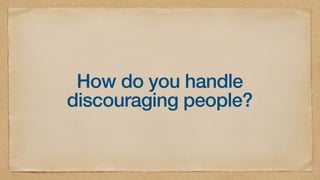
How do you handle
discouraging people?
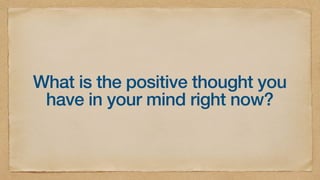
What is the positive thought you
have in your mind right now?
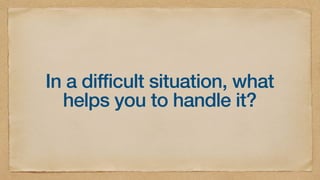
In a difficult situation, what
helps you to handle it?
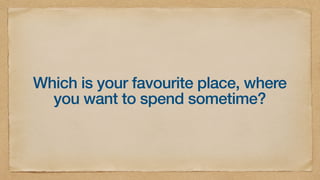
Which is your favourite place, where
you want to spend sometime?
Can you describe more about
that place? What else?
Let me conclude,


you are going to make small
and meaningful change in
many persons
Thank You…
Beautiful
outcome of this
summer!

Dealing with post traumatic experience during covid 19

  • 1.
    Dealing with PostT raumatic Experience During COVID-19 Dr. Sojan Antony Ph.D. Department of Psychiatric Social Work, NIMHANS, Bangalore VIRTUAL FDP Held on 16th June 2021, organised by Sree Saraswathi Thyagaraja College, Coimbatore, T amil Nadu
  • 2.
    COVID-19 Prolonged Beyond our abilityto cope Fear of infection/ complications/ death Loss of lives/job/social support…
  • 3.
    T rauma An emotional responseto a terrible event like an accident, rape or natural disaster
  • 4.
  • 5.
    T rauma Features Flashbacks (Disturbingsudden vivid memory) Strained relationships Physical symptoms; e.g. Headache, nausea
  • 6.
  • 7.
  • 8.
    How do youknow? Are you suffering it? Shock, Denial, or Disbelief Confusion, Dif fi culty in concentrating Anger, irritability, mood swings
  • 9.
    How do youknow? Are you suffering it? Anxiety, Fear Guilt, Shame, Self-blame Withdrawing from others
  • 10.
    How do youknow? Are you suffering it? Feeling sad or hopeless Feeling disconnected
  • 11.
    Emotional Sufferings Anxiety andPanic Attacks Fear, anger, irritability Obsessions and compulsions Shock and disbelief
  • 12.
    Emotional Sufferings Emotional numbnessand detachment Depression, shame and guilt
  • 13.
    Physical Sufferings Irritable bowelsyndrome Chronic pain Muscular or musculoskeletal pain with stiffens and tenderness Chronic fatigue syndrome
  • 14.
    PTSD (Post TraumaticStress Disorder) PTSD (post traumatic stress disorder) is a mental health problem that some people develop after experiencing or witnessing a life- threatening event.
  • 15.
    PTS Vs PTSD •PTSsymptoms are common after a severe stressor and may improve or resolve within a month. PTSD symptoms are more severe, persistent, can interfere with daily functioning, and can last for more than a month . •Most people with PTS do not develop PTSD. •PTS requires no medical intervention, unless symptoms are severe. However, person may bene fi t from psychological support to prevent symptoms from worsening . •PTSD is a medically-diagnosed condition and should be treated by a clinician.
  • 16.
    PTS Signs Increased heartbeats HandT remors Sweating Bad dreams Avoiding the triggers Subsides in few days
  • 17.
    PTSD Criteria: DSM5 Criterion A: stressor (one required ) The person was exposed to: death, threatened death, actual or threatened serious injury, or actual or threatened sexual violence, in the following way(s) : •Direct exposur e •Witnessing the traum a •Learning that a relative or close friend was exposed to a traum a •Indirect exposure to aversive details of the trauma, usually in the course of professional duties
  • 18.
    PTSD Criteria: DSM5 Criterion B: intrusion symptoms (one required ) The traumatic event is persistently re-experienced in the following way(s) : •Unwanted upsetting memorie s •Nightmare s •Flashback s •Emotional distress after exposure to traumatic reminder s •Physical reactivity after exposure to traumatic reminders
  • 19.
    PTSD Criteria: DSM5 Criterion C: avoidance (one required ) Avoidance of trauma-related stimuli after the trauma, in the following way(s) : •Trauma-related thoughts or feeling s •Trauma-related external reminders
  • 20.
    PTSD Criteria: DSM5 Criterion D: negative alterations in cognitions and mood (two required ) Negative thoughts or feelings that began or worsened after the trauma, in the following way(s) : •Inability to recall key features of the traum a •Overly negative thoughts and assumptions about oneself or the worl d •Exaggerated blame of self or others for causing the traum a •Negative affec t •Decreased interest in activitie s •Feeling isolate d •Dif fi culty experiencing positive affect
  • 21.
    PTSD Criteria: DSM5 Criterion E: alterations in arousal and reactivit y Trauma-related arousal and reactivity that began or worsened after the trauma, in the following way(s) : •Irritability or aggressio n •Risky or destructive behaviou r •Hyper-vigilanc e •Heightened startle reactio n •Dif fi culty in concentratin g •Dif fi culty in sleeping
  • 22.
    PTSD Criteria: DSM5 Criterion F: duration (required ) Symptoms last for more than 1 month.
  • 23.
    PTSD Criteria: DSM5 Criterion G: functional signi fi cance (required ) Symptoms create distress or functional impairment (e.g., social, occupational) . Criterion H: exclusion (required ) Symptoms are not due to medication, substance use, or other illness .
  • 24.
    Therapy for PTSD •Trauma-focusedpsychotherapy, which focuses on the memory of the traumatic event or its meaning, is the most effective treatment for PTSD.
  • 25.
    Therapy for PTSD Cognitivebehavioral therapy (CBT) is the most effective treatment for PTSD. There are different types of cognitive behavioural therapy. The two most-researched types of CBT for PTSD are Cognitive Processing Therapy (CPT) and Prolonged Exposure (PE).
  • 26.
    •Cognitive Processing Therapy(CPT) where you learn skills to understand how trauma changed your thoughts and feelings. Changing how you think about the trauma can change how you feel.
  • 27.
    Therapy for PTSD •ProlongedExposure (PE) where you talk/ express your trauma repeatedly until memories are no longer upsetting. This will help you get more control over your thoughts and feelings about the trauma. You also go to places or do things that are safe, but that you have been staying away from because they remind you of the trauma.
  • 28.
    Therapy for PTSD •EyeMovement Desensitization and Reprocessing (EMDR), which involves focusing on sounds or hand movements while you talk about the trauma. This helps your brain work through the traumatic memories . •Medications: Selective Serotonin Reuptake Inhibitors (SSRIs)
  • 29.
    What else canbe done to deal COVID-19 related traumatic experience?
  • 30.
  • 31.
  • 32.
    Ask help andgive help
  • 33.
  • 34.
  • 35.
  • 36.
  • 37.
  • 38.
  • 39.
  • 40.
    Handle unwanted andundesirable thoughts
  • 41.
    Hatch and growpositive thoughts
  • 42.
    Above all behere and now
  • 43.
    Do your duties,don’t wait for results…
  • 44.
    Spend time inlearning
  • 45.
  • 46.
    “T ake a breakand allow others to take a break”
  • 47.
    Remind us weare our masters and we construct our reality…
  • 48.
    Let us havean activity….
  • 49.
  • 50.
  • 51.
    Who is yourclose friend?
  • 52.
    What makes youto feel closeness with that person?
  • 53.
  • 54.
    How do youhandle your difficult situations?
  • 55.
    What do youwant to tell to your spouse?
  • 56.
    What do youwant to tell to your child/children?
  • 57.
    What do youwant to tell to your friends?
  • 58.
    What do youwant to tell to your parents?
  • 59.
    What do youwant to tell to your best friend?
  • 60.
    When was thelast time you cried?
  • 61.
    When did youthought about death?
  • 62.
    What makes youfeel hopeless?
  • 63.
  • 64.
  • 65.
    How do youhandle discouraging people?
  • 66.
    What is thepositive thought you have in your mind right now?
  • 67.
    In a difficultsituation, what helps you to handle it?
  • 68.
    Which is yourfavourite place, where you want to spend sometime?
  • 69.
    Can you describemore about that place? What else?
  • 70.
    Let me conclude, youare going to make small and meaningful change in many persons
  • 71.