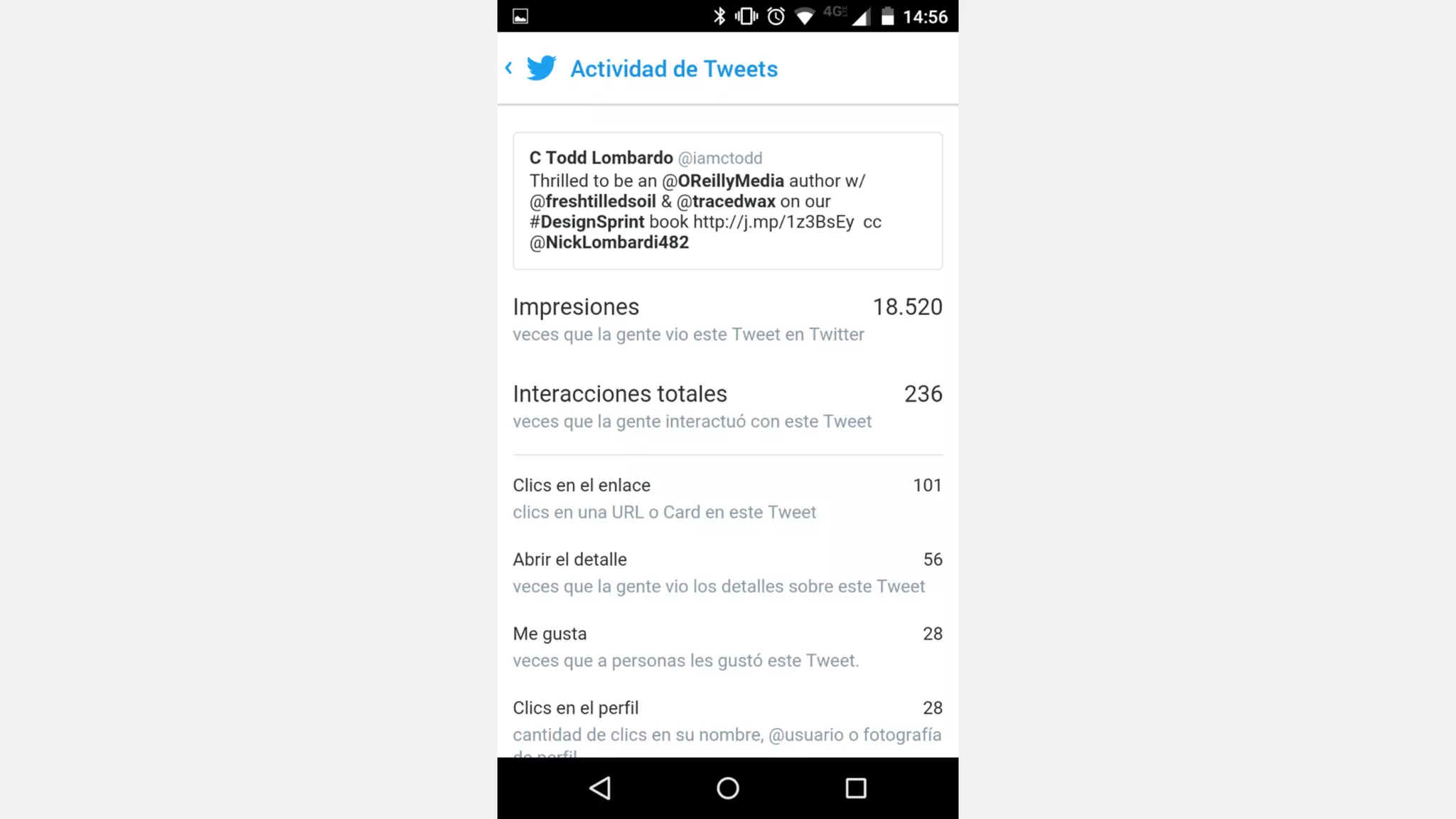
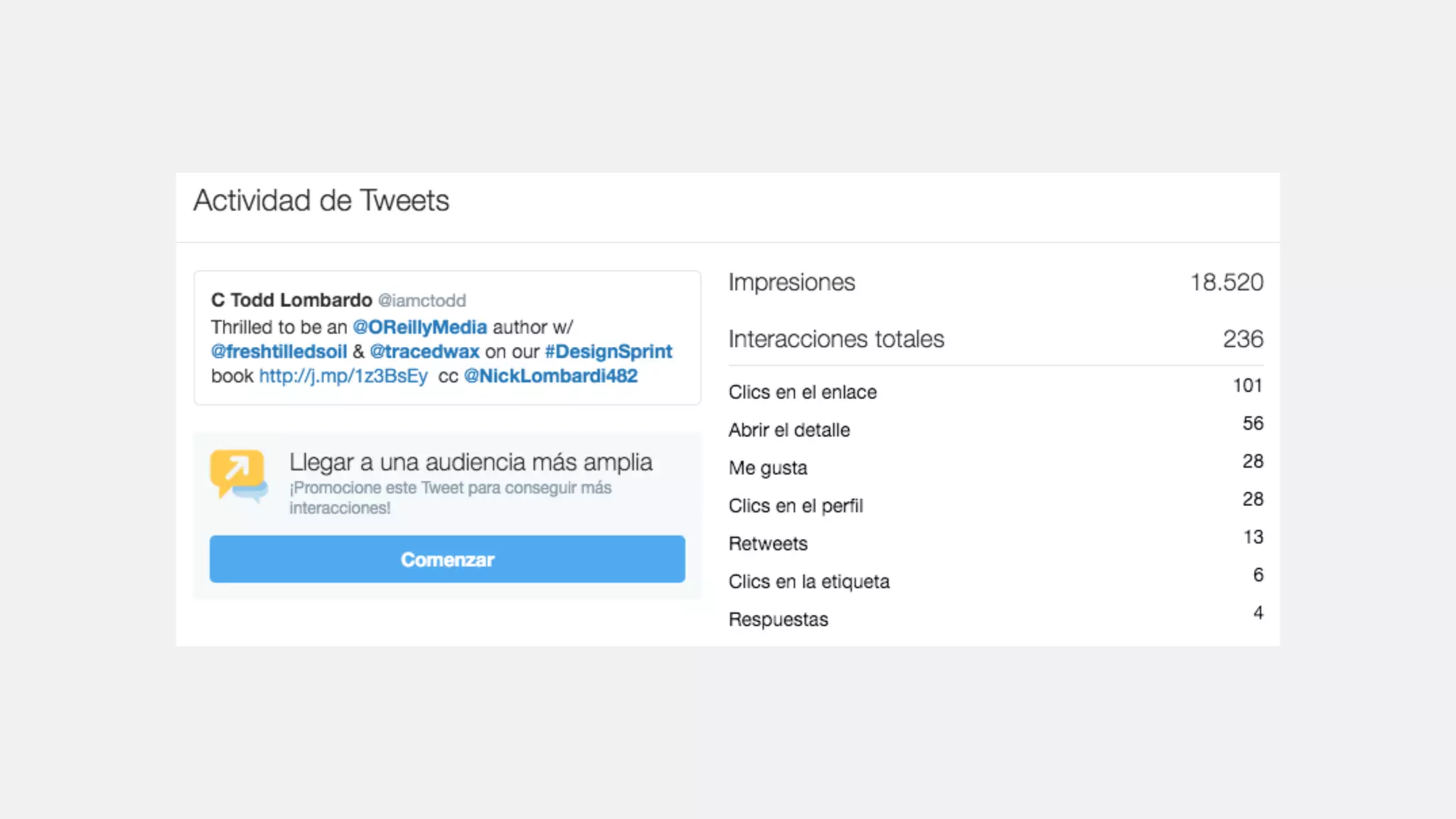
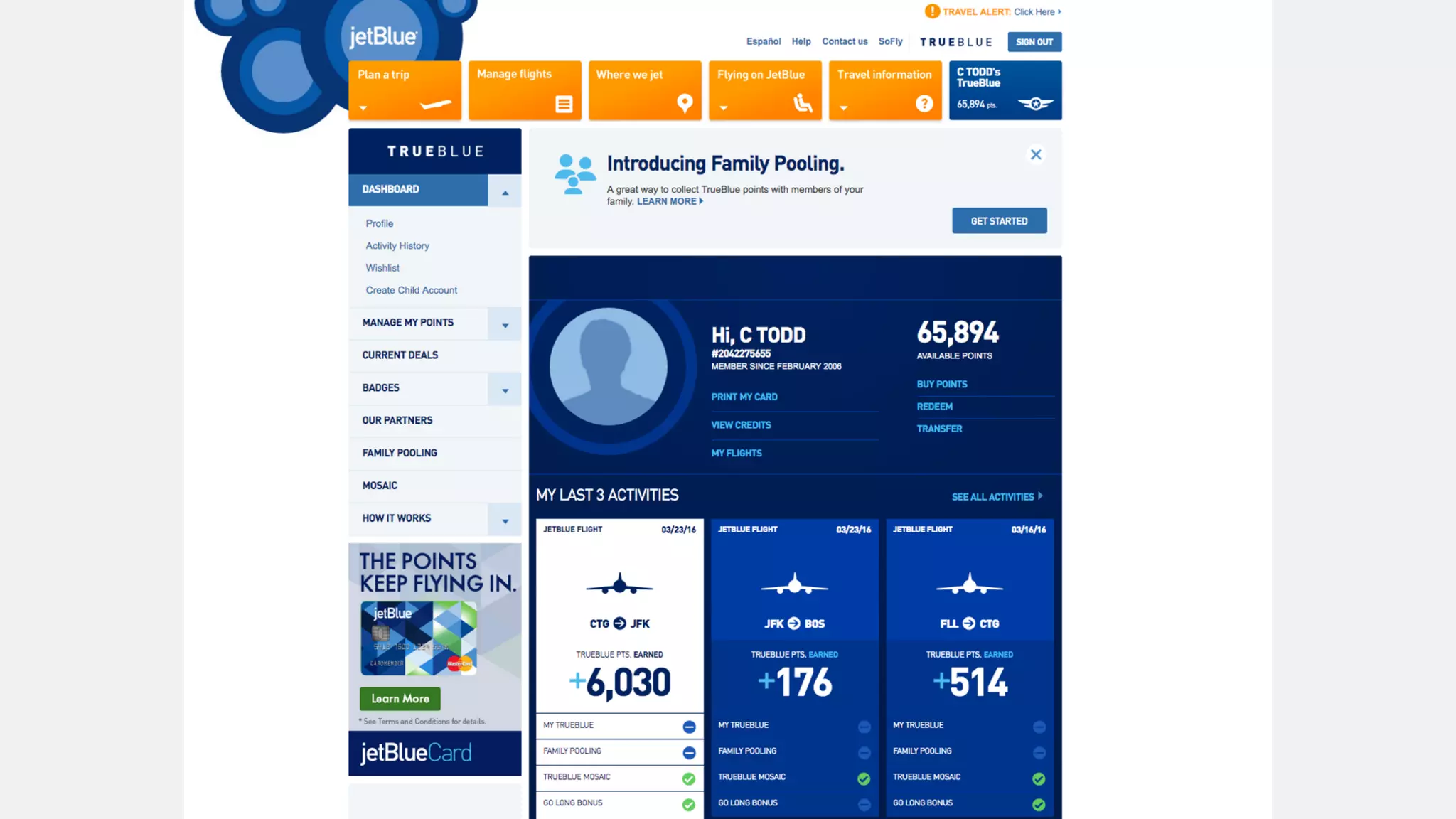
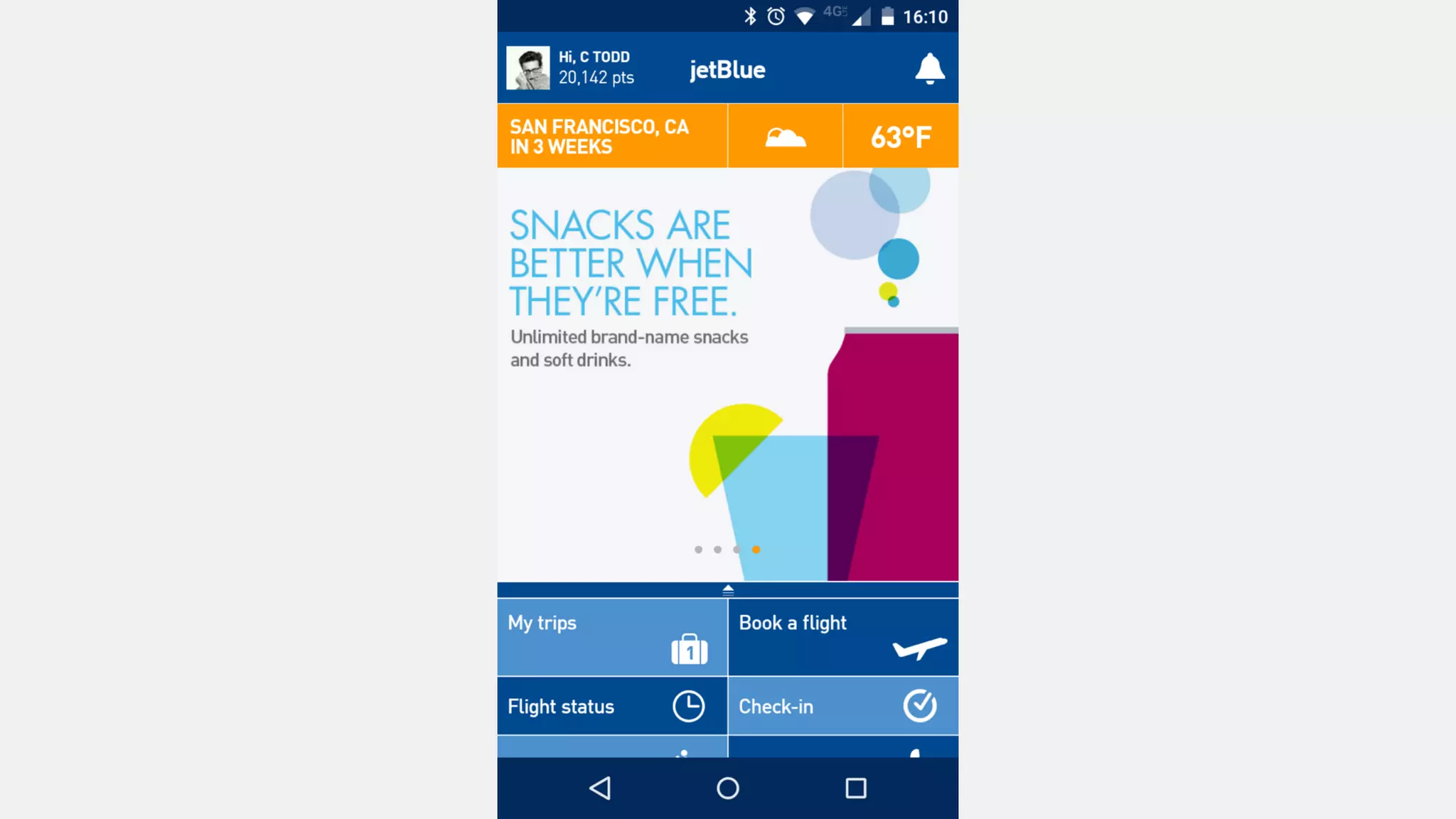
D ATA V I S U A L I Z AT I O N
I N P R O D U C T
P R O D U C T C A M P B O S T O N 2 0 1 6
C T O D D L O M B A R D O
C H I E F D E S I G N S T R A T E G I S T - F R E S H T I L L E D S O I L
@ I A M C T O D D
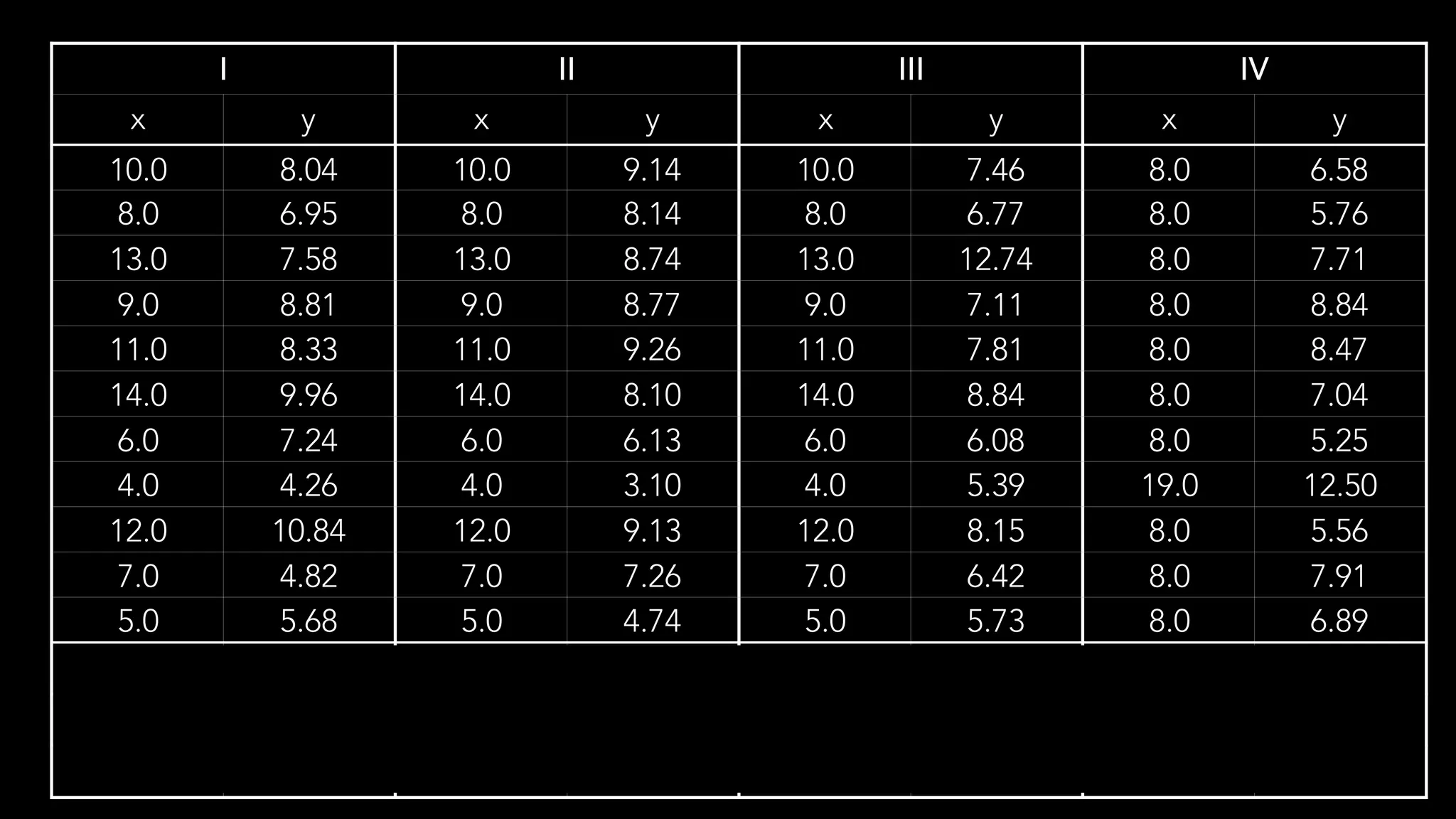
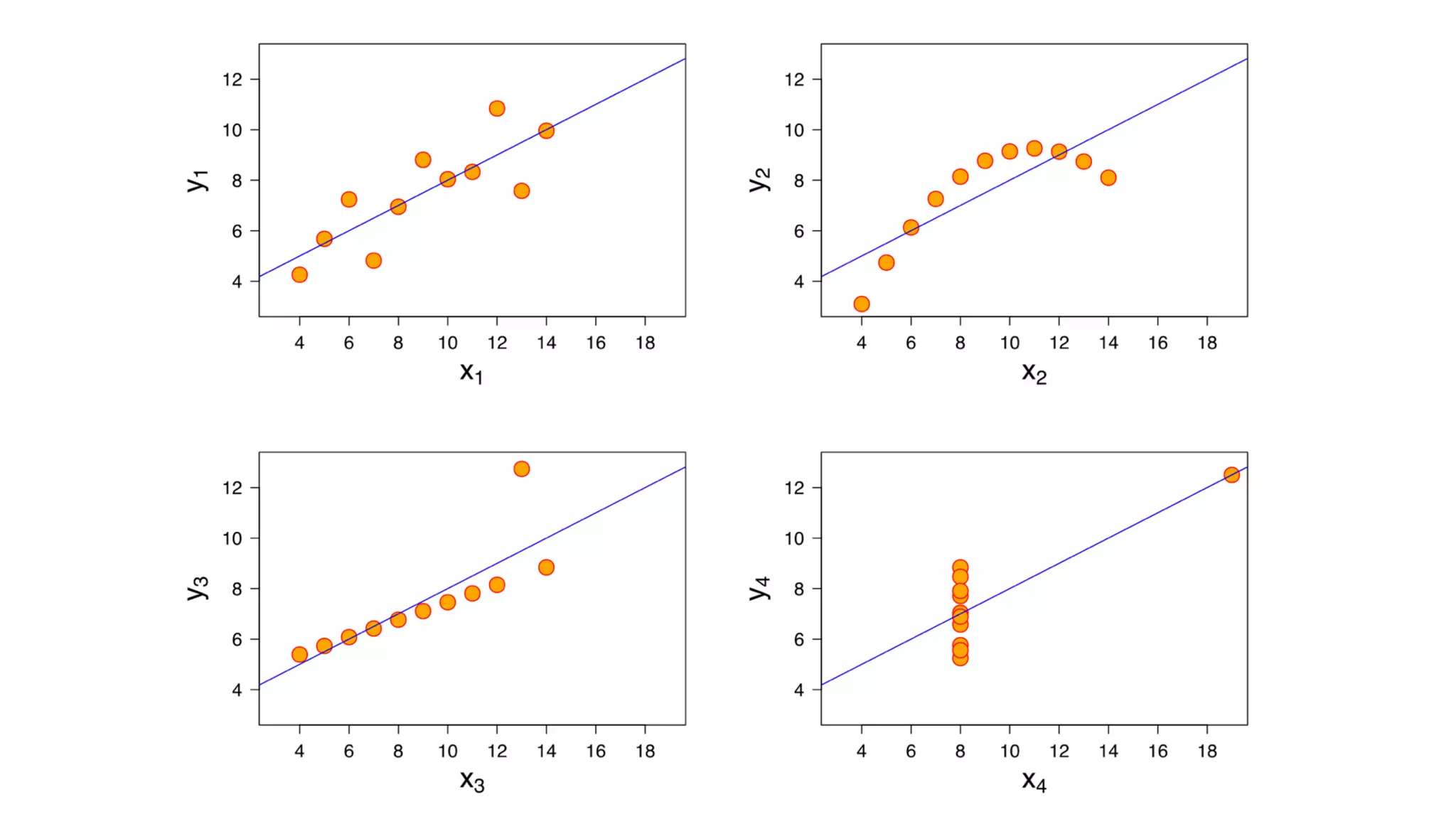
W H AT D O Y O U S E E ?
I II III IV
x y x y x y x y
10.0 8.04 10.0 9.14 10.0 7.46 8.0 6.58
8.0 6.95 8.0 8.14 8.0 6.77 8.0 5.76
13.0 7.58 13.0 8.74 13.0 12.74 8.0 7.71
9.0 8.81 9.0 8.77 9.0 7.11 8.0 8.84
11.0 8.33 11.0 9.26 11.0 7.81 8.0 8.47
14.0 9.96 14.0 8.10 14.0 8.84 8.0 7.04
6.0 7.24 6.0 6.13 6.0 6.08 8.0 5.25
4.0 4.26 4.0 3.10 4.0 5.39 19.0 12.50
12.0 10.84 12.0 9.13 12.0 8.15 8.0 5.56
7.0 4.82 7.0 7.26 7.0 6.42 8.0 7.91
5.0 5.68 5.0 4.74 5.0 5.73 8.0 6.89
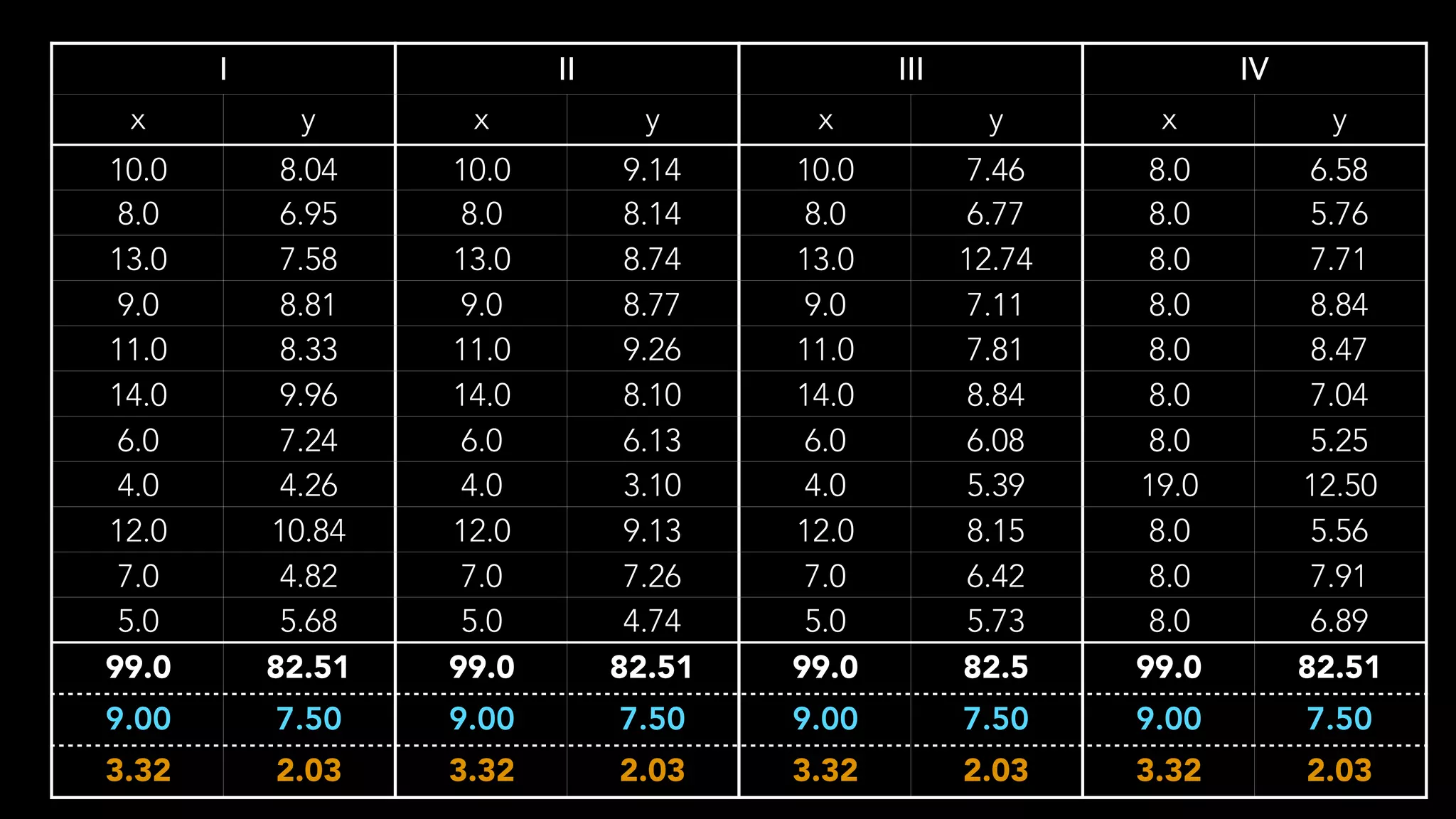
99.0 82.51 99.0 82.51 99.0 82.5 99.0 82.51
9.00 7.50 9.00 7.50 9.00 7.50 9.00 7.50
3.32 2.03 3.32 2.03 3.32 2.03 3.32 2.03
I II III IV
x y x y x y x y
10.0 8.04 10.0 9.14 10.0 7.46 8.0 6.58
8.0 6.95 8.0 8.14 8.0 6.77 8.0 5.76
13.0 7.58 13.0 8.74 13.0 12.74 8.0 7.71
9.0 8.81 9.0 8.77 9.0 7.11 8.0 8.84
11.0 8.33 11.0 9.26 11.0 7.81 8.0 8.47
14.0 9.96 14.0 8.10 14.0 8.84 8.0 7.04
6.0 7.24 6.0 6.13 6.0 6.08 8.0 5.25
4.0 4.26 4.0 3.10 4.0 5.39 19.0 12.50
12.0 10.84 12.0 9.13 12.0 8.15 8.0 5.56
7.0 4.82 7.0 7.26 7.0 6.42 8.0 7.91
5.0 5.68 5.0 4.74 5.0 5.73 8.0 6.89
99.0 82.51 99.0 82.51 99.0 82.5 99.0 82.51
9.00 7.50 9.00 7.50 9.00 7.50 9.00 7.50
3.32 2.03 3.32 2.03 3.32 2.03 3.32 2.03
E X A M P L E S
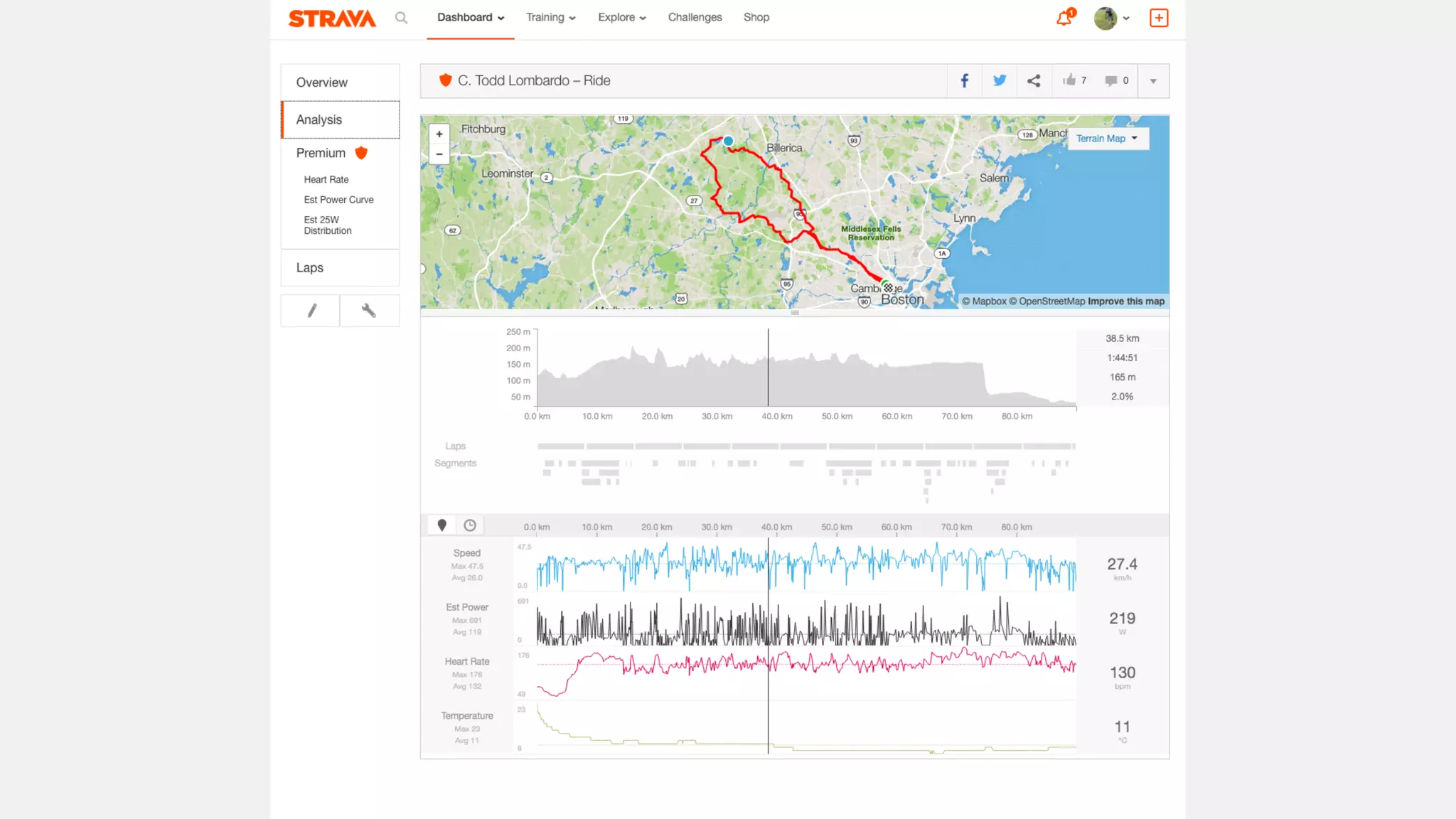
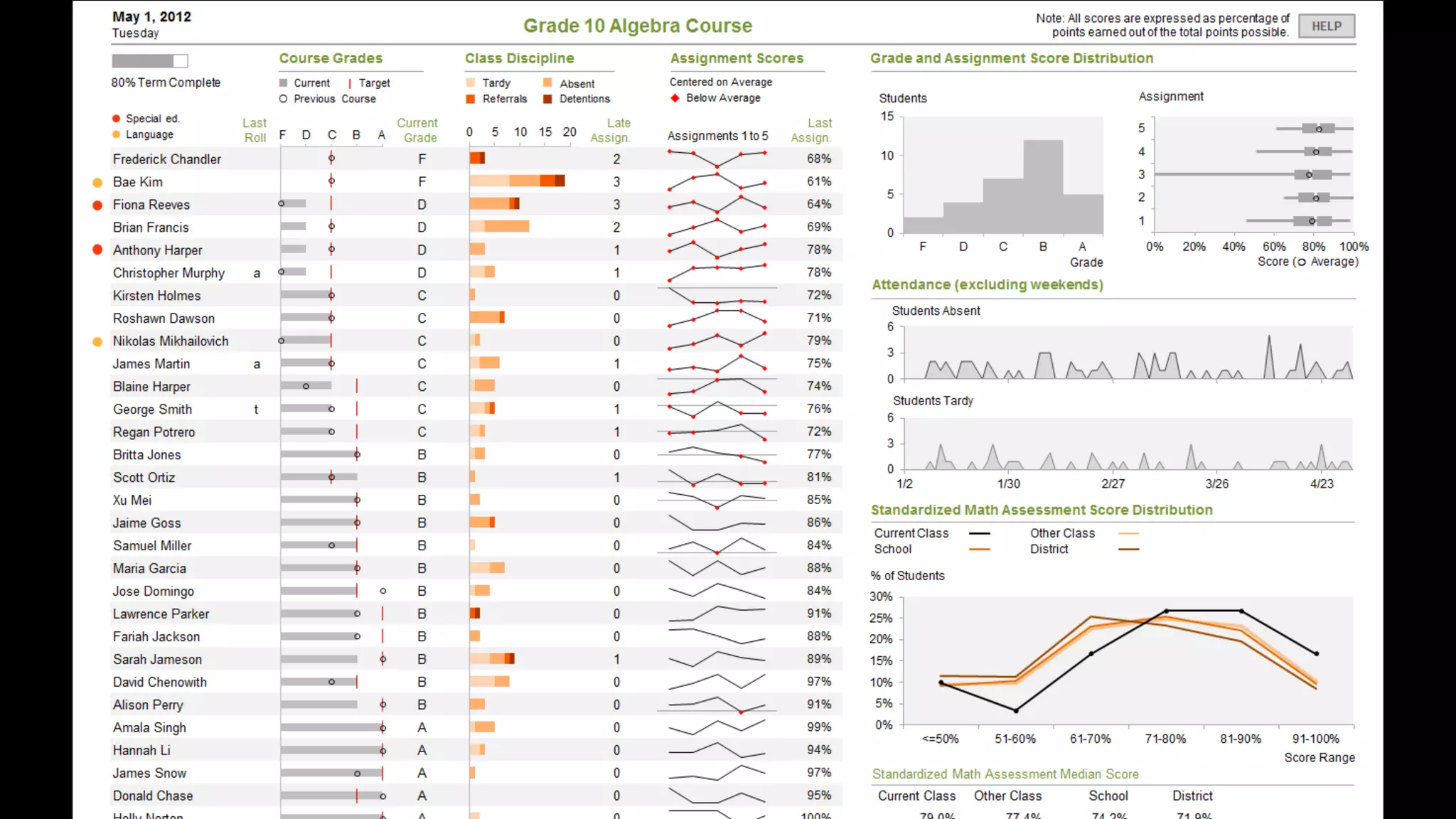
D A S H B O A R D
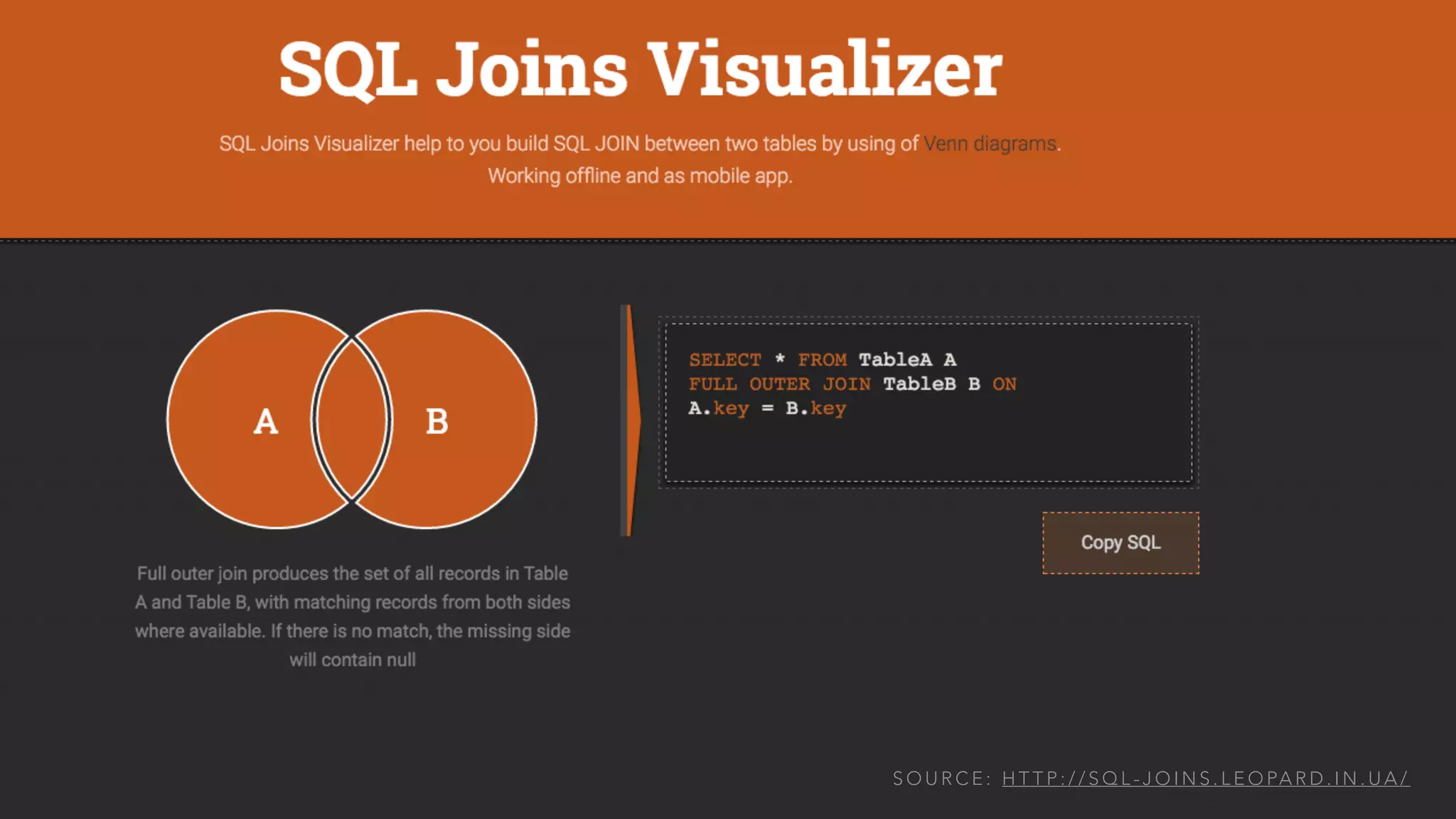
S O U R C E : H T T P : / / S Q L - J O I N S . L E O PA R D . I N . U A /
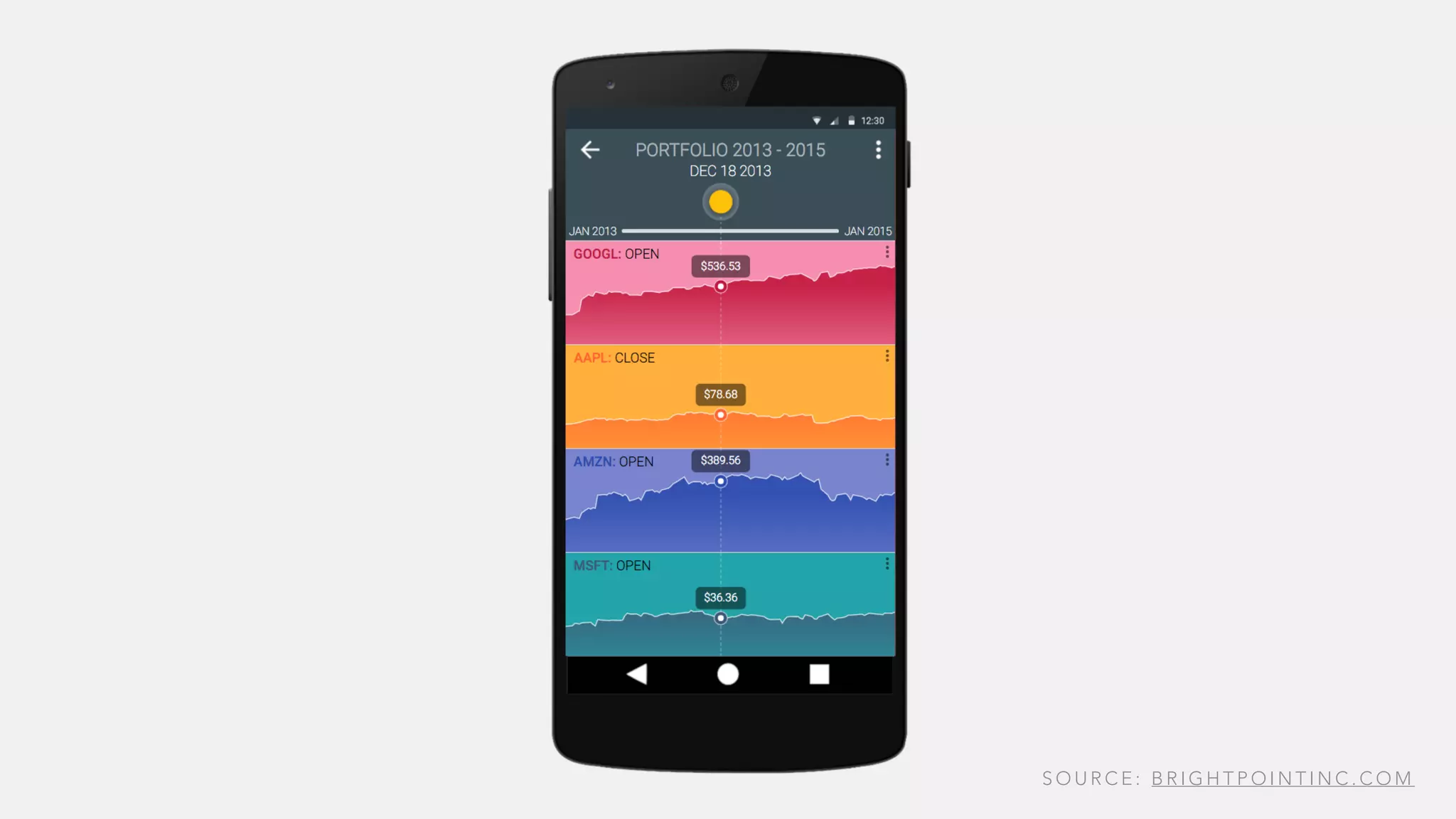
W H AT A B O U T M O B I L E ?
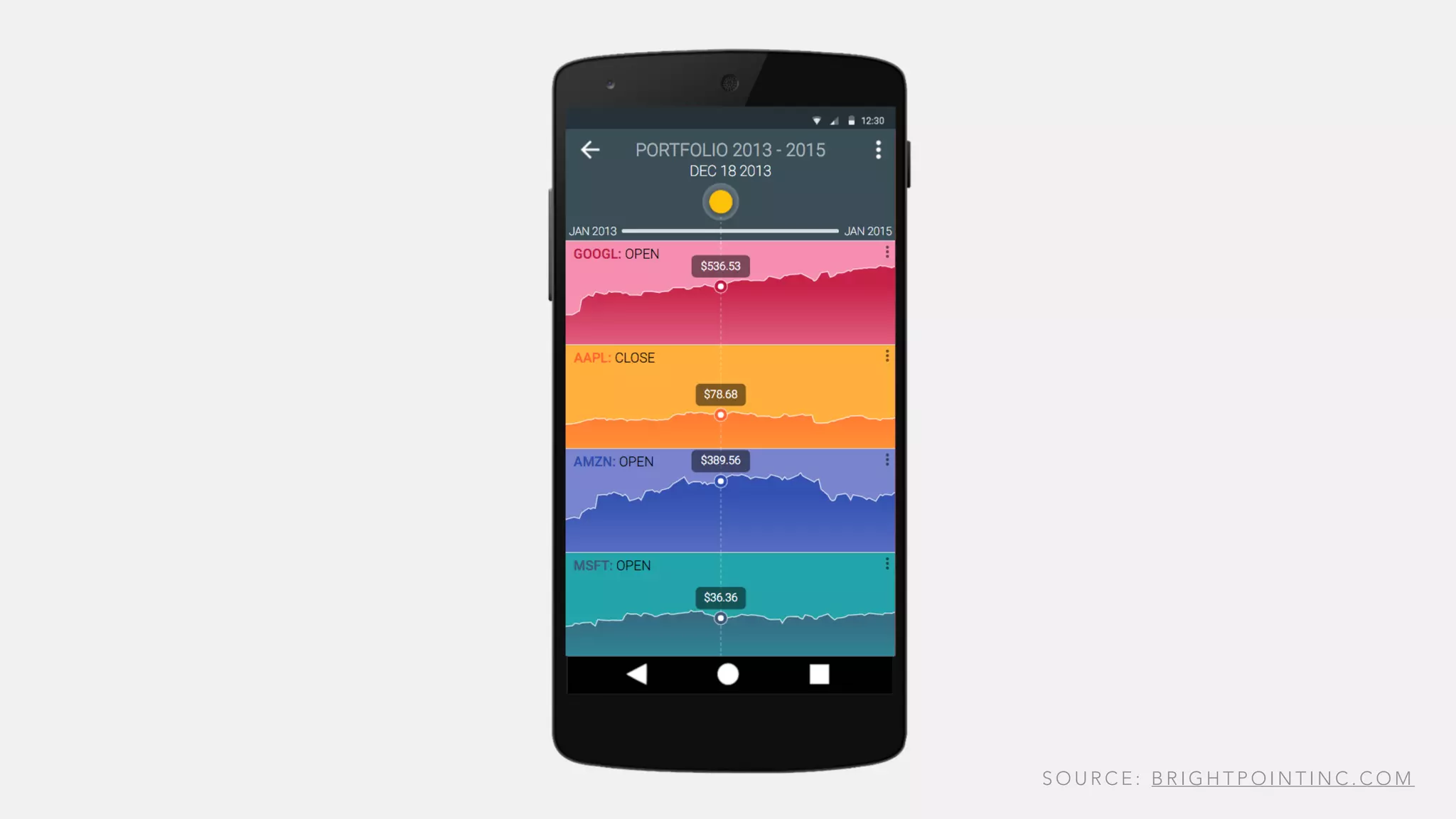
S O U R C E : B R I G H T P O I N T I N C . C O M
W H E R E D O Y O U S TA R T ?
H O W - T O
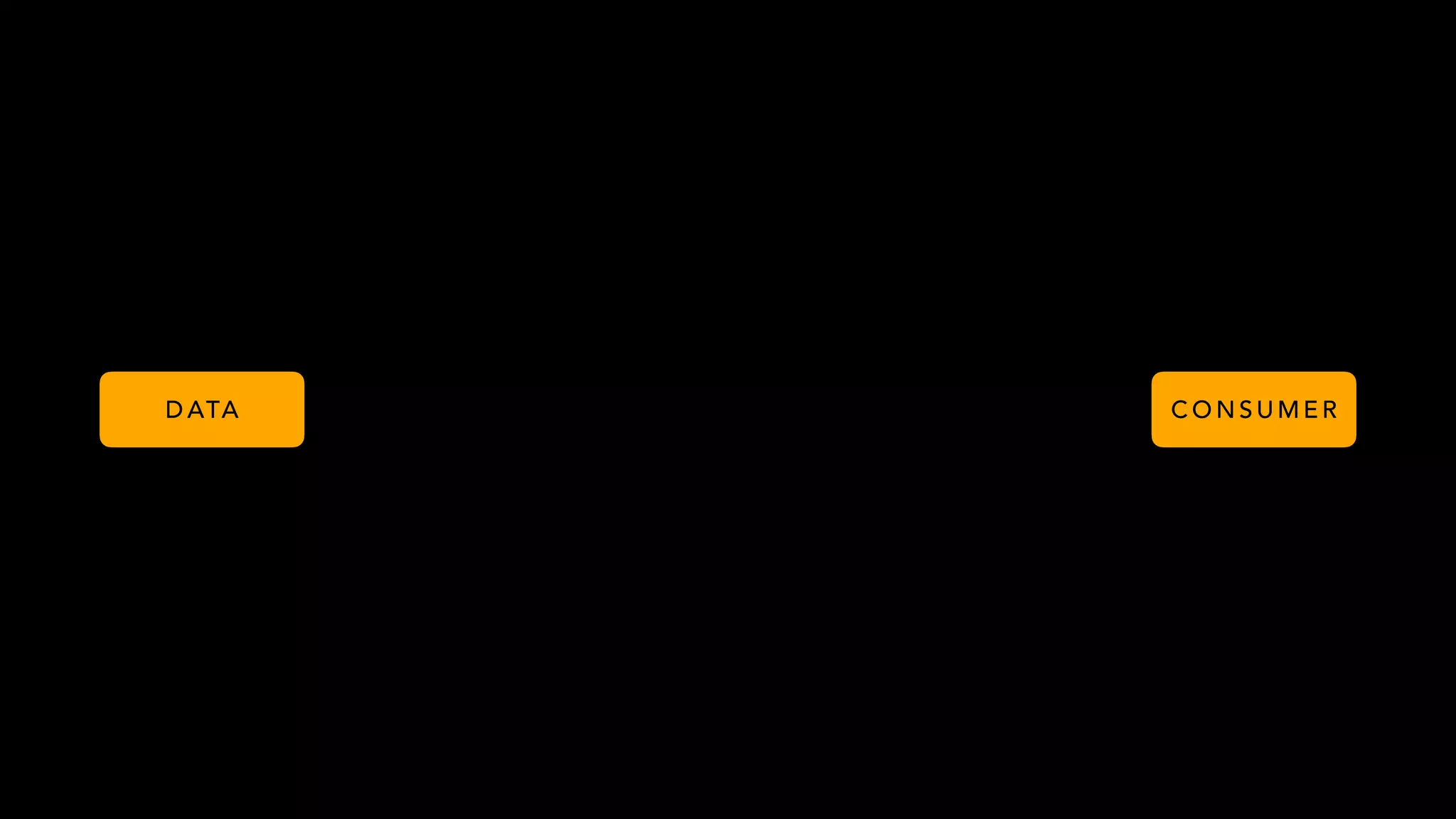
D ATA C O N S U M E R
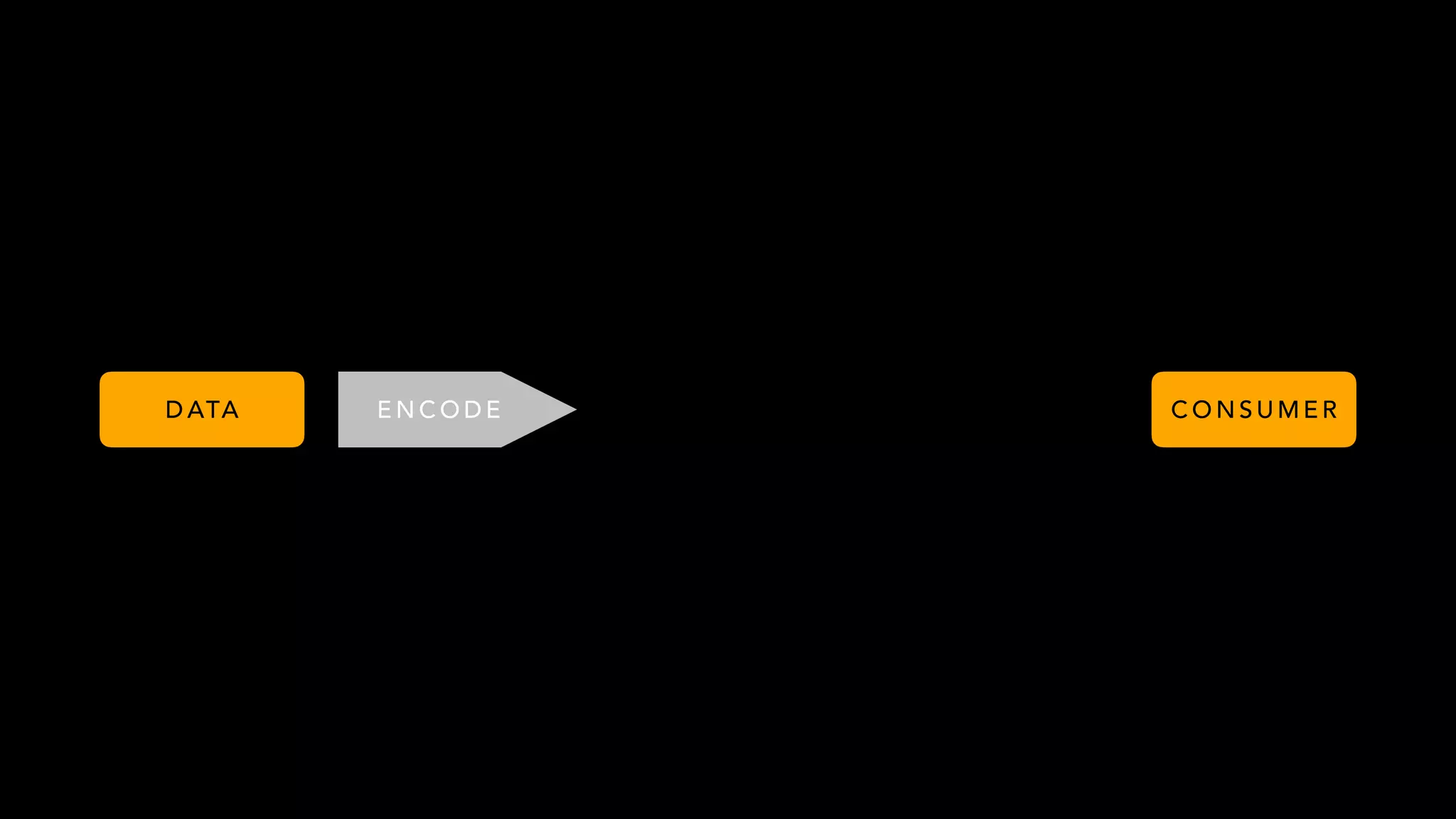
D ATA E N C O D E C O N S U M E R
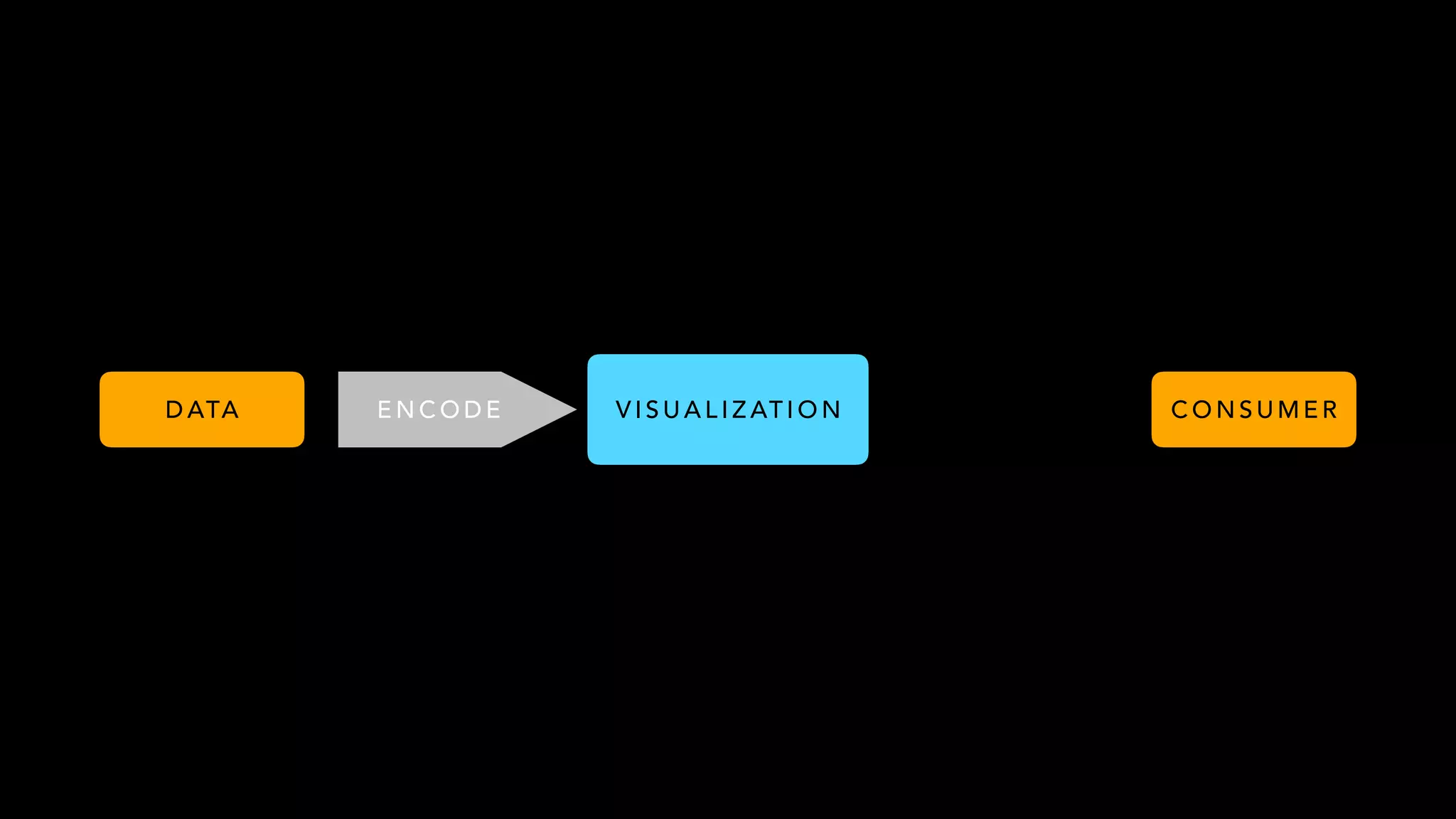
D ATA E N C O D E C O N S U M E RV I S U A L I Z AT I O N
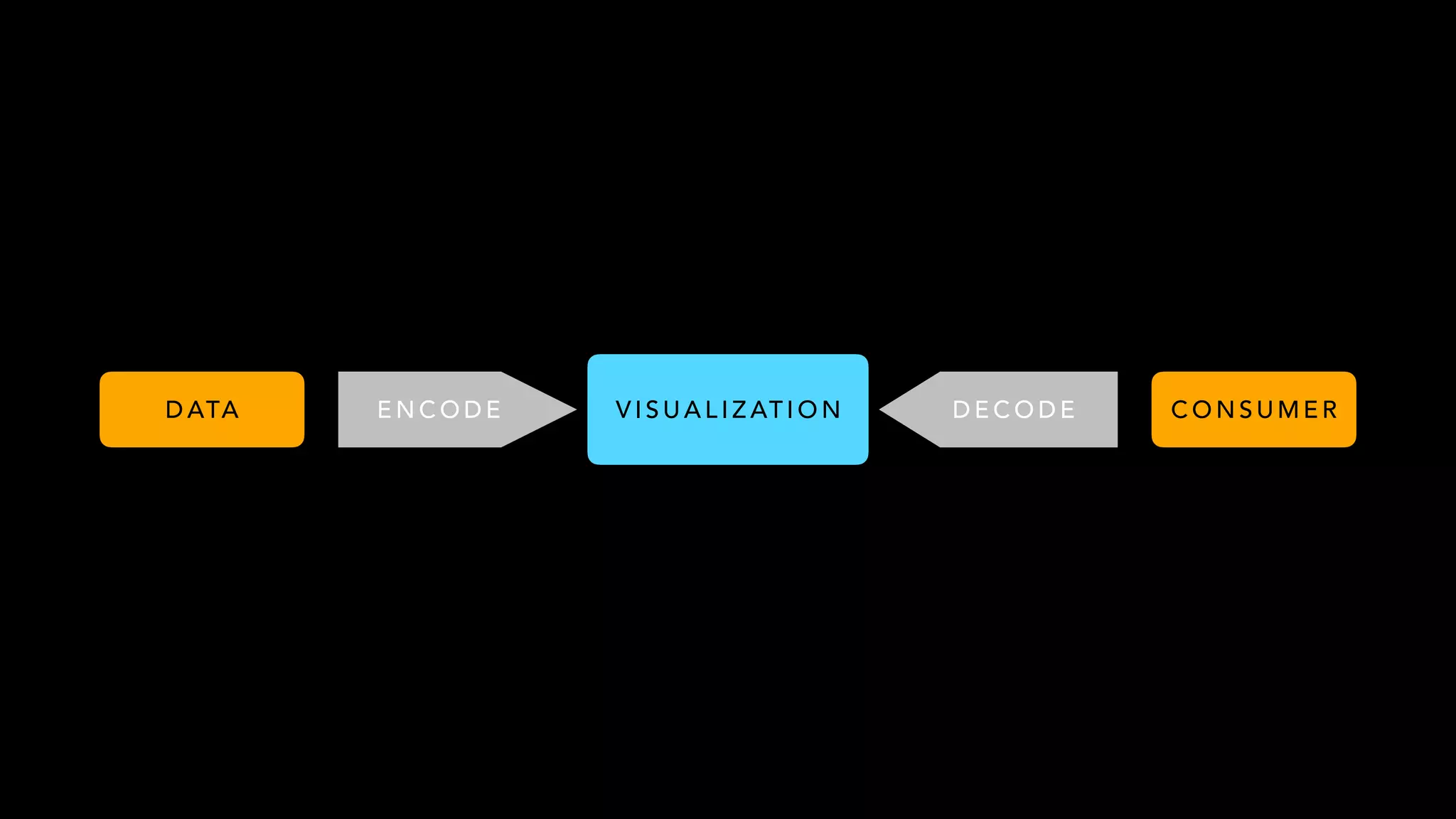
D ATA E N C O D E D E C O D E C O N S U M E RV I S U A L I Z AT I O N
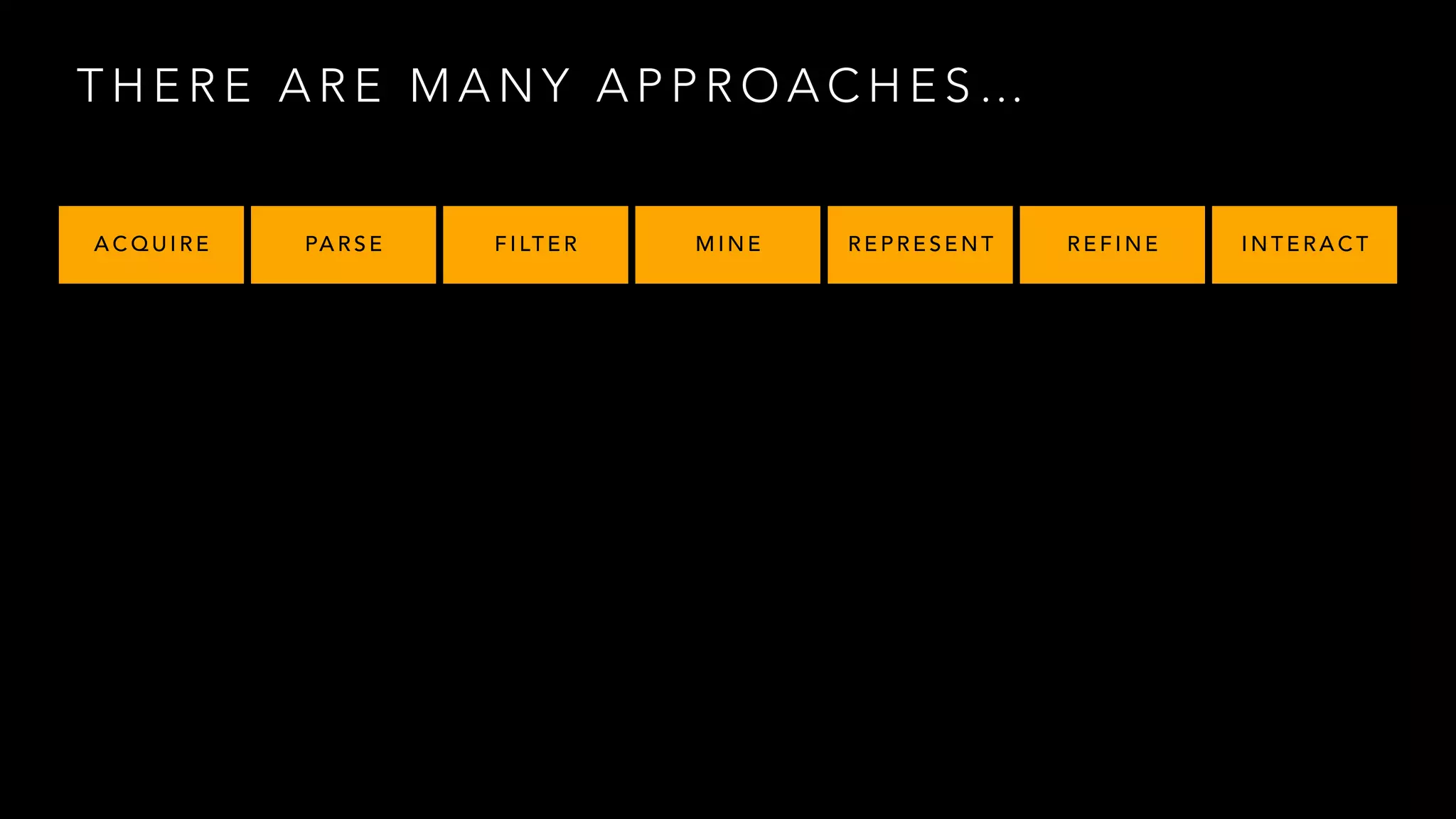
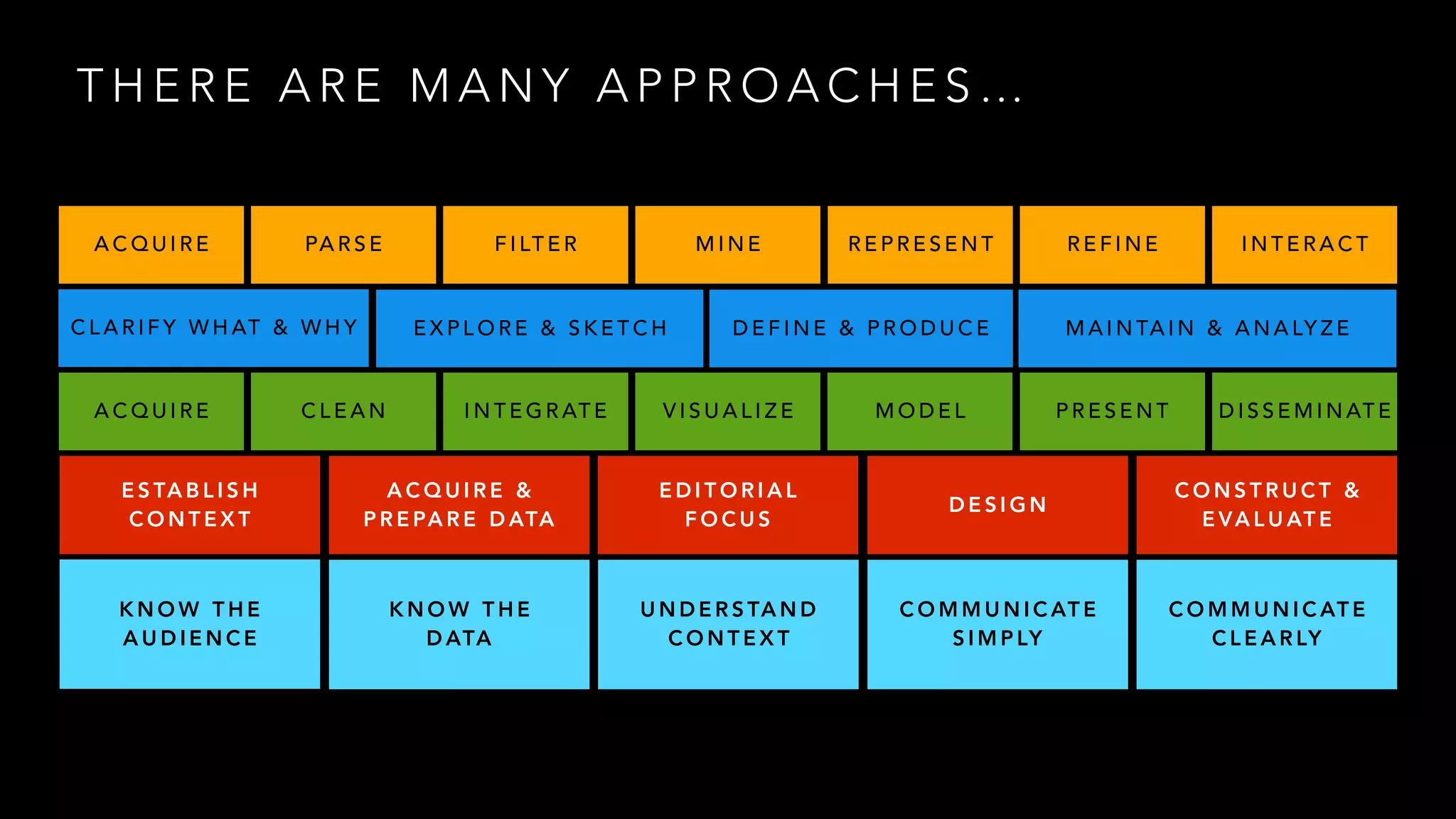
T H E R E A R E M A N Y A P P R O A C H E S …
A C Q U I R E PA R S E F I LT E R M I N E R E P R E S E N T R E F I N E I N T E R A C T
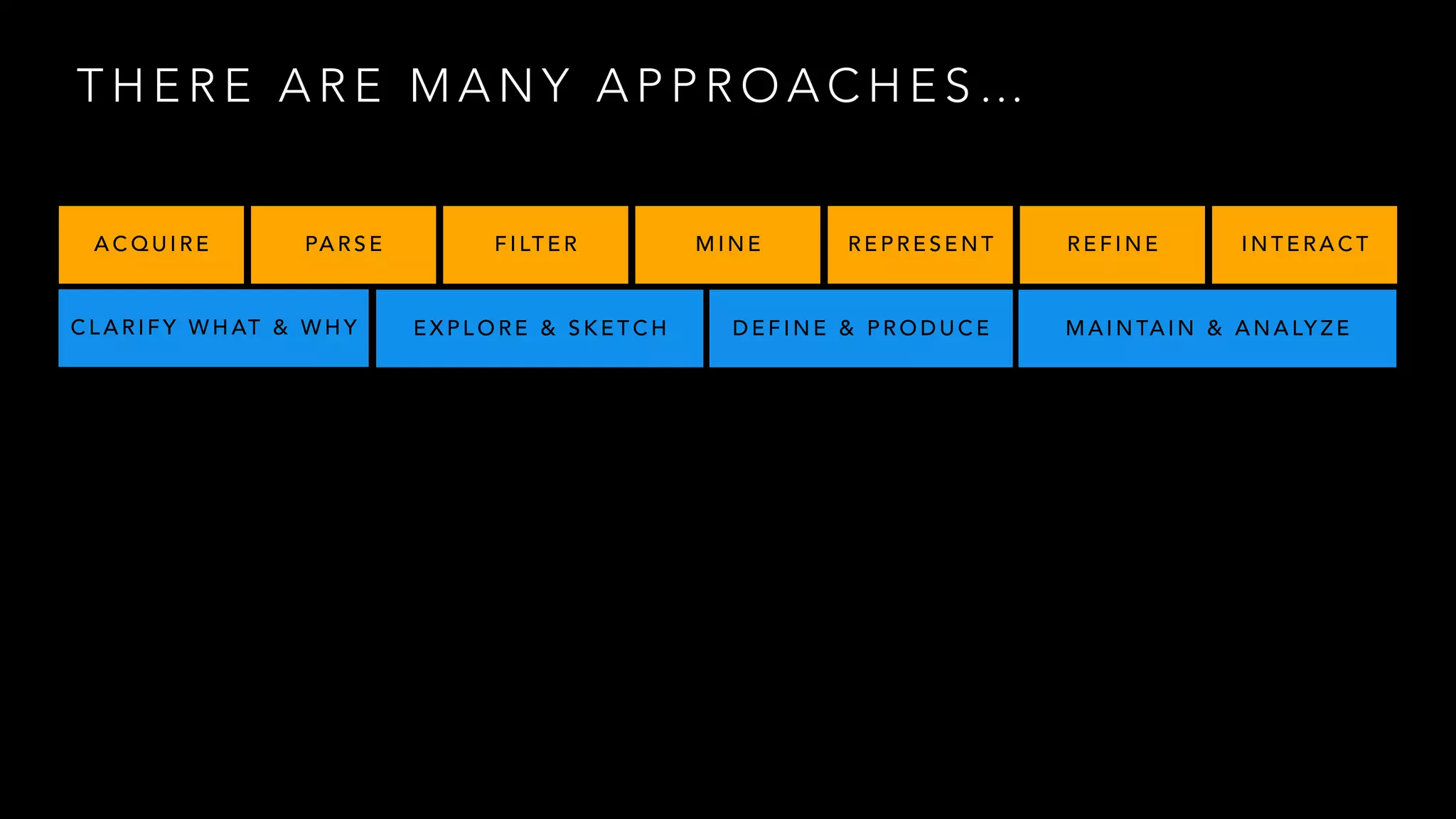
T H E R E A R E M A N Y A P P R O A C H E S …
A C Q U I R E PA R S E F I LT E R M I N E R E P R E S E N T R E F I N E I N T E R A C T
C L A R I F Y W H AT & W H Y E X P L O R E & S K E T C H D E F I N E & P R O D U C E M A I N TA I N & A N A LY Z E
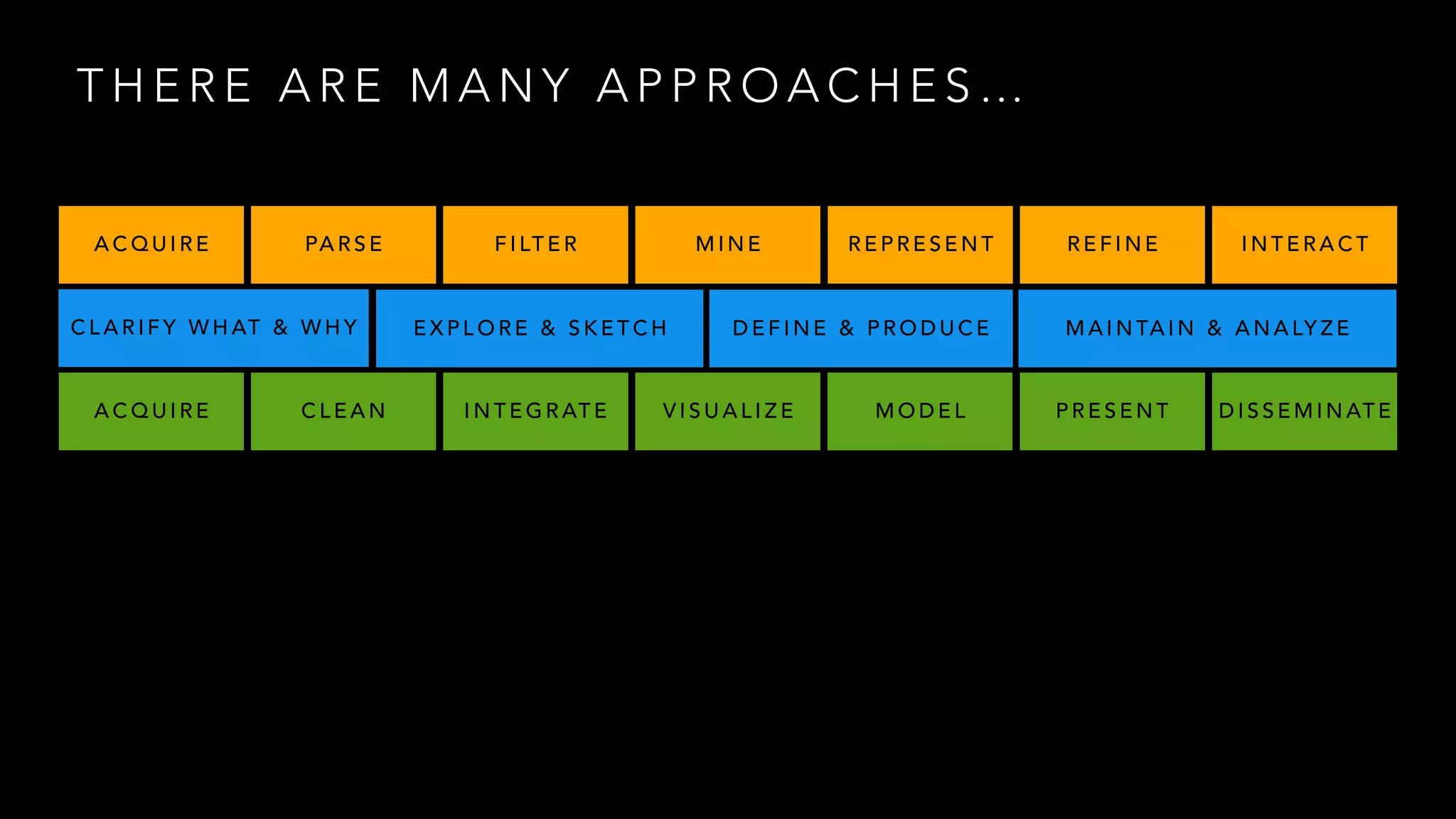
T H E R E A R E M A N Y A P P R O A C H E S …
A C Q U I R E PA R S E F I LT E R M I N E R E P R E S E N T R E F I N E I N T E R A C T
C L A R I F Y W H AT & W H Y E X P L O R E & S K E T C H D E F I N E & P R O D U C E M A I N TA I N & A N A LY Z E
A C Q U I R E C L E A N I N T E G R AT E V I S U A L I Z E M O D E L P R E S E N T D I S S E M I N AT E
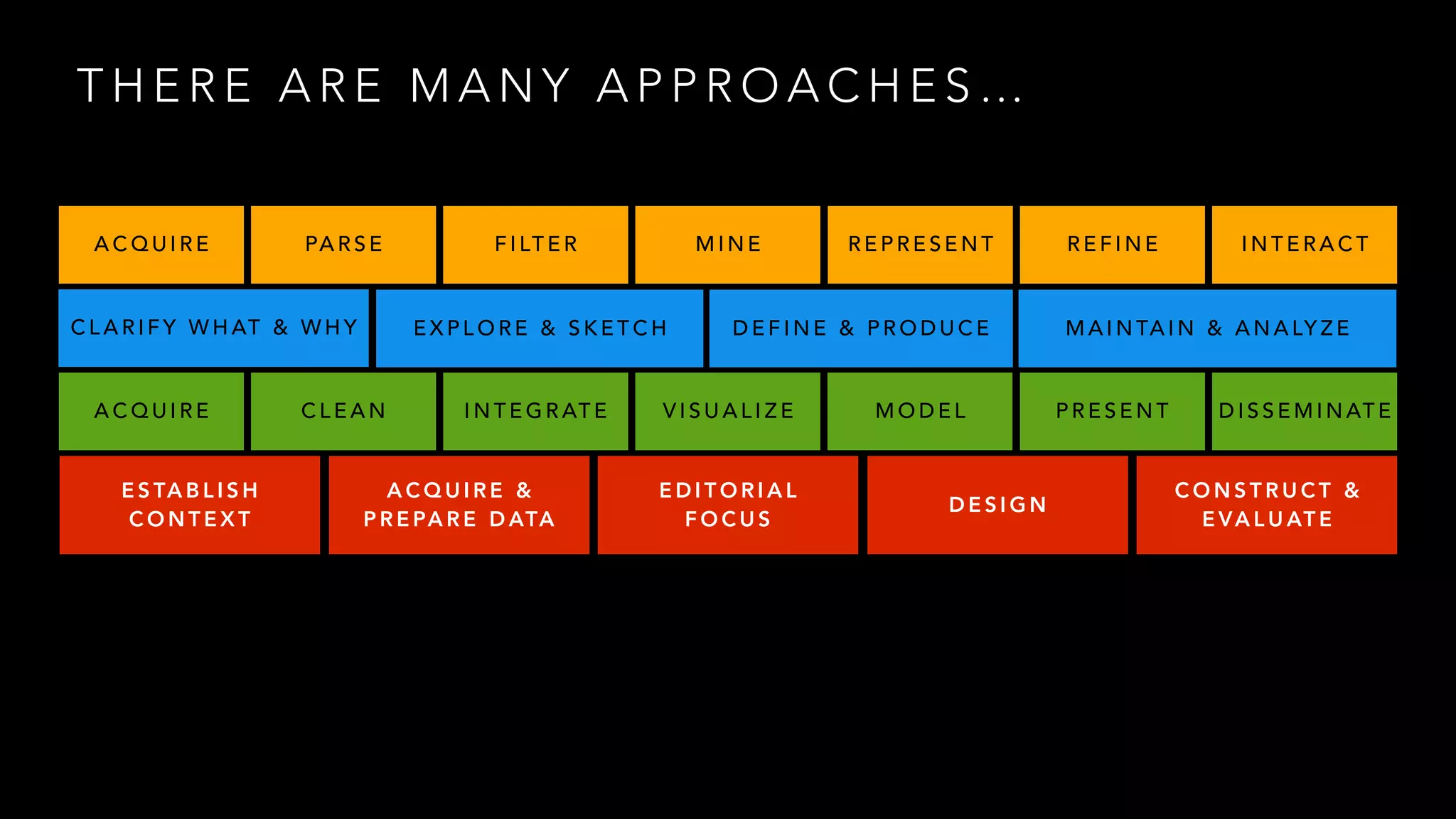
T H E R E A R E M A N Y A P P R O A C H E S …
A C Q U I R E PA R S E F I LT E R M I N E R E P R E S E N T R E F I N E I N T E R A C T
C L A R I F Y W H AT & W H Y E X P L O R E & S K E T C H D E F I N E & P R O D U C E M A I N TA I N & A N A LY Z E
A C Q U I R E C L E A N I N T E G R AT E V I S U A L I Z E M O D E L P R E S E N T D I S S E M I N AT E
E S TA B L I S H
C O N T E X T
A C Q U I R E &
P R E PA R E D ATA
E D I T O R I A L
F O C U S
D E S I G N
C O N S T R U C T &
E VA L U AT E
T H E R E A R E M A N Y A P P R O A C H E S …
A C Q U I R E PA R S E F I LT E R M I N E R E P R E S E N T R E F I N E I N T E R A C T
C L A R I F Y W H AT & W H Y E X P L O R E & S K E T C H D E F I N E & P R O D U C E M A I N TA I N & A N A LY Z E
A C Q U I R E C L E A N I N T E G R AT E V I S U A L I Z E M O D E L P R E S E N T D I S S E M I N AT E
E S TA B L I S H
C O N T E X T
A C Q U I R E &
P R E PA R E D ATA
E D I T O R I A L
F O C U S
D E S I G N
C O N S T R U C T &
E VA L U AT E
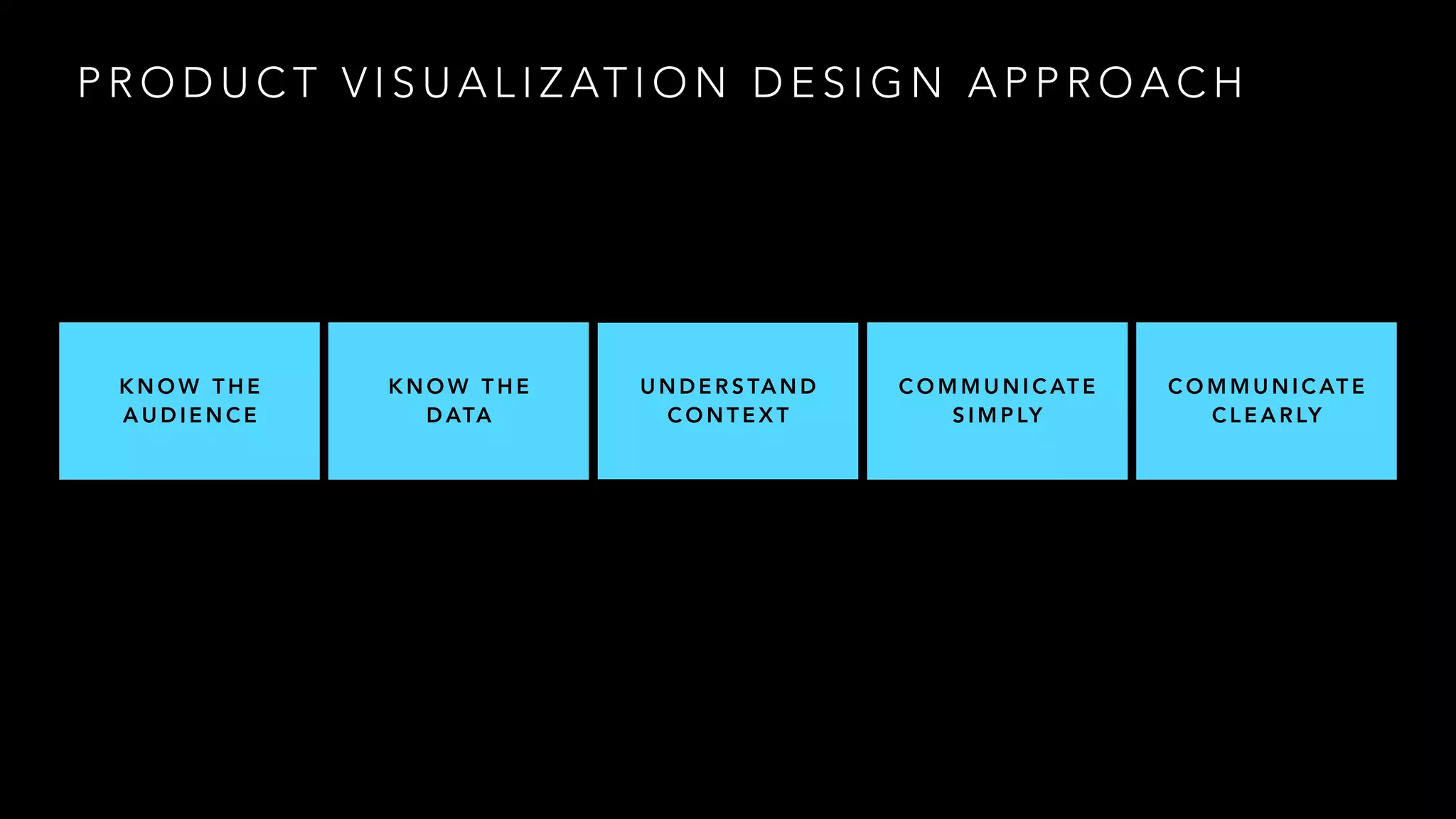
K N O W T H E
A U D I E N C E
K N O W T H E
D ATA
U N D E R S TA N D
C O N T E X T
C O M M U N I C AT E
S I M P LY
C O M M U N I C AT E
C L E A R LY
K N O W T H E
A U D I E N C E
K N O W T H E
D ATA
U N D E R S TA N D
C O N T E X T
C O M M U N I C AT E
S I M P LY
C O M M U N I C AT E
C L E A R LY
P R O D U C T V I S U A L I Z AT I O N D E S I G N A P P R O A C H
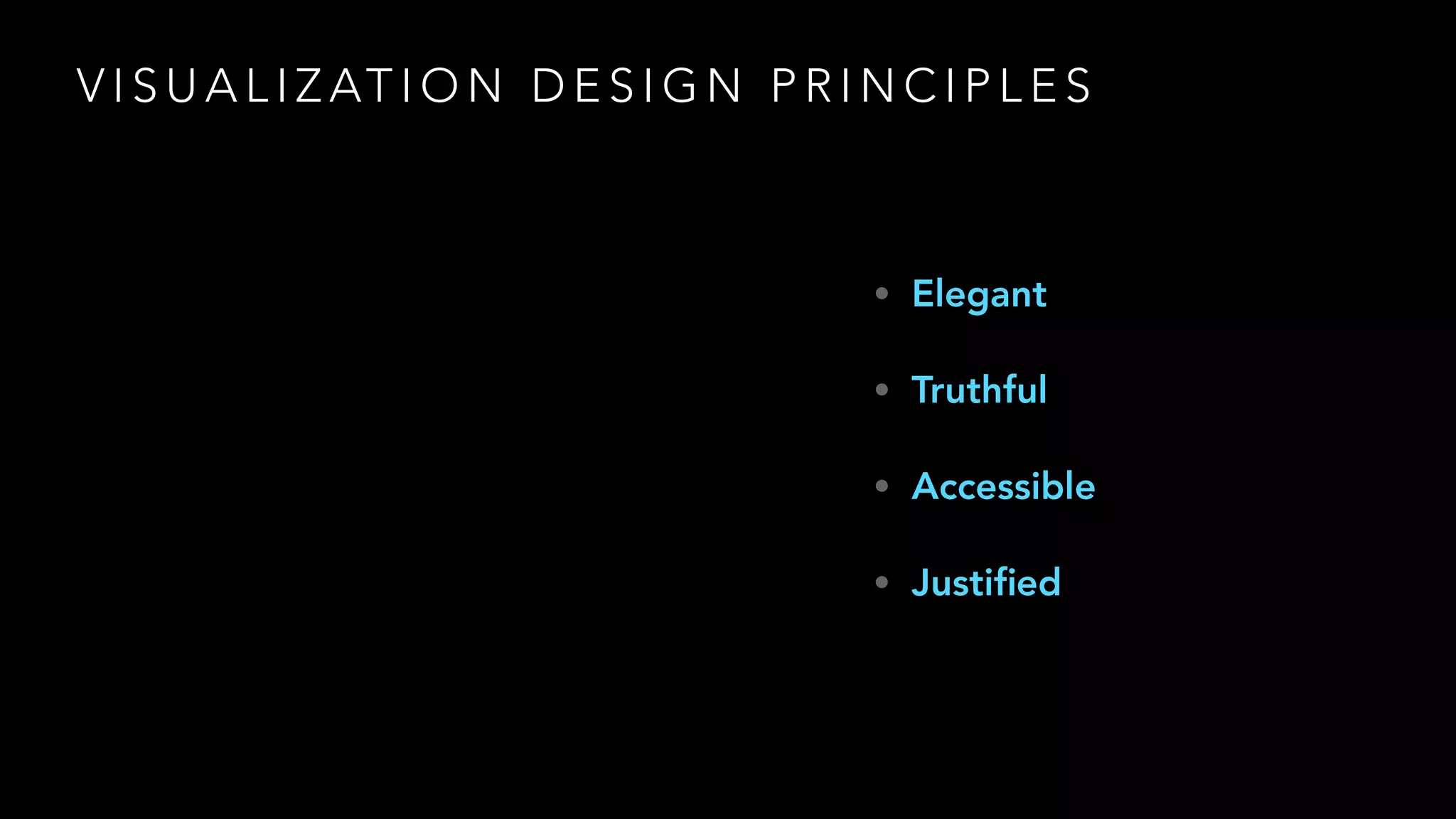
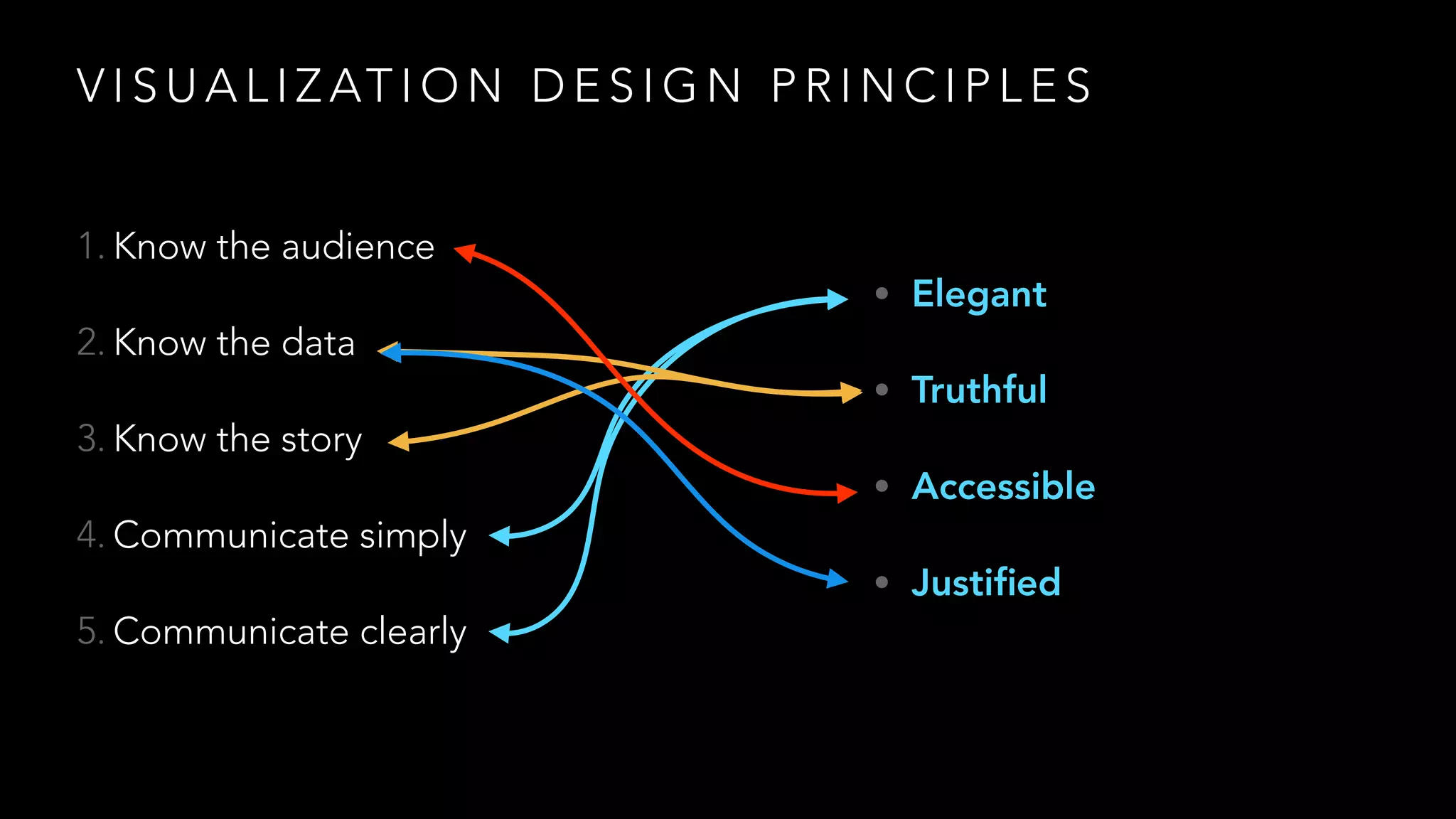
V I S U A L I Z AT I O N D E S I G N P R I N C I P L E S
• Elegant
• Truthful
• Accessible
• Justified
1. Know the audience
2. Know the data
3. Know the story
4. Communicate simply
5. Communicate clearly
V I S U A L I Z AT I O N D E S I G N P R I N C I P L E S
• Elegant
• Truthful
• Accessible
• Justified
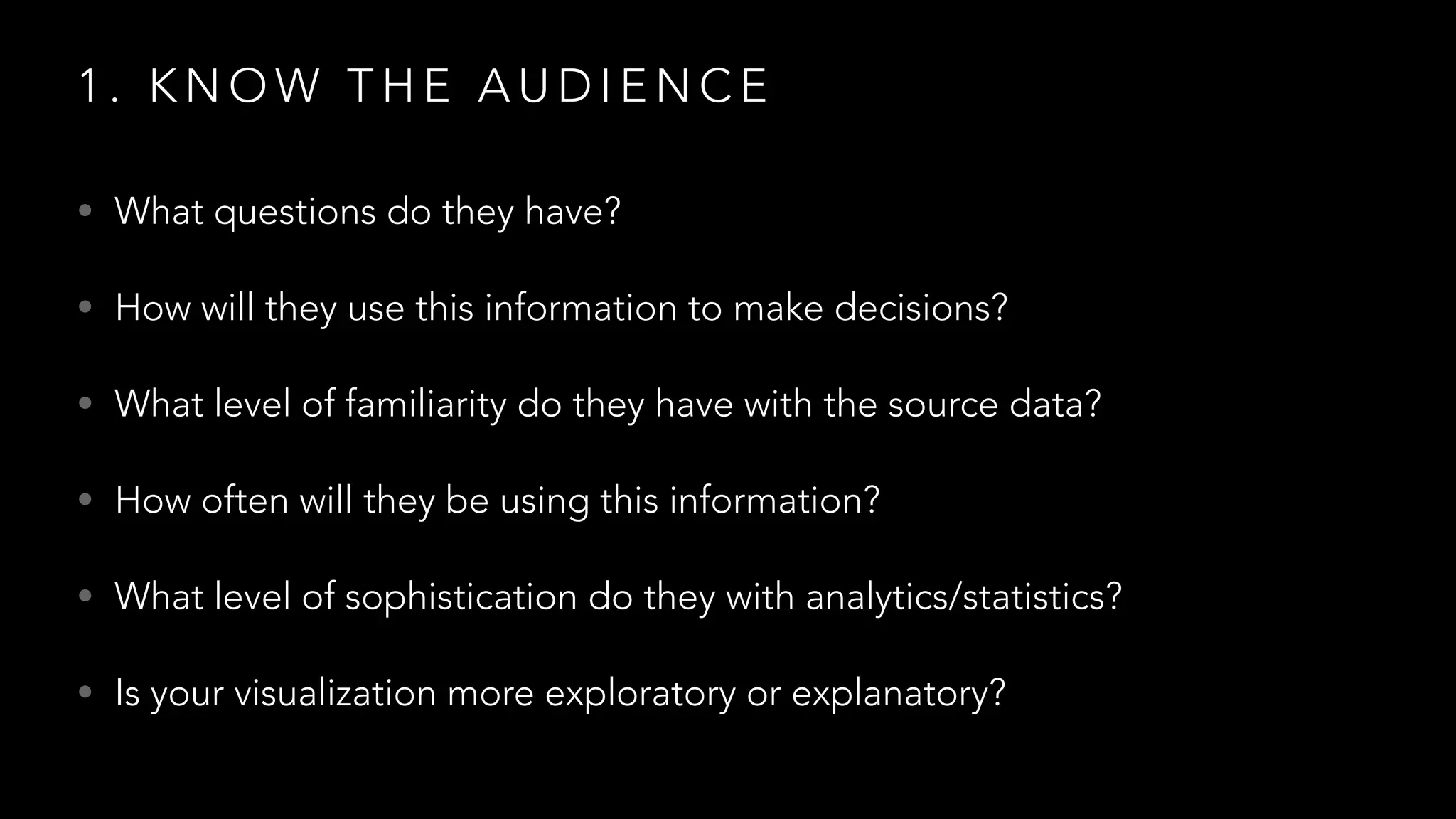
1 . K N O W T H E A U D I E N C E
• What questions do they have?
1 . K N O W T H E A U D I E N C E
• What questions do they have?
• How will they use this information to make decisions?
1 . K N O W T H E A U D I E N C E
• What questions do they have?
• How will they use this information to make decisions?
• What level of familiarity do they have with the source data?
1 . K N O W T H E A U D I E N C E
• What questions do they have?
• How will they use this information to make decisions?
• What level of familiarity do they have with the source data?
• How often will they be using this information?
1 . K N O W T H E A U D I E N C E
• What questions do they have?
• How will they use this information to make decisions?
• What level of familiarity do they have with the source data?
• How often will they be using this information?
• What level of sophistication do they with analytics/statistics?
1 . K N O W T H E A U D I E N C E
• What questions do they have?
• How will they use this information to make decisions?
• What level of familiarity do they have with the source data?
• How often will they be using this information?
• What level of sophistication do they with analytics/statistics?
• Is your visualization more exploratory or explanatory?
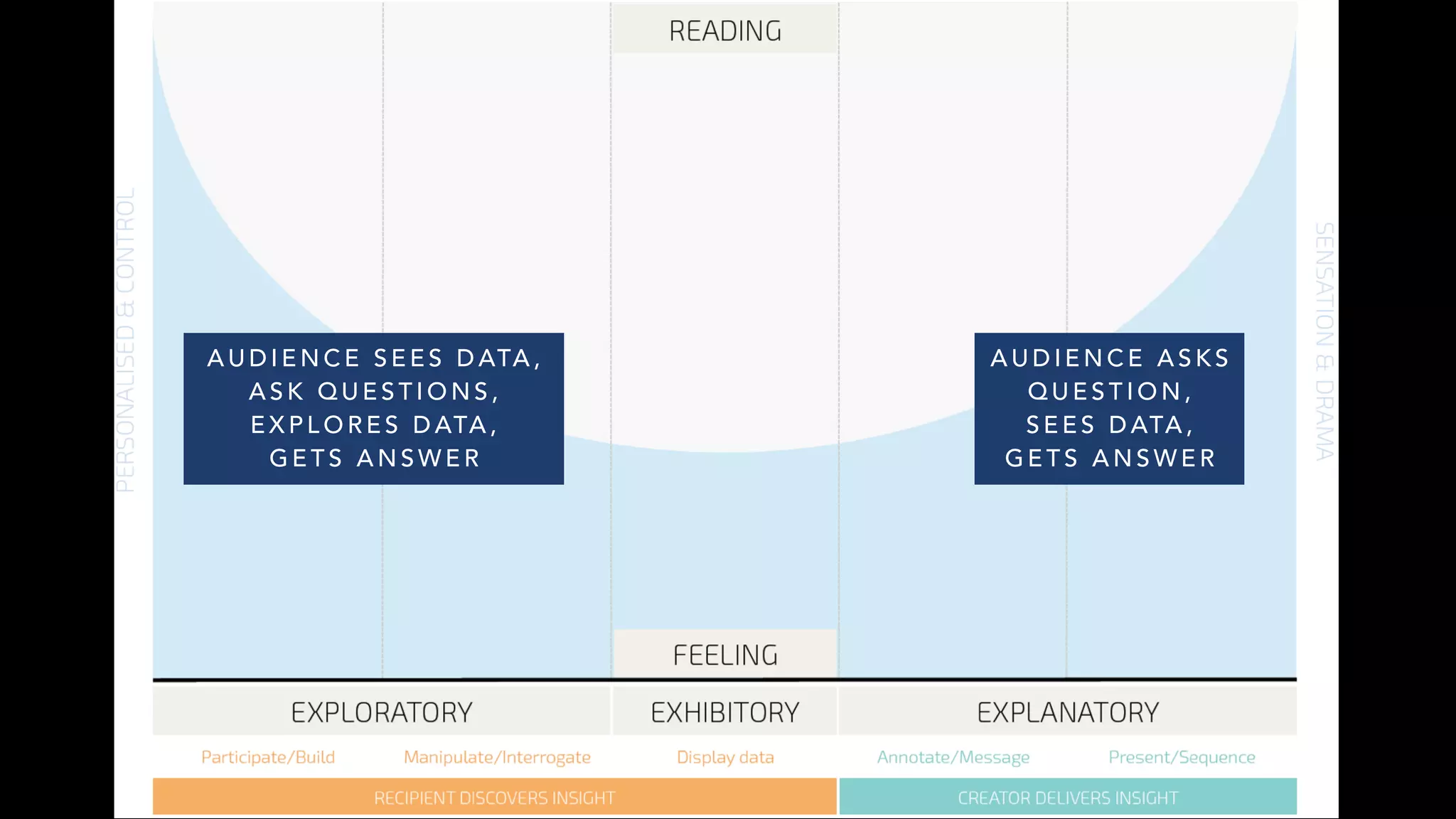
A U D I E N C E A S K S
Q U E S T I O N ,
S E E S D ATA ,
G E T S A N S W E R
A U D I E N C E S E E S D ATA ,
A S K Q U E S T I O N S ,
E X P L O R E S D ATA ,
G E T S A N S W E R
2 . K N O W T H E D ATA
• What is the quality of the data? Can you trust it?
2 . K N O W T H E D ATA
• What is the quality of the data? Can you trust it?
• What questions can the data answer?
2 . K N O W T H E D ATA
• What is the quality of the data? Can you trust it?
• What questions can the data answer?
• How old/new is the data?
2 . K N O W T H E D ATA
• What is the quality of the data? Can you trust it?
• What questions can the data answer?
• How old/new is the data?
• What are the inherent relationships between values?
2 . K N O W T H E D ATA
• What is the quality of the data? Can you trust it?
• What questions can the data answer?
• How old/new is the data?
• What are the inherent relationships between values?
• What other data can we combine with it?
2 . K N O W T H E D ATA
• What is the quality of the data? Can you trust it?
• What questions can the data answer?
• How old/new is the data?
• What are the inherent relationships between values?
• What other data can we combine with it?
• What assumptions will you have to make?
2 . K N O W T H E D ATA
• What is the quality of the data? Can you trust it?
• What questions can the data answer?
• How old/new is the data?
• What are the inherent relationships between values?
• What other data can we combine with it?
• What assumptions will you have to make?
• Does a data dictionary exist?
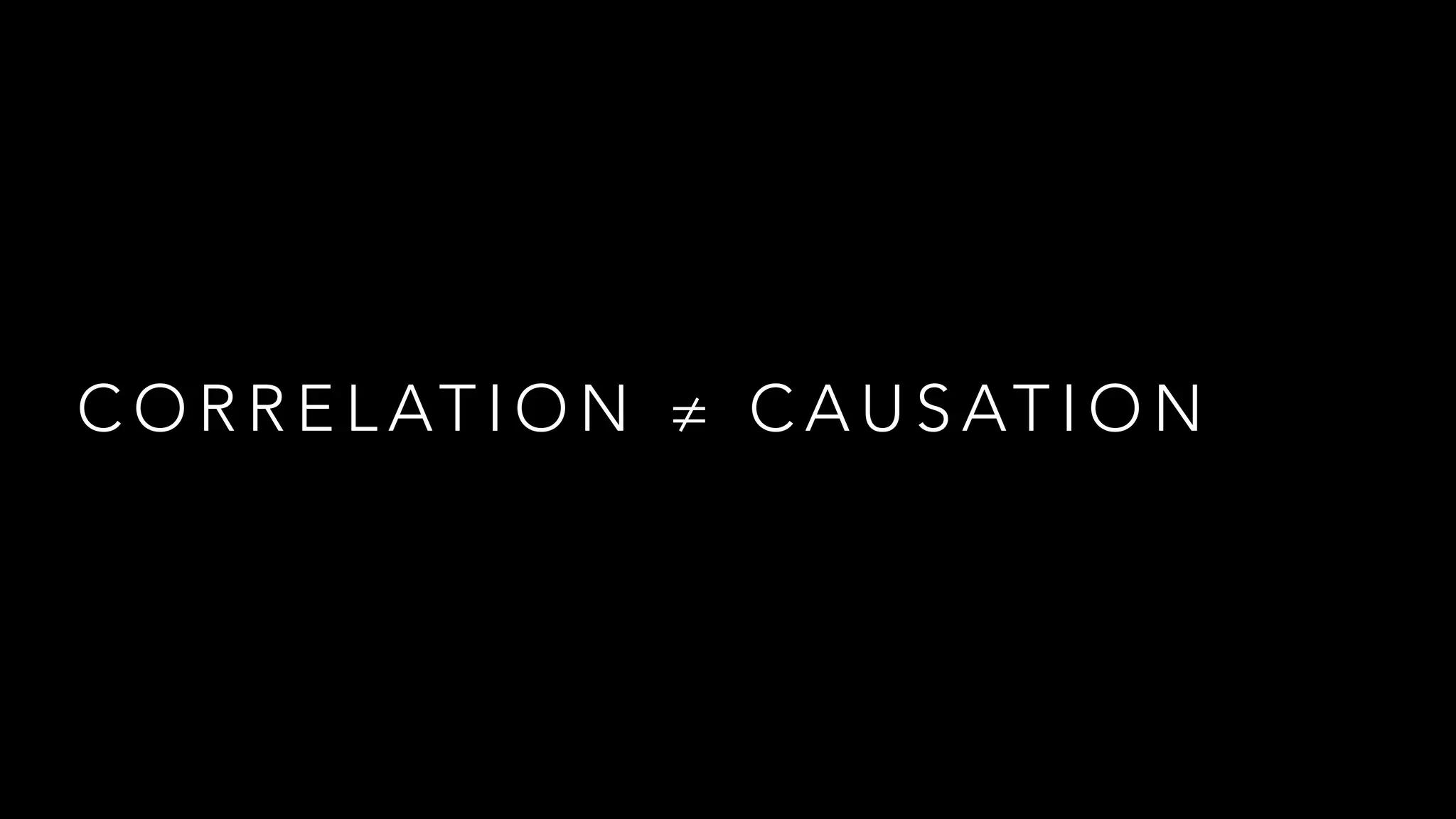
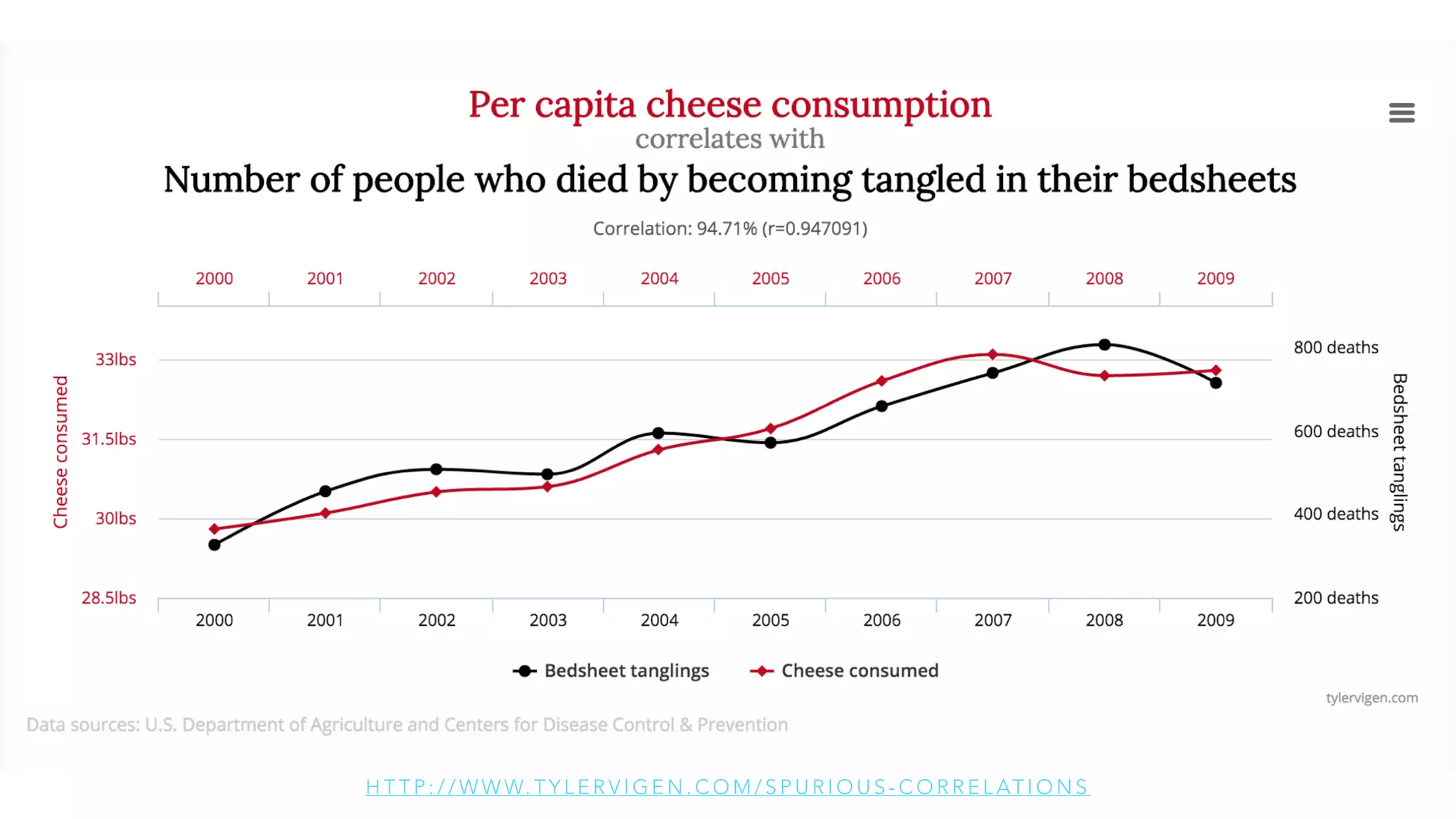
C O R R E L AT I O N ≠ C A U S AT I O N
H T T P : / / W W W. T Y L E R V I G E N . C O M / S P U R I O U S - C O R R E L AT I O N S
3 . U N D E R S TA N D T H E C O N T E X T
• What does the data tell you?
3 . U N D E R S TA N D T H E C O N T E X T
• What does the data tell you?
• How is the data insightful or interesting to your user?
3 . U N D E R S TA N D T H E C O N T E X T
• What does the data tell you?
• How is the data insightful or interesting to your user?
• Why is your finding occurring or not occurring?
3 . U N D E R S TA N D T H E C O N T E X T
• What does the data tell you?
• How is the data insightful or interesting to your user?
• Why is your finding occurring or not occurring?
• How will this help your users?
3 . U N D E R S TA N D T H E C O N T E X T
• What does the data tell you?
• How is the data insightful or interesting to your user?
• Why is your finding occurring or not occurring?
• How will this help your users?
• What decisions will they need to make?
3 . U N D E R S TA N D T H E C O N T E X T
• What does the data tell you?
• How is the data insightful or interesting to your user?
• Why is your finding occurring or not occurring?
• How will this help your users?
• What decisions will they need to make?
• What are their next steps?
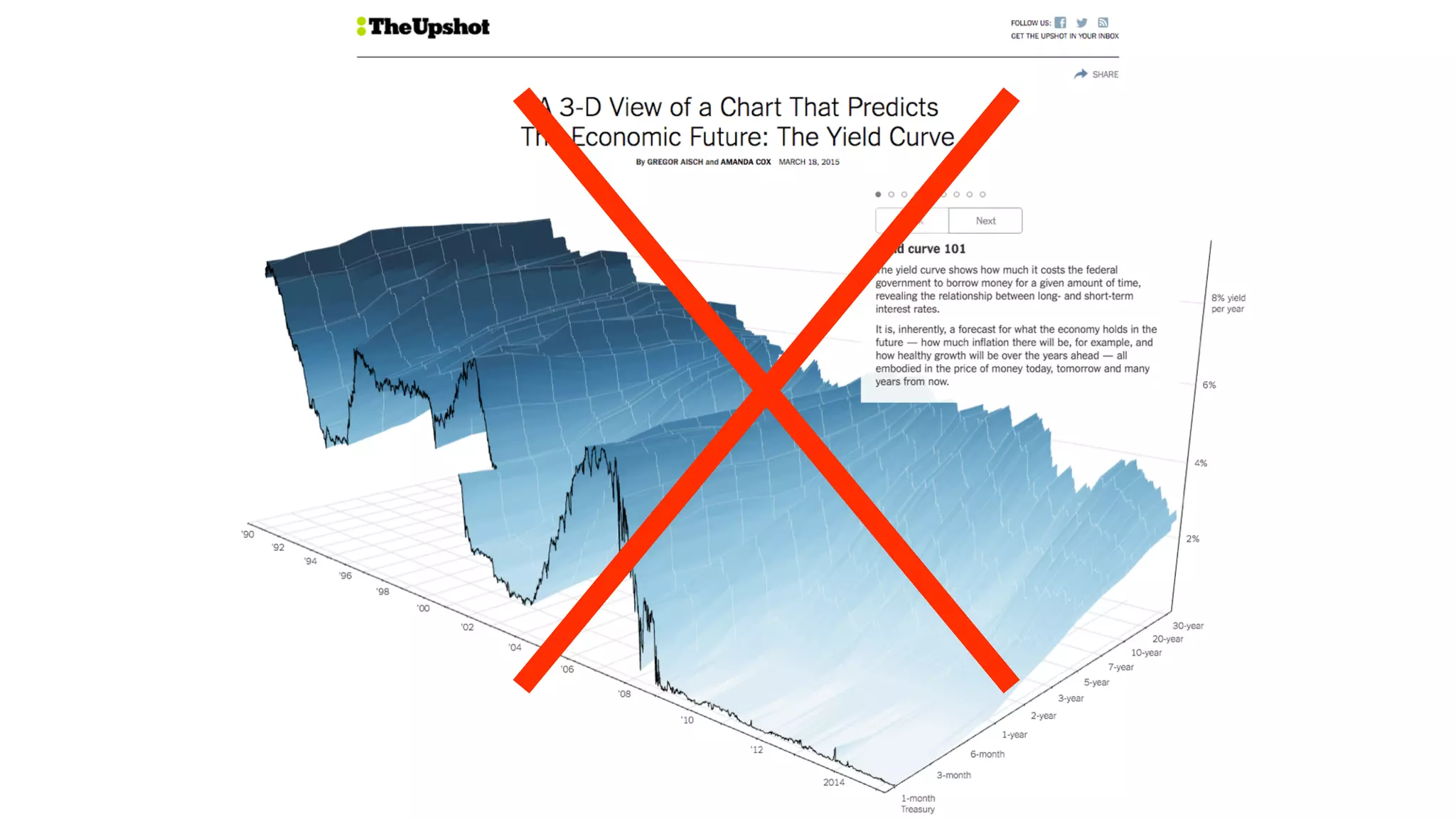
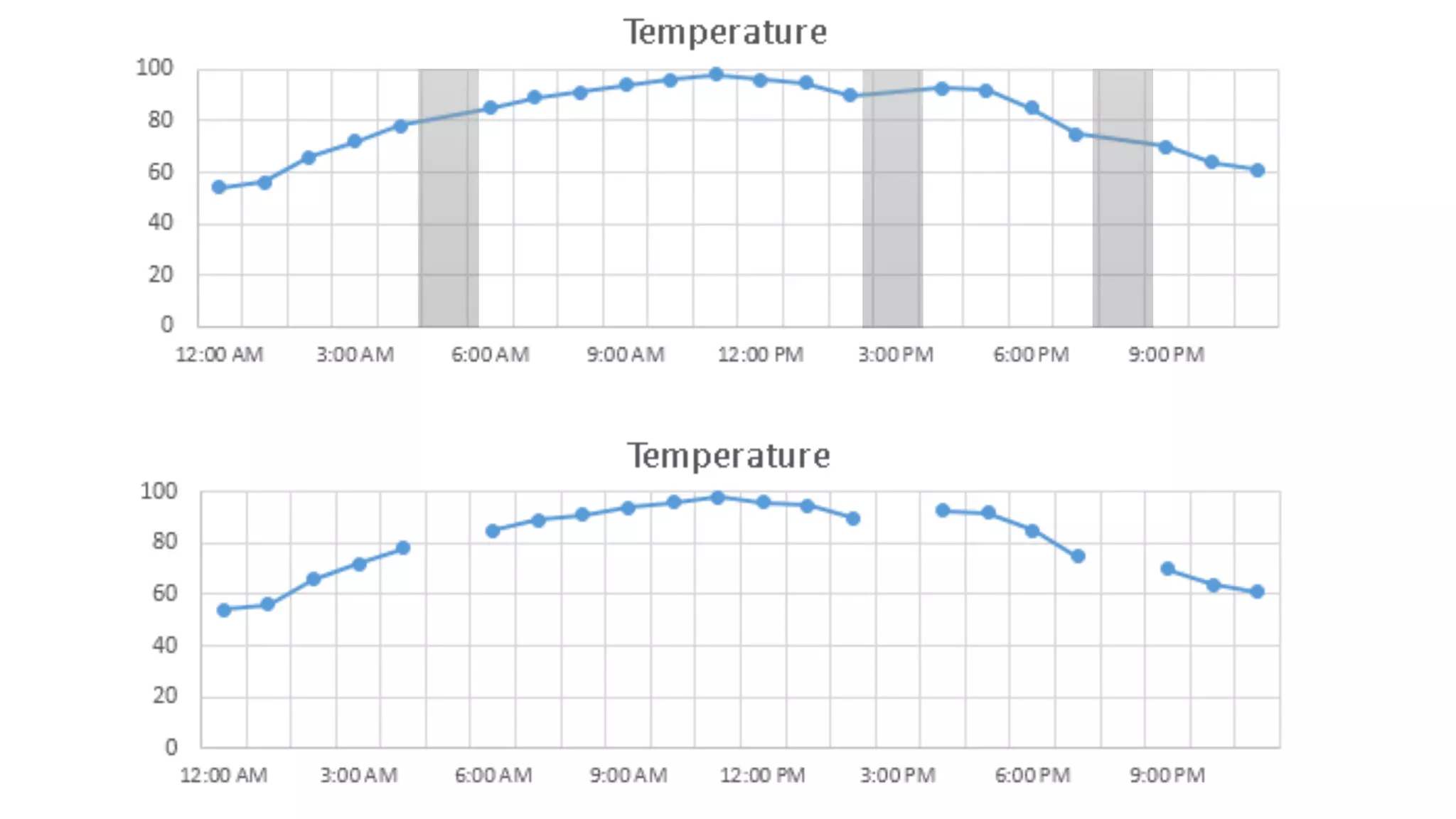
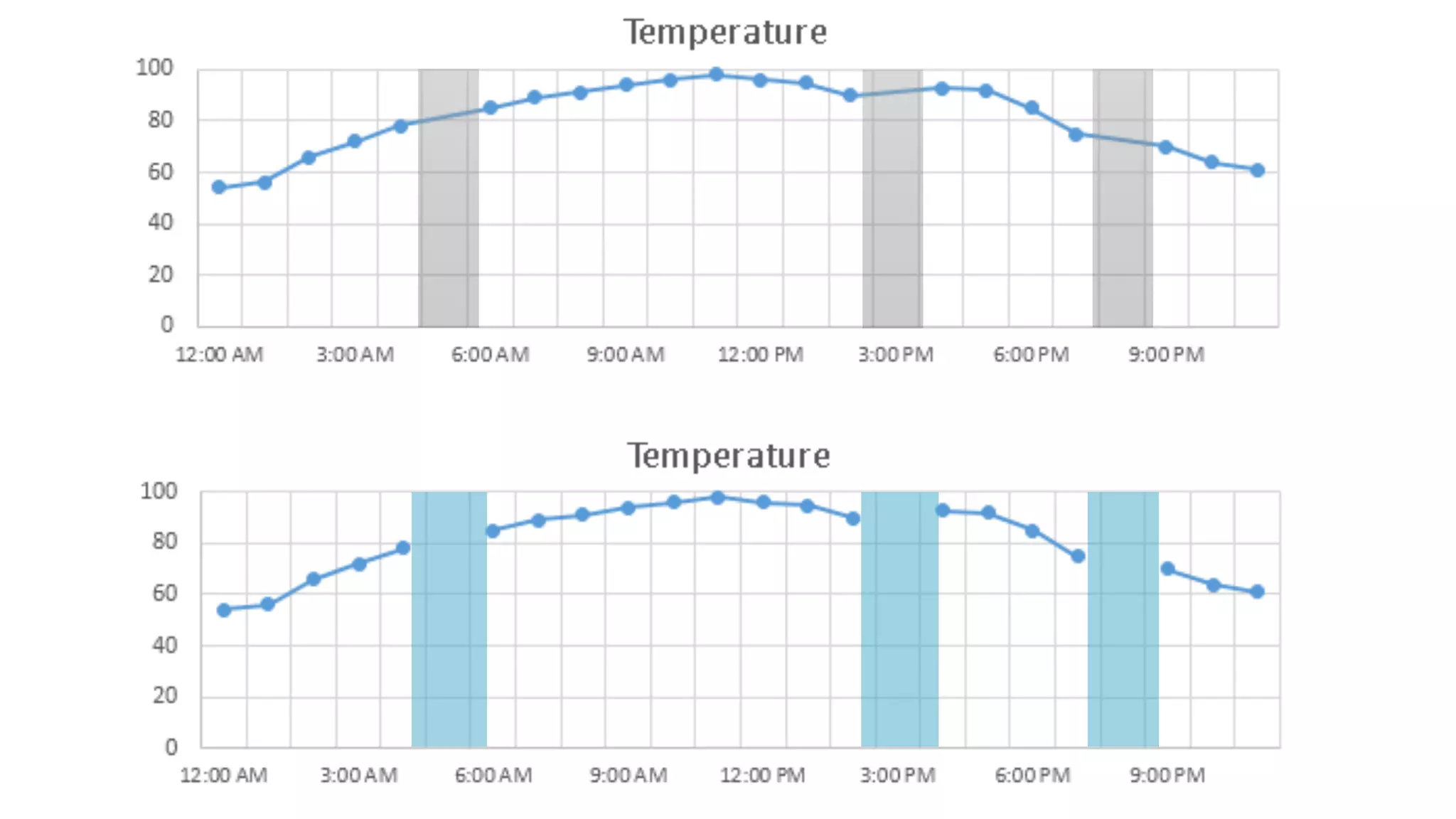
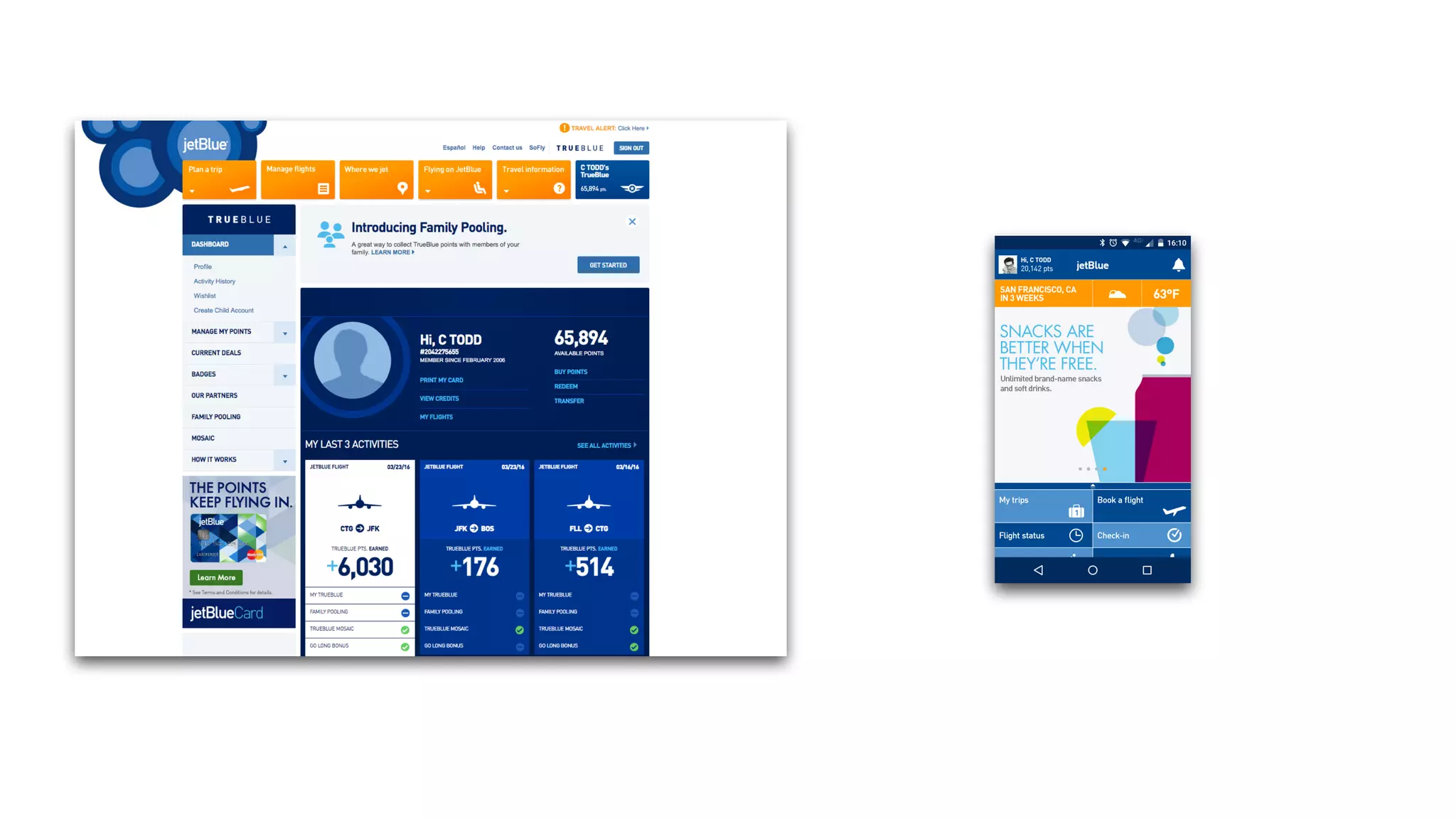
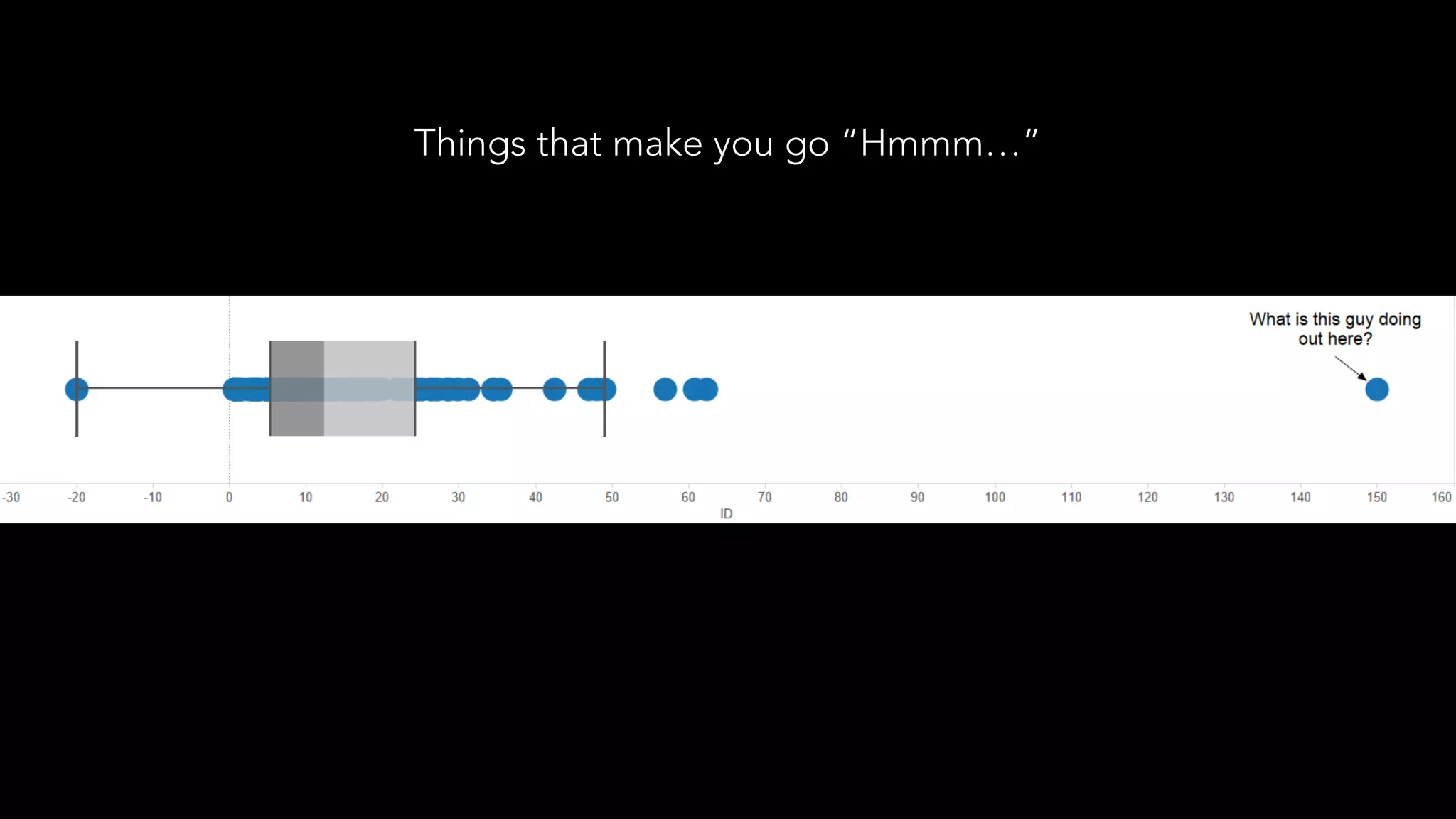
Things that make you go “Hmmm…”
4 . C O M M U N I C AT E S I M P LY
• How long does it take for your audience to arrive at your conclusion?
4 . C O M M U N I C AT E S I M P LY
• How long does it take for your audience to arrive at your conclusion?
• Is the message delivered accurately & consistently?
4 . C O M M U N I C AT E S I M P LY
• How long does it take for your audience to arrive at your conclusion?
• Is the message delivered accurately & consistently?
• [Interactive] How many clicks to find the answer to their question?
4 . C O M M U N I C AT E S I M P LY
• How long does it take for your audience to arrive at your conclusion?
• Is the message delivered accurately & consistently?
• [Interactive] How many clicks to find the answer to their question?
• Where do they go in your app next?
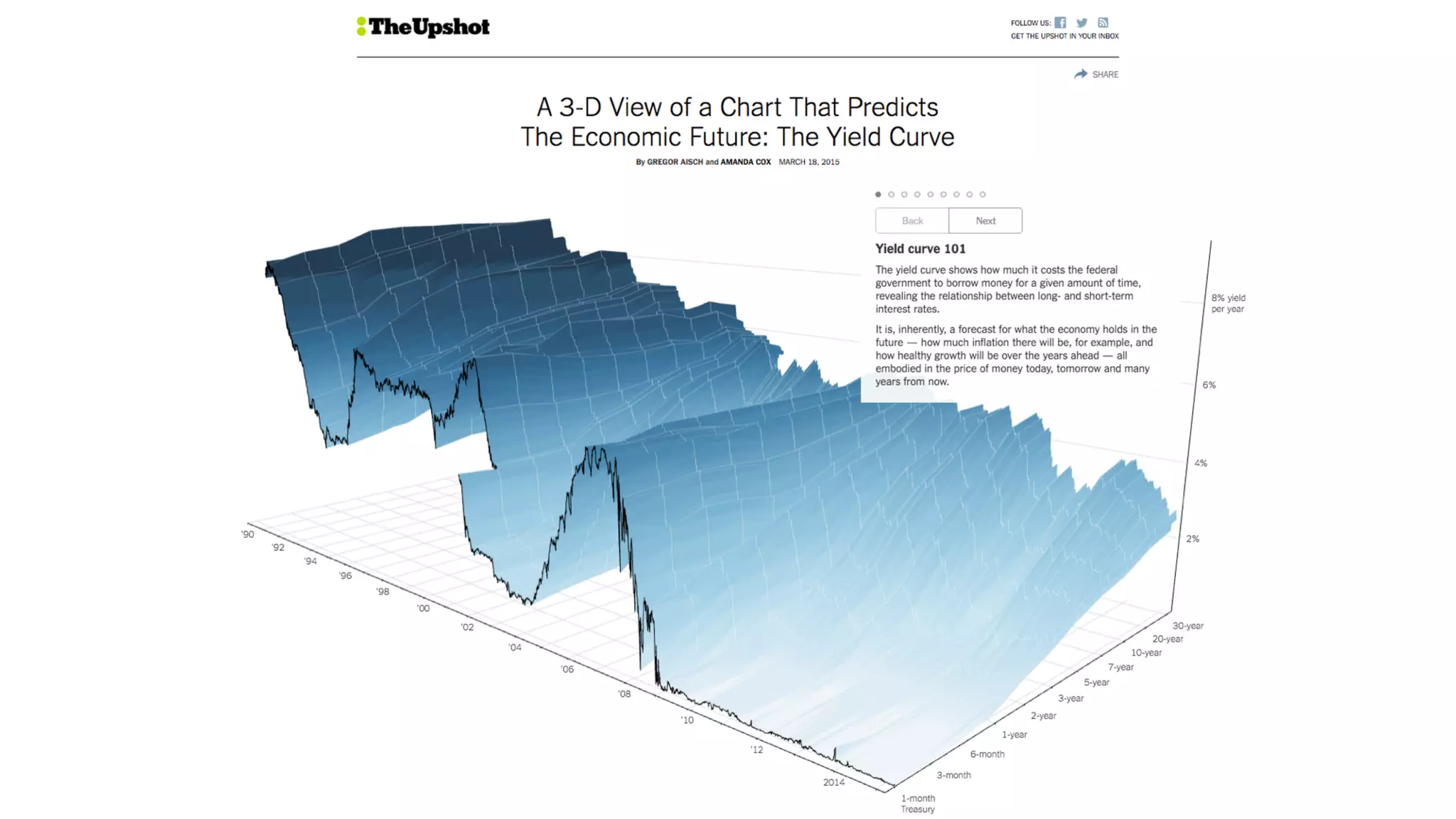
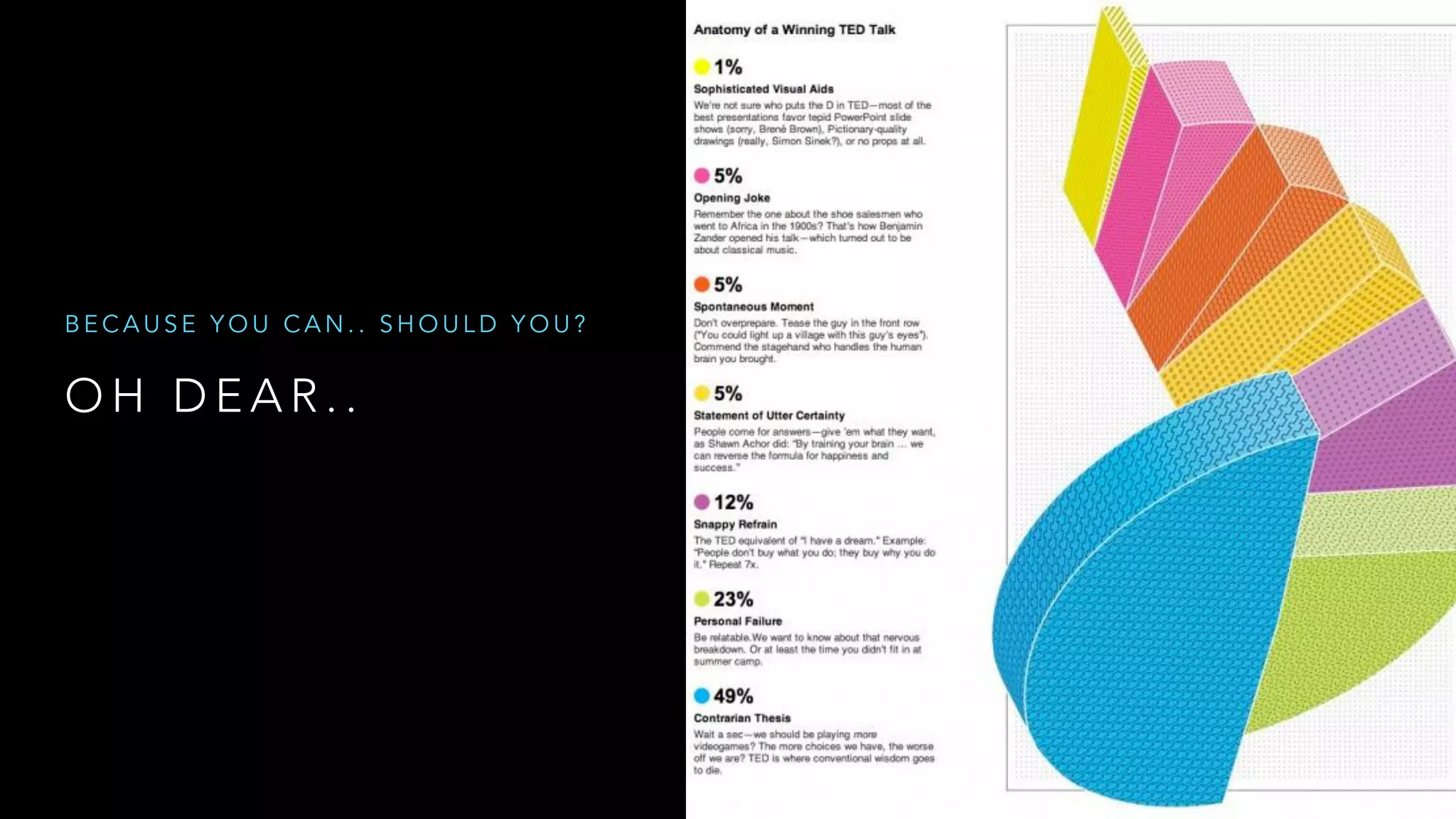
O H D E A R . .
B E C A U S E Y O U C A N . . S H O U L D Y O U ?
5 . C O M M U N I C AT E C L E A R LY
• What are the key findings & messages?
5 . C O M M U N I C AT E C L E A R LY
• What are the key findings & messages?
• What is the right way to visualize the findings?
5 . C O M M U N I C AT E C L E A R LY
• What are the key findings & messages?
• What is the right way to visualize the findings?
• How do they interpret the data?
5 . C O M M U N I C AT E C L E A R LY
• What are the key findings & messages?
• What is the right way to visualize the findings?
• How do they interpret the data?
• What decisions will they make from this visualization?
5 . C O M M U N I C AT E C L E A R LY
• What are the key findings & messages?
• What is the right way to visualize the findings?
• How do they interpret the data?
• What decisions will they make from this visualization?
• Is it easy to understand the findings?
A D A M M C C A N N , TA B L E A U Z E N M A S T E R
If the meaning of the data is not conveyed,
the visualization is a failure.
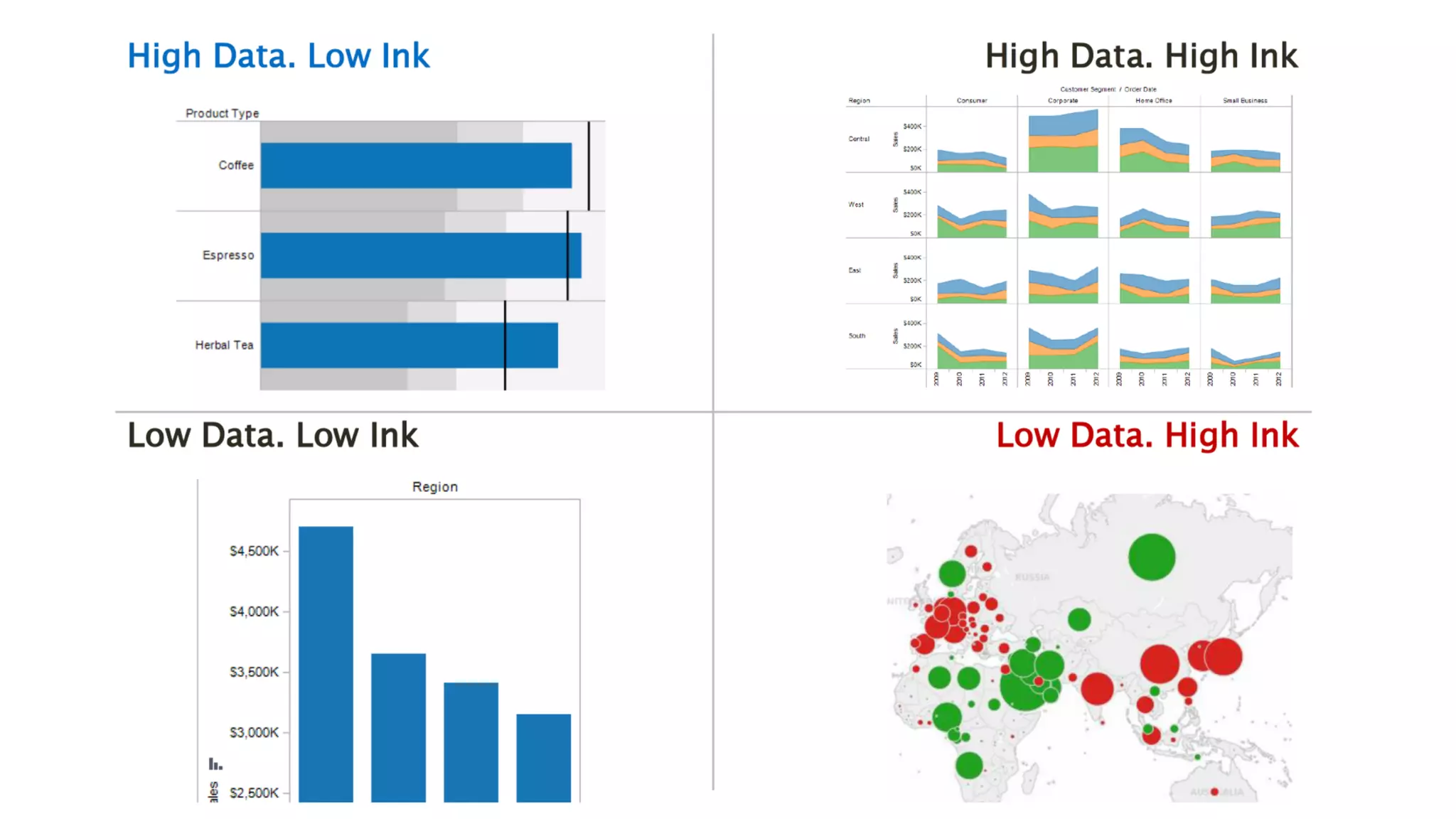
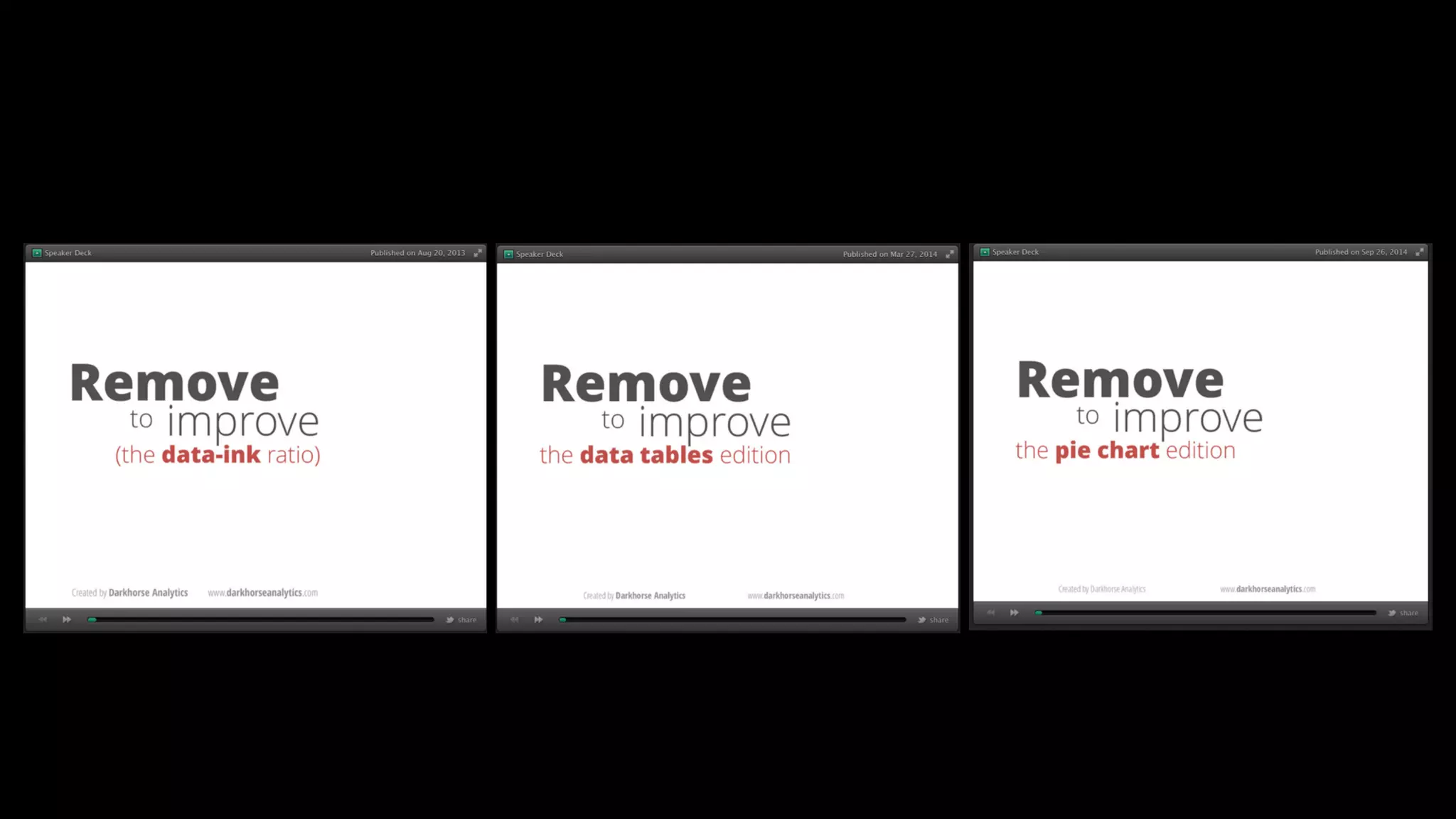
D ATA : I N K R AT I O
S O U R C E : B R I G H T P O I N T I N C . C O M
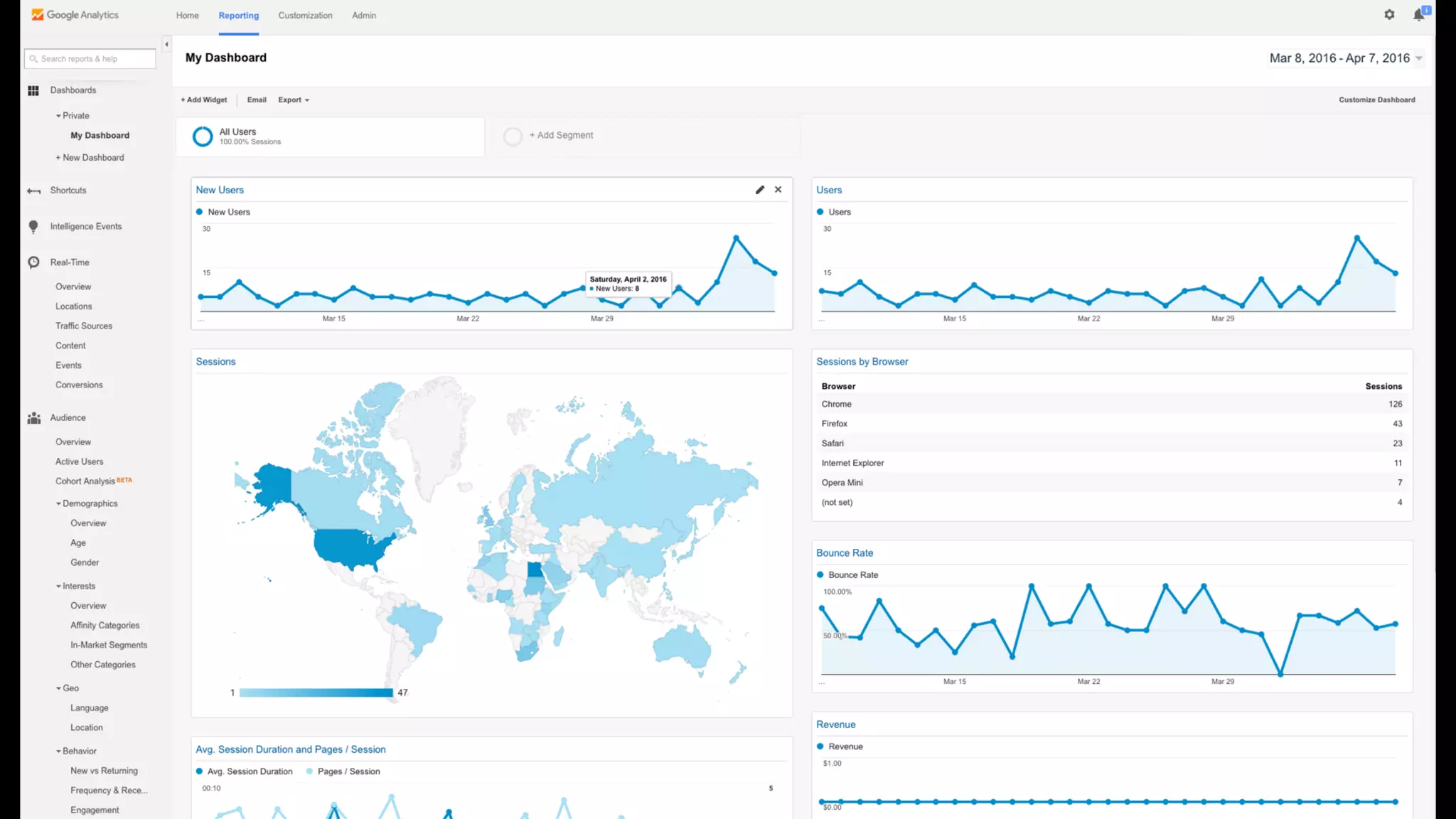
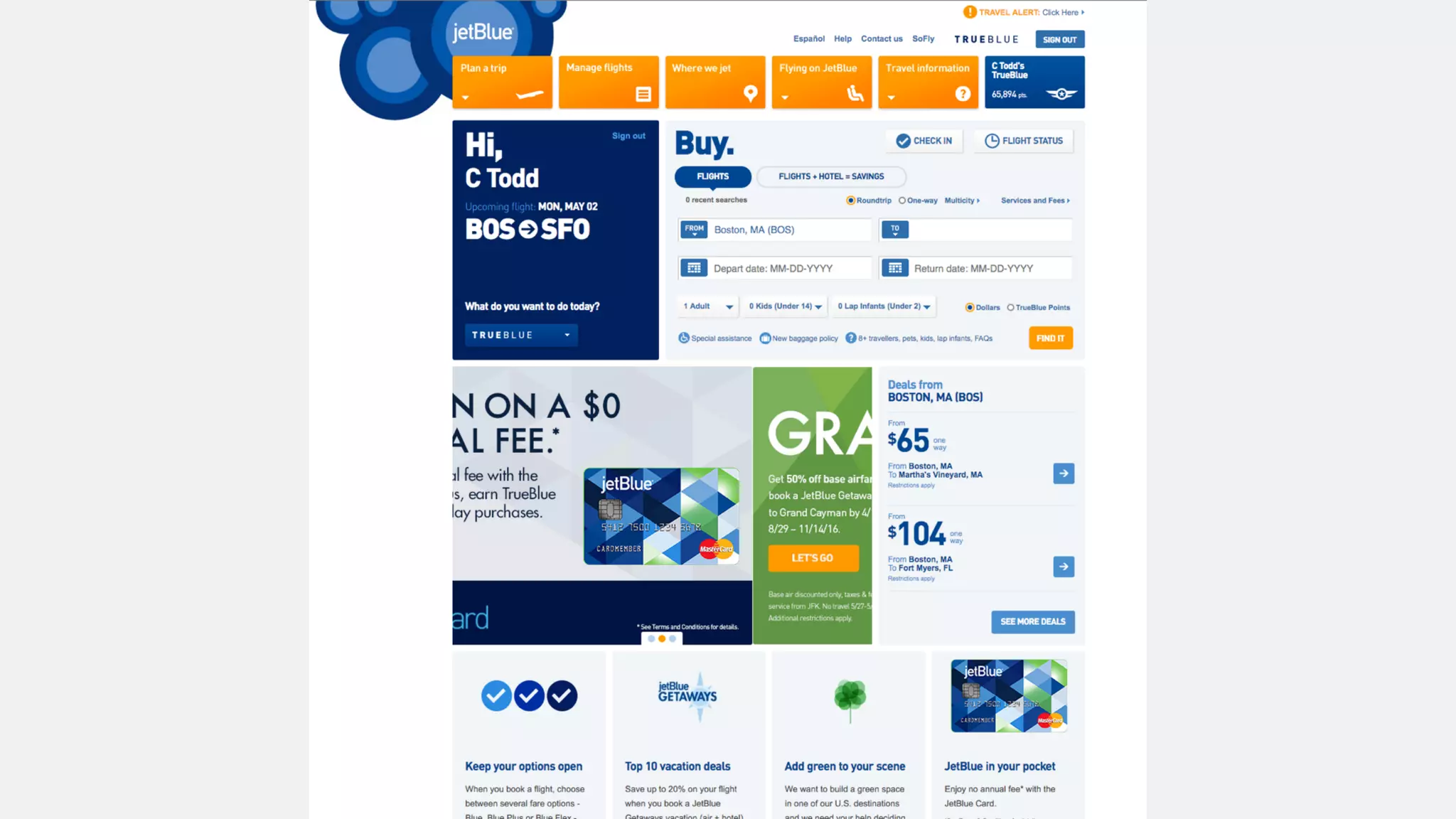
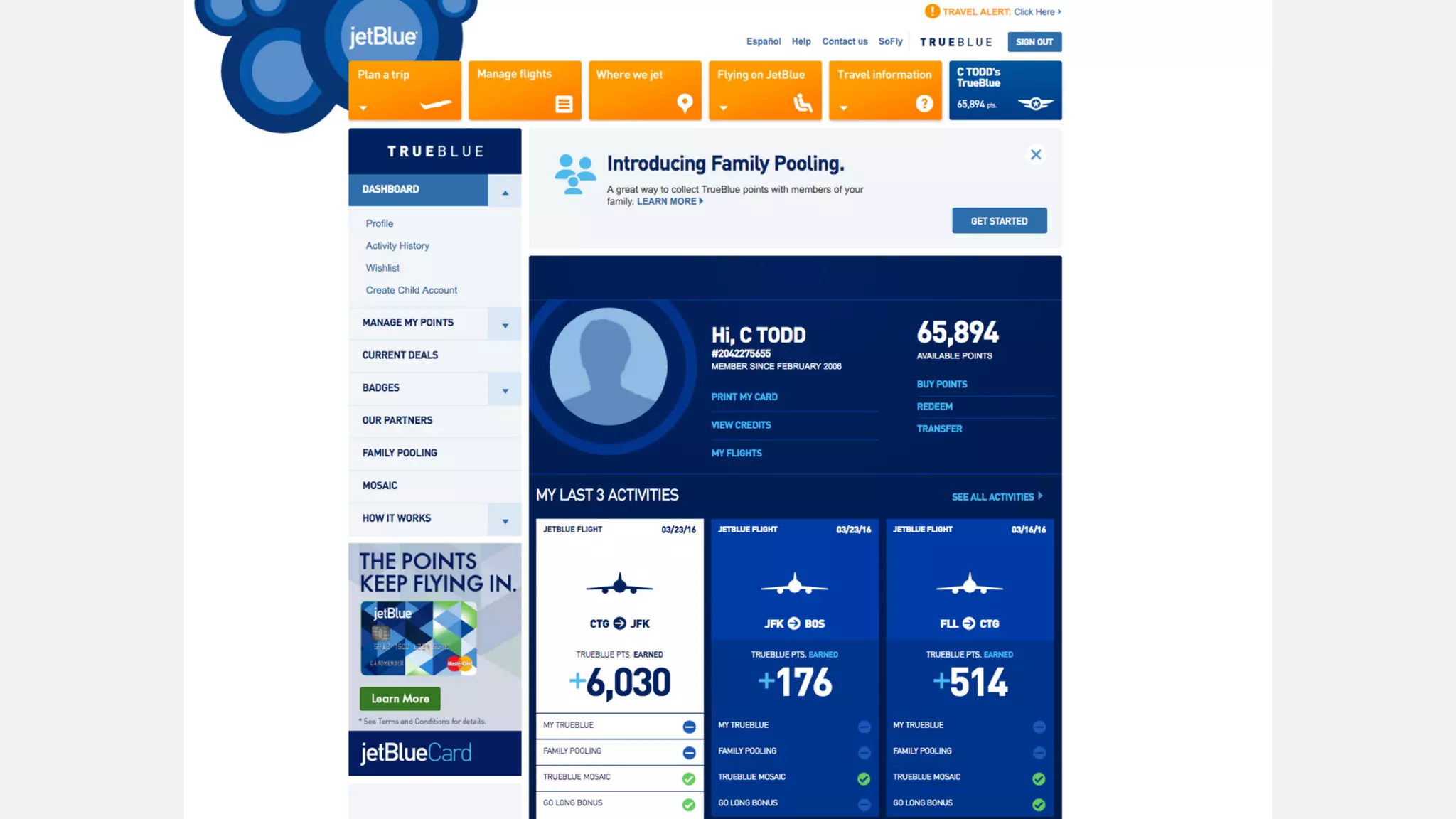
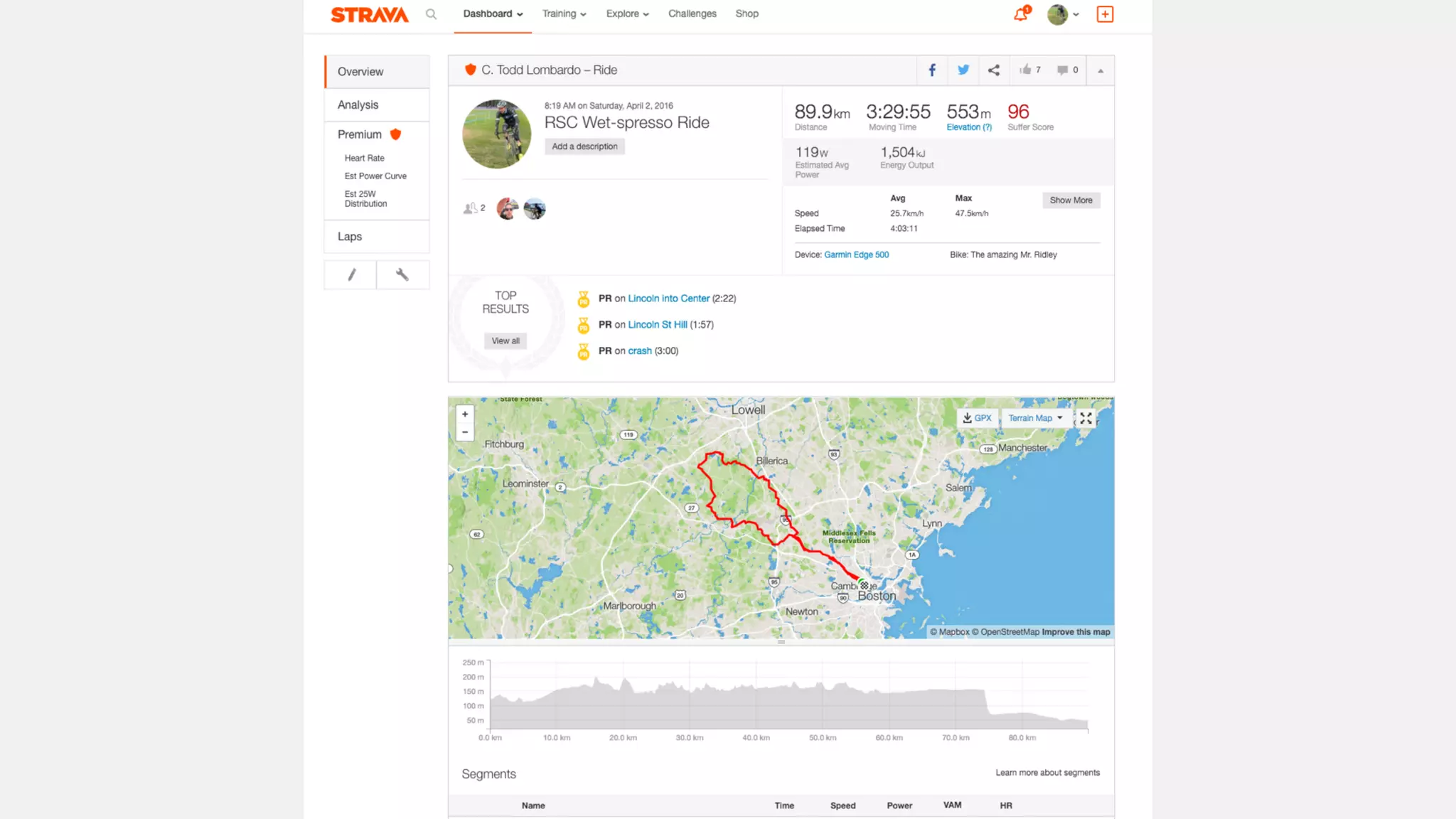
D A S H B O A R D S
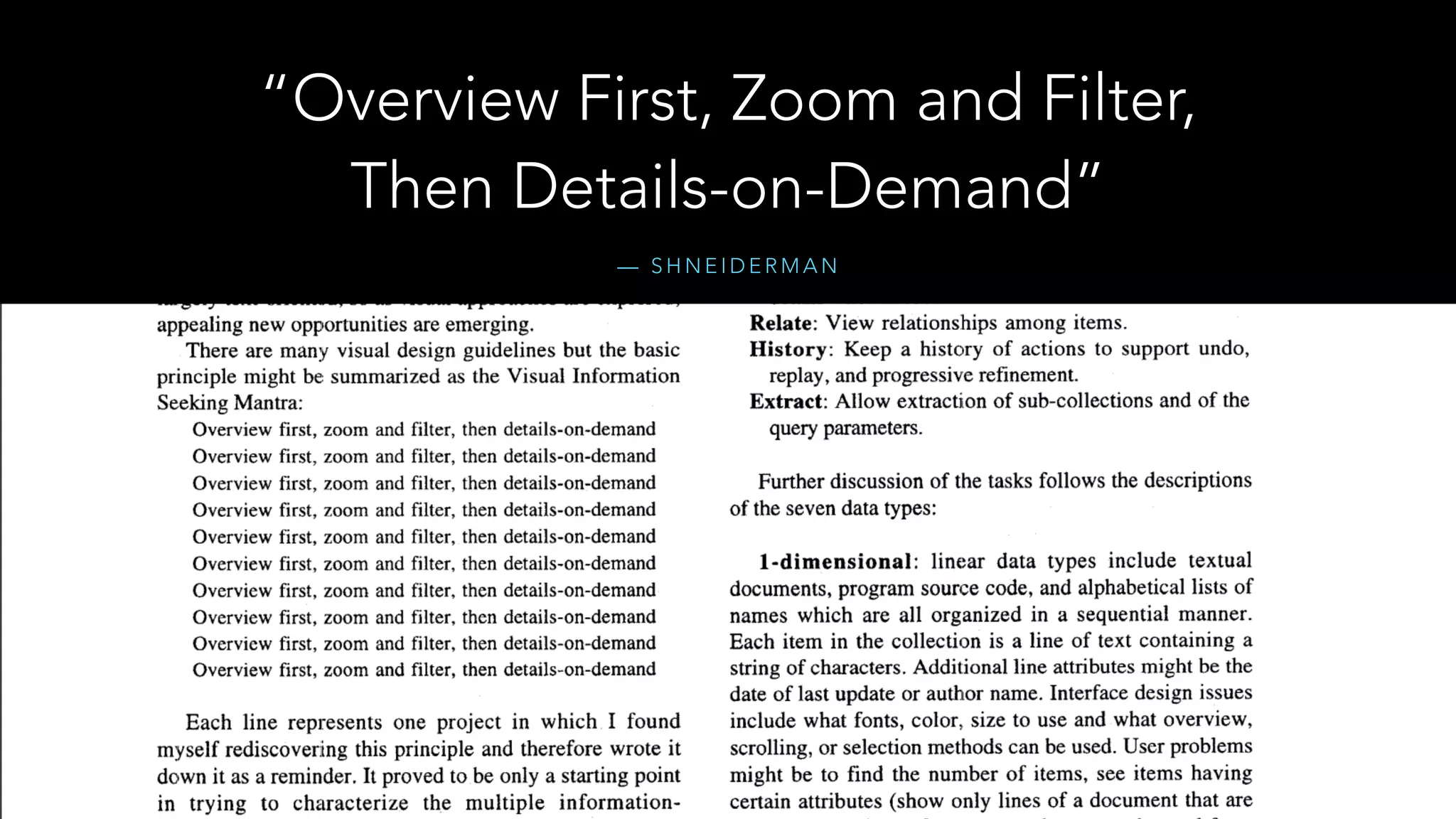
— S H N E I D E R M A N
“Overview First, Zoom and Filter,
Then Details-on-Demand”
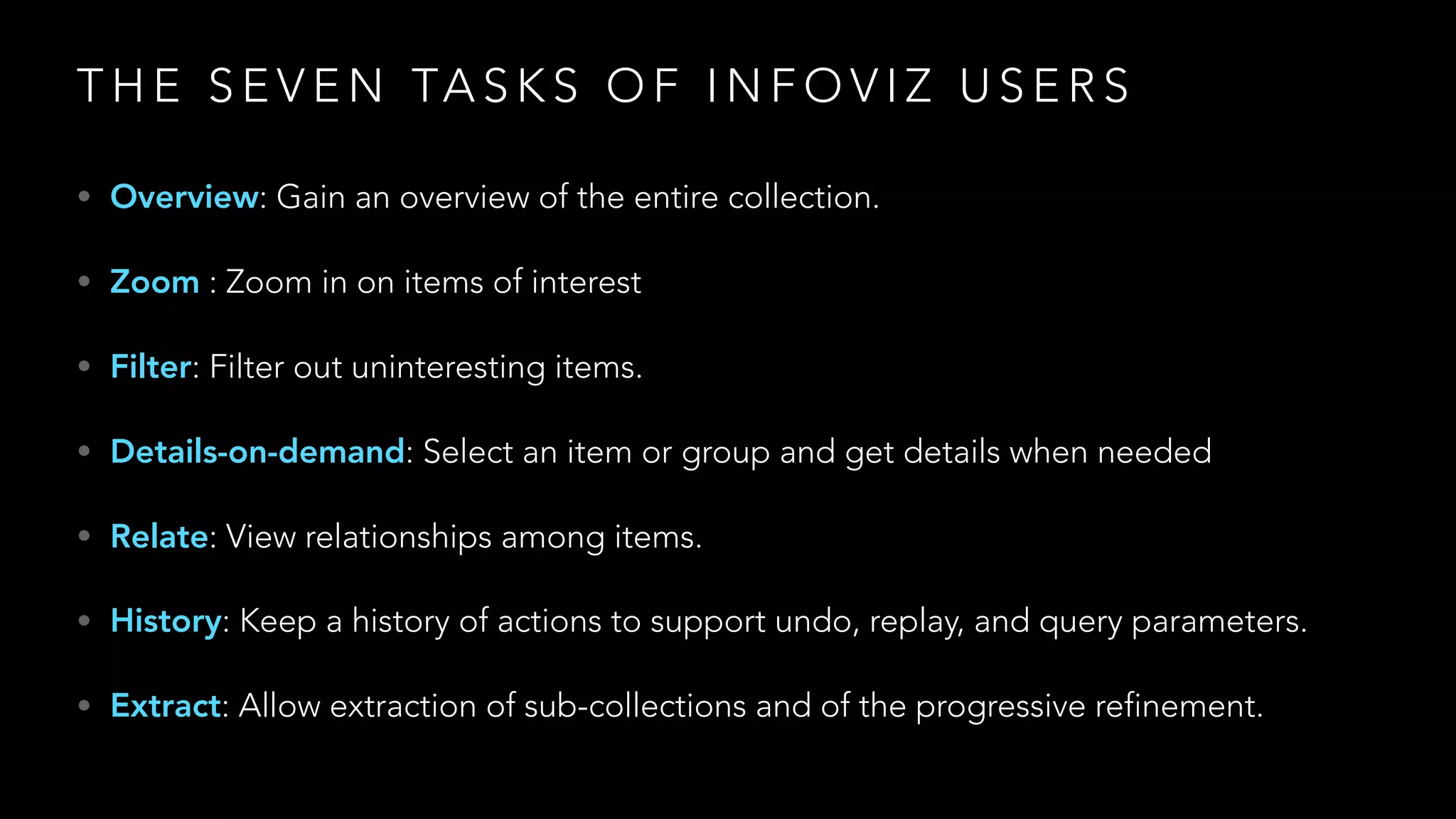
T H E S E V E N TA S K S O F I N F O V I Z U S E R S
• Overview: Gain an overview of the entire collection.
• Zoom : Zoom in on items of interest
• Filter: Filter out uninteresting items.
• Details-on-demand: Select an item or group and get details when needed
• Relate: View relationships among items.
• History: Keep a history of actions to support undo, replay, and query parameters.
• Extract: Allow extraction of sub-collections and of the progressive refinement.
G O O D E X A M P L E S
D ATA V I S U A L I Z AT I O N
T H A N K S !

Data Visualizations in Digital Products (ProductCamp Boston 2016)

  • 1.
    D ATA VI S U A L I Z AT I O N I N P R O D U C T P R O D U C T C A M P B O S T O N 2 0 1 6 C T O D D L O M B A R D O C H I E F D E S I G N S T R A T E G I S T - F R E S H T I L L E D S O I L @ I A M C T O D D
  • 2.
    W H ATD O Y O U S E E ?
  • 3.
    W H ATD O Y O U S E E ?
  • 4.
    I II IIIIV x y x y x y x y 10.0 8.04 10.0 9.14 10.0 7.46 8.0 6.58 8.0 6.95 8.0 8.14 8.0 6.77 8.0 5.76 13.0 7.58 13.0 8.74 13.0 12.74 8.0 7.71 9.0 8.81 9.0 8.77 9.0 7.11 8.0 8.84 11.0 8.33 11.0 9.26 11.0 7.81 8.0 8.47 14.0 9.96 14.0 8.10 14.0 8.84 8.0 7.04 6.0 7.24 6.0 6.13 6.0 6.08 8.0 5.25 4.0 4.26 4.0 3.10 4.0 5.39 19.0 12.50 12.0 10.84 12.0 9.13 12.0 8.15 8.0 5.56 7.0 4.82 7.0 7.26 7.0 6.42 8.0 7.91 5.0 5.68 5.0 4.74 5.0 5.73 8.0 6.89 99.0 82.51 99.0 82.51 99.0 82.5 99.0 82.51 9.00 7.50 9.00 7.50 9.00 7.50 9.00 7.50 3.32 2.03 3.32 2.03 3.32 2.03 3.32 2.03
  • 5.
    I II IIIIV x y x y x y x y 10.0 8.04 10.0 9.14 10.0 7.46 8.0 6.58 8.0 6.95 8.0 8.14 8.0 6.77 8.0 5.76 13.0 7.58 13.0 8.74 13.0 12.74 8.0 7.71 9.0 8.81 9.0 8.77 9.0 7.11 8.0 8.84 11.0 8.33 11.0 9.26 11.0 7.81 8.0 8.47 14.0 9.96 14.0 8.10 14.0 8.84 8.0 7.04 6.0 7.24 6.0 6.13 6.0 6.08 8.0 5.25 4.0 4.26 4.0 3.10 4.0 5.39 19.0 12.50 12.0 10.84 12.0 9.13 12.0 8.15 8.0 5.56 7.0 4.82 7.0 7.26 7.0 6.42 8.0 7.91 5.0 5.68 5.0 4.74 5.0 5.73 8.0 6.89 99.0 82.51 99.0 82.51 99.0 82.5 99.0 82.51 9.00 7.50 9.00 7.50 9.00 7.50 9.00 7.50 3.32 2.03 3.32 2.03 3.32 2.03 3.32 2.03
  • 12.
    E X AM P L E S D A S H B O A R D
  • 18.
    S O UR C E : H T T P : / / S Q L - J O I N S . L E O PA R D . I N . U A /
  • 19.
    W H ATA B O U T M O B I L E ?
  • 20.
    S O UR C E : B R I G H T P O I N T I N C . C O M
  • 25.
    W H ER E D O Y O U S TA R T ? H O W - T O
  • 26.
    D ATA CO N S U M E R
  • 27.
    D ATA EN C O D E C O N S U M E R
  • 28.
    D ATA EN C O D E C O N S U M E RV I S U A L I Z AT I O N
  • 29.
    D ATA EN C O D E D E C O D E C O N S U M E RV I S U A L I Z AT I O N
  • 30.
    T H ER E A R E M A N Y A P P R O A C H E S …
  • 31.
    T H ER E A R E M A N Y A P P R O A C H E S … A C Q U I R E PA R S E F I LT E R M I N E R E P R E S E N T R E F I N E I N T E R A C T
  • 32.
    T H ER E A R E M A N Y A P P R O A C H E S … A C Q U I R E PA R S E F I LT E R M I N E R E P R E S E N T R E F I N E I N T E R A C T C L A R I F Y W H AT & W H Y E X P L O R E & S K E T C H D E F I N E & P R O D U C E M A I N TA I N & A N A LY Z E
  • 33.
    T H ER E A R E M A N Y A P P R O A C H E S … A C Q U I R E PA R S E F I LT E R M I N E R E P R E S E N T R E F I N E I N T E R A C T C L A R I F Y W H AT & W H Y E X P L O R E & S K E T C H D E F I N E & P R O D U C E M A I N TA I N & A N A LY Z E A C Q U I R E C L E A N I N T E G R AT E V I S U A L I Z E M O D E L P R E S E N T D I S S E M I N AT E
  • 34.
    T H ER E A R E M A N Y A P P R O A C H E S … A C Q U I R E PA R S E F I LT E R M I N E R E P R E S E N T R E F I N E I N T E R A C T C L A R I F Y W H AT & W H Y E X P L O R E & S K E T C H D E F I N E & P R O D U C E M A I N TA I N & A N A LY Z E A C Q U I R E C L E A N I N T E G R AT E V I S U A L I Z E M O D E L P R E S E N T D I S S E M I N AT E E S TA B L I S H C O N T E X T A C Q U I R E & P R E PA R E D ATA E D I T O R I A L F O C U S D E S I G N C O N S T R U C T & E VA L U AT E
  • 35.
    T H ER E A R E M A N Y A P P R O A C H E S … A C Q U I R E PA R S E F I LT E R M I N E R E P R E S E N T R E F I N E I N T E R A C T C L A R I F Y W H AT & W H Y E X P L O R E & S K E T C H D E F I N E & P R O D U C E M A I N TA I N & A N A LY Z E A C Q U I R E C L E A N I N T E G R AT E V I S U A L I Z E M O D E L P R E S E N T D I S S E M I N AT E E S TA B L I S H C O N T E X T A C Q U I R E & P R E PA R E D ATA E D I T O R I A L F O C U S D E S I G N C O N S T R U C T & E VA L U AT E K N O W T H E A U D I E N C E K N O W T H E D ATA U N D E R S TA N D C O N T E X T C O M M U N I C AT E S I M P LY C O M M U N I C AT E C L E A R LY
  • 36.
    K N OW T H E A U D I E N C E K N O W T H E D ATA U N D E R S TA N D C O N T E X T C O M M U N I C AT E S I M P LY C O M M U N I C AT E C L E A R LY P R O D U C T V I S U A L I Z AT I O N D E S I G N A P P R O A C H
  • 37.
    V I SU A L I Z AT I O N D E S I G N P R I N C I P L E S
  • 38.
    V I SU A L I Z AT I O N D E S I G N P R I N C I P L E S • Elegant • Truthful • Accessible • Justified
  • 39.
    1. Know theaudience 2. Know the data 3. Know the story 4. Communicate simply 5. Communicate clearly V I S U A L I Z AT I O N D E S I G N P R I N C I P L E S • Elegant • Truthful • Accessible • Justified
  • 40.
    1 . KN O W T H E A U D I E N C E
  • 41.
    1 . KN O W T H E A U D I E N C E • What questions do they have?
  • 42.
    1 . KN O W T H E A U D I E N C E • What questions do they have? • How will they use this information to make decisions?
  • 43.
    1 . KN O W T H E A U D I E N C E • What questions do they have? • How will they use this information to make decisions? • What level of familiarity do they have with the source data?
  • 44.
    1 . KN O W T H E A U D I E N C E • What questions do they have? • How will they use this information to make decisions? • What level of familiarity do they have with the source data? • How often will they be using this information?
  • 45.
    1 . KN O W T H E A U D I E N C E • What questions do they have? • How will they use this information to make decisions? • What level of familiarity do they have with the source data? • How often will they be using this information? • What level of sophistication do they with analytics/statistics?
  • 46.
    1 . KN O W T H E A U D I E N C E • What questions do they have? • How will they use this information to make decisions? • What level of familiarity do they have with the source data? • How often will they be using this information? • What level of sophistication do they with analytics/statistics? • Is your visualization more exploratory or explanatory?
  • 47.
    A U DI E N C E A S K S Q U E S T I O N , S E E S D ATA , G E T S A N S W E R A U D I E N C E S E E S D ATA , A S K Q U E S T I O N S , E X P L O R E S D ATA , G E T S A N S W E R
  • 48.
    2 . KN O W T H E D ATA
  • 49.
    2 . KN O W T H E D ATA • What is the quality of the data? Can you trust it?
  • 50.
    2 . KN O W T H E D ATA • What is the quality of the data? Can you trust it? • What questions can the data answer?
  • 51.
    2 . KN O W T H E D ATA • What is the quality of the data? Can you trust it? • What questions can the data answer? • How old/new is the data?
  • 52.
    2 . KN O W T H E D ATA • What is the quality of the data? Can you trust it? • What questions can the data answer? • How old/new is the data? • What are the inherent relationships between values?
  • 53.
    2 . KN O W T H E D ATA • What is the quality of the data? Can you trust it? • What questions can the data answer? • How old/new is the data? • What are the inherent relationships between values? • What other data can we combine with it?
  • 54.
    2 . KN O W T H E D ATA • What is the quality of the data? Can you trust it? • What questions can the data answer? • How old/new is the data? • What are the inherent relationships between values? • What other data can we combine with it? • What assumptions will you have to make?
  • 55.
    2 . KN O W T H E D ATA • What is the quality of the data? Can you trust it? • What questions can the data answer? • How old/new is the data? • What are the inherent relationships between values? • What other data can we combine with it? • What assumptions will you have to make? • Does a data dictionary exist?
  • 61.
    C O RR E L AT I O N ≠ C A U S AT I O N
  • 62.
    H T TP : / / W W W. T Y L E R V I G E N . C O M / S P U R I O U S - C O R R E L AT I O N S
  • 63.
    3 . UN D E R S TA N D T H E C O N T E X T
  • 64.
    3 . UN D E R S TA N D T H E C O N T E X T • What does the data tell you?
  • 65.
    3 . UN D E R S TA N D T H E C O N T E X T • What does the data tell you? • How is the data insightful or interesting to your user?
  • 66.
    3 . UN D E R S TA N D T H E C O N T E X T • What does the data tell you? • How is the data insightful or interesting to your user? • Why is your finding occurring or not occurring?
  • 67.
    3 . UN D E R S TA N D T H E C O N T E X T • What does the data tell you? • How is the data insightful or interesting to your user? • Why is your finding occurring or not occurring? • How will this help your users?
  • 68.
    3 . UN D E R S TA N D T H E C O N T E X T • What does the data tell you? • How is the data insightful or interesting to your user? • Why is your finding occurring or not occurring? • How will this help your users? • What decisions will they need to make?
  • 69.
    3 . UN D E R S TA N D T H E C O N T E X T • What does the data tell you? • How is the data insightful or interesting to your user? • Why is your finding occurring or not occurring? • How will this help your users? • What decisions will they need to make? • What are their next steps?
  • 71.
    Things that makeyou go “Hmmm…”
  • 72.
    4 . CO M M U N I C AT E S I M P LY
  • 73.
    4 . CO M M U N I C AT E S I M P LY • How long does it take for your audience to arrive at your conclusion?
  • 74.
    4 . CO M M U N I C AT E S I M P LY • How long does it take for your audience to arrive at your conclusion? • Is the message delivered accurately & consistently?
  • 75.
    4 . CO M M U N I C AT E S I M P LY • How long does it take for your audience to arrive at your conclusion? • Is the message delivered accurately & consistently? • [Interactive] How many clicks to find the answer to their question?
  • 76.
    4 . CO M M U N I C AT E S I M P LY • How long does it take for your audience to arrive at your conclusion? • Is the message delivered accurately & consistently? • [Interactive] How many clicks to find the answer to their question? • Where do they go in your app next?
  • 77.
    O H DE A R . . B E C A U S E Y O U C A N . . S H O U L D Y O U ?
  • 80.
    5 . CO M M U N I C AT E C L E A R LY
  • 81.
    5 . CO M M U N I C AT E C L E A R LY • What are the key findings & messages?
  • 82.
    5 . CO M M U N I C AT E C L E A R LY • What are the key findings & messages? • What is the right way to visualize the findings?
  • 83.
    5 . CO M M U N I C AT E C L E A R LY • What are the key findings & messages? • What is the right way to visualize the findings? • How do they interpret the data?
  • 84.
    5 . CO M M U N I C AT E C L E A R LY • What are the key findings & messages? • What is the right way to visualize the findings? • How do they interpret the data? • What decisions will they make from this visualization?
  • 85.
    5 . CO M M U N I C AT E C L E A R LY • What are the key findings & messages? • What is the right way to visualize the findings? • How do they interpret the data? • What decisions will they make from this visualization? • Is it easy to understand the findings?
  • 89.
    A D AM M C C A N N , TA B L E A U Z E N M A S T E R If the meaning of the data is not conveyed, the visualization is a failure.
  • 90.
    D ATA :I N K R AT I O
  • 92.
    S O UR C E : B R I G H T P O I N T I N C . C O M
  • 94.
    D A SH B O A R D S
  • 95.
    — S HN E I D E R M A N “Overview First, Zoom and Filter, Then Details-on-Demand”
  • 96.
    T H ES E V E N TA S K S O F I N F O V I Z U S E R S • Overview: Gain an overview of the entire collection. • Zoom : Zoom in on items of interest • Filter: Filter out uninteresting items. • Details-on-demand: Select an item or group and get details when needed • Relate: View relationships among items. • History: Keep a history of actions to support undo, replay, and query parameters. • Extract: Allow extraction of sub-collections and of the progressive refinement.
  • 97.
    G O OD E X A M P L E S
  • 99.
    D ATA VI S U A L I Z AT I O N T H A N K S !