





Creative Disruption
Allowing Health Professions Educators
To “Be The Change”
Janet Corral, PhD
Senior Director, Digital Education Innovation
Director, Teaching Scholars’ Program
Associate Professor of Medicine
University of Colorado Denver | Anschutz
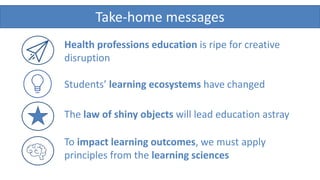
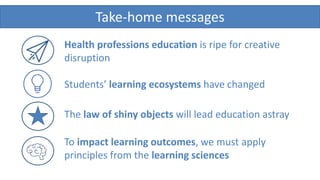
Take-home messages
To impact learning outcomes, we must apply
principles from the learning sciences
The law of shiny objects will lead education astray
Health professions education is ripe for creative
disruption
Students’ learning ecosystems have changed
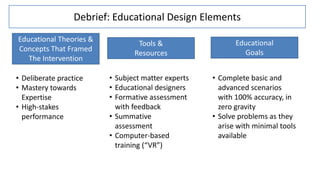
Debrief: Educational Design Elements
Educational Theories &
Concepts That Framed
The Intervention
Tools &
Resources
Educational
Goals
• Complete basic and
advanced scenarios
with 100% accuracy, in
zero gravity
• Solve problems as they
arise with minimal tools
available
• Subject matter experts
• Educational designers
• Formative assessment
with feedback
• Summative
assessment
• Computer-based
training (“VR”)
• Deliberate practice
• Mastery towards
Expertise
• High-stakes
performance
APPLYING LEARNING SCIENCES
TO EDUCATION TECHNOLOGIES
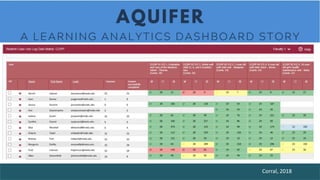
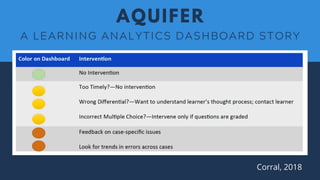
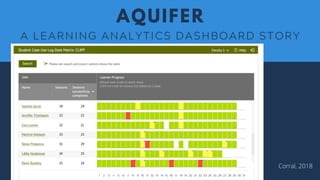
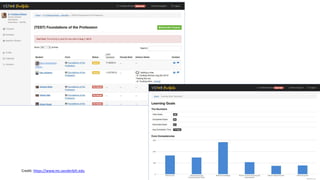
A dashboard by itself, means nothing
LEARNING ANALYTICS
Example 1
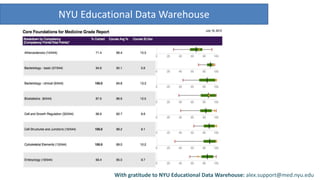
NYU Educational Data Warehouse
With gratitude to NYU Educational Data Warehouse: alex.support@med.nyu.edu
Corral, 2018
Credit: https://www.mc.vanderbilt.edu
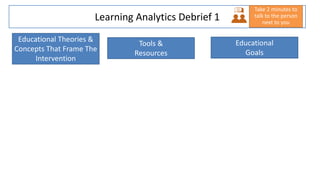
Learning Analytics Debrief 1
Educational Theories &
Concepts That Frame The
Intervention
Tools &
Resources
Educational
Goals
Take 2 minutes to
talk to the person
next to you
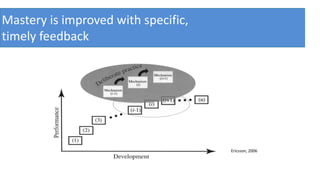
Ericsson, 2006
Mastery is improved with specific,
timely feedback
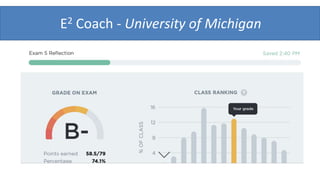
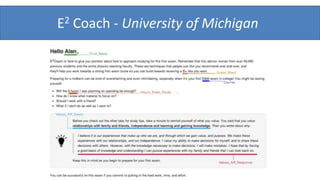
E2 Coach - University of Michigan
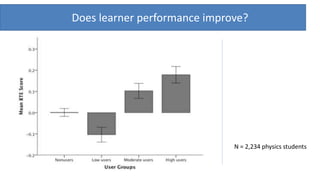
Does learner performance improve?
N = 2,234 physics students
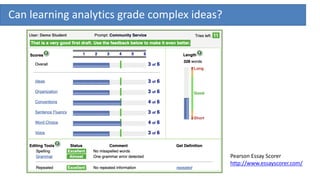
Pearson Essay Scorer
http://www.essayscorer.com/
Can learning analytics grade complex ideas?
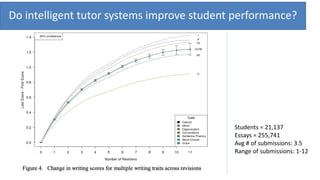
Students = 21,137
Essays = 255,741
Avg # of submissions: 3.5
Range of submissions: 1-12
Do intelligent tutor systems improve student performance?
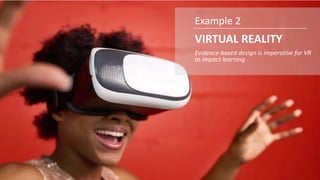
Evidence-based design is imperative for VR
to impact learning
VIRTUAL REALITY
Example 2
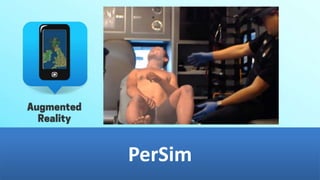
PerSim
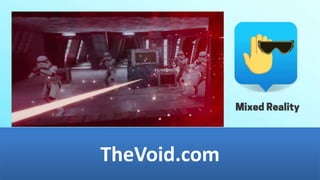
TheVoid.com
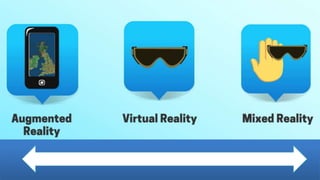
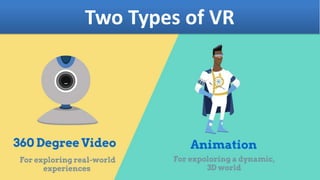
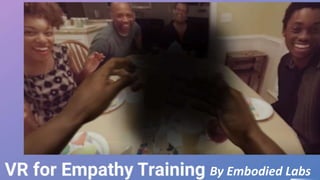
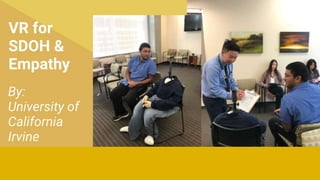
Two Types of VR
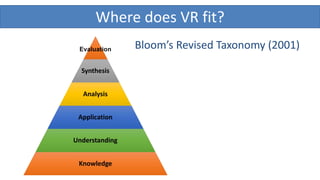
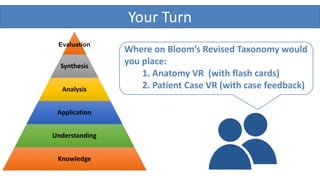
Where does VR fit?
Bloom’s Revised Taxonomy (2001)
By Embodied Labs
Your Turn
Where on Bloom’s Revised Taxonomy would
you place:
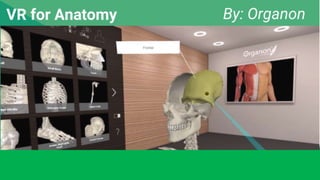
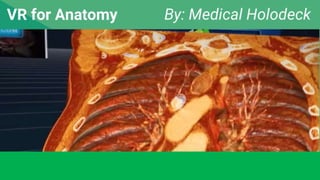
1. Anatomy VR (with flash cards)
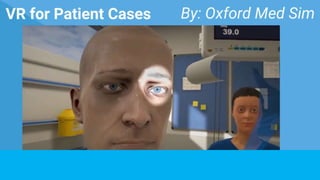
2. Patient Case VR (with case feedback)
What aspects of VR impact
learning?
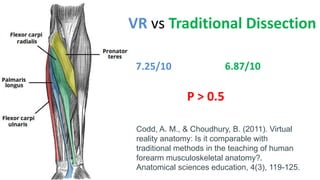
Codd, A. M., & Choudhury, B. (2011). Virtual
reality anatomy: Is it comparable with
traditional methods in the teaching of human
forearm musculoskeletal anatomy?.
Anatomical sciences education, 4(3), 119-125.
VR vs Traditional Dissection
7.25/10 6.87/10
P > 0.5
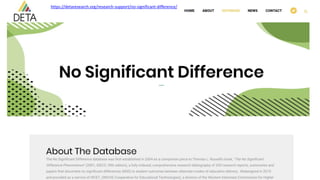
https://detaresearch.org/research-support/no-significant-difference/
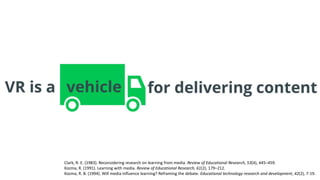
Clark, R. E. (1983). Reconsidering research on learning from media. Review of Educational Research, 53(4), 445–459.
Kozma, R. (1991). Learning with media. Review of Educational Research, 61(2), 179–212.
Kozma, R. B. (1994). Will media influence learning? Reframing the debate. Educational technology research and development, 42(2), 7-19.
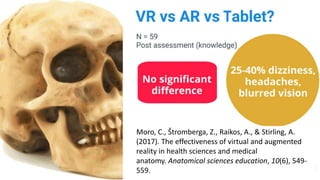
Moro, C., Štromberga, Z., Raikos, A., & Stirling, A.
(2017). The effectiveness of virtual and augmented
reality in health sciences and medical
anatomy. Anatomical sciences education, 10(6), 549-
559.
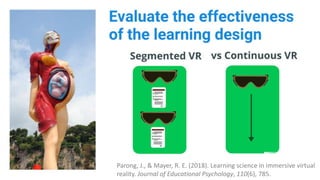
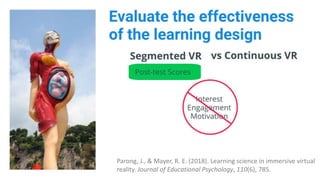
Parong, J., & Mayer, R. E. (2018). Learning science in immersive virtual
reality. Journal of Educational Psychology, 110(6), 785.
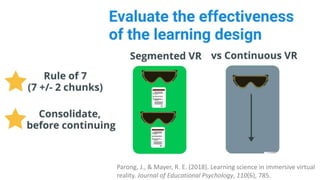
Parong, J., & Mayer, R. E. (2018). Learning science in immersive virtual
reality. Journal of Educational Psychology, 110(6), 785.
Parong, J., & Mayer, R. E. (2018). Learning science in immersive virtual
reality. Journal of Educational Psychology, 110(6), 785.
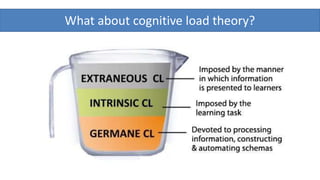
What about cognitive load theory?
Makransky, Terkildsen, & Mayer (2019). Adding immersive virtual reality to a science lab simulation
causes more presence but less learning. Learning and Instruction 60: 225-236
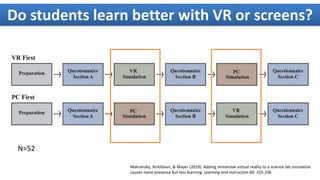
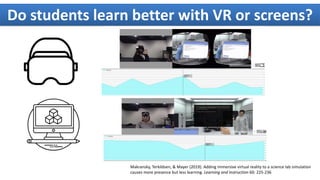
Do students learn better with VR or screens?
N=52
Makransky, Terkildsen, & Mayer (2019). Adding immersive virtual reality to a science lab simulation
causes more presence but less learning. Learning and Instruction 60: 225-236
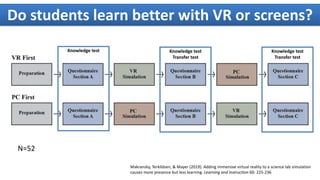
Do students learn better with VR or screens?
Knowledge test
N=52
Knowledge test
Transfer test
Knowledge test
Transfer test
Makransky, Terkildsen, & Mayer (2019). Adding immersive virtual reality to a science lab simulation
causes more presence but less learning. Learning and Instruction 60: 225-236
Do students learn better with VR or screens?
Makransky, Terkildsen, & Mayer (2019). Adding immersive virtual reality to a science lab simulation
causes more presence but less learning. Learning and Instruction 60: 225-236
Do students learn better with VR or screens?
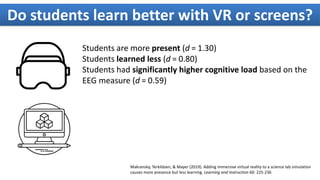
Students are more present (d = 1.30)
Students learned less (d = 0.80)
Students had significantly higher cognitive load based on the
EEG measure (d = 0.59)
Your Turn
What do these studies tell you about
‘what works’ for learning with VR?
Take 5 minutes to discuss with
a new person near you
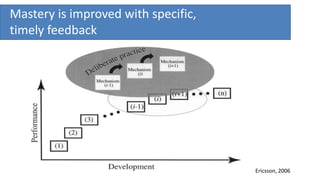
Ericsson, 2006
Mastery is improved with specific,
timely feedback
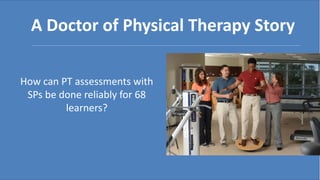
How can PT assessments with
SPs be done reliably for 68
learners?
A Doctor of Physical Therapy Story
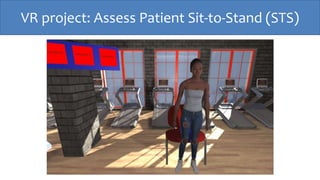
VR project: Assess Patient Sit-to-Stand (STS)
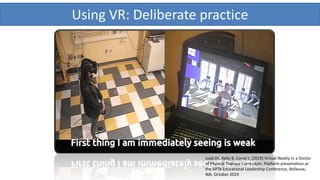
Using VR: Deliberate practice
Judd DL, Kelly B, Corral J. (2019) Virtual Reality in a Doctor
of Physical Therapy Curriculum. Platform presentation at
the APTA Educational Leadership Conference, Bellevue,
WA. October 2019
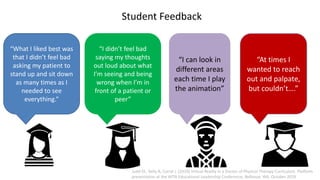
“I can look in
different areas
each time I play
the animation”
Student Feedback
“What I liked best was
that I didn’t feel bad
asking my patient to
stand up and sit down
as many times as I
needed to see
everything.”
“I didn’t feel bad
saying my thoughts
out loud about what
I’m seeing and being
wrong when I’m in
front of a patient or
peer”
“At times I
wanted to reach
out and palpate,
but couldn’t….”
Judd DL, Kelly B, Corral J. (2019) Virtual Reality in a Doctor of Physical Therapy Curriculum. Platform
presentation at the APTA Educational Leadership Conference, Bellevue, WA. October 2019
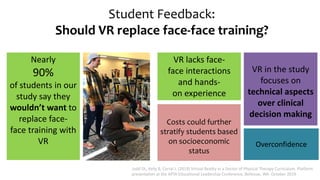
Student Feedback:
Should VR replace face-face training?
Costs could further
stratify students based
on socioeconomic
status Velev 2017, Iserson 2018
Nearly
90%
of students in our
study say they
wouldn’t want to
replace face-
face training with
VR
VR lacks face-
face interactions
and hands-
on experience
VR in the study
focuses on
technical aspects
over clinical
decision making
Overconfidence
Judd DL, Kelly B, Corral J. (2019) Virtual Reality in a Doctor of Physical Therapy Curriculum. Platform
presentation at the APTA Educational Leadership Conference, Bellevue, WA. October 2019
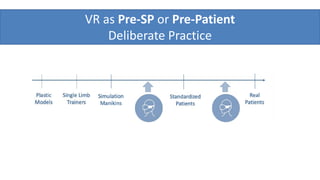
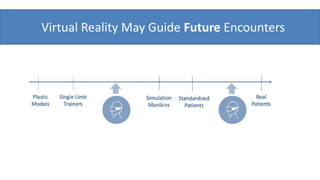
VR as Pre-SP or Pre-Patient
Deliberate Practice
Your Turn!
How might thoughtful VR
enhance education?
Take 2 minutes to discuss with
the person next to you
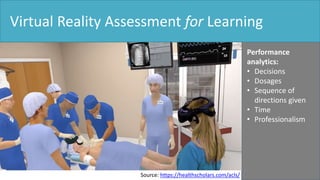
Performance
analytics:
• Decisions
• Dosages
• Sequence of
directions given
• Time
• Professionalism
Source: https://healthscholars.com/acls/
Virtual Reality Assessment for Learning
Virtual Reality May Guide Future Encounters
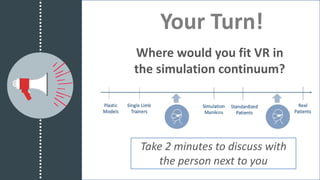
Your Turn!
Where would you fit VR in
the simulation continuum?
Take 2 minutes to discuss with
the person next to you
Example 3
Artificial
Intelligence as a
Cognitive Partner
Learning Analytics Debrief 1
Educational Theories &
Concepts That Frame The
Intervention
Tools &
Resources
Educational
Goals
Take 2 minutes to
talk to the person
next to you
Ambiguity is made concrete with evidence-based design
TEACHING BIG DATA
Example 4
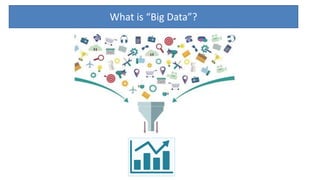
What is “Big Data”?
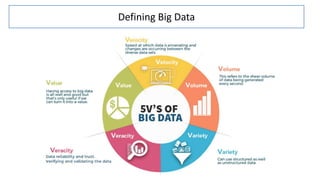
Defining Big Data
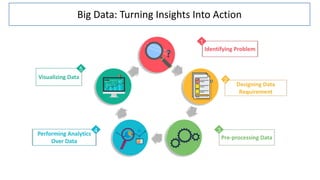
Big Data: Turning Insights Into Action
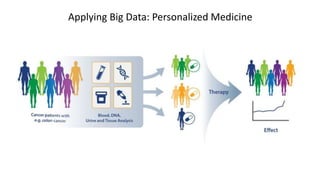
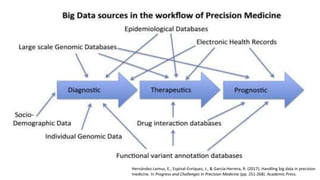
Applying Big Data: Personalized Medicine
Hernández-Lemus, E., Espinal-Enríquez, J., & García-Herrera, R. (2017). Handling big data in precision
medicine. In Progress and Challenges in Precision Medicine (pp. 251-268). Academic Press.
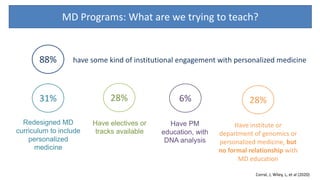
MD Programs: What are we trying to teach?
Method:
• Review grey literature (websites, publicly posted curricula, etc) of top 32
MD Programs according to US News
Corral, J, Wiley, L, et al (2020)
MD Programs: What are we trying to teach?
88% have some kind of institutional engagement with personalized medicine
28%
Have institute or
department of genomics or
personalized medicine, but
no formal relationship with
MD education
Have electives or
tracks available
28%31%
Redesigned MD
curriculum to include
personalized
medicine
Corral, J, Wiley, L, et al (2020)
Have PM
education, with
DNA analysis
6%
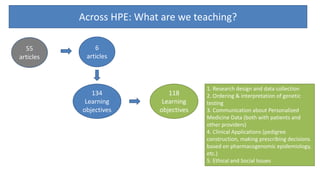
Across HPE: What are we teaching?
55
articles
6
articles
134
Learning
objectives
118
Learning
objectives
1. Research design and data collection
2. Ordering & interpretation of genetic
testing
3. Communication about Personalized
Medicine Data (both with patients and
other providers)
4. Clinical Applications (pedigree
construction, making prescribing decisions
based on pharmacogenomic epidemiology,
etc.)
5. Ethical and Social Issues
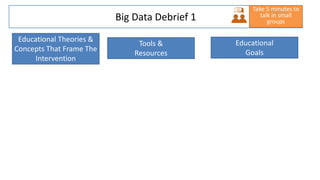
Big Data Debrief 1
Educational Theories &
Concepts That Frame The
Intervention
Tools &
Resources
Educational
Goals
Take 5 minutes to
talk in small
groups
Take-home messages
To impact learning outcomes, we must apply
principles from the learning sciences
The law of shiny objects will lead education astray
Health professions education is ripe for creative
disruption
Students’ learning ecosystems have changed
Closing Reflection
Take 2 minutes to:
1. Note 1 lesson from today you will implement in your own
portfolio
2. Create two calendar reminders for 2 weeks and 4 weeks from
now to reflect on implementing #1
Be The Change
@edtechcorral
Janet.corral@cuanschutz.edu

Creative Disruption in Medical Education: 4 Examples

  • 1.
    Creative Disruption Allowing HealthProfessions Educators To “Be The Change” Janet Corral, PhD Senior Director, Digital Education Innovation Director, Teaching Scholars’ Program Associate Professor of Medicine University of Colorado Denver | Anschutz
  • 2.
    Take-home messages To impactlearning outcomes, we must apply principles from the learning sciences The law of shiny objects will lead education astray Health professions education is ripe for creative disruption Students’ learning ecosystems have changed
  • 4.
    Debrief: Educational DesignElements Educational Theories & Concepts That Framed The Intervention Tools & Resources Educational Goals • Complete basic and advanced scenarios with 100% accuracy, in zero gravity • Solve problems as they arise with minimal tools available • Subject matter experts • Educational designers • Formative assessment with feedback • Summative assessment • Computer-based training (“VR”) • Deliberate practice • Mastery towards Expertise • High-stakes performance
  • 5.
    APPLYING LEARNING SCIENCES TOEDUCATION TECHNOLOGIES
  • 6.
    A dashboard byitself, means nothing LEARNING ANALYTICS Example 1
  • 7.
    NYU Educational DataWarehouse With gratitude to NYU Educational Data Warehouse: alex.support@med.nyu.edu
  • 8.
  • 11.
  • 12.
    Learning Analytics Debrief1 Educational Theories & Concepts That Frame The Intervention Tools & Resources Educational Goals Take 2 minutes to talk to the person next to you
  • 13.
    Ericsson, 2006 Mastery isimproved with specific, timely feedback
  • 14.
    E2 Coach -University of Michigan
  • 15.
    E2 Coach -University of Michigan
  • 16.
    Does learner performanceimprove? N = 2,234 physics students
  • 17.
    Pearson Essay Scorer http://www.essayscorer.com/ Canlearning analytics grade complex ideas?
  • 18.
    Students = 21,137 Essays= 255,741 Avg # of submissions: 3.5 Range of submissions: 1-12 Do intelligent tutor systems improve student performance?
  • 19.
    Evidence-based design isimperative for VR to impact learning VIRTUAL REALITY Example 2
  • 22.
  • 23.
  • 24.
  • 26.
    Where does VRfit? Bloom’s Revised Taxonomy (2001)
  • 31.
  • 34.
    Your Turn Where onBloom’s Revised Taxonomy would you place: 1. Anatomy VR (with flash cards) 2. Patient Case VR (with case feedback)
  • 36.
    What aspects ofVR impact learning?
  • 37.
    Codd, A. M.,& Choudhury, B. (2011). Virtual reality anatomy: Is it comparable with traditional methods in the teaching of human forearm musculoskeletal anatomy?. Anatomical sciences education, 4(3), 119-125. VR vs Traditional Dissection 7.25/10 6.87/10 P > 0.5
  • 38.
  • 39.
    Clark, R. E.(1983). Reconsidering research on learning from media. Review of Educational Research, 53(4), 445–459. Kozma, R. (1991). Learning with media. Review of Educational Research, 61(2), 179–212. Kozma, R. B. (1994). Will media influence learning? Reframing the debate. Educational technology research and development, 42(2), 7-19.
  • 40.
    Moro, C., Štromberga,Z., Raikos, A., & Stirling, A. (2017). The effectiveness of virtual and augmented reality in health sciences and medical anatomy. Anatomical sciences education, 10(6), 549- 559.
  • 41.
    Parong, J., &Mayer, R. E. (2018). Learning science in immersive virtual reality. Journal of Educational Psychology, 110(6), 785.
  • 42.
    Parong, J., &Mayer, R. E. (2018). Learning science in immersive virtual reality. Journal of Educational Psychology, 110(6), 785.
  • 43.
    Parong, J., &Mayer, R. E. (2018). Learning science in immersive virtual reality. Journal of Educational Psychology, 110(6), 785.
  • 44.
  • 45.
    Makransky, Terkildsen, &Mayer (2019). Adding immersive virtual reality to a science lab simulation causes more presence but less learning. Learning and Instruction 60: 225-236 Do students learn better with VR or screens? N=52
  • 46.
    Makransky, Terkildsen, &Mayer (2019). Adding immersive virtual reality to a science lab simulation causes more presence but less learning. Learning and Instruction 60: 225-236 Do students learn better with VR or screens? Knowledge test N=52 Knowledge test Transfer test Knowledge test Transfer test
  • 47.
    Makransky, Terkildsen, &Mayer (2019). Adding immersive virtual reality to a science lab simulation causes more presence but less learning. Learning and Instruction 60: 225-236 Do students learn better with VR or screens?
  • 48.
    Makransky, Terkildsen, &Mayer (2019). Adding immersive virtual reality to a science lab simulation causes more presence but less learning. Learning and Instruction 60: 225-236 Do students learn better with VR or screens? Students are more present (d = 1.30) Students learned less (d = 0.80) Students had significantly higher cognitive load based on the EEG measure (d = 0.59)
  • 49.
    Your Turn What dothese studies tell you about ‘what works’ for learning with VR? Take 5 minutes to discuss with a new person near you
  • 50.
    Ericsson, 2006 Mastery isimproved with specific, timely feedback
  • 51.
    How can PTassessments with SPs be done reliably for 68 learners? A Doctor of Physical Therapy Story
  • 52.
    VR project: AssessPatient Sit-to-Stand (STS)
  • 53.
    Using VR: Deliberatepractice Judd DL, Kelly B, Corral J. (2019) Virtual Reality in a Doctor of Physical Therapy Curriculum. Platform presentation at the APTA Educational Leadership Conference, Bellevue, WA. October 2019
  • 54.
    “I can lookin different areas each time I play the animation” Student Feedback “What I liked best was that I didn’t feel bad asking my patient to stand up and sit down as many times as I needed to see everything.” “I didn’t feel bad saying my thoughts out loud about what I’m seeing and being wrong when I’m in front of a patient or peer” “At times I wanted to reach out and palpate, but couldn’t….” Judd DL, Kelly B, Corral J. (2019) Virtual Reality in a Doctor of Physical Therapy Curriculum. Platform presentation at the APTA Educational Leadership Conference, Bellevue, WA. October 2019
  • 55.
    Student Feedback: Should VRreplace face-face training? Costs could further stratify students based on socioeconomic status Velev 2017, Iserson 2018 Nearly 90% of students in our study say they wouldn’t want to replace face- face training with VR VR lacks face- face interactions and hands- on experience VR in the study focuses on technical aspects over clinical decision making Overconfidence Judd DL, Kelly B, Corral J. (2019) Virtual Reality in a Doctor of Physical Therapy Curriculum. Platform presentation at the APTA Educational Leadership Conference, Bellevue, WA. October 2019
  • 56.
    VR as Pre-SPor Pre-Patient Deliberate Practice
  • 57.
    Your Turn! How mightthoughtful VR enhance education? Take 2 minutes to discuss with the person next to you
  • 58.
    Performance analytics: • Decisions • Dosages •Sequence of directions given • Time • Professionalism Source: https://healthscholars.com/acls/ Virtual Reality Assessment for Learning
  • 59.
    Virtual Reality MayGuide Future Encounters
  • 60.
    Your Turn! Where wouldyou fit VR in the simulation continuum? Take 2 minutes to discuss with the person next to you
  • 61.
  • 88.
    Learning Analytics Debrief1 Educational Theories & Concepts That Frame The Intervention Tools & Resources Educational Goals Take 2 minutes to talk to the person next to you
  • 89.
    Ambiguity is madeconcrete with evidence-based design TEACHING BIG DATA Example 4
  • 90.
  • 91.
  • 92.
    Big Data: TurningInsights Into Action
  • 93.
    Applying Big Data:Personalized Medicine
  • 94.
    Hernández-Lemus, E., Espinal-Enríquez,J., & García-Herrera, R. (2017). Handling big data in precision medicine. In Progress and Challenges in Precision Medicine (pp. 251-268). Academic Press.
  • 95.
    MD Programs: Whatare we trying to teach? Method: • Review grey literature (websites, publicly posted curricula, etc) of top 32 MD Programs according to US News Corral, J, Wiley, L, et al (2020)
  • 96.
    MD Programs: Whatare we trying to teach? 88% have some kind of institutional engagement with personalized medicine 28% Have institute or department of genomics or personalized medicine, but no formal relationship with MD education Have electives or tracks available 28%31% Redesigned MD curriculum to include personalized medicine Corral, J, Wiley, L, et al (2020) Have PM education, with DNA analysis 6%
  • 97.
    Across HPE: Whatare we teaching? 55 articles 6 articles 134 Learning objectives 118 Learning objectives 1. Research design and data collection 2. Ordering & interpretation of genetic testing 3. Communication about Personalized Medicine Data (both with patients and other providers) 4. Clinical Applications (pedigree construction, making prescribing decisions based on pharmacogenomic epidemiology, etc.) 5. Ethical and Social Issues
  • 98.
    Big Data Debrief1 Educational Theories & Concepts That Frame The Intervention Tools & Resources Educational Goals Take 5 minutes to talk in small groups
  • 99.
    Take-home messages To impactlearning outcomes, we must apply principles from the learning sciences The law of shiny objects will lead education astray Health professions education is ripe for creative disruption Students’ learning ecosystems have changed
  • 100.
    Closing Reflection Take 2minutes to: 1. Note 1 lesson from today you will implement in your own portfolio 2. Create two calendar reminders for 2 weeks and 4 weeks from now to reflect on implementing #1
  • 101.
  • 102.

Editor's Notes

  • #2 In the landscape of VR, tech gone up, cost gone down Ie- anatomy apps that are functional “fancy show and tell” This is how our VR can set learners apart Top of blooms taxonomy- higher that “knowledge”, for training and for top 1% students Virtual Reality (VR) is the use of computer technology to create a simulated environment, uniquely, VR places the user inside an experience. Instead of viewing a screen in front of them, users are immersed and able to interact with 3D worlds. Economic efficiency- common head sets, especially for assessments Like computer lab; Infrastructure investment if we want to do this well A few things we already know about VR Technology improving while cost is declining VR should be seen on a continuum of learning technologies to create immersive learning experiences and/or assessment experiences.   Technology is becoming more common, and its cost is decreasing. Could follow the familiar trajectory of so many other technologies on campus like laptop computers, mobile devices/tablets, smartphones. Once upon a time, mobile devices were the subject of special projects to evaluate their use cases on campus, now they are commonplace- (i.e. all of my students routinely use only devices to take notes, plan assignments, communicate with me, and submit assignments. Estimated that 4% of students have access to XR technology, but decreasing costs and create ways to bring the technology to campus may change that. My experience so far with VR has: Through working on the project, opening doors to how things are taught and can be taught differently- moving away from lecture model, where students are just listening and taking notes It got me thinking of more active ways to learn and teach Expanded boundaries of classroom, expanded where and when learning can take place Increased my productivity as a faculty member by exploring a new line of research 1 grant, 3 conference presentations, 2 papers in process Talk today about how VR can effect education at Anschutz, what we learned from the students who have used the VR, and how we can think about moving VR project forward
  • #3 Seo Traning by Symbolon from the Noun Project
  • #17 https://er.educause.edu/articles/2013/12/e2coach-tailoring-support-for-students-in-introductory-stem-courses the more students used E2Coach, the more likely they were to have a high BTE score and thus outperform their incoming GPA.
  • #35 people by asianson.design from the Noun Project
  • #41 But maybe post-test of knowledge isn’t the best metric.
  • #45 Image from the unconsciouscurriculum.com
  • #46 Virtual Reality by AB Designs from the Noun Project 3D Modelling by Vectors Market from the Noun Project
  • #47 Virtual Reality by AB Designs from the Noun Project 3D Modelling by Vectors Market from the Noun Project
  • #48 Virtual Reality by AB Designs from the Noun Project 3D Modelling by Vectors Market from the Noun Project
  • #49 Virtual Reality by AB Designs from the Noun Project 3D Modelling by Vectors Market from the Noun Project
  • #50 people by asianson.design from the Noun Project
  • #54 Talking points: Reasoning done aloud She does nicely moving around patient She’s comfortable with using the equipment, and she readily replays the animation to see it over and over again to do her analysis
  • #55 Overall, received favorably by students: All students agreed that animations were realistic enough to study human movement 85% on checklist used to identify behaviors of movement observation All but 2 students either disagreed or strongly disagreed that VR could replace face-face training and simulation Student quotes from original study Student social media posts from practice lab this week; one posted to the CUPT Instagram account
  • #56 Literature regrading nursing students echoed the same idea- many of their participants noted that VR should not replace traditional face-to-face lab or simulation opportunities
  • #100 Seo Traning by Symbolon from the Noun Project
  • #101 Need to explain EPA b/c Family medicine hasn’t done EPAs yet. PGME specialities very aware of EPAs. Tina – will engage – sociologist M – entrustment researcher MD CBME evidence is still being built – this is a naturalist experiment The reliability and validity and robustness is not the same as what Starbucks has to set up stores, but we are making decisions about someone who will care for people’s lives
  • #102 In the landscape of VR, tech gone up, cost gone down Ie- anatomy apps that are functional “fancy show and tell” This is how our VR can set learners apart Top of blooms taxonomy- higher that “knowledge”, for training and for top 1% students Virtual Reality (VR) is the use of computer technology to create a simulated environment, uniquely, VR places the user inside an experience. Instead of viewing a screen in front of them, users are immersed and able to interact with 3D worlds. Economic efficiency- common head sets, especially for assessments Like computer lab; Infrastructure investment if we want to do this well A few things we already know about VR Technology improving while cost is declining VR should be seen on a continuum of learning technologies to create immersive learning experiences and/or assessment experiences.   Technology is becoming more common, and its cost is decreasing. Could follow the familiar trajectory of so many other technologies on campus like laptop computers, mobile devices/tablets, smartphones. Once upon a time, mobile devices were the subject of special projects to evaluate their use cases on campus, now they are commonplace- (i.e. all of my students routinely use only devices to take notes, plan assignments, communicate with me, and submit assignments. Estimated that 4% of students have access to XR technology, but decreasing costs and create ways to bring the technology to campus may change that. My experience so far with VR has: Through working on the project, opening doors to how things are taught and can be taught differently- moving away from lecture model, where students are just listening and taking notes It got me thinking of more active ways to learn and teach Expanded boundaries of classroom, expanded where and when learning can take place Increased my productivity as a faculty member by exploring a new line of research 1 grant, 3 conference presentations, 2 papers in process Talk today about how VR can effect education at Anschutz, what we learned from the students who have used the VR, and how we can think about moving VR project forward