



BY GOVINDAPP.R.B
          FAVAS
           DILIP
INTRODUCTION
 Social classes are economic or cultural arrangements of groups in
  society.
 Social class is defined as the division of members of a society into
  a hierarchy of distinct status classes
 Members of each class have relatively same status
 Social class categorizes group of people within a
 society who possess the same socioeconomic status


              Upper class


              Middle class


              Lower class
 Social class is measured in terms of social status
 Social status is measured in terms of wealth(economic
  assets),power(the degree of personal choice or influence over
  others) and prestige(the degree of recognition received from
  others)
Dynamics of status consumption
 It’s a process by which consumers endeavor to increase
  their social standing through conspicuous consumptions
  and possessions
The Measurement of Social Class
 Subjective Measures


 Reputational Measures


 Objective Measures
Subjective Measures
  In the subjective approach to measuring social class, individuals
 are asked to estimate their own social-class positions.
Reputational Measures
  The reputational approach requires selected community
 informants to make initial judgments concerning the social-class
 membership of others within the community.
Objective Measures
   A method of measuring social class whereby individuals are
 asked specific socioeconomic questions concerning themselves or
 their families On the basis of their answers, people are placed
 within specific social-class groupings.
Objective Measures
 Single-variable indexes

  The use of a single socioeconomic variable
  (such as income) to estimate an individual’s
   relative social class.

      Occupation
      Education
      Income
      Other Variables

 Composite-variable indexes

   An index that combines a number of socioeconomic variables (such as
  education, income, occupation) to form one overall measure of social class
  standing.

    Index of Status Characteristics
    Socioeconomic Status Score
Social Mobility
Definition

   Social mobility is the extent to which people move up or down in the class
  system.

   Measure of social mobility:

      Intergenerational social mobility is movement up or down the in
       the class system from one generation to the next.

      Intragenerational social mobility is movement up or down in the
       class system in a single generation
Social Stratification
Definition
 Viewed as social inequality, which is a universal phenomenon.
 Inequality is viewed in terms of the distribution of scare goods.

    Elements of Social Stratification

 CLASS – as defined by Marx, it is the division of people in society
  by their relationship to the means of production: those who own a
  large portion of society’s wealth.

 STATUS – For Weber, prestige rather than position itself is
  important. Individuals are ranked in society as high, middle, and
  low as determined by how the role attached to their status is
  valued.

 POWER – refers to the ability of an individual to get other people
  to do “what he wants them to do with or without their consent.
demographics clustering

 In demographics, clustering is the gathering of various population based
  on ethnicity, economics, or religion.


 In countries that hold equality as important, clustering occurs between
  groups because of polarizing factors such as religion, wealth or
  ethnocentrism. Clustering is often considered an enriching part of free
  cultures in which one can visit a Chinatown or a French quarter for
  restaurant choices. Other sociologists assert that clustering of like minded
  individuals leads to political polarity and intolerance of contrary opinions,
  as the United States has allegedly been trending since the 1950s
Social class role
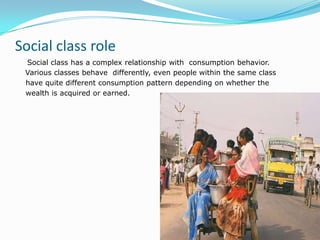
 Social class has a complex relationship with consumption behavior.
 Various classes behave differently, even people within the same class
 have quite different consumption pattern depending on whether the
 wealth is acquired or earned.
some other roles and issues
 Cultural capital


 Affluent consumer


 Non-affluent consumer


 Old money and nouveaux riche


 Techno class


 Status symbol
Factors responsible for social
stratification
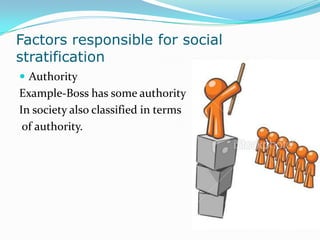
 Authority
Example-Boss has some authority
In society also classified in terms
 of authority.
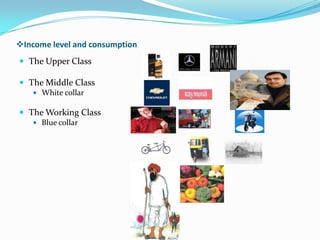
Income level and consumption
 The Upper Class

 The Middle Class
     White collar

 The Working Class
     Blue collar
 Achievement and occupation
 Education
Examples- MBA,MBBS,Mtech,Phd,
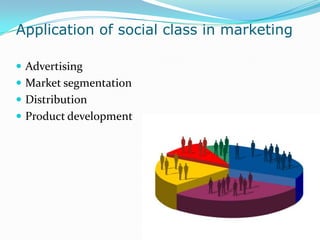
Application of social class in marketing

 Advertising
 Market segmentation
 Distribution
 Product development

consumer behavior

  • 1.
    BY GOVINDAPP.R.B FAVAS DILIP
  • 2.
    INTRODUCTION  Social classesare economic or cultural arrangements of groups in society.  Social class is defined as the division of members of a society into a hierarchy of distinct status classes  Members of each class have relatively same status
  • 3.
     Social classcategorizes group of people within a society who possess the same socioeconomic status Upper class Middle class Lower class
  • 4.
     Social classis measured in terms of social status  Social status is measured in terms of wealth(economic assets),power(the degree of personal choice or influence over others) and prestige(the degree of recognition received from others)
  • 5.
    Dynamics of statusconsumption  It’s a process by which consumers endeavor to increase their social standing through conspicuous consumptions and possessions
  • 6.
    The Measurement ofSocial Class  Subjective Measures  Reputational Measures  Objective Measures
  • 7.
    Subjective Measures In the subjective approach to measuring social class, individuals are asked to estimate their own social-class positions. Reputational Measures The reputational approach requires selected community informants to make initial judgments concerning the social-class membership of others within the community. Objective Measures A method of measuring social class whereby individuals are asked specific socioeconomic questions concerning themselves or their families On the basis of their answers, people are placed within specific social-class groupings.
  • 8.
    Objective Measures  Single-variableindexes The use of a single socioeconomic variable (such as income) to estimate an individual’s relative social class.  Occupation  Education  Income  Other Variables  Composite-variable indexes An index that combines a number of socioeconomic variables (such as education, income, occupation) to form one overall measure of social class standing.  Index of Status Characteristics  Socioeconomic Status Score
  • 9.
    Social Mobility Definition Social mobility is the extent to which people move up or down in the class system. Measure of social mobility:  Intergenerational social mobility is movement up or down the in the class system from one generation to the next.  Intragenerational social mobility is movement up or down in the class system in a single generation
  • 10.
    Social Stratification Definition  Viewedas social inequality, which is a universal phenomenon.  Inequality is viewed in terms of the distribution of scare goods. Elements of Social Stratification  CLASS – as defined by Marx, it is the division of people in society by their relationship to the means of production: those who own a large portion of society’s wealth.  STATUS – For Weber, prestige rather than position itself is important. Individuals are ranked in society as high, middle, and low as determined by how the role attached to their status is valued.  POWER – refers to the ability of an individual to get other people to do “what he wants them to do with or without their consent.
  • 11.
    demographics clustering  Indemographics, clustering is the gathering of various population based on ethnicity, economics, or religion.  In countries that hold equality as important, clustering occurs between groups because of polarizing factors such as religion, wealth or ethnocentrism. Clustering is often considered an enriching part of free cultures in which one can visit a Chinatown or a French quarter for restaurant choices. Other sociologists assert that clustering of like minded individuals leads to political polarity and intolerance of contrary opinions, as the United States has allegedly been trending since the 1950s
  • 12.
    Social class role Social class has a complex relationship with consumption behavior. Various classes behave differently, even people within the same class have quite different consumption pattern depending on whether the wealth is acquired or earned.
  • 13.
    some other rolesand issues  Cultural capital  Affluent consumer  Non-affluent consumer  Old money and nouveaux riche  Techno class  Status symbol
  • 14.
    Factors responsible forsocial stratification  Authority Example-Boss has some authority In society also classified in terms of authority.
  • 15.
    Income level andconsumption  The Upper Class  The Middle Class  White collar  The Working Class  Blue collar
  • 16.
  • 17.
  • 18.
    Application of socialclass in marketing  Advertising  Market segmentation  Distribution  Product development