PROFESSIONAL
EDUCATION &
RESEARCH
COMMUNICATION LAB
Submitted by:
Vishakha choudhary
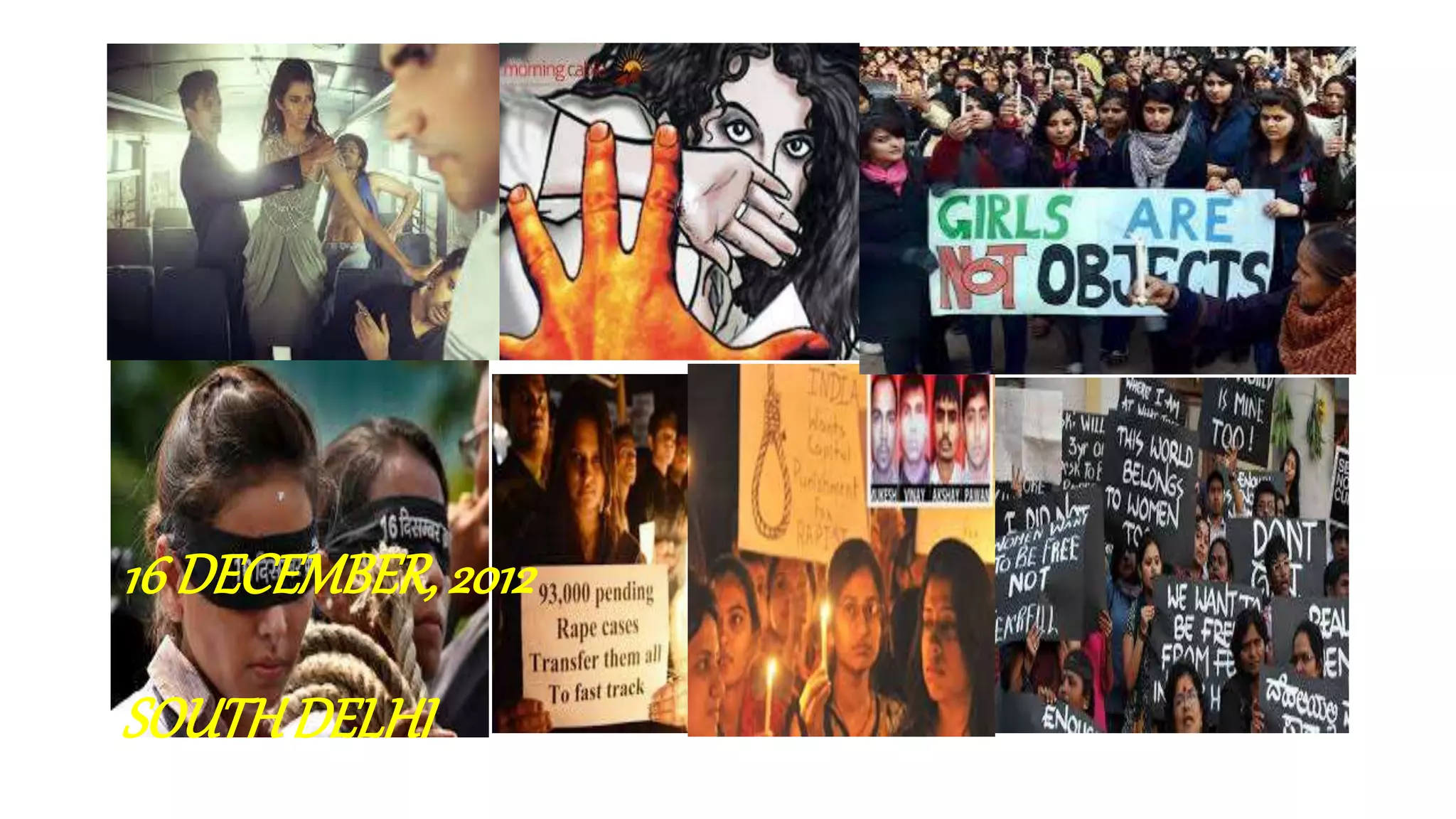
16DECEMBER, 2012
SOUTHDELHI
Juvenile Delinquency
cont’d
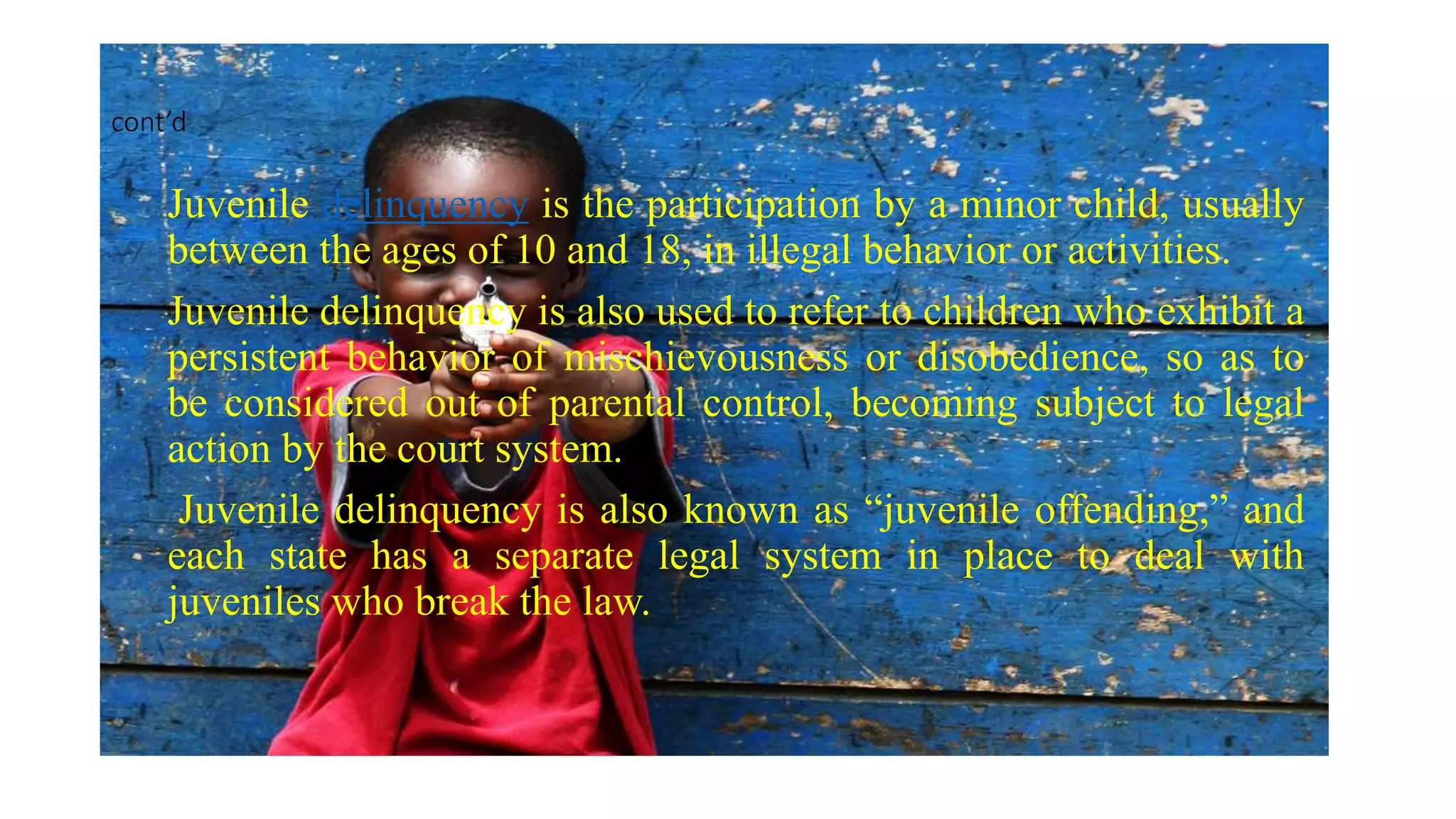
Juvenile delinquency is the participation by a minor child, usually
between the ages of 10 and 18, in illegal behavior or activities.
Juvenile delinquency is also used to refer to children who exhibit a
persistent behavior of mischievousness or disobedience, so as to
be considered out of parental control, becoming subject to legal
action by the court system.
Juvenile delinquency is also known as “juvenile offending,” and
each state has a separate legal system in place to deal with
juveniles who break the law.
Assumptions of delinquent behavior
• juvenile delinquency encompasses all public wrongs
committed by young people between the ages of 12 and 20.Crimonologists view
• it covers a multitude of different violations of legal and social norms, from
minor offences to serious crimes, committed by juveniles.Socialists view
• According to data from the Russian Federation, the rate of criminal activity
among juveniles in groups is about three to four times higher than that of
adult offenders. Juvenile group crime is most prevalent among 14-yearolds
and least prevalent among 17-year-olds.
Statistical analysis
•Some groups and subcultures tend to use violence as
a means of solving interpersonal conflicts, and the
atmosphere thus created is an important mediating
factor contributing to delinquent or criminal behavior
Subcultures
• Youth gangs reflect the gender-based power
relations in society. Peer group plays an important
part in the construction of gender roles and
relations, including delinquent behavior.
Peer groups
Causes of
delinquent
trajectories
Cultural
Urbaniz
ation
Family
Migrati
on
Media
Legal aspects of delinquency
Juvenile Justice (Care And Protection Of Children) Act, 2000:
The Act is a central Act, which came into force on April 1, 2001, through out
the country. It is based on
The Juvenile Justice Act, in its preamble itself signifies the need of the child
care by providing that it is an Act to consolidate and amend the law relating
to juveniles in conflict with law and children in need of care and protection,
by providing for proper care, protection and treatment by catering to their
development needs, and by adopting a child-friendly approach in the
adjudication and disposition of matters in the best interest of children and
for their ultimate rehabilitation through various institutions established
under this enactment. Recently the exhaustive amendments of 2006, and
rules framed in the year 2007 is credit worthy as it incorporates many
aspects regarding juveniles
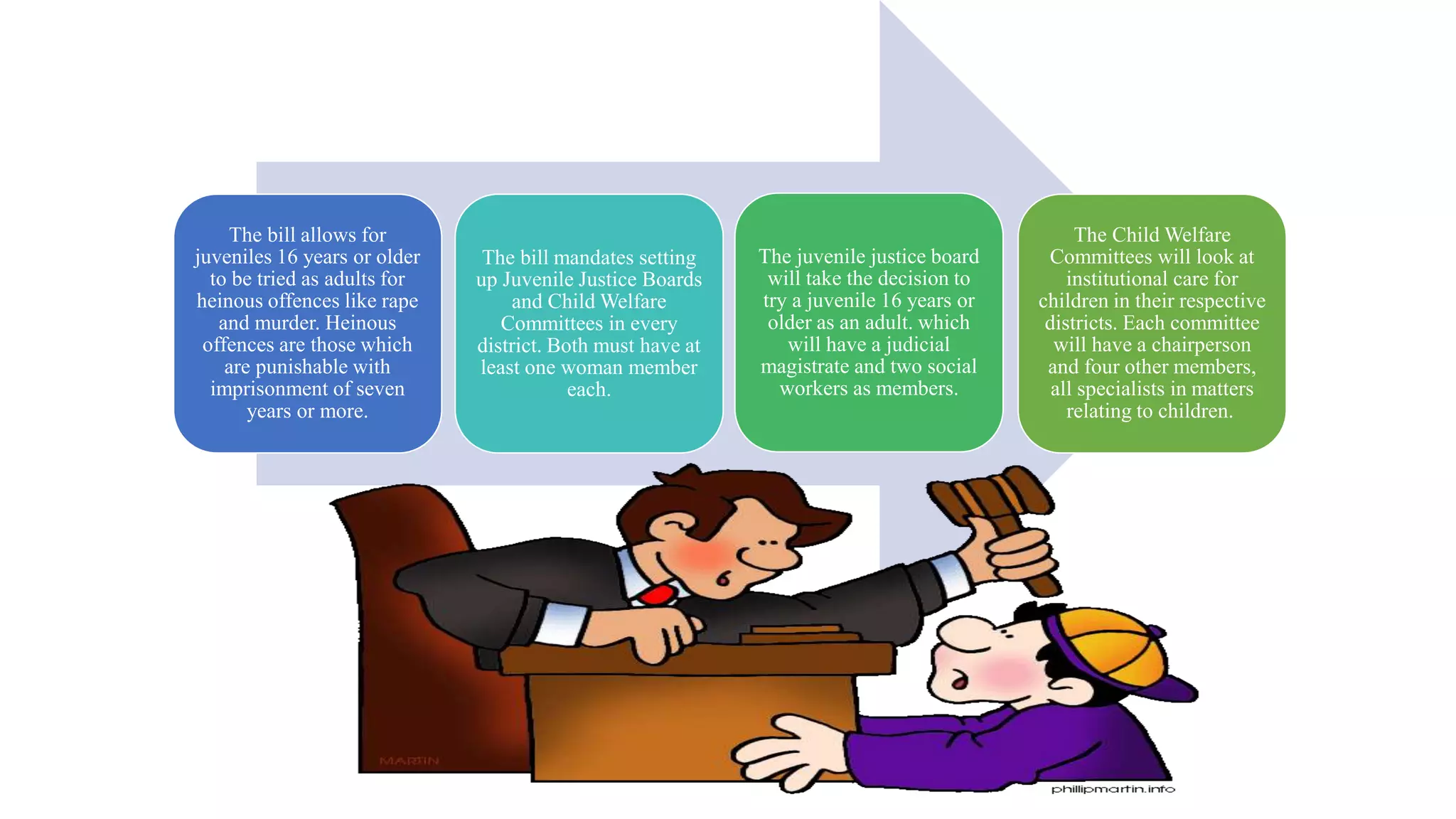
The bill allows for
juveniles 16 years or older
to be tried as adults for
heinous offences like rape
and murder. Heinous
offences are those which
are punishable with
imprisonment of seven
years or more.
The bill mandates setting
up Juvenile Justice Boards
and Child Welfare
Committees in every
district. Both must have at
least one woman member
each.
The juvenile justice board
will take the decision to
try a juvenile 16 years or
older as an adult. which
will have a judicial
magistrate and two social
workers as members.
The Child Welfare
Committees will look at
institutional care for
children in their respective
districts. Each committee
will have a chairperson
and four other members,
all specialists in matters
relating to children.
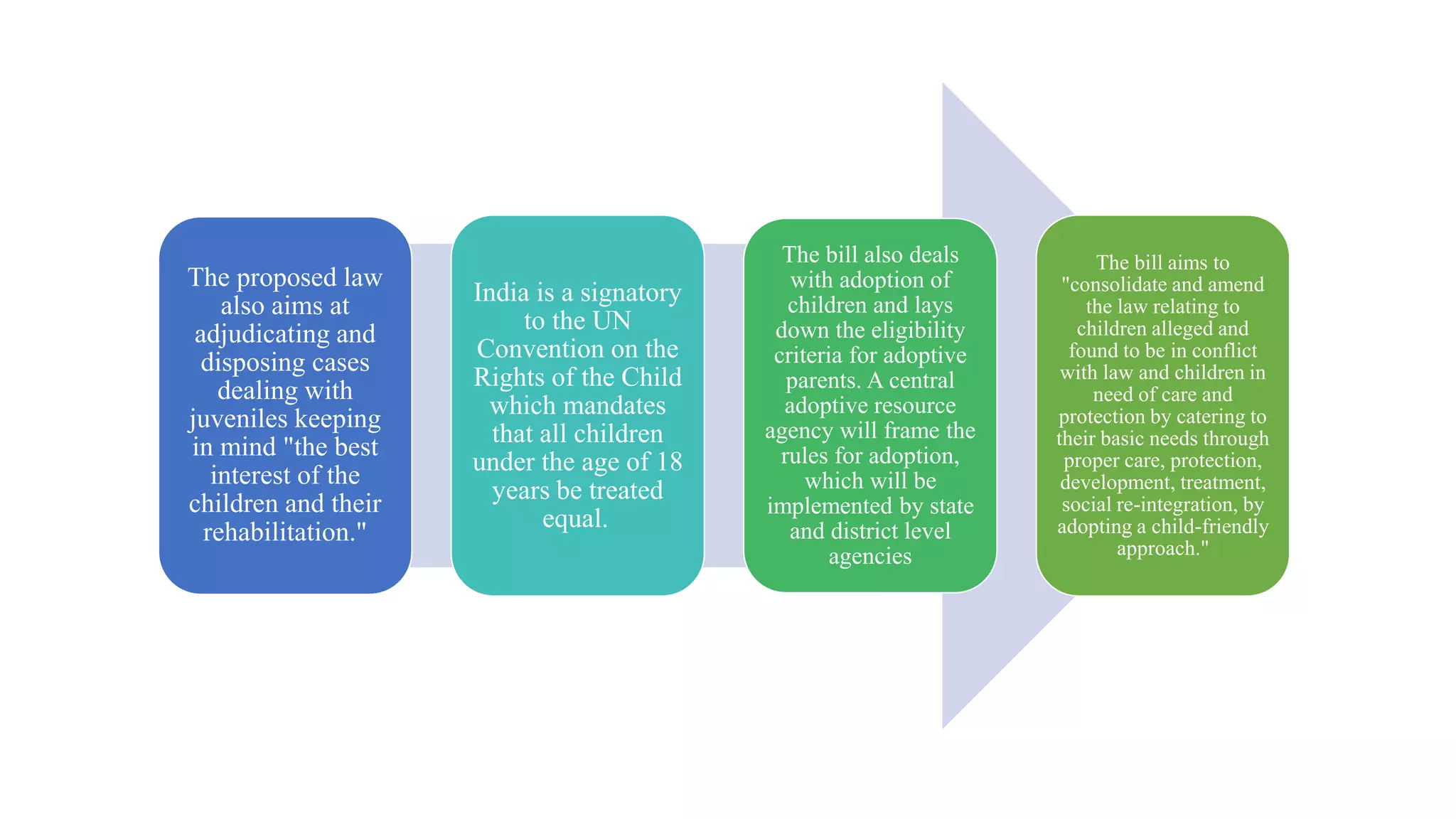
The proposed law
also aims at
adjudicating and
disposing cases
dealing with
juveniles keeping
in mind "the best
interest of the
children and their
rehabilitation."
India is a signatory
to the UN
Convention on the
Rights of the Child
which mandates
that all children
under the age of 18
years be treated
equal.
The bill also deals
with adoption of
children and lays
down the eligibility
criteria for adoptive
parents. A central
adoptive resource
agency will frame the
rules for adoption,
which will be
implemented by state
and district level
agencies
The bill aims to
"consolidate and amend
the law relating to
children alleged and
found to be in conflict
with law and children in
need of care and
protection by catering to
their basic needs through
proper care, protection,
development, treatment,
social re-integration, by
adopting a child-friendly
approach."
Preventions
Schools are seen as the
principal agency not only
for socialisation but also
for social correction.
The "need to do
something for recreation"
is an essential element of
human biology and
psychology.
Community involvement
programmes for
preventing delinquency
should endeavor to
integrate children and
youth into organized
group activities.
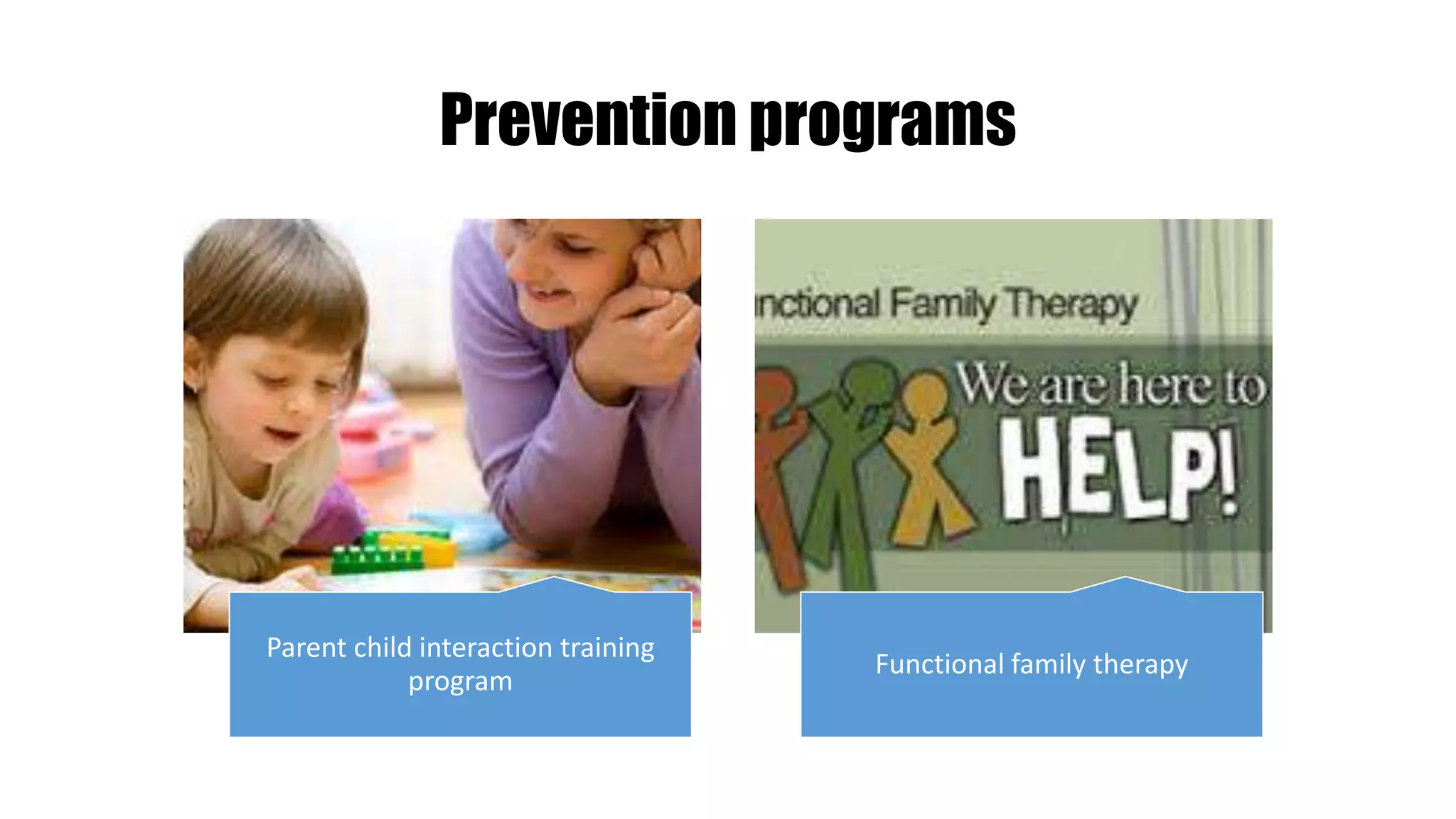
Prevention programs
Parent child interaction training
program
Functional family therapy
Communication lab

Communication lab

  • 1.
  • 2.
  • 3.
  • 4.
    cont’d Juvenile delinquency isthe participation by a minor child, usually between the ages of 10 and 18, in illegal behavior or activities. Juvenile delinquency is also used to refer to children who exhibit a persistent behavior of mischievousness or disobedience, so as to be considered out of parental control, becoming subject to legal action by the court system. Juvenile delinquency is also known as “juvenile offending,” and each state has a separate legal system in place to deal with juveniles who break the law.
  • 5.
    Assumptions of delinquentbehavior • juvenile delinquency encompasses all public wrongs committed by young people between the ages of 12 and 20.Crimonologists view • it covers a multitude of different violations of legal and social norms, from minor offences to serious crimes, committed by juveniles.Socialists view • According to data from the Russian Federation, the rate of criminal activity among juveniles in groups is about three to four times higher than that of adult offenders. Juvenile group crime is most prevalent among 14-yearolds and least prevalent among 17-year-olds. Statistical analysis
  • 6.
    •Some groups andsubcultures tend to use violence as a means of solving interpersonal conflicts, and the atmosphere thus created is an important mediating factor contributing to delinquent or criminal behavior Subcultures • Youth gangs reflect the gender-based power relations in society. Peer group plays an important part in the construction of gender roles and relations, including delinquent behavior. Peer groups
  • 7.
  • 8.
    Legal aspects ofdelinquency Juvenile Justice (Care And Protection Of Children) Act, 2000: The Act is a central Act, which came into force on April 1, 2001, through out the country. It is based on The Juvenile Justice Act, in its preamble itself signifies the need of the child care by providing that it is an Act to consolidate and amend the law relating to juveniles in conflict with law and children in need of care and protection, by providing for proper care, protection and treatment by catering to their development needs, and by adopting a child-friendly approach in the adjudication and disposition of matters in the best interest of children and for their ultimate rehabilitation through various institutions established under this enactment. Recently the exhaustive amendments of 2006, and rules framed in the year 2007 is credit worthy as it incorporates many aspects regarding juveniles
  • 9.
    The bill allowsfor juveniles 16 years or older to be tried as adults for heinous offences like rape and murder. Heinous offences are those which are punishable with imprisonment of seven years or more. The bill mandates setting up Juvenile Justice Boards and Child Welfare Committees in every district. Both must have at least one woman member each. The juvenile justice board will take the decision to try a juvenile 16 years or older as an adult. which will have a judicial magistrate and two social workers as members. The Child Welfare Committees will look at institutional care for children in their respective districts. Each committee will have a chairperson and four other members, all specialists in matters relating to children.
  • 10.
    The proposed law alsoaims at adjudicating and disposing cases dealing with juveniles keeping in mind "the best interest of the children and their rehabilitation." India is a signatory to the UN Convention on the Rights of the Child which mandates that all children under the age of 18 years be treated equal. The bill also deals with adoption of children and lays down the eligibility criteria for adoptive parents. A central adoptive resource agency will frame the rules for adoption, which will be implemented by state and district level agencies The bill aims to "consolidate and amend the law relating to children alleged and found to be in conflict with law and children in need of care and protection by catering to their basic needs through proper care, protection, development, treatment, social re-integration, by adopting a child-friendly approach."
  • 11.
    Preventions Schools are seenas the principal agency not only for socialisation but also for social correction. The "need to do something for recreation" is an essential element of human biology and psychology. Community involvement programmes for preventing delinquency should endeavor to integrate children and youth into organized group activities.
  • 12.
    Prevention programs Parent childinteraction training program Functional family therapy