
COALITION BUILDING 101
J E N N I F E R L Y N C H
C O M M U N I T Y H E A L T H P R O M O T I O N
S P E C I A L I S T
A R K A N S A S D E P A R T M E N T O F H E A L T H
1 6 0 6 P I N E G R O V E L A N E
H A R R I S B U R G , A R
J E N N I F E R . L Y N C H @ A R K A N S A S . G O V
WHAT IS A COALITION?
An alliance of individuals, groups, parties or
states that come together, join forces or form
partnerships usually for a specific or common
purpose.
A pact or treaty among individuals or groups,
during which they cooperate in joint action, each
in their own self-interest, joining together for a
common cause.
ADVANTAGES OF A COALITION
 The number of people who are involved
 Implementation of varied activities &
programs
 Networking opportunities
 New ideas & energy to existing programs
 Good source of information & feedback
 Publicity for the program
 A distribution network
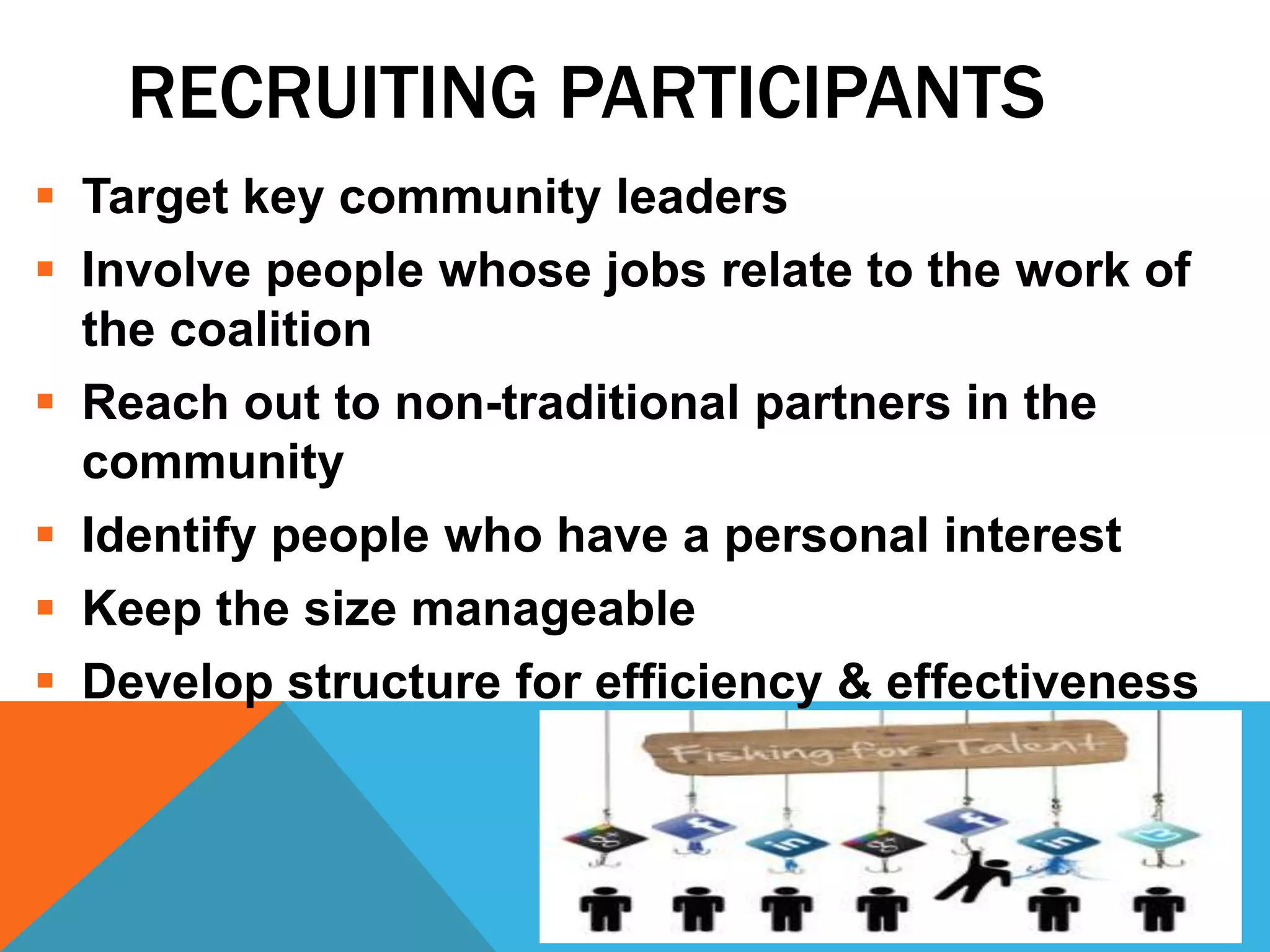
RECRUITING PARTICIPANTS
 Target key community leaders
 Involve people whose jobs relate to the work of
the coalition
 Reach out to non-traditional partners in the
community
 Identify people who have a personal interest
 Keep the size manageable
 Develop structure for efficiency & effectiveness
RECRUITMENT PLAN
 Develop a formal plan
 Orient new members
Prior to first meeting explain the coalitions
mission, vision and what their role will be as a
member
New member packet/manual
Introduction & welcoming
Debrief after first meeting
Establish a mentoring system
Training to address individual needs
MAINTAINING THE COALITION
Celebrate victories both big & small
Success is the best way to keep people involved
in your coalition
Keep people motivated & willing to carry on the
campaign
Demonstrate what people can do
& what is in it for them
Run an effective, interesting, productive meeting:
Determine purpose & type
Establish objective & develop an agenda
Follow the agenda and begin & end on time
Recognize issues & agree on how to deal
Encourage participation of all members
Summarize each agenda item as it is completed
Prepare & distribute minutes
Act on or implement decisions
Plan follow-up meetings or activities
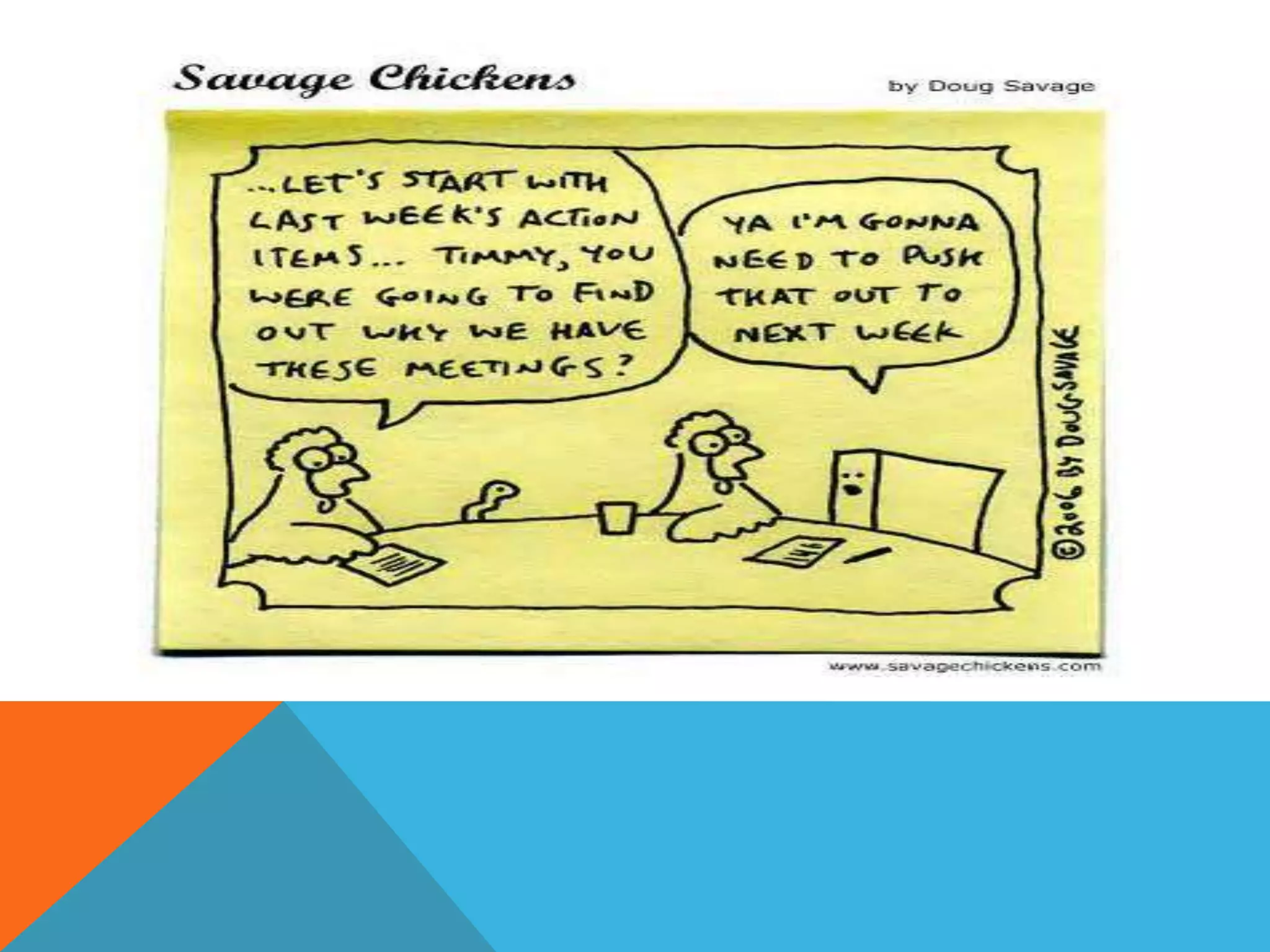
Ineffective Meeting Effective Meeting
IS YOUR COALITION
EFFECTIVE OR
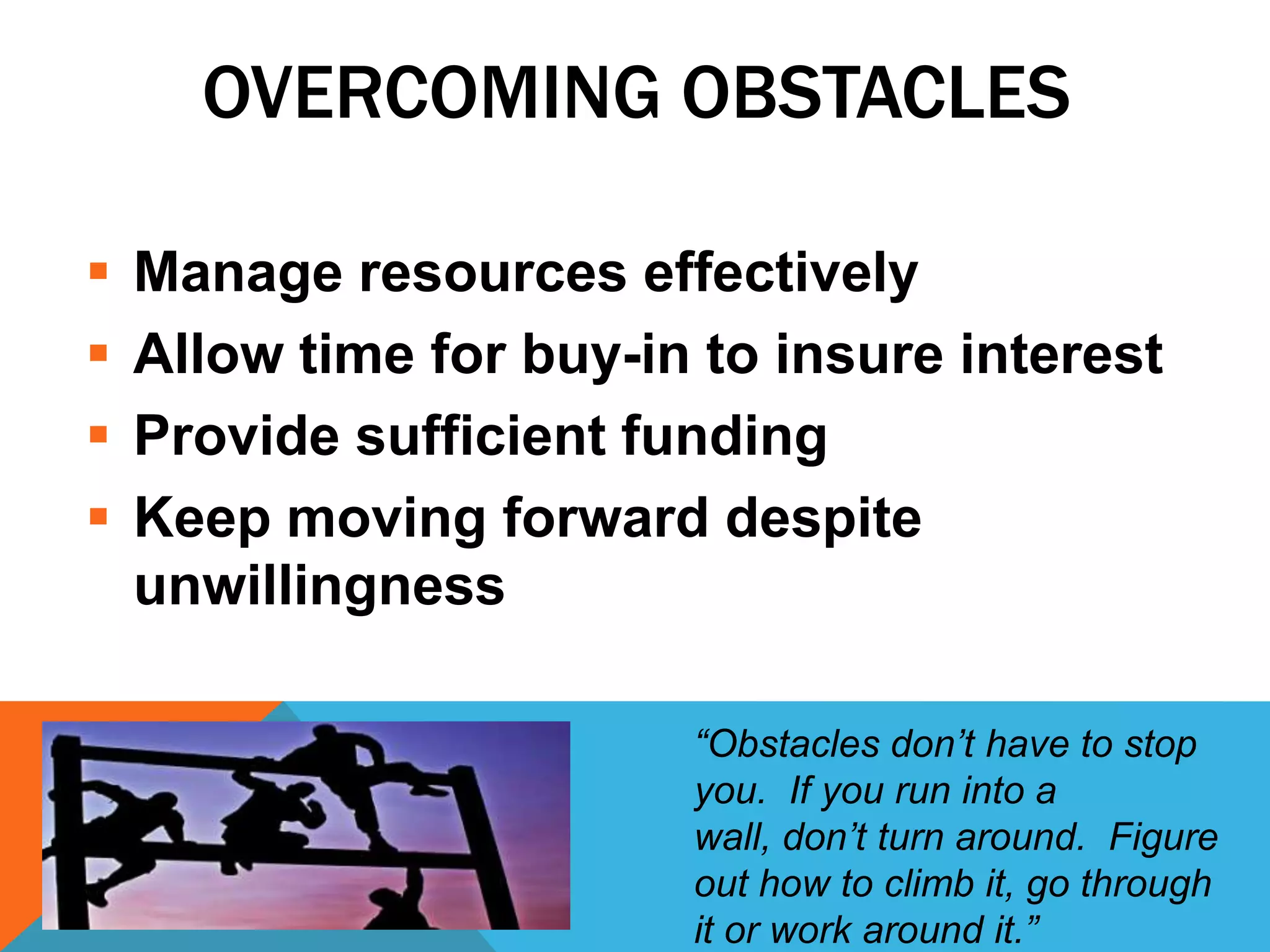
OVERCOMING OBSTACLES
 Manage resources effectively
 Allow time for buy-in to insure interest
 Provide sufficient funding
 Keep moving forward despite
unwillingness
“Obstacles don’t have to stop
you. If you run into a
wall, don’t turn around. Figure
out how to climb it, go through
it or work around it.”
COMMUNICATION
 Send meeting minutes
 Send news clippings or articles
 Produce newsletters/brochures
 Ask your member what they expect
“Communication is not the key,
the key is understanding what
was communicated”
Charlotte Strickland

Coalition Building 101 - NEAR Summit

  • 1.
    COALITION BUILDING 101 JE N N I F E R L Y N C H C O M M U N I T Y H E A L T H P R O M O T I O N S P E C I A L I S T A R K A N S A S D E P A R T M E N T O F H E A L T H 1 6 0 6 P I N E G R O V E L A N E H A R R I S B U R G , A R J E N N I F E R . L Y N C H @ A R K A N S A S . G O V
  • 2.
    WHAT IS ACOALITION? An alliance of individuals, groups, parties or states that come together, join forces or form partnerships usually for a specific or common purpose. A pact or treaty among individuals or groups, during which they cooperate in joint action, each in their own self-interest, joining together for a common cause.
  • 3.
    ADVANTAGES OF ACOALITION  The number of people who are involved  Implementation of varied activities & programs  Networking opportunities  New ideas & energy to existing programs  Good source of information & feedback  Publicity for the program  A distribution network
  • 4.
    RECRUITING PARTICIPANTS  Targetkey community leaders  Involve people whose jobs relate to the work of the coalition  Reach out to non-traditional partners in the community  Identify people who have a personal interest  Keep the size manageable  Develop structure for efficiency & effectiveness
  • 5.
    RECRUITMENT PLAN  Developa formal plan  Orient new members Prior to first meeting explain the coalitions mission, vision and what their role will be as a member New member packet/manual Introduction & welcoming Debrief after first meeting Establish a mentoring system Training to address individual needs
  • 6.
    MAINTAINING THE COALITION Celebratevictories both big & small Success is the best way to keep people involved in your coalition Keep people motivated & willing to carry on the campaign Demonstrate what people can do & what is in it for them
  • 8.
    Run an effective,interesting, productive meeting: Determine purpose & type Establish objective & develop an agenda Follow the agenda and begin & end on time Recognize issues & agree on how to deal Encourage participation of all members Summarize each agenda item as it is completed Prepare & distribute minutes Act on or implement decisions Plan follow-up meetings or activities
  • 9.
    Ineffective Meeting EffectiveMeeting IS YOUR COALITION EFFECTIVE OR
  • 10.
    OVERCOMING OBSTACLES  Manageresources effectively  Allow time for buy-in to insure interest  Provide sufficient funding  Keep moving forward despite unwillingness “Obstacles don’t have to stop you. If you run into a wall, don’t turn around. Figure out how to climb it, go through it or work around it.”
  • 11.
    COMMUNICATION  Send meetingminutes  Send news clippings or articles  Produce newsletters/brochures  Ask your member what they expect “Communication is not the key, the key is understanding what was communicated” Charlotte Strickland

Editor's Notes

  • #4 Bullet 1: A broad-based coalition enhances credibility. When the project demonstrates both widespread support and active involvement, opinion leaders, the media and the public begin to take the effort seriously and pay attention.Bullet 2: Diverse participants provide diverse skills as well as access to important target populations. Each member can contribute their particular expertise or resources to facilitate activities. Bullet 3: If effective coalitions can identify organizations that can fill a specific need, answer question, or help secure funds.Bullet 4: Any program can become stale and die out if it isn’t re-energized with new people, ideas and energy. Fresh perspective may get things moving again.Bullet 5: If a community wants to change behavior or attitudes, it is important to know what is going on in that community. A grassroots coalition is your eyes and ears.Bullet 6: Members can spread the word of the work you are doing. They will tell their family, friends, co-worker, church members, etc.Bullet &: Materials may be beautifully produced, but if they are unseen, they are valueless. Let your coalition member serve as an effective network for dissemination.
  • #5 Bullet 1: Within every community there are movers and shakers; people who are recognized, respected and who get things done. Bullet 2: These people are passionate about their jobs Bullet 3: Partners in the community, hospitals, doctors, service clubs, the media, military and faith community.Bullet 4: Could be moms, dads, grandparents, or anyone who has a deep concern and passion for their community and the cause of the coalition.Bullet 5: It cannot be too small, because everyone cannot attend every meeting, and there must be enough people at each meeting to make decisions. Bullet 6: You can choose to form committees or work groups to perform most tasks or you can work as a whole on all the issues. Each coalition must select the framework for organizations that will secure the most buy-in from members.
  • #6 Bullet 1: A formal plan should address inclusiveness, diversity and process for recruitment.Bullet 2: Meet with new members before first meeting. Give them an idea of what it is the coalition stand for, what is expected of them as a member. Provide them with an information packetIntroduce your member at first meeting and following meeting to members who may not have attendedAfter the first meeting, find out if there are any questions or concerns.Assign the new member a mentorProvide trainings, workshops, speakers for all members
  • #7 Bullet 1: Host a small party, reception or awards ceremony to recognize those that played key roles in the success.Bullet 2: In some way each and every member has something to bring to the table and also take back out into the community.
  • #9 -determine purpose and type: problem solving, decision making, reporting, presenting, information, planning, evaluating and combinationProvide a copy and follow your agenda. If you see things getting off track, have a designated person to get back target and make note to add at end if time allows or at next meeting.Begin and end on time. Do not restart your whole meeting if people are late, catch them up after meeting. And always end on time or allow those who need to leave the opportunity and if anyone wants to stay they can.Summarizing each item insures understanding and consensus.
  • #11 Every group or organization faces obstaclesBullet 1: Involve members of the coalition in projects and activities. Assign program or activity to a member and ask them to recruit others to assist.Bullet 2: Make sure members feel a strong sense of participation. Allow sufficient time for all business, but make certain that the process does not turn people off.Bullet 2: A strong leader will keep the coalition on task and moving forward, despite the hum tendency to stray from an agenda.Bullet 3: Coalition members can become easily disillusioned if they propose activities or programs which they believer are worthwhile, but which cannot be implemented because of insufficient resources. Because there may be more than one coalition in your community, determine whether there are sufficient resources to support more than one group. Could be possible to work or join together at some point. Bullet 4: Sometime new coalitions or projects may encounter partners who refuse to participate. Reach out to them through a personal meeting and explain the intent of the coalitionDetermine what aspects of the issue or program interested them to joinSolicit their input for activities or areas of interest for a successful outcomeEstablish a subcommittee to evaluate long-term application of their ideas.
  • #12 Bullet 1: have someone designated to take and prepare minutes at every meetingBullet 2: Whatever your target message is (obesity, underage drinking, drug prevention) send your members articles to stay informed. Invite interesting and informative speakers.Bullet 3: A brochure about the organization and its mission, goals and objectives is a good way to educate people. Part of it can ask people to join or support the effort and contact information. Bullet 4: communicating with your members about their expectations will keep them engage and feel valued as a member.