Climate Change and
Disaster
(hnjfo' kl/jt{g tyf k|sf]k)
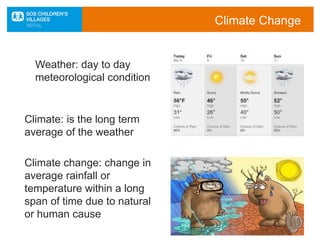
Weather: day to day
meteorological condition
Climate: is the long term
average of the weather
Climate change: change in
average rainfall or
temperature within a long
span of time due to natural
or human cause
Climate Change
Climate change
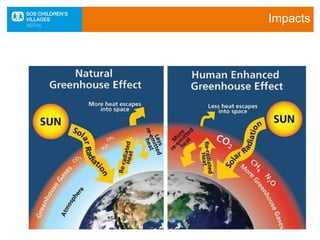
Green House Gas and Impacts
 Gases responsible for increase in temperature
and climate change
 In Kyoto protocol (1997), GHG’s comprises of
CH4(methane), N2O(nitrous oxide),CO2(carbon
dioxide),HFCs(Hydro FluoroCarbon)
,PFCs(PerFluoro Carbon),S6F(Sulphur
Hexafluoride)
 GHGs helps to keep the earth warm
 Absensce of GHGs can decrease the earth
temperature to -17°
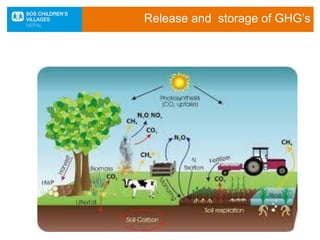
Release and storage of GHG’s
Impacts
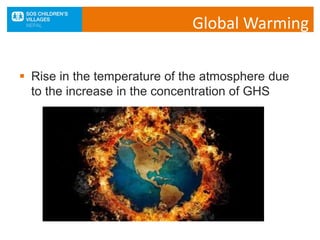
 Rise in the temperature of the atmosphere due
to the increase in the concentration of GHS
Global Warming
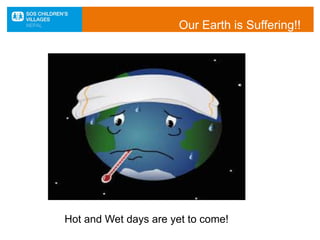
Our Earth is Suffering!!
Hot and Wet days are yet to come!
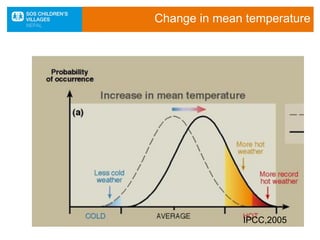
Change in mean temperature
IPCC,2005
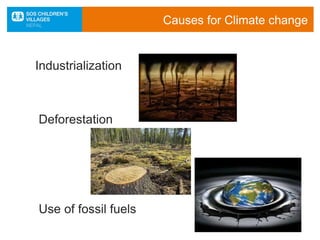
Causes for Climate change
Industrialization
Deforestation
Use of fossil fuels
Other reasons
 Land use change
 Forest fire
 Volcanic eruption
Sources of GHG’s globally
Source:
IPCC 2007
Nepal contributes only
0.025% of global GHG’s
production
(MoPE,2004)
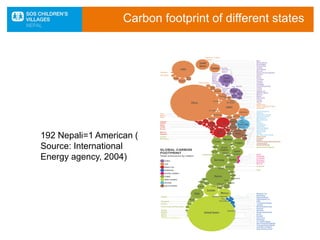
Carbon footprint of different states
192 Nepali=1 American (
Source: International
Energy agency, 2004)
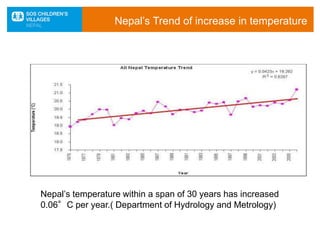
Nepal’s Trend of increase in temperature
Nepal’s temperature within a span of 30 years has increased
0.06°C per year.( Department of Hydrology and Metrology)
Status of CC in Nepal
 Nepal is one of the most vulnerable (4th) countries in
terms of climate change;
 Globally Nepal emits only 0.025 percent of total GHG
emissions ;
 CC impacts both on upland and lowland ecosystem
systems, especially threatening the vital biodiversity,
water, energy and food security.
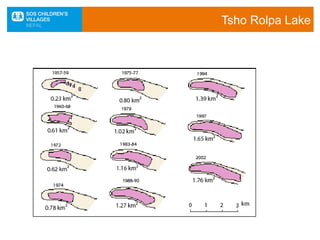
 Rapid melting of glaciers, formation of new supraglacial
lakes, expansion of existing lakes, and disappearing of
some small lakes have been noticed.
 Rainy days have been decreased by 0.08% each
year
 Hot days and nights are increasing
 Change in rainfall pattern
 Chances of increase number of disasters
 More impact on poor people
 Study indicates an increase in temperature at an
annual rate of 0.06c
 Over the last 100 years, the warming in the
Himalayas has been much greater than the global
average of 0.74 0C (Du et al. 2004; IPCC 2007).
Status of CC in Nepal
Tsho Rolpa Lake
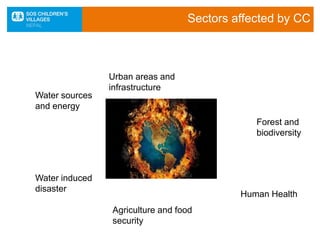
Sectors affected by CC
Urban areas and
infrastructure
Forest and
biodiversity
Agriculture and food
security
Human Health
Water induced
disaster
Water sources
and energy
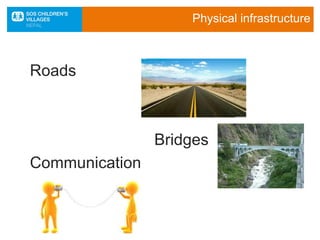
Roads
Bridges
Communication
Physical infrastructure
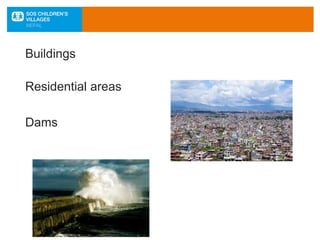
Buildings
Residential areas
Dams
Forest and Biodiversity
 Habitat fragmentation
 Change in habitat
 Development of Invasive alien species
 Development of insects causing diseases
 Extinction of different animals and plants
 Decrease biodiversity
Human health
 Famine
 Flood, landslide
 Diseases
 Food insecurity
 Negative impacts on livelihoods
Water induced disaster
 Flood
 Landslide
 Erosion
Climate Change, Land Degradation and Food Security
 Land degradation is one of the major environmental problems
in Nepal. About 28.24% total land area in the process of
desertification that has severe implication of food security;
 Extreme climate events have exacerbated incidence of
landslides, floods, soil erosion, and drought in Nepal which
has negative impacts on food production (NARC, 2010).
 Increase in atmospheric temperature caused increase in
evapotranspiration, soil erosion, landslides, floods, and
inundation of standing crops and reduction of soil fertility
(Malla, 2008),
Agriculture and Food Security
 Decrease in productivity
 Decrease in agricultural land
 Desertification
 Less production and income from domestic
animals
 Extinction of different crop species
 Technical failure
Water sources and energy
 Increase in melting of glacier and lake
 Shift of tree line
 Water sources getting dried up
 Decrease in flow of water in river channel
 Water flow increase during rainy season
 Water flow gets minimum during other season
 GLOF events
Benefits of CC
 In high hills, length of crop growing season may
increase and productivity may also increase
 Introduction of new crop and variety
 Higher concentration of CO2 will have a positive
effects in some crops increasing the final yield.
What towards CC????
Mitigation
 Decrease deforestation, encourage afforestation
 Use of renewable source of energy
 Waste management
 Eco-friendly technologies transfer
 Less use of High energy demanding vehicles
Adaptation
 Prioritization of vulnerable groups and formation of
community Adaptation Plan
 Shift towards Alternative livelihood activities
 Rain water harvesting, bioengineering practices
 Awareness regarding disasters due to CC ***
 Shift of crop pattern, change of breeds of crop
 Life insurance, livestock insurance, crop insurance
 Indigenous knowledge
CC and Disaster
 According to the United Nations International
Strategy for Disaster Reduction (UNISDR),
climate change is increasing the risk of natural
disasters, with more extreme weather events,
the wet season becoming wetter and the dry
season drier.
 Scientist around the world are using different
projection models to find the future scenarios of
temperature, precipitation, disasters etc.
Result of Increased GHGs’
 Increase Earth's average temperature
 Influence the patterns and amounts of precipitation
 Reduce ice and snow cover
 Raise sea level
 Increase the acidity of the oceans
 Increase the frequency, intensity, and/or duration of extreme events
 Shift ecosystem characteristics
 Increase threats to human health
 These changes will impact our food supply, water resources,
infrastructure, ecosystems, and even our own health.
Thank you!!!
Thank you!!!

Climate change and disasters.pdf for disaster

  • 1.
  • 2.
    Weather: day today meteorological condition Climate: is the long term average of the weather Climate change: change in average rainfall or temperature within a long span of time due to natural or human cause Climate Change
  • 3.
  • 4.
    Green House Gasand Impacts  Gases responsible for increase in temperature and climate change  In Kyoto protocol (1997), GHG’s comprises of CH4(methane), N2O(nitrous oxide),CO2(carbon dioxide),HFCs(Hydro FluoroCarbon) ,PFCs(PerFluoro Carbon),S6F(Sulphur Hexafluoride)  GHGs helps to keep the earth warm  Absensce of GHGs can decrease the earth temperature to -17°
  • 5.
  • 6.
  • 7.
     Rise inthe temperature of the atmosphere due to the increase in the concentration of GHS Global Warming
  • 8.
    Our Earth isSuffering!! Hot and Wet days are yet to come!
  • 9.
    Change in meantemperature IPCC,2005
  • 10.
    Causes for Climatechange Industrialization Deforestation Use of fossil fuels
  • 11.
    Other reasons  Landuse change  Forest fire  Volcanic eruption
  • 12.
    Sources of GHG’sglobally Source: IPCC 2007 Nepal contributes only 0.025% of global GHG’s production (MoPE,2004)
  • 13.
    Carbon footprint ofdifferent states 192 Nepali=1 American ( Source: International Energy agency, 2004)
  • 14.
    Nepal’s Trend ofincrease in temperature Nepal’s temperature within a span of 30 years has increased 0.06°C per year.( Department of Hydrology and Metrology)
  • 15.
    Status of CCin Nepal  Nepal is one of the most vulnerable (4th) countries in terms of climate change;  Globally Nepal emits only 0.025 percent of total GHG emissions ;  CC impacts both on upland and lowland ecosystem systems, especially threatening the vital biodiversity, water, energy and food security.  Rapid melting of glaciers, formation of new supraglacial lakes, expansion of existing lakes, and disappearing of some small lakes have been noticed.
  • 16.
     Rainy dayshave been decreased by 0.08% each year  Hot days and nights are increasing  Change in rainfall pattern  Chances of increase number of disasters  More impact on poor people  Study indicates an increase in temperature at an annual rate of 0.06c  Over the last 100 years, the warming in the Himalayas has been much greater than the global average of 0.74 0C (Du et al. 2004; IPCC 2007). Status of CC in Nepal
  • 17.
  • 18.
    Sectors affected byCC Urban areas and infrastructure Forest and biodiversity Agriculture and food security Human Health Water induced disaster Water sources and energy
  • 19.
  • 20.
  • 21.
    Forest and Biodiversity Habitat fragmentation  Change in habitat  Development of Invasive alien species  Development of insects causing diseases  Extinction of different animals and plants  Decrease biodiversity
  • 22.
    Human health  Famine Flood, landslide  Diseases  Food insecurity  Negative impacts on livelihoods
  • 23.
    Water induced disaster Flood  Landslide  Erosion
  • 24.
    Climate Change, LandDegradation and Food Security  Land degradation is one of the major environmental problems in Nepal. About 28.24% total land area in the process of desertification that has severe implication of food security;  Extreme climate events have exacerbated incidence of landslides, floods, soil erosion, and drought in Nepal which has negative impacts on food production (NARC, 2010).  Increase in atmospheric temperature caused increase in evapotranspiration, soil erosion, landslides, floods, and inundation of standing crops and reduction of soil fertility (Malla, 2008),
  • 25.
    Agriculture and FoodSecurity  Decrease in productivity  Decrease in agricultural land  Desertification  Less production and income from domestic animals  Extinction of different crop species  Technical failure
  • 26.
    Water sources andenergy  Increase in melting of glacier and lake  Shift of tree line  Water sources getting dried up  Decrease in flow of water in river channel  Water flow increase during rainy season  Water flow gets minimum during other season  GLOF events
  • 27.
    Benefits of CC In high hills, length of crop growing season may increase and productivity may also increase  Introduction of new crop and variety  Higher concentration of CO2 will have a positive effects in some crops increasing the final yield.
  • 28.
    What towards CC???? Mitigation Decrease deforestation, encourage afforestation  Use of renewable source of energy  Waste management  Eco-friendly technologies transfer  Less use of High energy demanding vehicles
  • 29.
    Adaptation  Prioritization ofvulnerable groups and formation of community Adaptation Plan  Shift towards Alternative livelihood activities  Rain water harvesting, bioengineering practices  Awareness regarding disasters due to CC ***  Shift of crop pattern, change of breeds of crop  Life insurance, livestock insurance, crop insurance  Indigenous knowledge
  • 30.
    CC and Disaster According to the United Nations International Strategy for Disaster Reduction (UNISDR), climate change is increasing the risk of natural disasters, with more extreme weather events, the wet season becoming wetter and the dry season drier.  Scientist around the world are using different projection models to find the future scenarios of temperature, precipitation, disasters etc.
  • 31.
    Result of IncreasedGHGs’  Increase Earth's average temperature  Influence the patterns and amounts of precipitation  Reduce ice and snow cover  Raise sea level  Increase the acidity of the oceans  Increase the frequency, intensity, and/or duration of extreme events  Shift ecosystem characteristics  Increase threats to human health  These changes will impact our food supply, water resources, infrastructure, ecosystems, and even our own health.
  • 32.