How to get them Right!
 The English language has many homophones (words
  that sound alike but are spelled differently and have
  different meanings) that can confuse the uninformed.
 In order to lessen the confusion, we need to
  distinguish between these words and be able to
  recognize what they mean by how they are spelled.
 Three words that sound alike but have different
  meanings and are spelled differently are cite, site, and
  sight.
 If you confuse these words, the meaning of your
  statement or question can be grossly misconstrued!
 According to dictionary.com, this version of the
 homophone has several definitions, but the one most
 applicable in English classes might be: 2. to mention in
 support, proof, or confirmation; refer to as an example:
 He cited many instances of abuse of power.
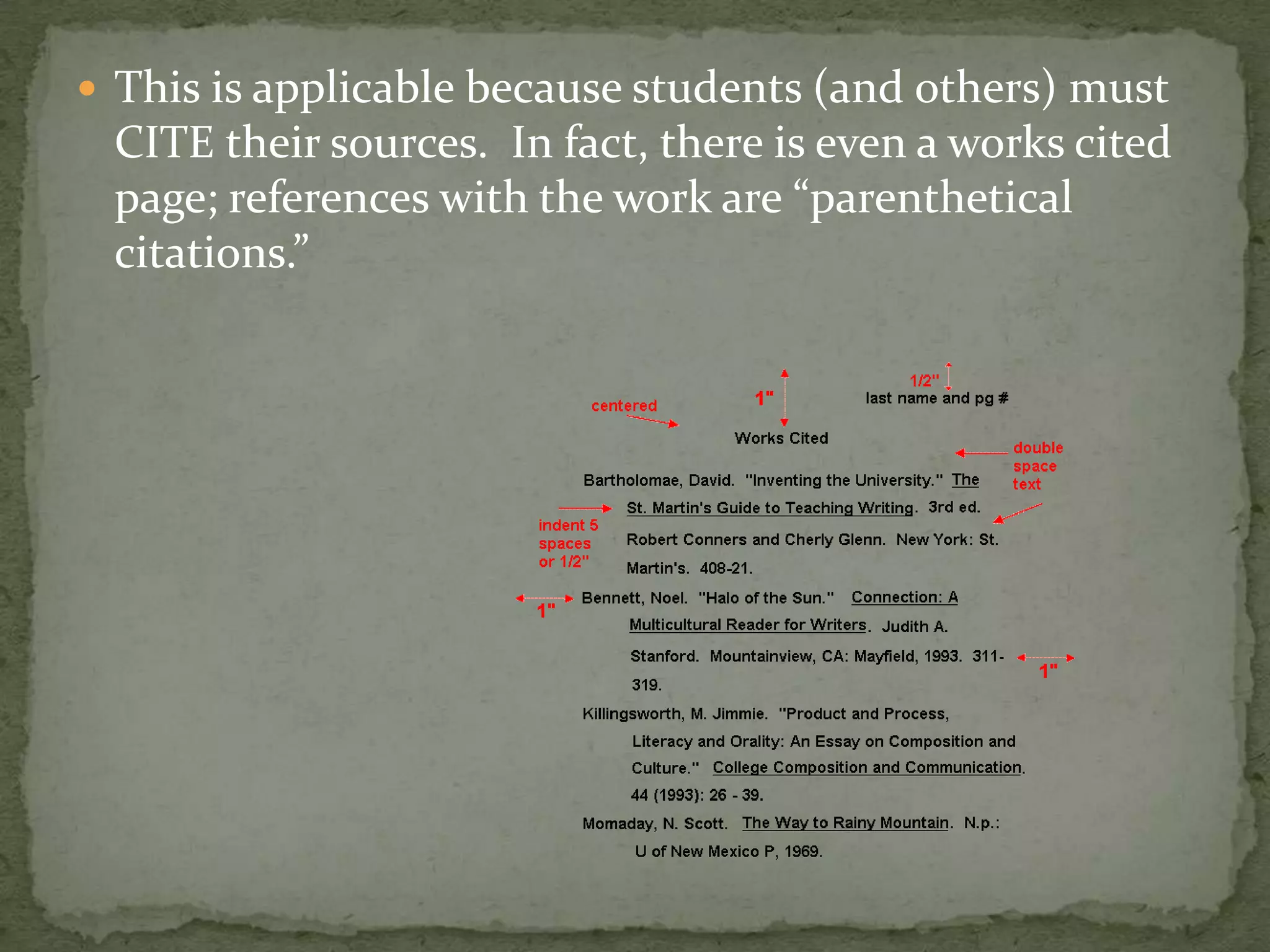
 This is applicable because students (and others) must
 CITE their sources. In fact, there is even a works cited
 page; references with the work are “parenthetical
 citations.”
 The first “s” version of the homophone has an entirely
  different meaning, but the spelling is similar.
 A site is the position or location of a town, building, or
  other edifices.
 It can also be the area or exact plot of ground on which
  anything is, has been, or is to be located.
 And, of course, everyone knows what a web site is!
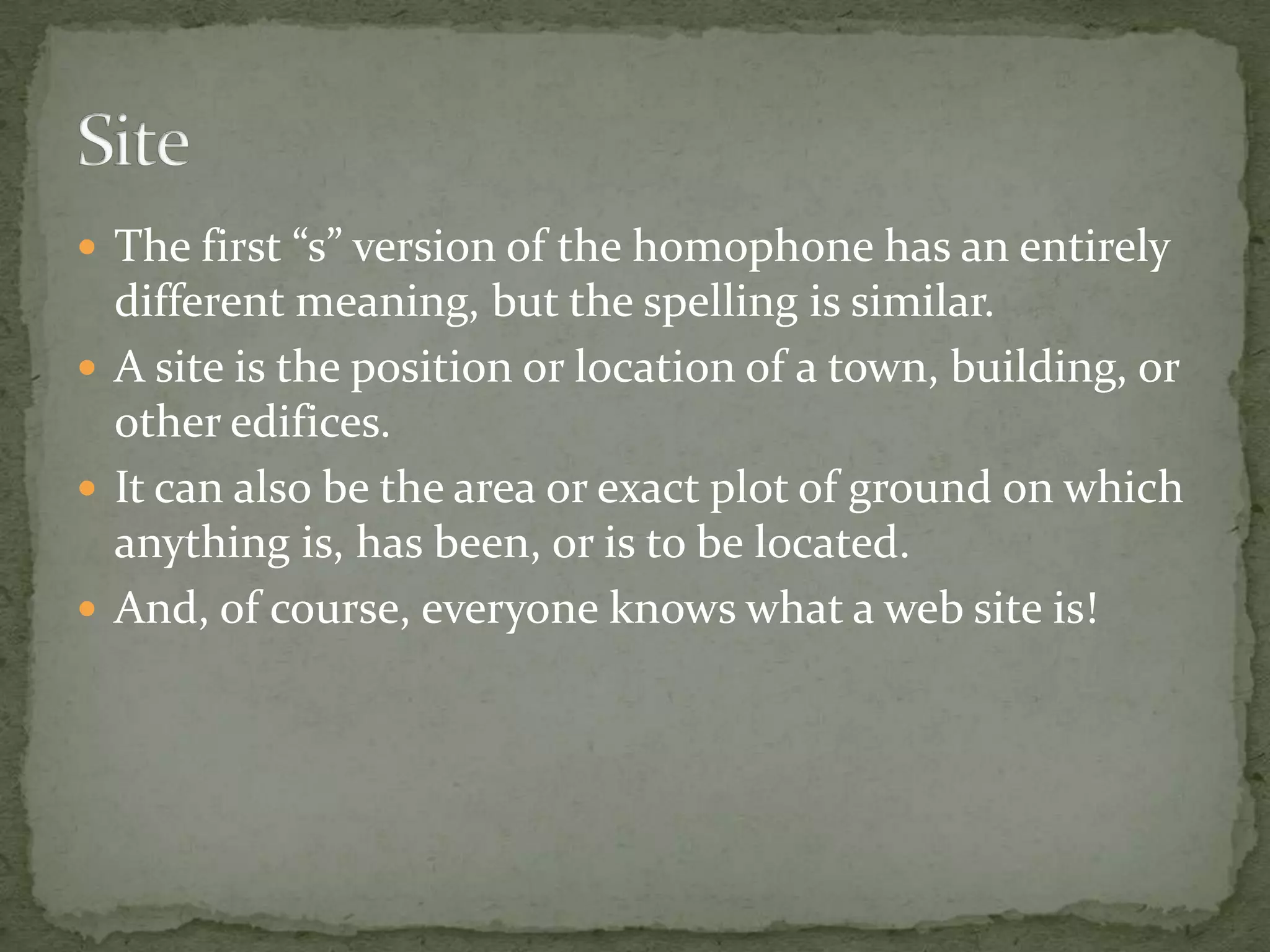
The location of this place is a “dam site.”


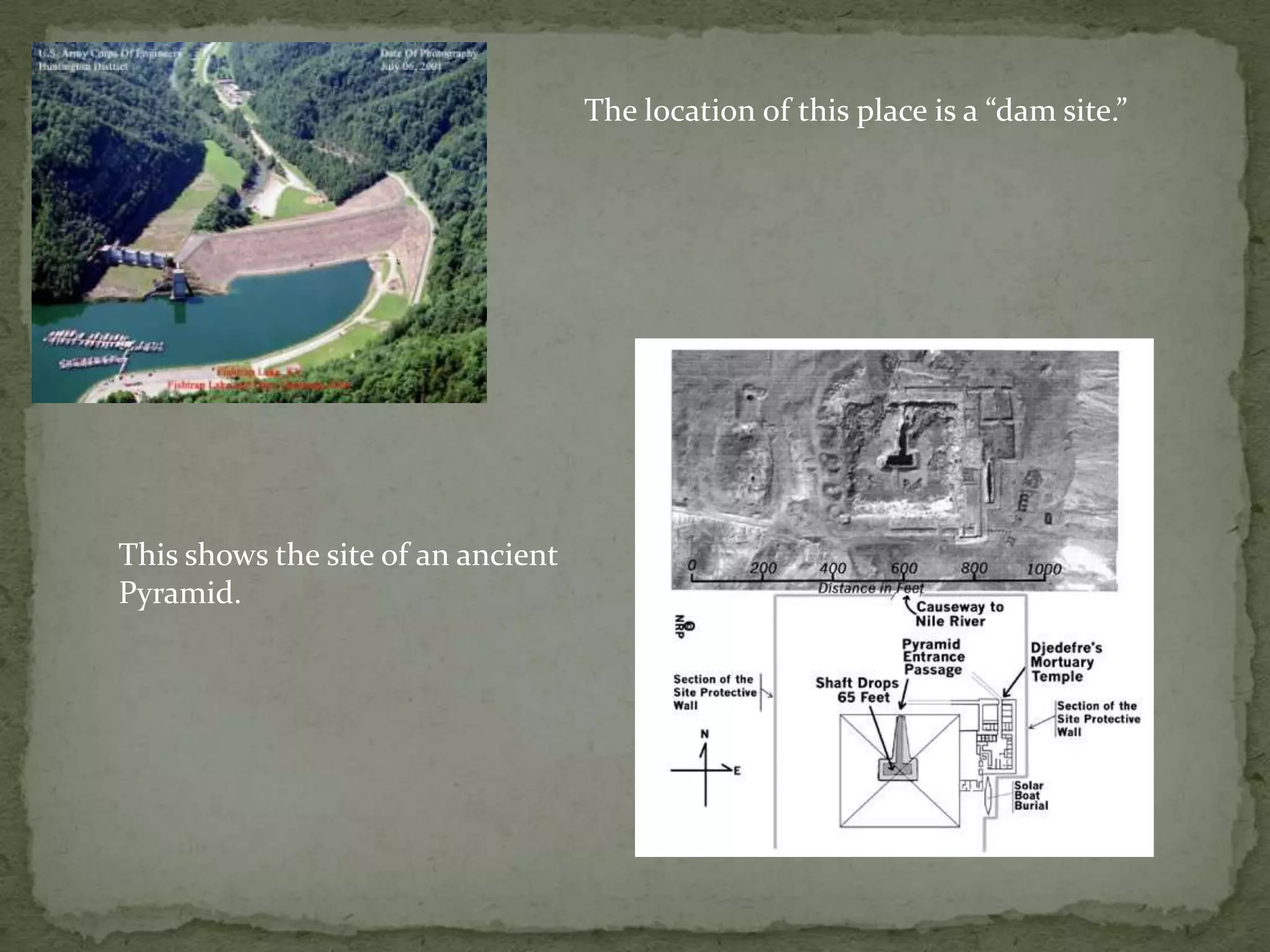
This shows the site of an ancient
Pyramid.
 I am not going to continue with “sight,” but this short
  example should help with making your project.

Cite, site, and_sight

  • 1.
    How to getthem Right!
  • 2.
     The Englishlanguage has many homophones (words that sound alike but are spelled differently and have different meanings) that can confuse the uninformed.  In order to lessen the confusion, we need to distinguish between these words and be able to recognize what they mean by how they are spelled.
  • 3.
     Three wordsthat sound alike but have different meanings and are spelled differently are cite, site, and sight.  If you confuse these words, the meaning of your statement or question can be grossly misconstrued!
  • 4.
     According todictionary.com, this version of the homophone has several definitions, but the one most applicable in English classes might be: 2. to mention in support, proof, or confirmation; refer to as an example: He cited many instances of abuse of power.
  • 5.
     This isapplicable because students (and others) must CITE their sources. In fact, there is even a works cited page; references with the work are “parenthetical citations.”
  • 6.
     The first“s” version of the homophone has an entirely different meaning, but the spelling is similar.  A site is the position or location of a town, building, or other edifices.  It can also be the area or exact plot of ground on which anything is, has been, or is to be located.  And, of course, everyone knows what a web site is!
  • 7.
    The location ofthis place is a “dam site.” This shows the site of an ancient Pyramid.
  • 8.
     I amnot going to continue with “sight,” but this short example should help with making your project.