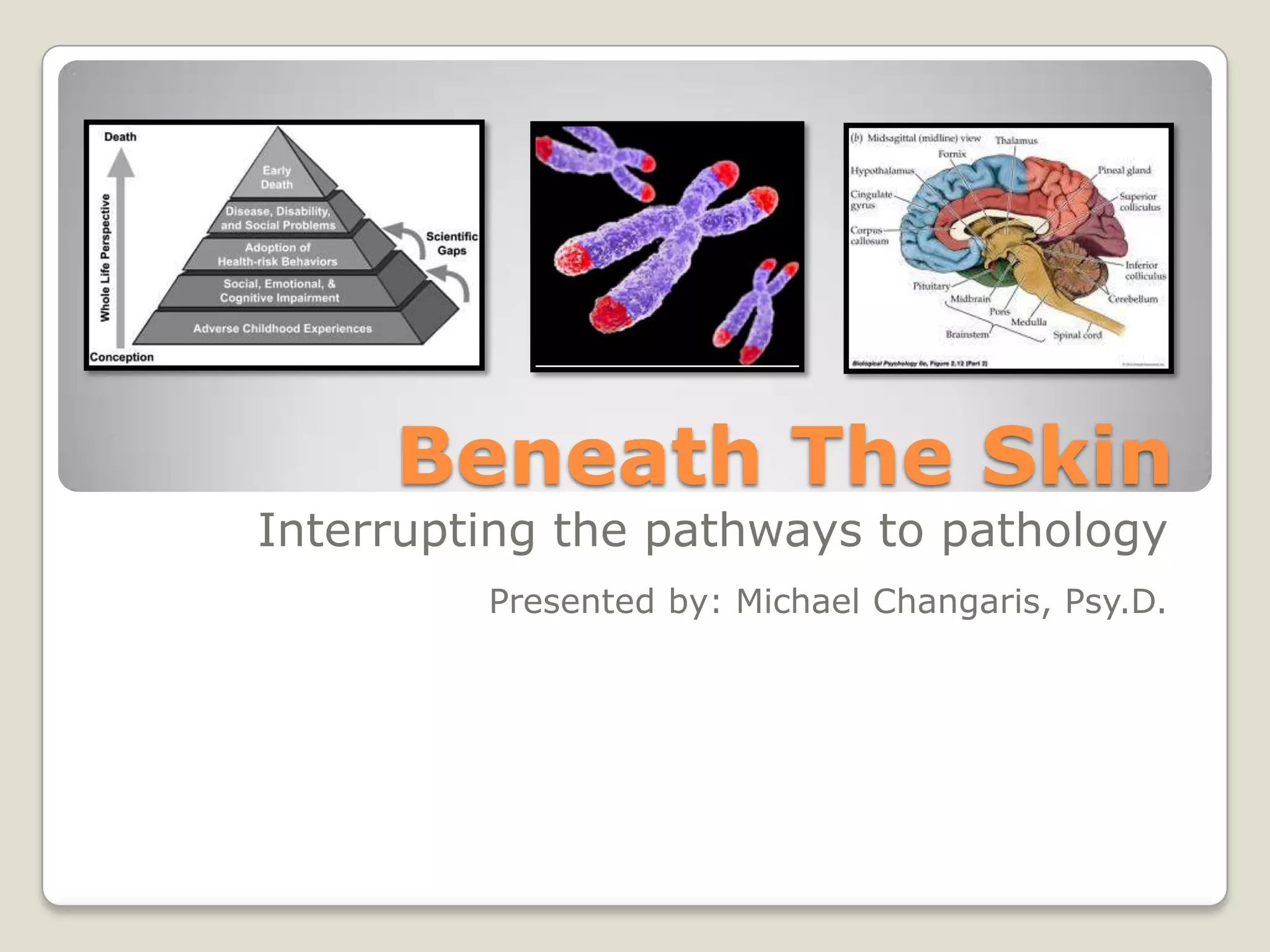



Beneath The Skin
Interrupting the pathways to pathology
Presented by: Michael Changaris, Psy.D.
Goals for today
 Understand current research on childhood adversity
and resilience in health.
 Know the common
pathways that lead
from childhood
adversity to pathology.
 Recognize some biological
markers that lead to
childhood adversity
transitioning disease and
early death.
 Begin to develop clinical tools to address impacts of
childhood adversity in our patients.
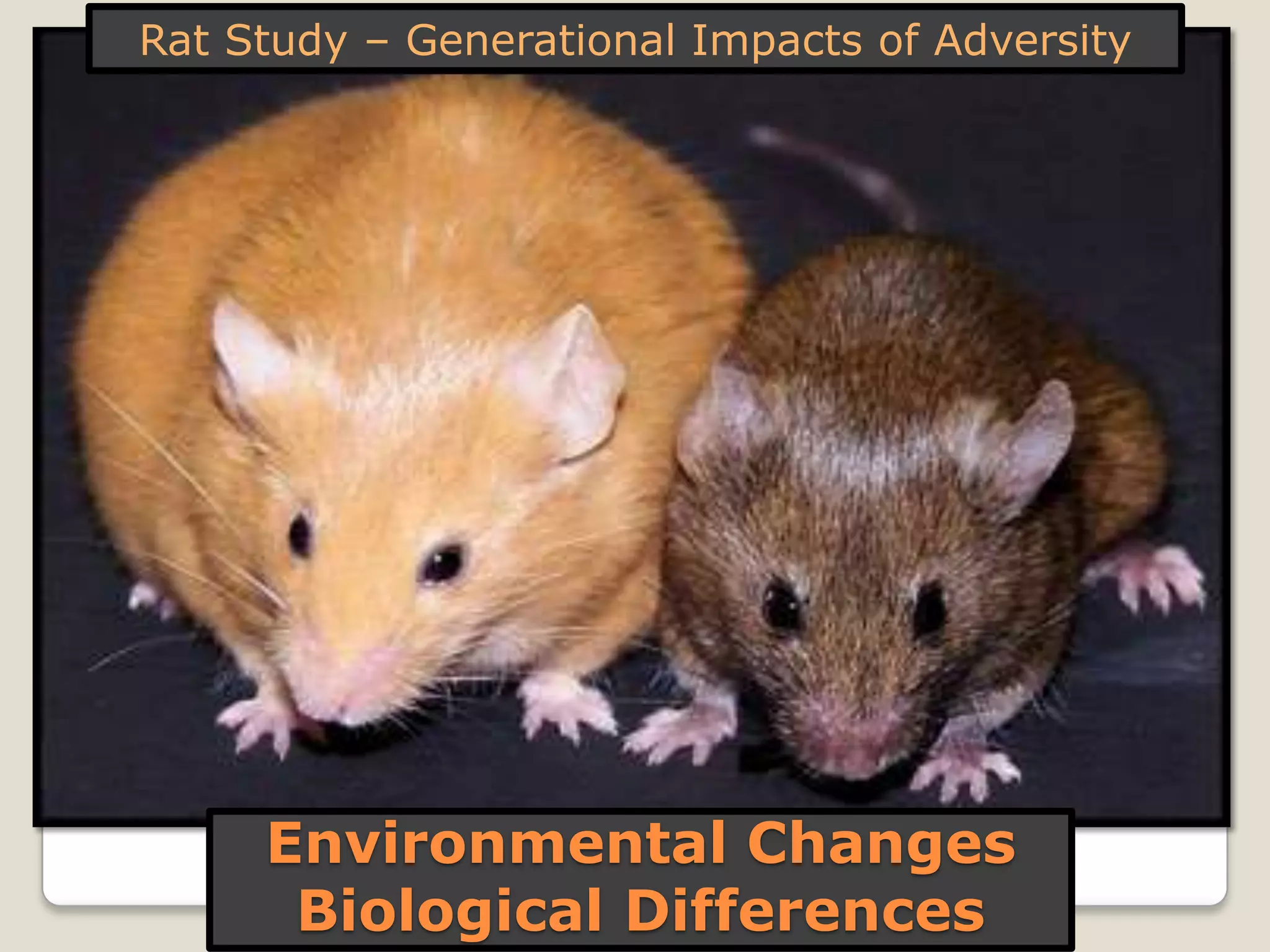
Environmental Changes
Biological Differences
Rat Study – Generational Impacts of Adversity
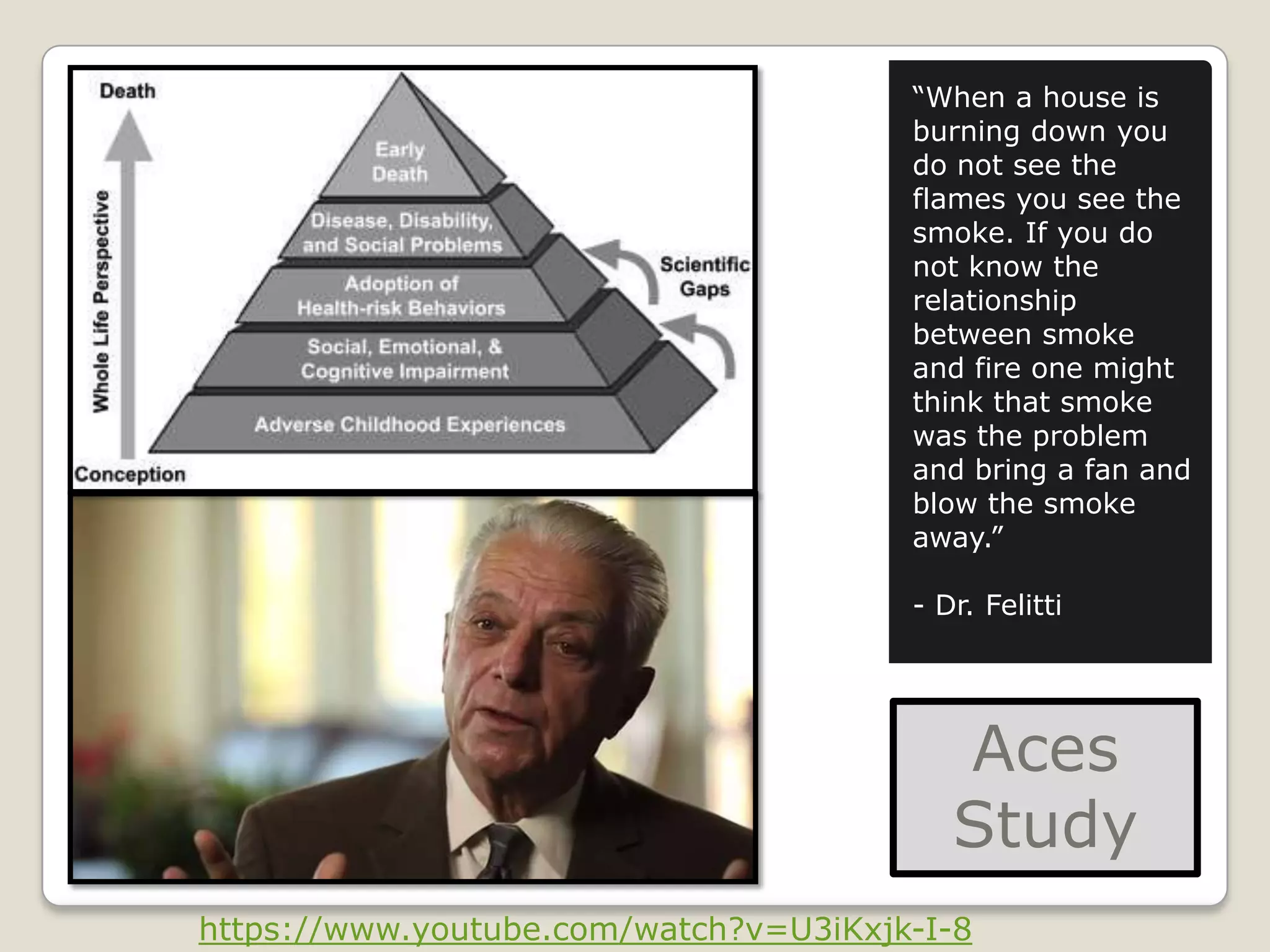
Aces
Study
“When a house is
burning down you
do not see the
flames you see the
smoke. If you do
not know the
relationship
between smoke
and fire one might
think that smoke
was the problem
and bring a fan and
blow the smoke
away.”
- Dr. Felitti
https://www.youtube.com/watch?v=U3iKxjk-I-8
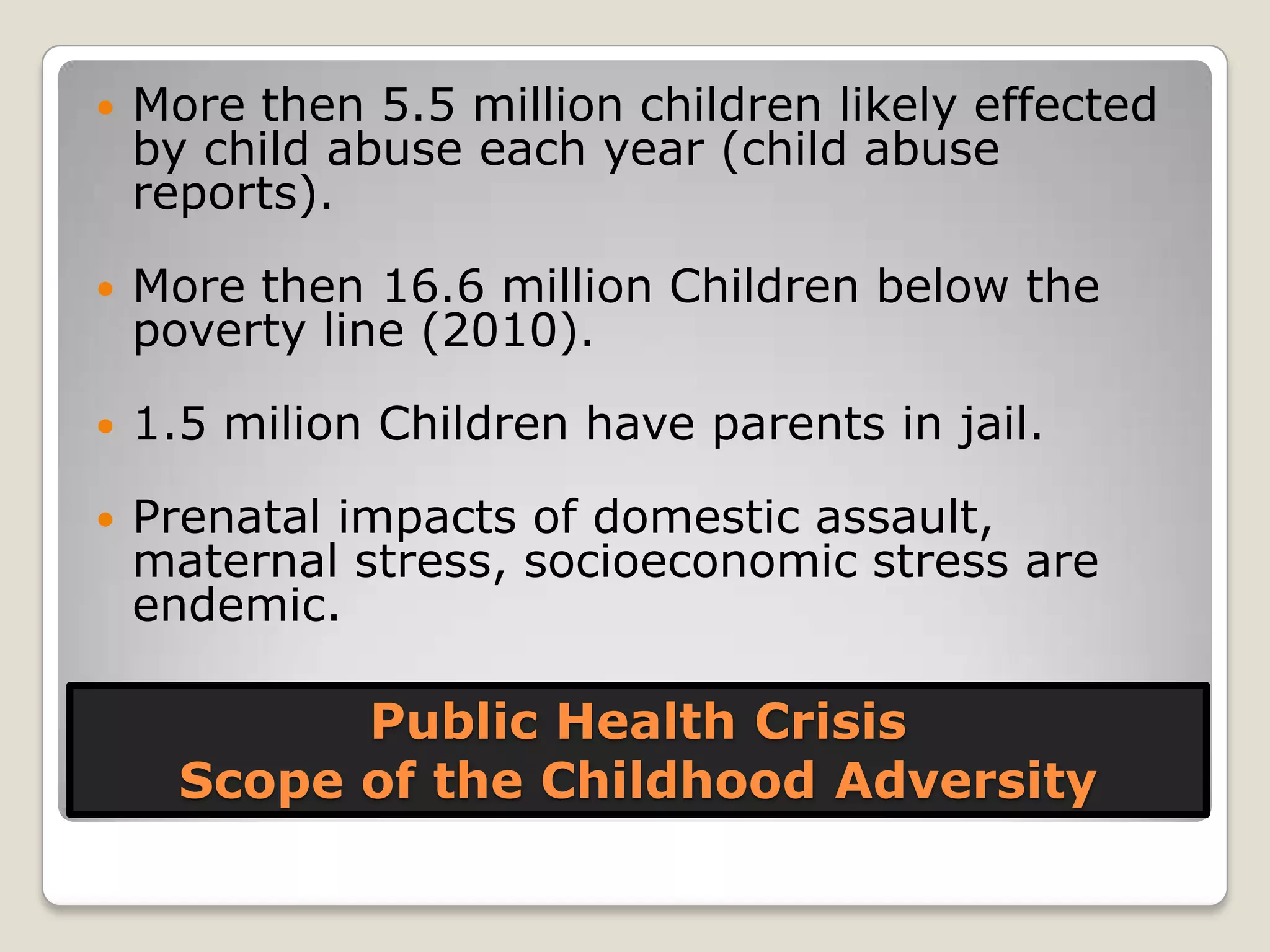
Public Health Crisis
Scope of the Childhood Adversity
 More then 5.5 million children likely effected
by child abuse each year (child abuse
reports).
 More then 16.6 million Children below the
poverty line (2010).
 1.5 milion Children have parents in jail.
 Prenatal impacts of domestic assault,
maternal stress, socioeconomic stress are
endemic.
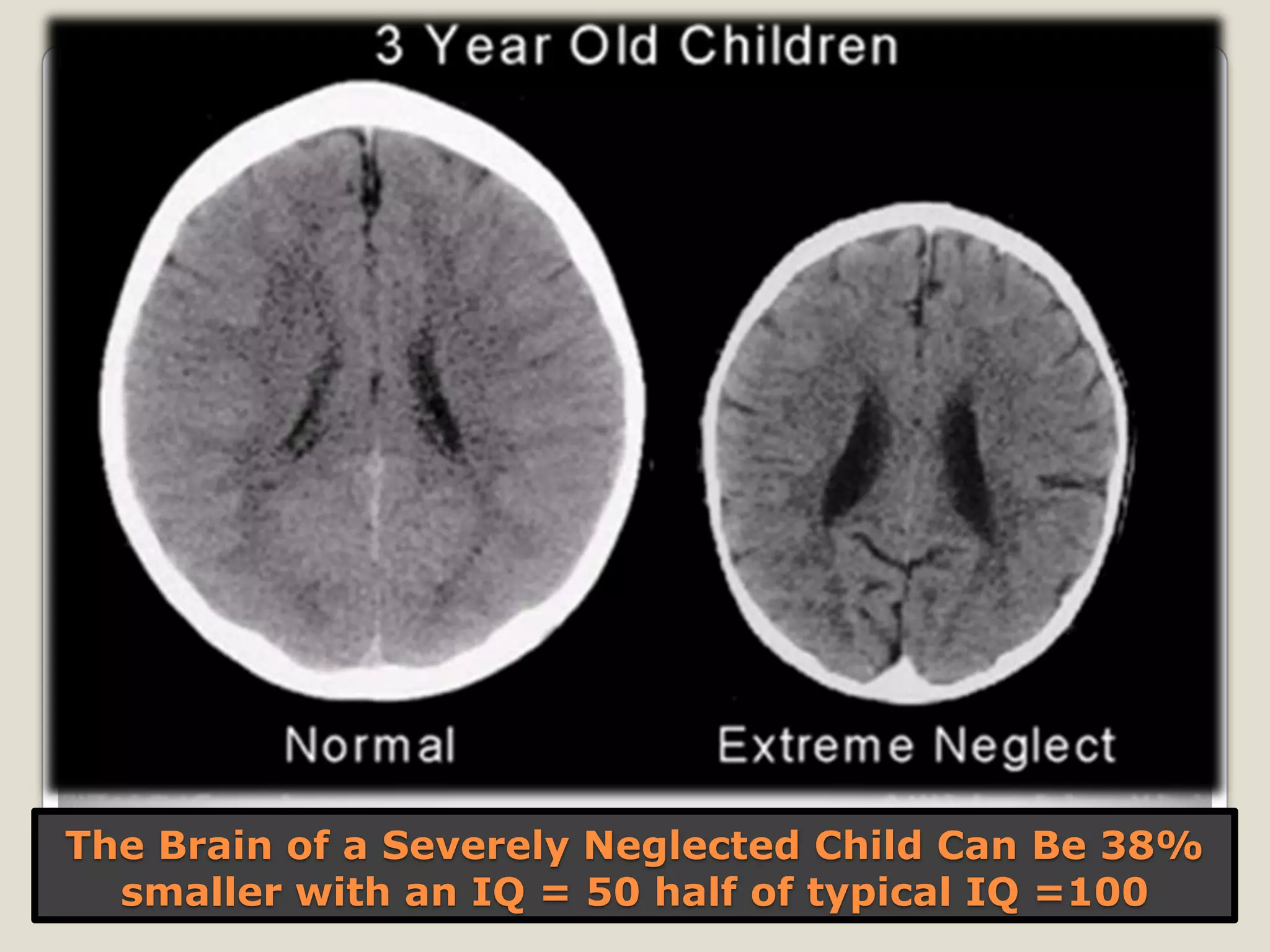
The Brain of a Severely Neglected Child Can Be 38%
smaller with an IQ = 50 half of typical IQ =100
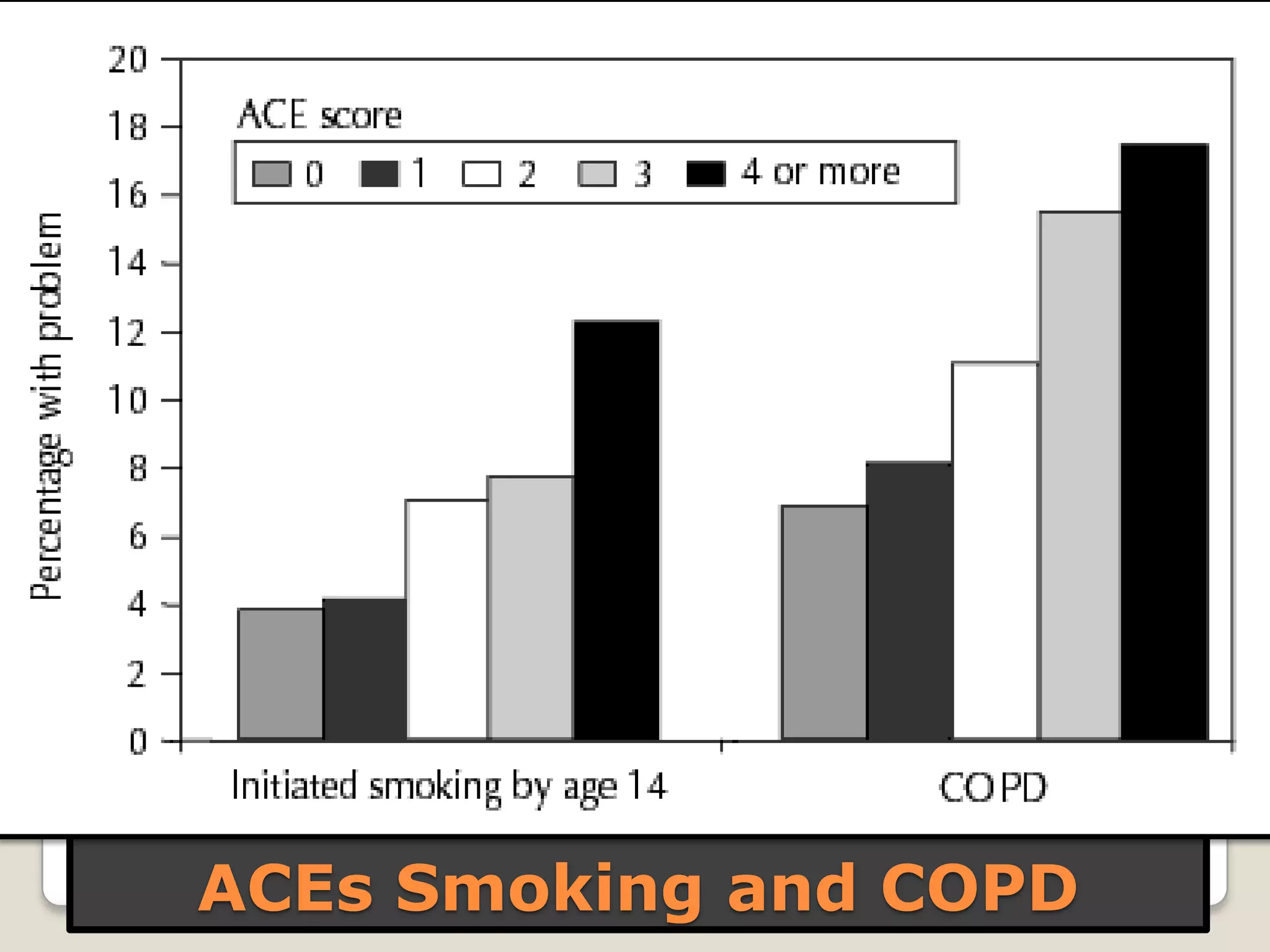
ACEs Smoking and COPD
Aces and Autoimmunity
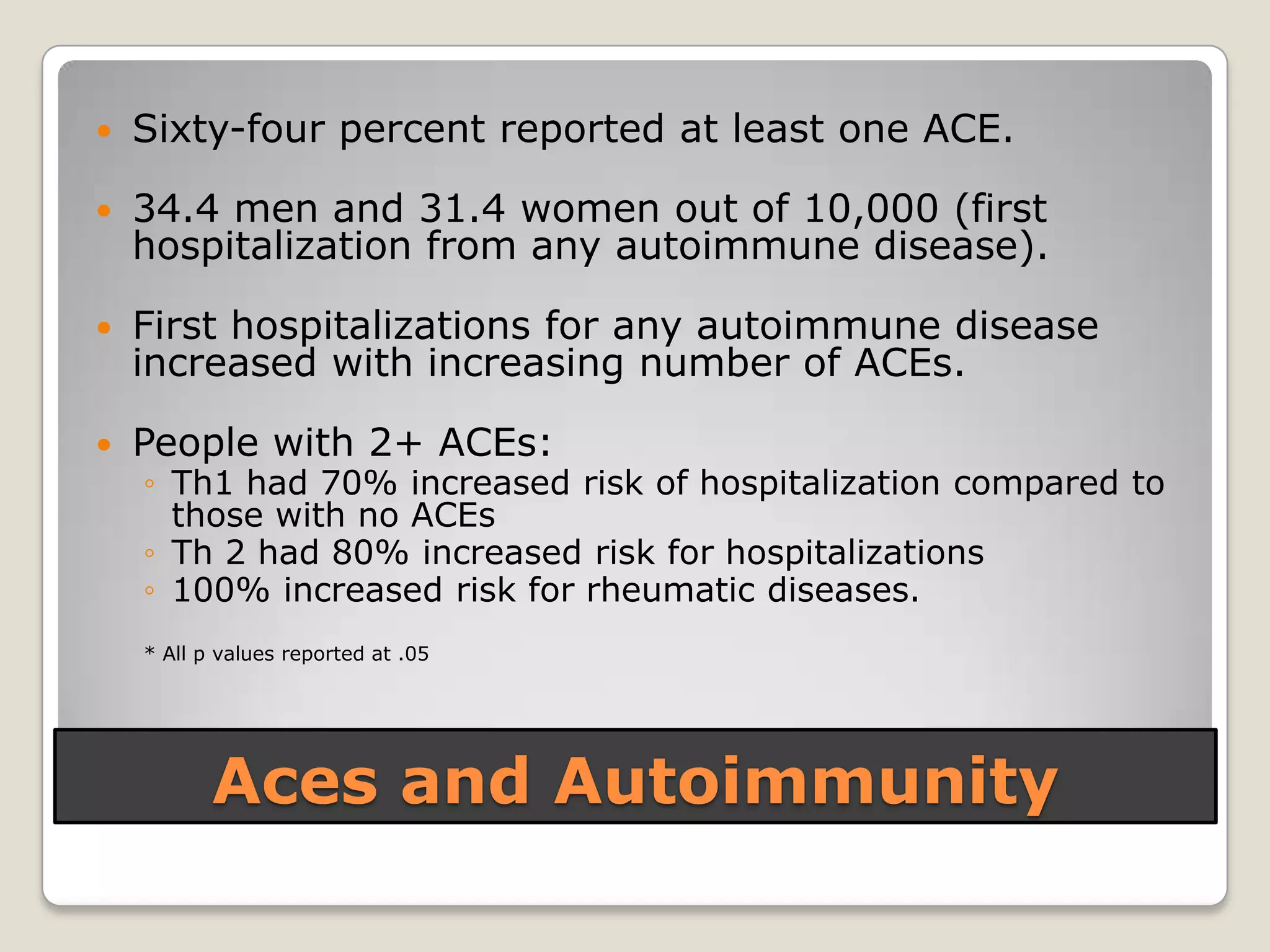
 Sixty-four percent reported at least one ACE.
 34.4 men and 31.4 women out of 10,000 (first
hospitalization from any autoimmune disease).
 First hospitalizations for any autoimmune disease
increased with increasing number of ACEs.
 People with 2+ ACEs:
◦ Th1 had 70% increased risk of hospitalization compared to
those with no ACEs
◦ Th 2 had 80% increased risk for hospitalizations
◦ 100% increased risk for rheumatic diseases.
* All p values reported at .05
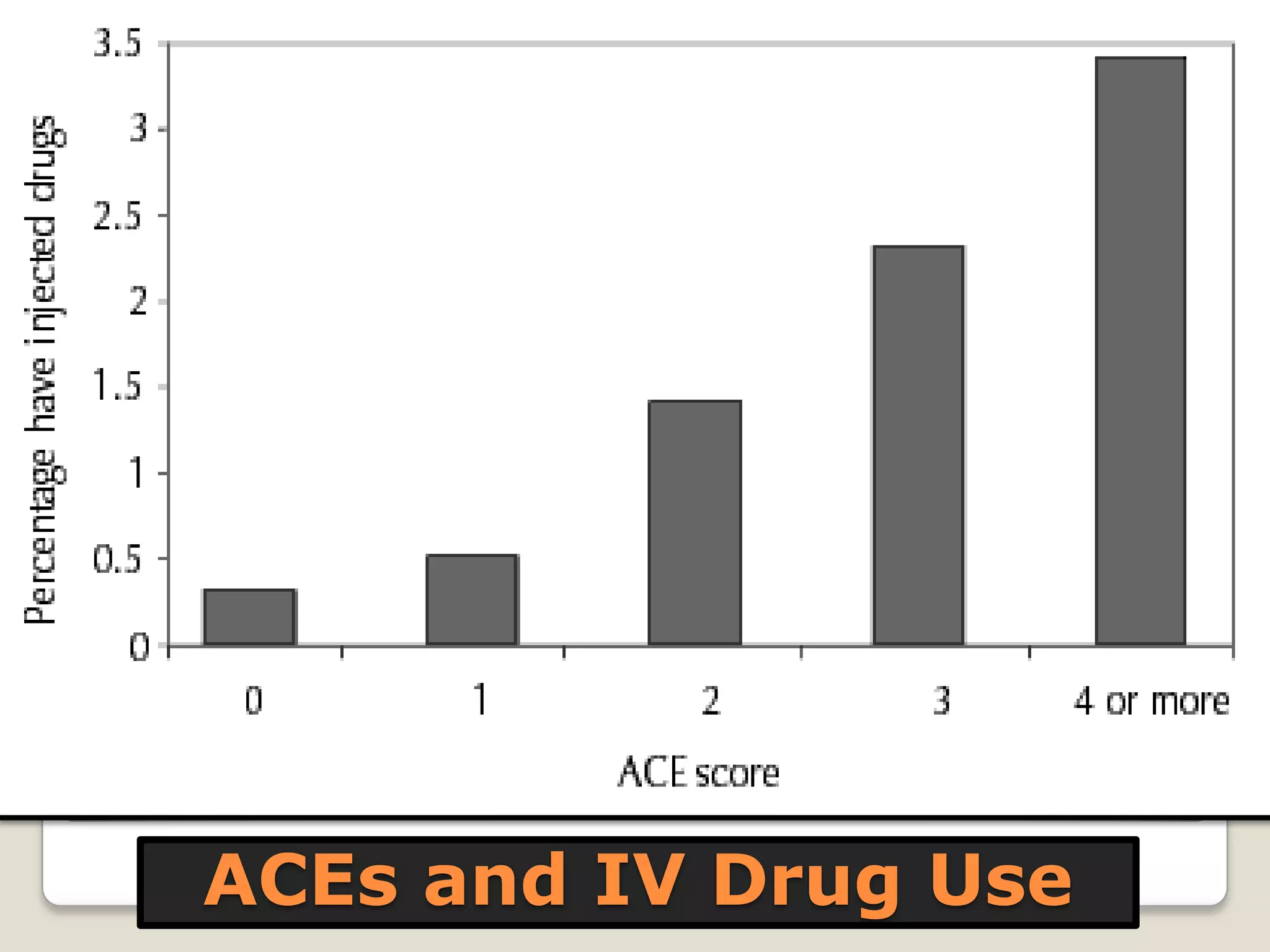
ACEs and IV Drug Use
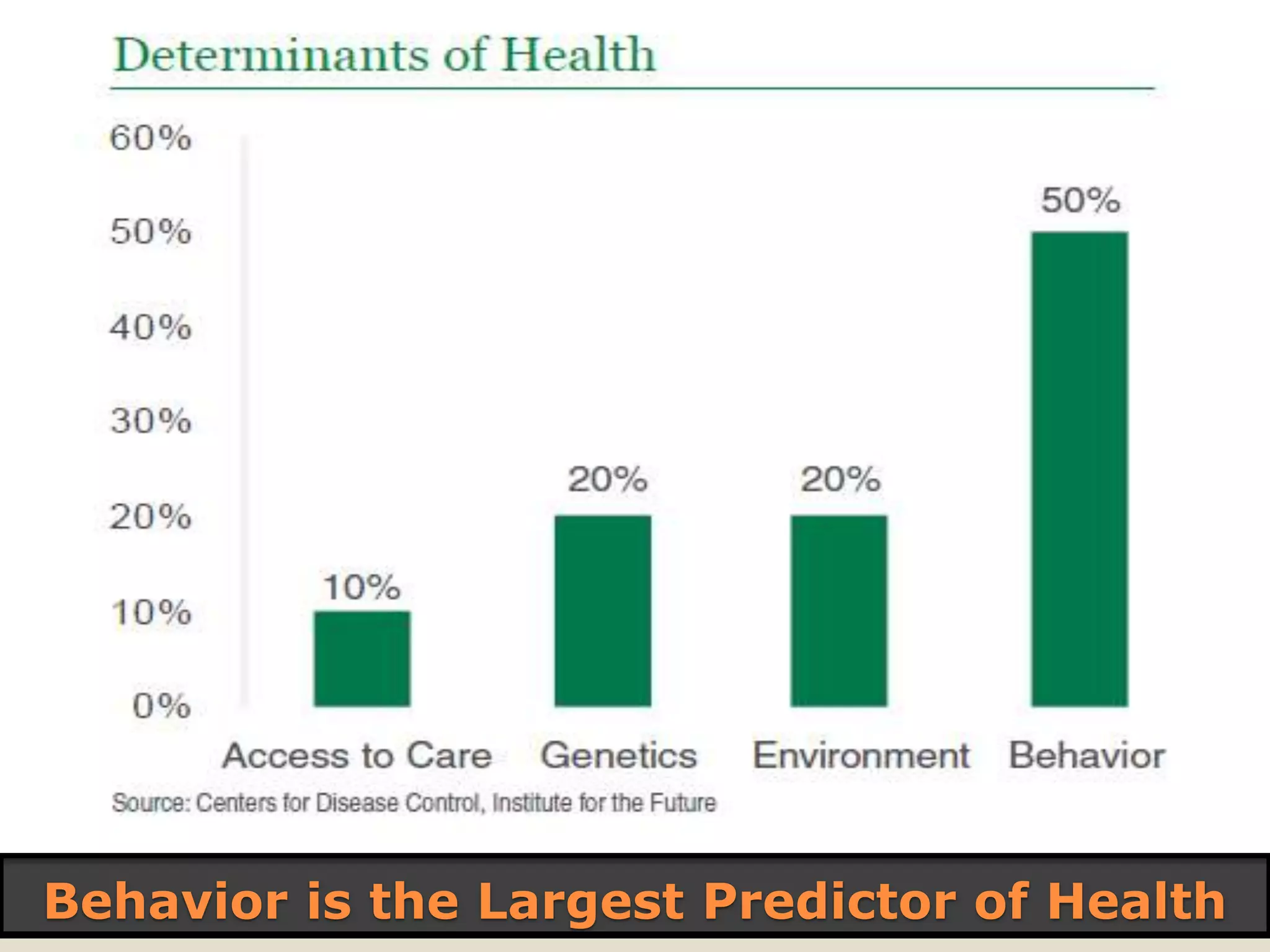
Behavior is the Largest Predictor of Health
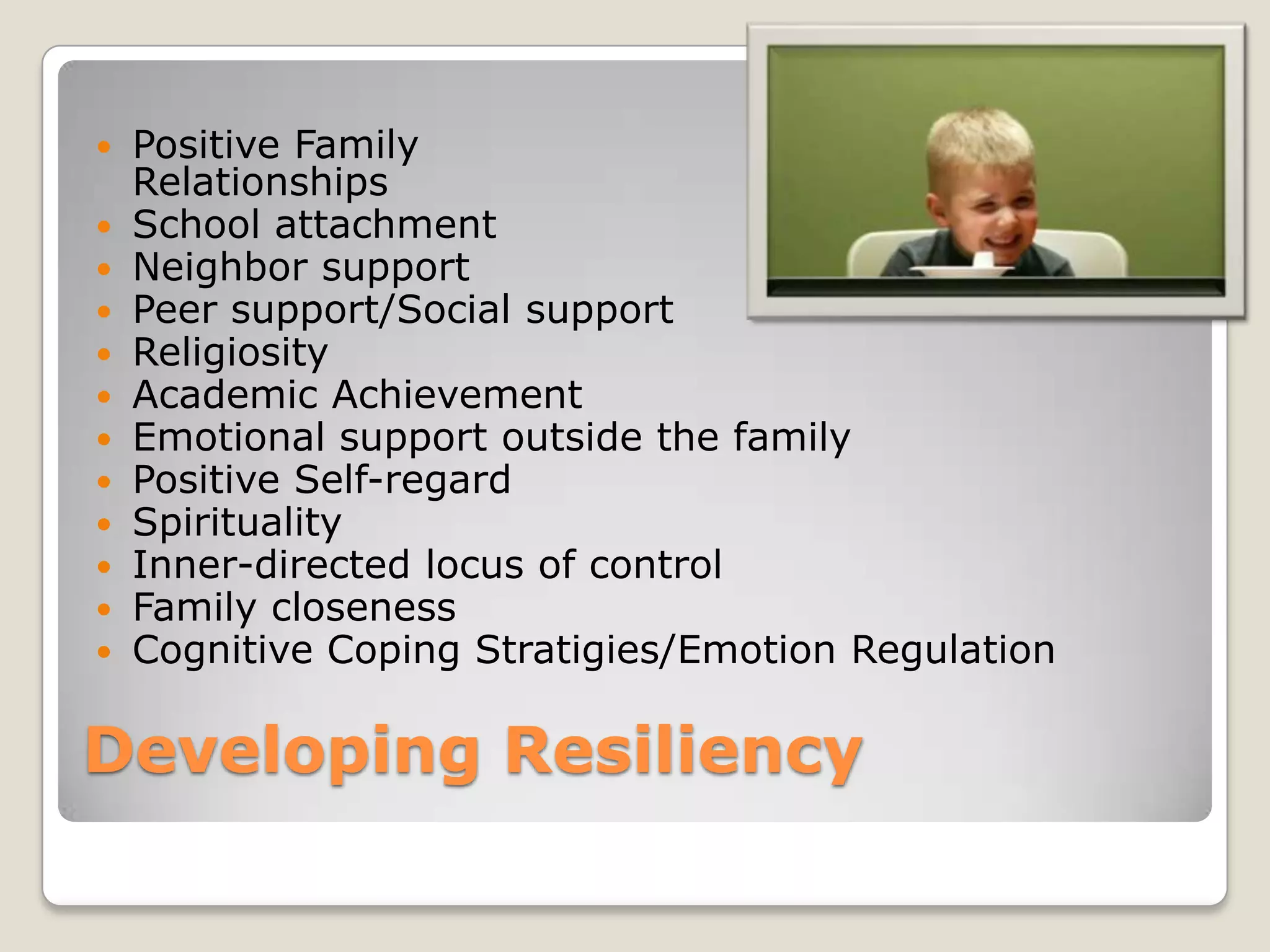
Developing Resiliency
 Positive Family
Relationships
 School attachment
 Neighbor support
 Peer support/Social support
 Religiosity
 Academic Achievement
 Emotional support outside the family
 Positive Self-regard
 Spirituality
 Inner-directed locus of control
 Family closeness
 Cognitive Coping Stratigies/Emotion Regulation
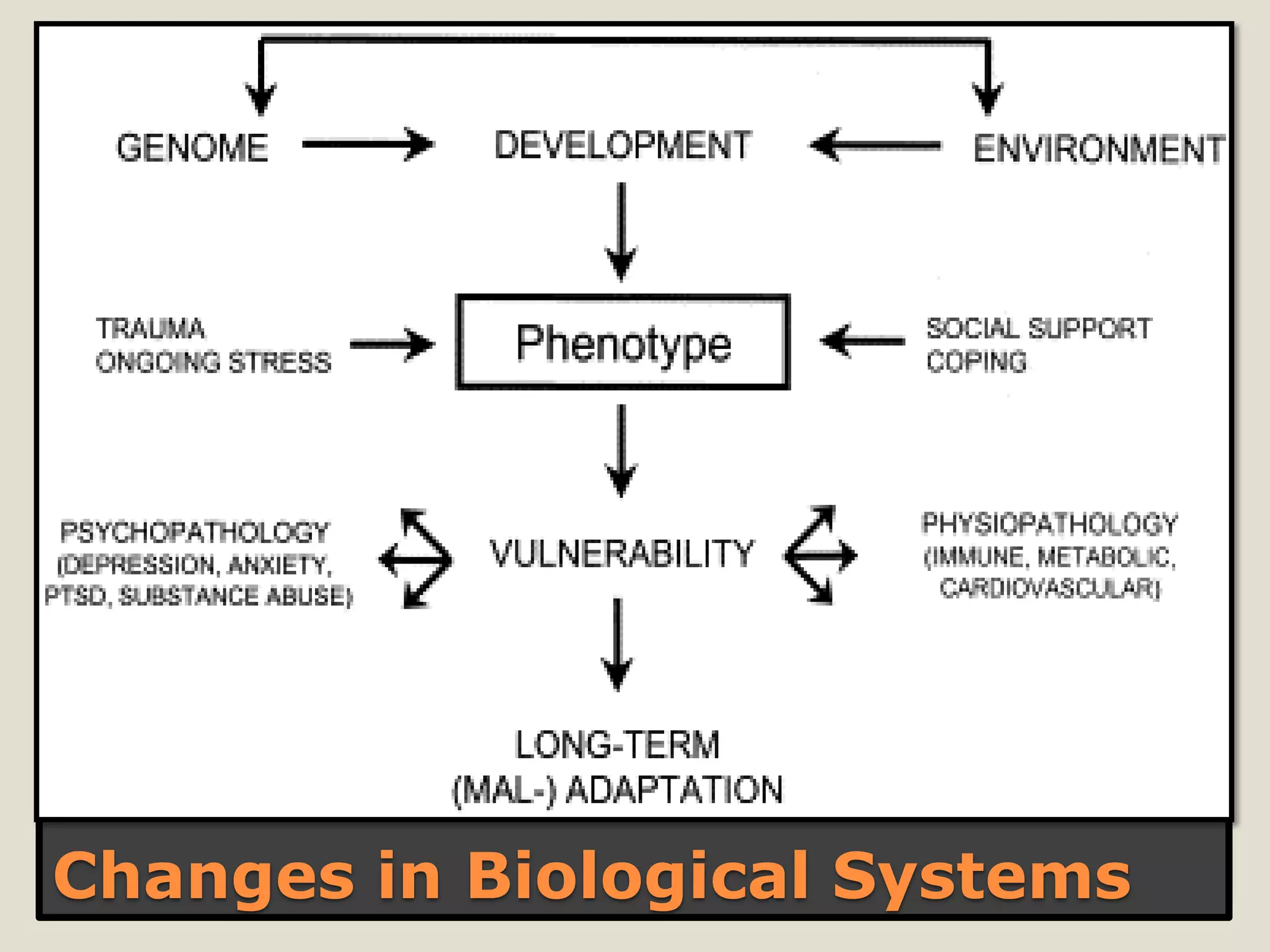
Pathways – Adversity to Pathology
Behavior, Social Functioning and Biochemical Changes
The Pathways to Pathology
3 Key Factors
1. Difficulty w/ Behavioral
Regulation Leading to Adverse
Health Behaviors.
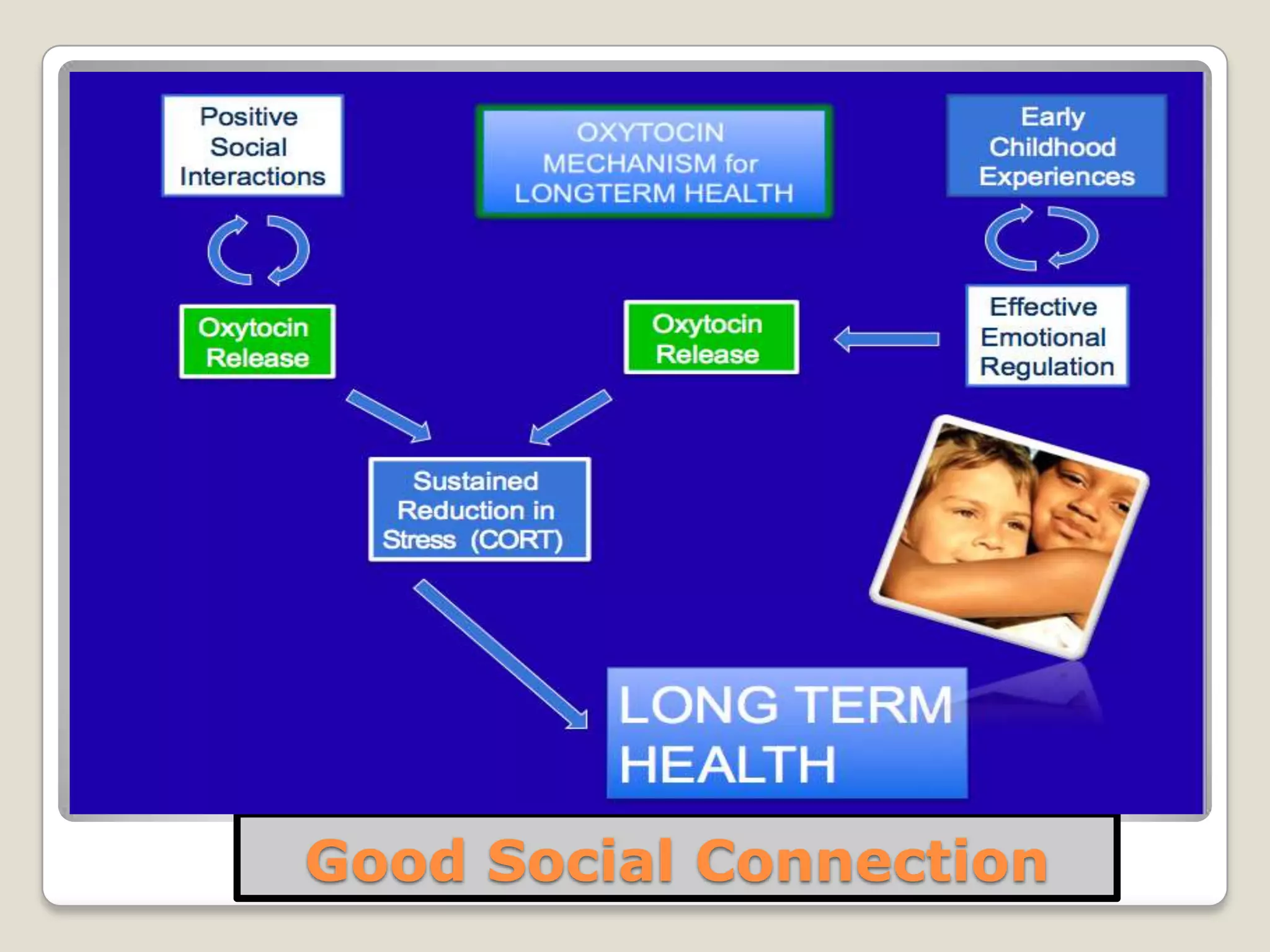
2. Poor Social Support
3. Changes in Biological Systems
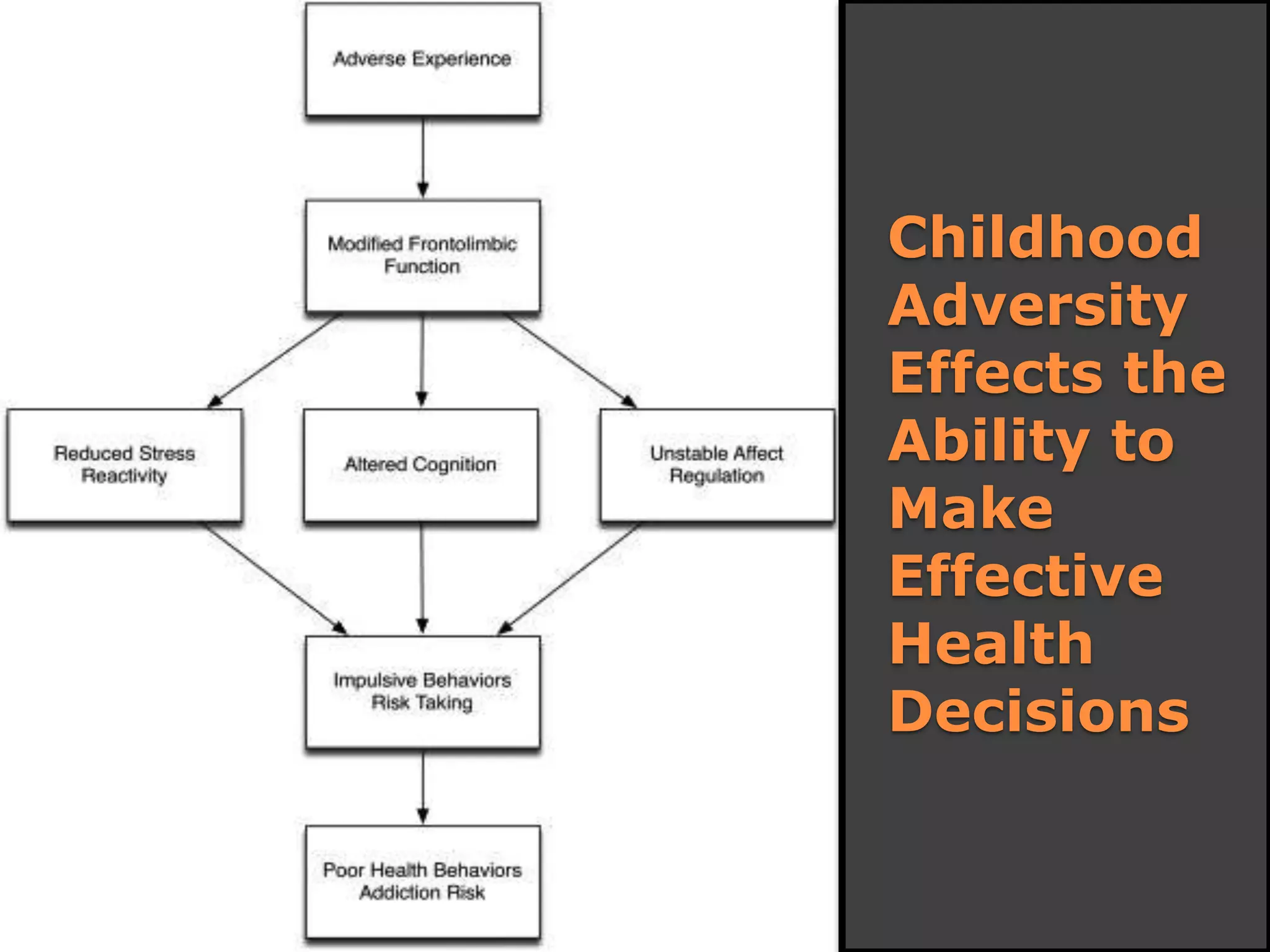
Childhood
Adversity
Effects the
Ability to
Make
Effective
Health
Decisions
Changes in Biological Systems
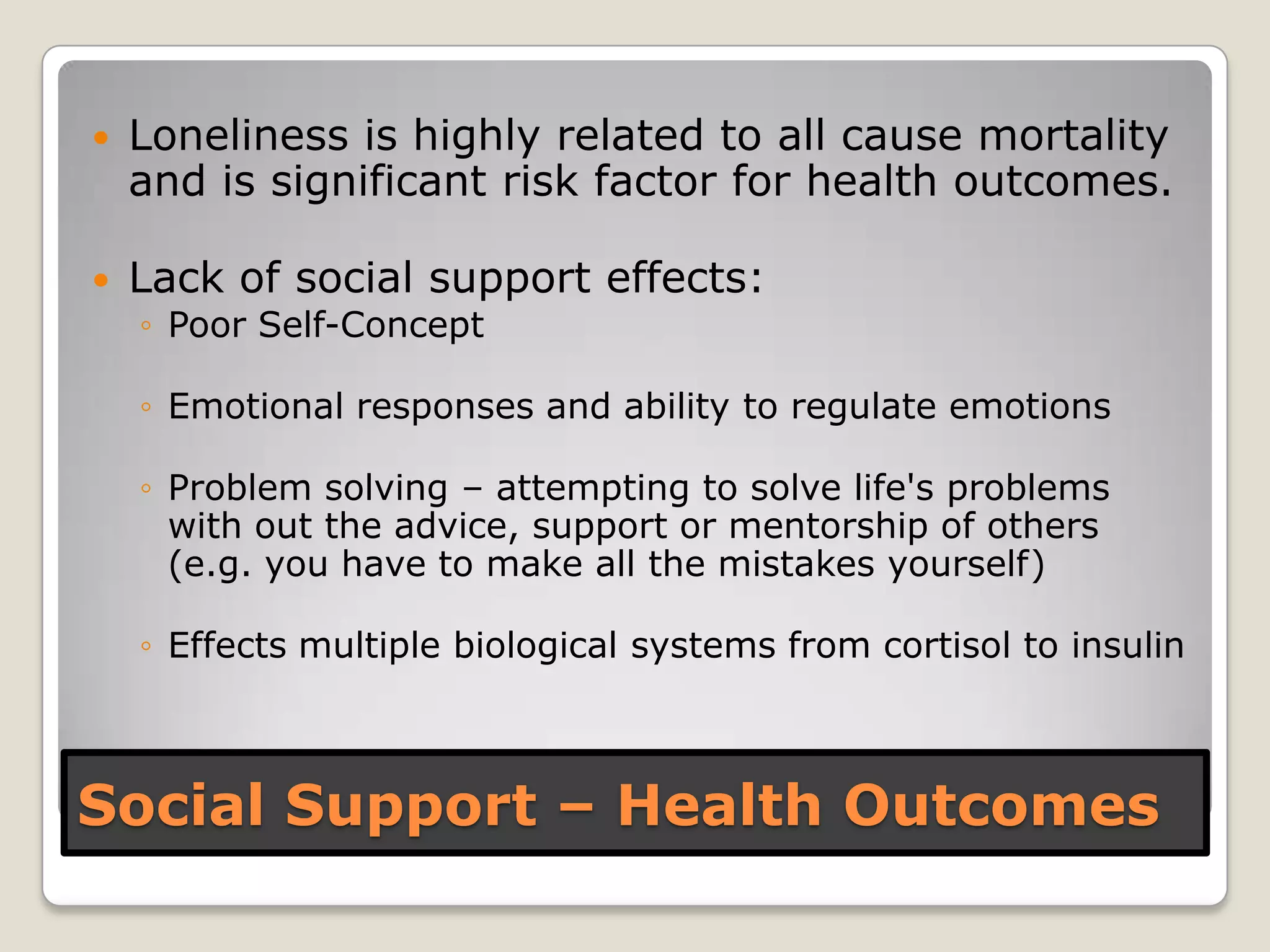
Social Support – Health Outcomes
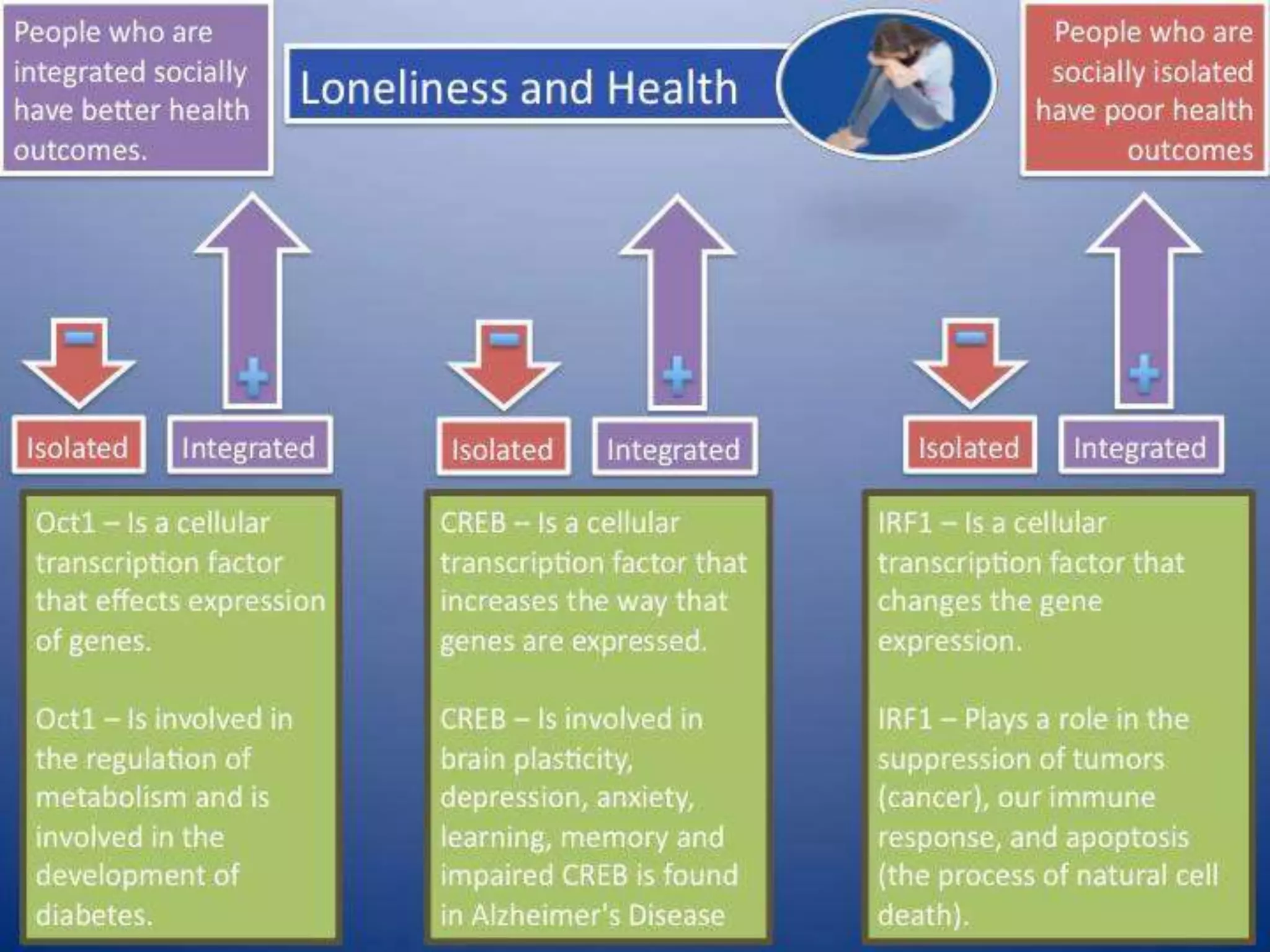
 Loneliness is highly related to all cause mortality
and is significant risk factor for health outcomes.
 Lack of social support effects:
◦ Poor Self-Concept
◦ Emotional responses and ability to regulate emotions
◦ Problem solving – attempting to solve life's problems
with out the advice, support or mentorship of others
(e.g. you have to make all the mistakes yourself)
◦ Effects multiple biological systems from cortisol to insulin
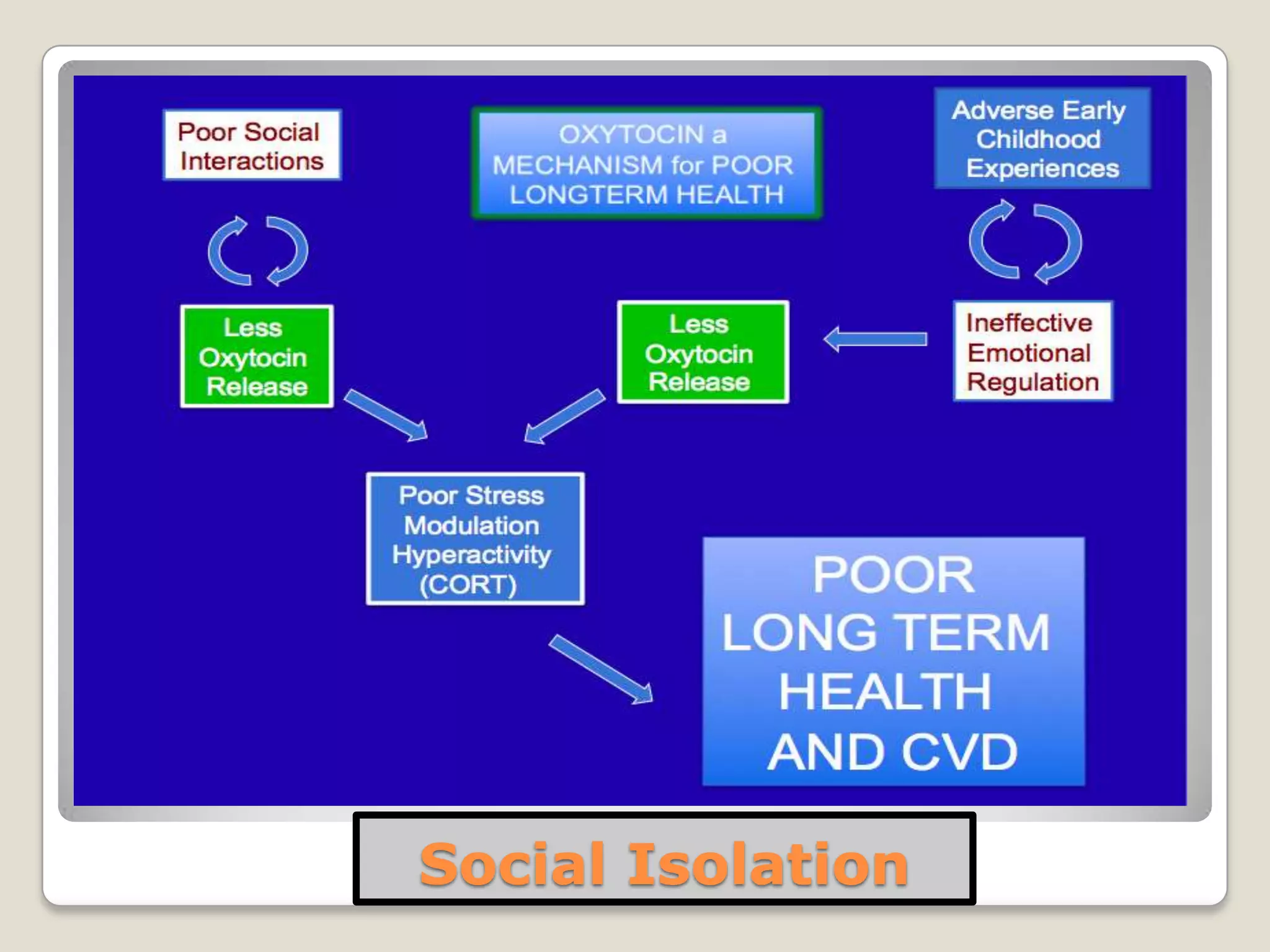
Social Isolation
Good Social Connection
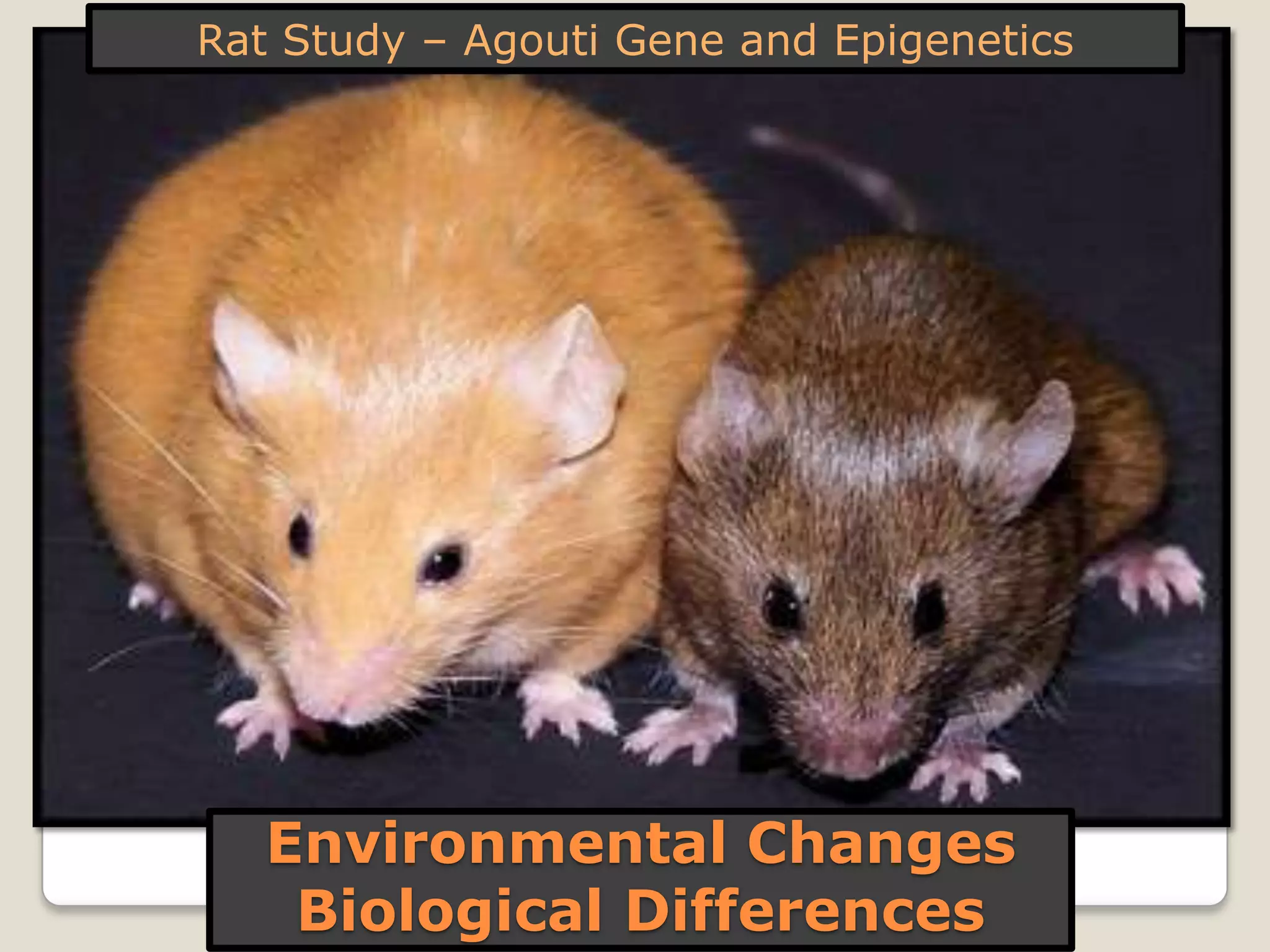
Environmental Changes
Biological Differences
Rat Study – Agouti Gene and Epigenetics
Beneath the Skin
Biology and Adversity
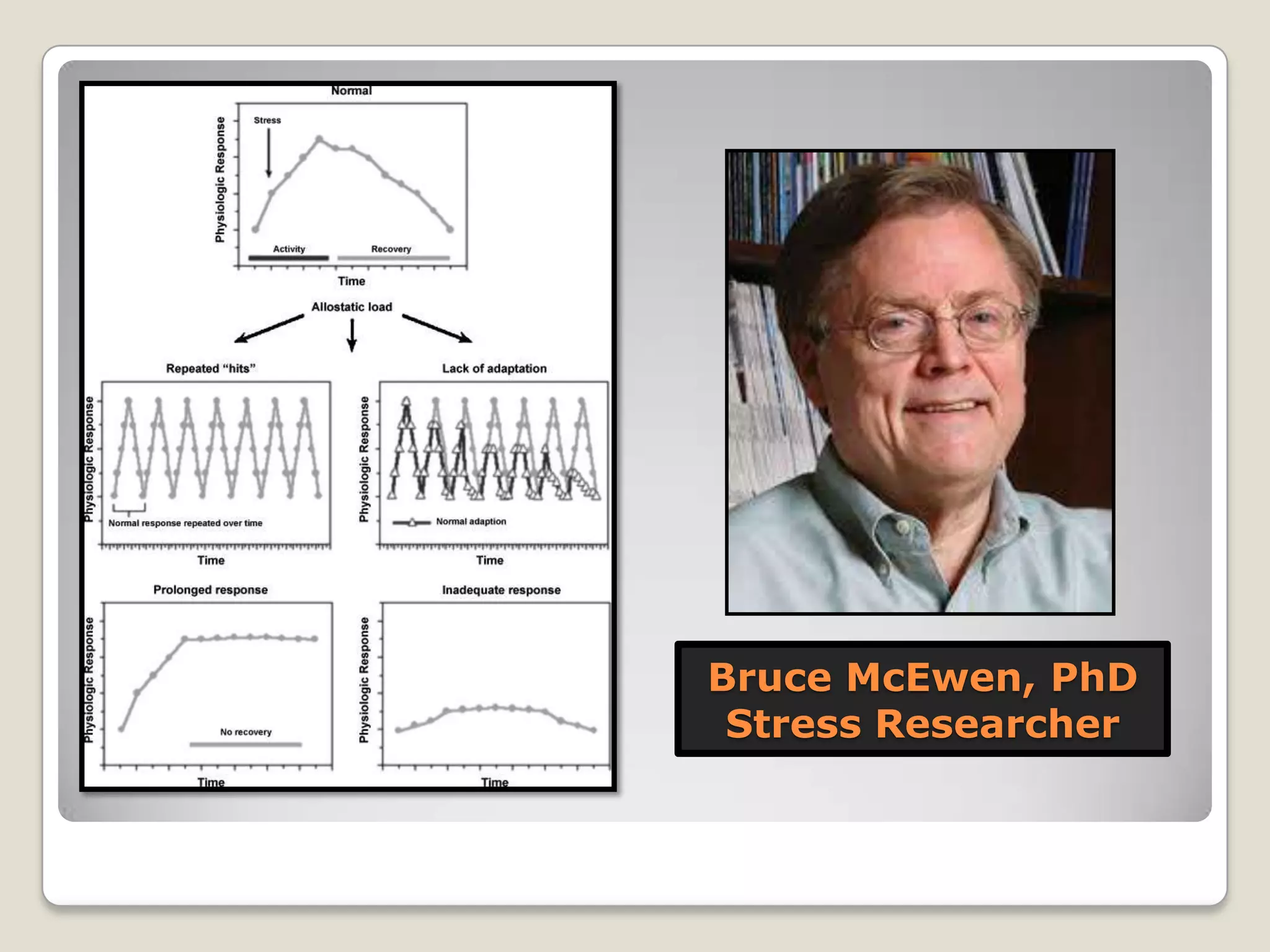
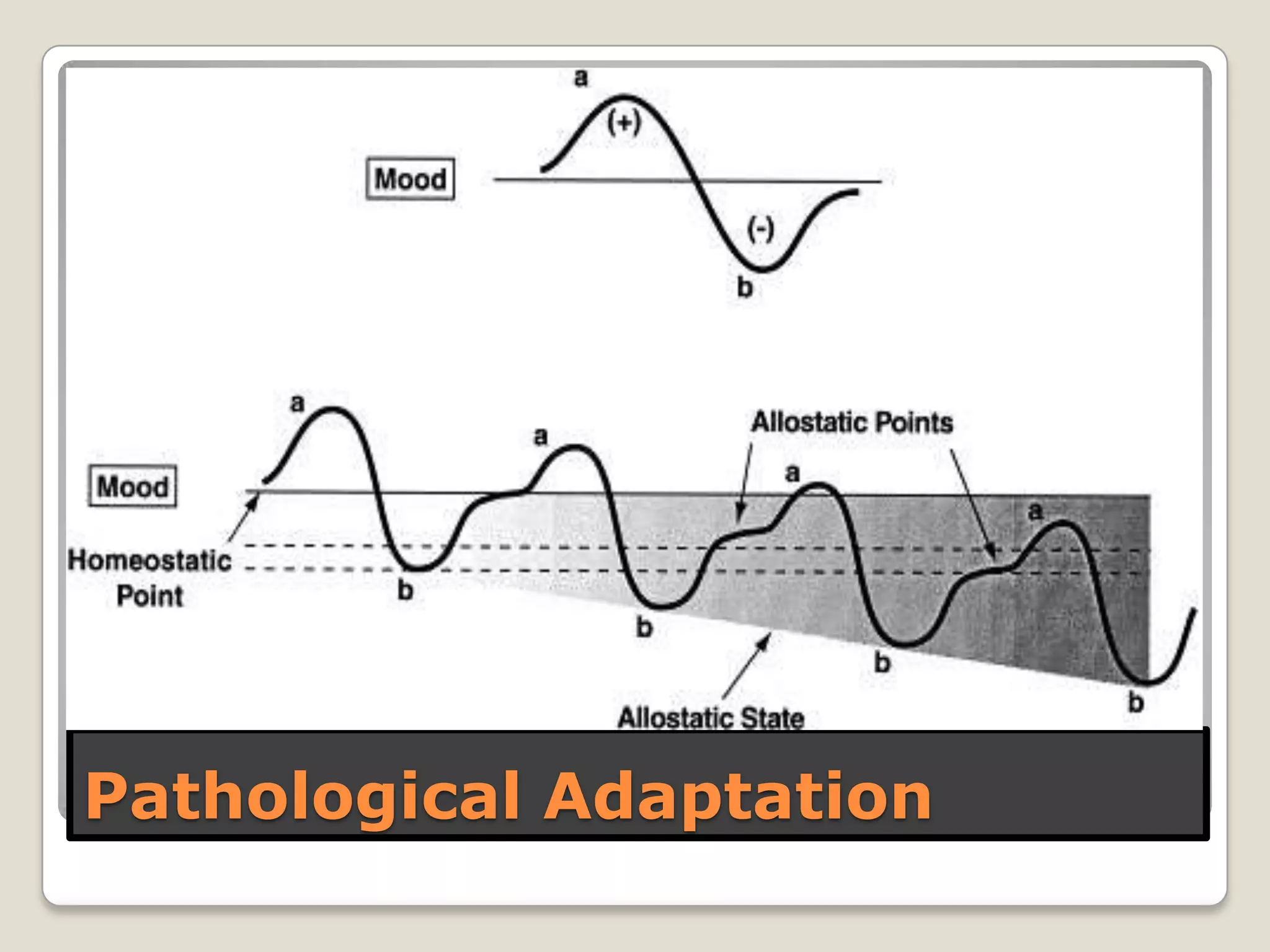
Alostatic Load…
Bruce McEwen, PhD
Stress Researcher
Pathological Adaptation
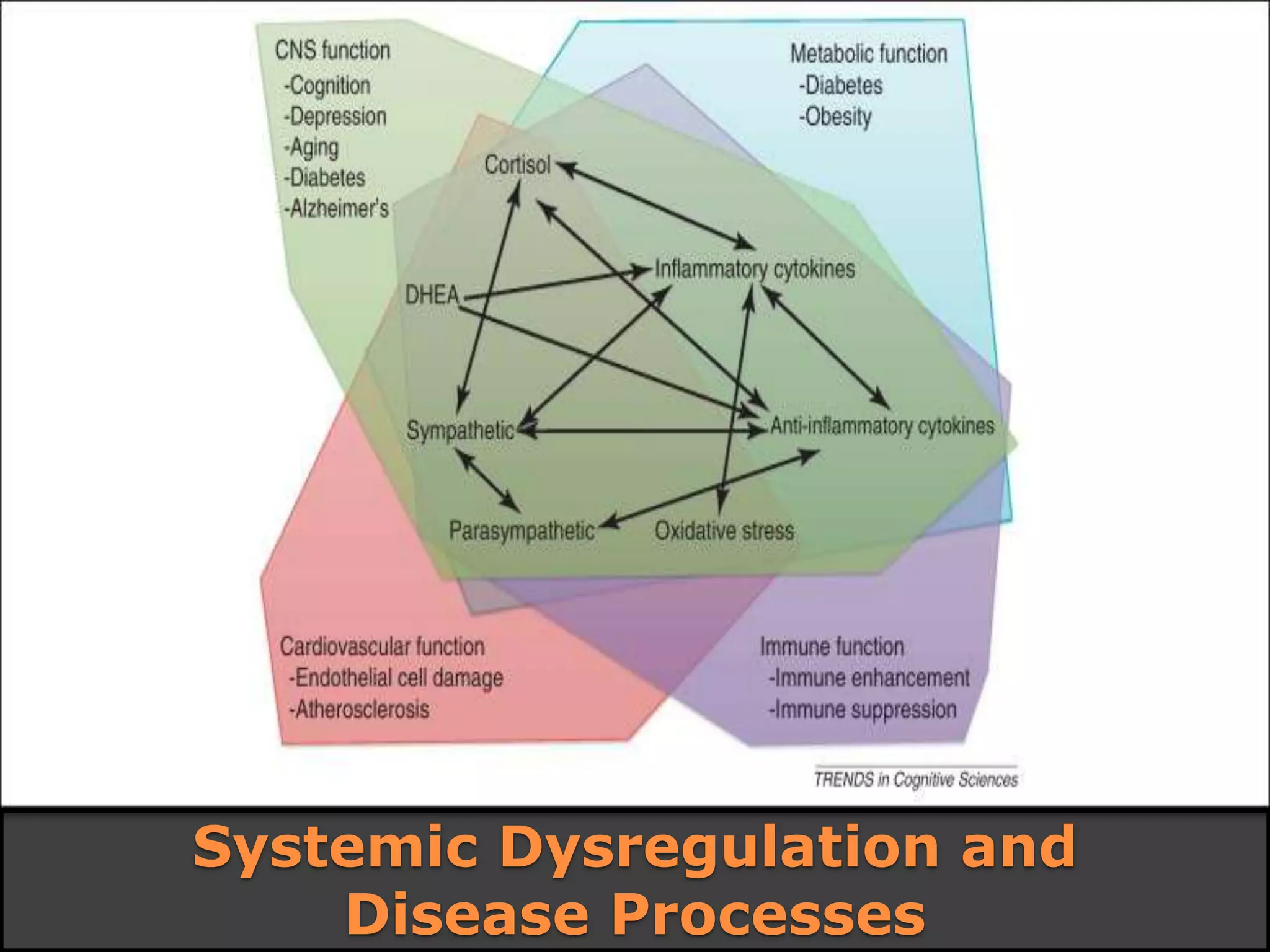
Systemic Dysregulation and
Disease Processes
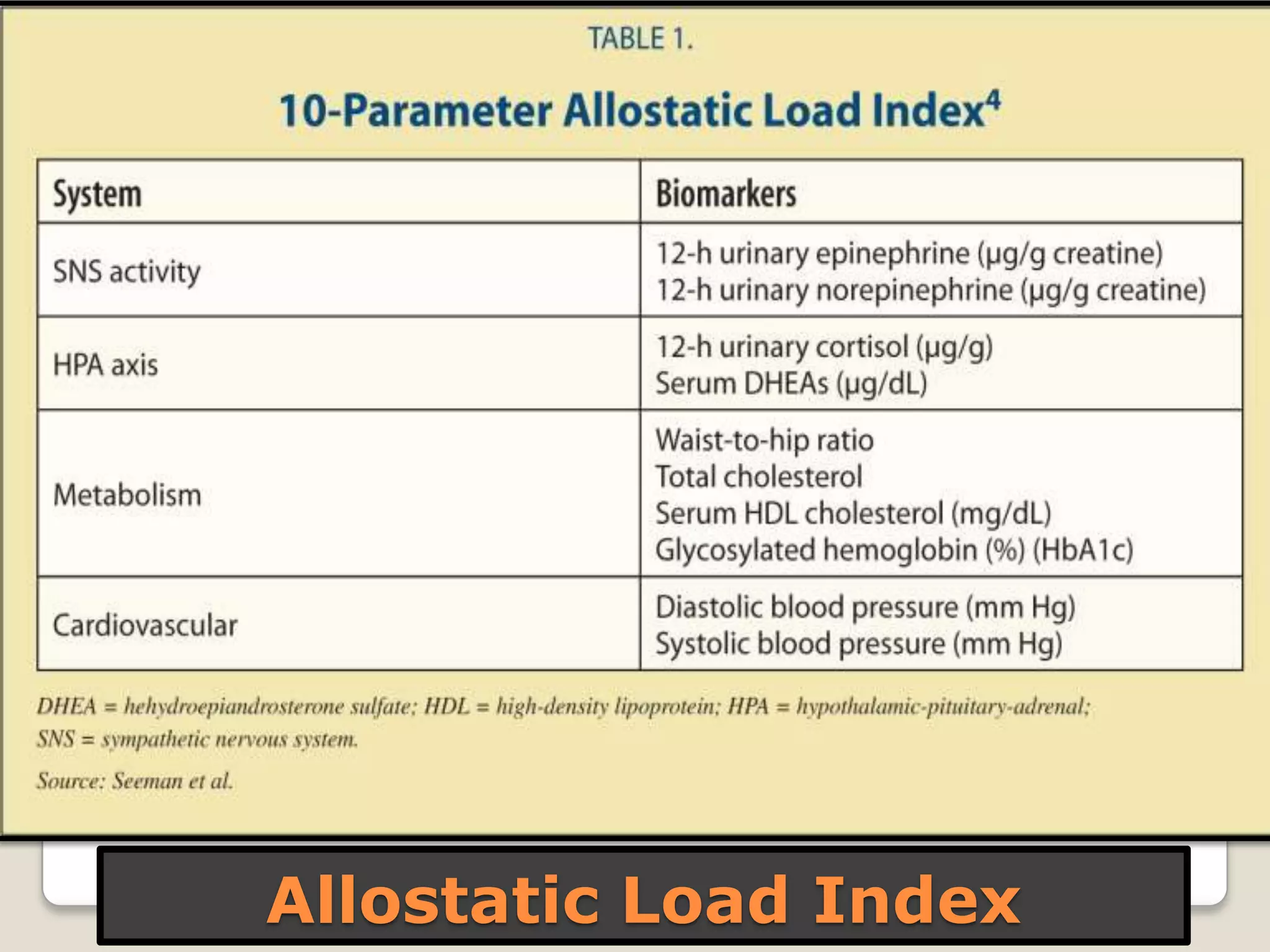
Allostatic Load Index
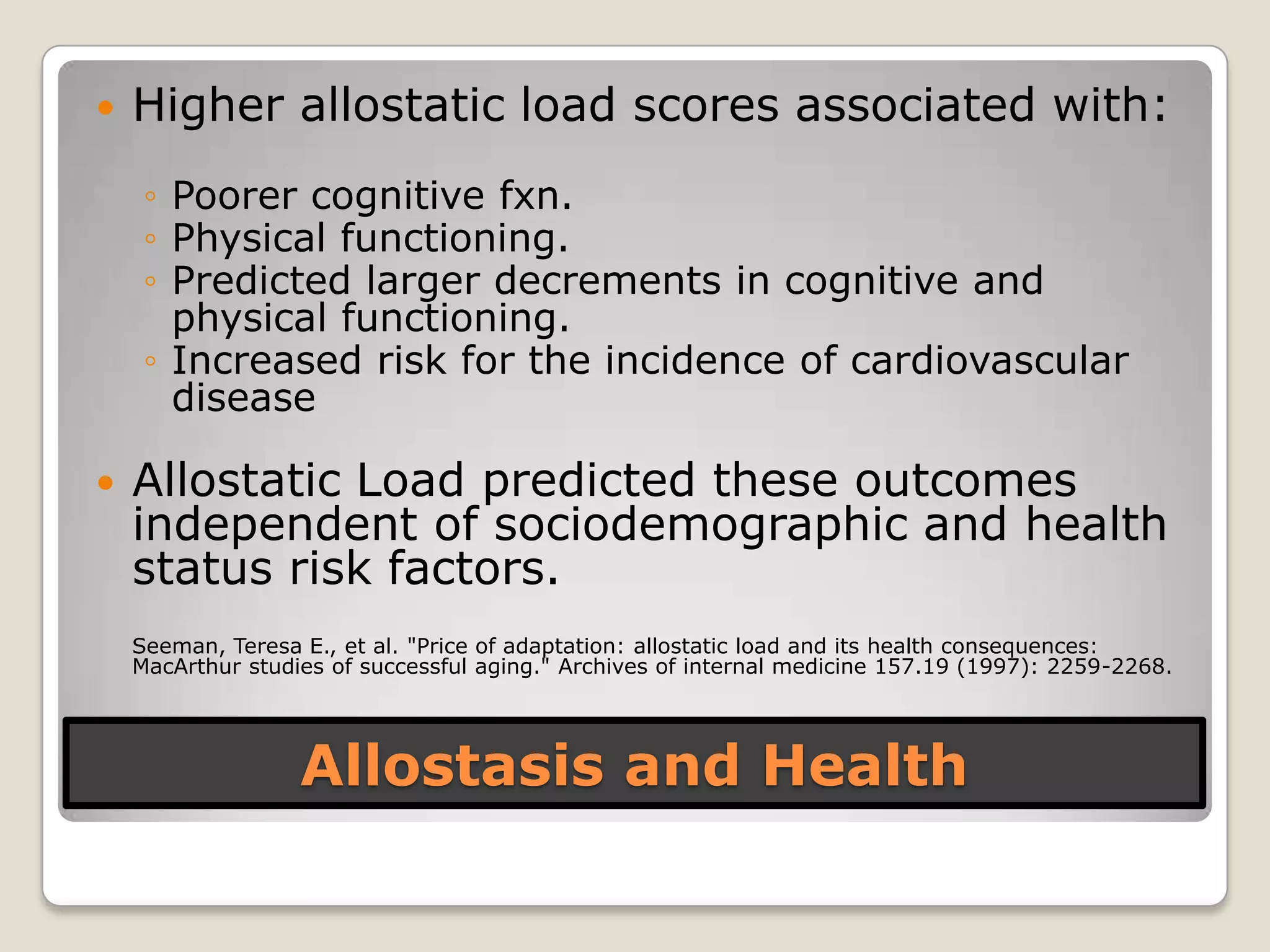
Allostasis and Health
 Higher allostatic load scores associated with:
◦ Poorer cognitive fxn.
◦ Physical functioning.
◦ Predicted larger decrements in cognitive and
physical functioning.
◦ Increased risk for the incidence of cardiovascular
disease
 Allostatic Load predicted these outcomes
independent of sociodemographic and health
status risk factors.
Seeman, Teresa E., et al. "Price of adaptation: allostatic load and its health consequences:
MacArthur studies of successful aging." Archives of internal medicine 157.19 (1997): 2259-2268.
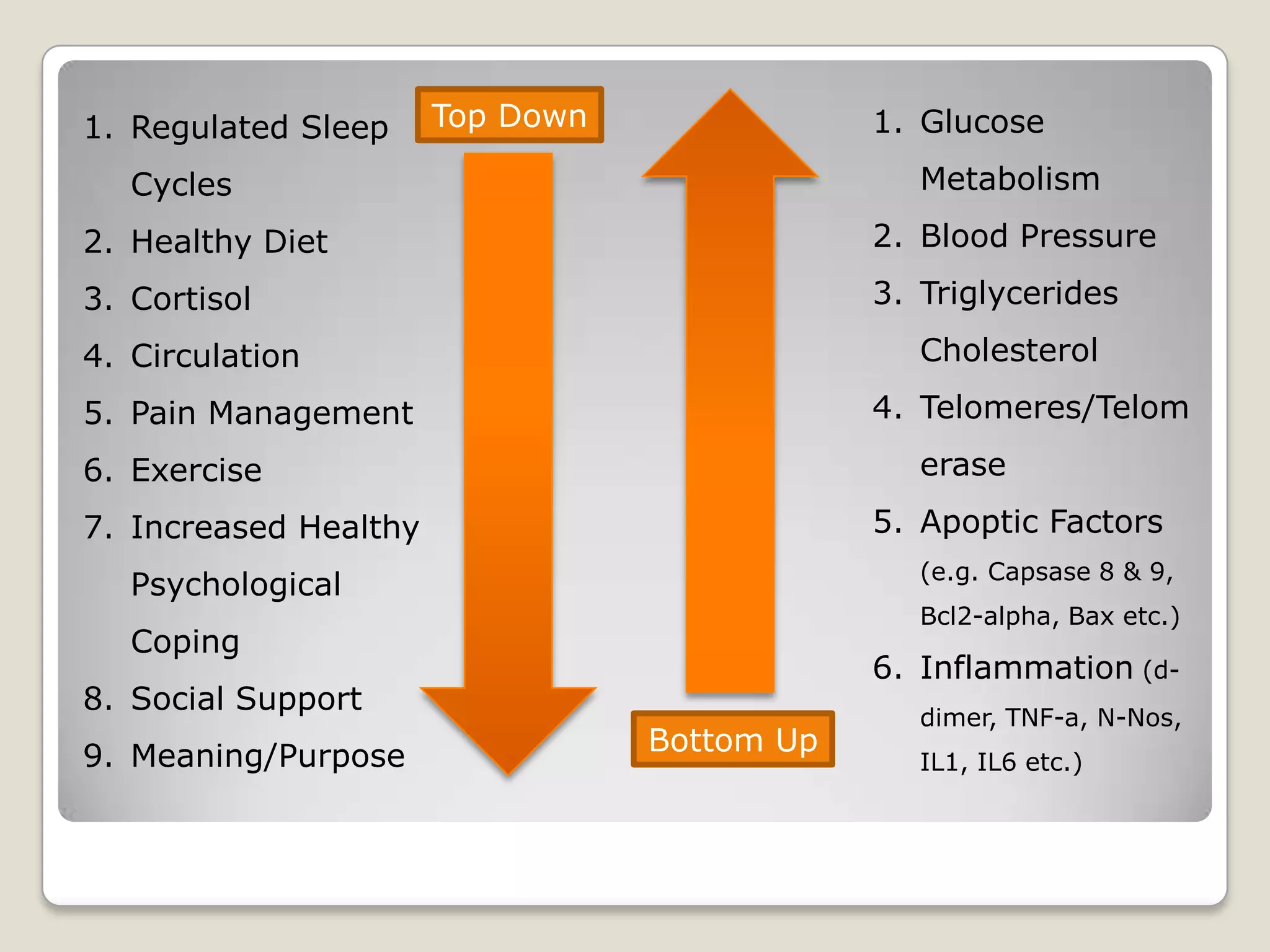
Bottom Up
Top Down1. Regulated Sleep
Cycles
2. Healthy Diet
3. Cortisol
4. Circulation
5. Pain Management
6. Exercise
7. Increased Healthy
Psychological
Coping
8. Social Support
9. Meaning/Purpose
1. Glucose
Metabolism
2. Blood Pressure
3. Triglycerides
Cholesterol
4. Telomeres/Telom
erase
5. Apoptic Factors
(e.g. Capsase 8 & 9,
Bcl2-alpha, Bax etc.)
6. Inflammation (d-
dimer, TNF-a, N-Nos,
IL1, IL6 etc.)
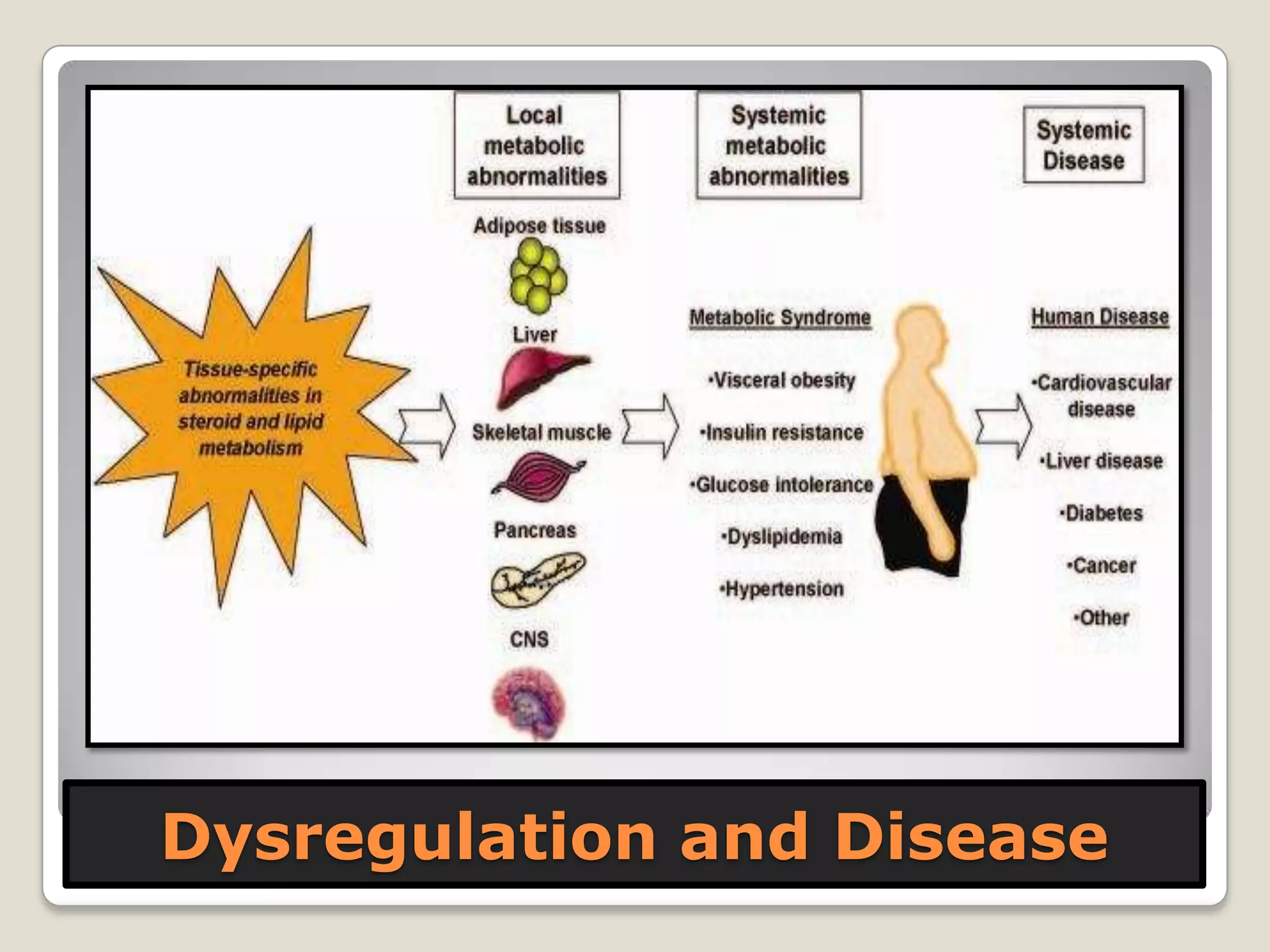
Dysregulation and Disease
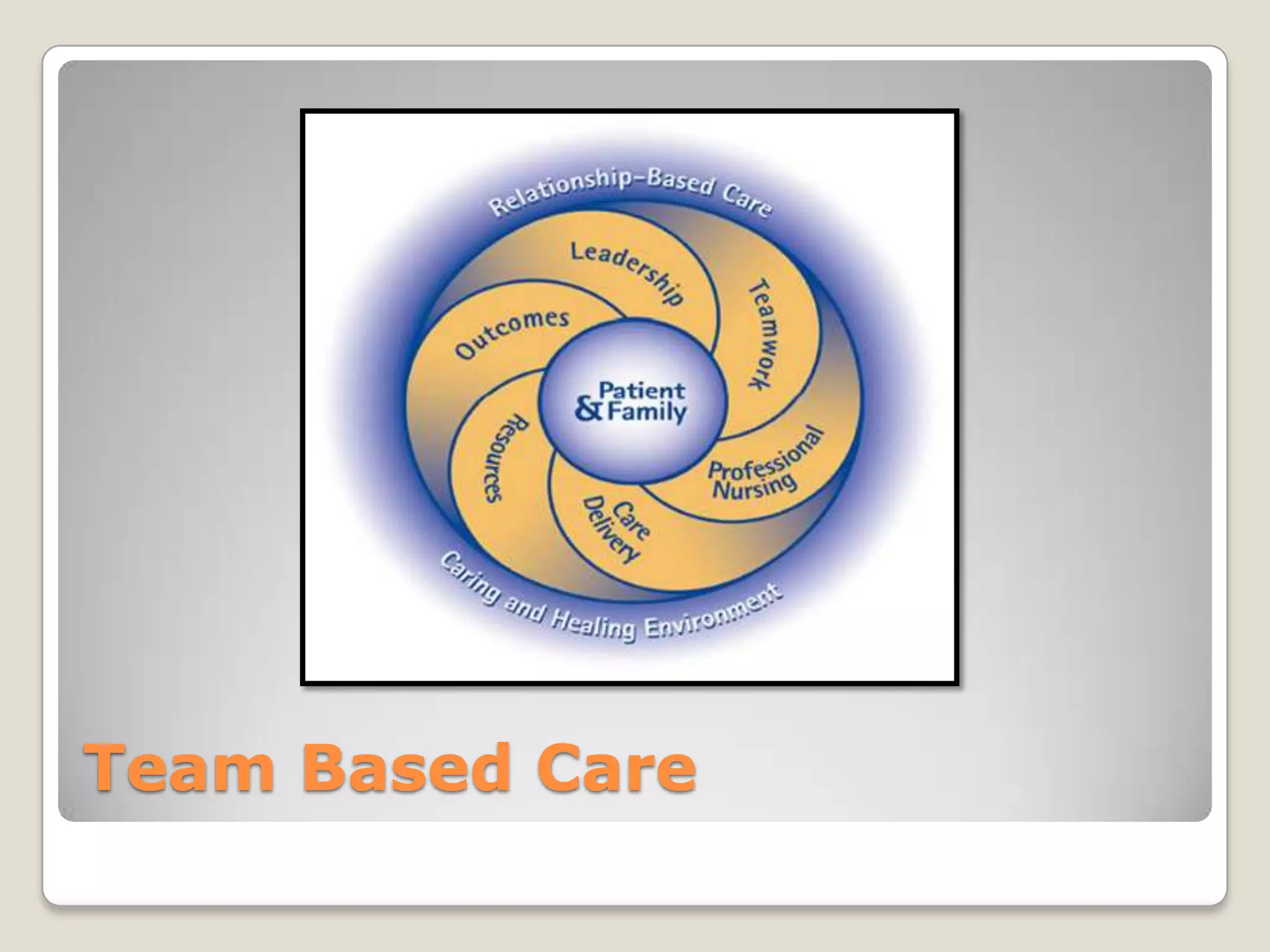
Team Based Care
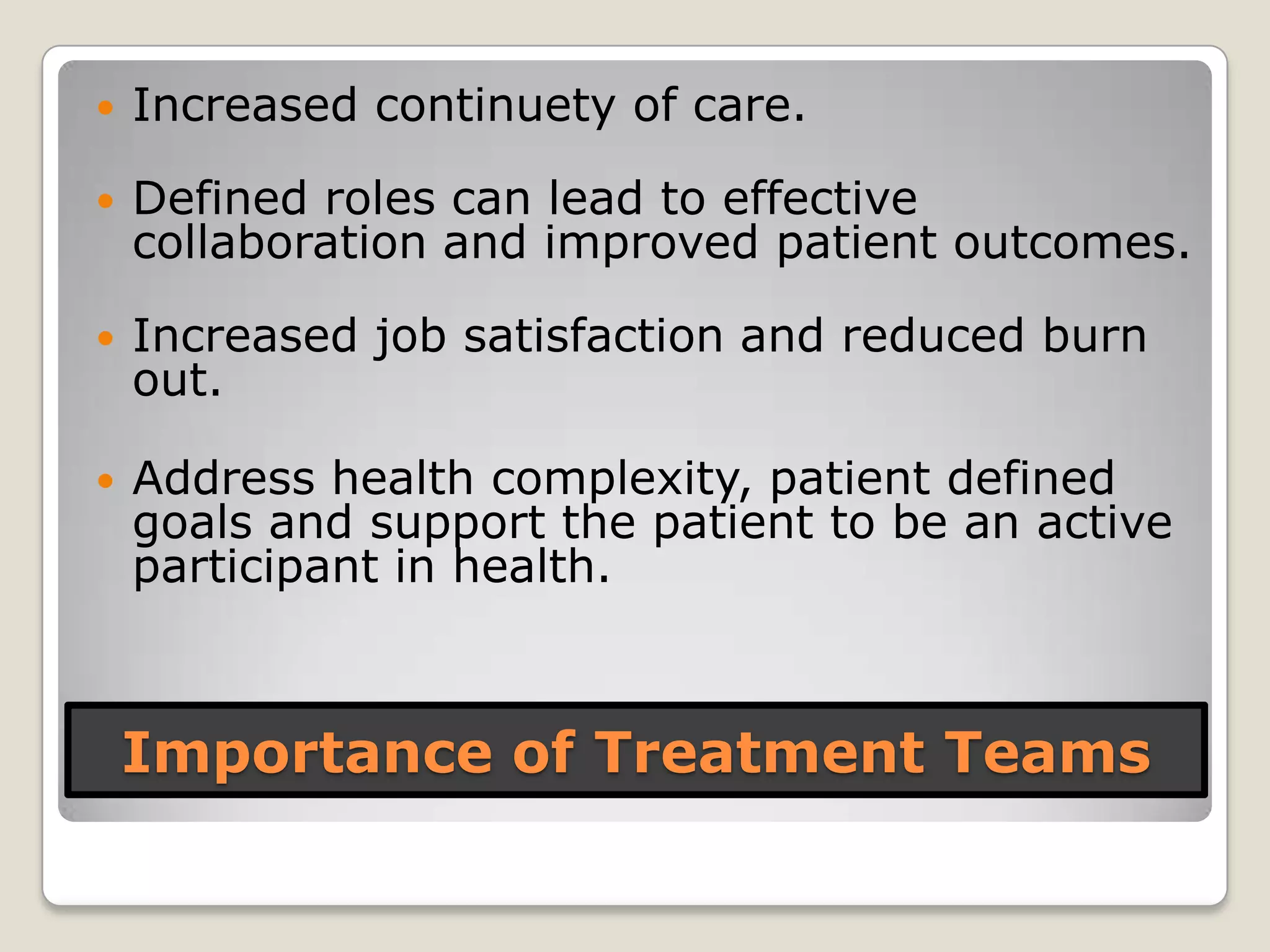
Importance of Treatment Teams
 Increased continuety of care.
 Defined roles can lead to effective
collaboration and improved patient outcomes.
 Increased job satisfaction and reduced burn
out.
 Address health complexity, patient defined
goals and support the patient to be an active
participant in health.
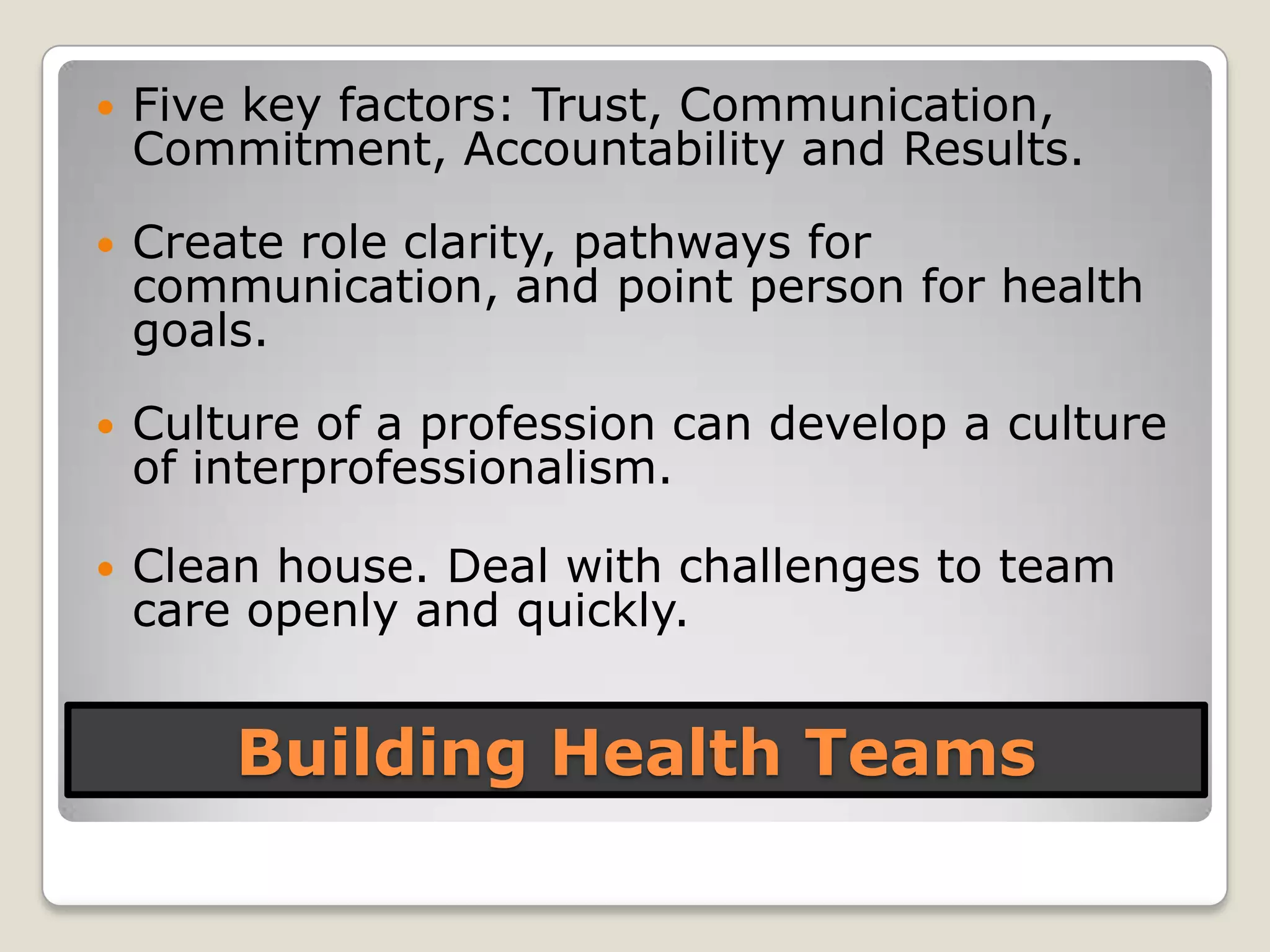
Building Health Teams
 Five key factors: Trust, Communication,
Commitment, Accountability and Results.
 Create role clarity, pathways for
communication, and point person for health
goals.
 Culture of a profession can develop a culture
of interprofessionalism.
 Clean house. Deal with challenges to team
care openly and quickly.
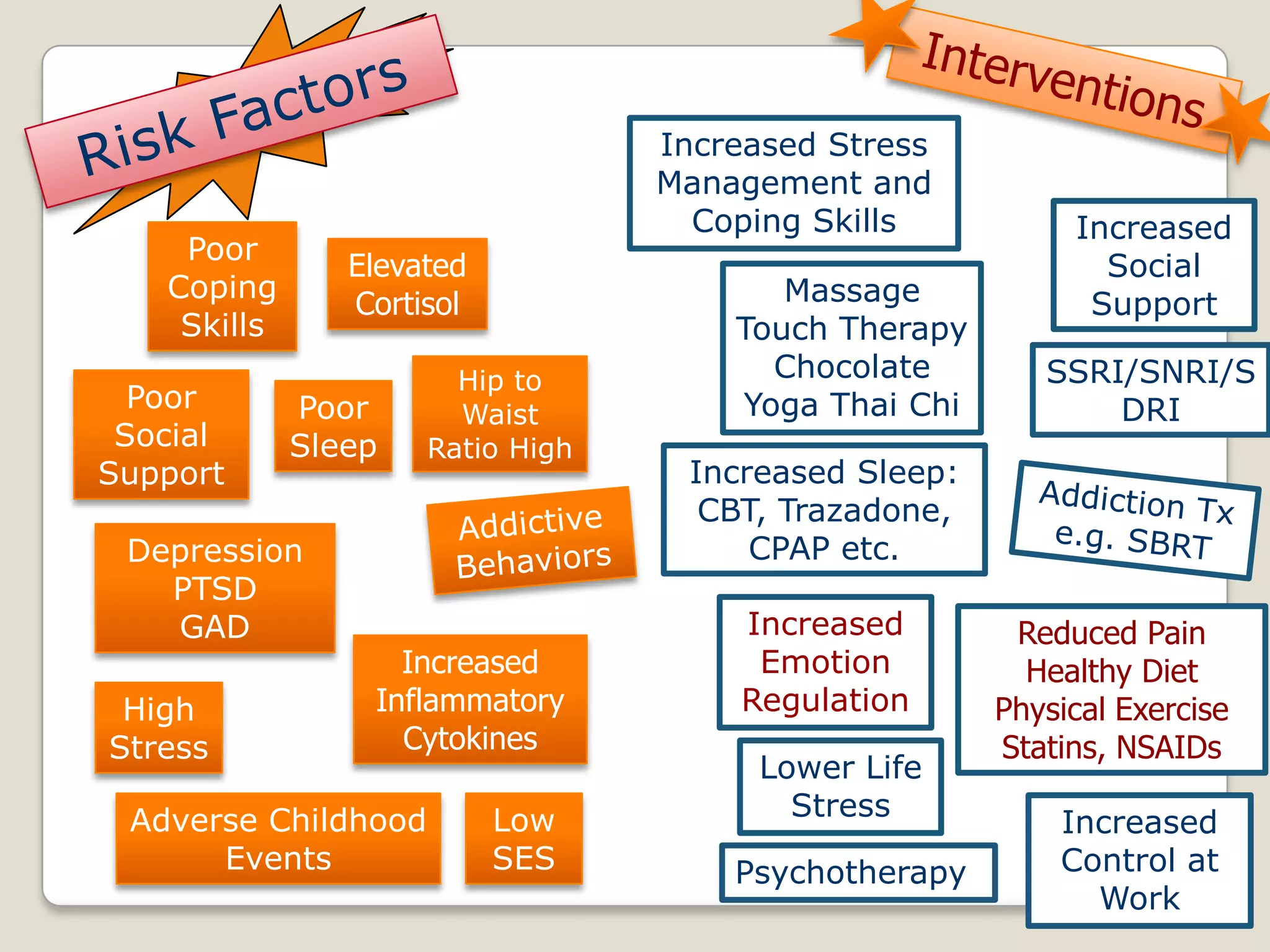
Adverse Childhood
Events
High
Stress
Depression
PTSD
GAD
Poor
Social
Support
Poor
Sleep
Increased
Inflammatory
Cytokines
Hip to
Waist
Ratio High
Low
SES
Poor
Coping
Skills
Elevated
Cortisol
Psychotherapy
Increased
Control at
Work
Lower Life
Stress
Reduced Pain
Healthy Diet
Physical Exercise
Statins, NSAIDs
Increased
Emotion
Regulation
Increased Sleep:
CBT, Trazadone,
CPAP etc.
Increased
Social
SupportMassage
Touch Therapy
Chocolate
Yoga Thai Chi
Increased Stress
Management and
Coping Skills
SSRI/SNRI/S
DRI
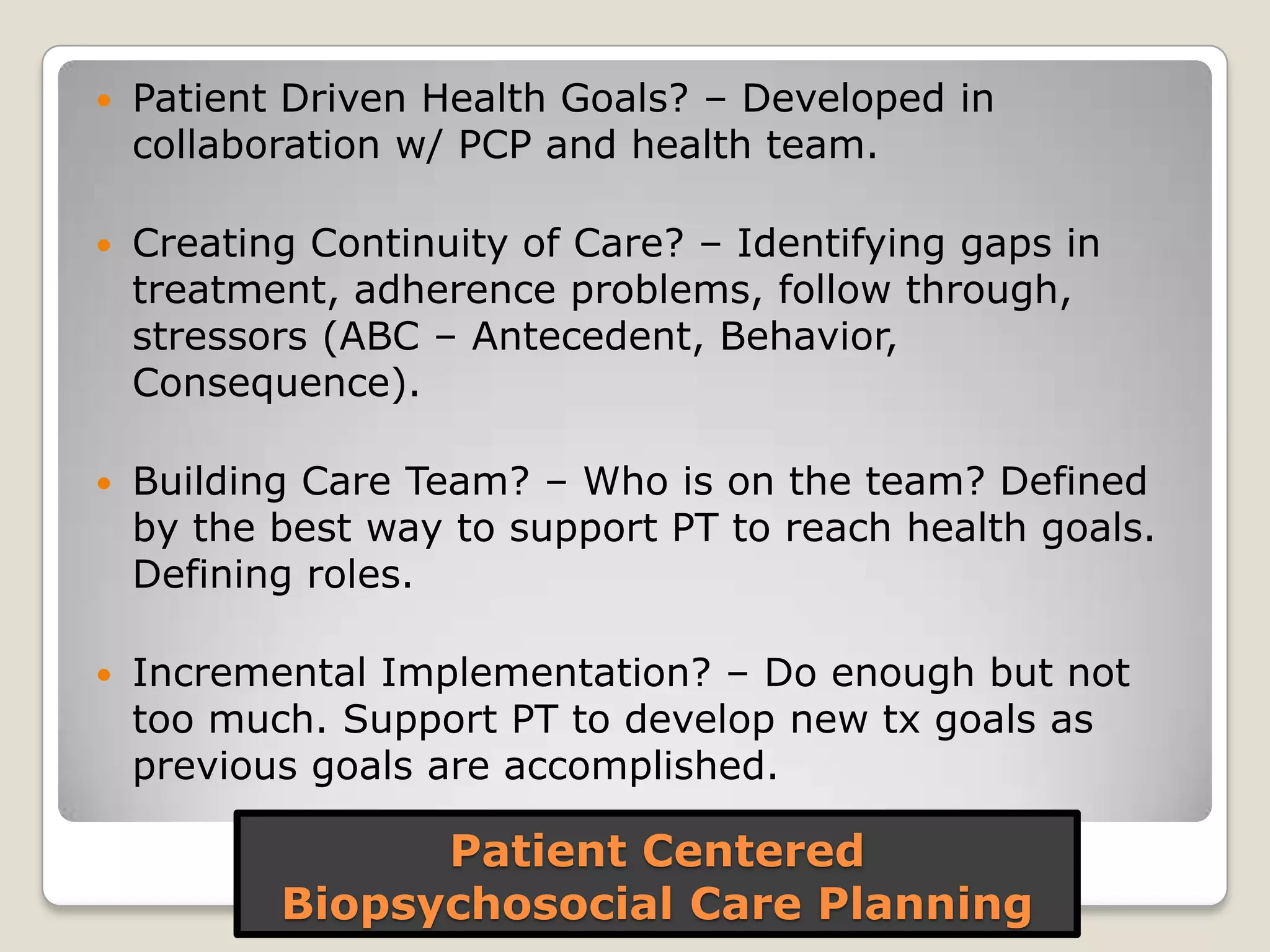
Patient Centered
Biopsychosocial Care Planning
 Patient Driven Health Goals? – Developed in
collaboration w/ PCP and health team.
 Creating Continuity of Care? – Identifying gaps in
treatment, adherence problems, follow through,
stressors (ABC – Antecedent, Behavior,
Consequence).
 Building Care Team? – Who is on the team? Defined
by the best way to support PT to reach health goals.
Defining roles.
 Incremental Implementation? – Do enough but not
too much. Support PT to develop new tx goals as
previous goals are accomplished.
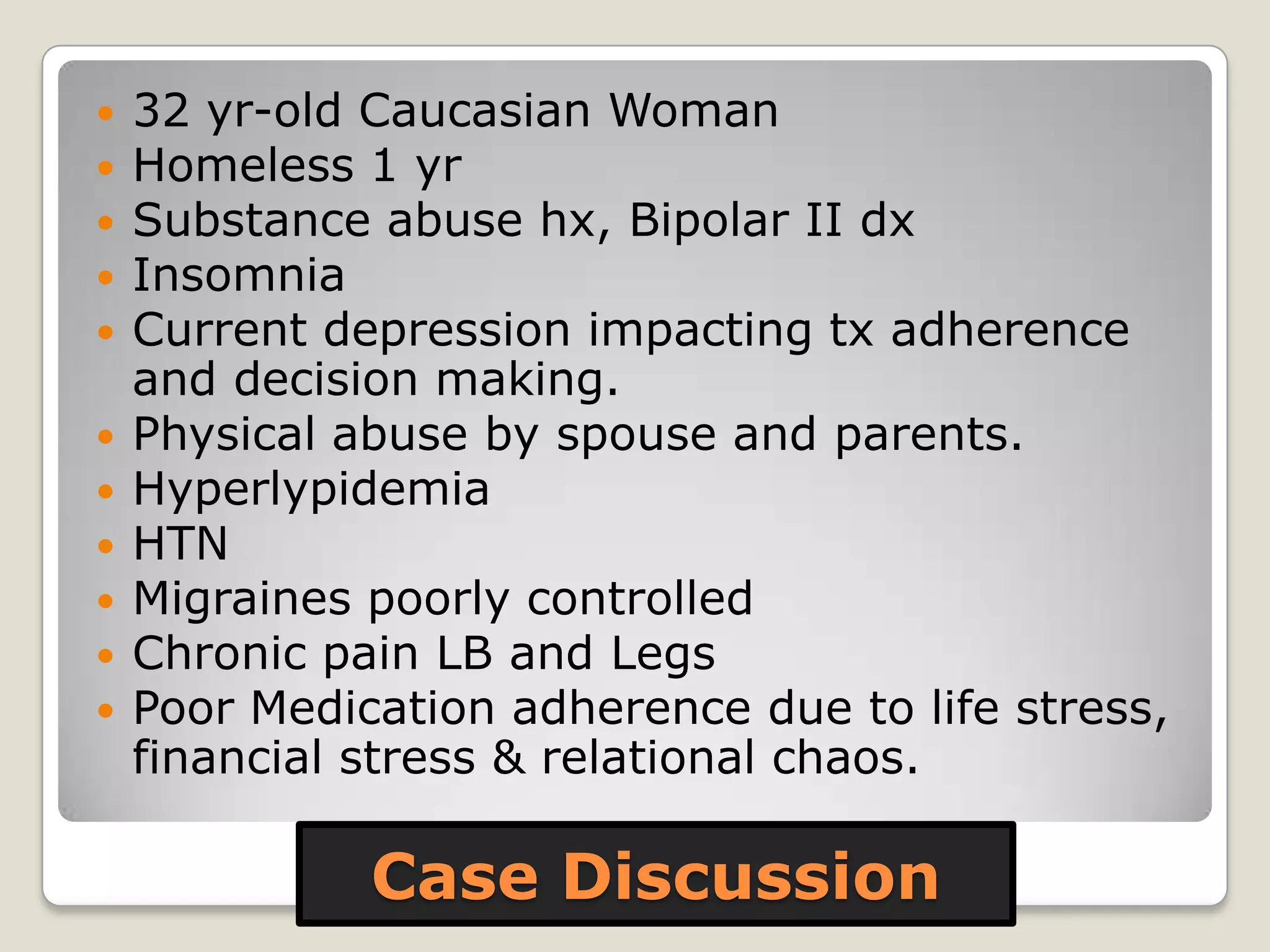
Case Discussion
 32 yr-old Caucasian Woman
 Homeless 1 yr
 Substance abuse hx, Bipolar II dx
 Insomnia
 Current depression impacting tx adherence
and decision making.
 Physical abuse by spouse and parents.
 Hyperlypidemia
 HTN
 Migraines poorly controlled
 Chronic pain LB and Legs
 Poor Medication adherence due to life stress,
financial stress & relational chaos.
THANK YOU!

PTSD and Allostatic Load: Beneath the skin interrupting the pathways to pathology

  • 1.
    Beneath The Skin Interruptingthe pathways to pathology Presented by: Michael Changaris, Psy.D.
  • 2.
    Goals for today Understand current research on childhood adversity and resilience in health.  Know the common pathways that lead from childhood adversity to pathology.  Recognize some biological markers that lead to childhood adversity transitioning disease and early death.  Begin to develop clinical tools to address impacts of childhood adversity in our patients.
  • 3.
    Environmental Changes Biological Differences RatStudy – Generational Impacts of Adversity
  • 4.
    Aces Study “When a houseis burning down you do not see the flames you see the smoke. If you do not know the relationship between smoke and fire one might think that smoke was the problem and bring a fan and blow the smoke away.” - Dr. Felitti https://www.youtube.com/watch?v=U3iKxjk-I-8
  • 5.
    Public Health Crisis Scopeof the Childhood Adversity  More then 5.5 million children likely effected by child abuse each year (child abuse reports).  More then 16.6 million Children below the poverty line (2010).  1.5 milion Children have parents in jail.  Prenatal impacts of domestic assault, maternal stress, socioeconomic stress are endemic.
  • 6.
    The Brain ofa Severely Neglected Child Can Be 38% smaller with an IQ = 50 half of typical IQ =100
  • 9.
  • 10.
    Aces and Autoimmunity Sixty-four percent reported at least one ACE.  34.4 men and 31.4 women out of 10,000 (first hospitalization from any autoimmune disease).  First hospitalizations for any autoimmune disease increased with increasing number of ACEs.  People with 2+ ACEs: ◦ Th1 had 70% increased risk of hospitalization compared to those with no ACEs ◦ Th 2 had 80% increased risk for hospitalizations ◦ 100% increased risk for rheumatic diseases. * All p values reported at .05
  • 12.
    ACEs and IVDrug Use
  • 13.
    Behavior is theLargest Predictor of Health
  • 14.
    Developing Resiliency  PositiveFamily Relationships  School attachment  Neighbor support  Peer support/Social support  Religiosity  Academic Achievement  Emotional support outside the family  Positive Self-regard  Spirituality  Inner-directed locus of control  Family closeness  Cognitive Coping Stratigies/Emotion Regulation
  • 15.
    Pathways – Adversityto Pathology Behavior, Social Functioning and Biochemical Changes
  • 16.
    The Pathways toPathology 3 Key Factors 1. Difficulty w/ Behavioral Regulation Leading to Adverse Health Behaviors. 2. Poor Social Support 3. Changes in Biological Systems
  • 17.
  • 18.
  • 19.
    Social Support –Health Outcomes  Loneliness is highly related to all cause mortality and is significant risk factor for health outcomes.  Lack of social support effects: ◦ Poor Self-Concept ◦ Emotional responses and ability to regulate emotions ◦ Problem solving – attempting to solve life's problems with out the advice, support or mentorship of others (e.g. you have to make all the mistakes yourself) ◦ Effects multiple biological systems from cortisol to insulin
  • 21.
  • 22.
  • 23.
    Environmental Changes Biological Differences RatStudy – Agouti Gene and Epigenetics
  • 24.
  • 25.
  • 26.
  • 27.
  • 28.
  • 29.
  • 30.
    Allostasis and Health Higher allostatic load scores associated with: ◦ Poorer cognitive fxn. ◦ Physical functioning. ◦ Predicted larger decrements in cognitive and physical functioning. ◦ Increased risk for the incidence of cardiovascular disease  Allostatic Load predicted these outcomes independent of sociodemographic and health status risk factors. Seeman, Teresa E., et al. "Price of adaptation: allostatic load and its health consequences: MacArthur studies of successful aging." Archives of internal medicine 157.19 (1997): 2259-2268.
  • 31.
    Bottom Up Top Down1.Regulated Sleep Cycles 2. Healthy Diet 3. Cortisol 4. Circulation 5. Pain Management 6. Exercise 7. Increased Healthy Psychological Coping 8. Social Support 9. Meaning/Purpose 1. Glucose Metabolism 2. Blood Pressure 3. Triglycerides Cholesterol 4. Telomeres/Telom erase 5. Apoptic Factors (e.g. Capsase 8 & 9, Bcl2-alpha, Bax etc.) 6. Inflammation (d- dimer, TNF-a, N-Nos, IL1, IL6 etc.)
  • 32.
  • 34.
  • 35.
    Importance of TreatmentTeams  Increased continuety of care.  Defined roles can lead to effective collaboration and improved patient outcomes.  Increased job satisfaction and reduced burn out.  Address health complexity, patient defined goals and support the patient to be an active participant in health.
  • 36.
    Building Health Teams Five key factors: Trust, Communication, Commitment, Accountability and Results.  Create role clarity, pathways for communication, and point person for health goals.  Culture of a profession can develop a culture of interprofessionalism.  Clean house. Deal with challenges to team care openly and quickly.
  • 37.
    Adverse Childhood Events High Stress Depression PTSD GAD Poor Social Support Poor Sleep Increased Inflammatory Cytokines Hip to Waist RatioHigh Low SES Poor Coping Skills Elevated Cortisol Psychotherapy Increased Control at Work Lower Life Stress Reduced Pain Healthy Diet Physical Exercise Statins, NSAIDs Increased Emotion Regulation Increased Sleep: CBT, Trazadone, CPAP etc. Increased Social SupportMassage Touch Therapy Chocolate Yoga Thai Chi Increased Stress Management and Coping Skills SSRI/SNRI/S DRI
  • 38.
    Patient Centered Biopsychosocial CarePlanning  Patient Driven Health Goals? – Developed in collaboration w/ PCP and health team.  Creating Continuity of Care? – Identifying gaps in treatment, adherence problems, follow through, stressors (ABC – Antecedent, Behavior, Consequence).  Building Care Team? – Who is on the team? Defined by the best way to support PT to reach health goals. Defining roles.  Incremental Implementation? – Do enough but not too much. Support PT to develop new tx goals as previous goals are accomplished.
  • 39.
    Case Discussion  32yr-old Caucasian Woman  Homeless 1 yr  Substance abuse hx, Bipolar II dx  Insomnia  Current depression impacting tx adherence and decision making.  Physical abuse by spouse and parents.  Hyperlypidemia  HTN  Migraines poorly controlled  Chronic pain LB and Legs  Poor Medication adherence due to life stress, financial stress & relational chaos.
  • 40.