DEPARTMENT OF PROSTHODONTICS &
MAXILLOFACIAL PROSTHESIS
BY-ABHIJEET KAMBLE
FINAL YEAR
โ€ข A case history is defined as a planned
professional conversation that enables the
patient to communicate his/her feelings ,
fears & sequence of events leading to
problems for which patient Seeks
professional assistance to the clinician so
that patientโ€™s real or suspected illness & the
mental attitude patient can be determined.
โ€ข General information
โ€ข Chief complaint
โ€ข History of present illness
โ€ข Dental history
โ€ข Medical history
โ€ข Examination
-Extra oral
-Intra oral
โ€ข Provisional diagnosis
โ€ข Investigations
โ€ข Final diagnosis
โ€ข Treatment plan
1. OPD NO:
-Maintaining a record,
-Billing purposes,
-Medico legal aspects
2. DATE:
-Time of admission
-Reference during follow up visits
-Record maintenance
3. NAME:
โ€ข to communicate with the patient
โ€ข to establish a rapport with the patient
โ€ข Record maintenance
โ€ข Psychological benefits
4. AGE:
-From prosthodontic point of view is that it
helps determine ability of pts. To wear
denture successfully .
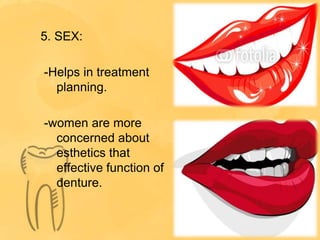
5. SEX:
-Helps in treatment
planning.
-women are more
concerned about
esthetics that
effective function of
denture.
6. OCCUPATION:
-A patients job often determines values he/she
puts on oral health,esthetics & other qualities
desired in denture.
-people making public appearances such as
artists,salesman,speakers,teachers,singers are
concerned more about esthetics and phonetics
replacements.
-while trademens,workers are more concerned
about function of denture.
7. RACE:
-Can be a critical factor in characterization of
dentures i.e; choice of denture base
shade,denture stains..
8. ADDRESS:
-Future communication.
โ€ข CHIEF COMPLAINT:
-Should be recorded in pts own words.
โ€ข HISTORY OF PRESENT ILLNESS:
-Is an extension of the chief complaint.
- Pts should be questioned regarding period
of edentulisum
-reason for tooth loss
1. Period of edentulousness:
-Gives information about amount and pattern of bone
resorption and progression.
2. Reason for tooth loss:
-pts should be questioned regarding cause of tooth
loss(caries,periodontal problems)
3. Previous denture experience:
-pts should made to comment on reason for
replacment of denture and should be educated
about realistic limitations.
4. Current denture:
- Reason for replacment should be evaluated.
- Provides info about denture experience,denture
care..
โ€ข The reason seeks prosthetic treatment is
important , his/her expectation should be
determined.
โ€ข These should than be evaluated and
determined as realistic and any unrealistic
promises regarding outcome of treatment
should not be made.
:
โ€ข Classification of patients by house-
1. Philosophical
2. Exacting
3. Indifferent
4. Hysterical
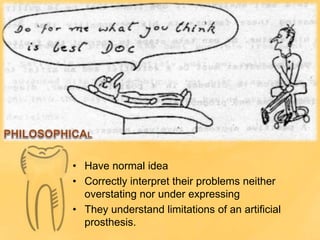
โ€ข Have normal idea
โ€ข Correctly interpret their problems neither
overstating nor under expressing
โ€ข They understand limitations of an artificial
prosthesis.
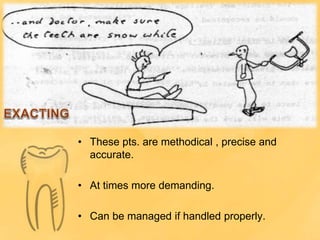
โ€ข These pts. are methodical , precise and
accurate.
โ€ข At times more demanding.
โ€ข Can be managed if handled properly.
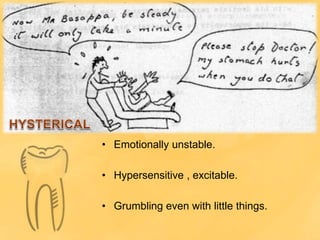
โ€ข Emotionally unstable.
โ€ข Hypersensitive , excitable.
โ€ข Grumbling even with little things.
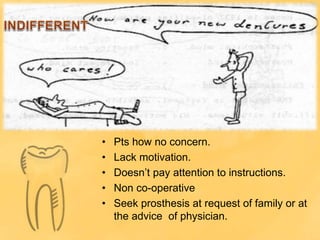
โ€ข Pts how no concern.
โ€ข Lack motivation.
โ€ข Doesnโ€™t pay attention to instructions.
โ€ข Non co-operative
โ€ข Seek prosthesis at request of family or at
the advice of physician.
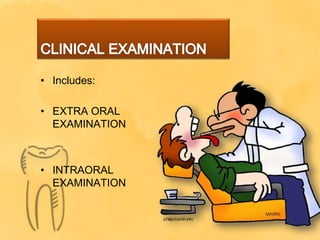
โ€ข Includes:
โ€ข EXTRA ORAL
EXAMINATION
โ€ข INTRAORAL
EXAMINATION
1. Facial form
2. Facial profile
3. Facial symmetry
4. Muscle development
5. Complexion
6. Lip examination
โ€ข Support
โ€ข Mobility
โ€ข Thickness
โ€ข Length
7. TMJ examination
8. Neuromuscular examination.
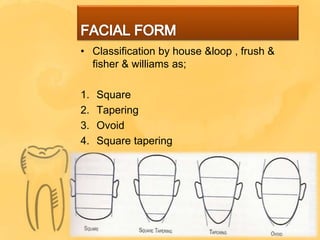
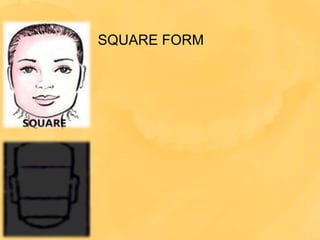
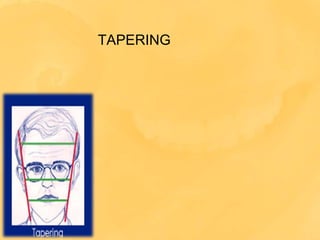
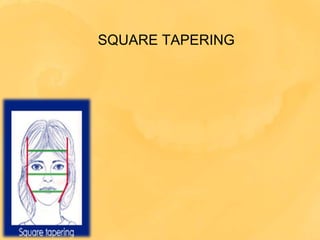
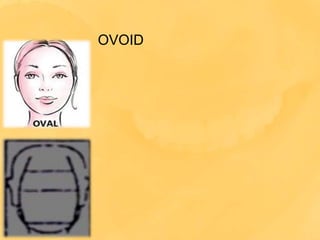
โ€ข Classification by house &loop , frush &
fisher & williams as;
1. Square
2. Tapering
3. Ovoid
4. Square tapering
SQUARE FORM
TAPERING
SQUARE TAPERING
OVOID
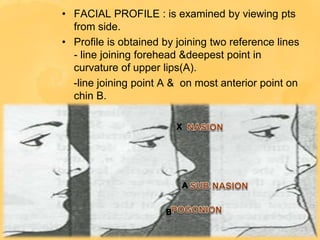
โ€ข FACIAL PROFILE : is examined by viewing pts
from side.
โ€ข Profile is obtained by joining two reference lines
- line joining forehead &deepest point in
curvature of upper lips(A).
-line joining point A & on most anterior point on
chin B.
1.
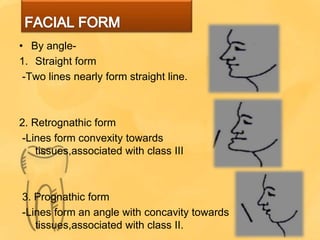
โ€ข By angle-
1. Straight form
-Two lines nearly form straight line.
2. Retrognathic form
-Lines form convexity towards
tissues,associated with class III
3. Prognathic form
-Lines form an angle with concavity towards
tissues,associated with class II.
โ€ข Can affect stability of denture.
โ€ข House classified muscle tone as:
โ€ข Class I: Normal tone , placment of muscles
of mastication & facial expression
โ€ข Class II: Normal muscle function but
slightly decreased tone.
โ€ข Class III: Decreased muscle tone and
function accompanied with wrinkles in
cheek , drooping of commissures.
โ€ข The color of eyes , hair and the skin helps
guide the selection of shade of teeth.
โ€ข Pale skin is indicative of anaemia and
should be treated.
1. Support:
-Based on amount of support can be
classified as adequately supported and
unsupported.
2. Mobility:
-can be classified as class I NORMAL
-class II REDUCED MOBILITY
-class III PARALYSED
โ€ข Some pts can have paralysis of half lip
leading to unilateral mouth drooping &
facial asymmetry . Counseling should be
done regarding treatment limitations as
they might have unrealistic expectations
regarding function and esthetics.
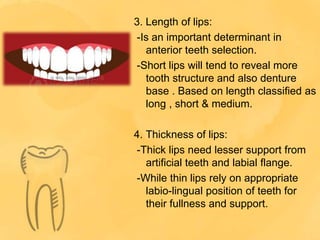
3. Length of lips:
-Is an important determinant in
anterior teeth selection.
-Short lips will tend to reveal more
tooth structure and also denture
base . Based on length classified as
long , short & medium.
4. Thickness of lips:
-Thick lips need lesser support from
artificial teeth and labial flange.
-While thin lips rely on appropriate
labio-lingual position of teeth for
their fullness and support.
โ€ข A good prosthodontic treatment bears a direct
relation to temporomandibular articulation
since occlusion is the most important part of
treatment of C.D
โ€ข The TMJ affects denture which further affects
health and function of joints.
Examination should include;
- Auscultion
Done either by direct method i.e; by placing ear
on TMJ or indirect method by using
stethoscope
Any clicking or poping sound is noted.
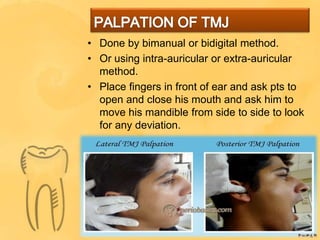
โ€ข Done by bimanual or bidigital method.
โ€ข Or using intra-auricular or extra-auricular
method.
โ€ข Place fingers in front of ear and ask pts to
open and close his mouth and ask him to
move his mandible from side to side to look
for any deviation.
โ€ข Includes examination of speech and
neuromuscular coordination.
โ€ข Includes:
โ€ข Gait
โ€ข Coordination of movements
โ€ข Facial movements
-Abnormal facial movements like tongue tremors ,
uncontrollable chewing movements can
influence C.D performance and may lead to
prosthesis failure.
-A pts with good neuromuscular coordination can
easily learn to manipulate dentures.
Classified as โ€“
Class I : Excellent
Class II : Fair
Class III : Poor
case history in prosthodontics

case history in prosthodontics

  • 1.
    DEPARTMENT OF PROSTHODONTICS& MAXILLOFACIAL PROSTHESIS BY-ABHIJEET KAMBLE FINAL YEAR
  • 2.
    โ€ข A casehistory is defined as a planned professional conversation that enables the patient to communicate his/her feelings , fears & sequence of events leading to problems for which patient Seeks professional assistance to the clinician so that patientโ€™s real or suspected illness & the mental attitude patient can be determined.
  • 3.
    โ€ข General information โ€ขChief complaint โ€ข History of present illness โ€ข Dental history โ€ข Medical history โ€ข Examination -Extra oral -Intra oral โ€ข Provisional diagnosis โ€ข Investigations โ€ข Final diagnosis โ€ข Treatment plan
  • 4.
    1. OPD NO: -Maintaininga record, -Billing purposes, -Medico legal aspects 2. DATE: -Time of admission -Reference during follow up visits -Record maintenance
  • 5.
    3. NAME: โ€ข tocommunicate with the patient โ€ข to establish a rapport with the patient โ€ข Record maintenance โ€ข Psychological benefits 4. AGE: -From prosthodontic point of view is that it helps determine ability of pts. To wear denture successfully .
  • 6.
    5. SEX: -Helps intreatment planning. -women are more concerned about esthetics that effective function of denture.
  • 7.
    6. OCCUPATION: -A patientsjob often determines values he/she puts on oral health,esthetics & other qualities desired in denture. -people making public appearances such as artists,salesman,speakers,teachers,singers are concerned more about esthetics and phonetics replacements. -while trademens,workers are more concerned about function of denture.
  • 8.
    7. RACE: -Can bea critical factor in characterization of dentures i.e; choice of denture base shade,denture stains.. 8. ADDRESS: -Future communication. โ€ข CHIEF COMPLAINT: -Should be recorded in pts own words. โ€ข HISTORY OF PRESENT ILLNESS: -Is an extension of the chief complaint. - Pts should be questioned regarding period of edentulisum -reason for tooth loss
  • 9.
    1. Period ofedentulousness: -Gives information about amount and pattern of bone resorption and progression. 2. Reason for tooth loss: -pts should be questioned regarding cause of tooth loss(caries,periodontal problems) 3. Previous denture experience: -pts should made to comment on reason for replacment of denture and should be educated about realistic limitations. 4. Current denture: - Reason for replacment should be evaluated. - Provides info about denture experience,denture care..
  • 10.
    โ€ข The reasonseeks prosthetic treatment is important , his/her expectation should be determined. โ€ข These should than be evaluated and determined as realistic and any unrealistic promises regarding outcome of treatment should not be made.
  • 11.
    : โ€ข Classification ofpatients by house- 1. Philosophical 2. Exacting 3. Indifferent 4. Hysterical
  • 12.
    โ€ข Have normalidea โ€ข Correctly interpret their problems neither overstating nor under expressing โ€ข They understand limitations of an artificial prosthesis.
  • 13.
    โ€ข These pts.are methodical , precise and accurate. โ€ข At times more demanding. โ€ข Can be managed if handled properly.
  • 14.
    โ€ข Emotionally unstable. โ€ขHypersensitive , excitable. โ€ข Grumbling even with little things.
  • 15.
    โ€ข Pts howno concern. โ€ข Lack motivation. โ€ข Doesnโ€™t pay attention to instructions. โ€ข Non co-operative โ€ข Seek prosthesis at request of family or at the advice of physician.
  • 17.
    โ€ข Includes: โ€ข EXTRAORAL EXAMINATION โ€ข INTRAORAL EXAMINATION
  • 18.
    1. Facial form 2.Facial profile 3. Facial symmetry 4. Muscle development 5. Complexion 6. Lip examination โ€ข Support โ€ข Mobility โ€ข Thickness โ€ข Length 7. TMJ examination 8. Neuromuscular examination.
  • 19.
    โ€ข Classification byhouse &loop , frush & fisher & williams as; 1. Square 2. Tapering 3. Ovoid 4. Square tapering
  • 20.
  • 21.
  • 22.
  • 23.
  • 24.
    โ€ข FACIAL PROFILE: is examined by viewing pts from side. โ€ข Profile is obtained by joining two reference lines - line joining forehead &deepest point in curvature of upper lips(A). -line joining point A & on most anterior point on chin B. 1.
  • 25.
    โ€ข By angle- 1.Straight form -Two lines nearly form straight line. 2. Retrognathic form -Lines form convexity towards tissues,associated with class III 3. Prognathic form -Lines form an angle with concavity towards tissues,associated with class II.
  • 26.
    โ€ข Can affectstability of denture. โ€ข House classified muscle tone as: โ€ข Class I: Normal tone , placment of muscles of mastication & facial expression โ€ข Class II: Normal muscle function but slightly decreased tone. โ€ข Class III: Decreased muscle tone and function accompanied with wrinkles in cheek , drooping of commissures.
  • 27.
    โ€ข The colorof eyes , hair and the skin helps guide the selection of shade of teeth. โ€ข Pale skin is indicative of anaemia and should be treated.
  • 28.
    1. Support: -Based onamount of support can be classified as adequately supported and unsupported. 2. Mobility: -can be classified as class I NORMAL -class II REDUCED MOBILITY -class III PARALYSED โ€ข Some pts can have paralysis of half lip leading to unilateral mouth drooping & facial asymmetry . Counseling should be done regarding treatment limitations as they might have unrealistic expectations regarding function and esthetics.
  • 29.
    3. Length oflips: -Is an important determinant in anterior teeth selection. -Short lips will tend to reveal more tooth structure and also denture base . Based on length classified as long , short & medium. 4. Thickness of lips: -Thick lips need lesser support from artificial teeth and labial flange. -While thin lips rely on appropriate labio-lingual position of teeth for their fullness and support.
  • 30.
    โ€ข A goodprosthodontic treatment bears a direct relation to temporomandibular articulation since occlusion is the most important part of treatment of C.D โ€ข The TMJ affects denture which further affects health and function of joints. Examination should include; - Auscultion Done either by direct method i.e; by placing ear on TMJ or indirect method by using stethoscope Any clicking or poping sound is noted.
  • 31.
    โ€ข Done bybimanual or bidigital method. โ€ข Or using intra-auricular or extra-auricular method. โ€ข Place fingers in front of ear and ask pts to open and close his mouth and ask him to move his mandible from side to side to look for any deviation.
  • 32.
    โ€ข Includes examinationof speech and neuromuscular coordination.
  • 33.
    โ€ข Includes: โ€ข Gait โ€ขCoordination of movements โ€ข Facial movements -Abnormal facial movements like tongue tremors , uncontrollable chewing movements can influence C.D performance and may lead to prosthesis failure. -A pts with good neuromuscular coordination can easily learn to manipulate dentures. Classified as โ€“ Class I : Excellent Class II : Fair Class III : Poor