
Download as PDF, PPTX
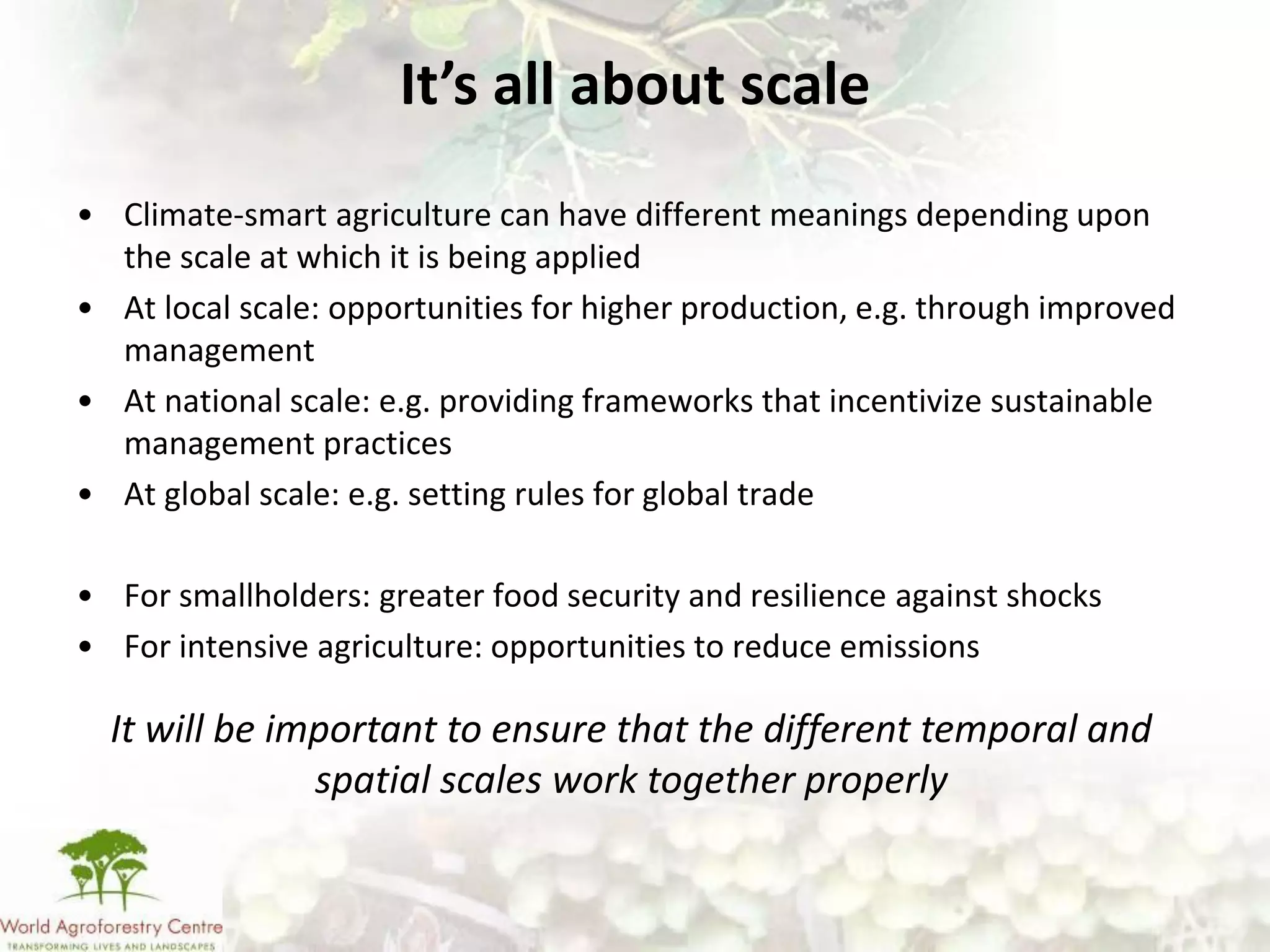
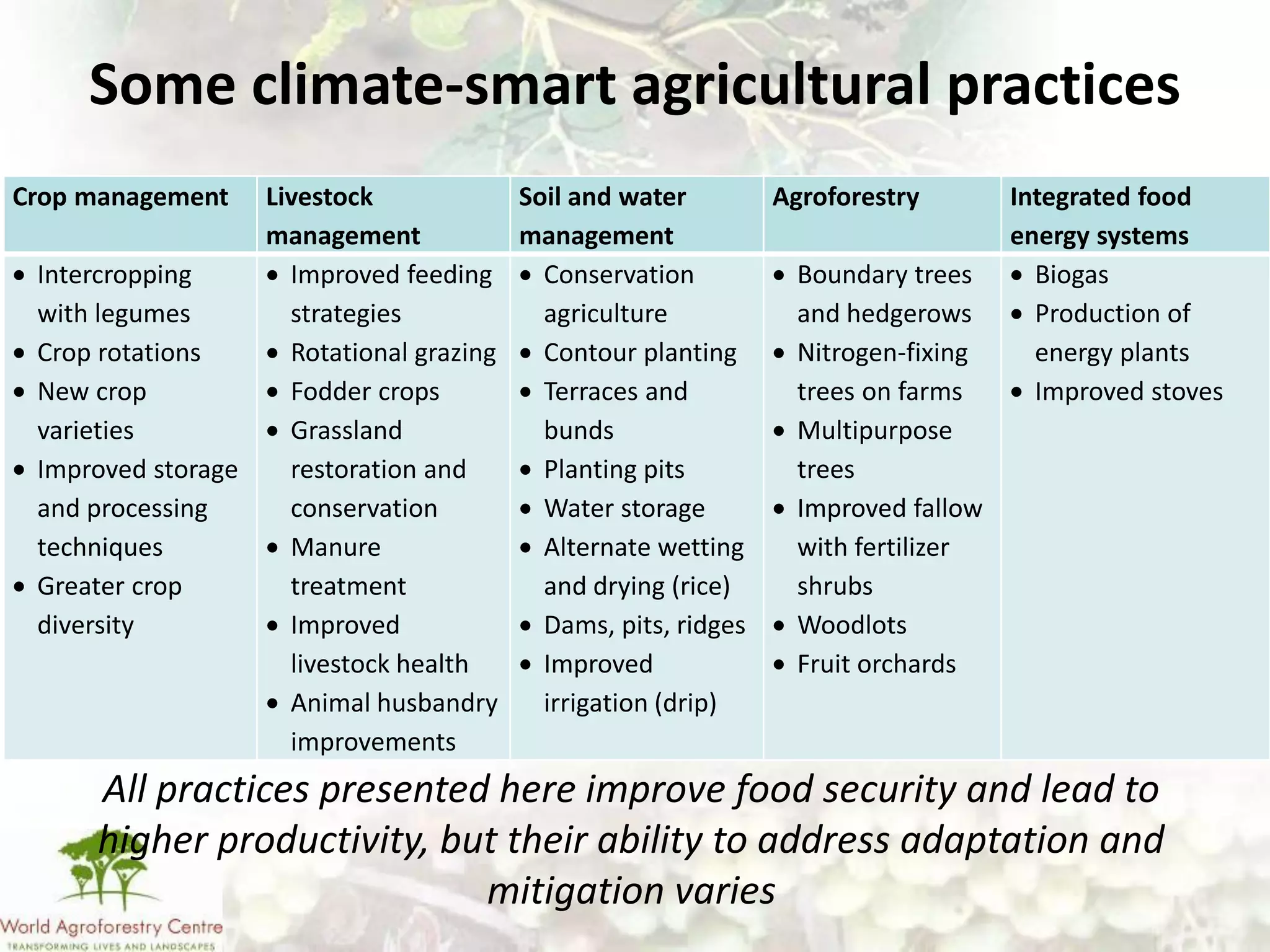
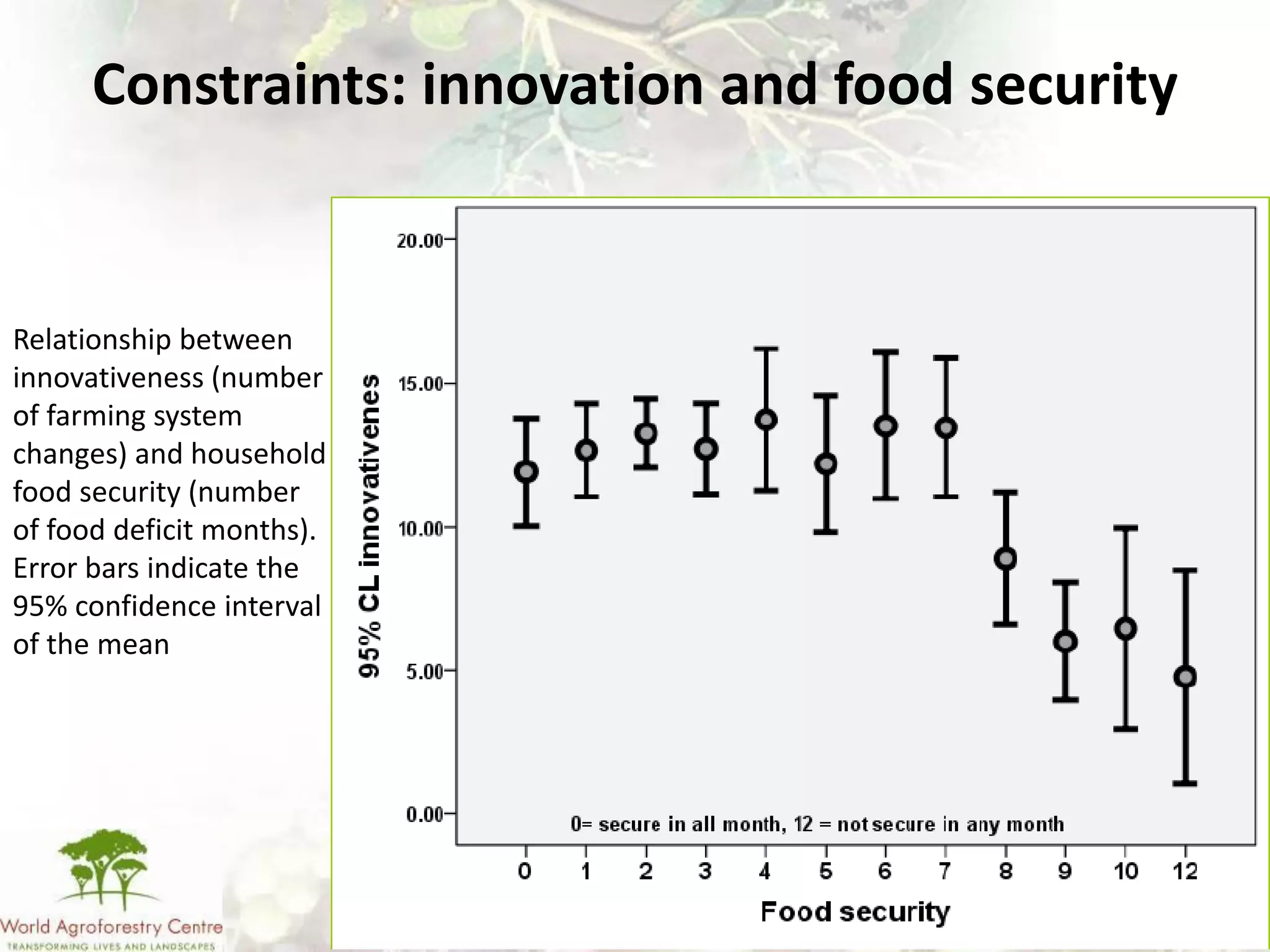
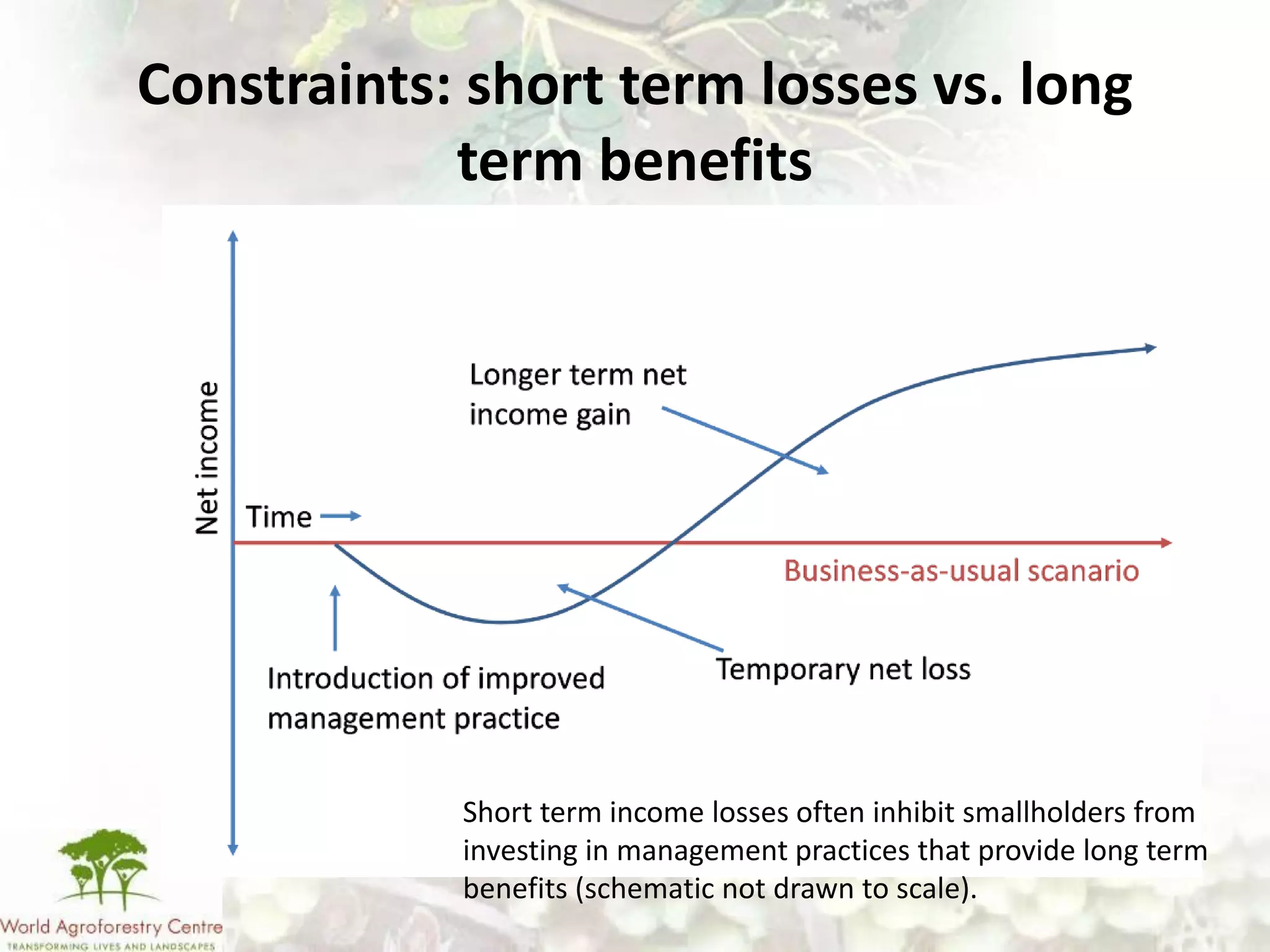
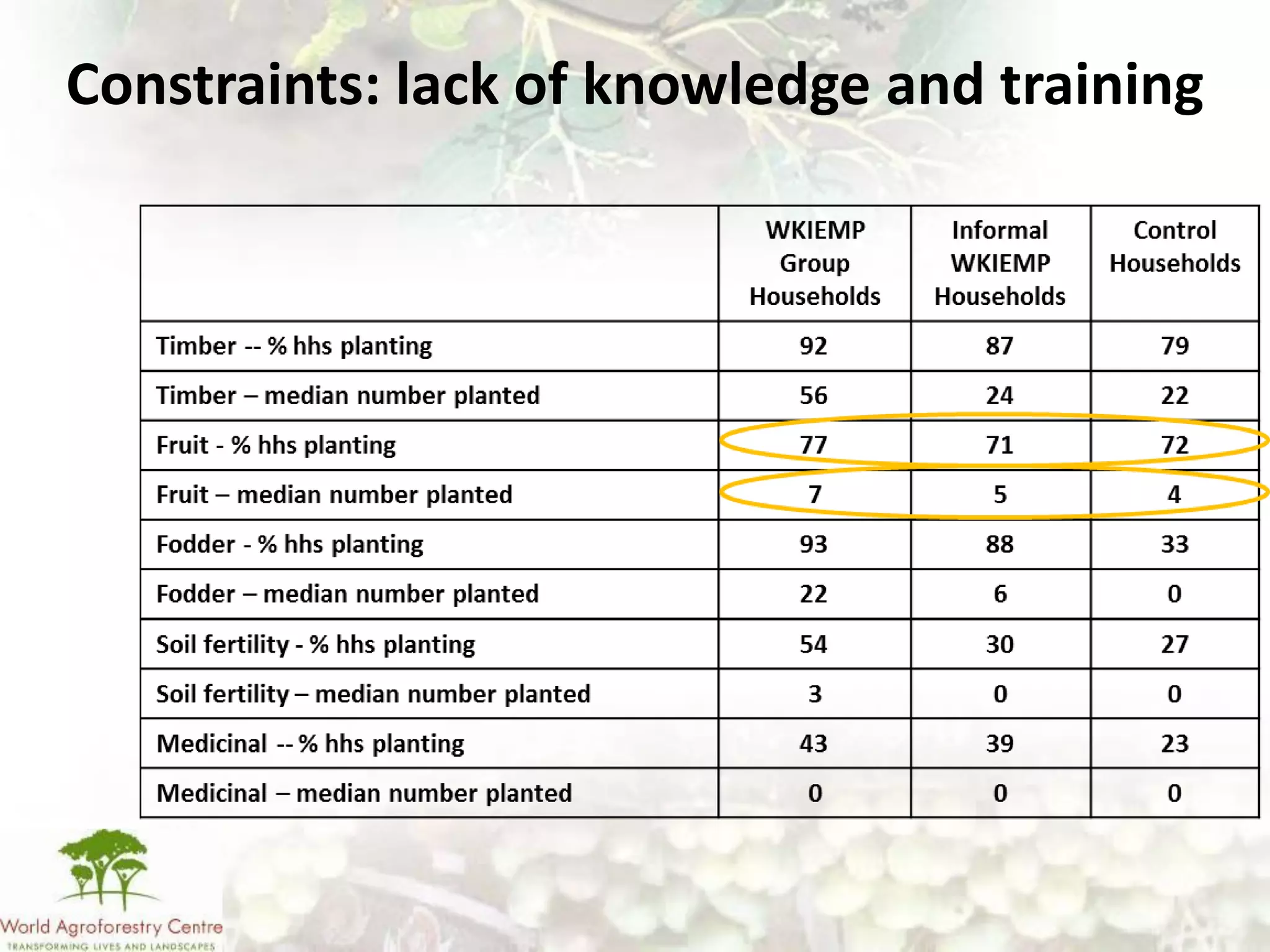
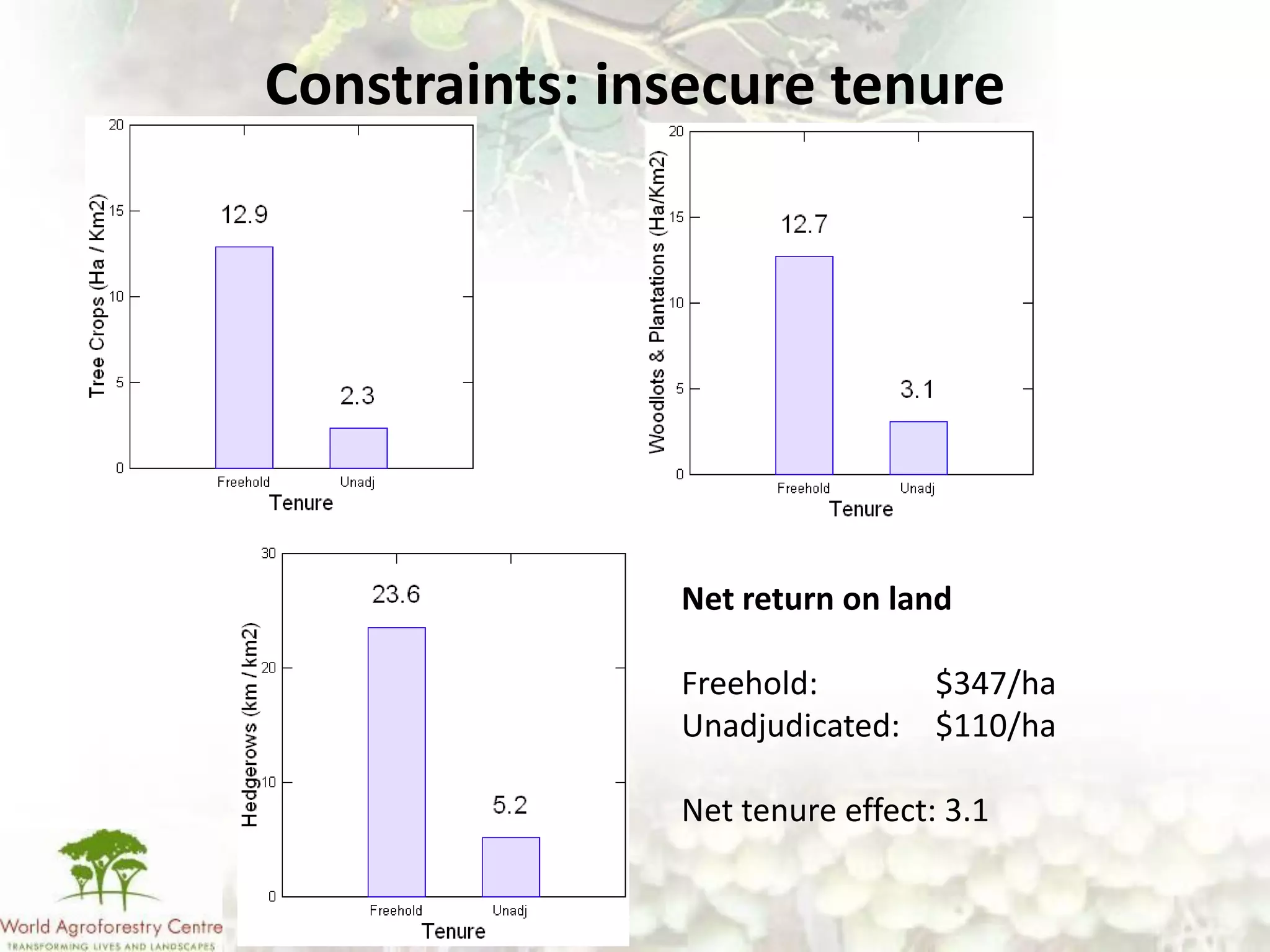
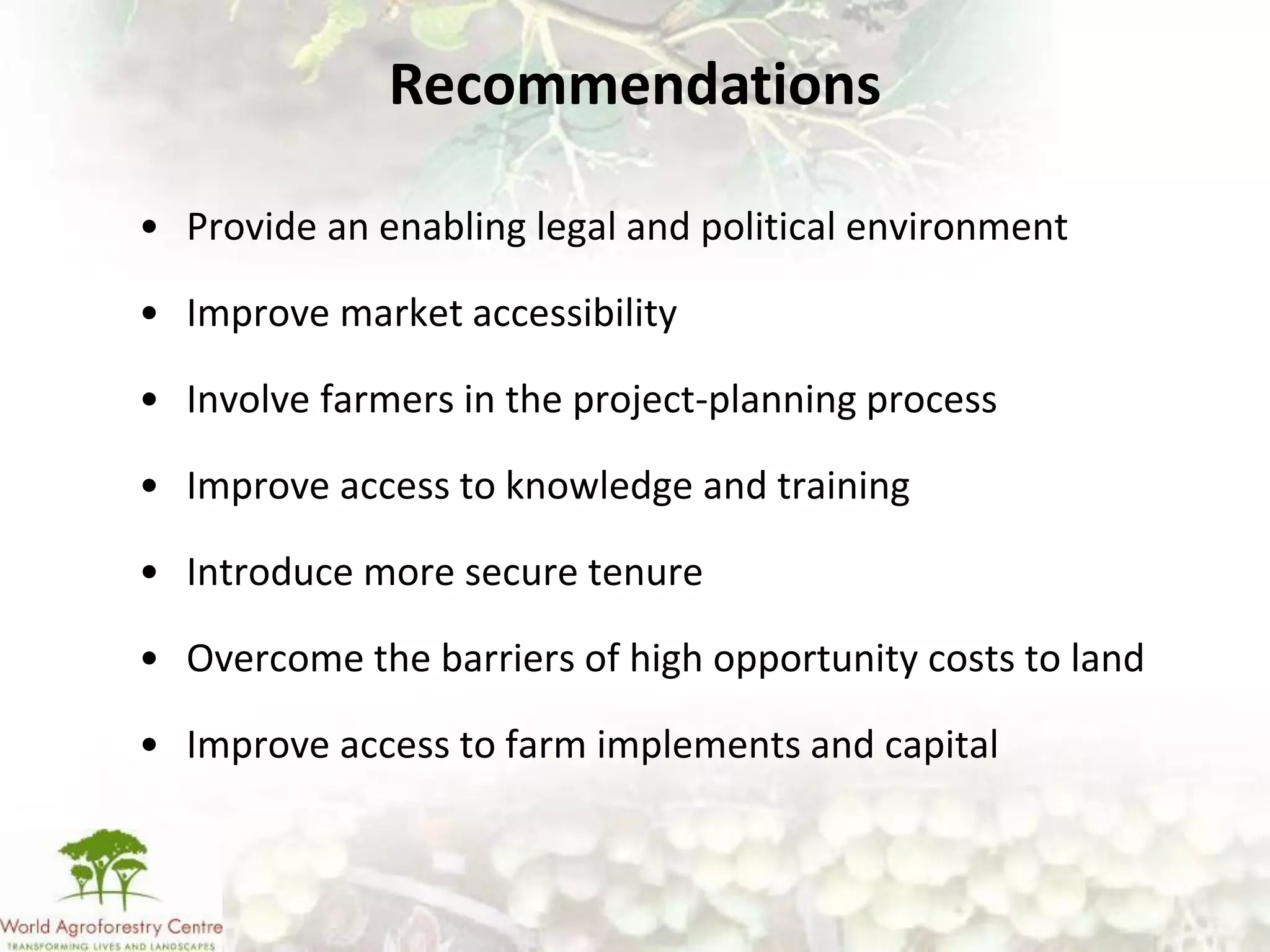
Climate-smart agriculture aims to sustainably increase productivity and incomes, adapt and build resilience to climate change, and reduce and/or remove greenhouse gas emissions. It involves adopting various agricultural practices at the local, national, and global scales that improve food security through higher yields while addressing climate change adaptation and mitigation. However, constraints like a lack of knowledge and training, insecure land tenure, and short-term losses versus long-term benefits can inhibit smallholders from adopting climate-smart practices.


![Vibe Coding vs. Spec-Driven Development [Free Meetup]](https://cdn.slidesharecdn.com/ss_thumbnails/vibecodingvsspecdrivendevelopment-251209105622-43f455e7-thumbnail.jpg?width=640&height=640&fit=bounds)