October 19, 2016
Mark Barbash
WARNING SIGNS OF BUSINESS
DISTRESS
NCIS/
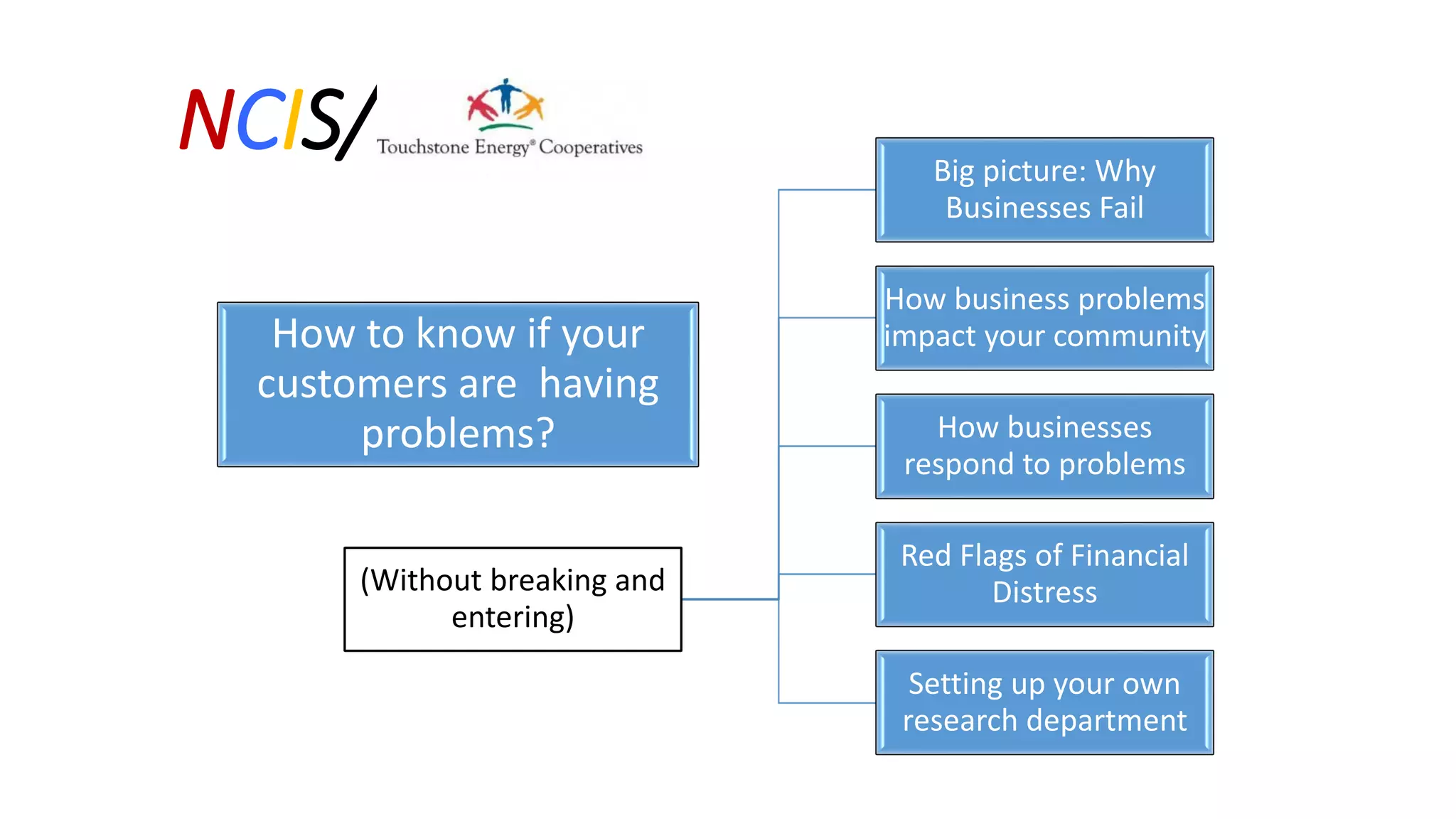
How to know if your
customers are having
problems?
(Without breaking and
entering)
Big picture: Why
Businesses Fail
How business problems
impact your community
How businesses
respond to problems
Red Flags of Financial
Distress
Setting up your own
research department
The Big Picture:
Why Businesses Fail
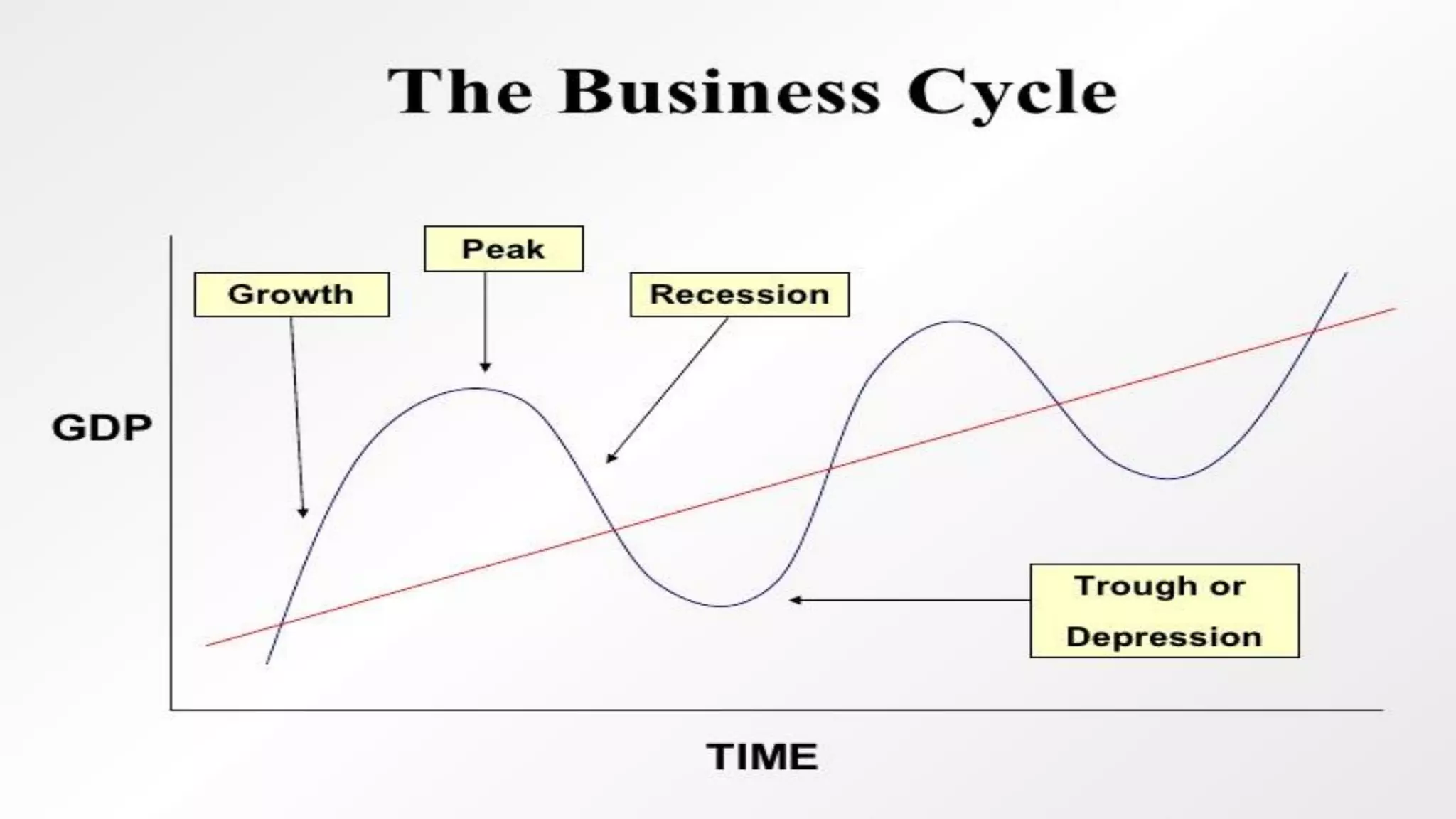
• Business cycles
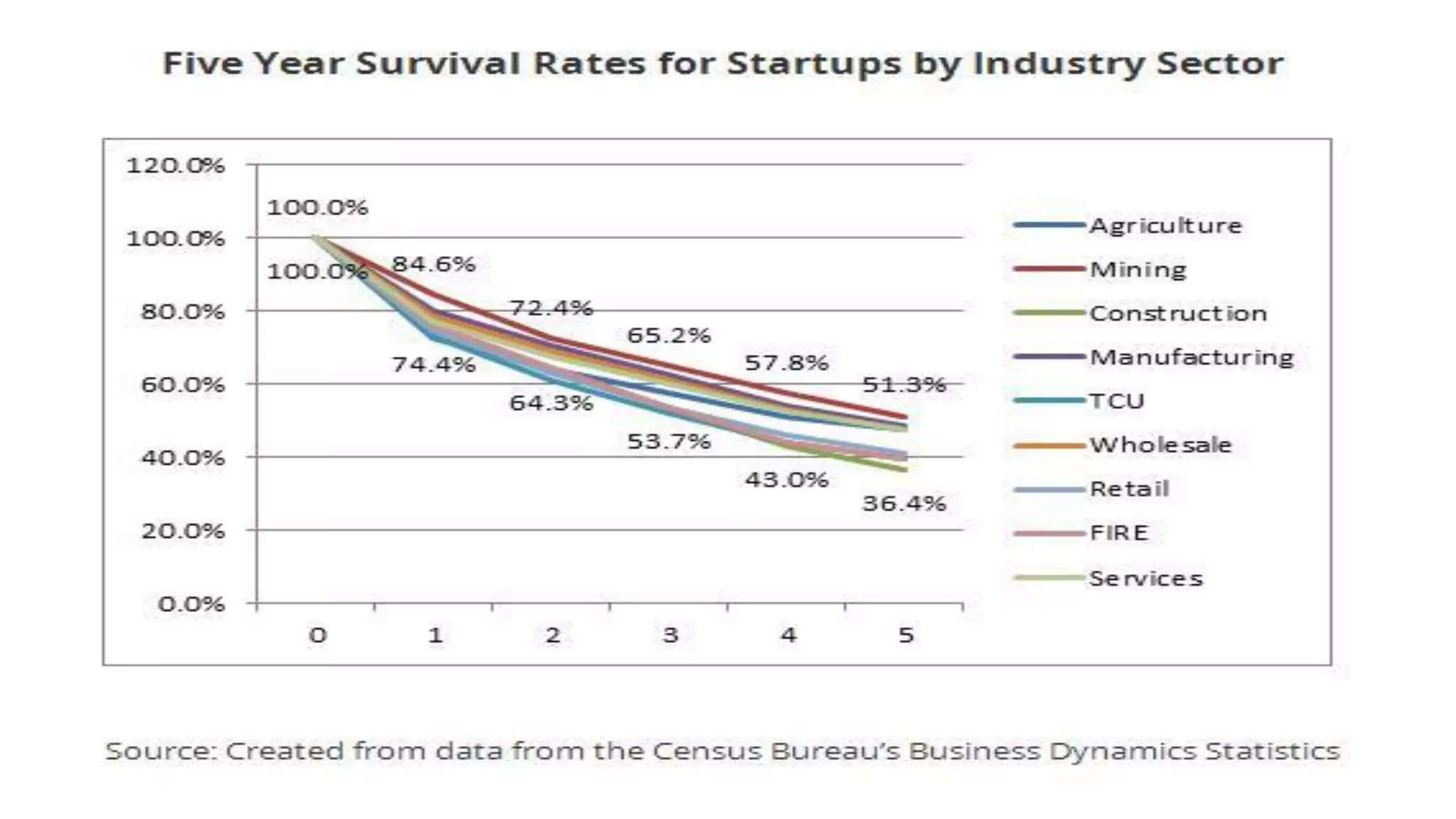
• Survival rates for start up
businesses
• Understanding the supply
chain
• Why businesses fail
• How do businesses respond to
problems
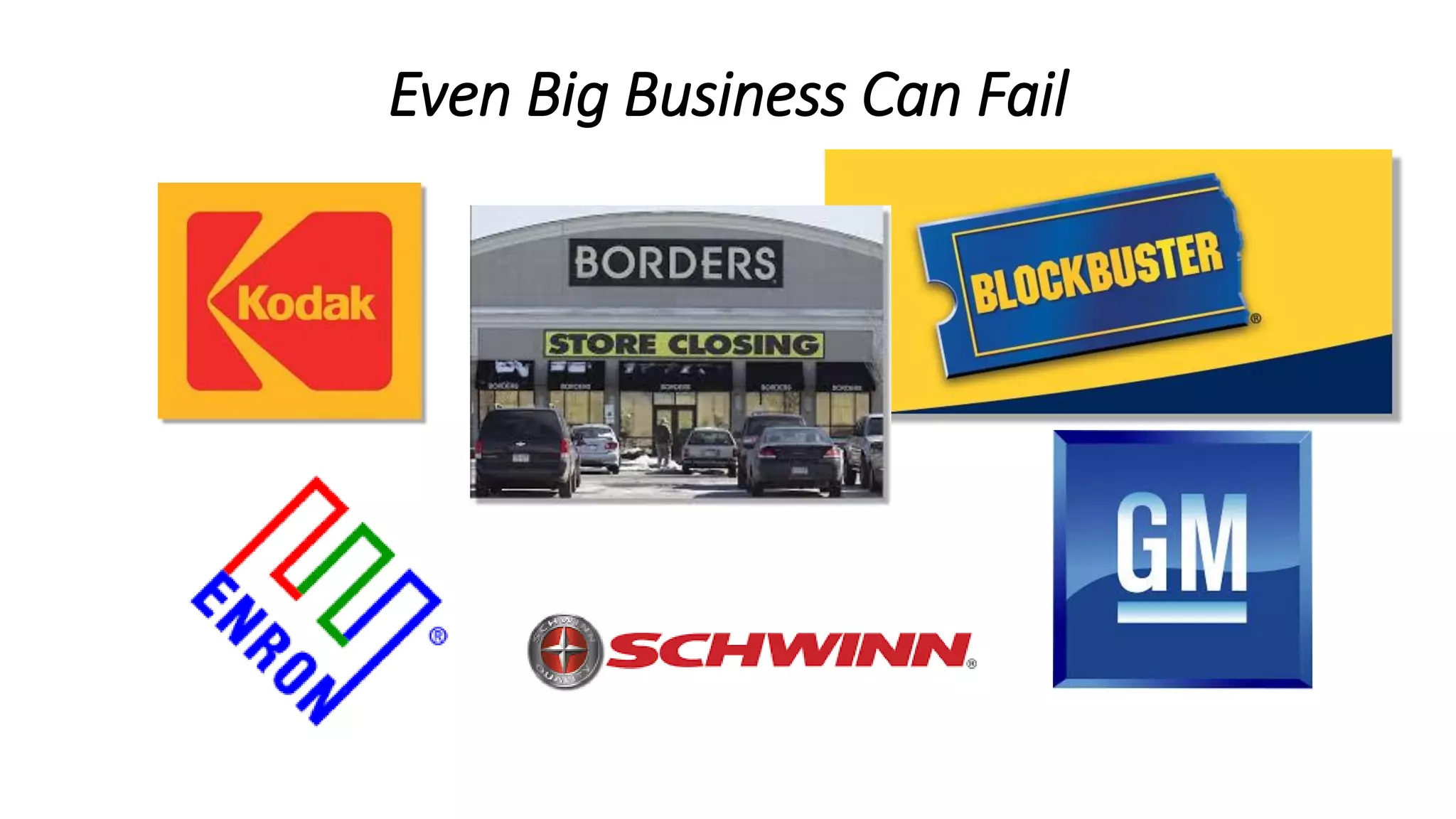
Even Big Business Can Fail
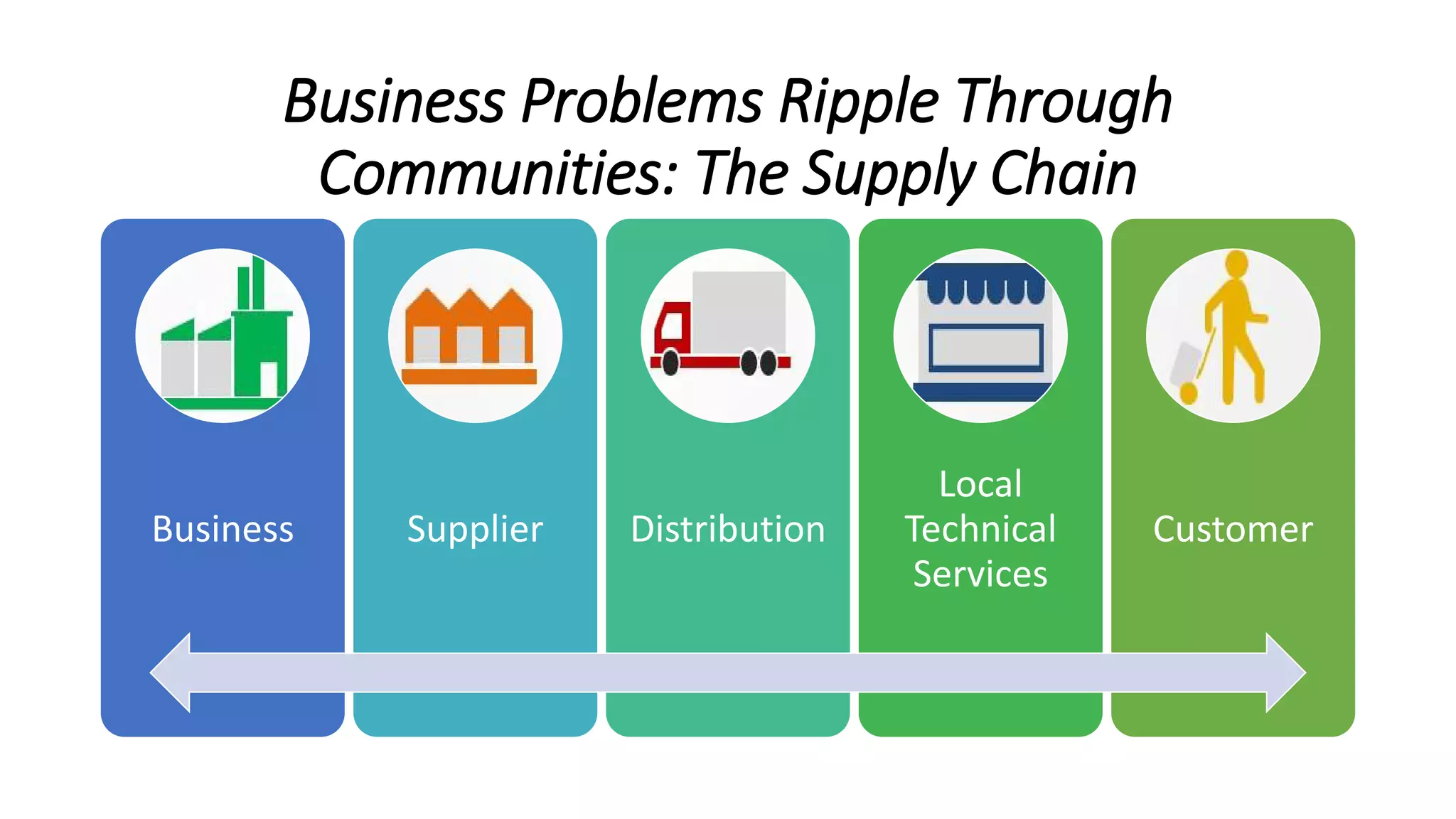
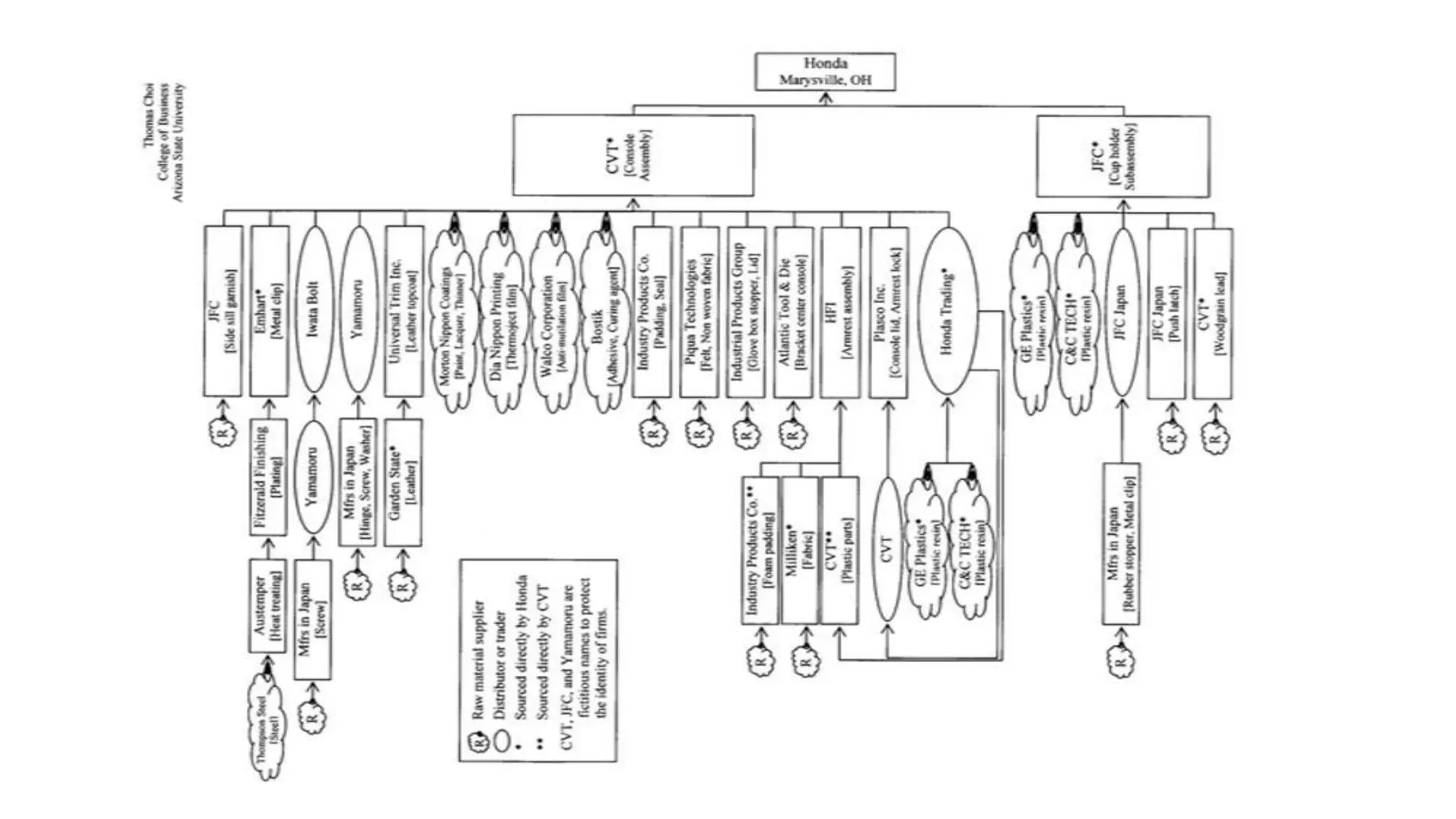
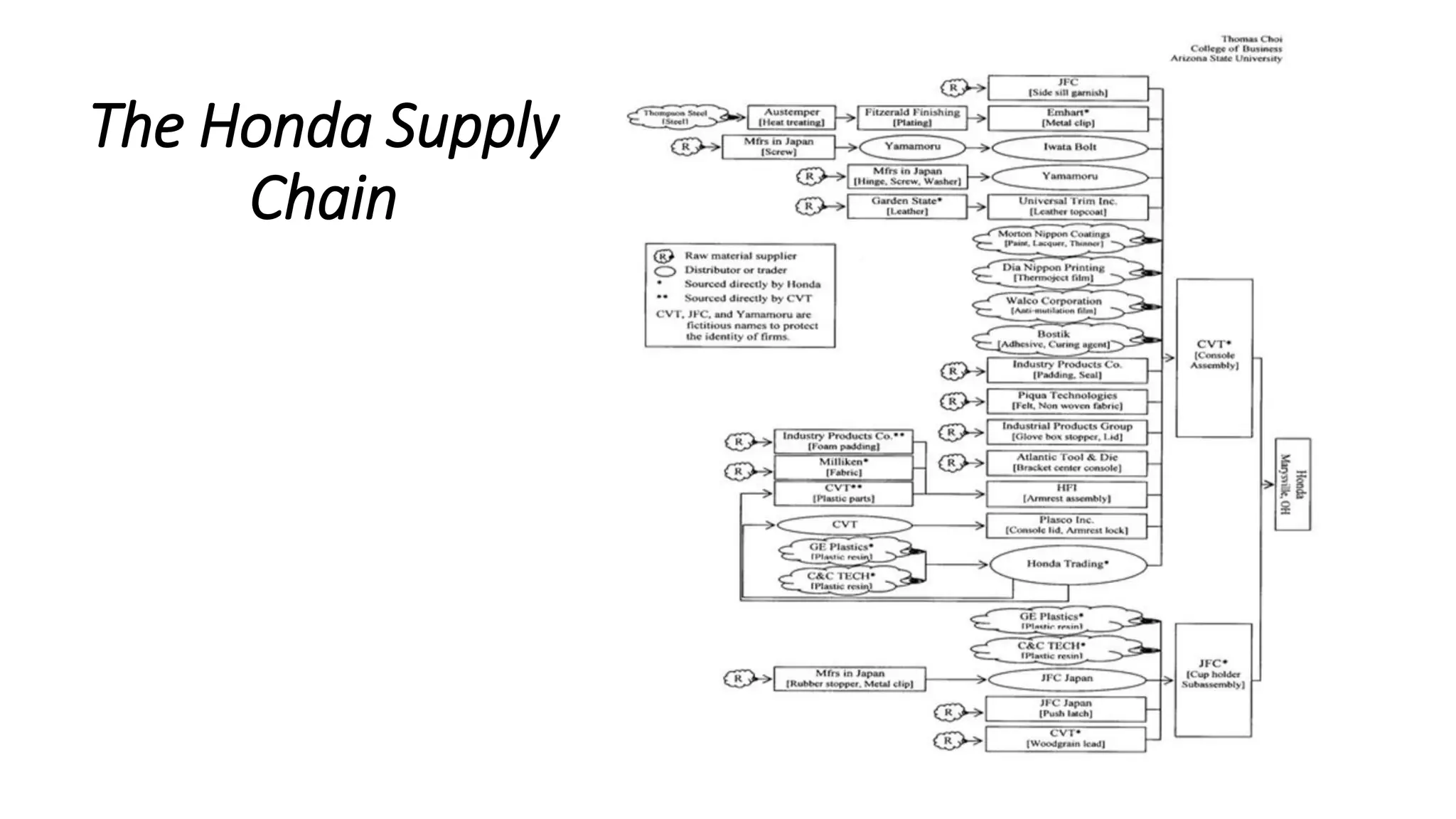
Business Problems Ripple Through
Communities: The Supply Chain
Business Supplier Distribution
Local
Technical
Services
Customer
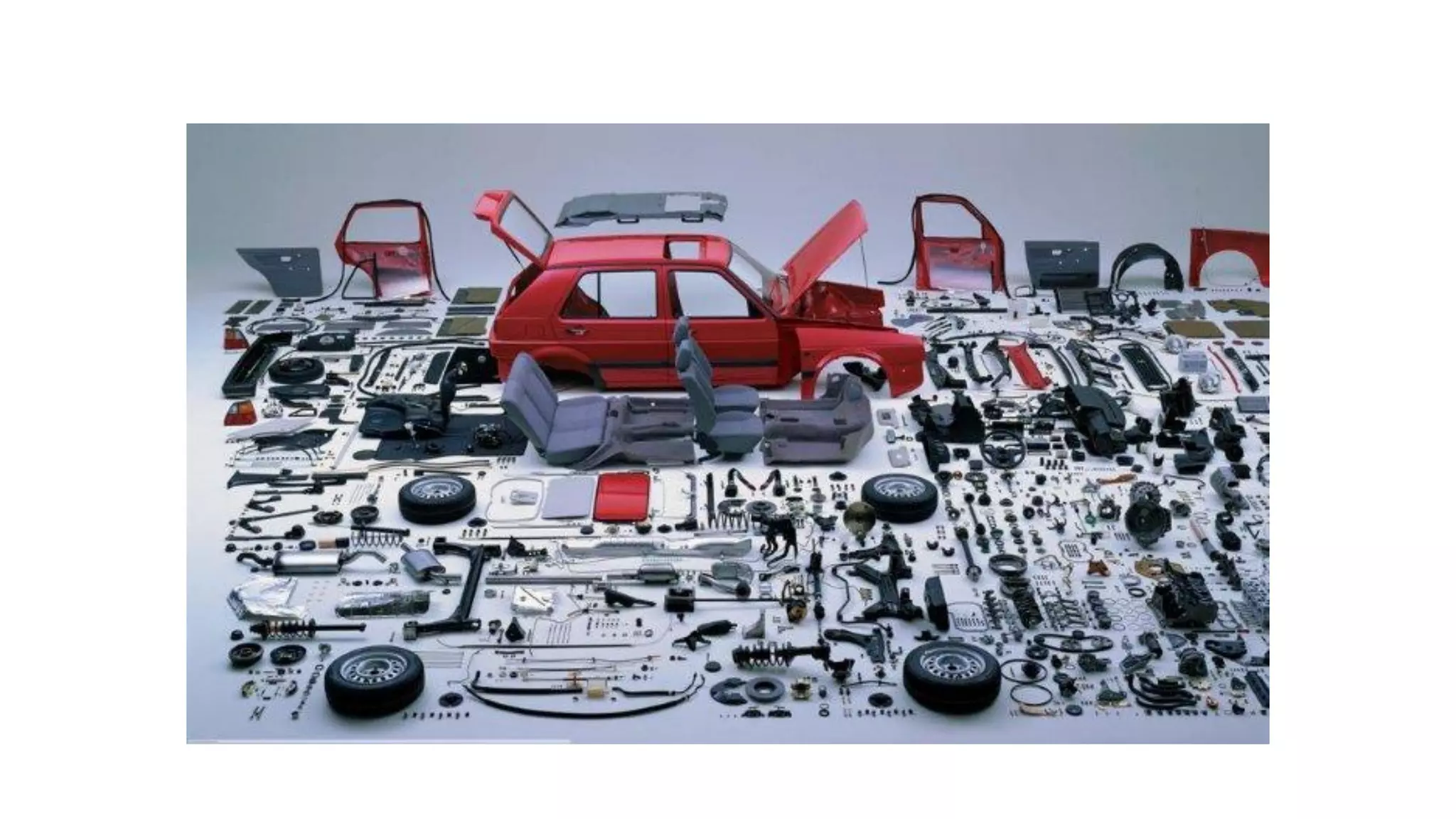
The Honda Supply
Chain
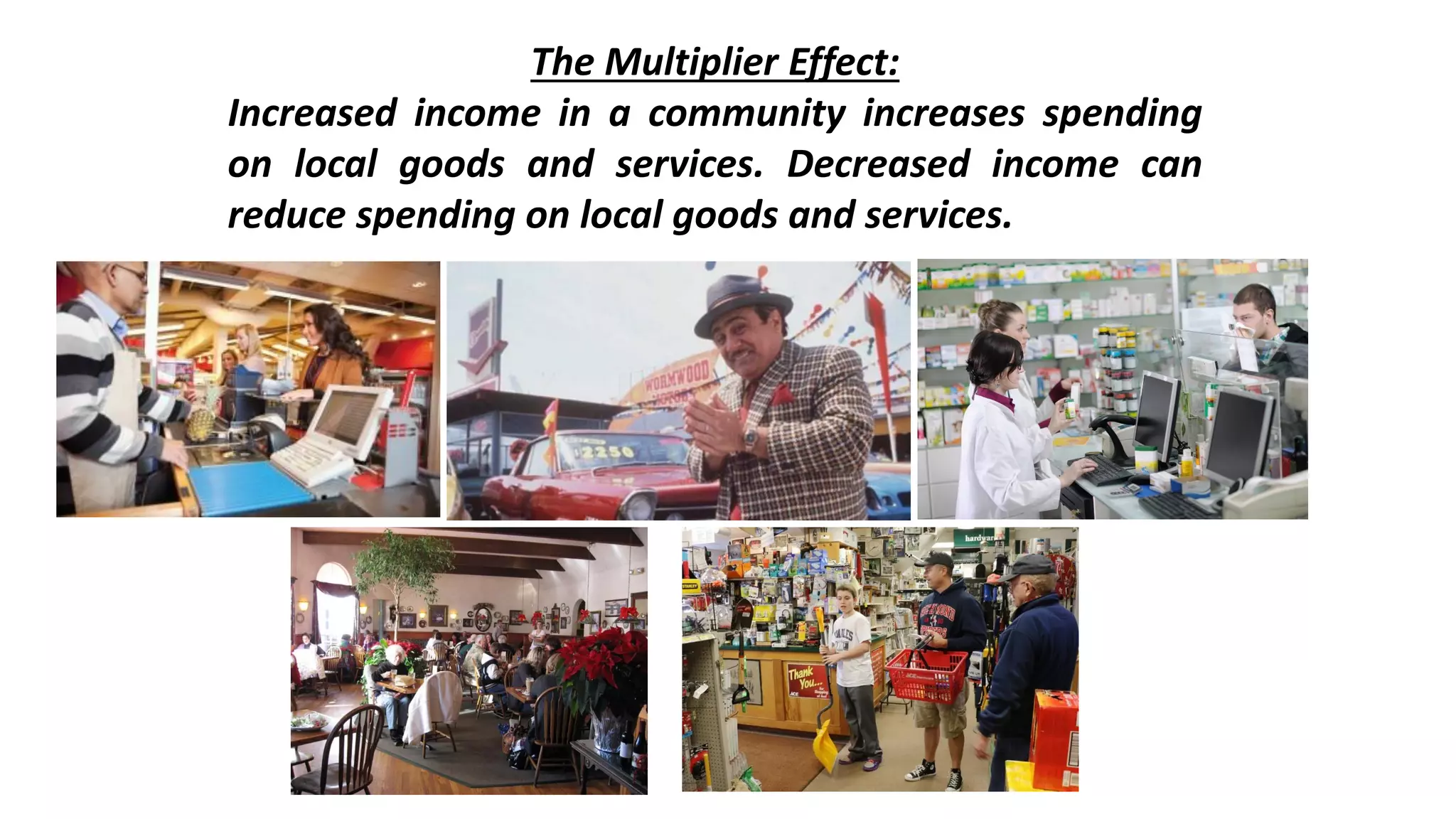
The Multiplier Effect:
Increased income in a community increases spending
on local goods and services. Decreased income can
reduce spending on local goods and services.
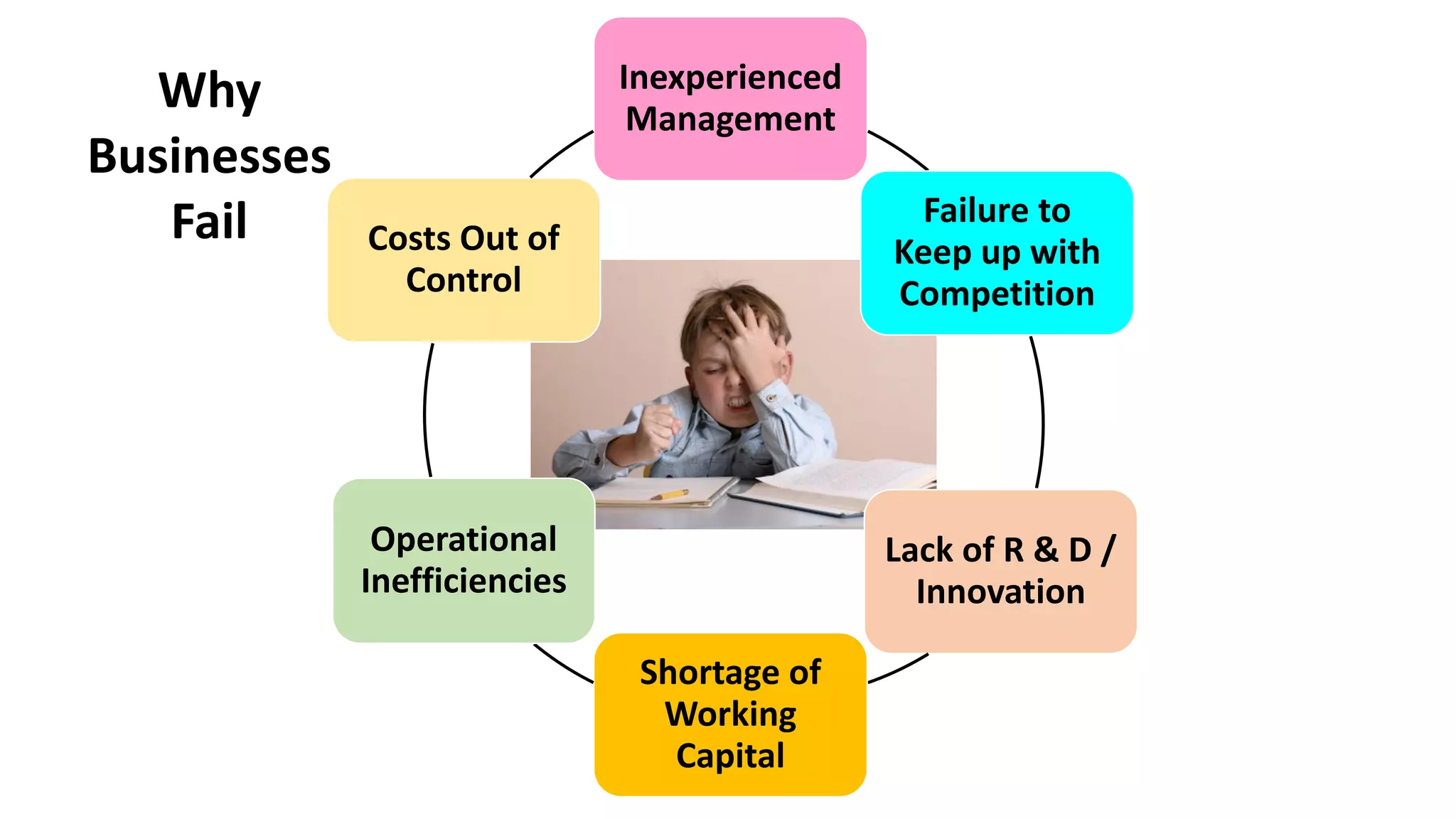
Inexperienced
Management
Failure to
Keep up with
Competition
Lack of R & D /
Innovation
Shortage of
Working
Capital
Operational
Inefficiencies
Costs Out of
Control
Why
Businesses
Fail
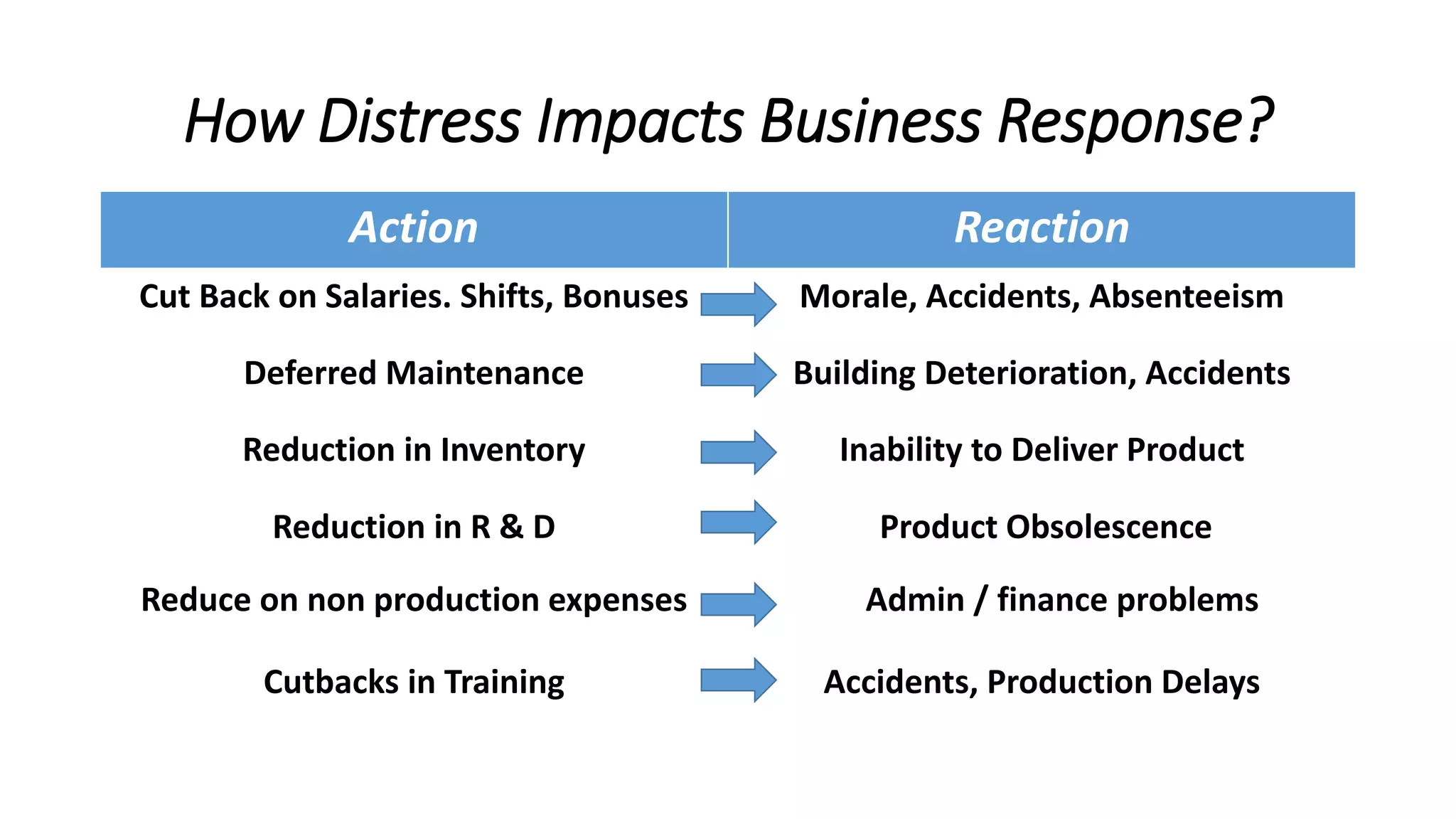
How Distress Impacts Business Response?
Action Reaction
Cut Back on Salaries. Shifts, Bonuses Morale, Accidents, Absenteeism
Deferred Maintenance Building Deterioration, Accidents
Reduction in Inventory Inability to Deliver Product
Reduction in R & D Product Obsolescence
Reduce on non production expenses Admin / finance problems
Cutbacks in Training Accidents, Production Delays
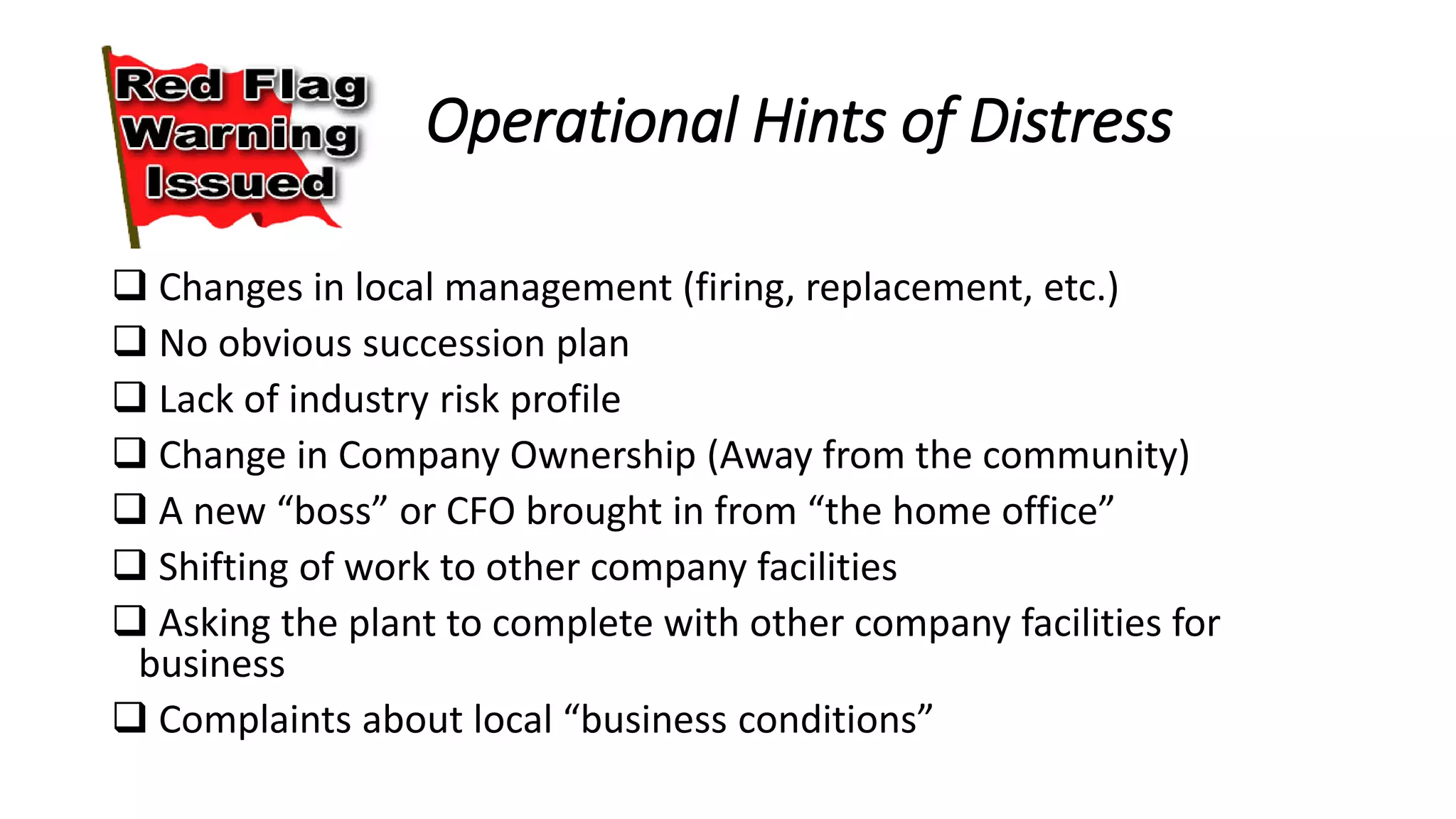
Operational Hints of Distress
 Changes in local management (firing, replacement, etc.)
 No obvious succession plan
 Lack of industry risk profile
 Change in Company Ownership (Away from the community)
 A new “boss” or CFO brought in from “the home office”
 Shifting of work to other company facilities
 Asking the plant to complete with other company facilities for
business
 Complaints about local “business conditions”
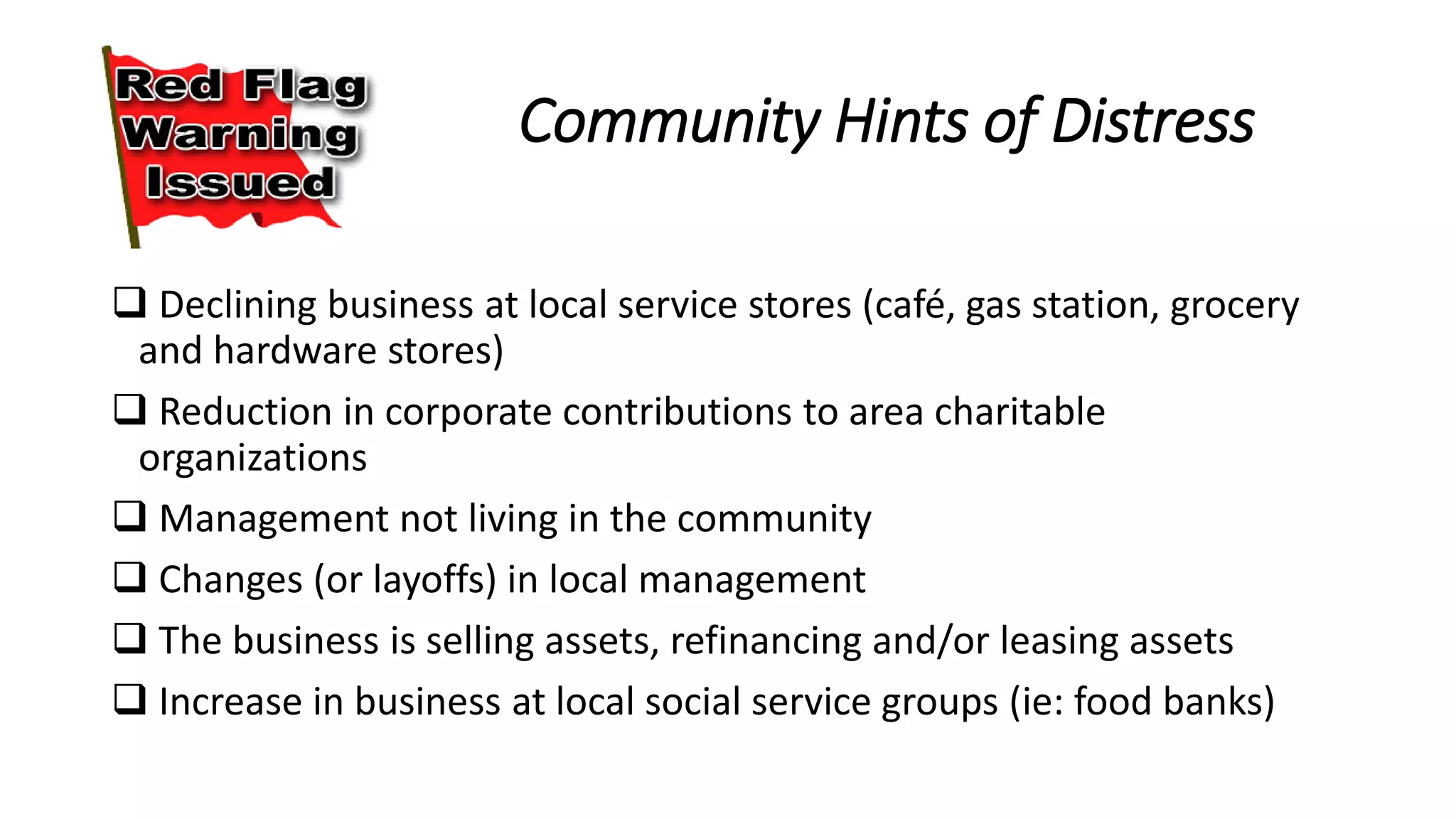
Community Hints of Distress
 Declining business at local service stores (café, gas station, grocery
and hardware stores)
 Reduction in corporate contributions to area charitable
organizations
 Management not living in the community
 Changes (or layoffs) in local management
 The business is selling assets, refinancing and/or leasing assets
 Increase in business at local social service groups (ie: food banks)
Let’s Take a Ride
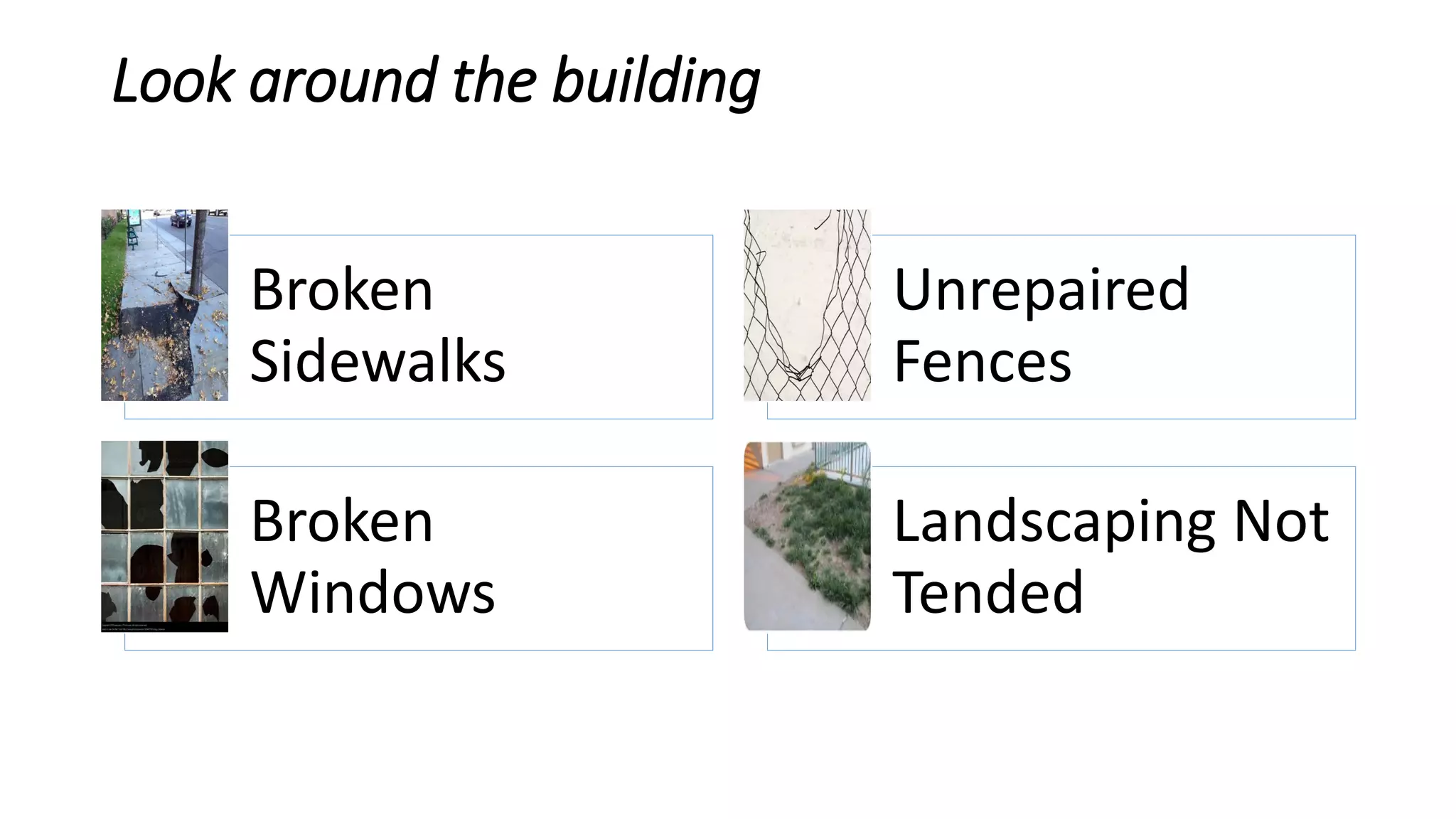
Look around the building
Broken
Sidewalks
Unrepaired
Fences
Broken
Windows
Landscaping Not
Tended
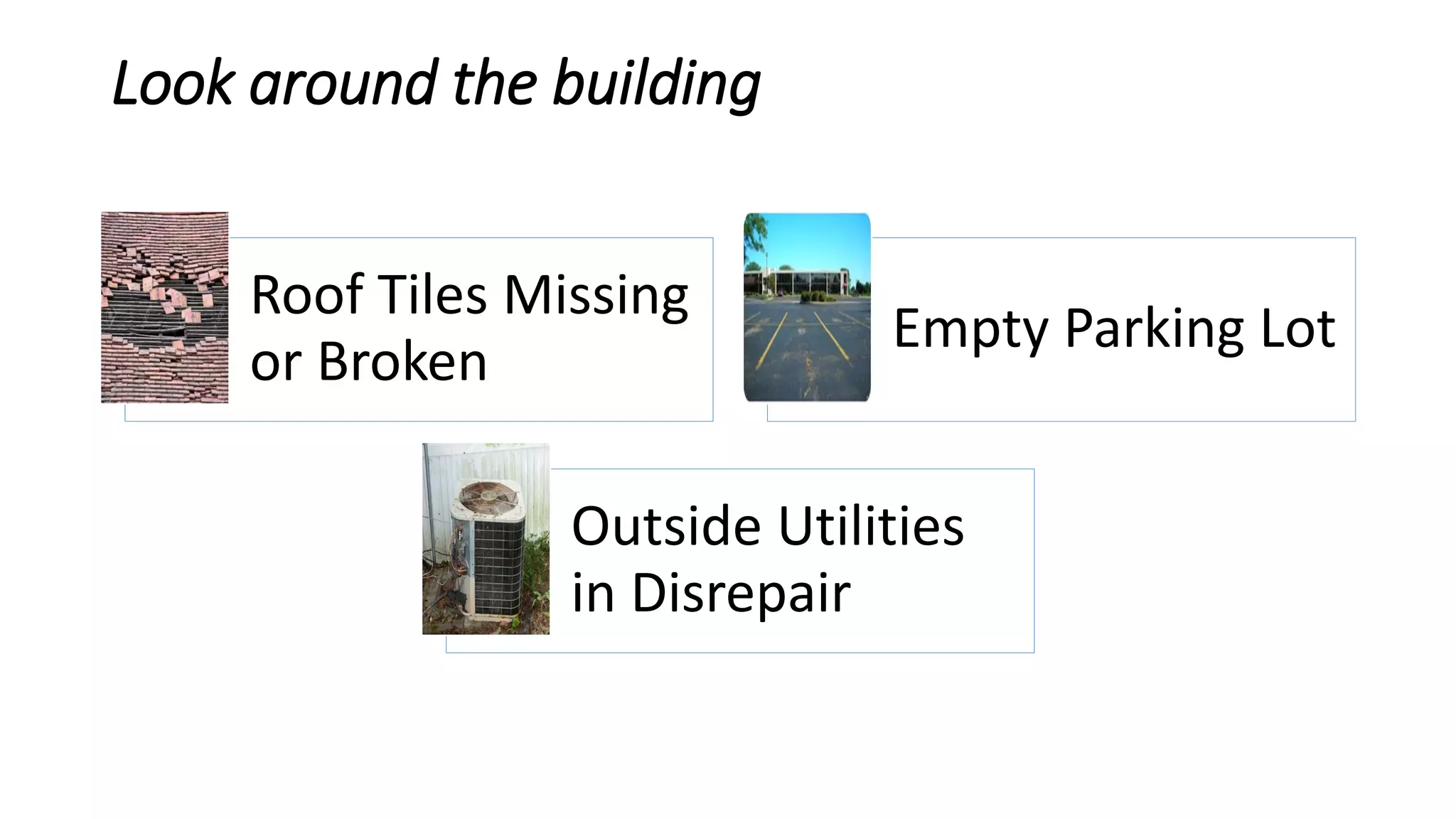
Look around the building
Roof Tiles Missing
or Broken
Empty Parking Lot
Outside Utilities
in Disrepair
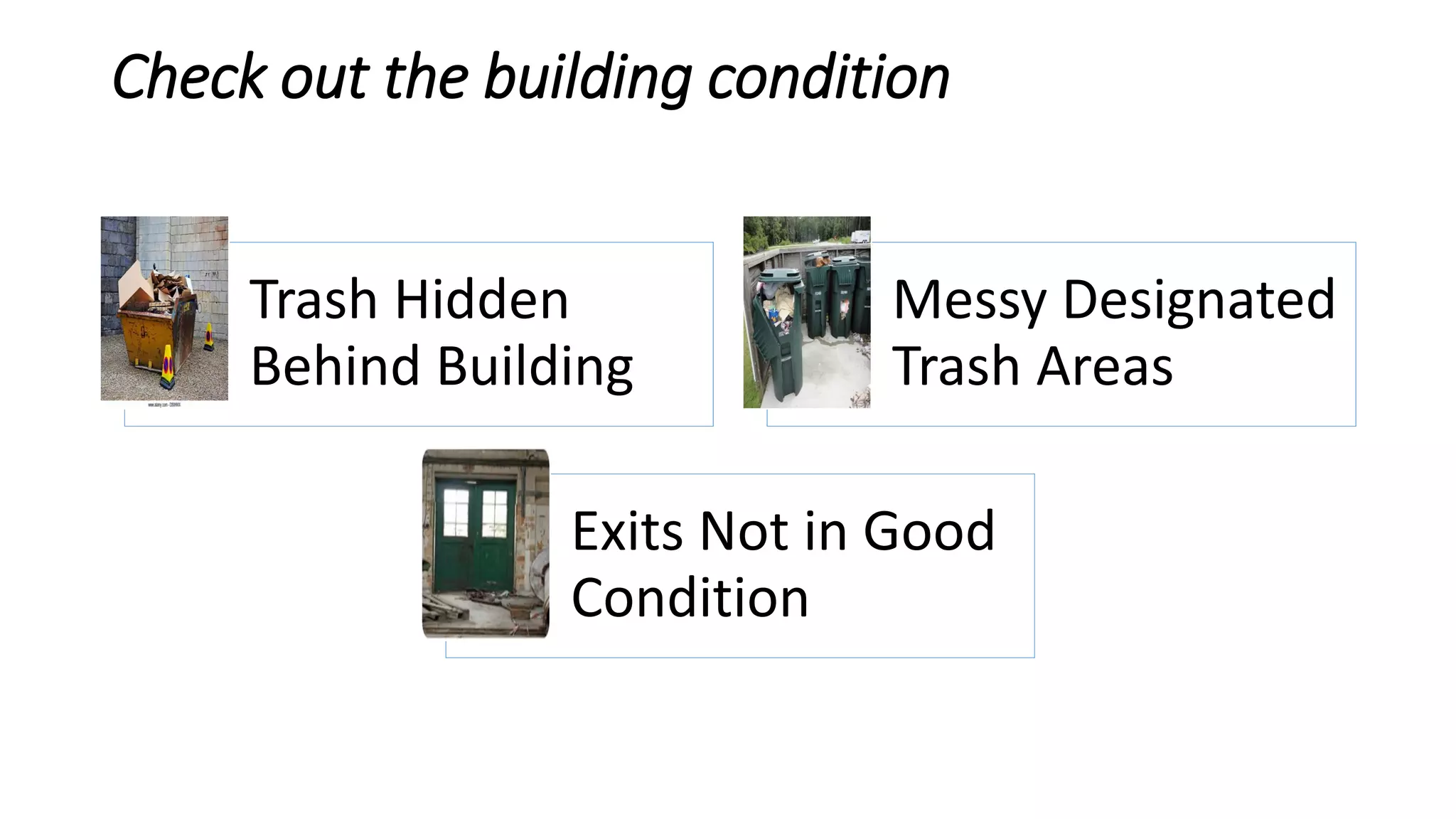
Check out the building condition
Trash Hidden
Behind Building
Messy Designated
Trash Areas
Exits Not in Good
Condition
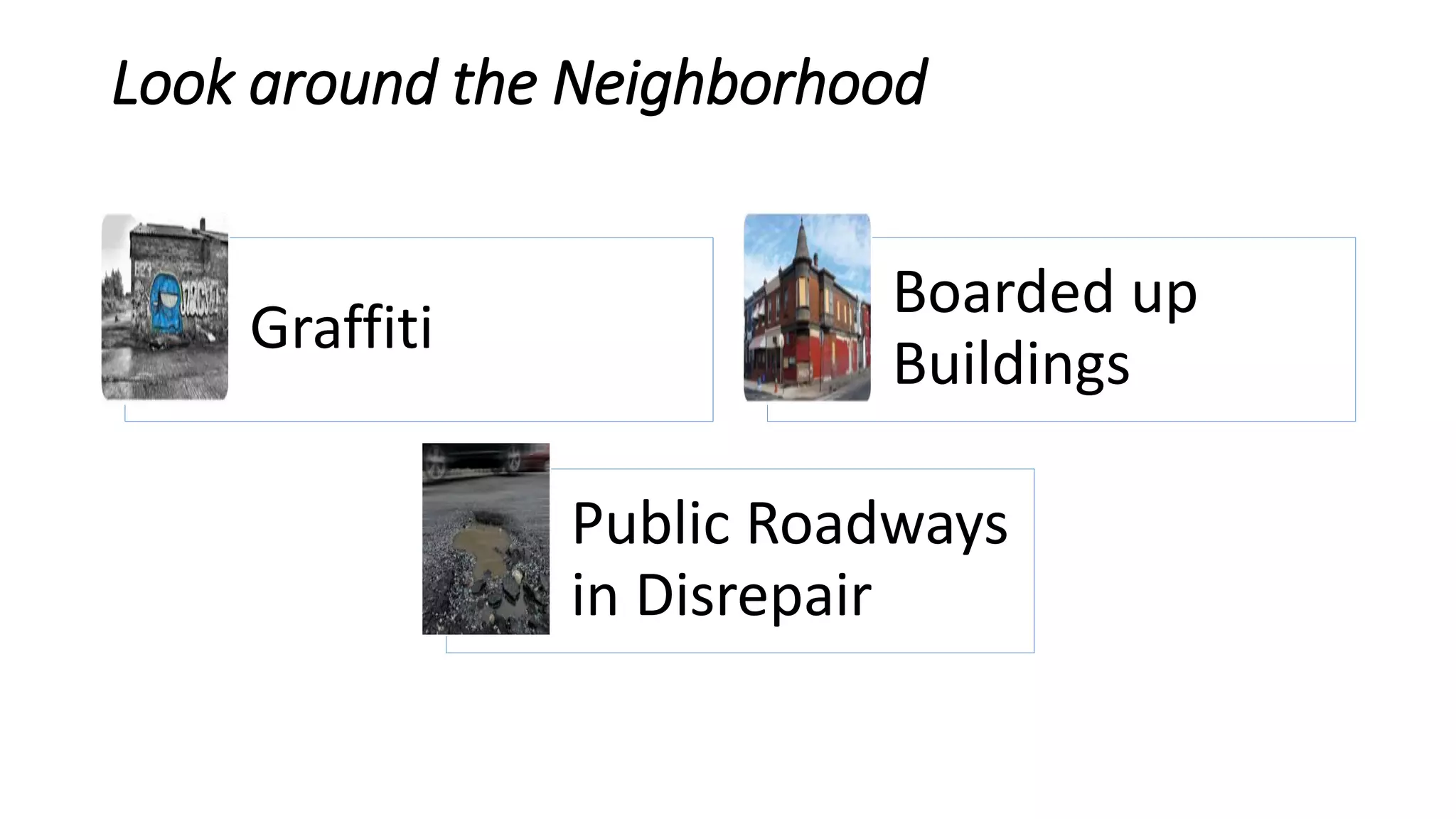
Look around the Neighborhood
Graffiti
Boarded up
Buildings
Public Roadways
in Disrepair
Look around the Neighborhood
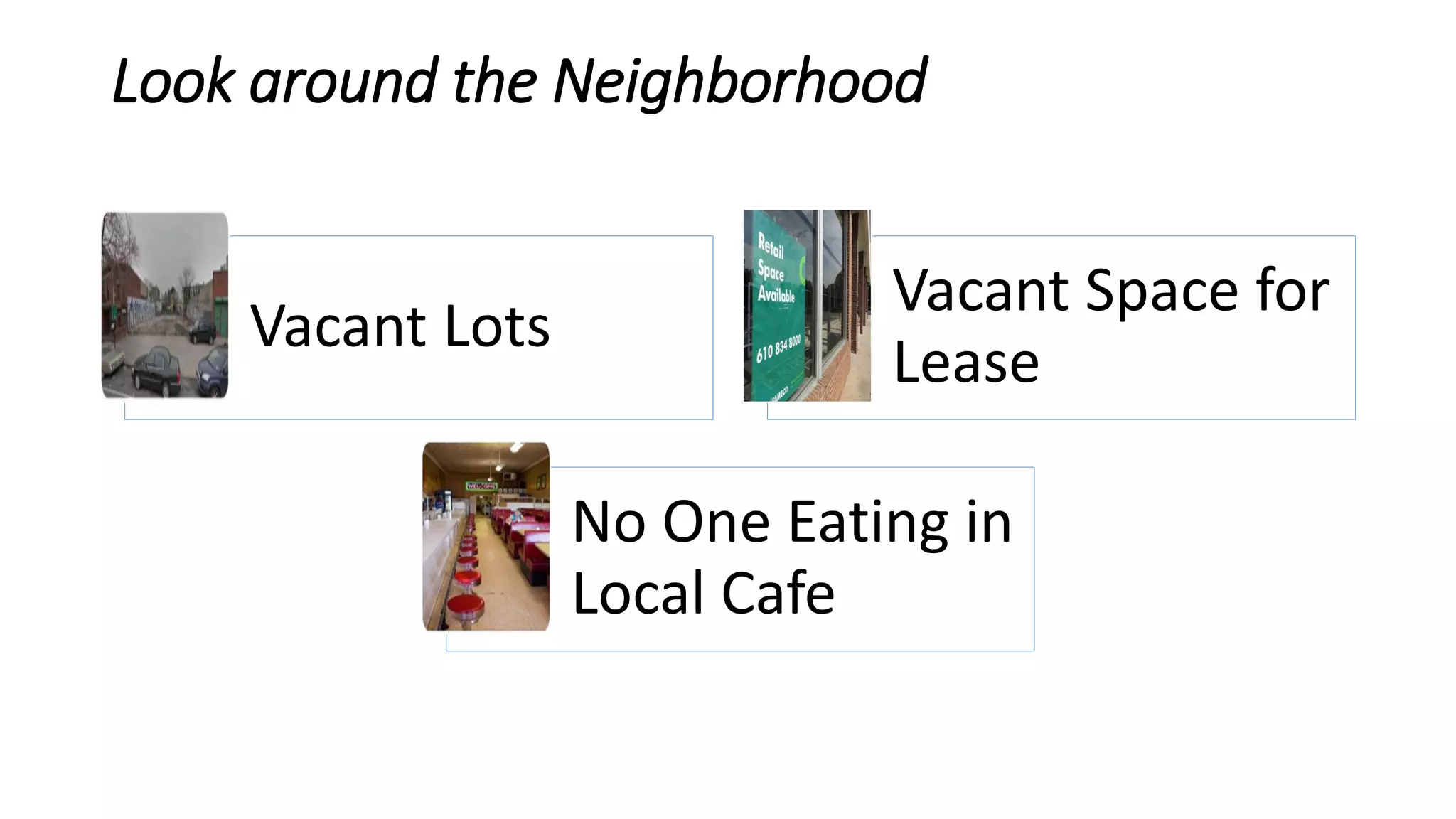
Vacant Lots
Vacant Space for
Lease
No One Eating in
Local Cafe
If you can take a plant tour…
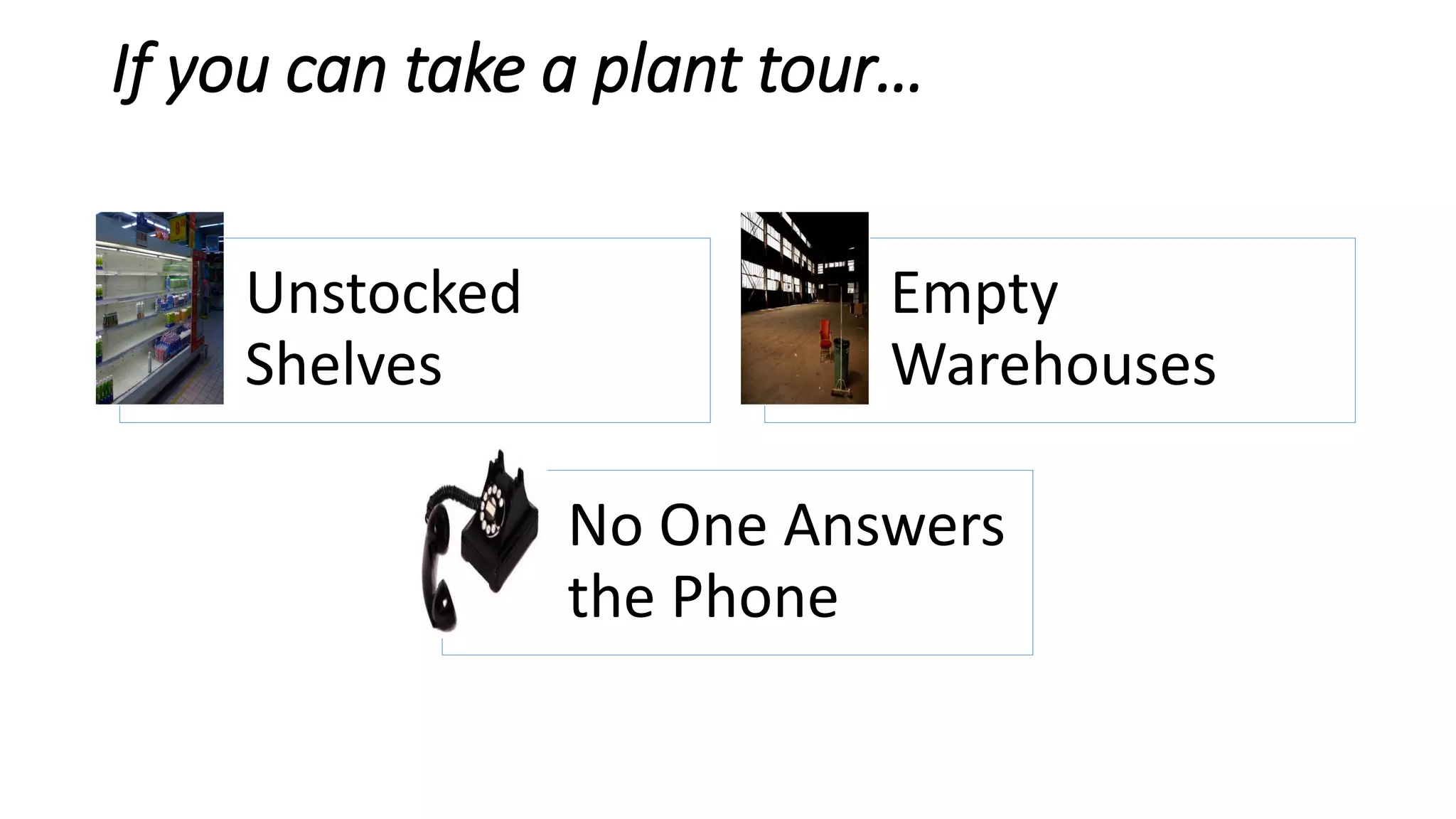
Unstocked
Shelves
Empty
Warehouses
No One Answers
the Phone
If you can take a plant tour
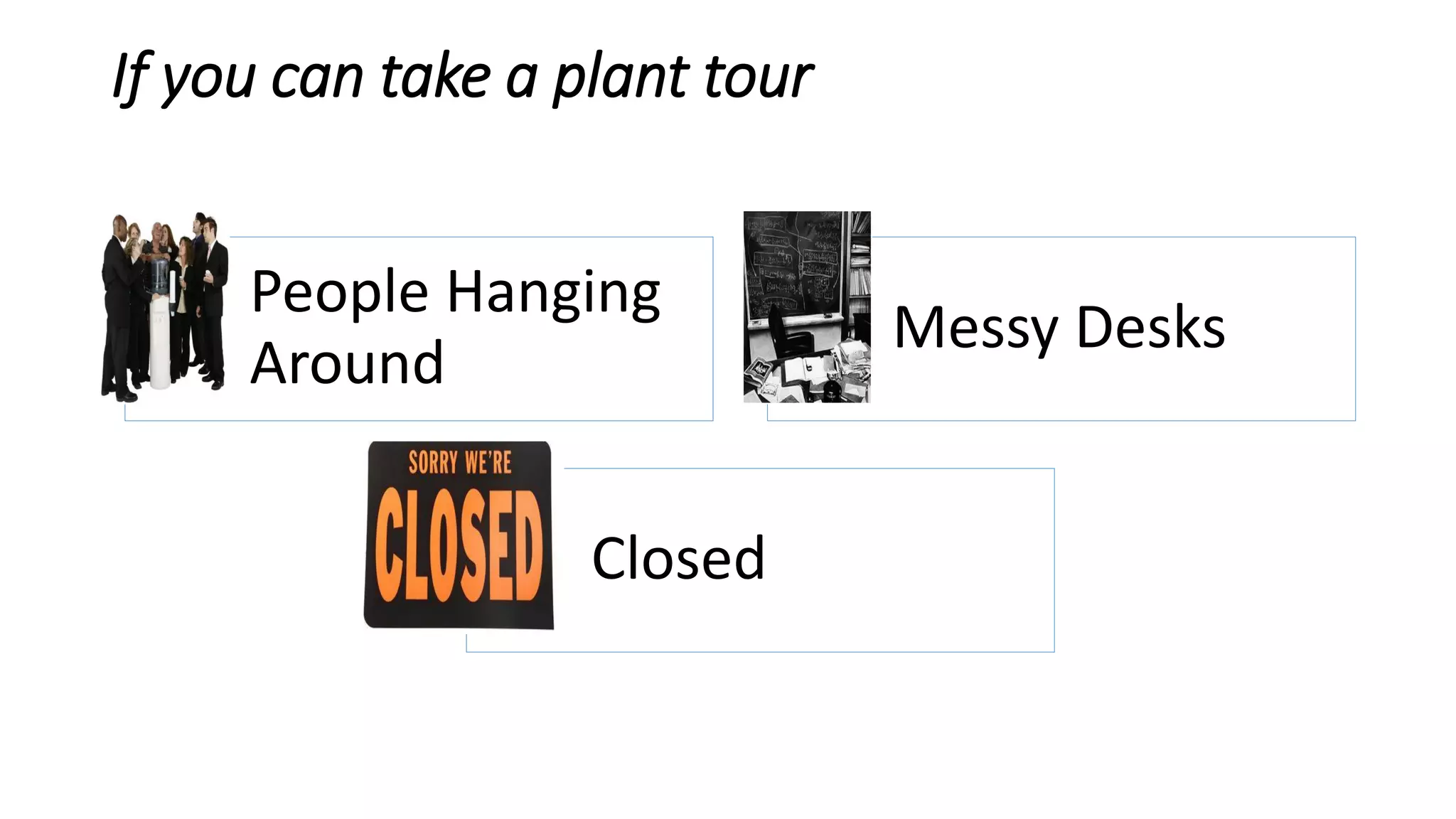
People Hanging
Around
Messy Desks
Closed
Create Your Own Research Department
Set up Google
Searches
Watch
Industry
Trends
Hang Out
Watch
Newspaper
Notices
Watch out for these excuses ….
• Rosy Scenarios: “Everything is fine. It’ll get better. “
• The Reasons for Failure: “It’s someone else’s fault.”
• Networking in the community: “Haven’t seen you around much.”
• Managers not living in the community: “I did it for the school system.”
• Keep an eye on lawsuits: “Don’t worry. It’s routine.”
• WARN Notices: “It’s no big deal. They require us to file it.”
• Age of Owners: “I’m gonna pass it on to my kids.”
• Location in gentrifying neighborhood: “It’s getting pretty expensive here.”
• Business vacancies in the area: “Where did my neighbors go. “
Final Words…
• It’s tough for a business to survive
• “Just the facts, ma’am” Joe Friday
• You know what they say about “assume”…
• A rumor goes in one ear, then out of many mouths.
• You win if the business succeeds
• You win if the business recovers from adversity
Thank you
Mark Barbash
Mark.Barbash@gmail.com
(614) 774-7599

Business Distress Warning Signals Buckeye Power 10182016

  • 1.
    October 19, 2016 MarkBarbash WARNING SIGNS OF BUSINESS DISTRESS
  • 2.
    NCIS/ How to knowif your customers are having problems? (Without breaking and entering) Big picture: Why Businesses Fail How business problems impact your community How businesses respond to problems Red Flags of Financial Distress Setting up your own research department
  • 3.
    The Big Picture: WhyBusinesses Fail • Business cycles • Survival rates for start up businesses • Understanding the supply chain • Why businesses fail • How do businesses respond to problems
  • 6.
  • 7.
    Business Problems RippleThrough Communities: The Supply Chain Business Supplier Distribution Local Technical Services Customer
  • 10.
  • 11.
    The Multiplier Effect: Increasedincome in a community increases spending on local goods and services. Decreased income can reduce spending on local goods and services.
  • 12.
    Inexperienced Management Failure to Keep upwith Competition Lack of R & D / Innovation Shortage of Working Capital Operational Inefficiencies Costs Out of Control Why Businesses Fail
  • 13.
    How Distress ImpactsBusiness Response? Action Reaction Cut Back on Salaries. Shifts, Bonuses Morale, Accidents, Absenteeism Deferred Maintenance Building Deterioration, Accidents Reduction in Inventory Inability to Deliver Product Reduction in R & D Product Obsolescence Reduce on non production expenses Admin / finance problems Cutbacks in Training Accidents, Production Delays
  • 14.
    Operational Hints ofDistress  Changes in local management (firing, replacement, etc.)  No obvious succession plan  Lack of industry risk profile  Change in Company Ownership (Away from the community)  A new “boss” or CFO brought in from “the home office”  Shifting of work to other company facilities  Asking the plant to complete with other company facilities for business  Complaints about local “business conditions”
  • 15.
    Community Hints ofDistress  Declining business at local service stores (café, gas station, grocery and hardware stores)  Reduction in corporate contributions to area charitable organizations  Management not living in the community  Changes (or layoffs) in local management  The business is selling assets, refinancing and/or leasing assets  Increase in business at local social service groups (ie: food banks)
  • 16.
  • 17.
    Look around thebuilding Broken Sidewalks Unrepaired Fences Broken Windows Landscaping Not Tended
  • 18.
    Look around thebuilding Roof Tiles Missing or Broken Empty Parking Lot Outside Utilities in Disrepair
  • 19.
    Check out thebuilding condition Trash Hidden Behind Building Messy Designated Trash Areas Exits Not in Good Condition
  • 20.
    Look around theNeighborhood Graffiti Boarded up Buildings Public Roadways in Disrepair
  • 21.
    Look around theNeighborhood Vacant Lots Vacant Space for Lease No One Eating in Local Cafe
  • 22.
    If you cantake a plant tour… Unstocked Shelves Empty Warehouses No One Answers the Phone
  • 23.
    If you cantake a plant tour People Hanging Around Messy Desks Closed
  • 24.
    Create Your OwnResearch Department Set up Google Searches Watch Industry Trends Hang Out Watch Newspaper Notices
  • 25.
    Watch out forthese excuses …. • Rosy Scenarios: “Everything is fine. It’ll get better. “ • The Reasons for Failure: “It’s someone else’s fault.” • Networking in the community: “Haven’t seen you around much.” • Managers not living in the community: “I did it for the school system.” • Keep an eye on lawsuits: “Don’t worry. It’s routine.” • WARN Notices: “It’s no big deal. They require us to file it.” • Age of Owners: “I’m gonna pass it on to my kids.” • Location in gentrifying neighborhood: “It’s getting pretty expensive here.” • Business vacancies in the area: “Where did my neighbors go. “
  • 26.
    Final Words… • It’stough for a business to survive • “Just the facts, ma’am” Joe Friday • You know what they say about “assume”… • A rumor goes in one ear, then out of many mouths. • You win if the business succeeds • You win if the business recovers from adversity
  • 27.