











Biological Embedding of Adversity

Editor's Notes

  • #8 I am not here to promote any particular way of eating
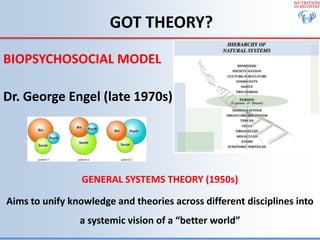
  • #9 From subatomic and bacterial, through person to community, to planetary levels (“systems thinking”)
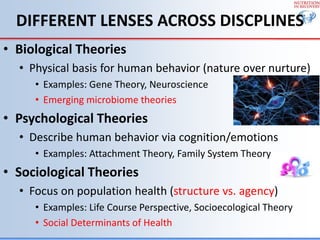
  • #10 Different theories rely on different models. DISCUSS THE DIVIDE
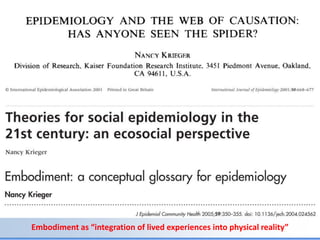
  • #11 Ecosocial Theory: Embodiment as “integration of lived experiences into physical reality”
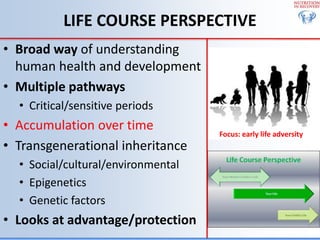
  • #12 Focus: early life adversity
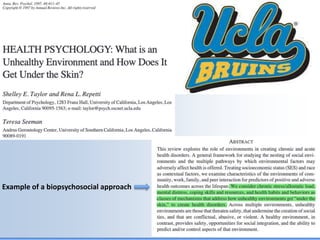
  • #13 I stand on the shoulders of giants Example of a biopsychosocial approach
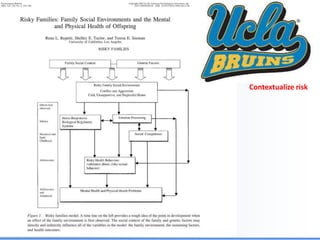
  • #14 With humans we always want to contextualize risk
  • #15 Will discuss these biological changes
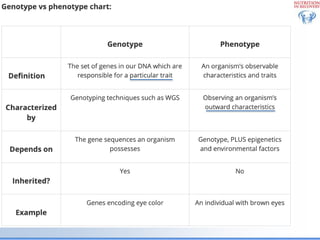
  • #16 Genotype: genes that are inherited Phenotype: characteristics that are expressed
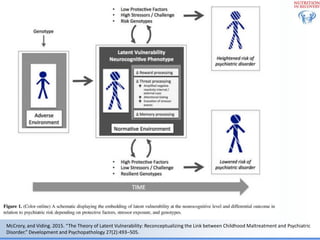
  • #17 Will discuss: changes in reward processing Changes in threat processing (amygdala) very important for trauma Memory processing occurs in the hippocampus which we will discuss
  • #18 Resilience from the lens of family/social factors (protective/advantageous factors)
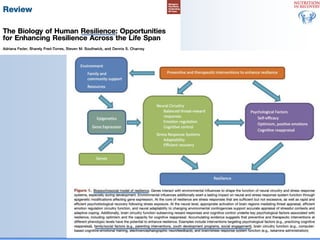
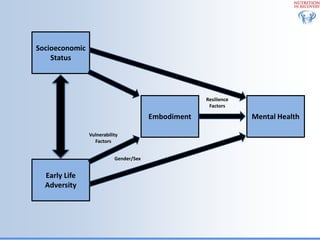
  • #20 Conceptual model for my current and future work
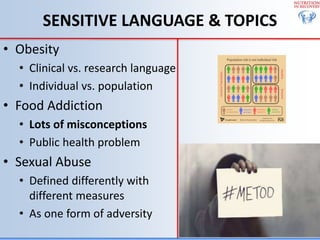
  • #21 Sensitive topics coming
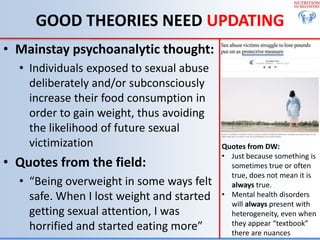
  • #22 I once asked a client if she thought this was true… “I don’t know” Science is an iterative process. “Protective measure” theory not wrong, just old
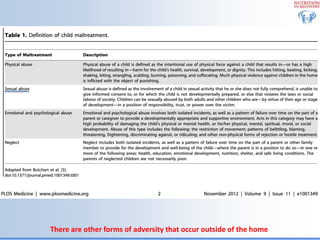
  • #23 There are other forms of adversity that occur outside of the home
  • #24 Although it absolutely can be true
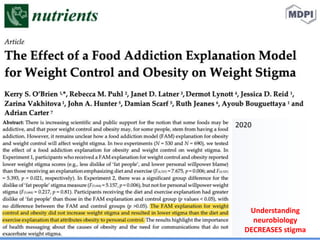
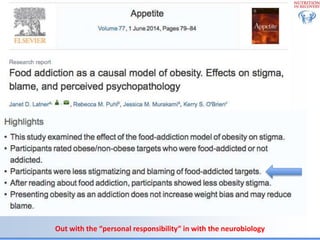
  • #25 Understanding neurobiology DECREASES stigma
  • #26 Out with the “personal responsibility” in with the neurobiology
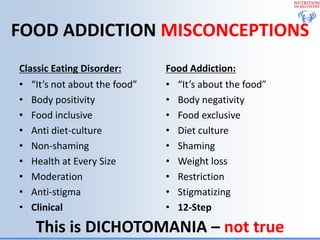
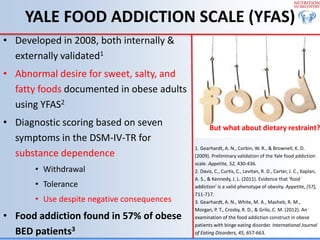
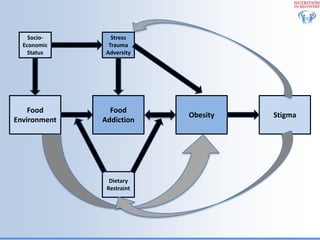
  • #27 YFAS 2.0, YFAS-c, m-YFAS Major criticism: doesn’t control for dietary restraint
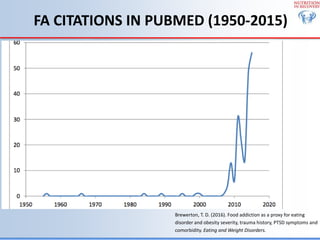
  • #28 In last few years there are at least 100 studies per year
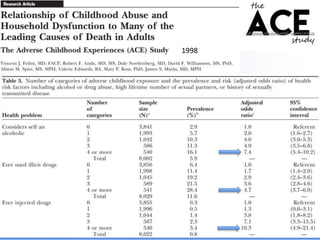
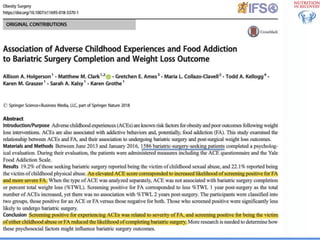
  • #29 Landmark study changed the way we think about addiction
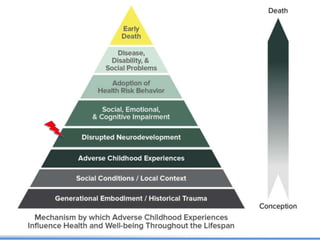
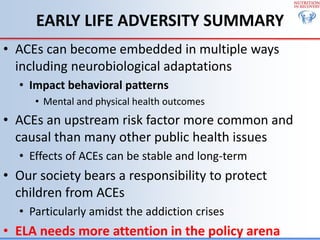
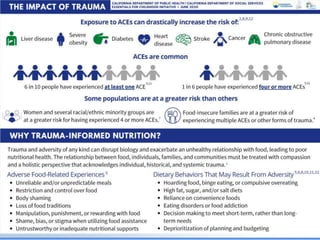
  • #30 From the CDC https://www.cdc.gov/violenceprevention/childabuseandneglect/acestudy/ace-graphics.html
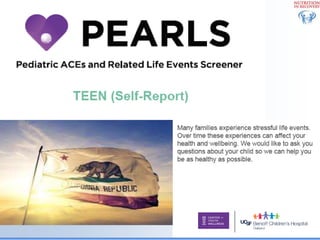
  • #31 As of 2020 in the state of California
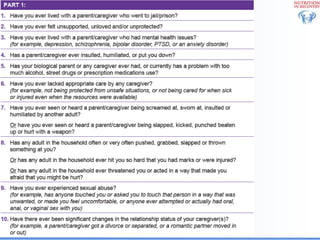
  • #33 Includes expanded ACEs
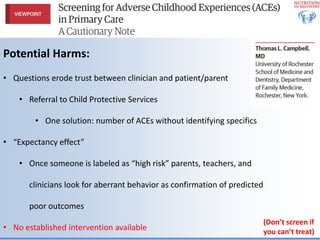
  • #34 Don’t screen if you can’t treat
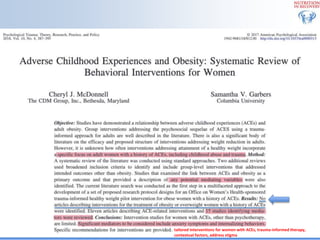
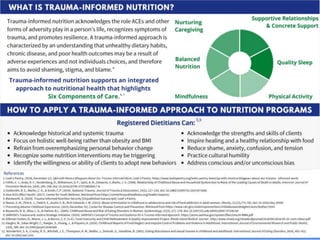
  • #35 Recommendations: tailored interventions for women with ACEs, trauma-informed therapy, contextual factors, address stigma
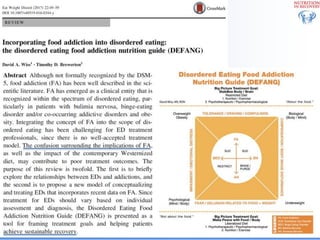
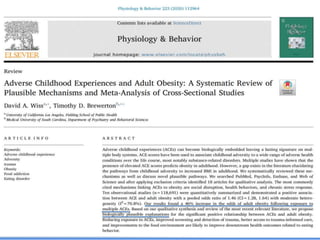
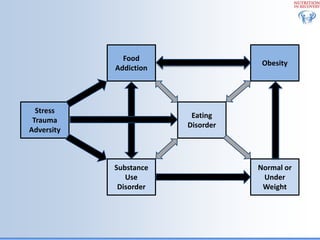
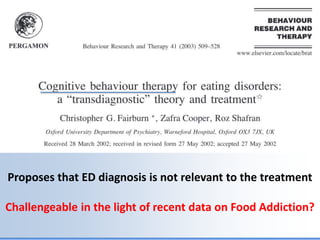
  • #38 First paper to integrate FA into more classic ED framework
  • #40 Most people don’t think about the neurobiology of eating behavior Can see the pooled estimate
  • #41 Will discuss various forms of biological embedding
  • #42 More comprehensive framework
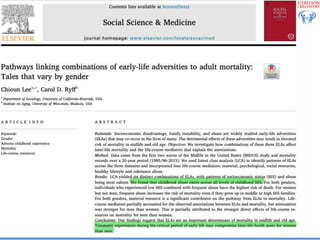
  • #43 Must consider additional contextual factors
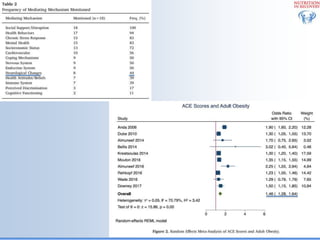
  • #45 Large sample size leads to stable estimates with tight CIs
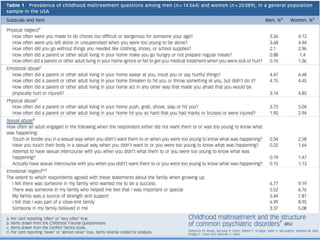
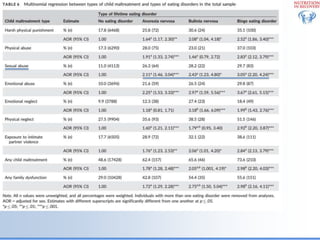
  • #46 Every single form of maltreatment higher in women (reporting bias?). Sexual abuse the largest discrepancy Nationally representative sample in the U.S.
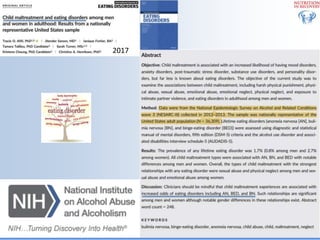
  • #47 CM increased odds of All EDs Nationally representative datasets
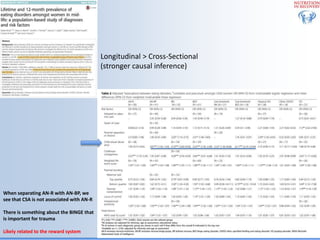
  • #48 Notice: BED always > AN
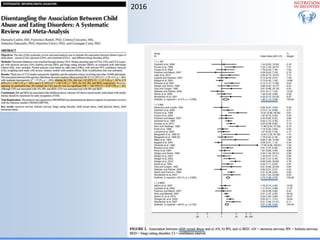
  • #49 Meta-Analysis reveals the best estimates: BN > BED
  • #50 When separating AN-R with AN-BP, we see that CSA is not associated with AN-R. There is something about the BINGE that is important for trauma. Likely related to the reward system.
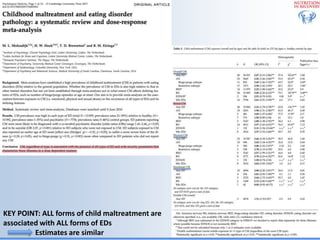
  • #51 KEY POINT: ALL forms of child maltreatment are associated with ALL forms of EDs (EXCEPT AN-R) Estimates are similar
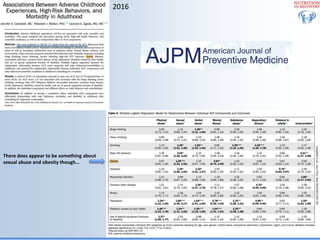
  • #52 There does appear to be something about sexual abuse and obesity though…
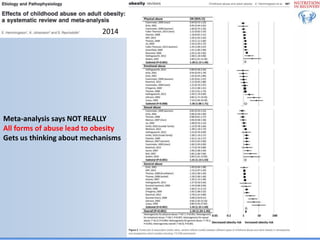
  • #53 Systematic review says NOT REALLY. All forms of abuse lead to obesity. Gets us thinking about mechanisms.
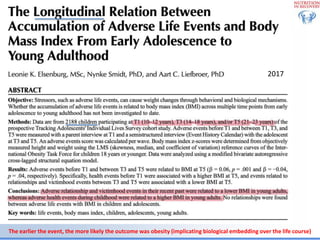
  • #54 The earlier the event, the more likely the outcome was obesity (implicating biological embedding over the life course)
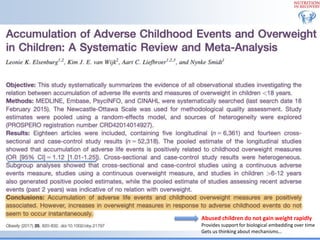
  • #55 Abused children do not gain weight rapidly. Provides support for biological embedding over time
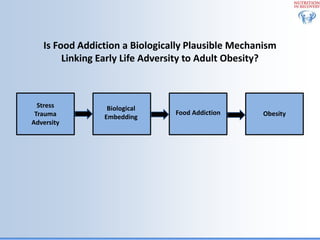
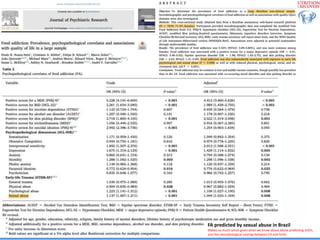
  • #56 There is recent data bringing FA into the picture
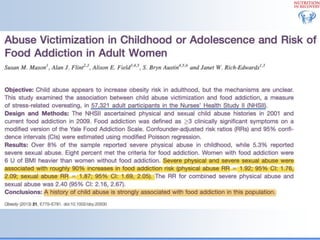
  • #57 FA predicted by sexual abuse in Brazil Makes so much sense given what we know about abuse predicting SUDs, and the neurobiological overlap between FA and SUDs
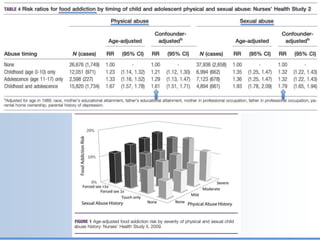
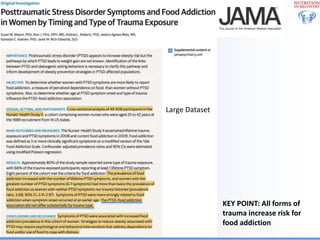
  • #58 Large dataset here in the US
  • #59 Physical abuse and sexual abuse tell a very similar story
  • #61 Didn’t discern ACEs (which is common)
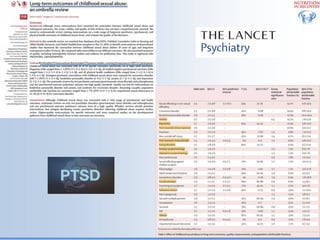
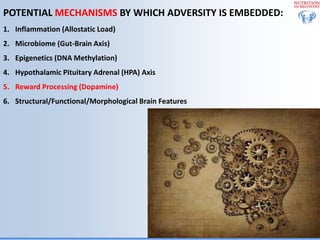
  • #62 MECHANISMS
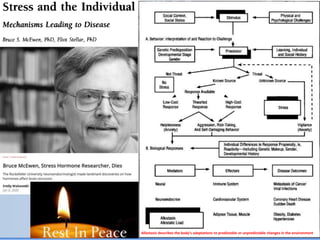
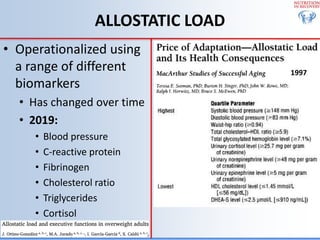
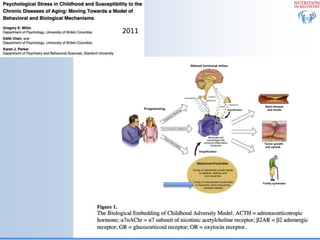
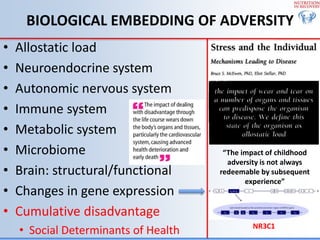
  • #63 Coined the term “allostatic load” Allostasis describes the body’s adaptations to predictable or unpredictable changes in the environment
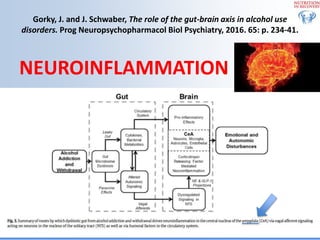
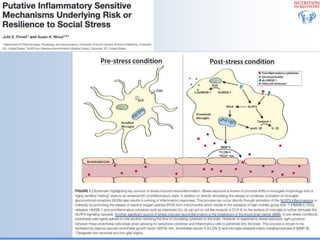
  • #66 The inflammation CYCLE including neuroinflammation (hot topic!)
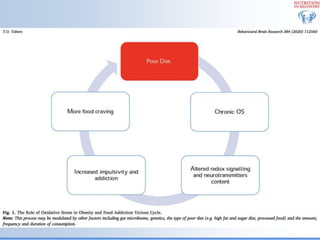
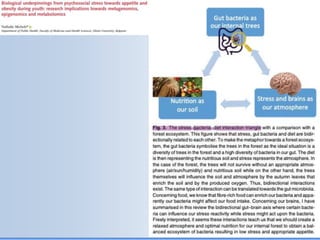
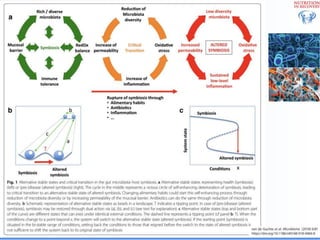
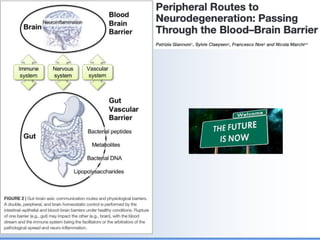
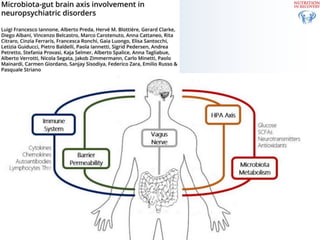
  • #71 MICROBIOME
  • #72 Exciting new research about cytokines passing the BBB coming soon!
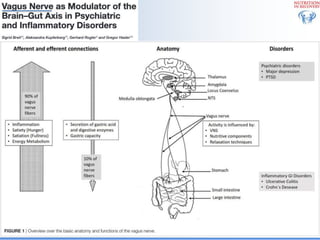
  • #73 More research on Vagus Nerve coming soon!
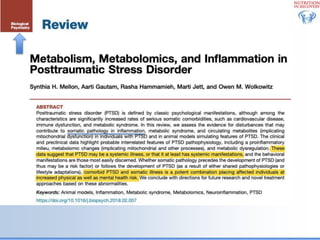
  • #74 Biological Psychiatry
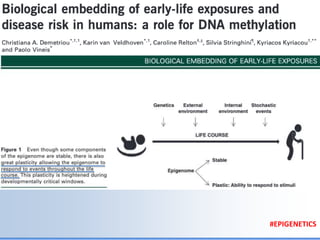
  • #75 EPIGENETICS
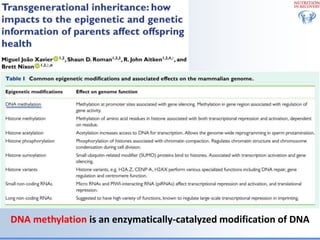
  • #76 Mostly focusing on DNA methylation
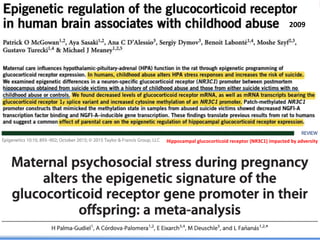
  • #77 Hippocampal glucocorticoid receptor (NR3C1) impacted by adversity
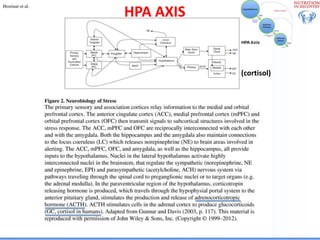
  • #78 CORTISOL
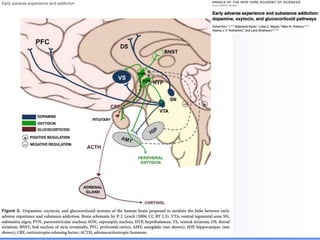
  • #79 Adrenal glands above kidney VS: ventral striatum (part of mesolimbic dopaminergic projection) More research on oxytocin coming soon!
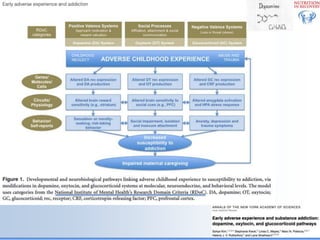
  • #80 GREAT MODEL
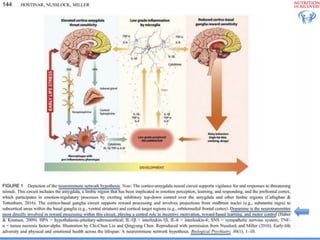
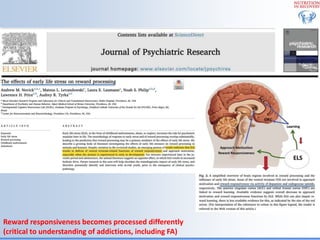
  • #81 Reward responsiveness becomes processed differently (critical to understanding of FA)
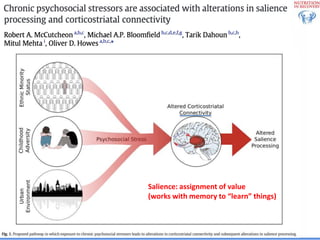
  • #82 There are other forms of psychosocial stress other than abuse in the home (e.g. discrimination in the community) Salience: assignment of value (works with memory to “learn” things)
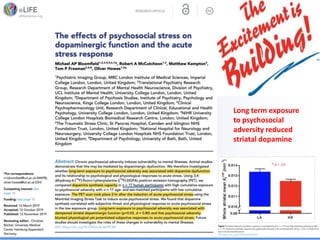
  • #83 Long term exposure to psychosocial adversity reduced striatal dopamine
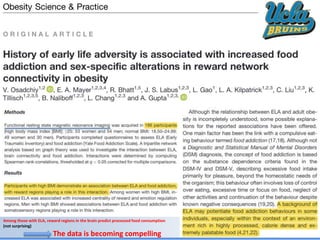
  • #84 Among those with ELA, reward regions in the brain predict processed food consumption (not surprising) The data is becoming compelling. Need to update old theories
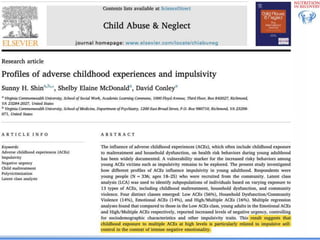
  • #85 Impulsivity associated with addiction (Additional support)
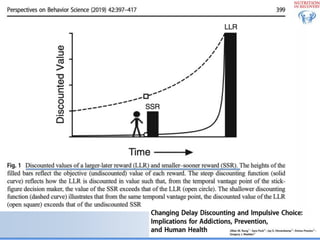
  • #86 Delay discounting also linked to addictions
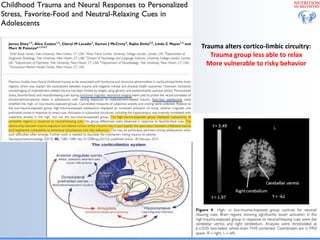
  • #87 Trauma alters cortico-limbic circuitry: Trauma group less able to relax More vulnerable to risky behavior
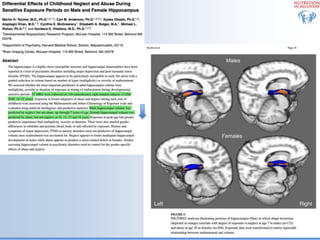
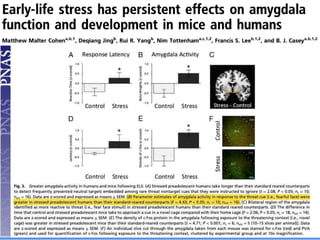
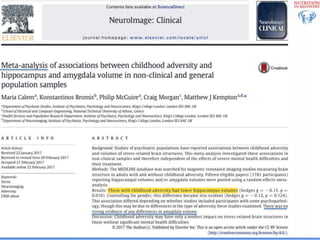
  • #90 Although several individual studies do show increases in amygdala volume Amygdala involved in threat vigilance
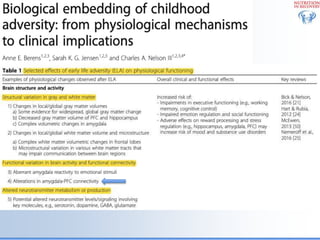
  • #91 Good summary
  • #92 All pathways are nutrition-related
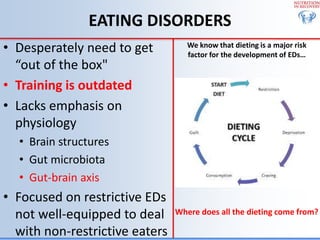
  • #94 Classic ED care is doing a lot things RIGHT such as reducing stigma and combatting diet culture, but there is so much more we can do.
  • #95 Became mainstay
  • #96 Should consider trauma history in comprehensive intake and assessment
  • #97 PUBLIC HEALTH INTERVENTION
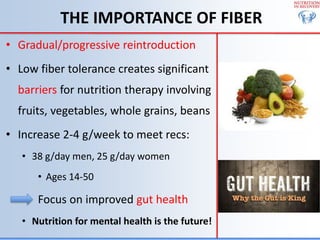
  • #99 Get fiber from food not from supplements
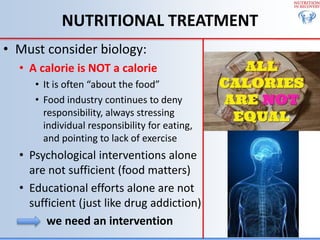
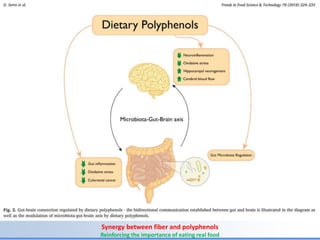
  • #100 Synergy between fiber and polyphenols Reinforcing the importance of eating real food
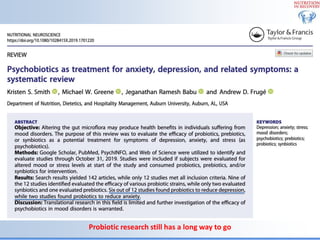
  • #101 Probiotic research still has a long way to go
  • #102 Some people need to be way more concerned with dietary quality than others (including those in traditional ED treatment)
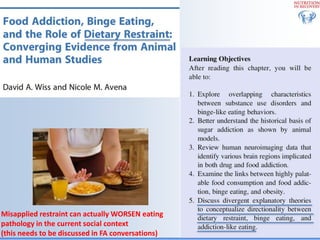
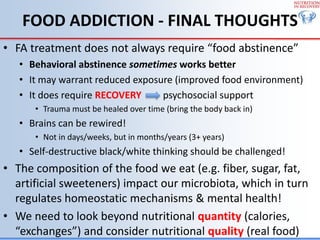
  • #104 Addressing the role of dietary restraint in food addiction. Misapplied restraint can actually make some people’s eating pathology WORSE in the current social context (this needs to be discussed in FA conversations).
  • #105 Behavioral abstinence sometimes works better
  • #106 Structural/functional remodeling
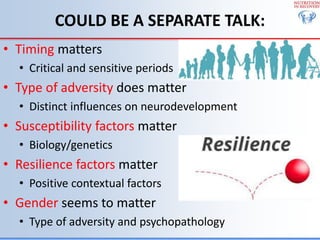
  • #107 Future research: Internalizing vs. externalizing psychopathology
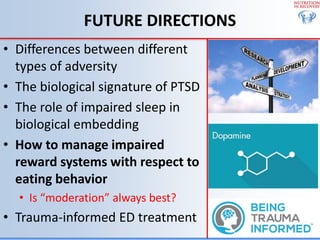
  • #109 Sometimes harm reduction is best, other times “moderation” sets people up for failure
  • #115 Be ”multimodal”
  • #116 (NO NEED TO SAY ANYTHING HERE)
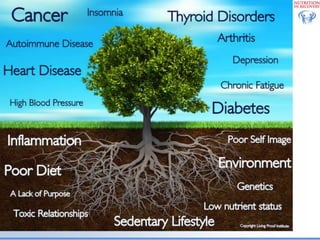
  • #117 We see what we see on the surface There is so much more than what meets the eye