BIOGEOCHEMICAL
CYCLES
 Oxygen-Carbon Dioxide
Cycle
 Water Cycle
 Nitrogen Cycle
Biogeochemical Cycle
Bio = “life” Geo = “earth”
Chemical = “elements” Cycle = no
beginning or end
Also known as Nutrient Cycle
Is a pathway by which a chemical
element or molecule moves through
both biotic (biosphere) and abiotic
( lithosphere, atmosphere, and
hydrosphere) compartments on Earth .
Oxygen-Carbon Dioxide Cycle
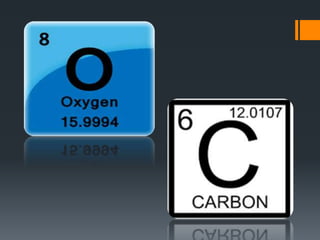
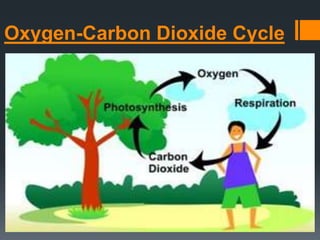
OXYGEN and CARBON – the two most important
components of the air. Without these two gases,
photosynthesis and respiration cannot take place
OXYGEN – given off by plants during photosynthesis and is
used by other living organisms for respiration.
- the major reservoir is the atmosphere
CARBON DIOXIDE – given off during respiration is used by
the photosynthetic organisms to produce food.
- formation of fossil fuels and coals are
also part of the carbon cycle.
Factors that may affect the carbon
cycle:
Decomposition- breakdown of
organic compounds
Primary productivity- the rate at
which photosynthetic organisms
produce biomass per unit area per
unit time
Oxygen-Carbon Dioxide Cycle
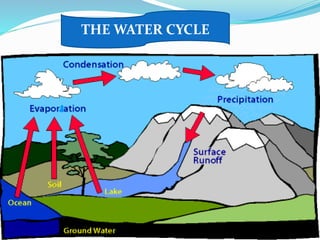
Water Cycle
Also known as Hydrologic Cycle – the
continuous movement of water on, above, and
below the surface of the Earth (oceans, land, air,
and living organisms)
Processes involved:
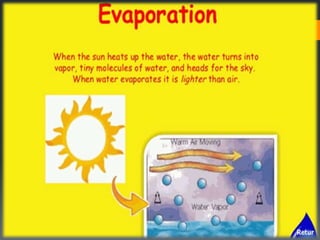
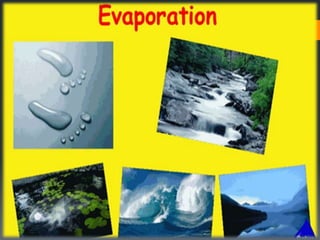
1. Evaporation- transformation of water from liquid to
gaseous phase.
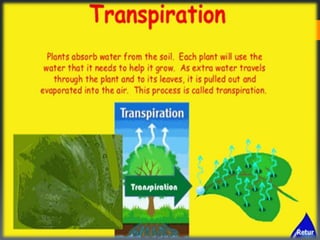
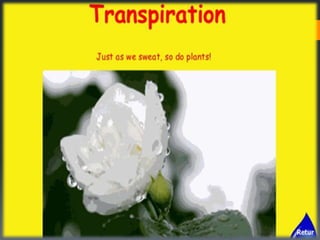
2. Transpiration- give off water through skin
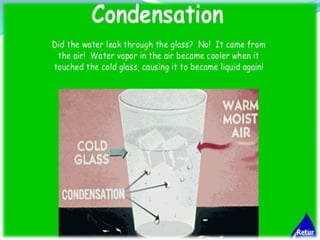
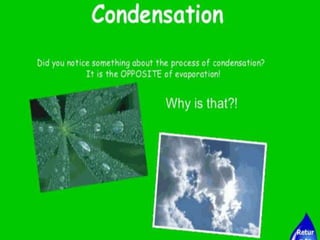
3. Condensation- water vapor into liquid
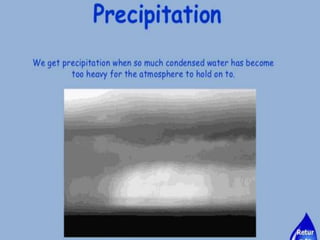
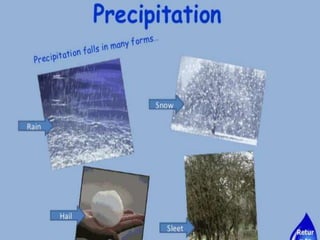
4. Precipitation- the condensed water vapor that falls
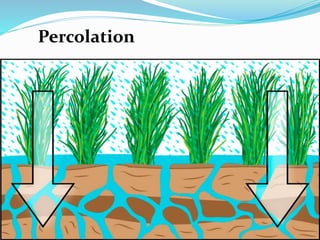
5. Infiltration- flow of water from the ground surface
into the bottom of the soil that becomes ground
water
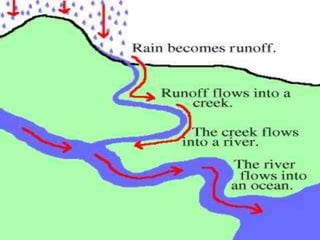
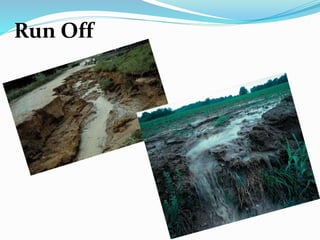
6. Run-off- moves across the ground or land
Run Off
Percolation
THE WATER CYCLE
Nitrogen Cycle
79% of the gases in the atmosphere is
made up of nitrogen gas.
Most important nutrient cycles that takes
place in the natural world
Most important component for all living
begins as the building blocks of life that is
DNA, RNA and other proteins are made up
of nitrogen.
Three processes:
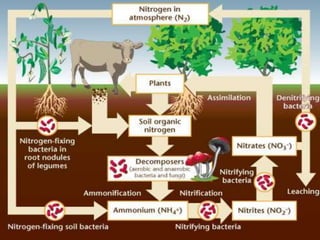
 Nitrogen-Fixing Bacteria- live in soil and are abundant in the
nodules of legumes such as mung beans.
- they convert nitrogen to ammonia
through the process, Nitrogen fixation
Decay nitrification- brought about by some bacteria
converting organic compounds into ammonia and finally
nitrates, which are useful to plants.
Denitrification- reduces nitrates to nitrogen gas, thus,
replenishing the atmospheric nitrogen that was once used,
returning it back to the atmosphere , the reservoir
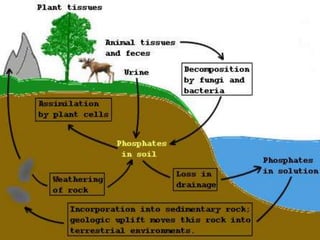
Phosphorus Cycle
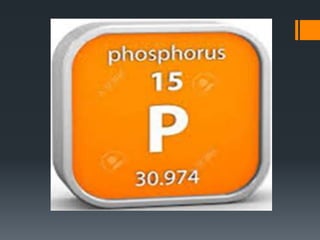
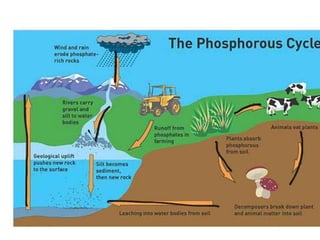
Phosphorus is an element that is
essential for the growth and
development of living things.
Rocks are the main reservoir of this
chemical
When abundant, in aquatic environment,
they can cause “algal bloom”
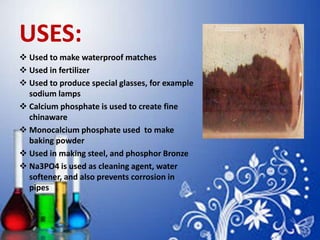
USES:
 Used to make waterproof matches
 Used in fertilizer
 Used to produce special glasses, for example
sodium lamps
 Calcium phosphate is used to create fine
chinaware
 Monocalcium phosphate used to make
baking powder
 Used in making steel, and phosphor Bronze
 Na3PO4 is used as cleaning agent, water
softener, and also prevents corrosion in
pipes
FACTS:
Originally, phosphorus
was extractecd from
urine
Highly energy intensive
Gr. Phosphoros meaning
“light bearer”
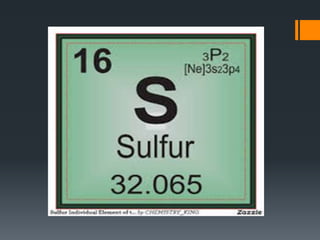
THE SULFUR CYCLE
Sulfur Cycle
It is through several processes that sulfur enters
the atmosphere. It could be through the
combustion of fossil fuels, volcanic eruptions, and
the decomposition process
Sulfur enters the atmosphere as hydrogen sulfide
(H2S).this can easily combine with water to form
sulfur dioxide (SO2). When it rains, this SO2 can
combine with water and form sulfuric acid, H2SO4,
a form of acid rain.
BIOGEOCHEMICAL CYCLES.pptx

BIOGEOCHEMICAL CYCLES.pptx

  • 2.
  • 3.
    Biogeochemical Cycle Bio =“life” Geo = “earth” Chemical = “elements” Cycle = no beginning or end Also known as Nutrient Cycle Is a pathway by which a chemical element or molecule moves through both biotic (biosphere) and abiotic ( lithosphere, atmosphere, and hydrosphere) compartments on Earth .
  • 5.
    Oxygen-Carbon Dioxide Cycle OXYGENand CARBON – the two most important components of the air. Without these two gases, photosynthesis and respiration cannot take place OXYGEN – given off by plants during photosynthesis and is used by other living organisms for respiration. - the major reservoir is the atmosphere CARBON DIOXIDE – given off during respiration is used by the photosynthetic organisms to produce food. - formation of fossil fuels and coals are also part of the carbon cycle.
  • 6.
    Factors that mayaffect the carbon cycle: Decomposition- breakdown of organic compounds Primary productivity- the rate at which photosynthetic organisms produce biomass per unit area per unit time
  • 7.
  • 9.
    Water Cycle Also knownas Hydrologic Cycle – the continuous movement of water on, above, and below the surface of the Earth (oceans, land, air, and living organisms) Processes involved: 1. Evaporation- transformation of water from liquid to gaseous phase. 2. Transpiration- give off water through skin 3. Condensation- water vapor into liquid 4. Precipitation- the condensed water vapor that falls 5. Infiltration- flow of water from the ground surface into the bottom of the soil that becomes ground water 6. Run-off- moves across the ground or land
  • 21.
  • 22.
  • 24.
  • 26.
    Nitrogen Cycle 79% ofthe gases in the atmosphere is made up of nitrogen gas. Most important nutrient cycles that takes place in the natural world Most important component for all living begins as the building blocks of life that is DNA, RNA and other proteins are made up of nitrogen.
  • 27.
    Three processes:  Nitrogen-FixingBacteria- live in soil and are abundant in the nodules of legumes such as mung beans. - they convert nitrogen to ammonia through the process, Nitrogen fixation Decay nitrification- brought about by some bacteria converting organic compounds into ammonia and finally nitrates, which are useful to plants. Denitrification- reduces nitrates to nitrogen gas, thus, replenishing the atmospheric nitrogen that was once used, returning it back to the atmosphere , the reservoir
  • 30.
    Phosphorus Cycle Phosphorus isan element that is essential for the growth and development of living things. Rocks are the main reservoir of this chemical When abundant, in aquatic environment, they can cause “algal bloom”
  • 32.
    USES:  Used tomake waterproof matches  Used in fertilizer  Used to produce special glasses, for example sodium lamps  Calcium phosphate is used to create fine chinaware  Monocalcium phosphate used to make baking powder  Used in making steel, and phosphor Bronze  Na3PO4 is used as cleaning agent, water softener, and also prevents corrosion in pipes
  • 33.
    FACTS: Originally, phosphorus was extractecdfrom urine Highly energy intensive Gr. Phosphoros meaning “light bearer”
  • 34.
  • 36.
    Sulfur Cycle It isthrough several processes that sulfur enters the atmosphere. It could be through the combustion of fossil fuels, volcanic eruptions, and the decomposition process Sulfur enters the atmosphere as hydrogen sulfide (H2S).this can easily combine with water to form sulfur dioxide (SO2). When it rains, this SO2 can combine with water and form sulfuric acid, H2SO4, a form of acid rain.