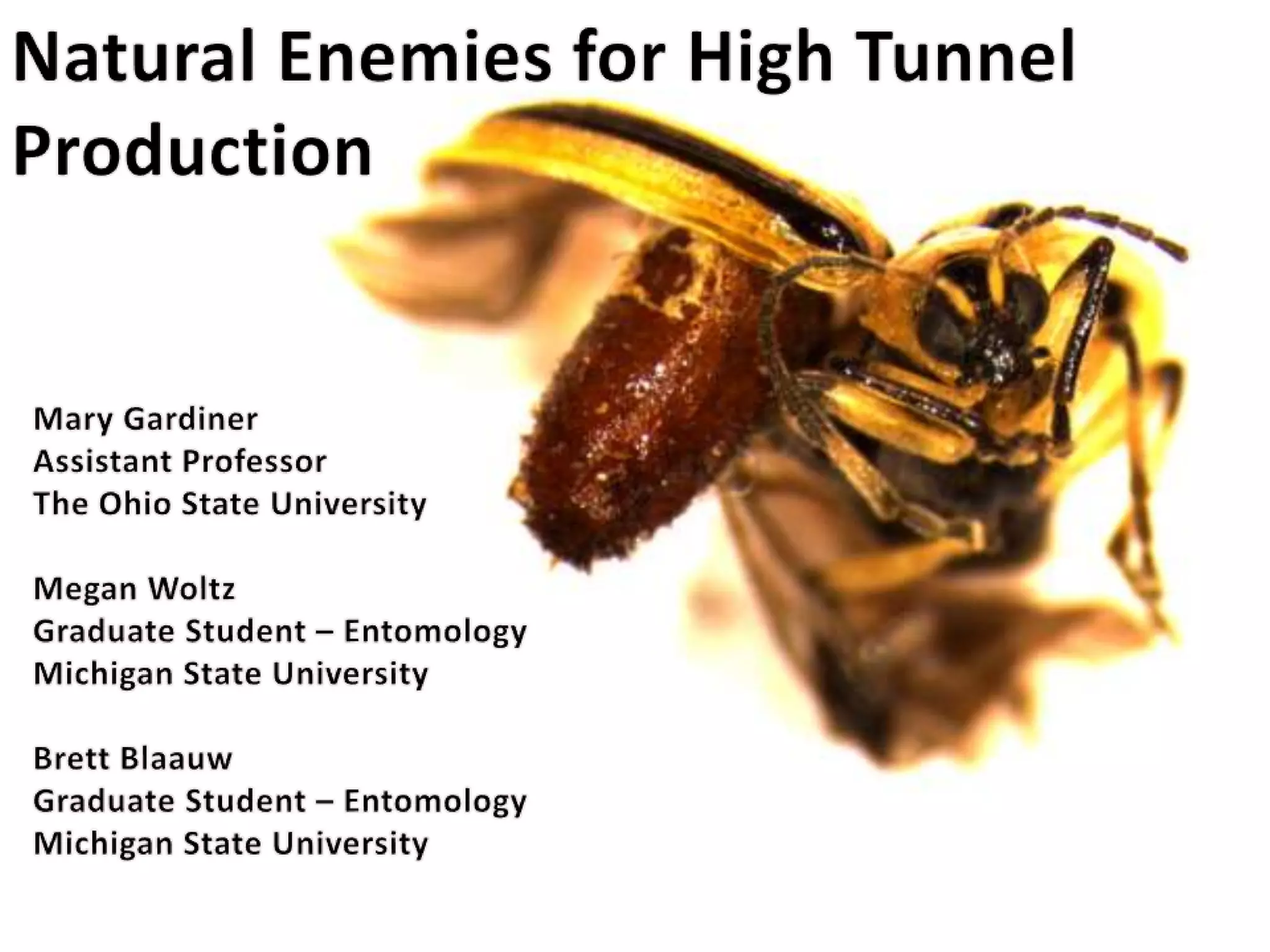
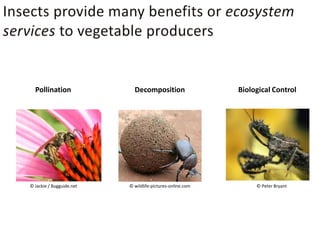
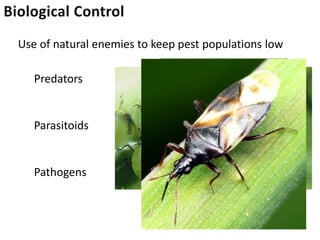
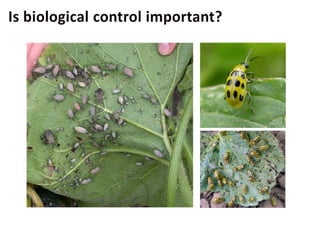
Pollination               Decomposition                  Biological Control


© Jackie / Bugguide.net   © wildlife-pictures-online.com        © Peter Bryant
Use of natural enemies to keep pest populations low

   Predators


   Parasitoids


   Pathogens
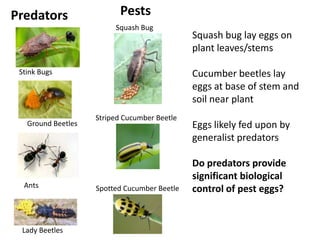
Predators                 Pests
                         Squash Bug
                                              Squash bug lay eggs on
                                              plant leaves/stems

 Stink Bugs                                   Cucumber beetles lay
                                              eggs at base of stem and
                                              soil near plant
                    Striped Cucumber Beetle
   Ground Beetles                             Eggs likely fed upon by
                                              generalist predators

                                              Do predators provide
                                              significant biological
  Ants              Spotted Cucumber Beetle   control of pest eggs?


 Lady Beetles
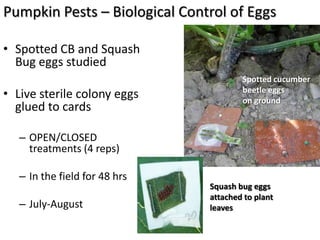
Pumpkin Pests – Biological Control of Eggs

• Spotted CB and Squash
  Bug eggs studied
                                       Spotted cucumber
• Live sterile colony eggs             beetle eggs
                                       on ground
  glued to cards

   – OPEN/CLOSED
     treatments (4 reps)

   – In the field for 48 hrs
                               Squash bug eggs
                               attached to plant
   – July-August               leaves
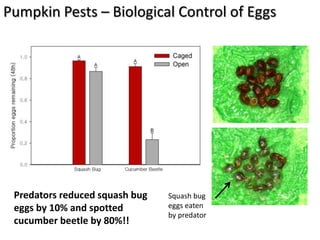
Pumpkin Pests – Biological Control of Eggs


 Predators reduced squash bug   Squash bug
 eggs by 10% and spotted        eggs eaten
                                by predator
 cucumber beetle by 80%!!
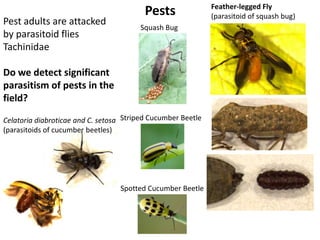
Feather-legged Fly
                                          Pests               (parasitoid of squash bug)
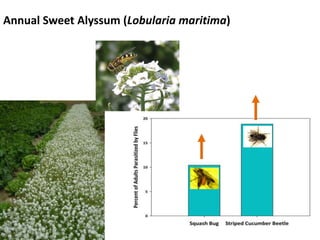
Pest adults are attacked
                                        Squash Bug
by parasitoid flies
Tachinidae

Do we detect significant
parasitism of pests in the
field?

Celatoria diabroticae and C. setosa Striped Cucumber Beetle
(parasitoids of cucumber beetles)


                                  Spotted Cucumber Beetle
Pumpkin Pests – Biological Control of Adults

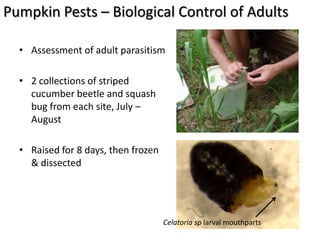
  • Assessment of adult parasitism

  • 2 collections of striped
    cucumber beetle and squash
    bug from each site, July –
    August

  • Raised for 8 days, then frozen
    & dissected


                                     Celatoria sp larval mouthparts
Pumpkin Pests – Biological Control of Adults


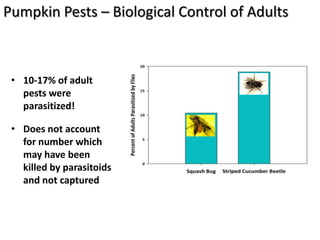
 • 10-17% of adult
   pests were
   parasitized!

 • Does not account
   for number which
   may have been
   killed by parasitoids
   and not captured
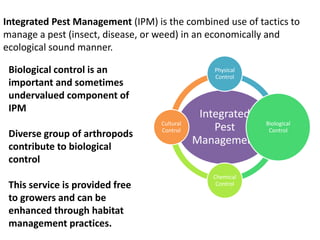
Integrated Pest Management (IPM) is the combined use of tactics to
manage a pest (insect, disease, or weed) in an economically and
ecological sound manner.

 Biological control is an                        Physical
                                                 Physical
                                                 Control
                                                 Control
 important and sometimes
 undervalued component of
 IPM
                                               Integrated
                                   Cultural
                                   Cultural                 Biological
                                                            Biological
                                   Control
                                   Control        Pest       Control
                                                             Control
 Diverse group of arthropods
                                              Management
 contribute to biological
 control
                                                 Chemical
                                                 Chemical
 This service is provided free                    Control
                                                  Control

 to growers and can be
 enhanced through habitat
 management practices.
Biological Control – Habitat Management

 How can you modify high tunnel production to provide
 habitat for natural enemies?

 What do these beneficial insects need?

 •      Alternative food/prey resources
 •      Shelter/nesting sites

 In the video we will discuss: Mulching, Tillage Practices, Selective
    Insecticide Use, Providing Additional Flowering Resources.
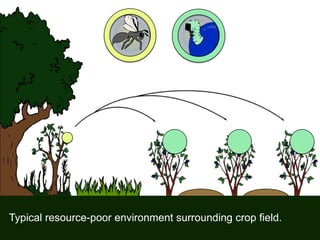
Typical resource-poor environment surrounding crop field.
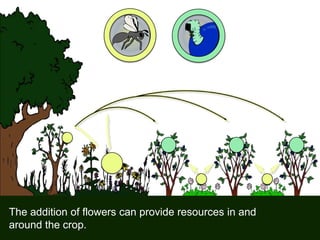
The addition of flowers can provide resources in and
around the crop.
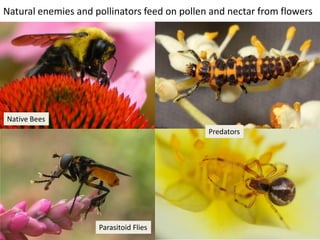
Natural enemies and pollinators feed on pollen and nectar from flowers


Native Bees
                                              Predators


                     Parasitoid Flies
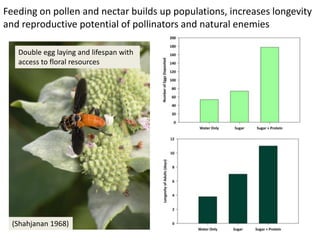
Feeding on pollen and nectar builds up populations, increases longevity
and reproductive potential of pollinators and natural enemies

   Double egg laying and lifespan with
   access to floral resources


  (Shahjanan 1968)
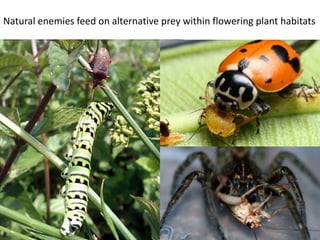
Natural enemies feed on alternative prey within flowering plant habitats
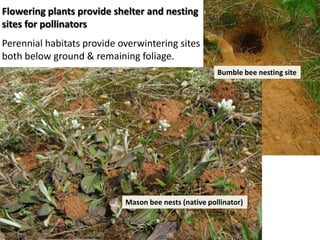
Flowering plants provide shelter and nesting
sites for pollinators
Perennial habitats provide overwintering sites
both below ground & remaining foliage.
                                                       Bumble bee nesting site


                            Mason bee nests (native pollinator)
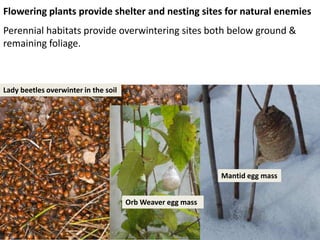
Flowering plants provide shelter and nesting sites for natural enemies
Perennial habitats provide overwintering sites both below ground &
remaining foliage.


Lady beetles overwinter in the soil


                                                            Mantid egg mass


                                      Orb Weaver egg mass
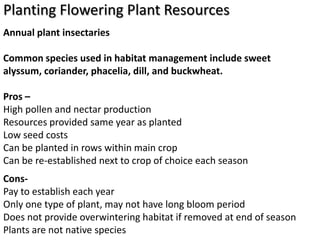
Planting Flowering Plant Resources
Annual plant insectaries

Common species used in habitat management include sweet
alyssum, coriander, phacelia, dill, and buckwheat.

Pros –
High pollen and nectar production
Resources provided same year as planted
Low seed costs
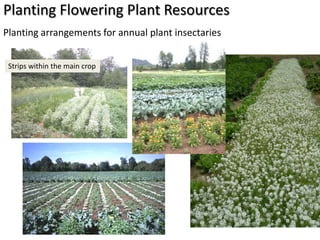
Can be planted in rows within main crop
Can be re-established next to crop of choice each season
Cons-
Pay to establish each year
Only one type of plant, may not have long bloom period
Does not provide overwintering habitat if removed at end of season
Plants are not native species
Planting Flowering Plant Resources
Planting arrangements for annual plant insectaries


 Strips within the main crop
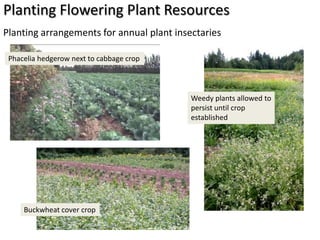
Planting Flowering Plant Resources
Planting arrangements for annual plant insectaries

 Phacelia hedgerow next to cabbage crop


                                           Weedy plants allowed to
                                           persist until crop
                                           established


     Buckwheat cover crop
Annual Sweet Alyssum (Lobularia maritima)
Planting Flowering Plant Resources
Perennial plant insectaries
Nearly endless diversity of plant choices. Much research had focused
on the use of native perennials to provide habitat for beneficial
insects.
Pros –
High pollen and nectar production
Can customize bloom period and species complex
Provide overwintering habitat
Establish once, benefit for several years
If natives are used enhances biodiversity
Provides food, nesting for other wildlife such as ground-nesting birds
Cons-
Seed costs greater than annuals
Plants take 2-3 years to fully establish
Cannot move planting annually
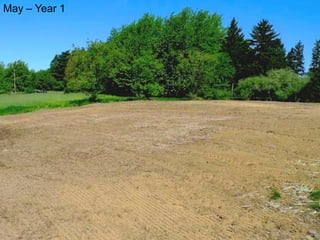
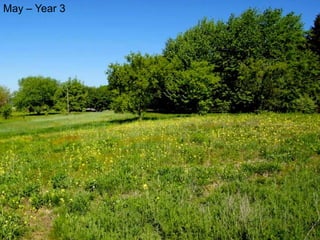
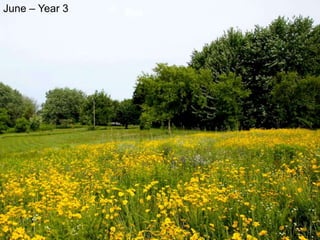
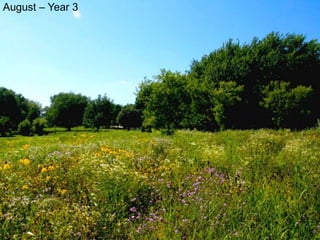
May – Year 1   Flower plot establishment
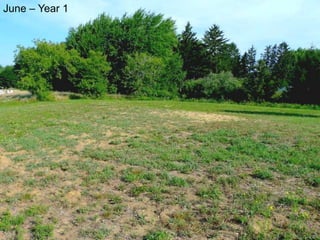
June – Year 1
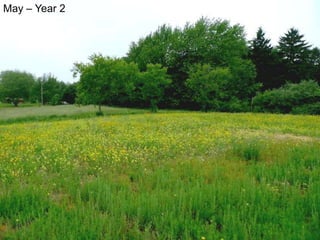
May – Year 2
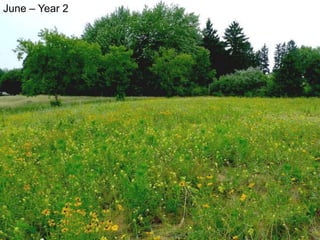
June – Year 2
May – Year 3
June – Year 3
August – Year 3
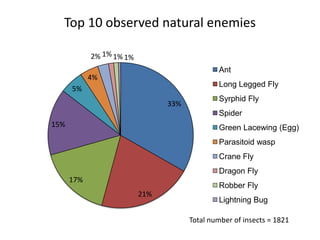
Top 10 observed natural enemies

            2% 1% 1% 1%
                                              Ant
            4%
                                              Long Legged Fly
      5%
                                              Syrphid Fly
                                33%
                                              Spider
15%                                           Green Lacewing (Egg)
                                              Parasitoid wasp
                                              Crane Fly
                                              Dragon Fly
      17%
                                              Robber Fly
                          21%
                                              Lightning Bug

                                      Total number of insects = 1821
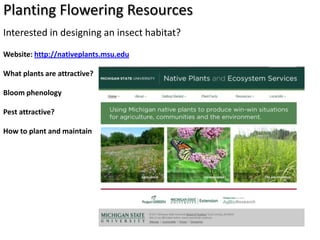
Planting Flowering Resources
Interested in designing an insect habitat?
Website: http://nativeplants.msu.edu

What plants are attractive?

Bloom phenology

Pest attractive?

How to plant and maintain
Next in this session…..

 NEW Natural Enemies Video developed by GLVWG:
 •   Identification of key natural enemies
 •   Learn which pests key natural enemies attack
 •   Habitat management to enhance natural enemies on-farm
 •   Receive new ID guide to vegetable natural enemies


 Presentation by Megan Woltz:
 • How the farm landscape influences natural enemies and biological control

Natural Enemies for High Tunnel Production 2012

  • 2.
    Pollination Decomposition Biological Control © Jackie / Bugguide.net © wildlife-pictures-online.com © Peter Bryant
  • 3.
    Use of naturalenemies to keep pest populations low Predators Parasitoids Pathogens
  • 5.
    Predators Pests Squash Bug Squash bug lay eggs on plant leaves/stems Stink Bugs Cucumber beetles lay eggs at base of stem and soil near plant Striped Cucumber Beetle Ground Beetles Eggs likely fed upon by generalist predators Do predators provide significant biological Ants Spotted Cucumber Beetle control of pest eggs? Lady Beetles
  • 6.
    Pumpkin Pests –Biological Control of Eggs • Spotted CB and Squash Bug eggs studied Spotted cucumber • Live sterile colony eggs beetle eggs on ground glued to cards – OPEN/CLOSED treatments (4 reps) – In the field for 48 hrs Squash bug eggs attached to plant – July-August leaves
  • 7.
    Pumpkin Pests –Biological Control of Eggs Predators reduced squash bug Squash bug eggs by 10% and spotted eggs eaten by predator cucumber beetle by 80%!!
  • 8.
    Feather-legged Fly Pests (parasitoid of squash bug) Pest adults are attacked Squash Bug by parasitoid flies Tachinidae Do we detect significant parasitism of pests in the field? Celatoria diabroticae and C. setosa Striped Cucumber Beetle (parasitoids of cucumber beetles) Spotted Cucumber Beetle
  • 9.
    Pumpkin Pests –Biological Control of Adults • Assessment of adult parasitism • 2 collections of striped cucumber beetle and squash bug from each site, July – August • Raised for 8 days, then frozen & dissected Celatoria sp larval mouthparts
  • 10.
    Pumpkin Pests –Biological Control of Adults • 10-17% of adult pests were parasitized! • Does not account for number which may have been killed by parasitoids and not captured
  • 11.
    Integrated Pest Management(IPM) is the combined use of tactics to manage a pest (insect, disease, or weed) in an economically and ecological sound manner. Biological control is an Physical Physical Control Control important and sometimes undervalued component of IPM Integrated Cultural Cultural Biological Biological Control Control Pest Control Control Diverse group of arthropods Management contribute to biological control Chemical Chemical This service is provided free Control Control to growers and can be enhanced through habitat management practices.
  • 12.
    Biological Control –Habitat Management How can you modify high tunnel production to provide habitat for natural enemies? What do these beneficial insects need? • Alternative food/prey resources • Shelter/nesting sites In the video we will discuss: Mulching, Tillage Practices, Selective Insecticide Use, Providing Additional Flowering Resources.
  • 13.
    Typical resource-poor environmentsurrounding crop field.
  • 14.
    The addition offlowers can provide resources in and around the crop.
  • 15.
    Natural enemies andpollinators feed on pollen and nectar from flowers Native Bees Predators Parasitoid Flies
  • 16.
    Feeding on pollenand nectar builds up populations, increases longevity and reproductive potential of pollinators and natural enemies Double egg laying and lifespan with access to floral resources (Shahjanan 1968)
  • 17.
    Natural enemies feedon alternative prey within flowering plant habitats
  • 18.
    Flowering plants provideshelter and nesting sites for pollinators Perennial habitats provide overwintering sites both below ground & remaining foliage. Bumble bee nesting site Mason bee nests (native pollinator)
  • 19.
    Flowering plants provideshelter and nesting sites for natural enemies Perennial habitats provide overwintering sites both below ground & remaining foliage. Lady beetles overwinter in the soil Mantid egg mass Orb Weaver egg mass
  • 20.
    Planting Flowering PlantResources Annual plant insectaries Common species used in habitat management include sweet alyssum, coriander, phacelia, dill, and buckwheat. Pros – High pollen and nectar production Resources provided same year as planted Low seed costs Can be planted in rows within main crop Can be re-established next to crop of choice each season Cons- Pay to establish each year Only one type of plant, may not have long bloom period Does not provide overwintering habitat if removed at end of season Plants are not native species
  • 21.
    Planting Flowering PlantResources Planting arrangements for annual plant insectaries Strips within the main crop
  • 22.
    Planting Flowering PlantResources Planting arrangements for annual plant insectaries Phacelia hedgerow next to cabbage crop Weedy plants allowed to persist until crop established Buckwheat cover crop
  • 23.
    Annual Sweet Alyssum(Lobularia maritima)
  • 24.
    Planting Flowering PlantResources Perennial plant insectaries Nearly endless diversity of plant choices. Much research had focused on the use of native perennials to provide habitat for beneficial insects. Pros – High pollen and nectar production Can customize bloom period and species complex Provide overwintering habitat Establish once, benefit for several years If natives are used enhances biodiversity Provides food, nesting for other wildlife such as ground-nesting birds Cons- Seed costs greater than annuals Plants take 2-3 years to fully establish Cannot move planting annually
  • 25.
    May – Year1 Flower plot establishment
  • 26.
  • 27.
  • 28.
  • 29.
  • 30.
  • 31.
  • 32.
    Top 10 observednatural enemies 2% 1% 1% 1% Ant 4% Long Legged Fly 5% Syrphid Fly 33% Spider 15% Green Lacewing (Egg) Parasitoid wasp Crane Fly Dragon Fly 17% Robber Fly 21% Lightning Bug Total number of insects = 1821
  • 33.
    Planting Flowering Resources Interestedin designing an insect habitat? Website: http://nativeplants.msu.edu What plants are attractive? Bloom phenology Pest attractive? How to plant and maintain
  • 34.
    Next in thissession….. NEW Natural Enemies Video developed by GLVWG: • Identification of key natural enemies • Learn which pests key natural enemies attack • Habitat management to enhance natural enemies on-farm • Receive new ID guide to vegetable natural enemies Presentation by Megan Woltz: • How the farm landscape influences natural enemies and biological control

Editor's Notes