Copyright © 2014 McGraw-Hill Education. All rights reserved. No reproduction or distribution without the prior written consent of McGraw-Hill
Education.
Chapter 14
Direct
Marketing
Copyright © 2014 McGraw-Hill Education. All rights reserved. No reproduction or distribution without the prior written consent of McGraw-Hill
Education.
Direct Marketing
 Interactive system of marketing
 Uses one or more advertising media to effect a
measurable response and/or transaction at any
location
 Uses a set of direct-response media
 Direct-response media: Tools by which direct
marketers implement the communication process
2
Copyright © 2014 McGraw-Hill Education. All rights reserved. No reproduction or distribution without the prior written consent of McGraw-Hill
Education.
Factors that Led to the Growth of Direct
Marketing
Development and expansion of the Postal Service
Consumer credit cards
Changing structure of American society and the market
Technological advances
Changing values and lifestyles
More sophisticated marketing techniques
The industry’s improved image
3
Copyright © 2014 McGraw-Hill Education. All rights reserved. No reproduction or distribution without the prior written consent of McGraw-Hill
Education.
Role of Direct Marketing in the IMC
Program
 Combines:
 Advertising and public relations
 Personal selling and sales promotions
 Support media
 Companies decide:
 Program objectives
 Which markets to target and the strategies to use
 How to evaluate the program’s effectiveness
4
Copyright © 2014 McGraw-Hill Education. All rights reserved. No reproduction or distribution without the prior written consent of McGraw-Hill
Education.
Direct-Marketing Objectives
To seek a behavioral response
To build an image
To maintain customer satisfaction
To inform and/or educate customers in an
attempt to lead to future actions
5
Copyright © 2014 McGraw-Hill Education. All rights reserved. No reproduction or distribution without the prior written consent of McGraw-Hill
Education.
Direct-Marketing Approaches
 One-step approach: Medium is used directly to
obtain an order
 Two-step approach: Uses more than one medium
 First effort - Screens potential buyers
 Second effort - Generates the response
6
Copyright © 2014 McGraw-Hill Education. All rights reserved. No reproduction or distribution without the prior written consent of McGraw-Hill
Education.
Direct-Marketing Media
Direct Mail Catalogs E-mail
Broadcast
Media
TV Spots Infomercials
Home
Shopping
Print Media
Telemarketin
g
7
Copyright © 2014 McGraw-Hill Education. All rights reserved. No reproduction or distribution without the prior written consent of McGraw-Hill
Education.
Direct Mail
 Unsolicited mail
 Advertisers spend substantially on this medium
 Keys to success
 Mailing list: Database from which names are
generated
 Ability to segment markets and offers
 Threat - The Internet
8
Copyright © 2014 McGraw-Hill Education. All rights reserved. No reproduction or distribution without the prior written consent of McGraw-Hill
Education.
Catalogs and E-mail
 Catalogs
 Number of catalogs mailed is decreasing
 Available on the Internet for consumer and business-
to-business customers
 E-mail: Electronic version of regular mail
 Direct mail on the Internet
 Lower cost and higher effectiveness than traditional
direct mail
 Spam: Electronic equivalent of junk mail
9
Copyright © 2014 McGraw-Hill Education. All rights reserved. No reproduction or distribution without the prior written consent of McGraw-Hill
Education.
Broadcast media and TV spots
 Broadcast media
 Categories - Television and radio
 Direct-response advertising: Sales response for the
offered product is solicited, through the one- or two-
step approach
 Support advertising: Supports other forms of
advertising
 TV spots
 Short-form programs, include direct-response
commercials seen on TV
10
Copyright © 2014 McGraw-Hill Education. All rights reserved. No reproduction or distribution without the prior written consent of McGraw-Hill
Education.
Infomercial and Home Shopping
 Infomercial: Long commercial designed for 30-
minute or 1-hour time slot
 Designed to be viewed as a regular TV show
 Effective with a broad demographic base
 Home shopping
 Substantial growth due to toll-free telephone
numbers and widespread use of credit cards
11
Copyright © 2014 McGraw-Hill Education. All rights reserved. No reproduction or distribution without the prior written consent of McGraw-Hill
Education.
Print Media and Telemarketing
 Print media
 Difficult to use for direct marketing
 Ads compete with the clutter of other ads
 Space is relatively expensive
 Response rates and profits are low
 Telemarketing: Sales by telephone
 Declined due to its potential for fraud and deception,
and for annoyance
12
Copyright © 2014 McGraw-Hill Education. All rights reserved. No reproduction or distribution without the prior written consent of McGraw-Hill
Education.
Direct Selling
 Direct, personal presentation, and sales in
consumers’ homes
 Repetitive person-to-person selling - Salesperson
visits the buyer’s location to sell frequently
purchased products
 Nonrepetitive person-to-person selling - Salesperson
visits the buyer’s location to sell infrequently
purchased products
 Party plans - Salesperson offers products to groups
of people through parties and demonstrations
13
Copyright © 2014 McGraw-Hill Education. All rights reserved. No reproduction or distribution without the prior written consent of McGraw-Hill
Education.
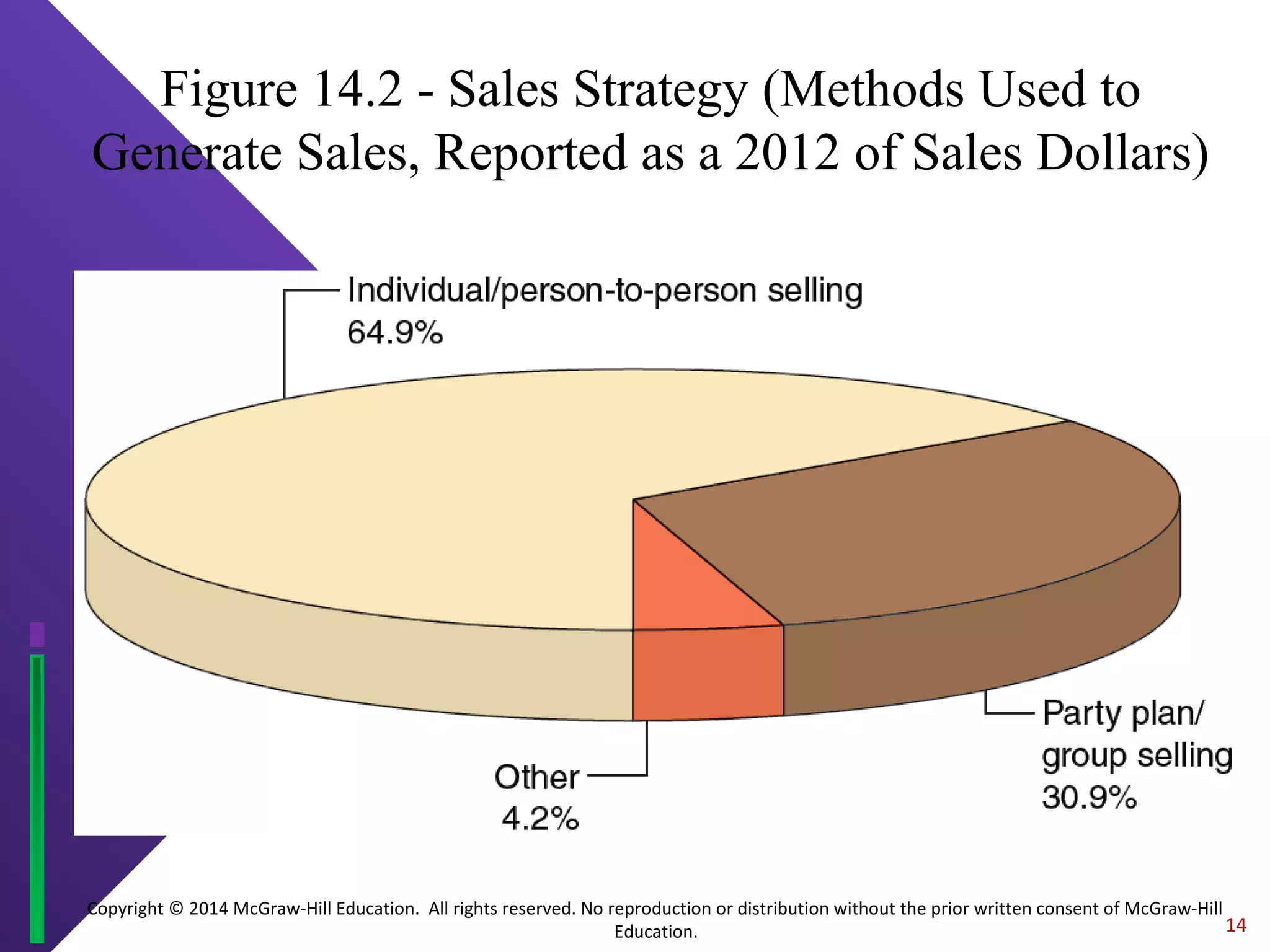
Figure 14.2 - Sales Strategy (Methods Used to
Generate Sales, Reported as a 2012 of Sales Dollars)
14
Copyright © 2014 McGraw-Hill Education. All rights reserved. No reproduction or distribution without the prior written consent of McGraw-Hill
Education.
Evaluating the Effectiveness of Direct
Marketing
 Cost per order (CPO): Evaluates the relative
effectiveness of an ad based on the number of calls
generated
 Customer Lifetime Value (CLTV): Determines
the dollar value associated with a long-term
relationship with a customer
 Helps determine if a customer should be acquired
 Optimizes existing customers’ service levels
15
Copyright © 2014 McGraw-Hill Education. All rights reserved. No reproduction or distribution without the prior written consent of McGraw-Hill
Education.
Advantages and Disadvantages of
Direct Marketing
Advantages
• Selective reach
• Segmentation capabilities
• Frequency
• Testing
• Timing
• Personalization
• Costs
• Measures of effectiveness
Disadvantages
• Image factors
• Accuracy
• Content support
• Rising costs
• Do Not Contact lists
16

Belch 10e ch14_ppt

  • 1.
    Copyright © 2014McGraw-Hill Education. All rights reserved. No reproduction or distribution without the prior written consent of McGraw-Hill Education. Chapter 14 Direct Marketing
  • 2.
    Copyright © 2014McGraw-Hill Education. All rights reserved. No reproduction or distribution without the prior written consent of McGraw-Hill Education. Direct Marketing  Interactive system of marketing  Uses one or more advertising media to effect a measurable response and/or transaction at any location  Uses a set of direct-response media  Direct-response media: Tools by which direct marketers implement the communication process 2
  • 3.
    Copyright © 2014McGraw-Hill Education. All rights reserved. No reproduction or distribution without the prior written consent of McGraw-Hill Education. Factors that Led to the Growth of Direct Marketing Development and expansion of the Postal Service Consumer credit cards Changing structure of American society and the market Technological advances Changing values and lifestyles More sophisticated marketing techniques The industry’s improved image 3
  • 4.
    Copyright © 2014McGraw-Hill Education. All rights reserved. No reproduction or distribution without the prior written consent of McGraw-Hill Education. Role of Direct Marketing in the IMC Program  Combines:  Advertising and public relations  Personal selling and sales promotions  Support media  Companies decide:  Program objectives  Which markets to target and the strategies to use  How to evaluate the program’s effectiveness 4
  • 5.
    Copyright © 2014McGraw-Hill Education. All rights reserved. No reproduction or distribution without the prior written consent of McGraw-Hill Education. Direct-Marketing Objectives To seek a behavioral response To build an image To maintain customer satisfaction To inform and/or educate customers in an attempt to lead to future actions 5
  • 6.
    Copyright © 2014McGraw-Hill Education. All rights reserved. No reproduction or distribution without the prior written consent of McGraw-Hill Education. Direct-Marketing Approaches  One-step approach: Medium is used directly to obtain an order  Two-step approach: Uses more than one medium  First effort - Screens potential buyers  Second effort - Generates the response 6
  • 7.
    Copyright © 2014McGraw-Hill Education. All rights reserved. No reproduction or distribution without the prior written consent of McGraw-Hill Education. Direct-Marketing Media Direct Mail Catalogs E-mail Broadcast Media TV Spots Infomercials Home Shopping Print Media Telemarketin g 7
  • 8.
    Copyright © 2014McGraw-Hill Education. All rights reserved. No reproduction or distribution without the prior written consent of McGraw-Hill Education. Direct Mail  Unsolicited mail  Advertisers spend substantially on this medium  Keys to success  Mailing list: Database from which names are generated  Ability to segment markets and offers  Threat - The Internet 8
  • 9.
    Copyright © 2014McGraw-Hill Education. All rights reserved. No reproduction or distribution without the prior written consent of McGraw-Hill Education. Catalogs and E-mail  Catalogs  Number of catalogs mailed is decreasing  Available on the Internet for consumer and business- to-business customers  E-mail: Electronic version of regular mail  Direct mail on the Internet  Lower cost and higher effectiveness than traditional direct mail  Spam: Electronic equivalent of junk mail 9
  • 10.
    Copyright © 2014McGraw-Hill Education. All rights reserved. No reproduction or distribution without the prior written consent of McGraw-Hill Education. Broadcast media and TV spots  Broadcast media  Categories - Television and radio  Direct-response advertising: Sales response for the offered product is solicited, through the one- or two- step approach  Support advertising: Supports other forms of advertising  TV spots  Short-form programs, include direct-response commercials seen on TV 10
  • 11.
    Copyright © 2014McGraw-Hill Education. All rights reserved. No reproduction or distribution without the prior written consent of McGraw-Hill Education. Infomercial and Home Shopping  Infomercial: Long commercial designed for 30- minute or 1-hour time slot  Designed to be viewed as a regular TV show  Effective with a broad demographic base  Home shopping  Substantial growth due to toll-free telephone numbers and widespread use of credit cards 11
  • 12.
    Copyright © 2014McGraw-Hill Education. All rights reserved. No reproduction or distribution without the prior written consent of McGraw-Hill Education. Print Media and Telemarketing  Print media  Difficult to use for direct marketing  Ads compete with the clutter of other ads  Space is relatively expensive  Response rates and profits are low  Telemarketing: Sales by telephone  Declined due to its potential for fraud and deception, and for annoyance 12
  • 13.
    Copyright © 2014McGraw-Hill Education. All rights reserved. No reproduction or distribution without the prior written consent of McGraw-Hill Education. Direct Selling  Direct, personal presentation, and sales in consumers’ homes  Repetitive person-to-person selling - Salesperson visits the buyer’s location to sell frequently purchased products  Nonrepetitive person-to-person selling - Salesperson visits the buyer’s location to sell infrequently purchased products  Party plans - Salesperson offers products to groups of people through parties and demonstrations 13
  • 14.
    Copyright © 2014McGraw-Hill Education. All rights reserved. No reproduction or distribution without the prior written consent of McGraw-Hill Education. Figure 14.2 - Sales Strategy (Methods Used to Generate Sales, Reported as a 2012 of Sales Dollars) 14
  • 15.
    Copyright © 2014McGraw-Hill Education. All rights reserved. No reproduction or distribution without the prior written consent of McGraw-Hill Education. Evaluating the Effectiveness of Direct Marketing  Cost per order (CPO): Evaluates the relative effectiveness of an ad based on the number of calls generated  Customer Lifetime Value (CLTV): Determines the dollar value associated with a long-term relationship with a customer  Helps determine if a customer should be acquired  Optimizes existing customers’ service levels 15
  • 16.
    Copyright © 2014McGraw-Hill Education. All rights reserved. No reproduction or distribution without the prior written consent of McGraw-Hill Education. Advantages and Disadvantages of Direct Marketing Advantages • Selective reach • Segmentation capabilities • Frequency • Testing • Timing • Personalization • Costs • Measures of effectiveness Disadvantages • Image factors • Accuracy • Content support • Rising costs • Do Not Contact lists 16