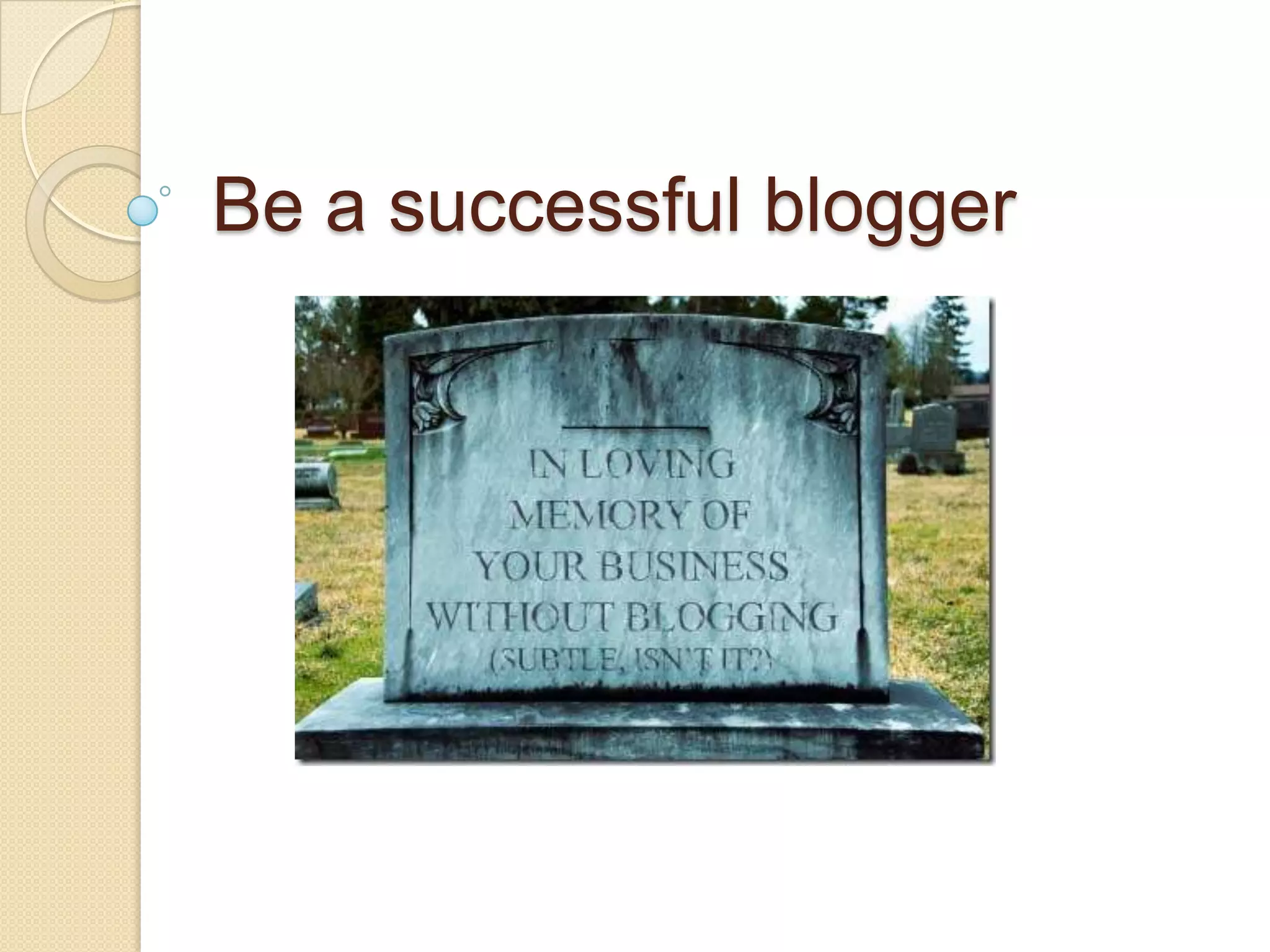
Be a successful blogger
What is a blog?short for weblog intended for general public consumption. generally represent the personality of the author or reflect the purpose of the website that hosts the blog.
A typical blog combines text, images, and links to other blogs, webpages, and other media related to its topic. The ability of readers to leave comments in an interactive format is an important part of many blogs
Types of BlogsPersonalCorporate/businessBy genre – political, travel, etcBy media type – video, sketches, etc.
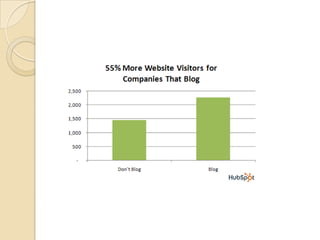
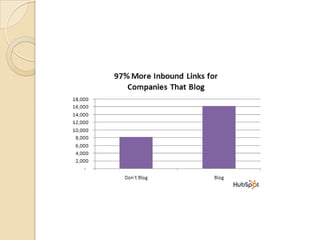
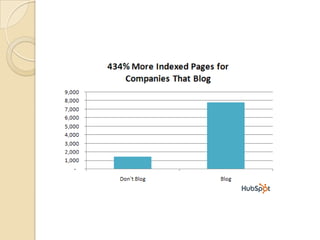
Why blog?share a company's expertisebuild additional web trafficconnect with potential customersKeep in touch with peopleMore than 150 million blogs worldwide – 1 blog for every 4 Facebook users
You own the contentYou are part of the conversationEngage clients in their comfort zone
Where to start?define the audience with whom you want to have a relationship. think about what kind of information they would find valuable. try to talk about something that is differentiated from what other blogs in your field coverMake sure the topic is something that you’ll have a passion for writing about on a regular basis.
Establish a content theme and editorial guidelinesA clear goal and theme for your blog will make it easier for users to know what to expect.Whatever you’re doing tends to perform better if it is a conversation starter
Choose a blogging team and processSelect individuals that are knowledgeable and comfortable writing about the areas you would like to coverEditorial calendar – be reasonable with time and resources
Humanize your companyyour blog is about people connecting and conversing with people, not a corporationShare client success stories, comment on your business/industry
Avoid PR and marketingBlog should be a repository of real analysis and opinions provided by your company’s fine employees add value for your readers
Welcome criticismMake it a policy to welcome criticism, thinking of it as an opportunity for feedback and improvement.
Outline comment policyOutline the types of comments that should be responded to, deleted or passed along for follow-up
Get SocialMake sure your blog is open for comments and utilizes share tools, such as Facebook, Twitter and Digg. Share tools allow your users to pass along your content.
Promote your blogWithout promotion, building an audience can be difficult
Monitor mentions and feedbackSet up Google Alerts blog name and any keywords that might be relevantTrack everythingGoogle AnalyticsStatcounter.com
Helpful Tools for your Toolbox4 common blogging platforms:Blogger.comWordpress.comLivingsocial.comTumblr.comRSS Feeds
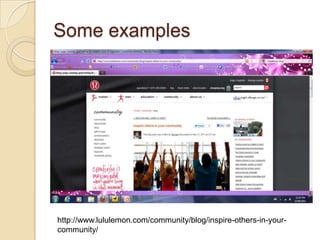
Technorati, Google Blog SearchSome exampleshttp://www.lululemon.com/community/blog/inspire-others-in-your-community/
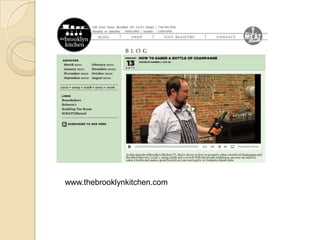
www.thebrooklynkitchen.com
Questions?Thanks!
hsaylor@reginaroc.comTwitter: @heatherinregina

Be a successful blogger

  • 1.
  • 2.
    What is ablog?short for weblog intended for general public consumption. generally represent the personality of the author or reflect the purpose of the website that hosts the blog.
  • 3.
    A typical blogcombines text, images, and links to other blogs, webpages, and other media related to its topic. The ability of readers to leave comments in an interactive format is an important part of many blogs
  • 4.
    Types of BlogsPersonalCorporate/businessBygenre – political, travel, etcBy media type – video, sketches, etc.
  • 5.
    Why blog?share acompany's expertisebuild additional web trafficconnect with potential customersKeep in touch with peopleMore than 150 million blogs worldwide – 1 blog for every 4 Facebook users
  • 9.
    You own thecontentYou are part of the conversationEngage clients in their comfort zone
  • 10.
    Where to start?definethe audience with whom you want to have a relationship. think about what kind of information they would find valuable. try to talk about something that is differentiated from what other blogs in your field coverMake sure the topic is something that you’ll have a passion for writing about on a regular basis.
  • 11.
    Establish a contenttheme and editorial guidelinesA clear goal and theme for your blog will make it easier for users to know what to expect.Whatever you’re doing tends to perform better if it is a conversation starter
  • 12.
    Choose a bloggingteam and processSelect individuals that are knowledgeable and comfortable writing about the areas you would like to coverEditorial calendar – be reasonable with time and resources
  • 13.
    Humanize your companyyourblog is about people connecting and conversing with people, not a corporationShare client success stories, comment on your business/industry
  • 14.
    Avoid PR andmarketingBlog should be a repository of real analysis and opinions provided by your company’s fine employees add value for your readers
  • 15.
    Welcome criticismMake ita policy to welcome criticism, thinking of it as an opportunity for feedback and improvement.
  • 16.
    Outline comment policyOutlinethe types of comments that should be responded to, deleted or passed along for follow-up
  • 17.
    Get SocialMake sureyour blog is open for comments and utilizes share tools, such as Facebook, Twitter and Digg. Share tools allow your users to pass along your content.
  • 18.
    Promote your blogWithoutpromotion, building an audience can be difficult
  • 19.
    Monitor mentions andfeedbackSet up Google Alerts blog name and any keywords that might be relevantTrack everythingGoogle AnalyticsStatcounter.com
  • 20.
    Helpful Tools foryour Toolbox4 common blogging platforms:Blogger.comWordpress.comLivingsocial.comTumblr.comRSS Feeds
  • 21.
    Technorati, Google BlogSearchSome exampleshttp://www.lululemon.com/community/blog/inspire-others-in-your-community/
  • 22.
  • 23.
  • 24.

Editor's Notes

  • #8 Search engine traffic