Asian Internet 
Connectivity, Evolution and the Future 
Tom Paseka 
BBIX BGP Party Dec 2014
Connectivity
Connectivity - Lead by Incumbents 
Asian Internet landscape lead by a number 
of Local Incumbents 
• NTT (Japan) 
• PCCW (Hong Kong) 
• China Telecom / China Unicom (China) 
• TATA (India) 
Some Other Regional Incumbents 
• Korea Telecom (Korea) 
• Telekom Malaysia (Malaysia) 
• PLDT (Philippines) 
• Hinet (Taiwan) 
• SingTel (Singapore) 
Other Notable Networks 
• Pacnet 
• Telstra 
• KDDI 
• SoftBank 
• Global Cloud Exchange
Connectivity 
• Many of the incumbents don’t interconnect or co-operate well 
• Traffic is routed poorly 
• Some traffic will trombone in other Asian countries 
• Eg. Traffic between networks in Singapore might go via Japan 
• Some traffic will even trombone via USA 
• Regional Connectivity needs to change
Connectivity 
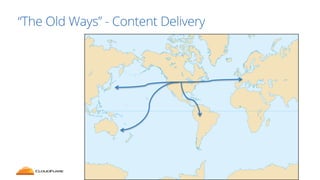
• This is an old story 
• European networks evolved away from Exchanging traffic in US 
• This helped grow European based Exchange Points! 
• Now some of the biggest in the world 
• Changed the way that content was delivered
“The Old Ways” - Content Delivery
Asian Internet
Asian Internet 
• But, the internet in Asia is a little bit different 
• Different economies, thousands of miles apart, over oceans 
• Compared to Europe where different economies are tens of miles 
apart. 
• Content is often regionalized, because of language
Language based Regionalization 
• Hong Kong Produces a lot 
of popular TV content 
• But its only in 
Cantonese Language 
廣東話 / 粵語 
• Spreads to Cantonese speaking 
regions and others with translation 
• Has been largely by traditional media 
• Or through P2P Software. Internet medium is lacking
Language based Regionalization 
• Same situation with Japanese, Korean and other Asian languages and 
content 
• Changes as more content is being brought to the internet and onto CDNs 
• Connectivity will need to change to grow with demand and changing 
platforms
Growth of Large Hosts 
• Large hosts growing Datacenters 
in region 
• More apps, platforms moving 
into Asia 
• Networks need to grow reach 
for performance 
• Happiness of users grows with better 
performance too J
Asian Internet 
• More content will come to the region. 
• Netflix announced launch in Australia, is Asia next? 
• In North America, Netflix accounts for around 30% of Internet 
traffic 
• More regional content to come, but will the networks be ready 
for it?
Asian Internet 
• Is getting better! 
• NTTcom (AS2914) has more connections with other carriers than 
before (eg. Pacnet, PCCW, TATA). 
• Still lacking some connectivity between the carriers, but 
• Asian network is becoming less fragmented. 
• Better interconnection is needed for content still
Future
Future of Asian Internet 
• Even better regional connectivity 
• Growth of Exchange Points 
• Most markets (Singapore, Hong Kong, Korea) only have a single 
viable internet exchange points 
• Open to new entrants for diversity (BBIX Expanding to Singapore 
and Hong Kong) 
• Better reach for regional content, and local peering!
Future of Asian Internet 
• Continued drop in IP Transit pricing 
• New entrants to the market, overtaking dominant or 
incumbent leaders 
• Better connectivity and happy users!
A little about CloudFlare
Network Map
Who are we?
How does CloudFlare Work? 
21 
CloudFlare works at the network level. 
• Once a website is part of the CloudFlare community, its web traffic is routed through CloudFlare’s global network 
of 30(and growing) data centers. 
• At each edge node, CloudFlare manages DNS, caching, bot filtering, web content optimization and third party app 
installations.
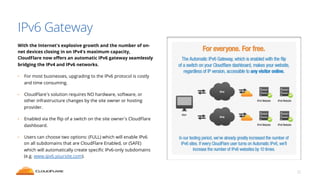
IPv6 Gateway 
With the Internet's explosive growth and the number of on-net 
devices closing in on IPv4's maximum capacity, 
CloudFlare now offers an automatic IPv6 gateway seamlessly 
bridging the IPv4 and IPv6 networks. 
• For most businesses, upgrading to the IPv6 protocol is costly 
and time consuming. 
• CloudFlare’s solution requires NO hardware, software, or 
other infrastructure changes by the site owner or hosting 
provider. 
• Enabled via the flip of a switch on the site owner’s CloudFlare 
dashboard. 
• Users can choose two options: (FULL) which will enable IPv6 
on all subdomains that are CloudFlare Enabled, or (SAFE) 
which will automatically create specific IPv6-only subdomains 
(e.g. www.ipv6.yoursite.com). 
22
Questions?
Thank you
BBIX Asia Internet

BBIX Asia Internet

  • 1.
    Asian Internet Connectivity,Evolution and the Future Tom Paseka BBIX BGP Party Dec 2014
  • 2.
  • 3.
    Connectivity - Leadby Incumbents Asian Internet landscape lead by a number of Local Incumbents • NTT (Japan) • PCCW (Hong Kong) • China Telecom / China Unicom (China) • TATA (India) Some Other Regional Incumbents • Korea Telecom (Korea) • Telekom Malaysia (Malaysia) • PLDT (Philippines) • Hinet (Taiwan) • SingTel (Singapore) Other Notable Networks • Pacnet • Telstra • KDDI • SoftBank • Global Cloud Exchange
  • 4.
    Connectivity • Manyof the incumbents don’t interconnect or co-operate well • Traffic is routed poorly • Some traffic will trombone in other Asian countries • Eg. Traffic between networks in Singapore might go via Japan • Some traffic will even trombone via USA • Regional Connectivity needs to change
  • 5.
    Connectivity • Thisis an old story • European networks evolved away from Exchanging traffic in US • This helped grow European based Exchange Points! • Now some of the biggest in the world • Changed the way that content was delivered
  • 6.
    “The Old Ways”- Content Delivery
  • 7.
    “The Old Ways”- Content Delivery
  • 8.
  • 9.
    Asian Internet •But, the internet in Asia is a little bit different • Different economies, thousands of miles apart, over oceans • Compared to Europe where different economies are tens of miles apart. • Content is often regionalized, because of language
  • 10.
    Language based Regionalization • Hong Kong Produces a lot of popular TV content • But its only in Cantonese Language 廣東話 / 粵語 • Spreads to Cantonese speaking regions and others with translation • Has been largely by traditional media • Or through P2P Software. Internet medium is lacking
  • 11.
    Language based Regionalization • Same situation with Japanese, Korean and other Asian languages and content • Changes as more content is being brought to the internet and onto CDNs • Connectivity will need to change to grow with demand and changing platforms
  • 12.
    Growth of LargeHosts • Large hosts growing Datacenters in region • More apps, platforms moving into Asia • Networks need to grow reach for performance • Happiness of users grows with better performance too J
  • 13.
    Asian Internet •More content will come to the region. • Netflix announced launch in Australia, is Asia next? • In North America, Netflix accounts for around 30% of Internet traffic • More regional content to come, but will the networks be ready for it?
  • 14.
    Asian Internet •Is getting better! • NTTcom (AS2914) has more connections with other carriers than before (eg. Pacnet, PCCW, TATA). • Still lacking some connectivity between the carriers, but • Asian network is becoming less fragmented. • Better interconnection is needed for content still
  • 15.
  • 16.
    Future of AsianInternet • Even better regional connectivity • Growth of Exchange Points • Most markets (Singapore, Hong Kong, Korea) only have a single viable internet exchange points • Open to new entrants for diversity (BBIX Expanding to Singapore and Hong Kong) • Better reach for regional content, and local peering!
  • 17.
    Future of AsianInternet • Continued drop in IP Transit pricing • New entrants to the market, overtaking dominant or incumbent leaders • Better connectivity and happy users!
  • 18.
    A little aboutCloudFlare
  • 19.
  • 20.
  • 21.
    How does CloudFlareWork? 21 CloudFlare works at the network level. • Once a website is part of the CloudFlare community, its web traffic is routed through CloudFlare’s global network of 30(and growing) data centers. • At each edge node, CloudFlare manages DNS, caching, bot filtering, web content optimization and third party app installations.
  • 22.
    IPv6 Gateway Withthe Internet's explosive growth and the number of on-net devices closing in on IPv4's maximum capacity, CloudFlare now offers an automatic IPv6 gateway seamlessly bridging the IPv4 and IPv6 networks. • For most businesses, upgrading to the IPv6 protocol is costly and time consuming. • CloudFlare’s solution requires NO hardware, software, or other infrastructure changes by the site owner or hosting provider. • Enabled via the flip of a switch on the site owner’s CloudFlare dashboard. • Users can choose two options: (FULL) which will enable IPv6 on all subdomains that are CloudFlare Enabled, or (SAFE) which will automatically create specific IPv6-only subdomains (e.g. www.ipv6.yoursite.com). 22
  • 23.
  • 24.