3/14/2015 1
Asian Cuisine
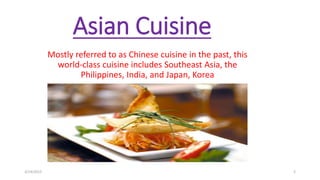
Mostly referred to as Chinese cuisine in the past, this
world-class cuisine includes Southeast Asia, the
Philippines, India, and Japan, Korea
3/14/2015 2
3/14/2015 3
Asian Cuisine
 More than just a stir fry, or a curry
 Can be described as a balance of flavors
 Influenced by a shortage of fuel, grazing land, even food and cooking
utensils
 There is a staggering array of foodstuffs available
 Chinese cuisine was world-class 3,000 years ago, rivaling even ancient Rome
and Egypt
3/14/2015 4
Influences
• Chinese cuisine has influenced
most of the Asian cuisines,
techniques, tools, cutting
procedures, heat applications
• Introduced chopsticks
• Religion has a major influence
• Restrictions of certain meats, or
any meats at all, some types of
fish
• Restrictions on certain days,
even months
• Geographic influences include a
vast coastline, monumental
distances between pockets of
people in the deserts and plains
of China
• Colonization by Western
Europeans
• Warring peoples
• Nomadic lifestyles
• The monsoons and other
climactic conditions
3/14/2015 5
Culinary Groups and Regions
China, third largest country in the world, cuisines include:
Cantonese, offering dumplings, seafood, rich sauces, minimal
seasoning
Szechwan, smoked, hot/spicy, uses chilies, mustard, ginger
Beijing, known for noodles, pancakes, rolls, meat-filled buns, root
vegetables, and fish and lamb; described as light, elegant, and mildly
seasoned
3/14/2015 6
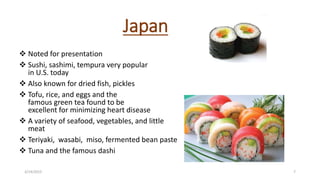
Japan
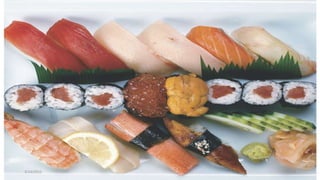
 Noted for presentation
 Sushi, sashimi, tempura very popular
in U.S. today
 Also known for dried fish, pickles
 Tofu, rice, and eggs and the
famous green tea found to be
excellent for minimizing heart disease
 A variety of seafood, vegetables, and little
meat
 Teriyaki, wasabi, miso, fermented bean paste
 Tuna and the famous dashi
3/14/2015 7
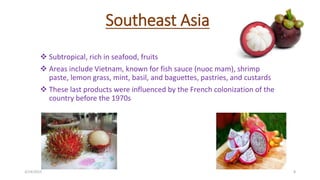
Southeast Asia
 Subtropical, rich in seafood, fruits
 Areas include Vietnam, known for fish sauce (nuoc mam), shrimp
paste, lemon grass, mint, basil, and baguettes, pastries, and custards
 These last products were influenced by the French colonization of the
country before the 1970s
3/14/2015 8
Thailand
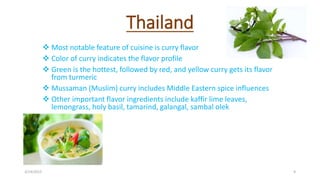
 Most notable feature of cuisine is curry flavor
 Color of curry indicates the flavor profile
 Green is the hottest, followed by red, and yellow curry gets its flavor
from turmeric
 Mussaman (Muslim) curry includes Middle Eastern spice influences
 Other important flavor ingredients include kaffir lime leaves,
lemongrass, holy basil, tamarind, galangal, sambal olek
3/14/2015 9
Other Areas of Culinary
Notability
Korea is influenced by China and Japan
Seafood, pickled vegetables and cabbage (kimchee), hearty stews, and a dish
known as bulgogi
Malaysia and the Philippines
Meats, seafood (pork) and poultry is easily grown or harvested
The Philippines are also influence by a long colonization by Spain, and by the
commerce and migration from the mainland areas
3/14/2015 10
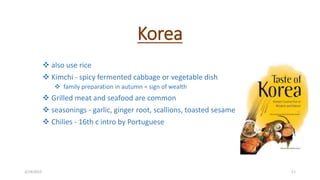
Korea
 also use rice
 Kimchi - spicy fermented cabbage or vegetable dish
 family preparation in autumn = sign of wealth
 Grilled meat and seafood are common
 seasonings - garlic, ginger root, scallions, toasted sesame
 Chilies - 16th c intro by Portuguese
3/14/2015 11
Philippines
blends, Malaysian, Polynesian, Spanish, and Chinese foodstuffs
Original inhabitants = Aetas
15th c immigrants from China and other areas
arrival of Islam, Muslim religion
1521 Magellan claimed for Spain
administered control through Mexico
Spanish influence - including hot/cold theories
3/14/2015 12
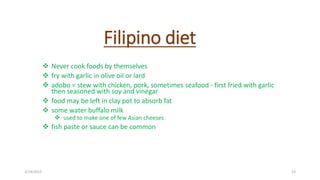
Filipino diet
 Never cook foods by themselves
 fry with garlic in olive oil or lard
 adobo = stew with chicken, pork, sometimes seafood - first fried with garlic
then seasoned with soy and vinegar
 food may be left in clay pot to absorb fat
 some water buffalo milk
 used to make one of few Asian cheeses
 fish paste or sauce can be common
3/14/2015 13
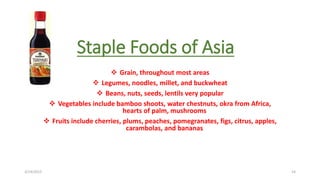
Staple Foods of Asia
 Grain, throughout most areas
 Legumes, noodles, millet, and buckwheat
 Beans, nuts, seeds, lentils very popular
 Vegetables include bamboo shoots, water chestnuts, okra from Africa,
hearts of palm, mushrooms
 Fruits include cherries, plums, peaches, pomegranates, figs, citrus, apples,
carambolas, and bananas
3/14/2015 14
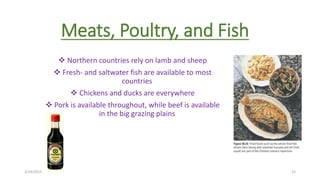
Meats, Poultry, and Fish
 Northern countries rely on lamb and sheep
 Fresh- and saltwater fish are available to most
countries
 Chickens and ducks are everywhere
 Pork is available throughout, while beef is available
in the big grazing plains
3/14/2015 15
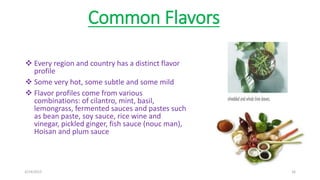
Common Flavors
 Every region and country has a distinct flavor
profile
 Some very hot, some subtle and some mild
 Flavor profiles come from various
combinations: of cilantro, mint, basil,
lemongrass, fermented sauces and pastes such
as bean paste, soy sauce, rice wine and
vinegar, pickled ginger, fish sauce (nouc man),
Hoisan and plum sauce
3/14/2015 16
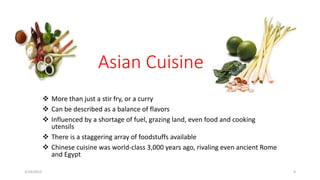
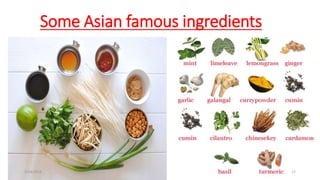
Some Asian famous ingredients
3/14/2015 17
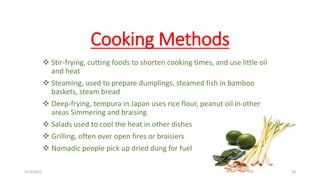
Cooking Methods
 Stir-frying, cutting foods to shorten cooking times, and use little oil
and heat
 Steaming, used to prepare dumplings, steamed fish in bamboo
baskets, steam bread
 Deep-frying, tempura in Japan uses rice flour, peanut oil in other
areas Simmering and braising
 Salads used to cool the heat in other dishes
 Grilling, often over open fires or braisiers
 Nomadic people pick up dried dung for fuel
3/14/2015 18
Preserved Foods
 Little or no refrigeration and/or electricity in many areas
 People shop every day
 Dried fish, pickled vegetables, smoked meats
 Preserved and dried fruits
3/14/2015 19
3/14/2015 20
Thank you …….

Asian cuisine

  • 1.
  • 2.
    Asian Cuisine Mostly referredto as Chinese cuisine in the past, this world-class cuisine includes Southeast Asia, the Philippines, India, and Japan, Korea 3/14/2015 2
  • 3.
  • 4.
    Asian Cuisine  Morethan just a stir fry, or a curry  Can be described as a balance of flavors  Influenced by a shortage of fuel, grazing land, even food and cooking utensils  There is a staggering array of foodstuffs available  Chinese cuisine was world-class 3,000 years ago, rivaling even ancient Rome and Egypt 3/14/2015 4
  • 5.
    Influences • Chinese cuisinehas influenced most of the Asian cuisines, techniques, tools, cutting procedures, heat applications • Introduced chopsticks • Religion has a major influence • Restrictions of certain meats, or any meats at all, some types of fish • Restrictions on certain days, even months • Geographic influences include a vast coastline, monumental distances between pockets of people in the deserts and plains of China • Colonization by Western Europeans • Warring peoples • Nomadic lifestyles • The monsoons and other climactic conditions 3/14/2015 5
  • 6.
    Culinary Groups andRegions China, third largest country in the world, cuisines include: Cantonese, offering dumplings, seafood, rich sauces, minimal seasoning Szechwan, smoked, hot/spicy, uses chilies, mustard, ginger Beijing, known for noodles, pancakes, rolls, meat-filled buns, root vegetables, and fish and lamb; described as light, elegant, and mildly seasoned 3/14/2015 6
  • 7.
    Japan  Noted forpresentation  Sushi, sashimi, tempura very popular in U.S. today  Also known for dried fish, pickles  Tofu, rice, and eggs and the famous green tea found to be excellent for minimizing heart disease  A variety of seafood, vegetables, and little meat  Teriyaki, wasabi, miso, fermented bean paste  Tuna and the famous dashi 3/14/2015 7
  • 8.
    Southeast Asia  Subtropical,rich in seafood, fruits  Areas include Vietnam, known for fish sauce (nuoc mam), shrimp paste, lemon grass, mint, basil, and baguettes, pastries, and custards  These last products were influenced by the French colonization of the country before the 1970s 3/14/2015 8
  • 9.
    Thailand  Most notablefeature of cuisine is curry flavor  Color of curry indicates the flavor profile  Green is the hottest, followed by red, and yellow curry gets its flavor from turmeric  Mussaman (Muslim) curry includes Middle Eastern spice influences  Other important flavor ingredients include kaffir lime leaves, lemongrass, holy basil, tamarind, galangal, sambal olek 3/14/2015 9
  • 10.
    Other Areas ofCulinary Notability Korea is influenced by China and Japan Seafood, pickled vegetables and cabbage (kimchee), hearty stews, and a dish known as bulgogi Malaysia and the Philippines Meats, seafood (pork) and poultry is easily grown or harvested The Philippines are also influence by a long colonization by Spain, and by the commerce and migration from the mainland areas 3/14/2015 10
  • 11.
    Korea  also userice  Kimchi - spicy fermented cabbage or vegetable dish  family preparation in autumn = sign of wealth  Grilled meat and seafood are common  seasonings - garlic, ginger root, scallions, toasted sesame  Chilies - 16th c intro by Portuguese 3/14/2015 11
  • 12.
    Philippines blends, Malaysian, Polynesian,Spanish, and Chinese foodstuffs Original inhabitants = Aetas 15th c immigrants from China and other areas arrival of Islam, Muslim religion 1521 Magellan claimed for Spain administered control through Mexico Spanish influence - including hot/cold theories 3/14/2015 12
  • 13.
    Filipino diet  Nevercook foods by themselves  fry with garlic in olive oil or lard  adobo = stew with chicken, pork, sometimes seafood - first fried with garlic then seasoned with soy and vinegar  food may be left in clay pot to absorb fat  some water buffalo milk  used to make one of few Asian cheeses  fish paste or sauce can be common 3/14/2015 13
  • 14.
    Staple Foods ofAsia  Grain, throughout most areas  Legumes, noodles, millet, and buckwheat  Beans, nuts, seeds, lentils very popular  Vegetables include bamboo shoots, water chestnuts, okra from Africa, hearts of palm, mushrooms  Fruits include cherries, plums, peaches, pomegranates, figs, citrus, apples, carambolas, and bananas 3/14/2015 14
  • 15.
    Meats, Poultry, andFish  Northern countries rely on lamb and sheep  Fresh- and saltwater fish are available to most countries  Chickens and ducks are everywhere  Pork is available throughout, while beef is available in the big grazing plains 3/14/2015 15
  • 16.
    Common Flavors  Everyregion and country has a distinct flavor profile  Some very hot, some subtle and some mild  Flavor profiles come from various combinations: of cilantro, mint, basil, lemongrass, fermented sauces and pastes such as bean paste, soy sauce, rice wine and vinegar, pickled ginger, fish sauce (nouc man), Hoisan and plum sauce 3/14/2015 16
  • 17.
    Some Asian famousingredients 3/14/2015 17
  • 18.
    Cooking Methods  Stir-frying,cutting foods to shorten cooking times, and use little oil and heat  Steaming, used to prepare dumplings, steamed fish in bamboo baskets, steam bread  Deep-frying, tempura in Japan uses rice flour, peanut oil in other areas Simmering and braising  Salads used to cool the heat in other dishes  Grilling, often over open fires or braisiers  Nomadic people pick up dried dung for fuel 3/14/2015 18
  • 19.
    Preserved Foods  Littleor no refrigeration and/or electricity in many areas  People shop every day  Dried fish, pickled vegetables, smoked meats  Preserved and dried fruits 3/14/2015 19
  • 20.