
AI Tools for Research
Dr.K.Niranjan Reddy
Professor &HOD,ECE
CMR Institute of Technology
Hyderabad
Statistics
Undergraduates 79 per cent of students
postgraduate(master’s) level. 12 per cent
PhD 0.5 per cent
the rest studying for sub-degree diploma programmes.
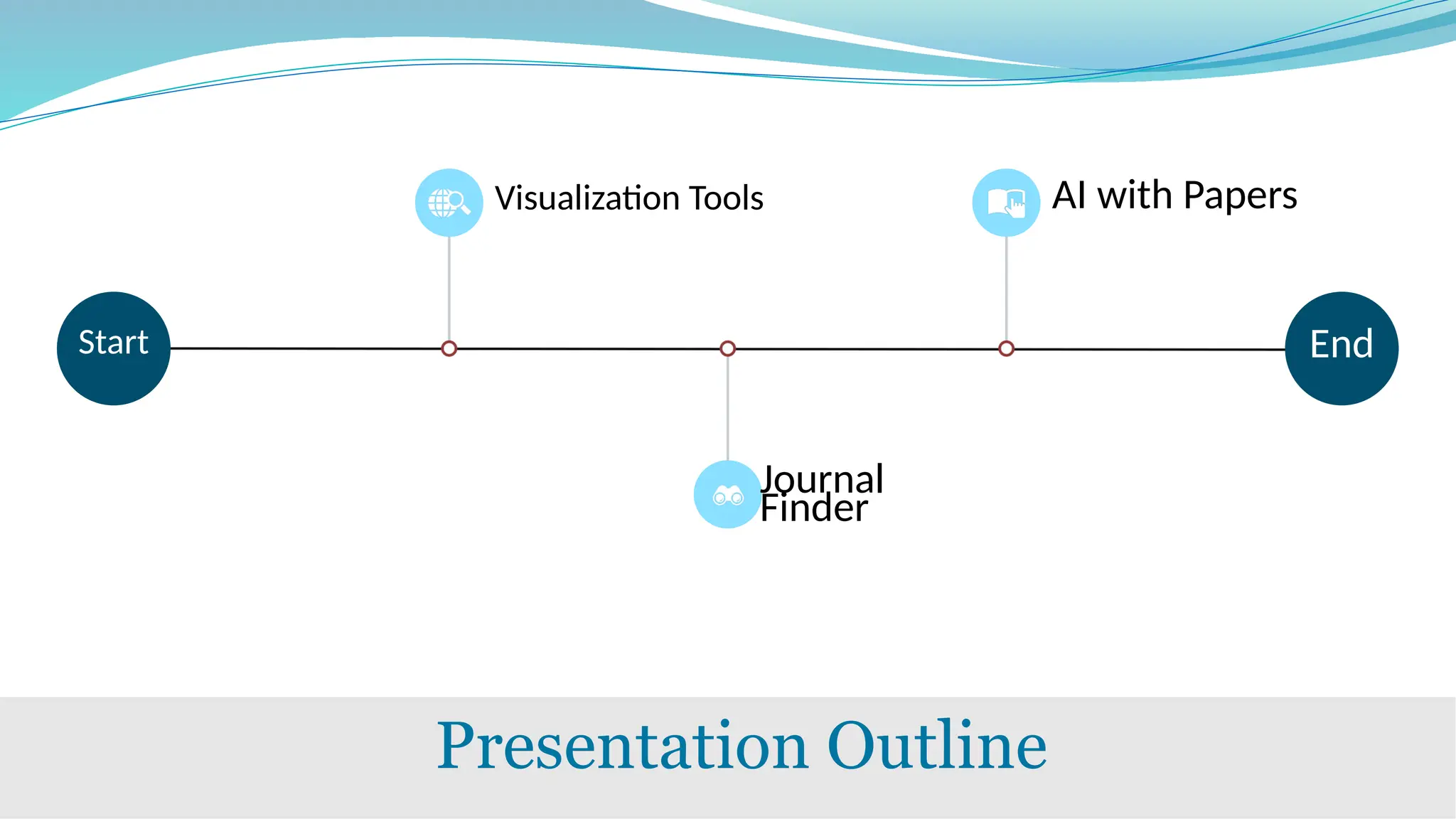
Start End
Visualization Tools
Journal
Finder
AI with Papers
Presentation Outline
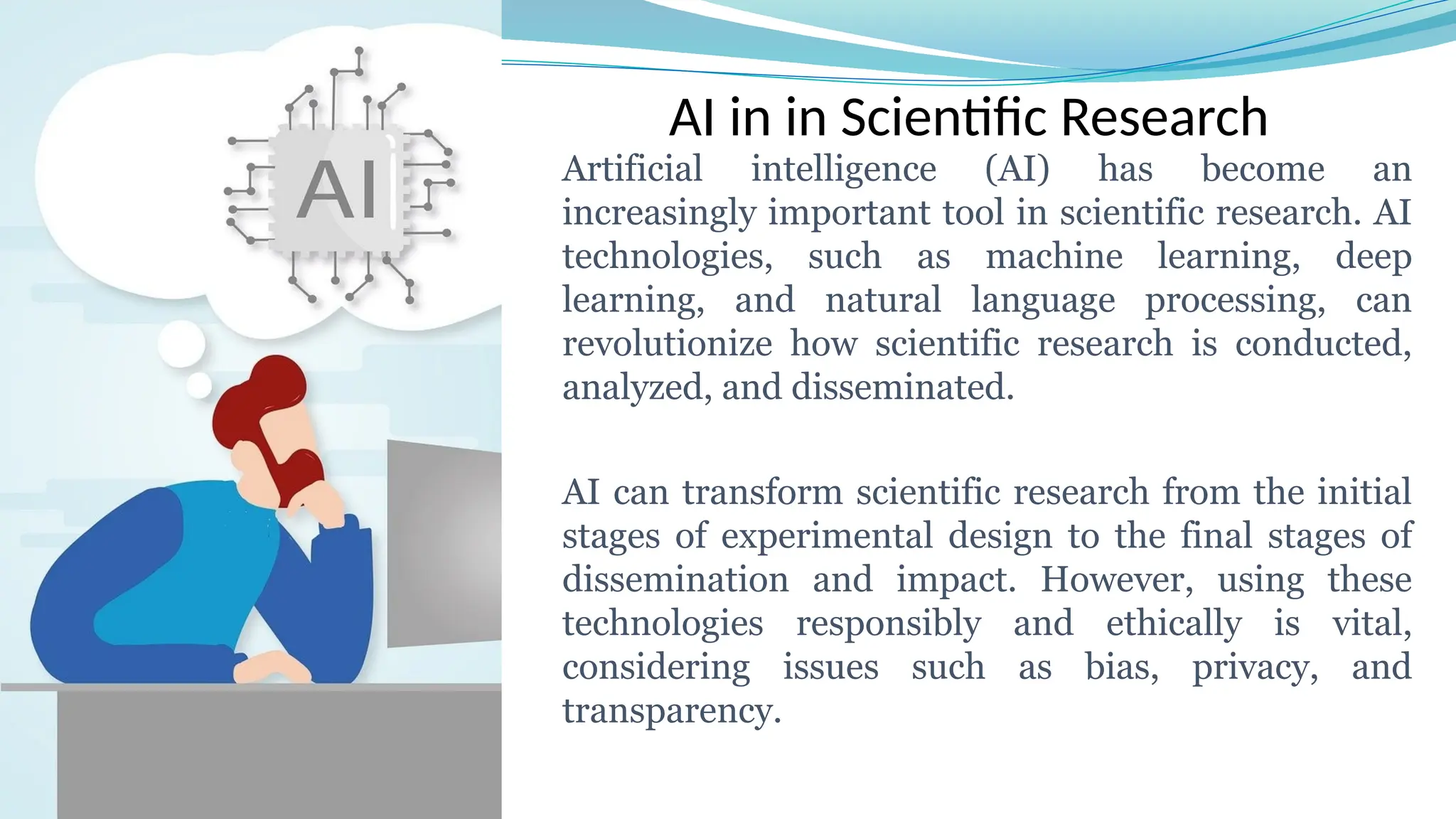
AI in in Scientific Research
Artificial intelligence (AI) has become an
increasingly important tool in scientific research. AI
technologies, such as machine learning, deep
learning, and natural language processing, can
revolutionize how scientific research is conducted,
analyzed, and disseminated.
AI can transform scientific research from the initial
stages of experimental design to the final stages of
dissemination and impact. However, using these
technologies responsibly and ethically is vital,
considering issues such as bias, privacy, and
transparency.
Visualization Tools
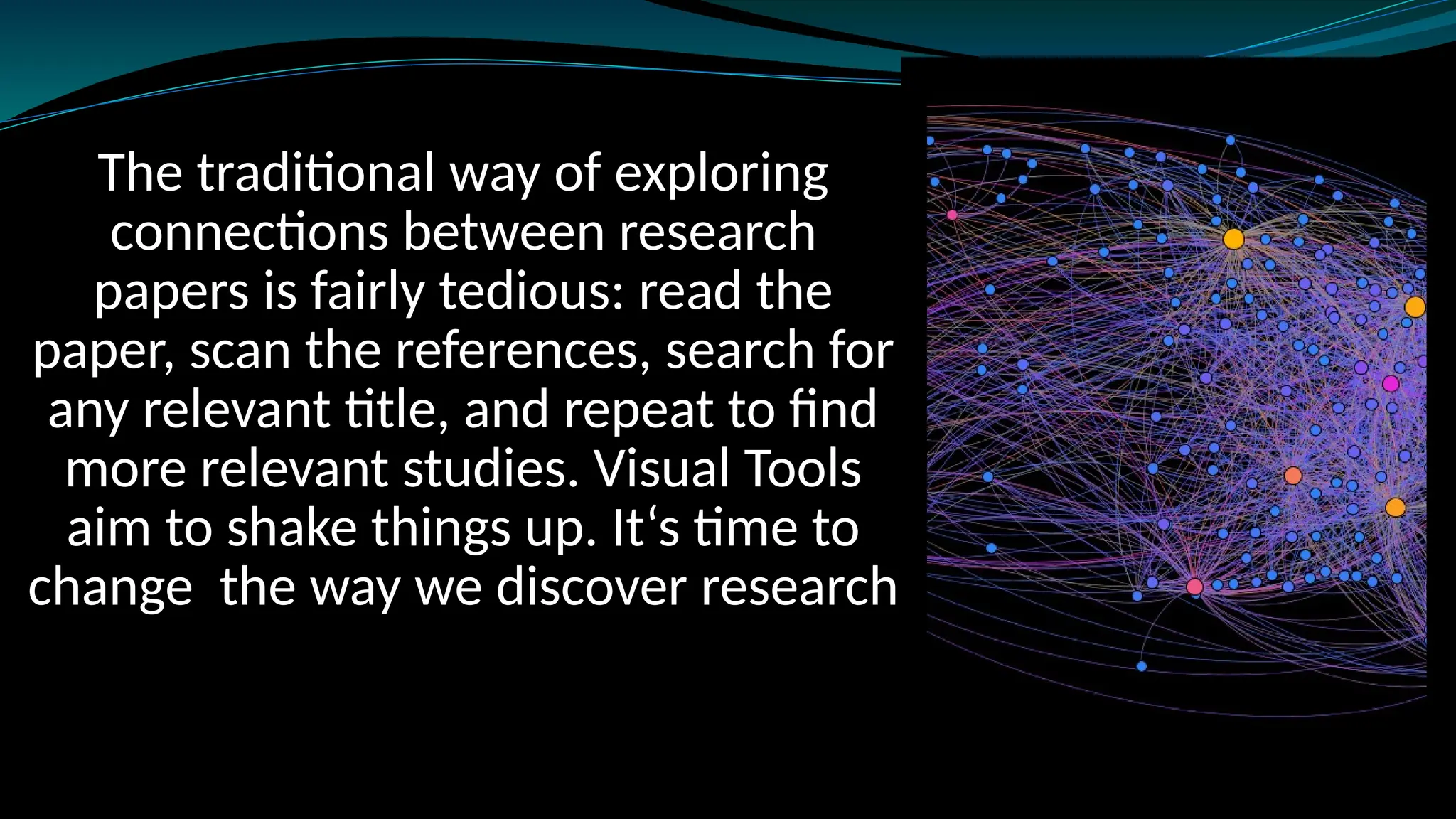
The traditional way of exploring
connections between research
papers is fairly tedious: read the
paper, scan the references, search for
any relevant title, and repeat to find
more relevant studies. Visual Tools
aim to shake things up. It‘s time to
change the way we discover research
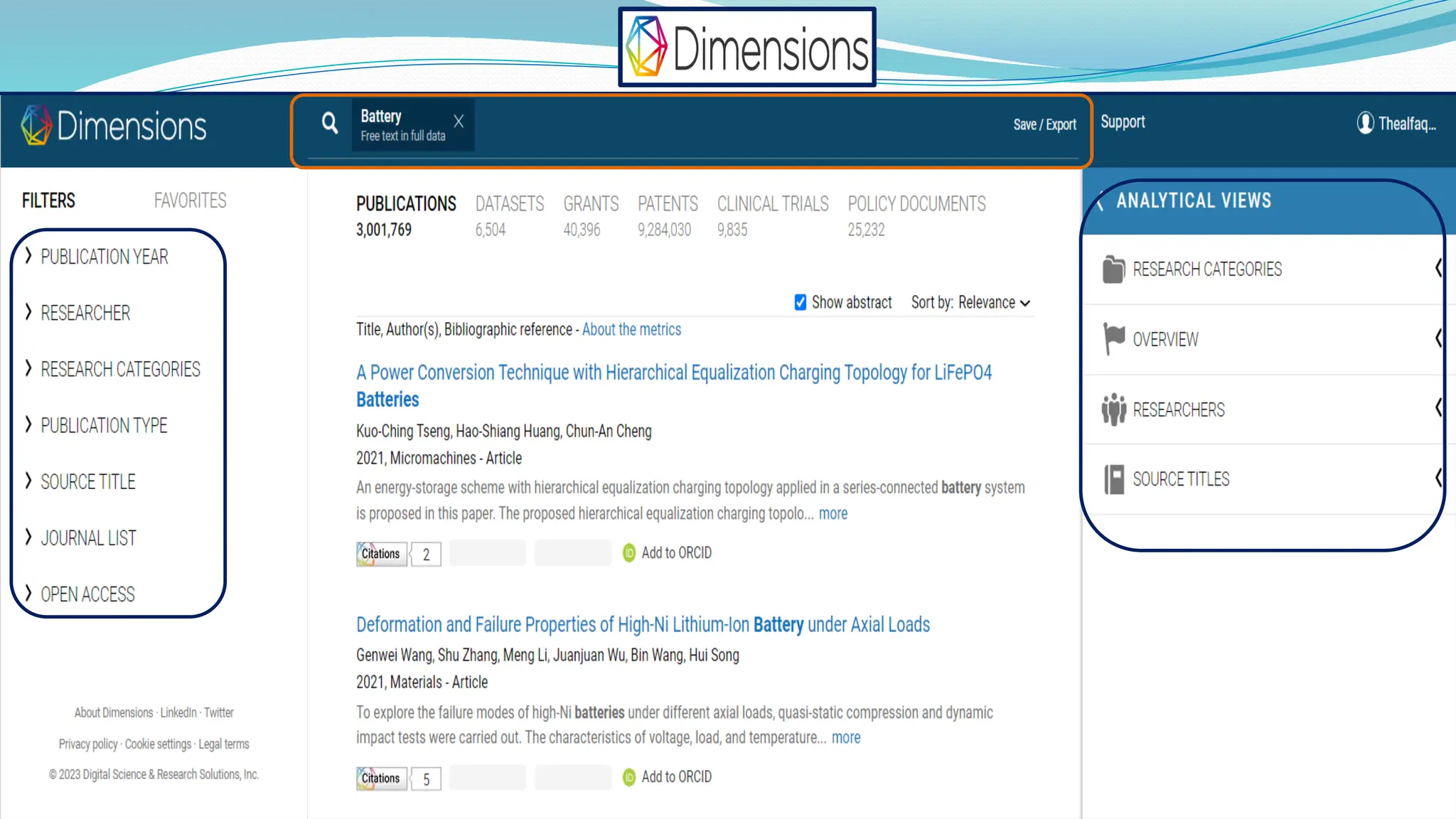
# Dimensions.ai is a research discovery and
analytics platform that uses artificial intelligence
(AI) to help researchers find and analyze scientific
publications and data. Digital Science, a
technology company that supports scientific
research, developed it.
# Dimensions.ai is used by academic researchers,
corporations, government agencies, and other
organizations that rely on scientific research to
inform their work. The platform is known for its
comprehensive coverage of scientific publications
and data, user-friendly interface, and robust AI
capabilities.
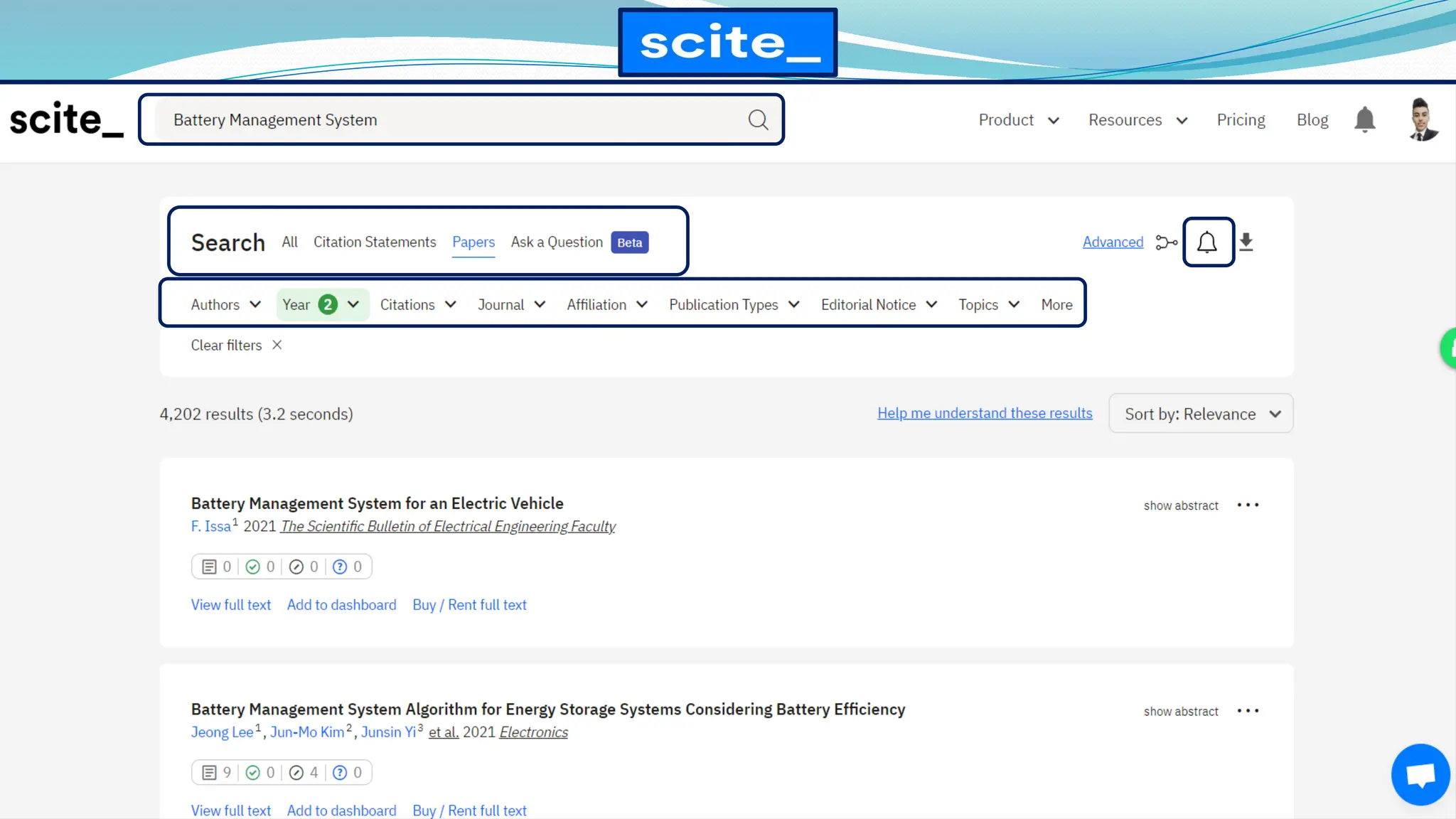
# Scite.ai is an AI-powered platform that uses natural
language processing (NLP) and machine learning (ML) to
evaluate the credibility and reliability of scientific research
articles. The platform analyzes the citations within each
article to determine the context and nature of the
references. This allows Scite.ai to provide a visual
representation of the citing and cited articles and evaluate
the quality of the scientific research.
# Scite.ai uses a proprietary algorithm to identify the
citation type, such as supportive, neutral, or contradicting.
This information creates a "smart citation" that provides
additional context about the relationship between the
citing and cited articles. Users can access Scite.ai's
database of over 700 million scientific articles and use the
platform to find related research, evaluate the credibility
of scientific claims, and discover new research directions.
Elicit is a research assistant using language models like GPT-3 to
automate parts of researchers' workflows. Elicit uses language models to
help you automate research workflows, like parts of literature review.
Elicit can find relevant papers without perfect keyword match,
summarize takeaways from the paper specific to your question, and
extract key information from the papers. Elicit is effectively a research
and search assistant to find academic papers
Features:
Generate summaries and visualizations to interpret the data effectively.
Automate the process of extracting data and summarizing the findings.
It contains 200 million research papers and summarizes them in a single
sentence.
It is easy to extract the details of the research paper into a table and easily
search for the required information
https://elicit.com/
Consensus is ai tool for research that gathers information from published
material and peer-reviewed articles. The tool is helpful for those who
want to understand scientific subjects thoroughly. It helps users
understand scientific subjects thoroughly by scanning
for trustworthy and accurate research articles. This tool is particularly
useful for students and researchers in STEM and business fields.
Features:
Scan peer-reviewed research to offer only trustworthy and accurate
research articles.
Web indexing will use artificial intelligence to give relevant articles.
Give solutions for scientific queries to help researchers.
Extract conclusions from peer-reviewed research and provide access to
reliable information from famous researchers
https://consensus.app/search/
Important Tools
1.Semantic Scholar https://www.semanticscholar.org/
2. Google Scholar https://scholar.google.com/
3. Trinka https://www.trinka.ai/
4. Scholarcy https://www.scholarcy.com/
SECTION 2|
Journal
Finder
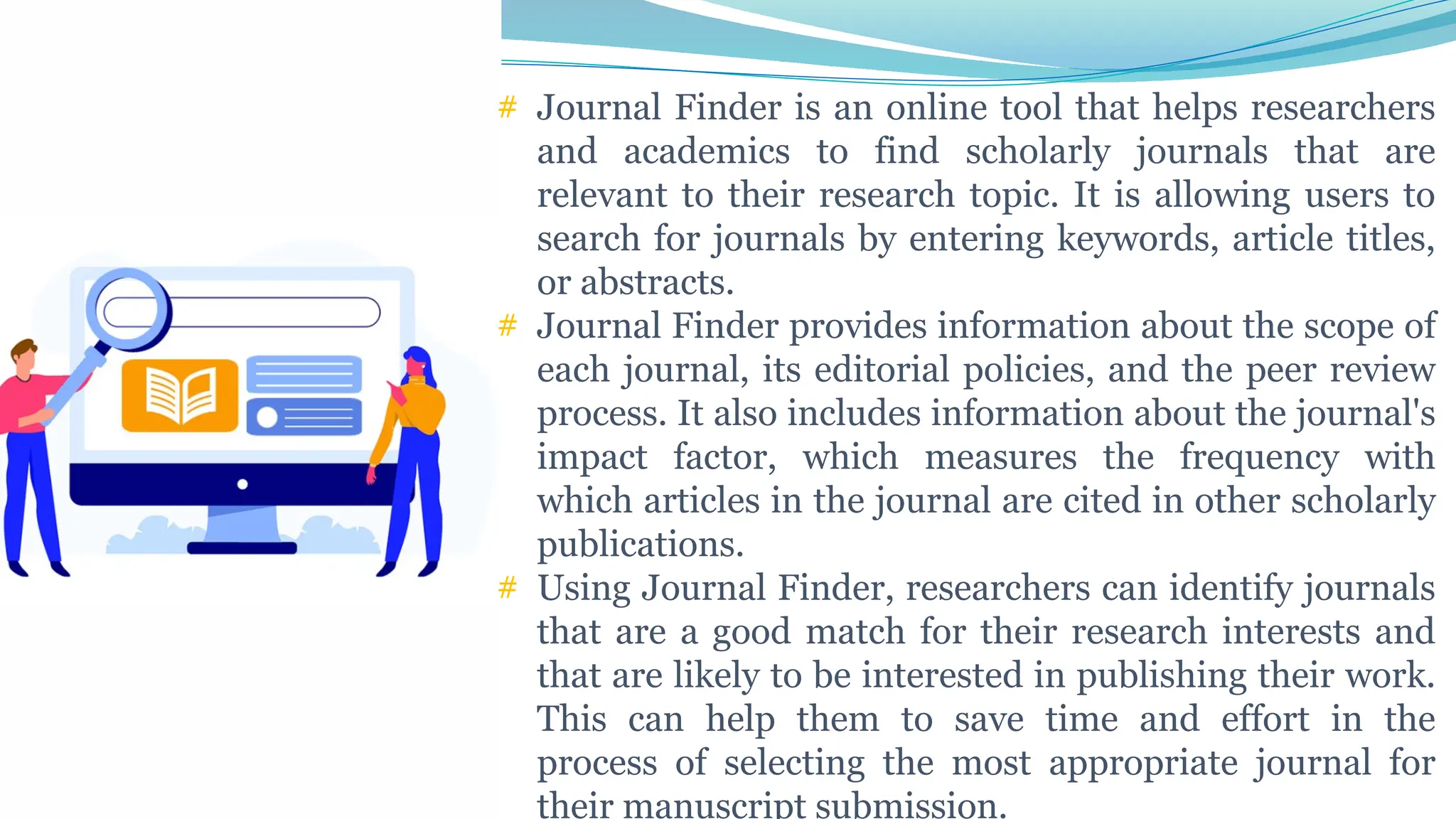
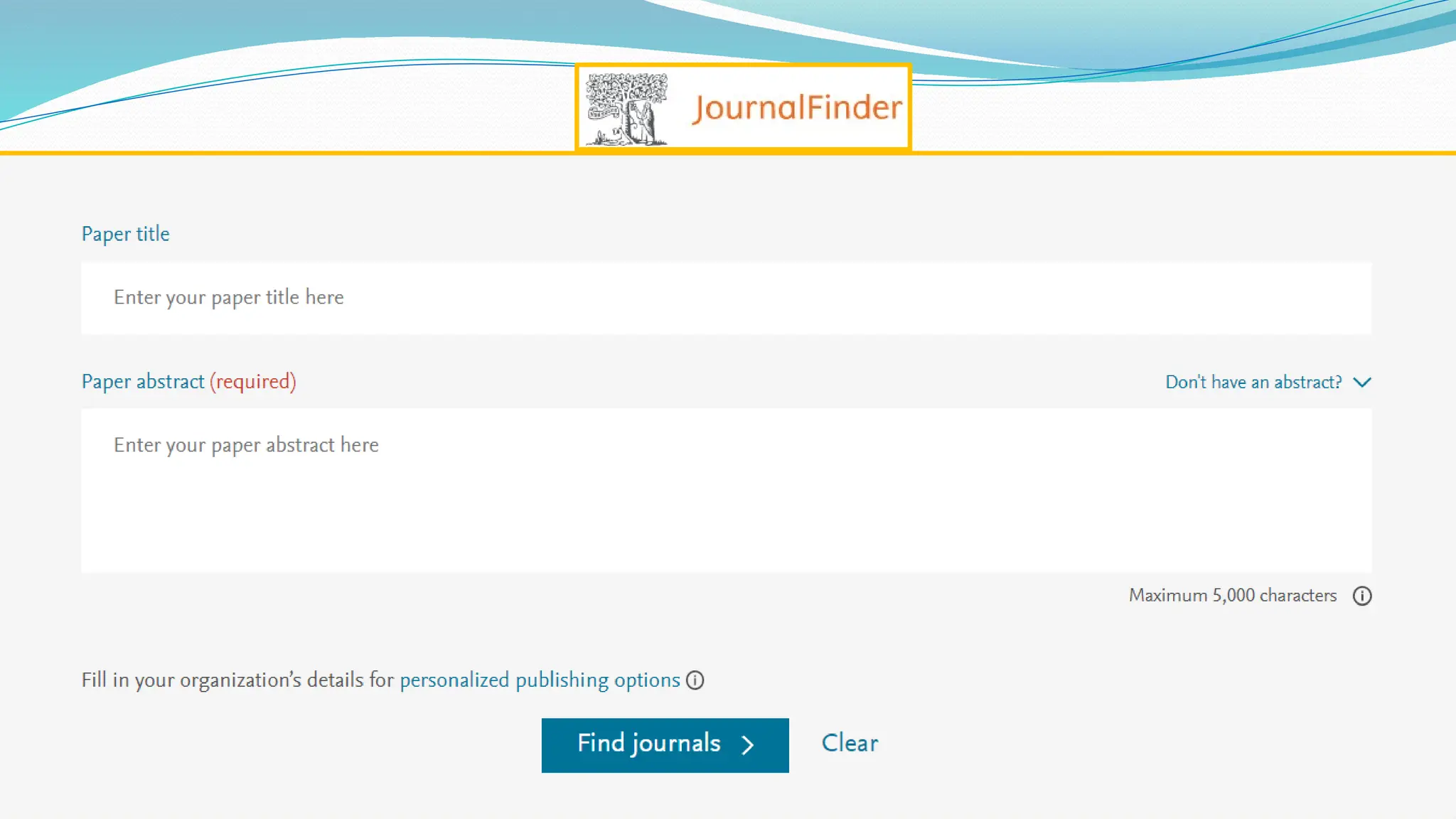
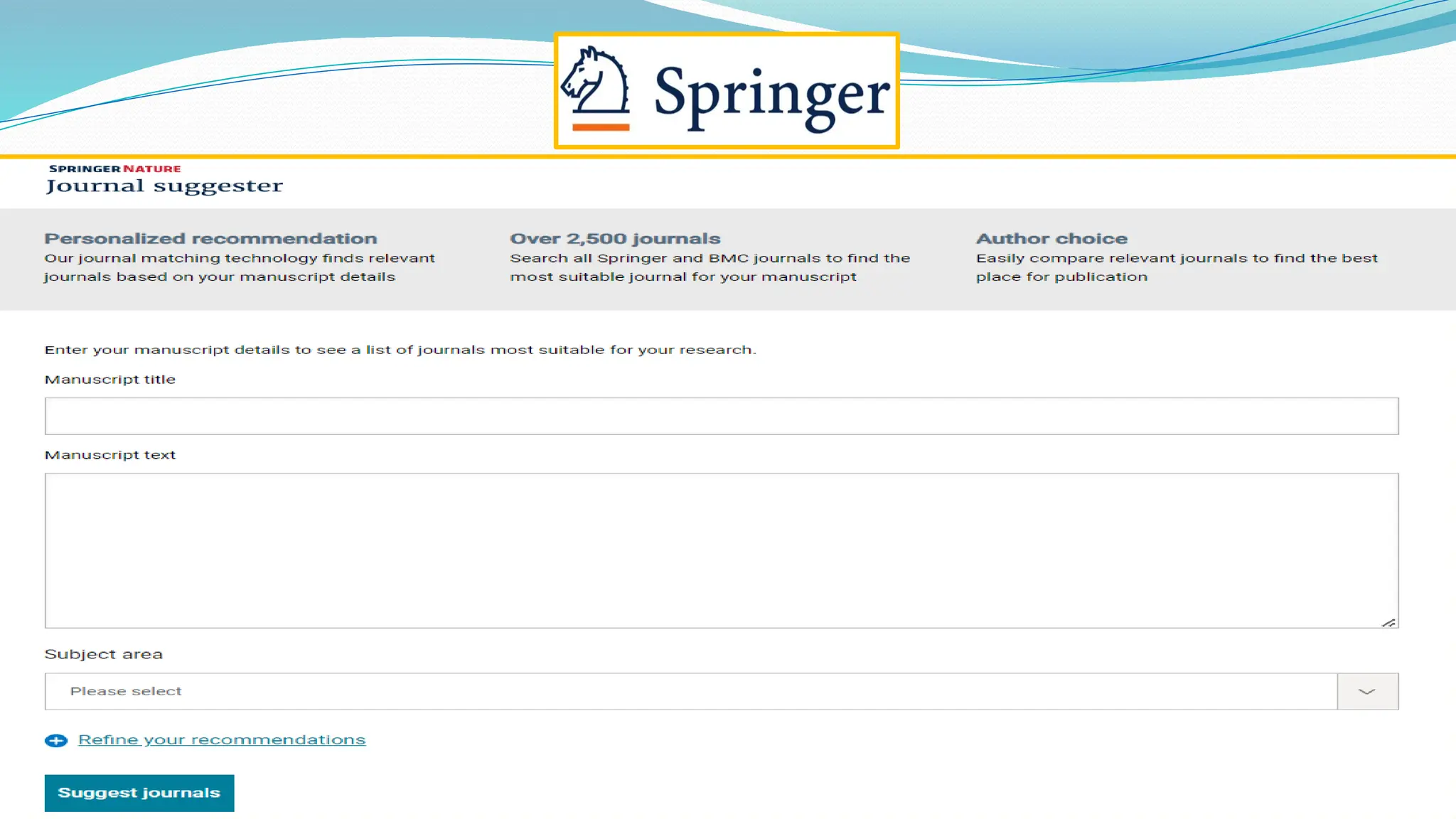
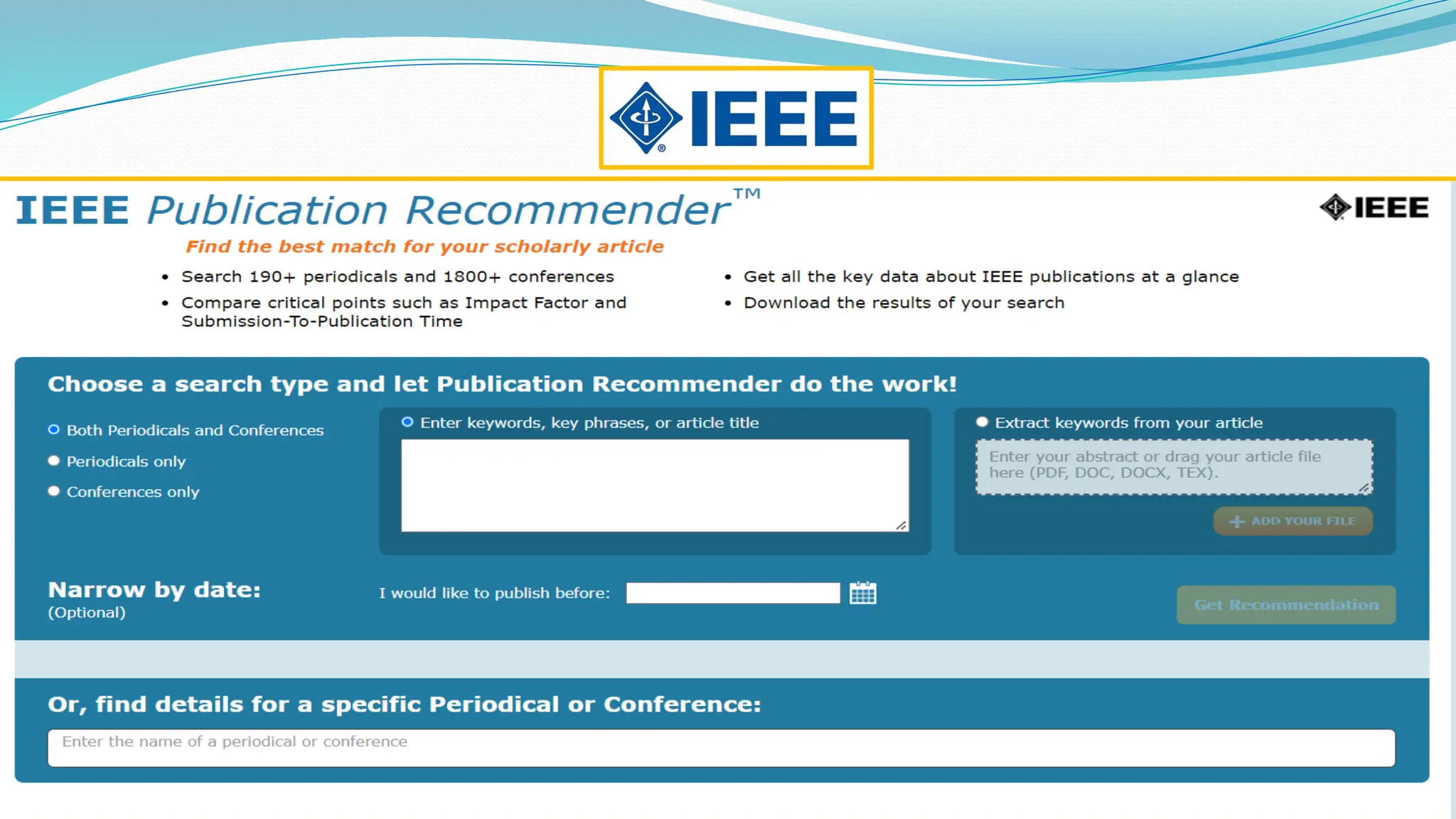
# Journal Finder is an online tool that helps researchers
and academics to find scholarly journals that are
relevant to their research topic. It is allowing users to
search for journals by entering keywords, article titles,
or abstracts.
# Journal Finder provides information about the scope of
each journal, its editorial policies, and the peer review
process. It also includes information about the journal's
impact factor, which measures the frequency with
which articles in the journal are cited in other scholarly
publications.
# Using Journal Finder, researchers can identify journals
that are a good match for their research interests and
that are likely to be interested in publishing their work.
This can help them to save time and effort in the
process of selecting the most appropriate journal for
their manuscript submission.
SECTION 3 |
AI with
Papers
Wordtune Read is an AI reader that summarizes long documents so you can understand more, faster.
A summarization tool that
uses AI to produce a reliable
summary of the article.
Three quick-round reading sessions to get the
information summary structured in your head.
A writing method that guarantees
your summary stays plagiarism-free.
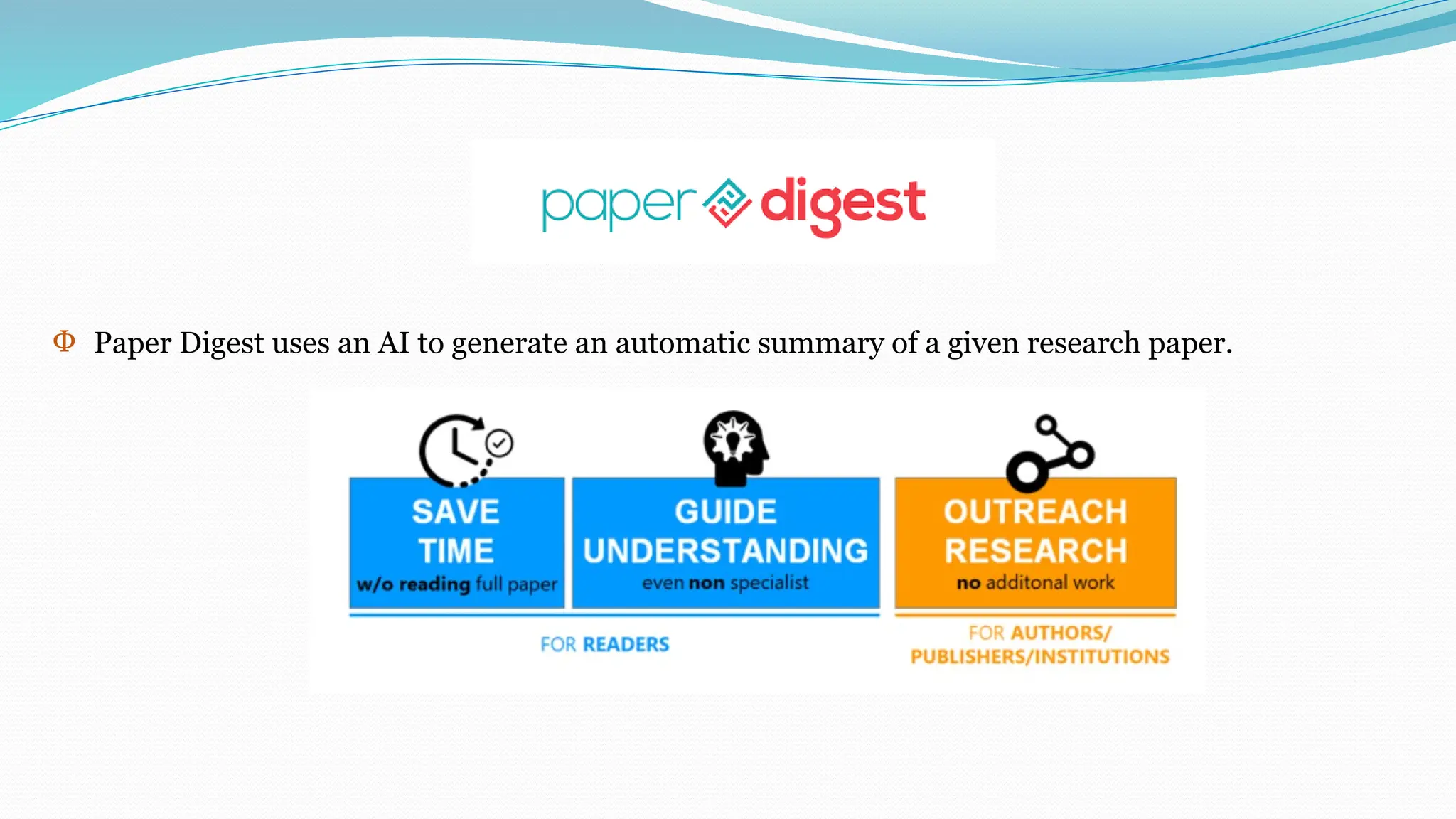
Φ Paper Digest uses an AI to generate an automatic summary of a given research paper.
The all-in-one solution for anyone who needs to read and review documents fast
and confidently. Easily find text across documents with Lateral AI and organize
your findings effortlessly.
A web app that helps you read, find, share & organize your research in one
place.
Flowcite is designed to help researchers at any level concentrate better on their research by
minimizing the burden of administrative tasks in academic writing.
All-In-One Solution For Academic Research Writing, Editing, Publishing, and Referencing
https://flowcite.com/
SciSpace combines the words' Science' and 'Workspace.'
SciSpace is the easiest way to find, understand, and learn any research paper. For every paper
you read, get simple explanations and instant answers from AI and discover a network of
connected and relevant papers — all in one place.
SciSpace is an integrated platform that enables researchers and authors to discover, write, and
publish research smoothly and drive collaboration.
https://typeset.io/
 As we progress through 2025, the integration of AI in research is set to expand
further, offering innovative solutions to long-standing challenges.
Researchers across all levels – students, academics, and professionals – can benefit from
incorporating these tools into their workflows.
By automating administrative tasks, AI allows researchers to focus more on core research
activities, potentially leading to faster and more impactful discoveries.
The future of academic research is increasingly AI-driven, and these tools are just the
beginning. As researchers embrace these technologies, we can expect to see continued
advancements in research methodologies and outcomes.
Conclusion
Thanks for Listening

Articifial intelligence tools for research

  • 1.
    AI Tools forResearch Dr.K.Niranjan Reddy Professor &HOD,ECE CMR Institute of Technology Hyderabad
  • 2.
    Statistics Undergraduates 79 percent of students postgraduate(master’s) level. 12 per cent PhD 0.5 per cent the rest studying for sub-degree diploma programmes.
  • 3.
    Start End Visualization Tools Journal Finder AIwith Papers Presentation Outline
  • 4.
    AI in inScientific Research Artificial intelligence (AI) has become an increasingly important tool in scientific research. AI technologies, such as machine learning, deep learning, and natural language processing, can revolutionize how scientific research is conducted, analyzed, and disseminated. AI can transform scientific research from the initial stages of experimental design to the final stages of dissemination and impact. However, using these technologies responsibly and ethically is vital, considering issues such as bias, privacy, and transparency.
  • 5.
  • 6.
    The traditional wayof exploring connections between research papers is fairly tedious: read the paper, scan the references, search for any relevant title, and repeat to find more relevant studies. Visual Tools aim to shake things up. It‘s time to change the way we discover research
  • 7.
    # Dimensions.ai isa research discovery and analytics platform that uses artificial intelligence (AI) to help researchers find and analyze scientific publications and data. Digital Science, a technology company that supports scientific research, developed it. # Dimensions.ai is used by academic researchers, corporations, government agencies, and other organizations that rely on scientific research to inform their work. The platform is known for its comprehensive coverage of scientific publications and data, user-friendly interface, and robust AI capabilities.
  • 9.
    # Scite.ai isan AI-powered platform that uses natural language processing (NLP) and machine learning (ML) to evaluate the credibility and reliability of scientific research articles. The platform analyzes the citations within each article to determine the context and nature of the references. This allows Scite.ai to provide a visual representation of the citing and cited articles and evaluate the quality of the scientific research. # Scite.ai uses a proprietary algorithm to identify the citation type, such as supportive, neutral, or contradicting. This information creates a "smart citation" that provides additional context about the relationship between the citing and cited articles. Users can access Scite.ai's database of over 700 million scientific articles and use the platform to find related research, evaluate the credibility of scientific claims, and discover new research directions.
  • 11.
    Elicit is aresearch assistant using language models like GPT-3 to automate parts of researchers' workflows. Elicit uses language models to help you automate research workflows, like parts of literature review. Elicit can find relevant papers without perfect keyword match, summarize takeaways from the paper specific to your question, and extract key information from the papers. Elicit is effectively a research and search assistant to find academic papers Features: Generate summaries and visualizations to interpret the data effectively. Automate the process of extracting data and summarizing the findings. It contains 200 million research papers and summarizes them in a single sentence. It is easy to extract the details of the research paper into a table and easily search for the required information https://elicit.com/
  • 12.
    Consensus is aitool for research that gathers information from published material and peer-reviewed articles. The tool is helpful for those who want to understand scientific subjects thoroughly. It helps users understand scientific subjects thoroughly by scanning for trustworthy and accurate research articles. This tool is particularly useful for students and researchers in STEM and business fields. Features: Scan peer-reviewed research to offer only trustworthy and accurate research articles. Web indexing will use artificial intelligence to give relevant articles. Give solutions for scientific queries to help researchers. Extract conclusions from peer-reviewed research and provide access to reliable information from famous researchers https://consensus.app/search/
  • 13.
    Important Tools 1.Semantic Scholarhttps://www.semanticscholar.org/ 2. Google Scholar https://scholar.google.com/ 3. Trinka https://www.trinka.ai/ 4. Scholarcy https://www.scholarcy.com/
  • 14.
  • 15.
    # Journal Finderis an online tool that helps researchers and academics to find scholarly journals that are relevant to their research topic. It is allowing users to search for journals by entering keywords, article titles, or abstracts. # Journal Finder provides information about the scope of each journal, its editorial policies, and the peer review process. It also includes information about the journal's impact factor, which measures the frequency with which articles in the journal are cited in other scholarly publications. # Using Journal Finder, researchers can identify journals that are a good match for their research interests and that are likely to be interested in publishing their work. This can help them to save time and effort in the process of selecting the most appropriate journal for their manuscript submission.
  • 20.
    SECTION 3 | AIwith Papers
  • 21.
    Wordtune Read isan AI reader that summarizes long documents so you can understand more, faster. A summarization tool that uses AI to produce a reliable summary of the article. Three quick-round reading sessions to get the information summary structured in your head. A writing method that guarantees your summary stays plagiarism-free.
  • 22.
    Φ Paper Digestuses an AI to generate an automatic summary of a given research paper.
  • 23.
    The all-in-one solutionfor anyone who needs to read and review documents fast and confidently. Easily find text across documents with Lateral AI and organize your findings effortlessly. A web app that helps you read, find, share & organize your research in one place.
  • 24.
    Flowcite is designedto help researchers at any level concentrate better on their research by minimizing the burden of administrative tasks in academic writing. All-In-One Solution For Academic Research Writing, Editing, Publishing, and Referencing https://flowcite.com/
  • 25.
    SciSpace combines thewords' Science' and 'Workspace.' SciSpace is the easiest way to find, understand, and learn any research paper. For every paper you read, get simple explanations and instant answers from AI and discover a network of connected and relevant papers — all in one place. SciSpace is an integrated platform that enables researchers and authors to discover, write, and publish research smoothly and drive collaboration. https://typeset.io/
  • 27.
     As weprogress through 2025, the integration of AI in research is set to expand further, offering innovative solutions to long-standing challenges. Researchers across all levels – students, academics, and professionals – can benefit from incorporating these tools into their workflows. By automating administrative tasks, AI allows researchers to focus more on core research activities, potentially leading to faster and more impactful discoveries. The future of academic research is increasingly AI-driven, and these tools are just the beginning. As researchers embrace these technologies, we can expect to see continued advancements in research methodologies and outcomes. Conclusion
  • 28.