SOUL MAKING:
Making and
Deriving Meaning
from Art
Learning Outcomes
• By the end of this lesson, students should
be able to:
1. Identify the meanings can be derive
from art;
2. Discuss the improvisation can make an
artwork distinctive;
3. Explain the issues and problems that
arise because of an art.
SOUL MAKING
Soul Making is an evolution,
the main feature of which is
that formation during the
process of has already began,
but the shape of it is still not
completed.
- It is a form of crafting stories or
transforming brief moments into
images or symbols.
- It is connecting people,
understanding culture and
embodying tolerance and
peace.
STYLE - refers to the distinctive handling of
elements and media associated with the
work of an individual artist, a school, a
movement, or a specific culture or time
period.
FORM - is the totality of the artwork which
includes the textures, colors and shapes
utilized by the artist.
Categories
of Soul-Making
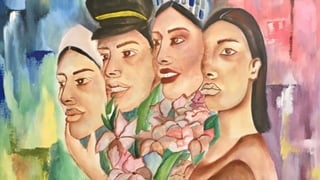
Crafting images
- Imaging or representing in any form,
which may be through painting, sculpting,
drawing, storytelling, and poetry,
dancing, composing or taking notes.
Crafting stories
- The moment we write, engrave, and
inscribe our own thoughts, ideas,
commentaries,
criticisms, and positive and negative
emotions, we are crafting stories.
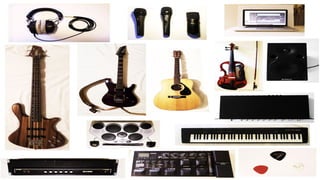
Crafting instruments
- An instrument maker is a bridge
toward the unknown because the
instrument produces sounds that
transcend our feelings, emotions, and
sensation in another realm.
Crafting Movements:
1. Life is full of movements, filled with various
beats.
2. Life is full of flowing images accompanied by
flowing narratives.
3. Everything we do in life is a performance, we
perform life.
Crafting Techniques:
Anything can be crafted by using
different evocative descriptions of
experiences and explorations, like
photograph studies, puppets, and masks,
constructions and notepad studies.
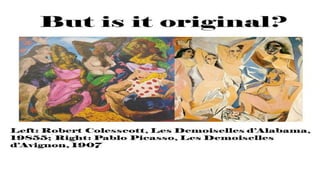
Appropriation
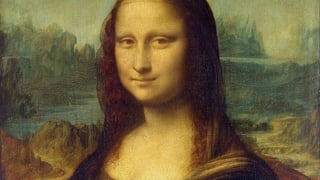
Appropriation in art:
It is the use of pre-existing objects
or images with little or no transformation
applied to them. In the visual arts, to
appropriate means to properly adopt,
borrow, recycle or sample aspects (or the
entire form) of human-made visual culture.
Major Points.
1. OWNERSHIP generally pertains to
the general right of a person or an
individual to control an object
purchased or in his possession.
2. COPYRIGHT the person who created
the work exclusive rights to reproduce,
to display publicly, to make and
distribute copies, and to prepare
derivative works based on the original
artwork, as well as to authorize those
mentioned above.
3. PURCHASE OF A CREATED WORK will
merely result in the transfer of
ownership but the copyright will still
remain with the creator. For buyer who
paid for the work, the buyer usually
holds the copyright.
Types of Cultural
Appropriation
Object Appropriation
Refers to appropriation of concrete and
noticeable works of art.
Happens when a tangible work previously
owned by people from one culture was taken
and adopted by a person or a group of
persons from another culture.
Content Appropriation
Adoption of works of art that are short stories,
poetry, and musical compositions.
Happens when an intangible work previously
expressed by people from one culture was
adopted and used by a person or a group of
persons from another culture.
Subject Appropriation
Occurs when a subject matter from another
culture is appropriated.
Example would be a British writer creating a
story about Pacific Islanders.
Issues on Copyright,
Appropriation, and
Ownership
Major Points.
Legal systems remain strict on cases that
can
be considered violations on copyright.
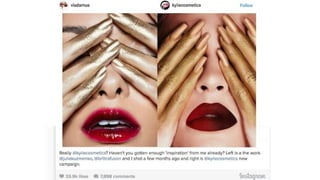
An example would be the photo, featured
rose gold dripping lips, posted on the Kylie’s
Lip Kit Instagram.
Haggerty filed a lawsuit against Kylie
cosmetics for an image showing fingers
colored with gold and the red lips.
Improvisation
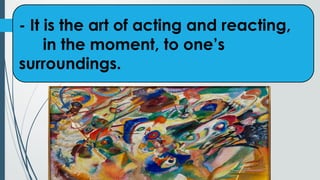
- It is the art of acting and reacting,
in the moment, to one’s
surroundings.
- The study of the skills and techniques
of improvisation can strongly influence
one’s competence in business,
personal life, and/or in the arts.
- Techniques of improvisation are widely
trained in the entertainment arts, for
example, in music, theater and dance
Skills and
Techniques
Improvisation
Major Points.
Improvisation skills can apply to many diverse
abilities or forms of communication and
expression across all disciplines.
Improvisation techniques are widely utilized in
training for the performing arts or activities,
particularly in music, theater, and dance.
Improvisation in
Various Art Forms
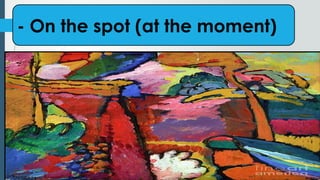
- On the spot (at the moment)
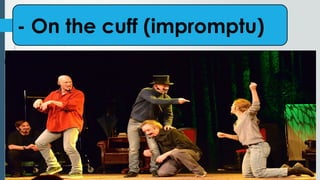
- On the cuff (impromptu)
Improvisation in
Music
- Composing music on the fly.
- It can be a solo performance, or
interpedently in ensemble with
other players.
- Improvised freestyle rap is commonly
practiced as part of a rappers’ creative
processes, as a finished product, spiritual
event, and simply, for fun
Improvisational
Dance
- Facilitated through a variety of
creative explorations, including body
mapping through levels, shape, and
dynamic schema.
Improvisational
Theater
- Created spontaneously by the
performers.
- The dialogue, action, story and characters
are created collaboratively by the players
as the improvisation unfolds in present time,
without use of a previously prepared, written
script.

ART APPRECIATION MIDTERM SOUL-MAKING2.pptx

  • 1.
  • 2.
    Learning Outcomes • Bythe end of this lesson, students should be able to: 1. Identify the meanings can be derive from art; 2. Discuss the improvisation can make an artwork distinctive; 3. Explain the issues and problems that arise because of an art.
  • 6.
    SOUL MAKING Soul Makingis an evolution, the main feature of which is that formation during the process of has already began, but the shape of it is still not completed.
  • 7.
    - It isa form of crafting stories or transforming brief moments into images or symbols. - It is connecting people, understanding culture and embodying tolerance and peace.
  • 8.
    STYLE - refersto the distinctive handling of elements and media associated with the work of an individual artist, a school, a movement, or a specific culture or time period. FORM - is the totality of the artwork which includes the textures, colors and shapes utilized by the artist.
  • 9.
  • 10.
    Crafting images - Imagingor representing in any form, which may be through painting, sculpting, drawing, storytelling, and poetry, dancing, composing or taking notes.
  • 12.
    Crafting stories - Themoment we write, engrave, and inscribe our own thoughts, ideas, commentaries, criticisms, and positive and negative emotions, we are crafting stories.
  • 14.
    Crafting instruments - Aninstrument maker is a bridge toward the unknown because the instrument produces sounds that transcend our feelings, emotions, and sensation in another realm.
  • 16.
    Crafting Movements: 1. Lifeis full of movements, filled with various beats. 2. Life is full of flowing images accompanied by flowing narratives. 3. Everything we do in life is a performance, we perform life.
  • 17.
    Crafting Techniques: Anything canbe crafted by using different evocative descriptions of experiences and explorations, like photograph studies, puppets, and masks, constructions and notepad studies.
  • 18.
  • 19.
    Appropriation in art: Itis the use of pre-existing objects or images with little or no transformation applied to them. In the visual arts, to appropriate means to properly adopt, borrow, recycle or sample aspects (or the entire form) of human-made visual culture.
  • 21.
    Major Points. 1. OWNERSHIPgenerally pertains to the general right of a person or an individual to control an object purchased or in his possession.
  • 22.
    2. COPYRIGHT theperson who created the work exclusive rights to reproduce, to display publicly, to make and distribute copies, and to prepare derivative works based on the original artwork, as well as to authorize those mentioned above.
  • 23.
    3. PURCHASE OFA CREATED WORK will merely result in the transfer of ownership but the copyright will still remain with the creator. For buyer who paid for the work, the buyer usually holds the copyright.
  • 24.
  • 25.
    Object Appropriation Refers toappropriation of concrete and noticeable works of art. Happens when a tangible work previously owned by people from one culture was taken and adopted by a person or a group of persons from another culture.
  • 27.
    Content Appropriation Adoption ofworks of art that are short stories, poetry, and musical compositions. Happens when an intangible work previously expressed by people from one culture was adopted and used by a person or a group of persons from another culture.
  • 29.
    Subject Appropriation Occurs whena subject matter from another culture is appropriated. Example would be a British writer creating a story about Pacific Islanders.
  • 31.
  • 32.
    Major Points. Legal systemsremain strict on cases that can be considered violations on copyright. An example would be the photo, featured rose gold dripping lips, posted on the Kylie’s Lip Kit Instagram. Haggerty filed a lawsuit against Kylie cosmetics for an image showing fingers colored with gold and the red lips.
  • 34.
  • 35.
    - It isthe art of acting and reacting, in the moment, to one’s surroundings.
  • 36.
    - The studyof the skills and techniques of improvisation can strongly influence one’s competence in business, personal life, and/or in the arts. - Techniques of improvisation are widely trained in the entertainment arts, for example, in music, theater and dance
  • 37.
  • 38.
    Major Points. Improvisation skillscan apply to many diverse abilities or forms of communication and expression across all disciplines. Improvisation techniques are widely utilized in training for the performing arts or activities, particularly in music, theater, and dance.
  • 39.
  • 40.
    - On thespot (at the moment)
  • 41.
    - On thecuff (impromptu)
  • 42.
  • 43.
    - Composing musicon the fly. - It can be a solo performance, or interpedently in ensemble with other players. - Improvised freestyle rap is commonly practiced as part of a rappers’ creative processes, as a finished product, spiritual event, and simply, for fun
  • 44.
  • 45.
    - Facilitated througha variety of creative explorations, including body mapping through levels, shape, and dynamic schema.
  • 46.
  • 47.
    - Created spontaneouslyby the performers. - The dialogue, action, story and characters are created collaboratively by the players as the improvisation unfolds in present time, without use of a previously prepared, written script.