Microservices Architecture
Nirvana or Nightmare?
About me
christophe.marchal@ilegra.com
@toff63
http://github.com/toff63
http://francesbagual.net
ilegra
SOA Services in 5
minutes
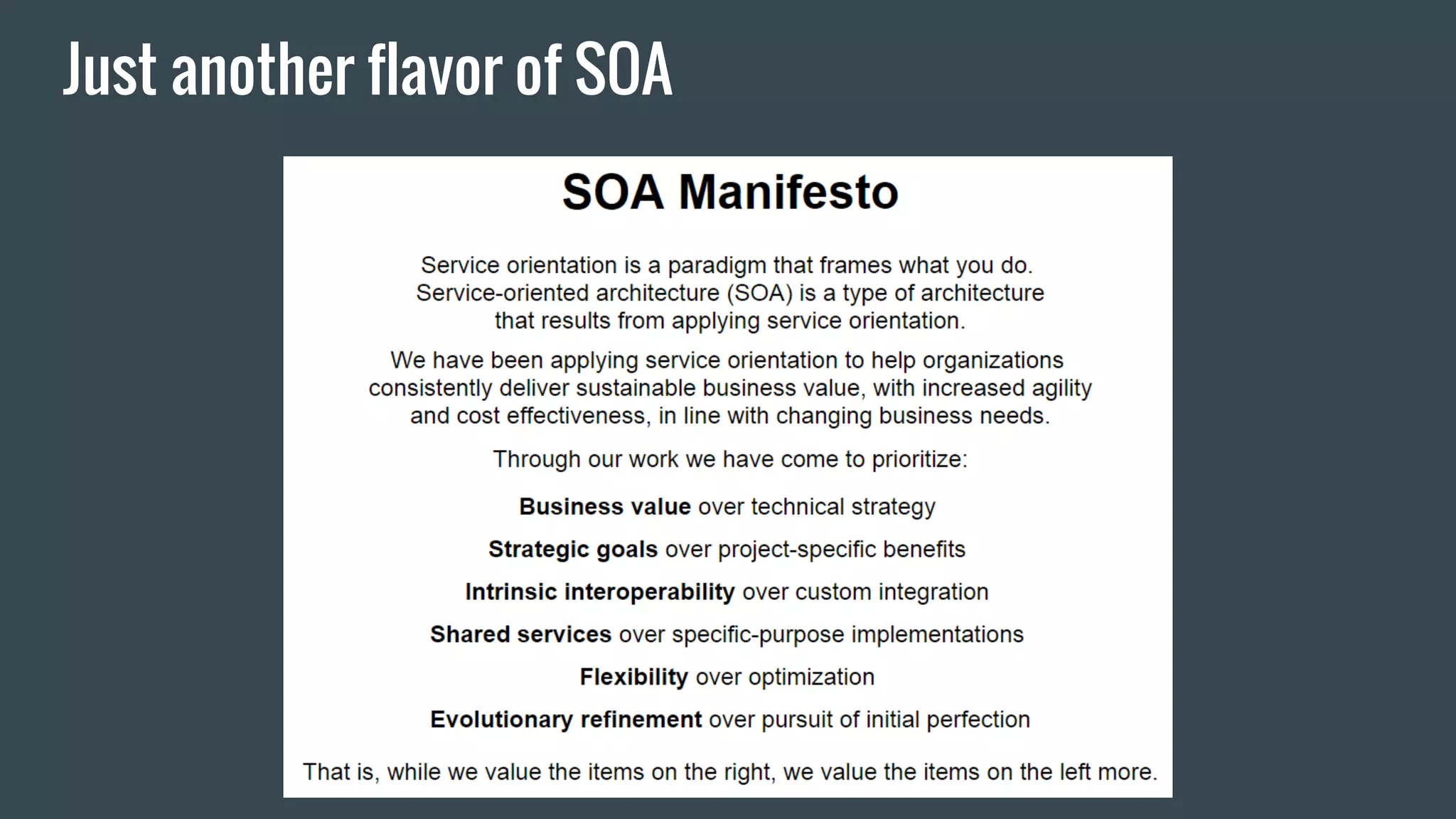
Just another flavor of SOA
SOA isn’t Web Services
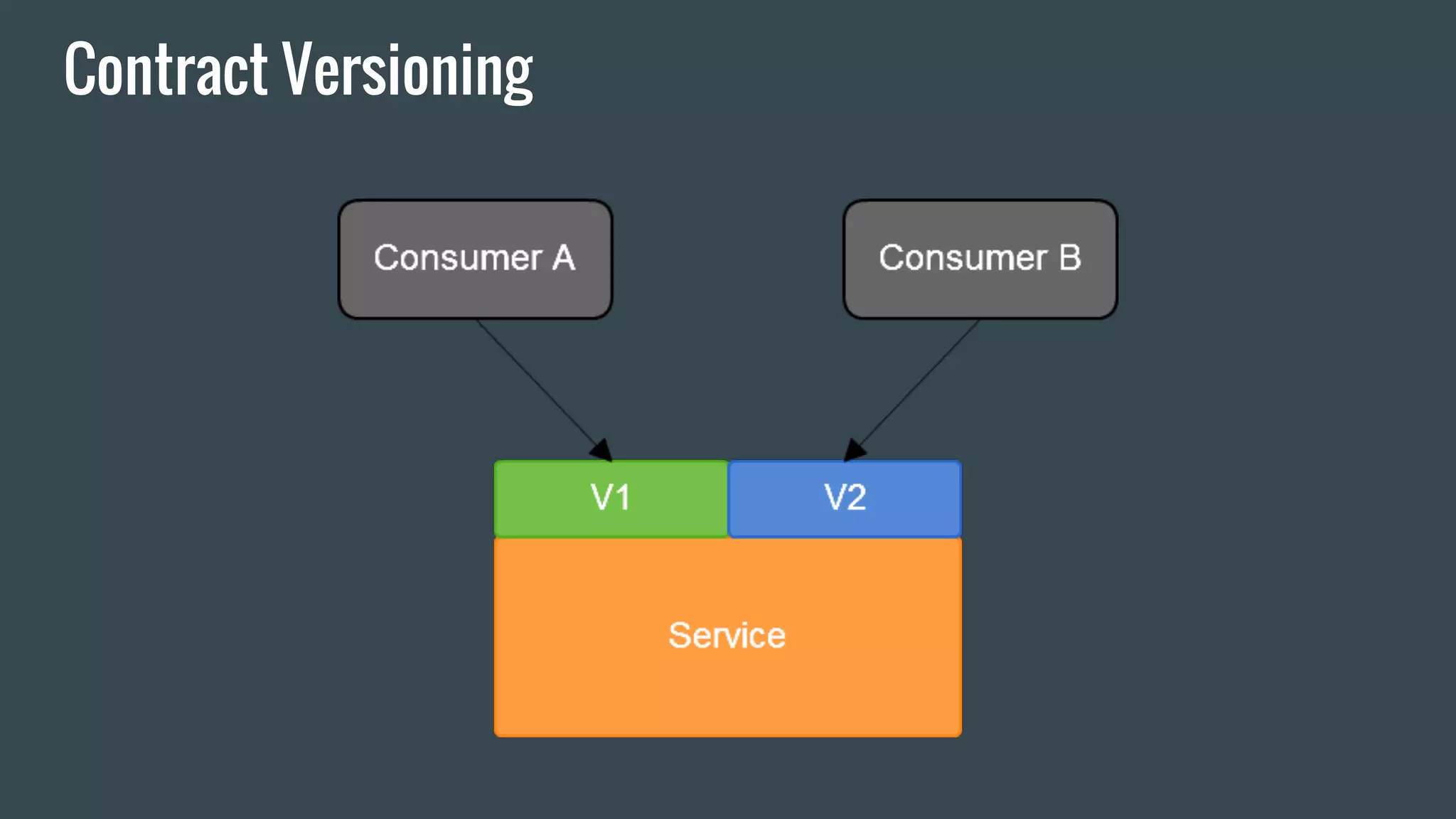
Contract Versioning
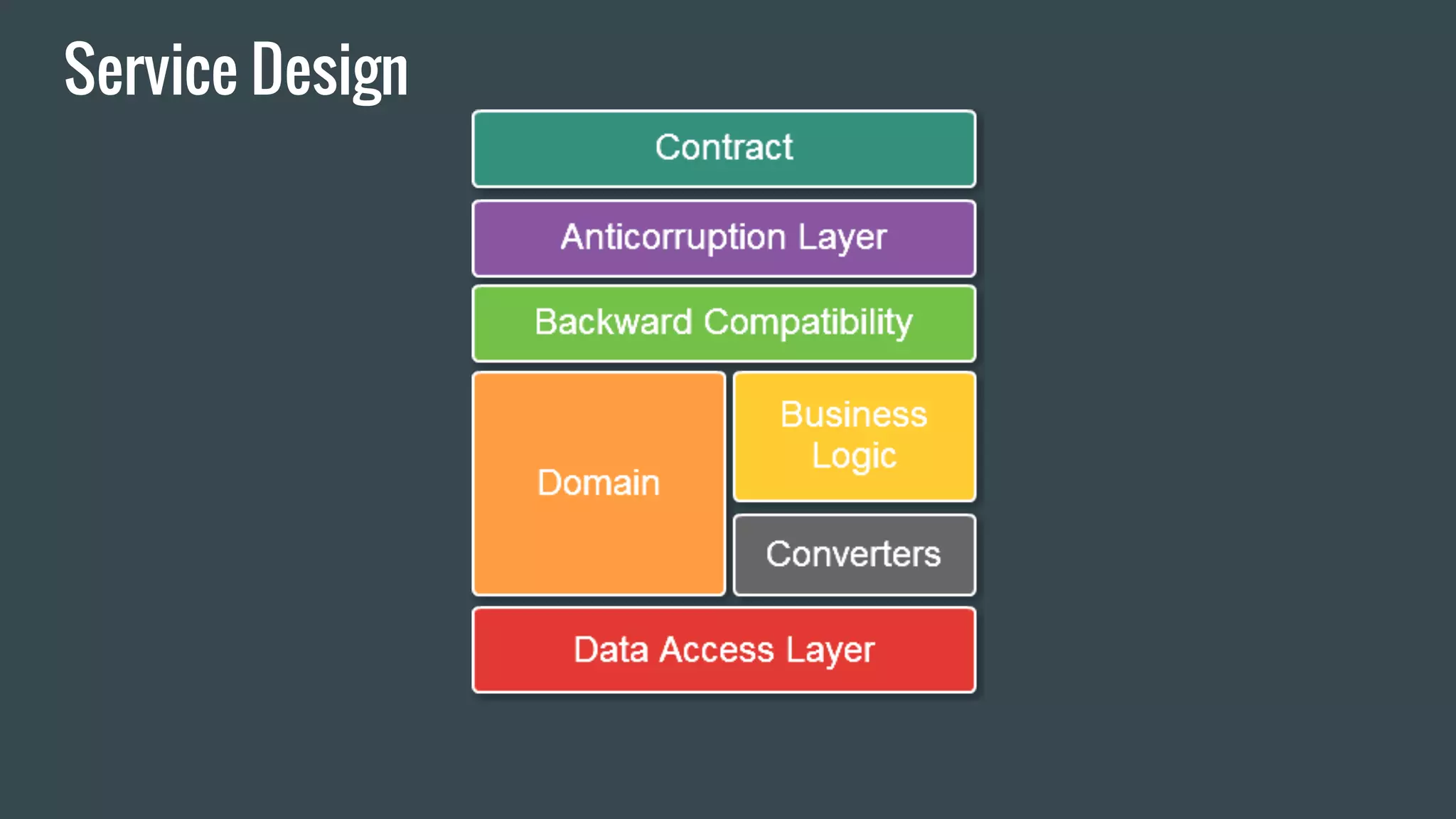
Service Design
Microservices isn’t
always the best
architecture
Not everybody likes Microservices
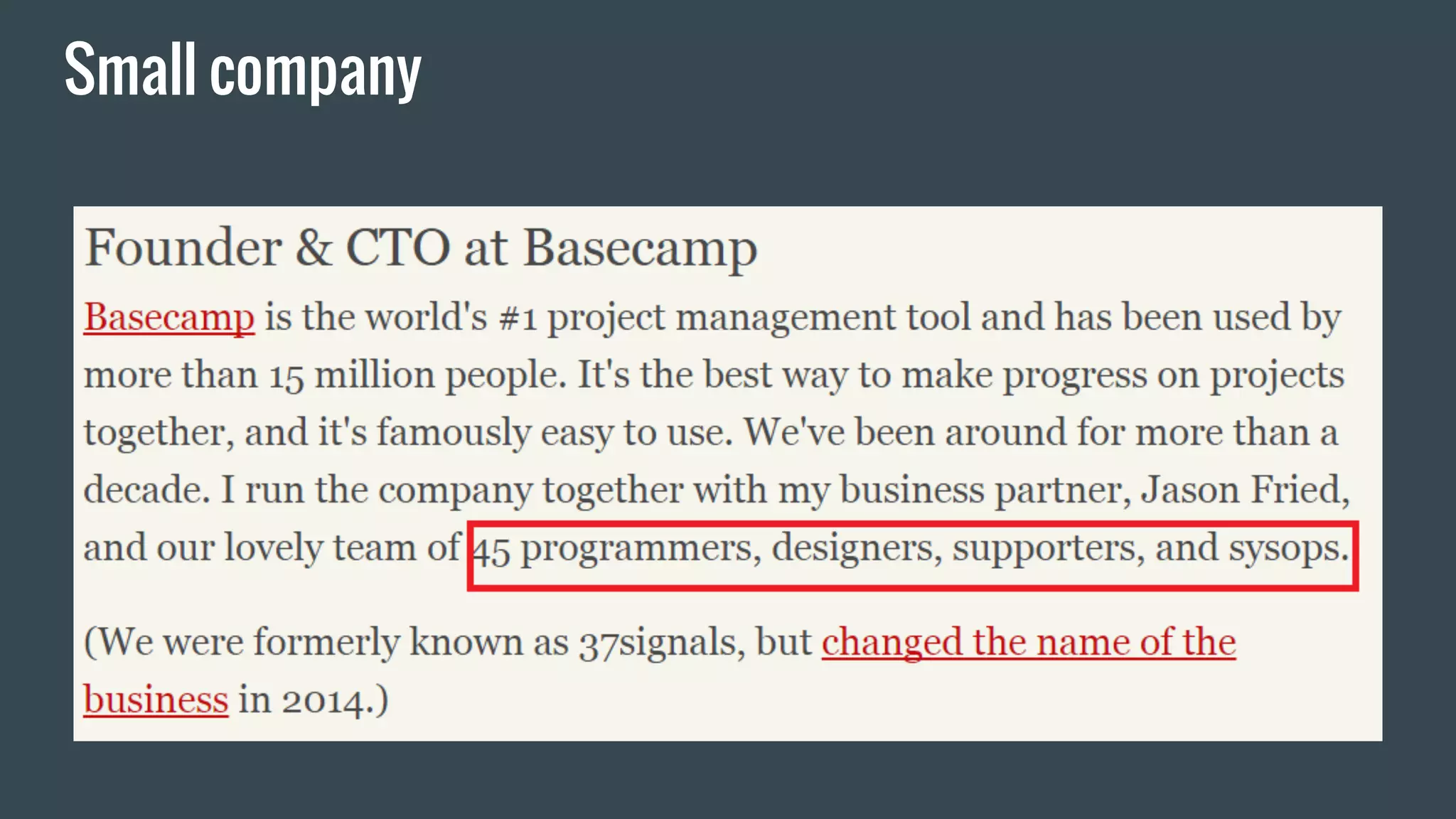
Small company
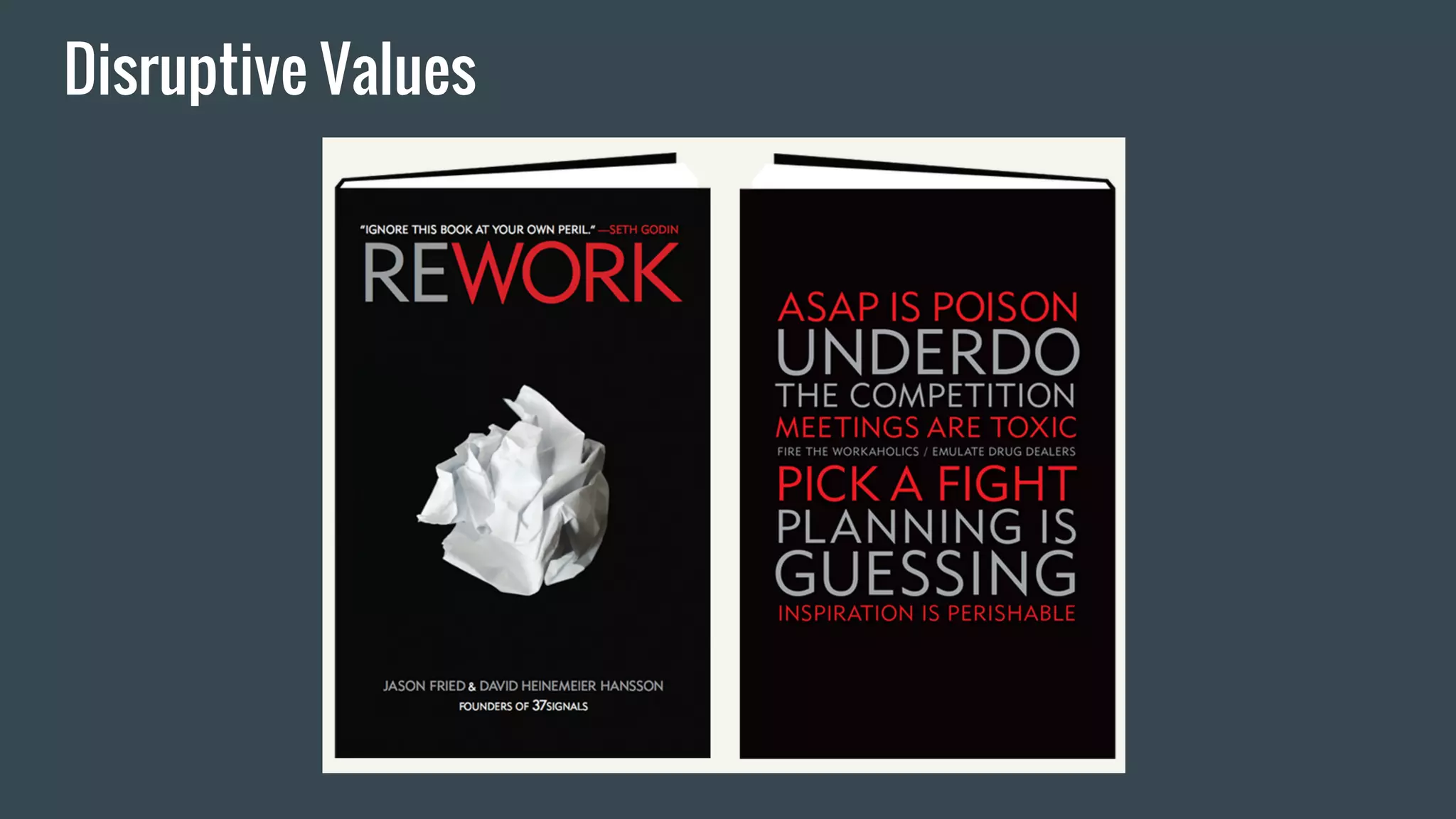
Disruptive Values
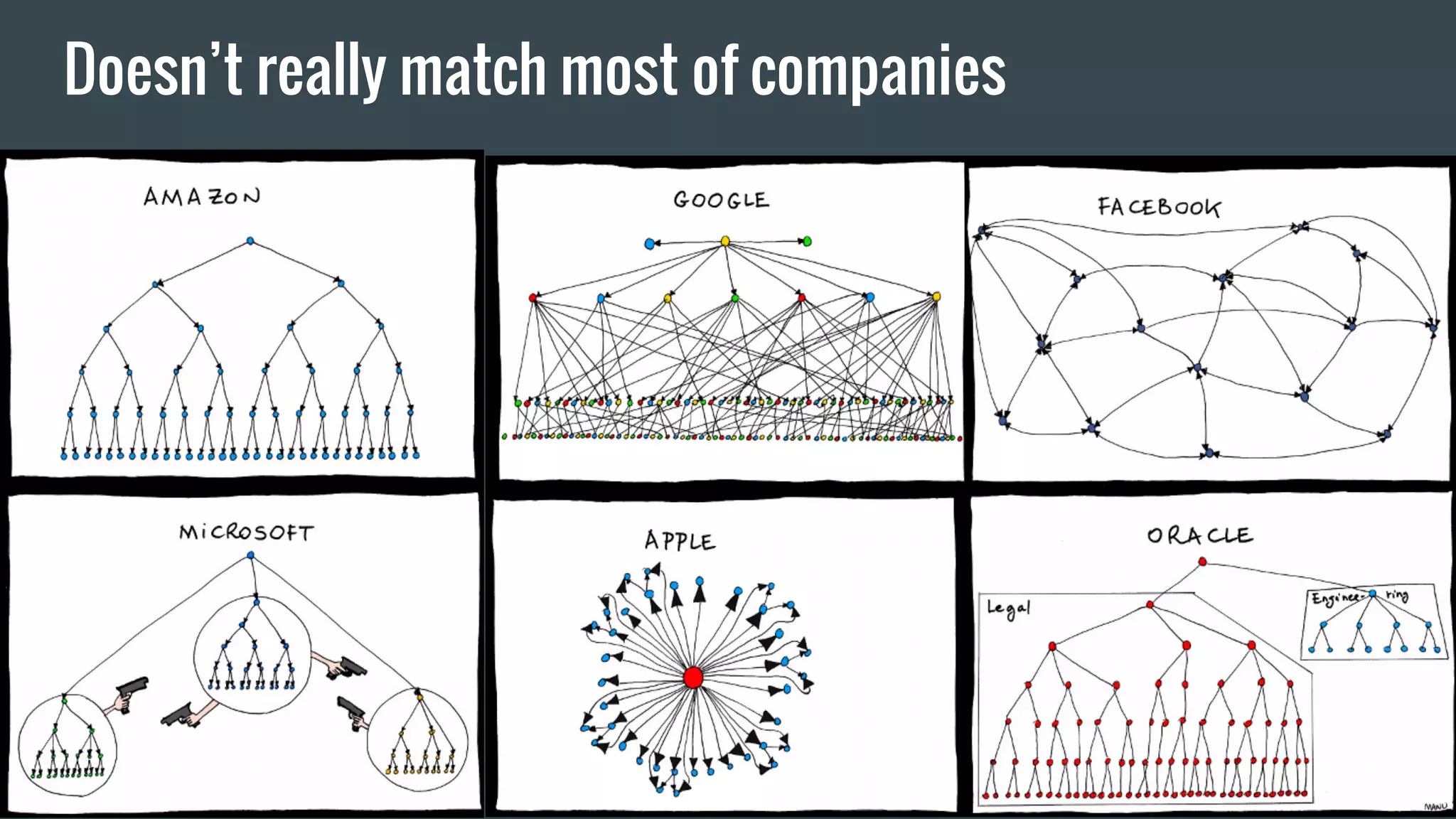
Doesn’t really match most of companies
Microservices
Architecture is primarily
to scale people
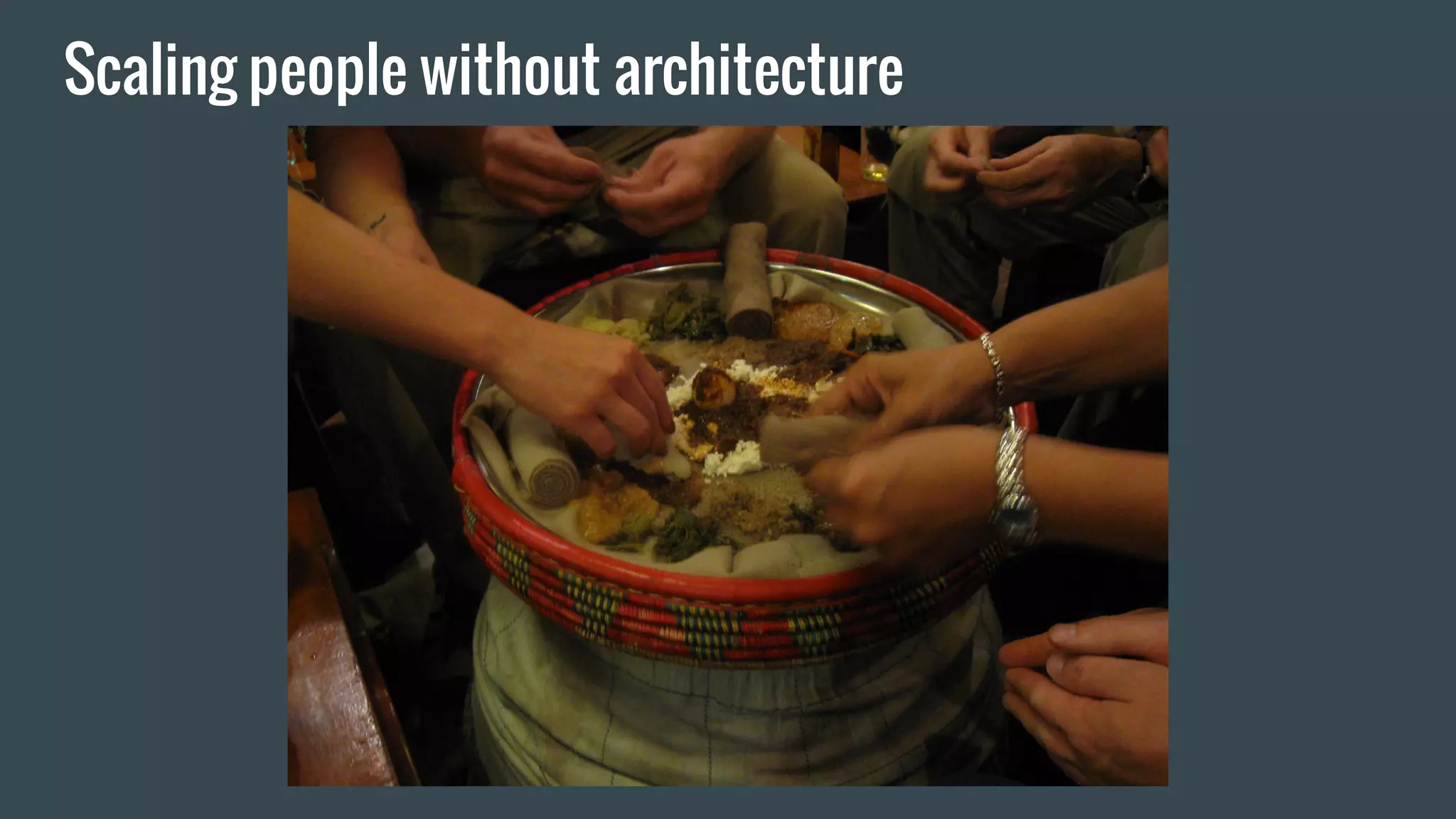
Scaling people without architecture
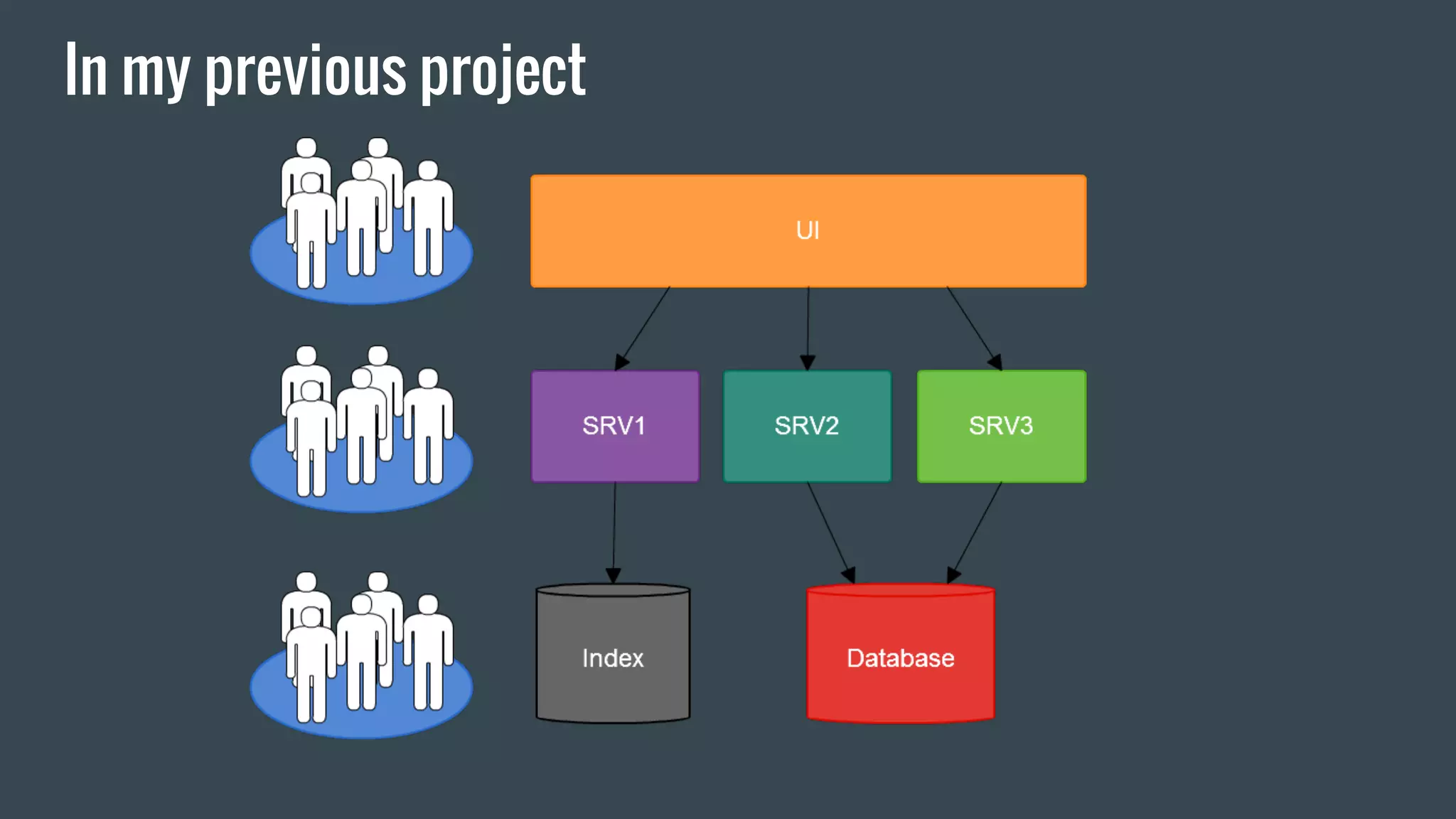
In my previous project
Issues
➔ Teams depending from other teams to release
➔ Feature synchronization overhead
➔ Creating stubs to parallelize development
➔ Release synchronization overhead
➔ Impossible to experiment
➔ Very little innovation
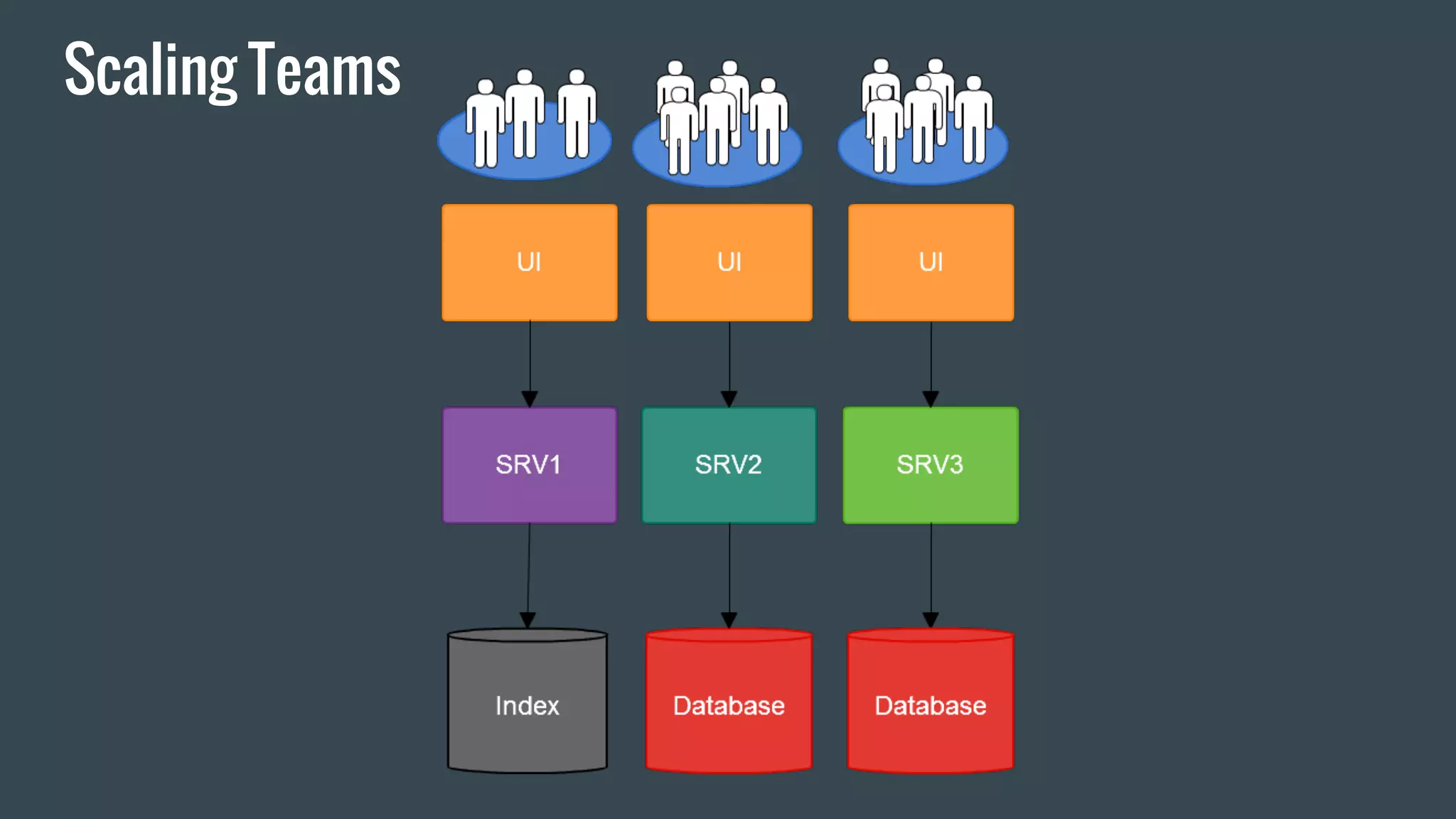
Scaling Teams
Benefits
➔ Teams are independant
➔ Parallel development and releases
➔ Small teams tend to iterate faster
➔ Easy to experiment
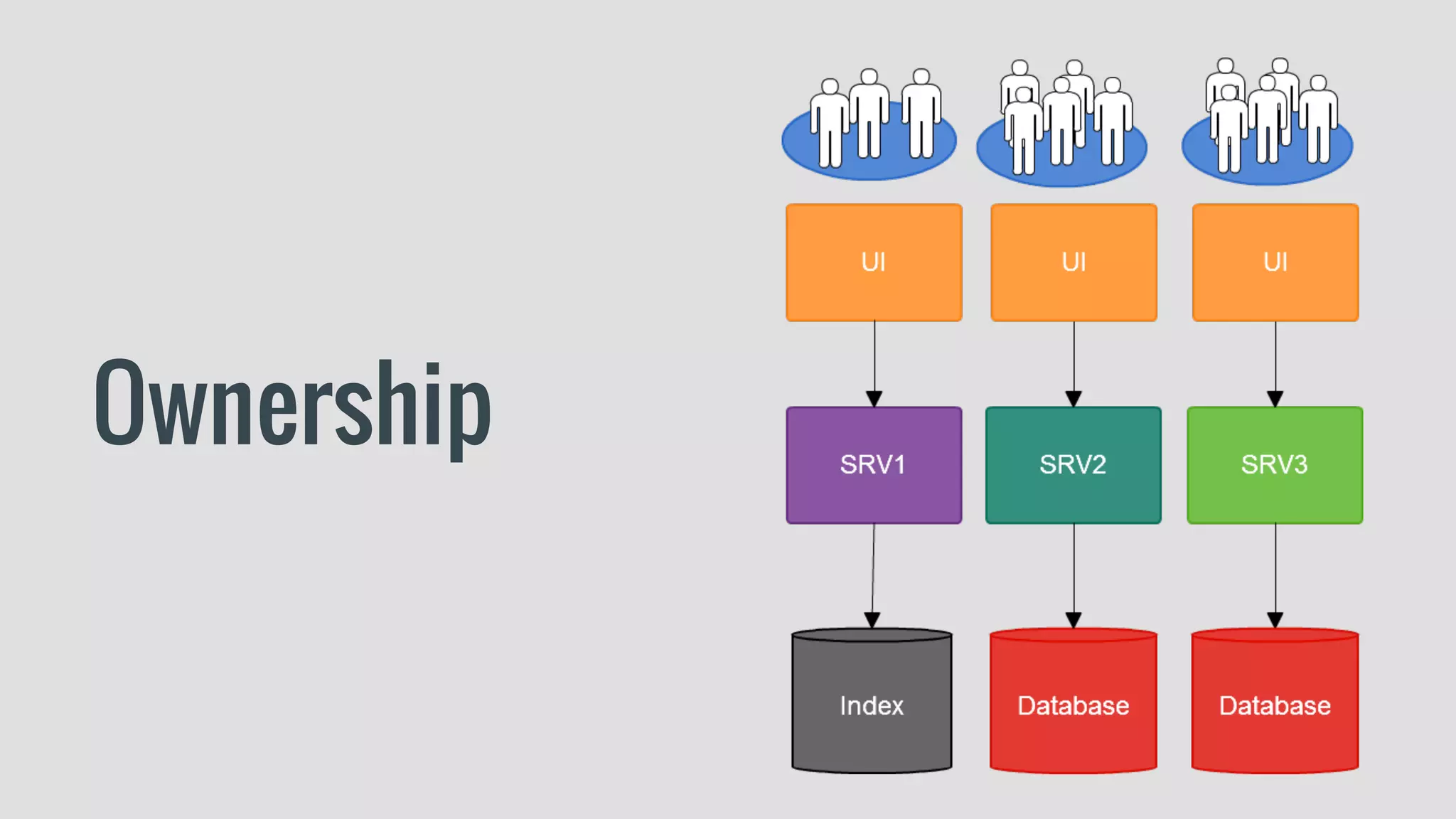
Ownership
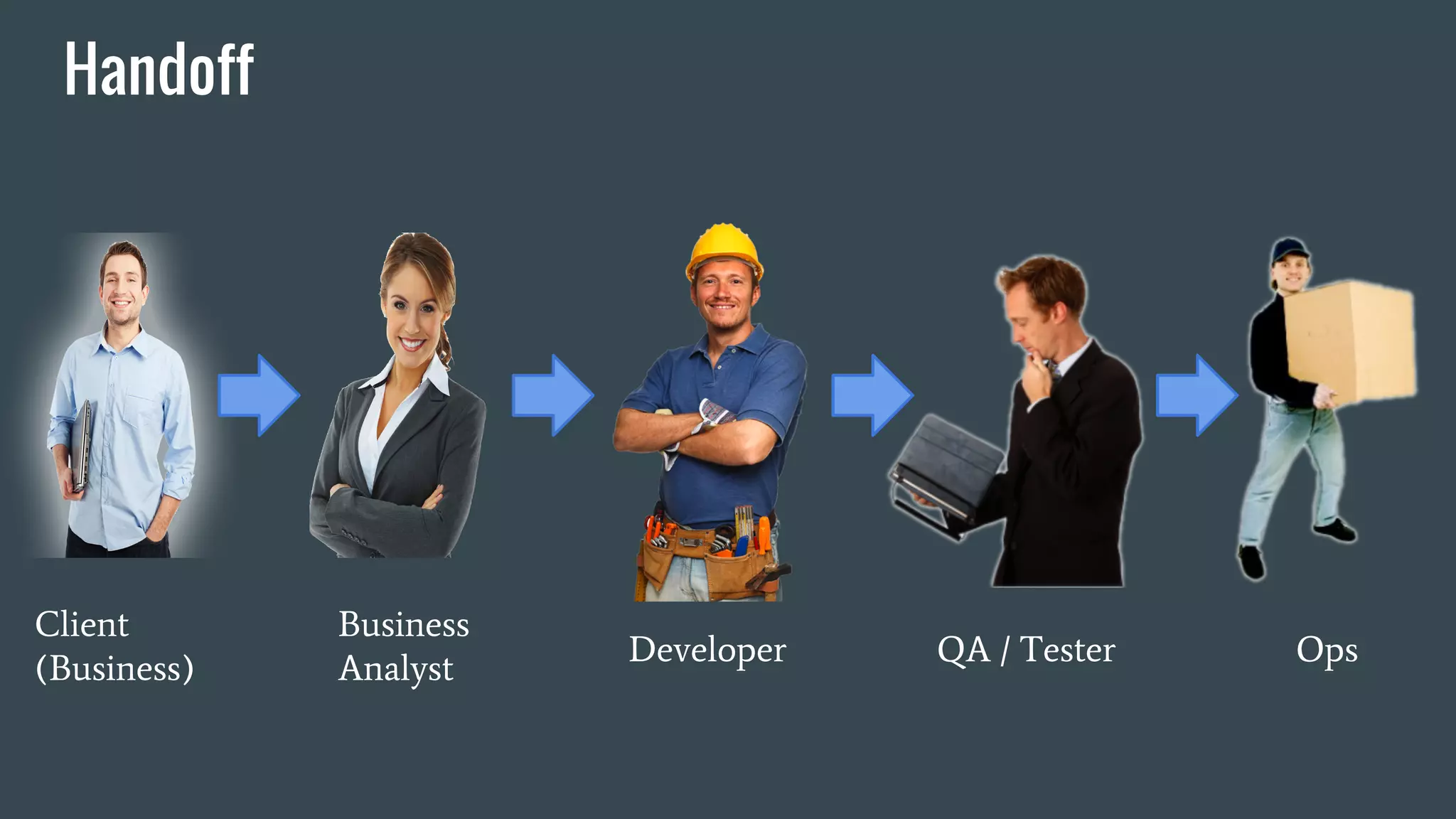
Handoff
Client
(Business)
Business
Analyst
Developer QA / Tester Ops
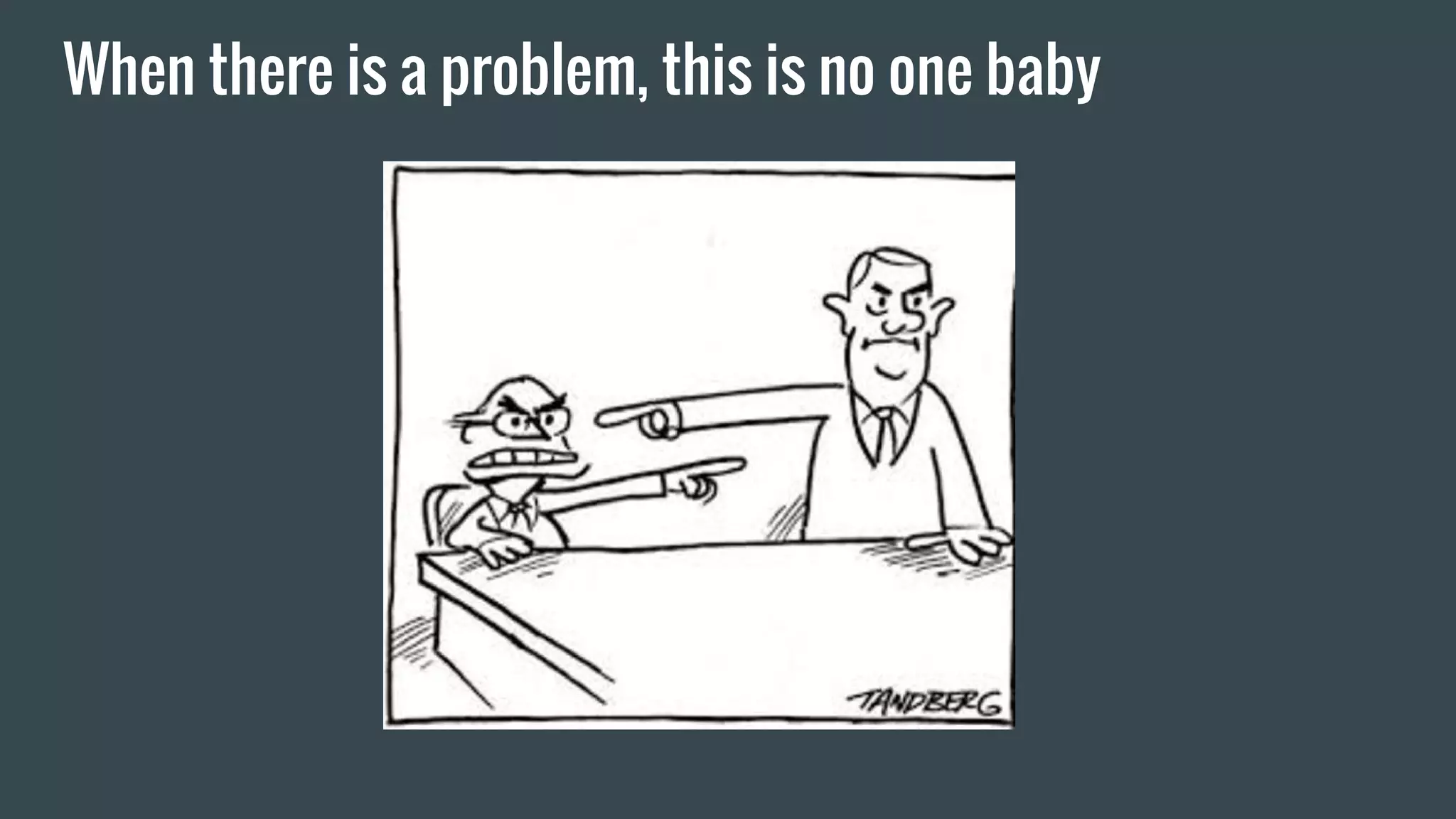
When there is a problem, this is no one baby
Logs written by dev and read by Ops
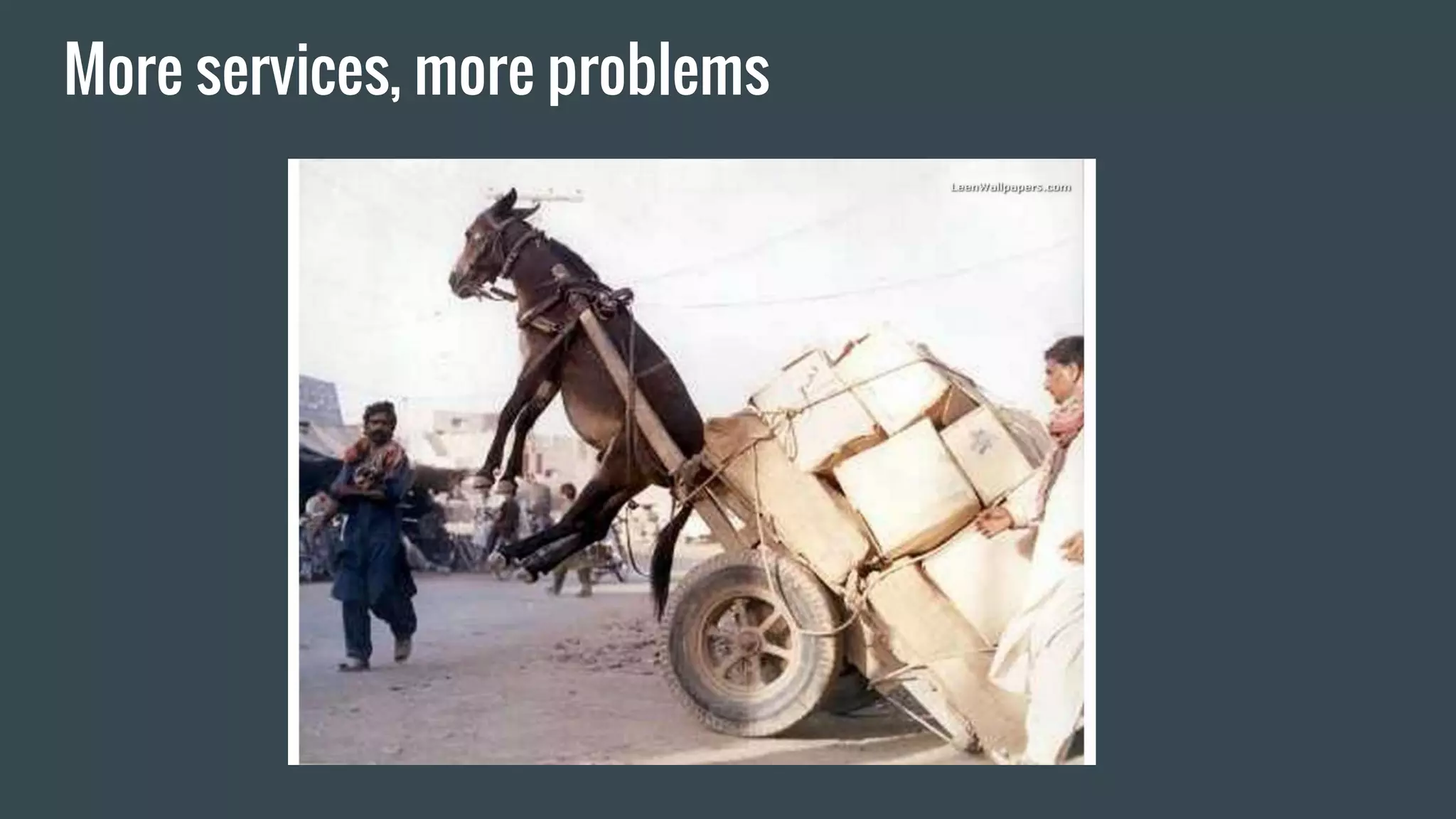
More services, more problems
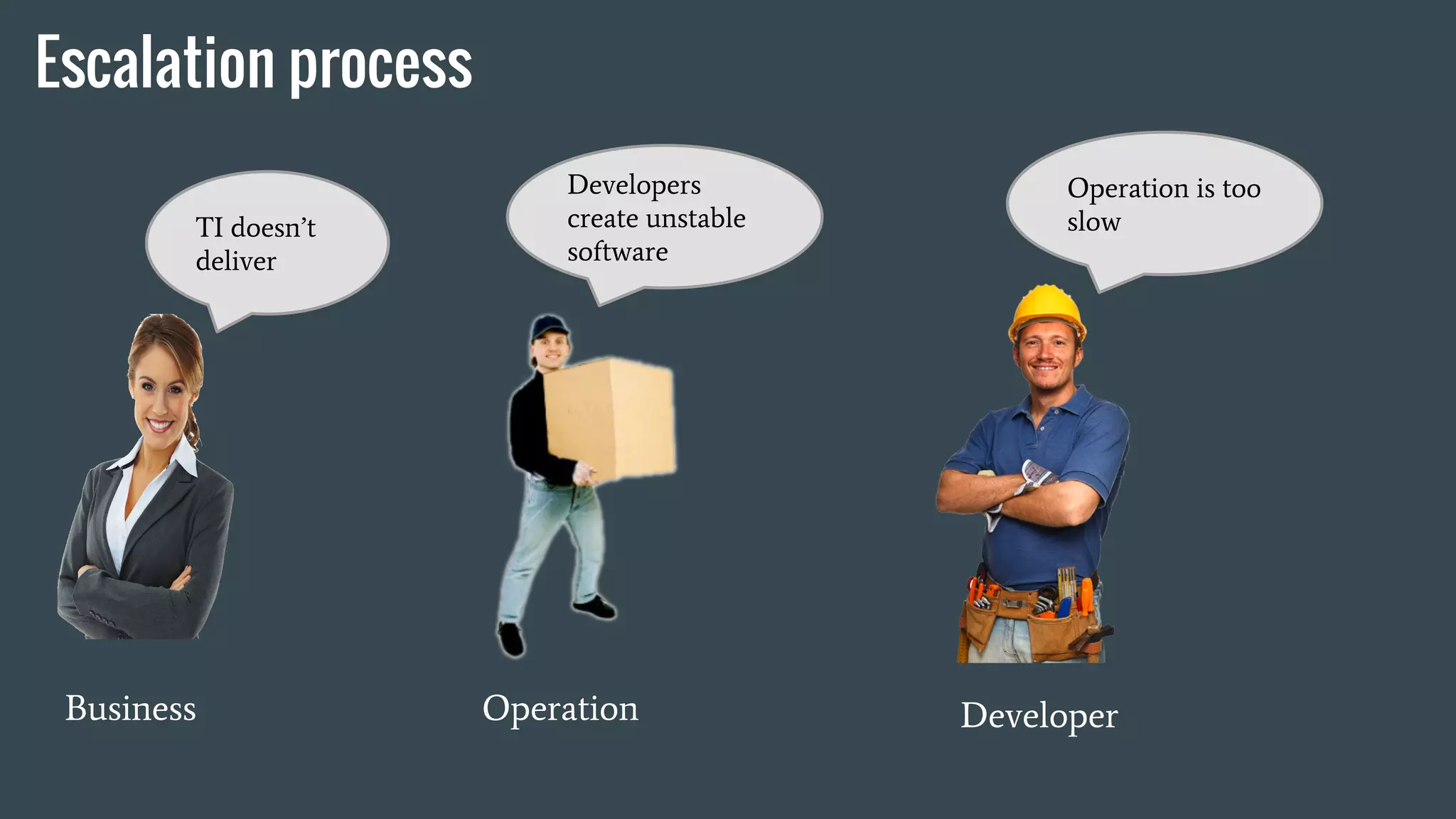
Escalation process
TI doesn’t
deliver
Business
Developers
create unstable
software
Operation
Operation is too
slow
Developer
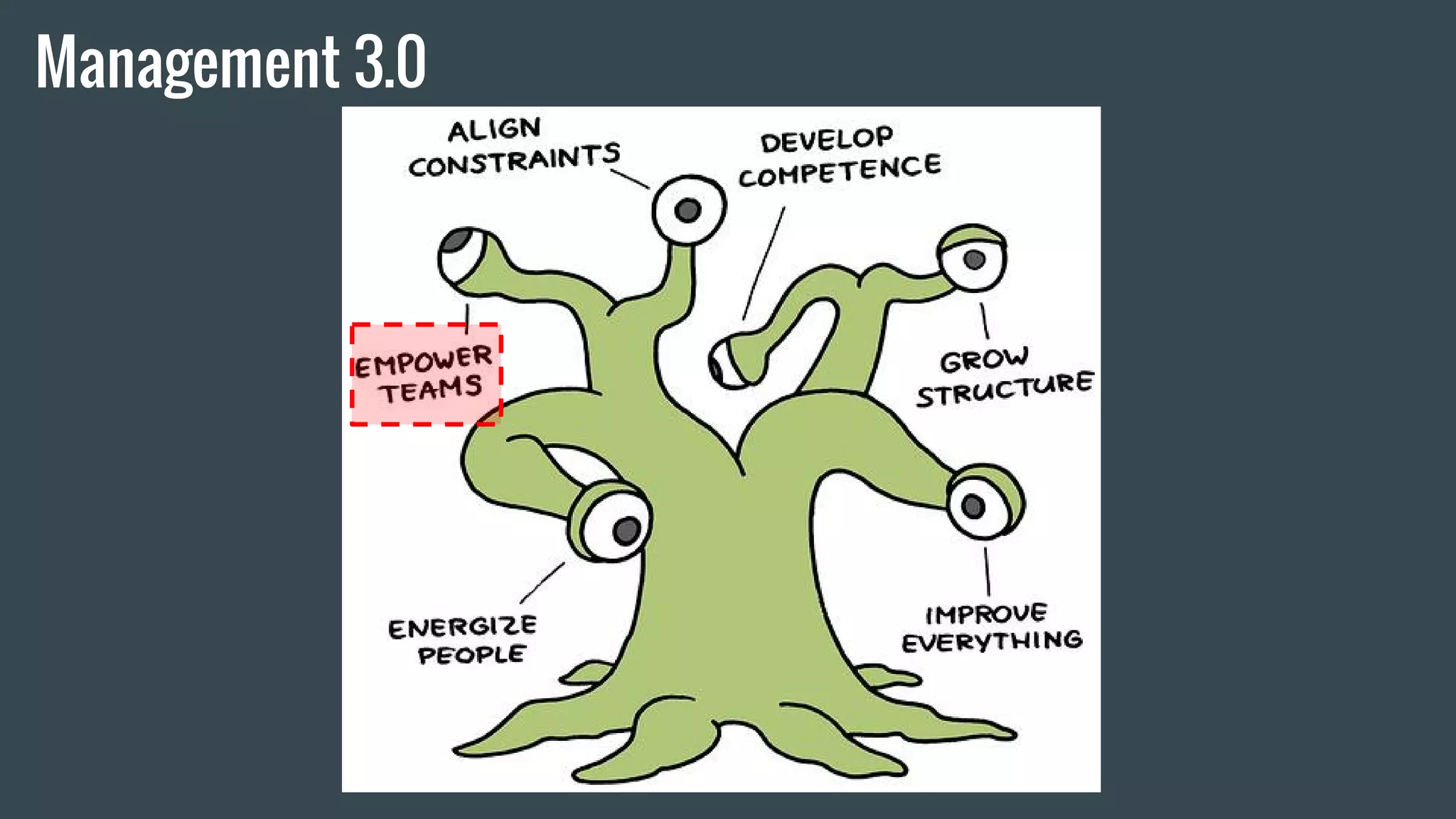
Management 3.0
You code it, You run it!
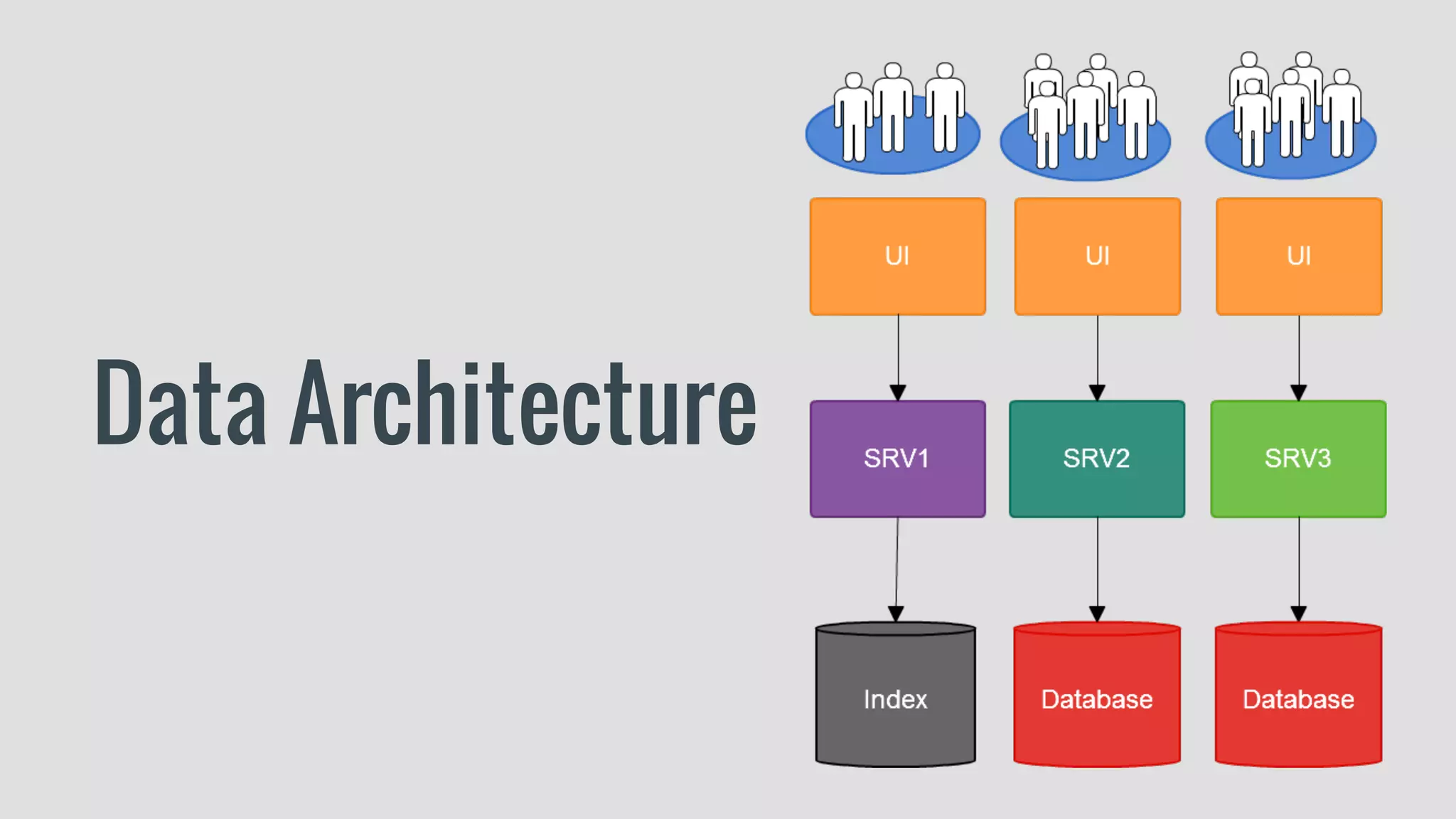
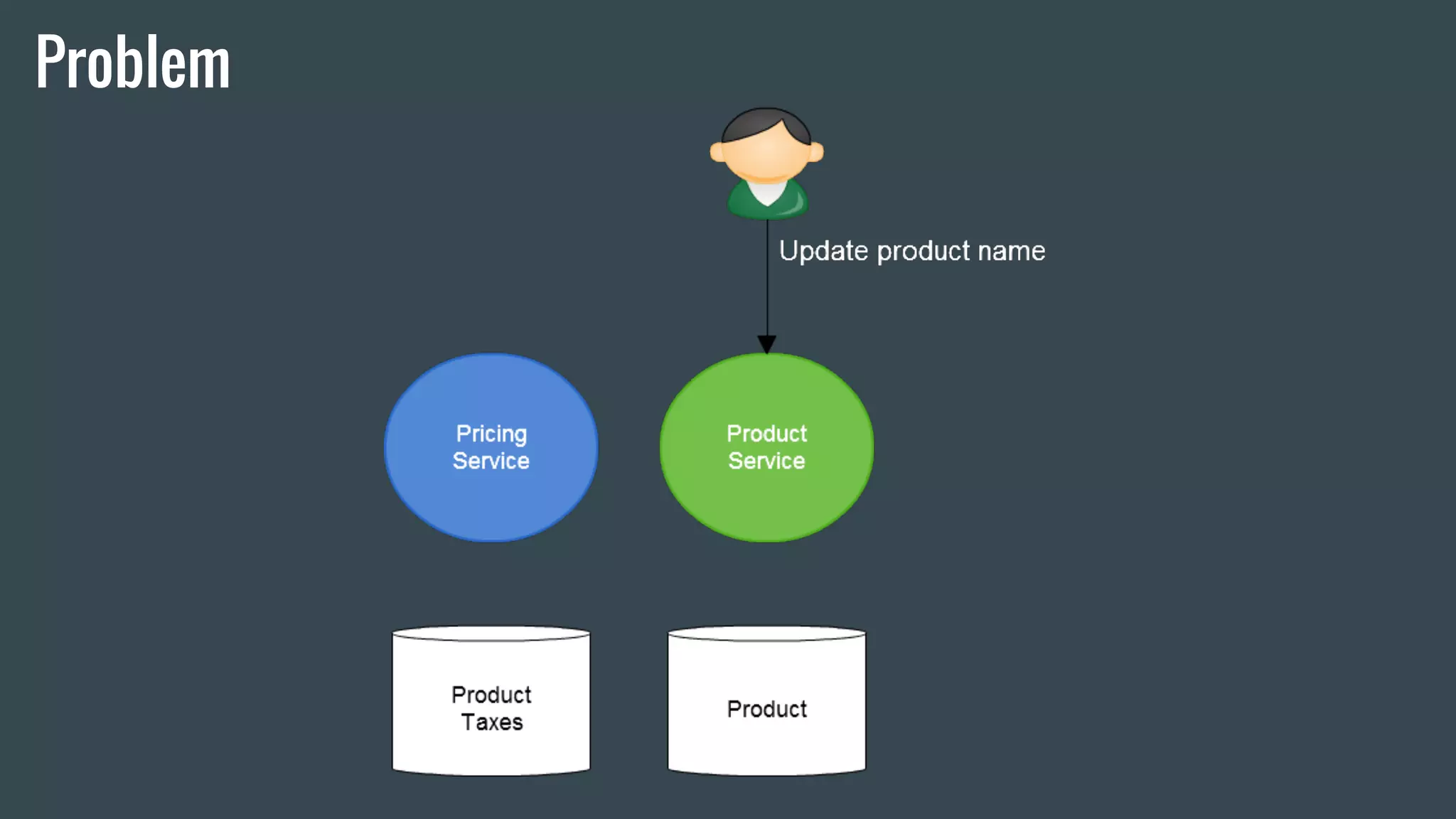
Data Architecture
Problem
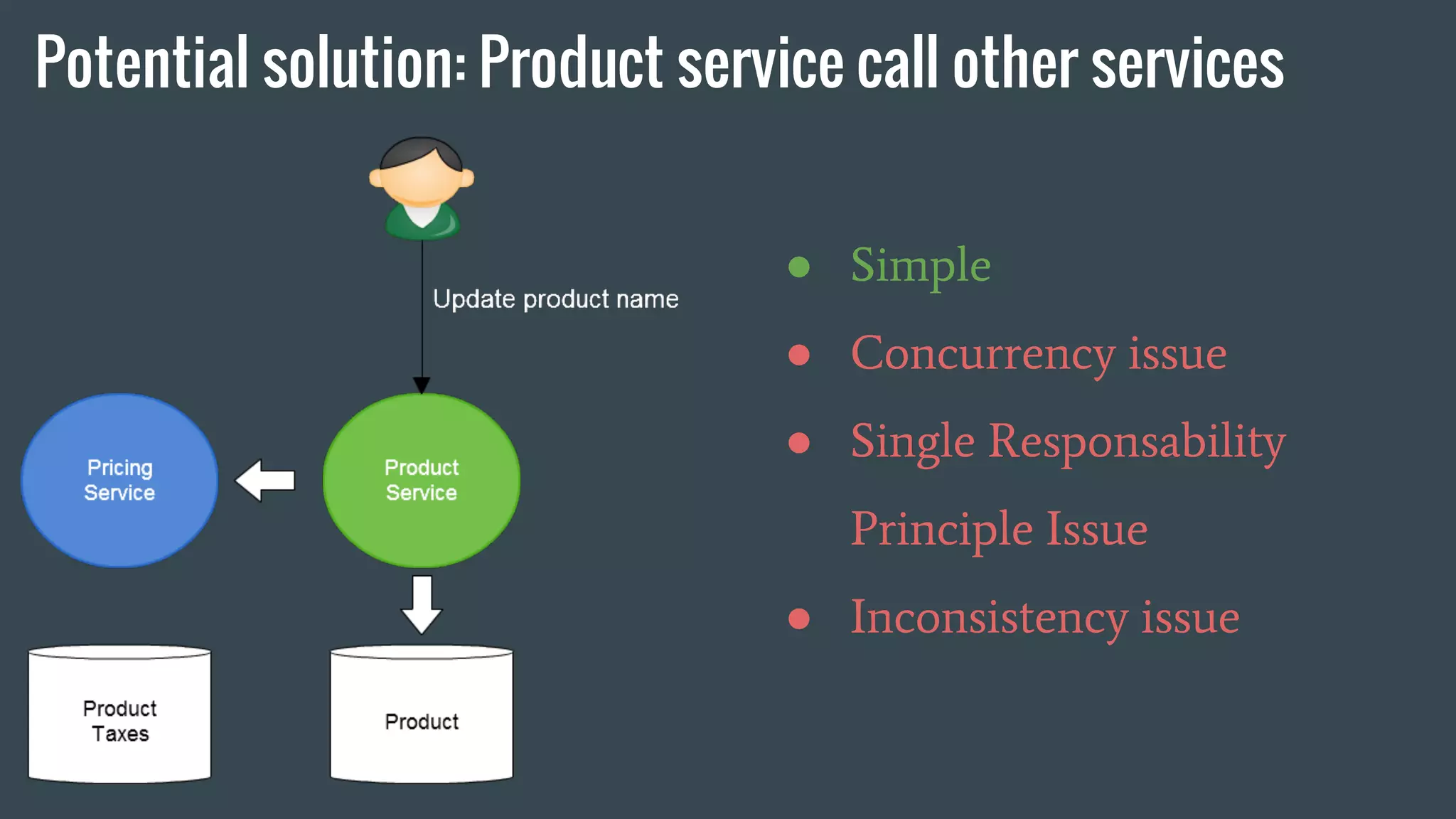
Potential solution: Product service call other services
● Simple
● Concurrency issue
● Single Responsability
Principle Issue
● Inconsistency issue
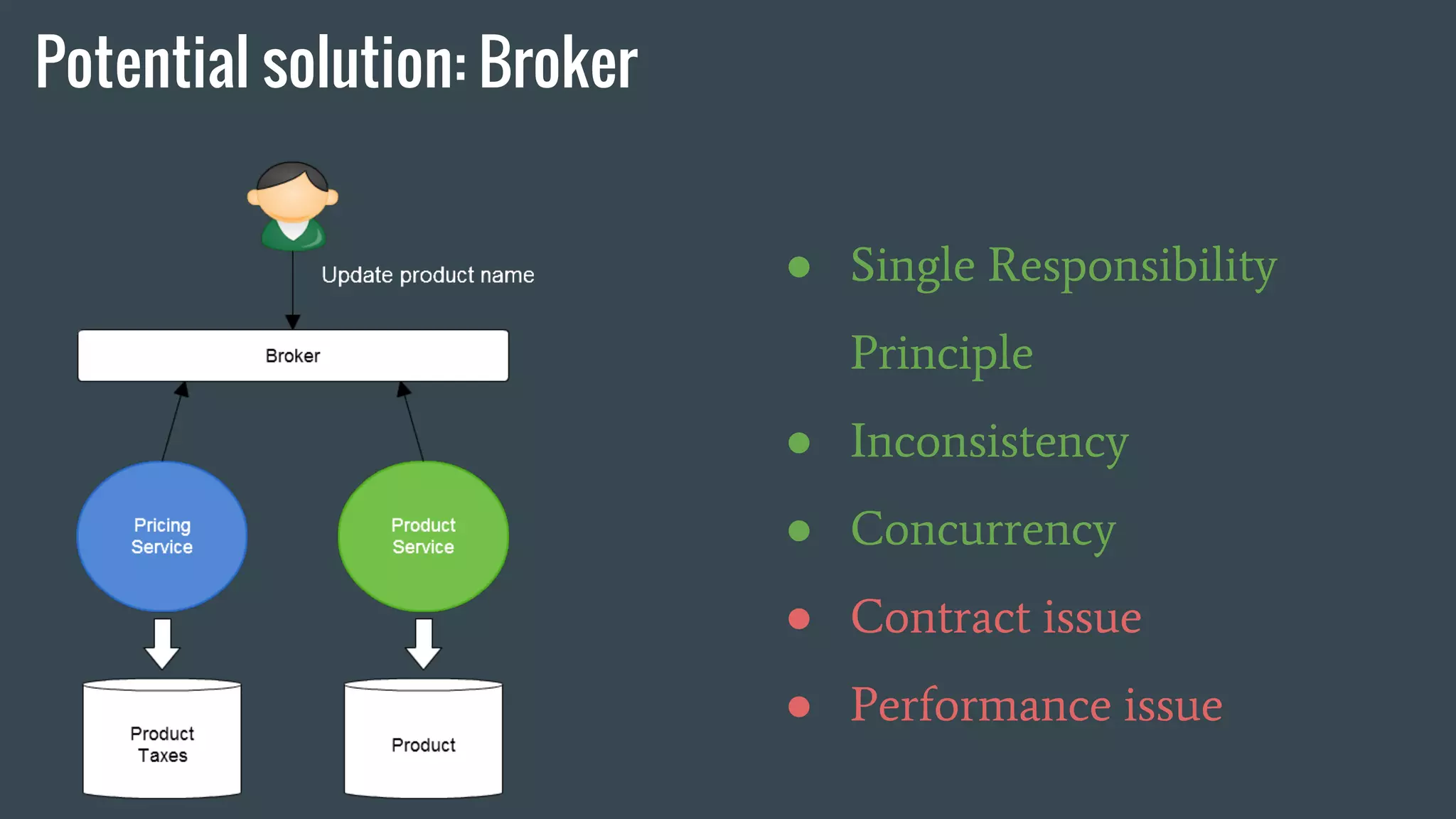
Potential solution: Broker
● Single Responsibility
Principle
● Inconsistency
● Concurrency
● Contract issue
● Performance issue
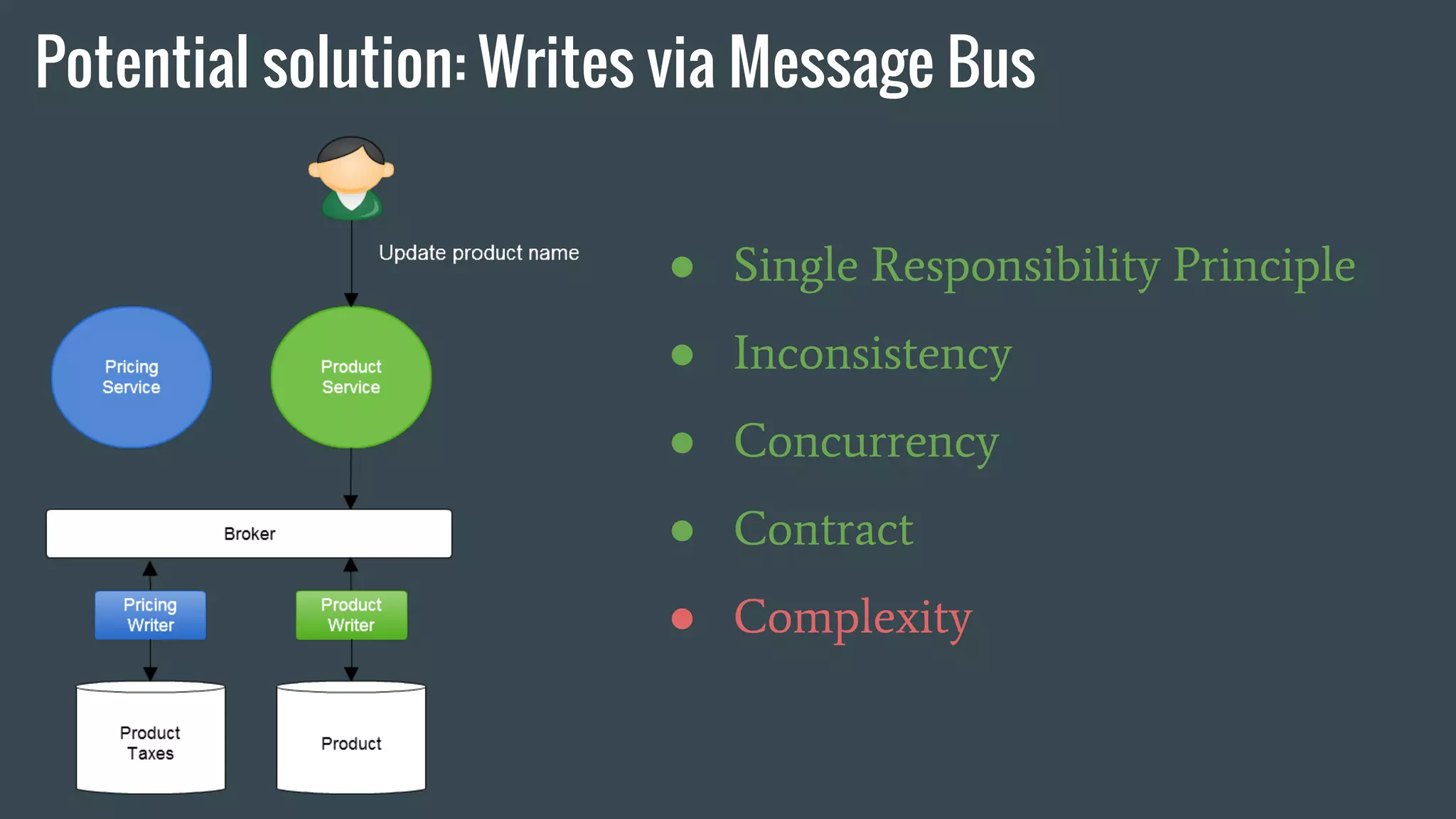
Potential solution: Writes via Message Bus
● Single Responsibility Principle
● Inconsistency
● Concurrency
● Contract
● Complexity
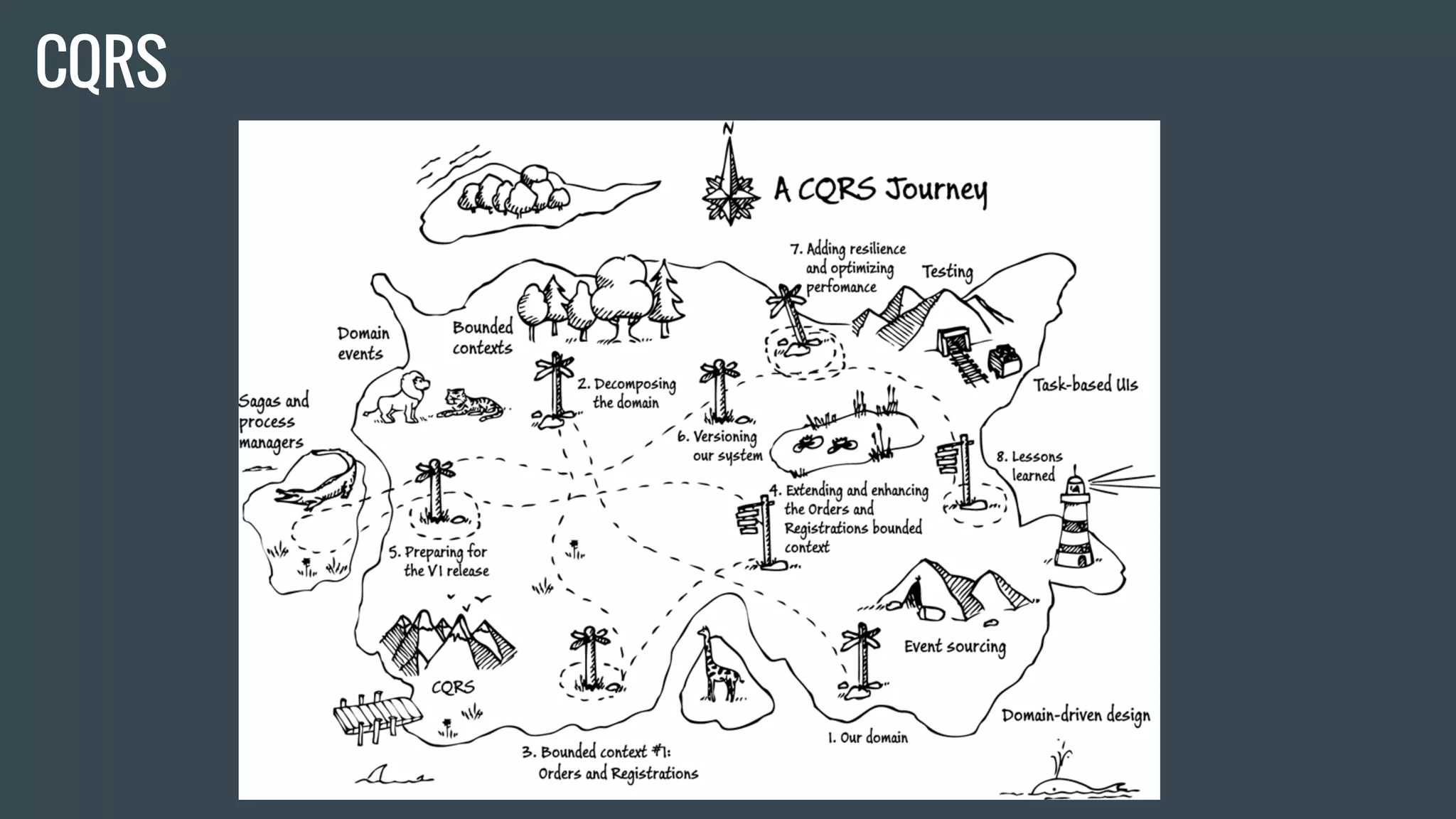
CQRS
Shared mutable state ....
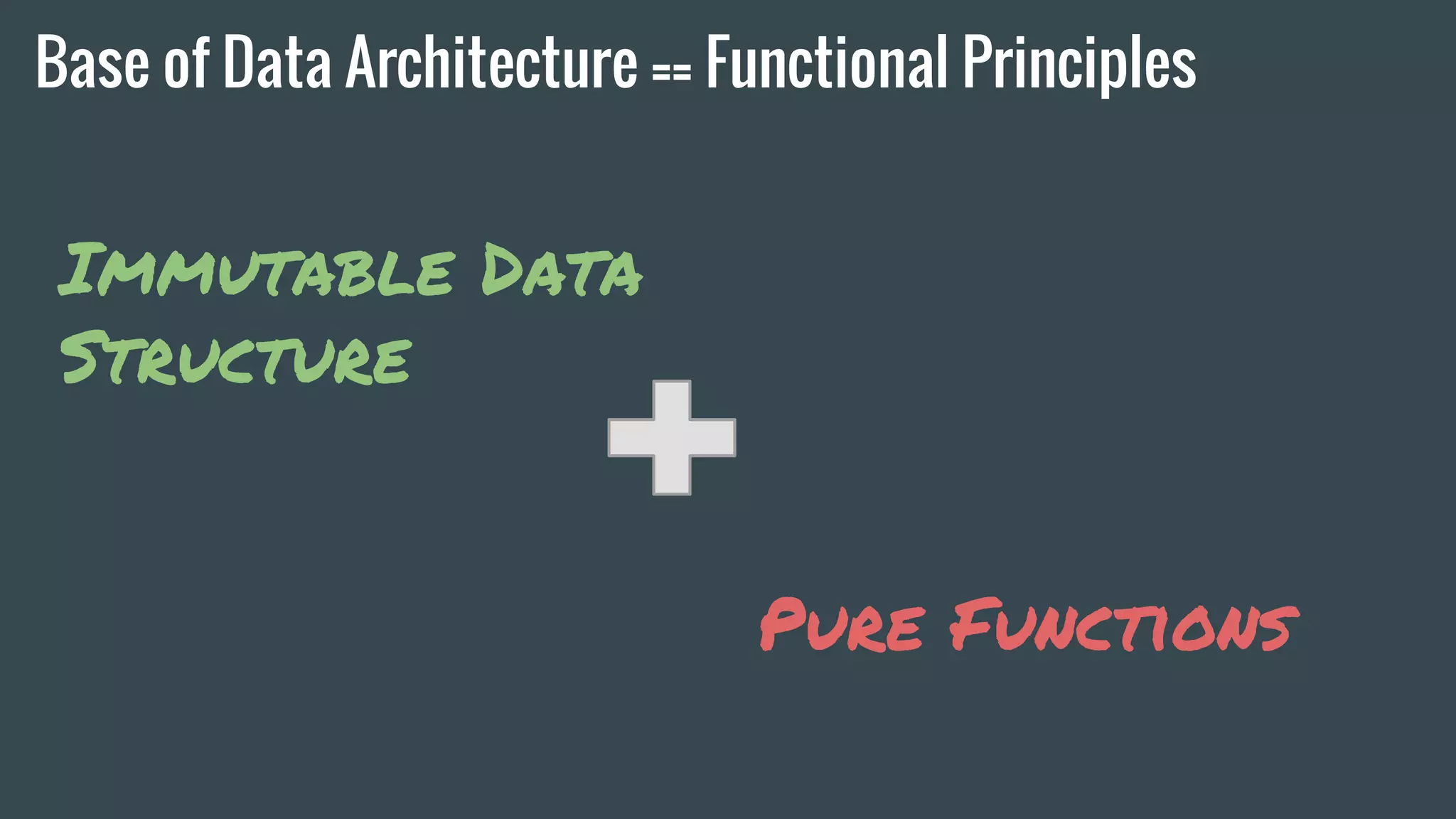
Base of Data Architecture == Functional Principles
Immutable Data
Structure
Pure Functions
Eventual Consistency
Operation Overhead
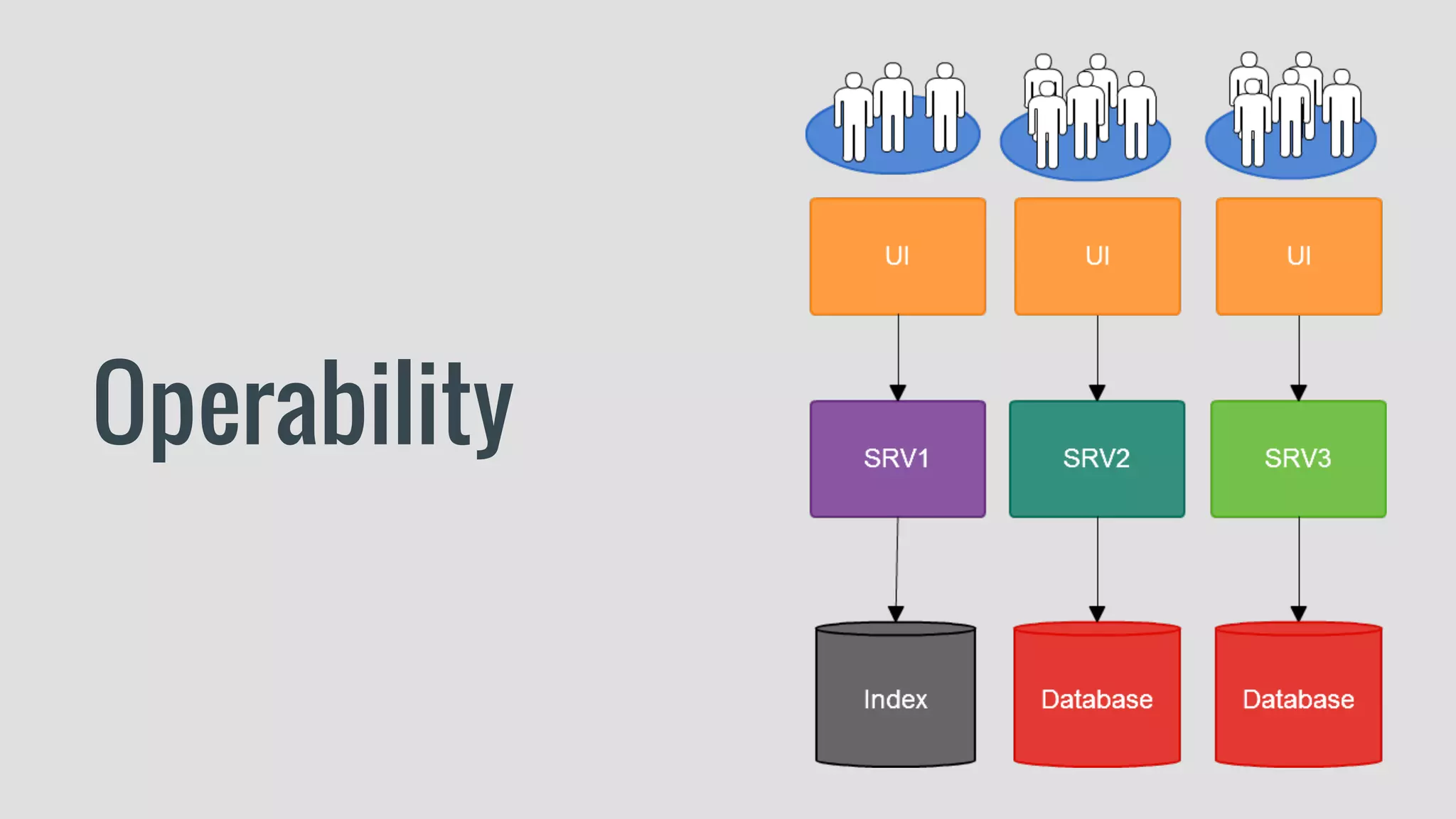
Operability
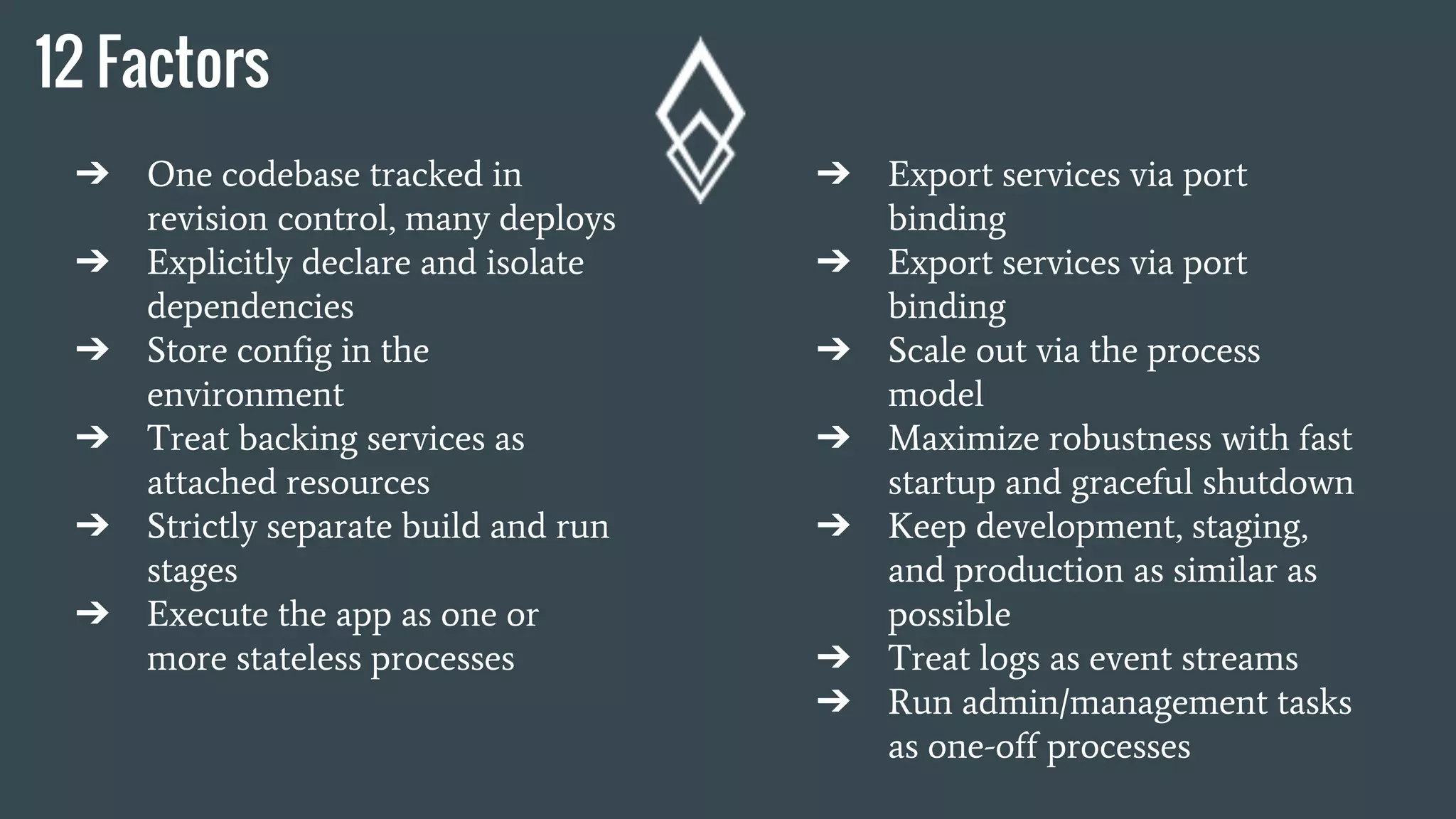
12 Factors
➔ One codebase tracked in
revision control, many deploys
➔ Explicitly declare and isolate
dependencies
➔ Store config in the
environment
➔ Treat backing services as
attached resources
➔ Strictly separate build and run
stages
➔ Execute the app as one or
more stateless processes
➔ Export services via port
binding
➔ Export services via port
binding
➔ Scale out via the process
model
➔ Maximize robustness with fast
startup and graceful shutdown
➔ Keep development, staging,
and production as similar as
possible
➔ Treat logs as event streams
➔ Run admin/management tasks
as one-off processes
Normalization
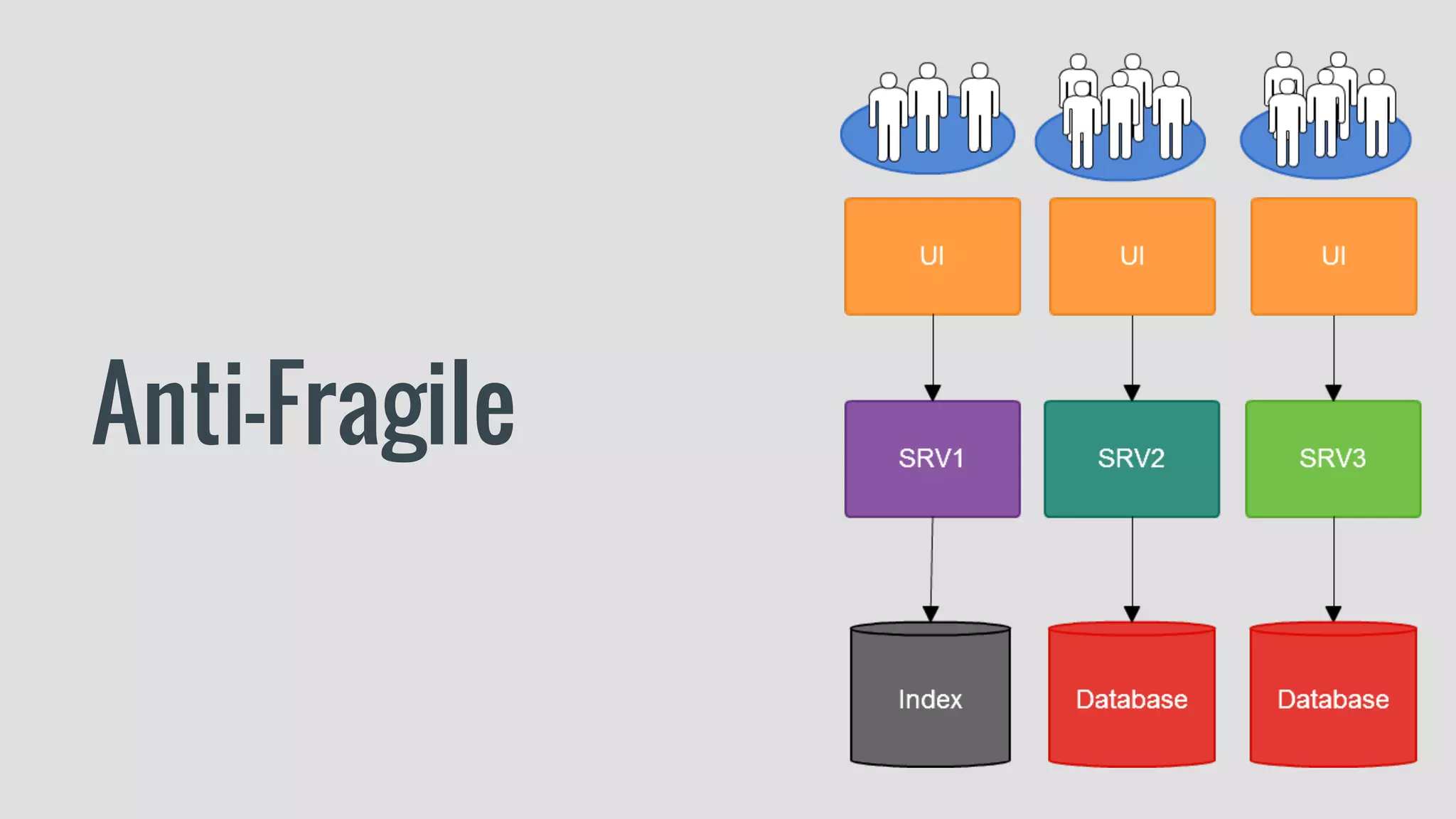
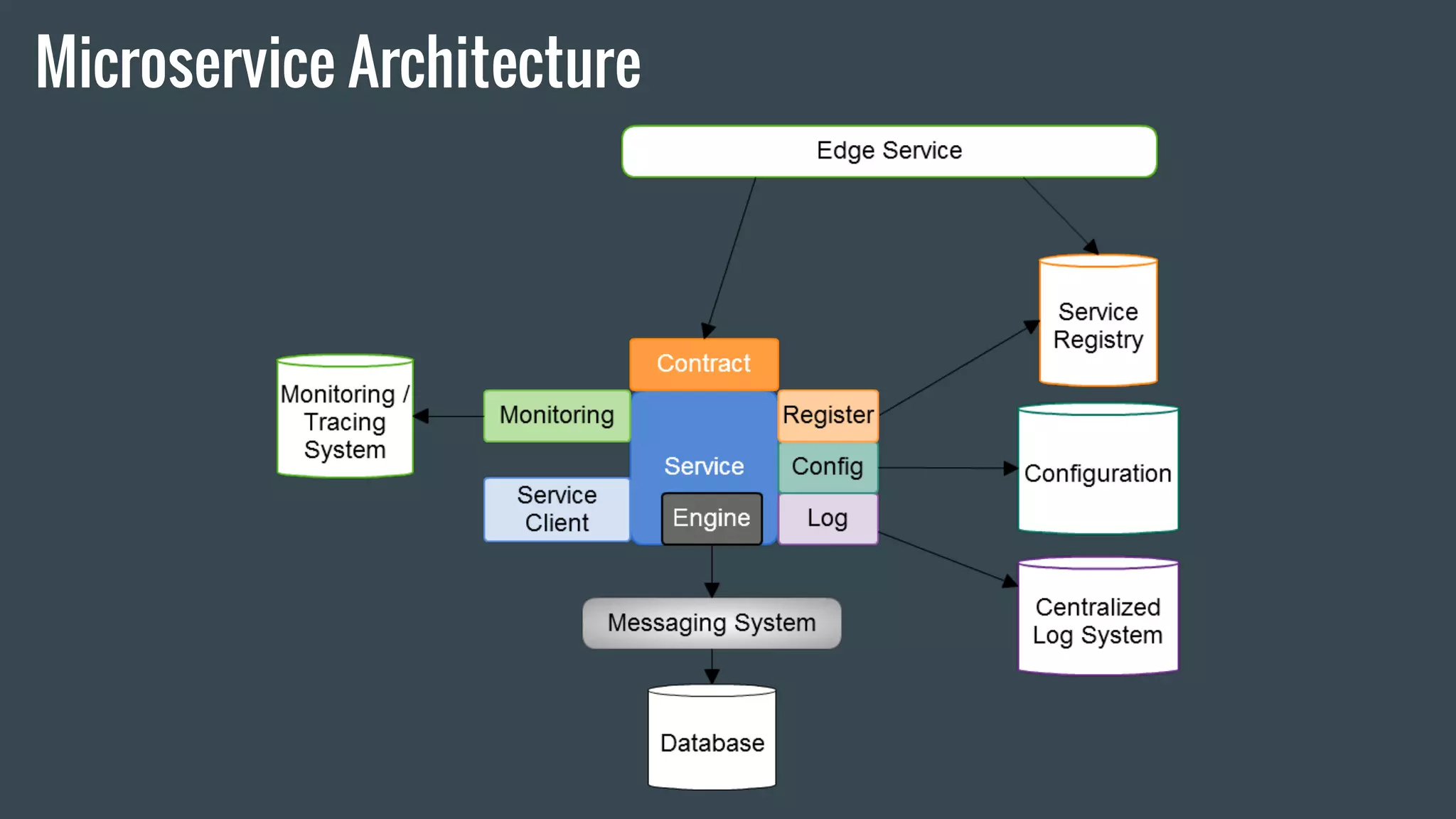
UI - Service - Data skeleton
Web Server
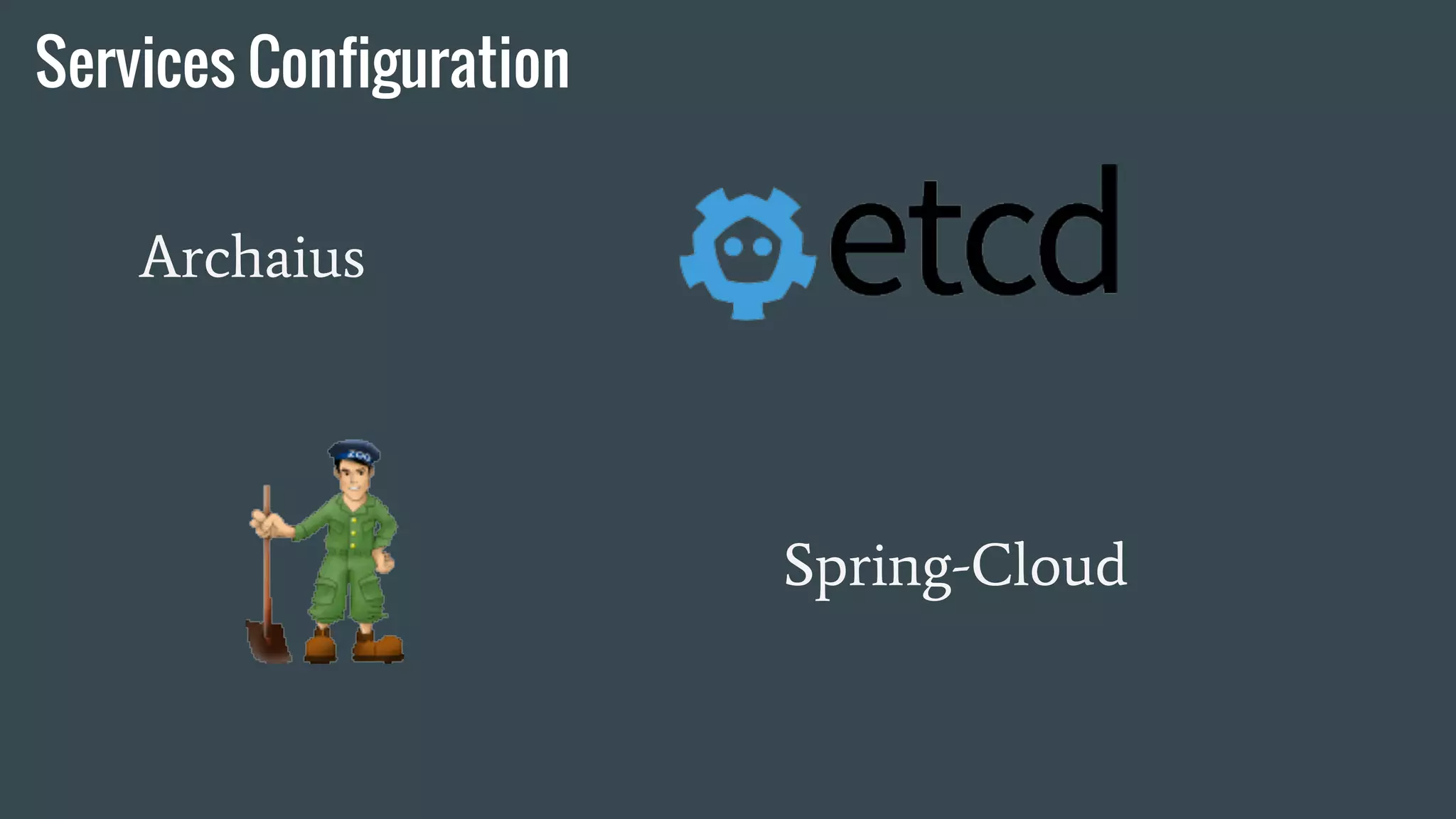
Services Configuration
Archaius
Spring-Cloud
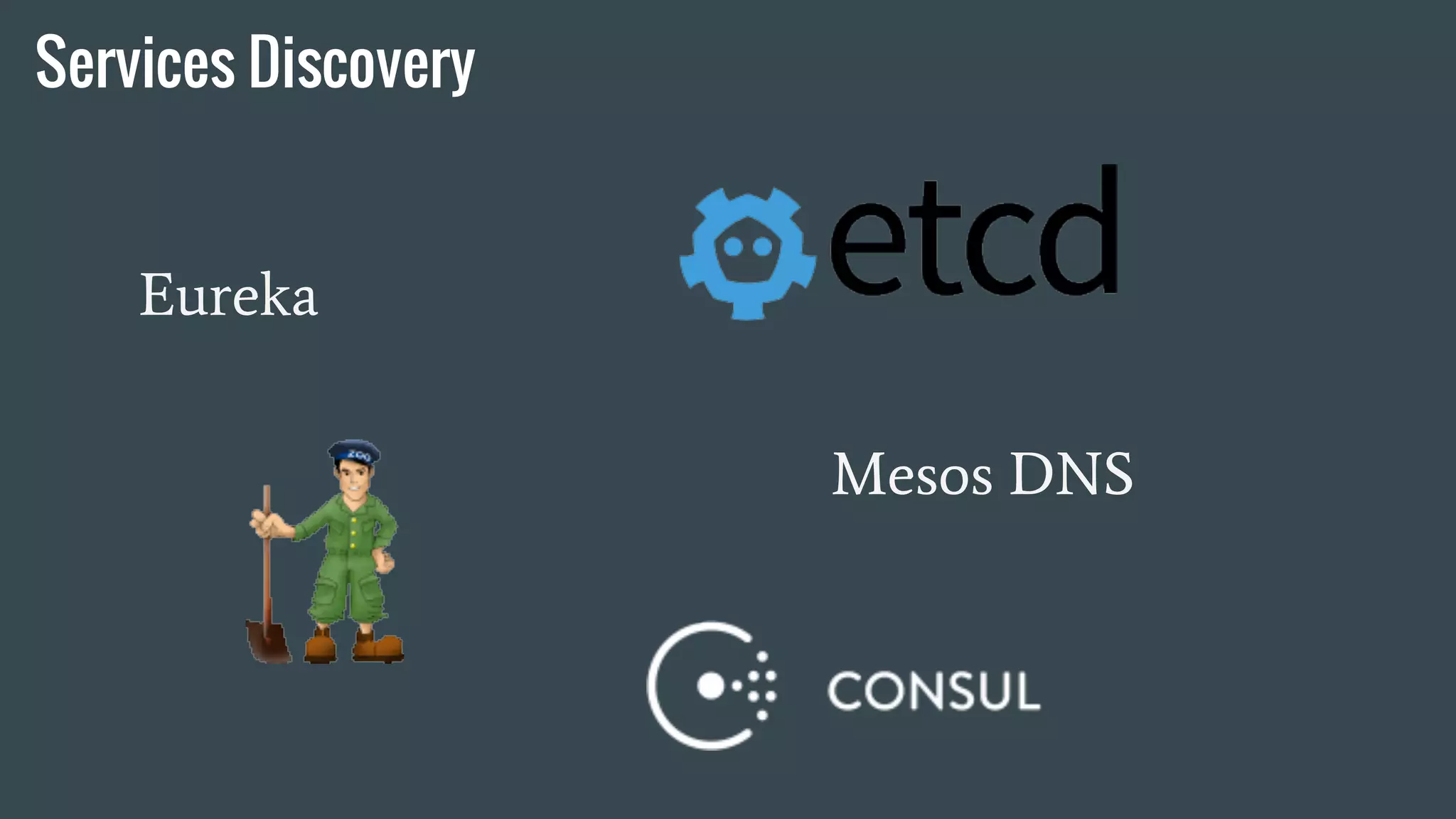
Services Discovery
Eureka
Mesos DNS
Services calls
Edge Service
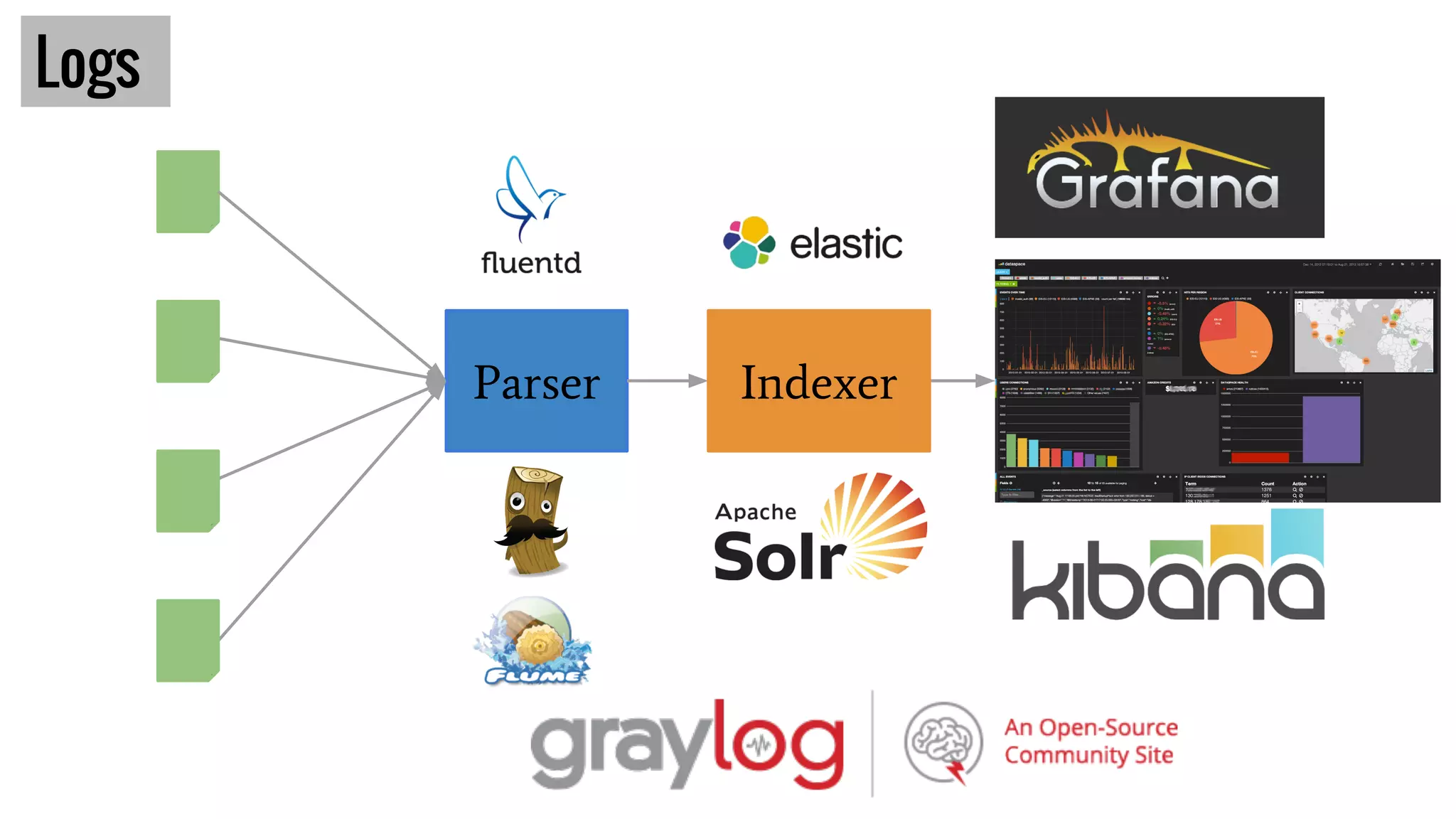
Logs
Parser
Log files
Dashboard
Indexer
Monitoring / Tracing
Deploy
Immutable Infrastructure
Platform as a Service
Anti-Fragile
High number of moving part
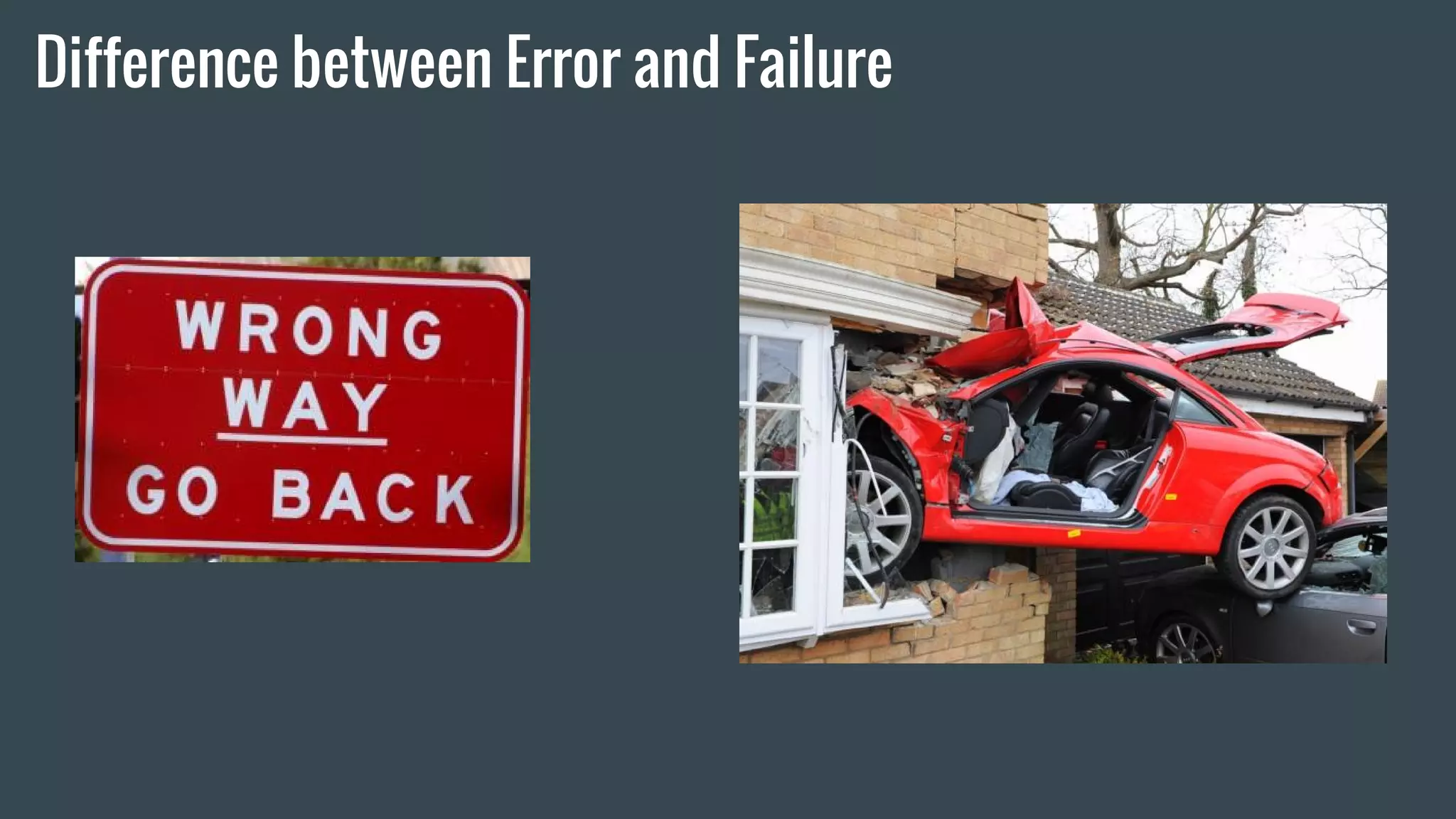
Difference between Error and Failure
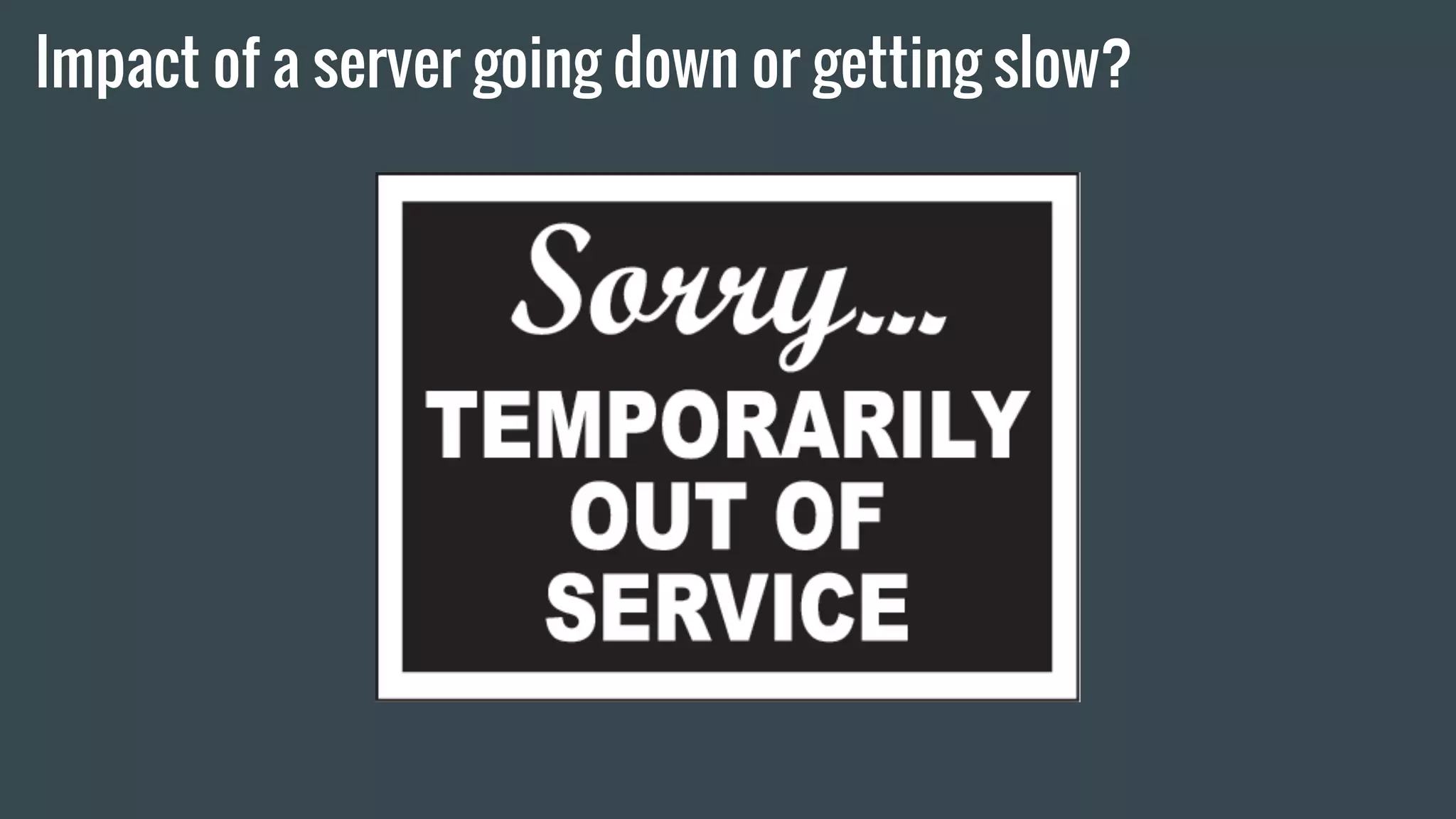
Impact of a server going down or getting slow?
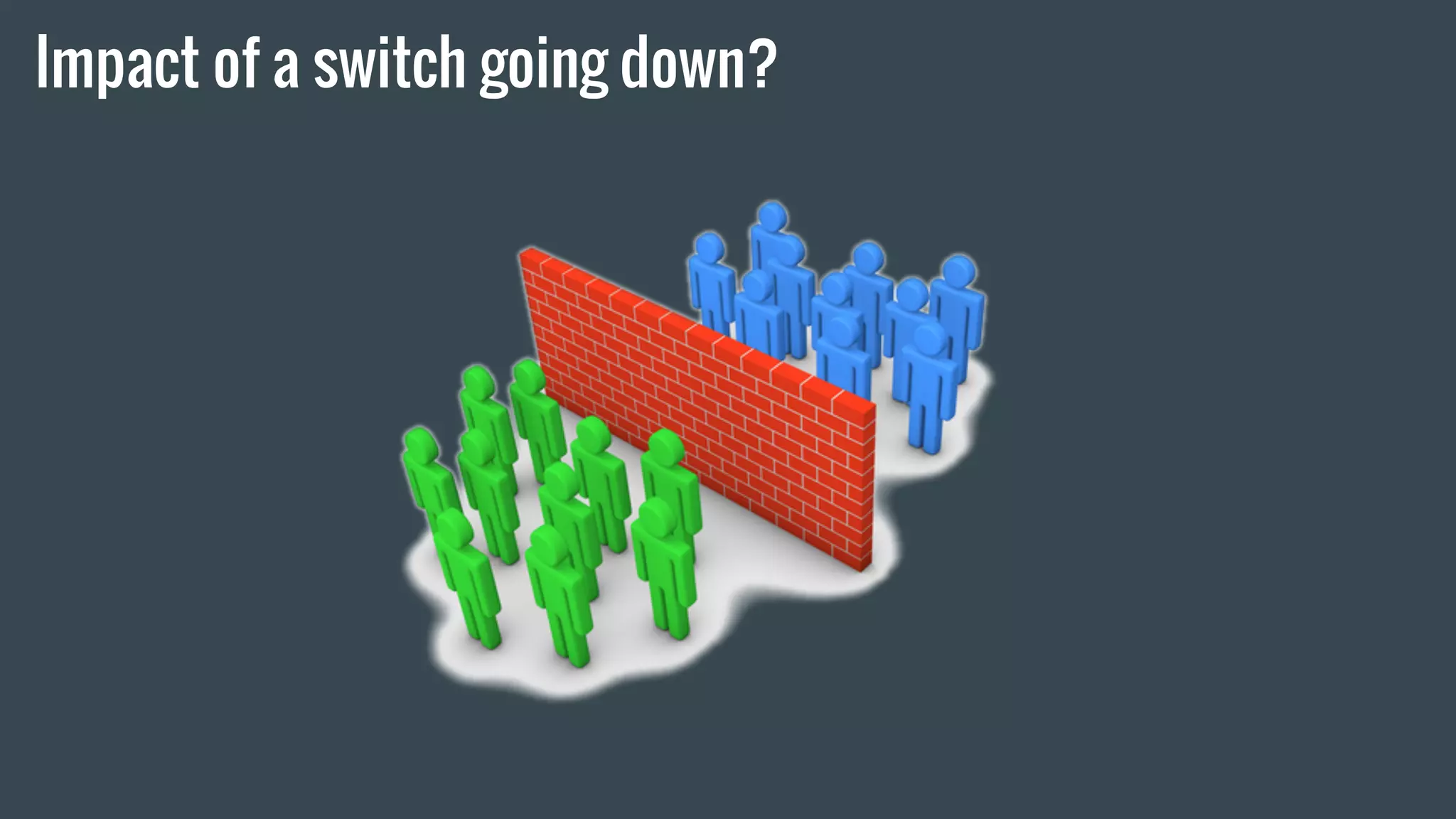
Impact of a switch going down?
Impact of a datacenter going down?
Impact on the customer?
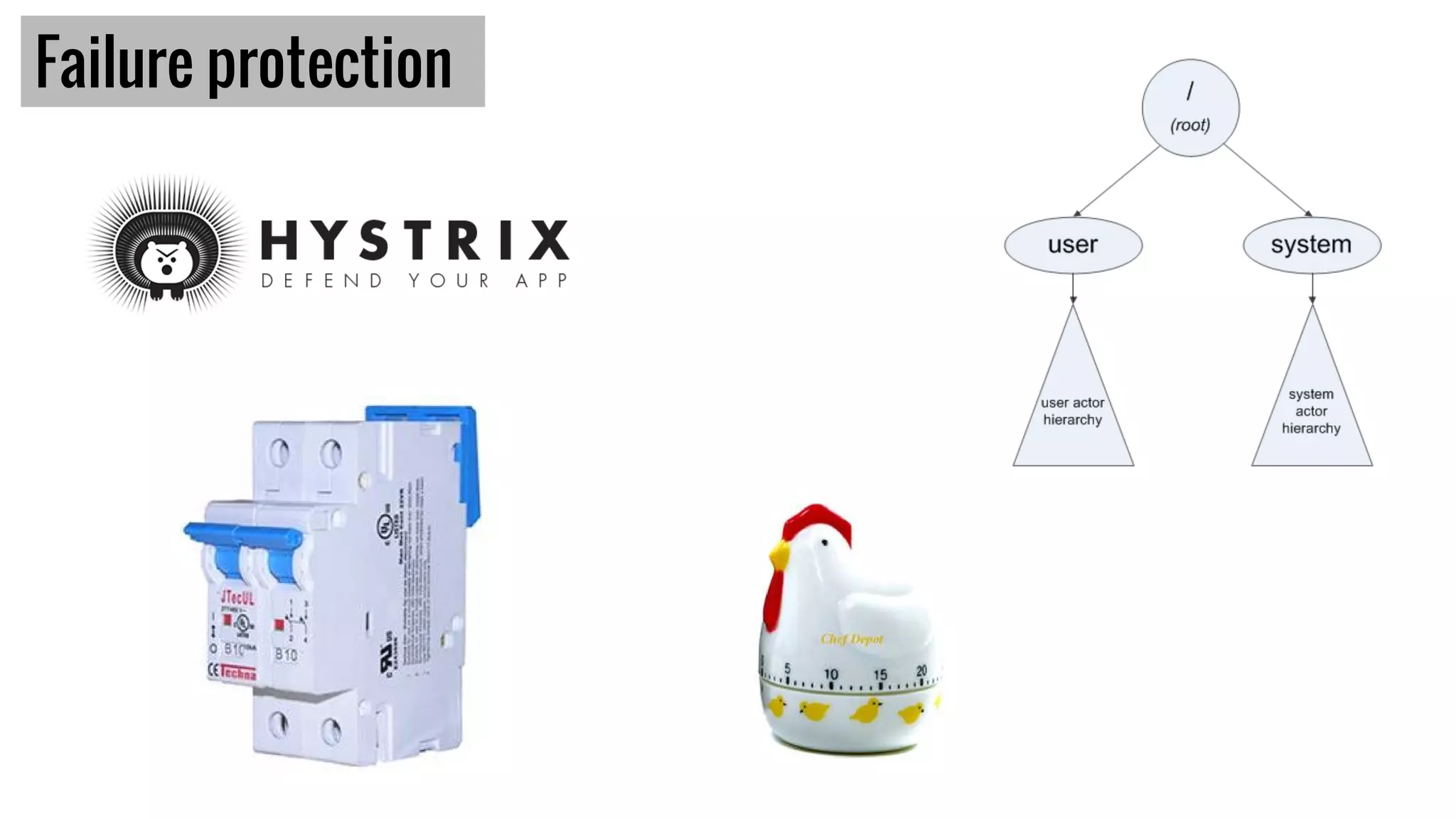
Failure protection
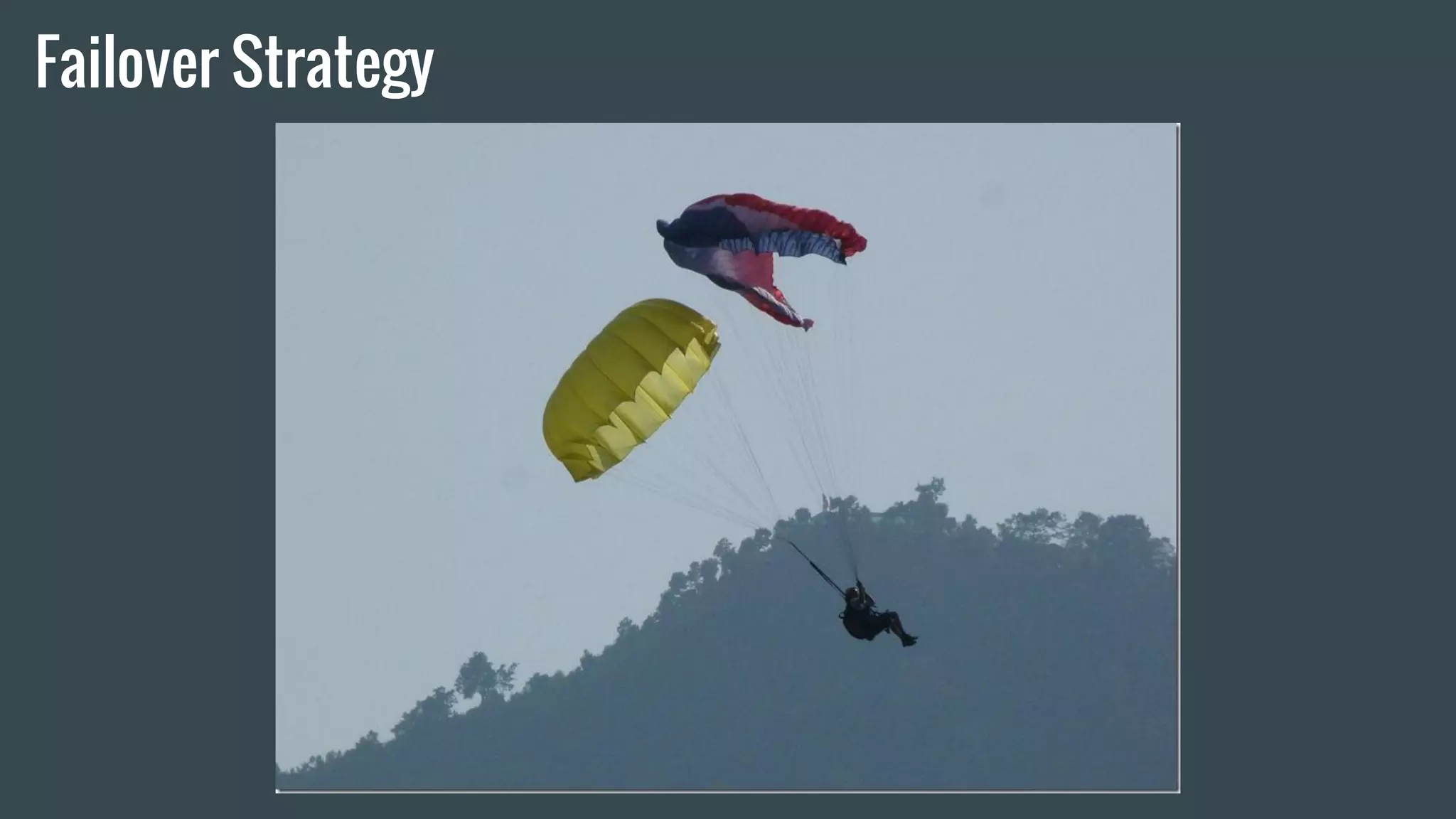
Failover Strategy
No impact on developers?
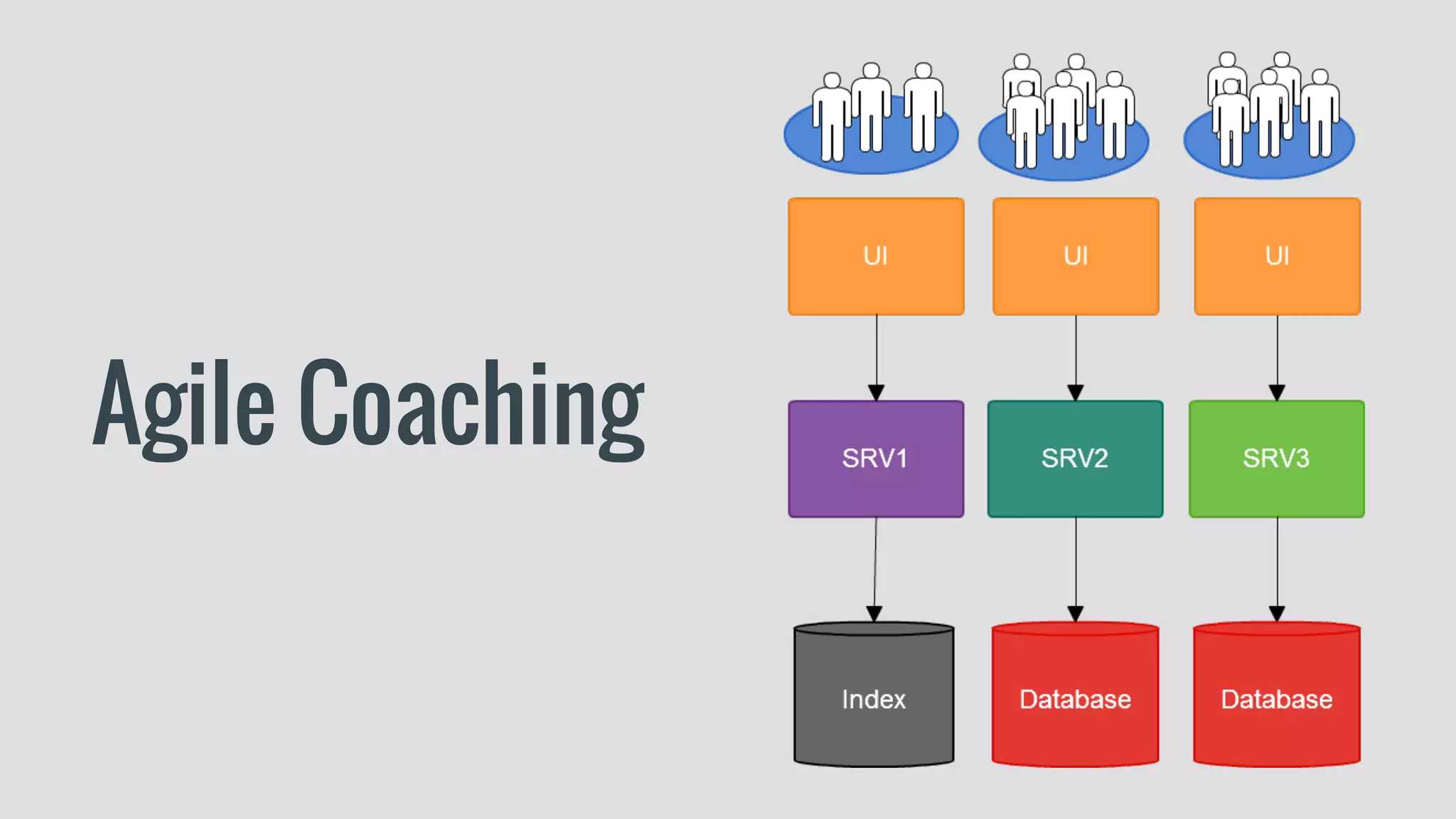
Agile Coaching
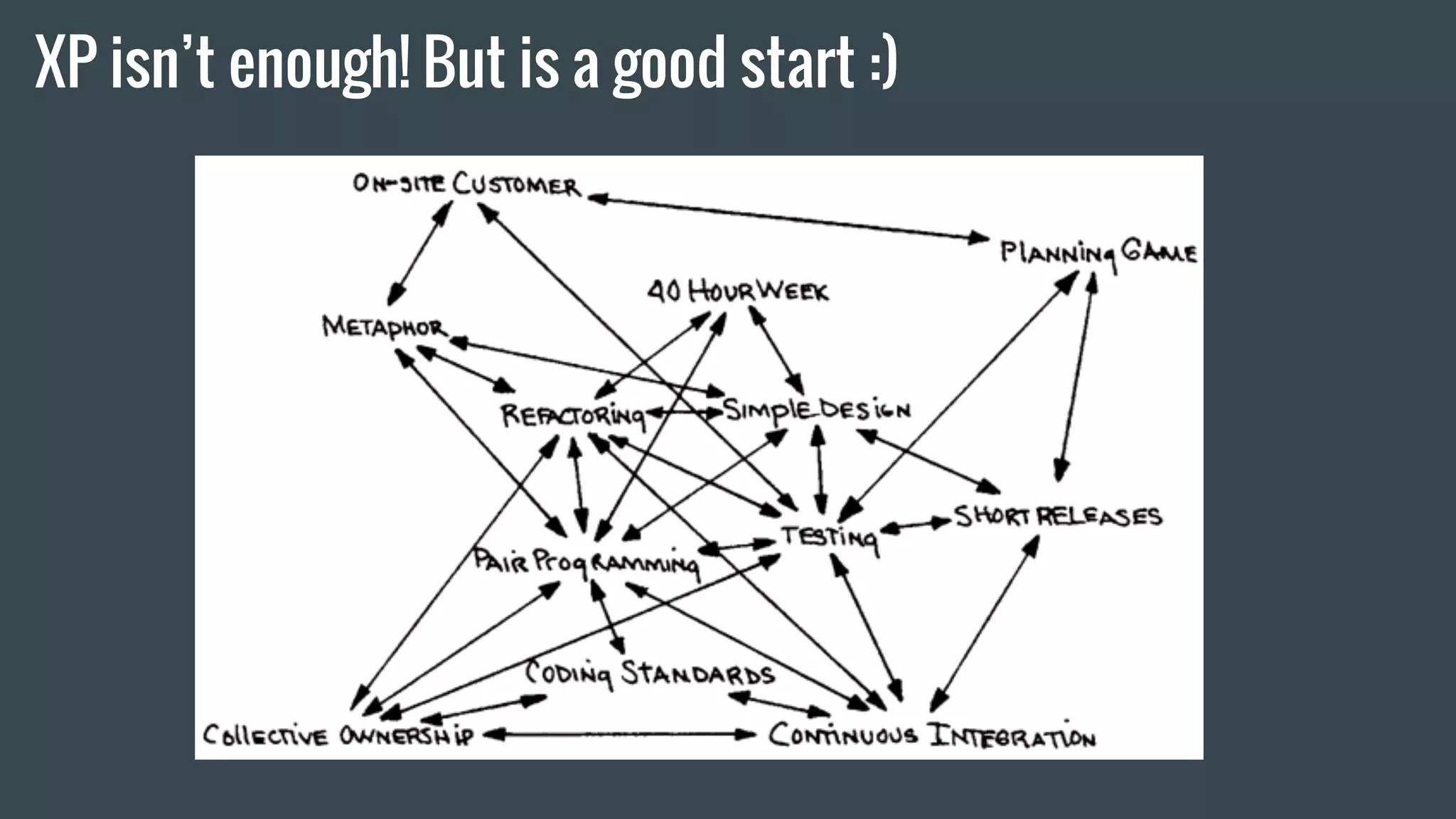
XP isn’t enough! But is a good start :)
Each service needs it own architecture
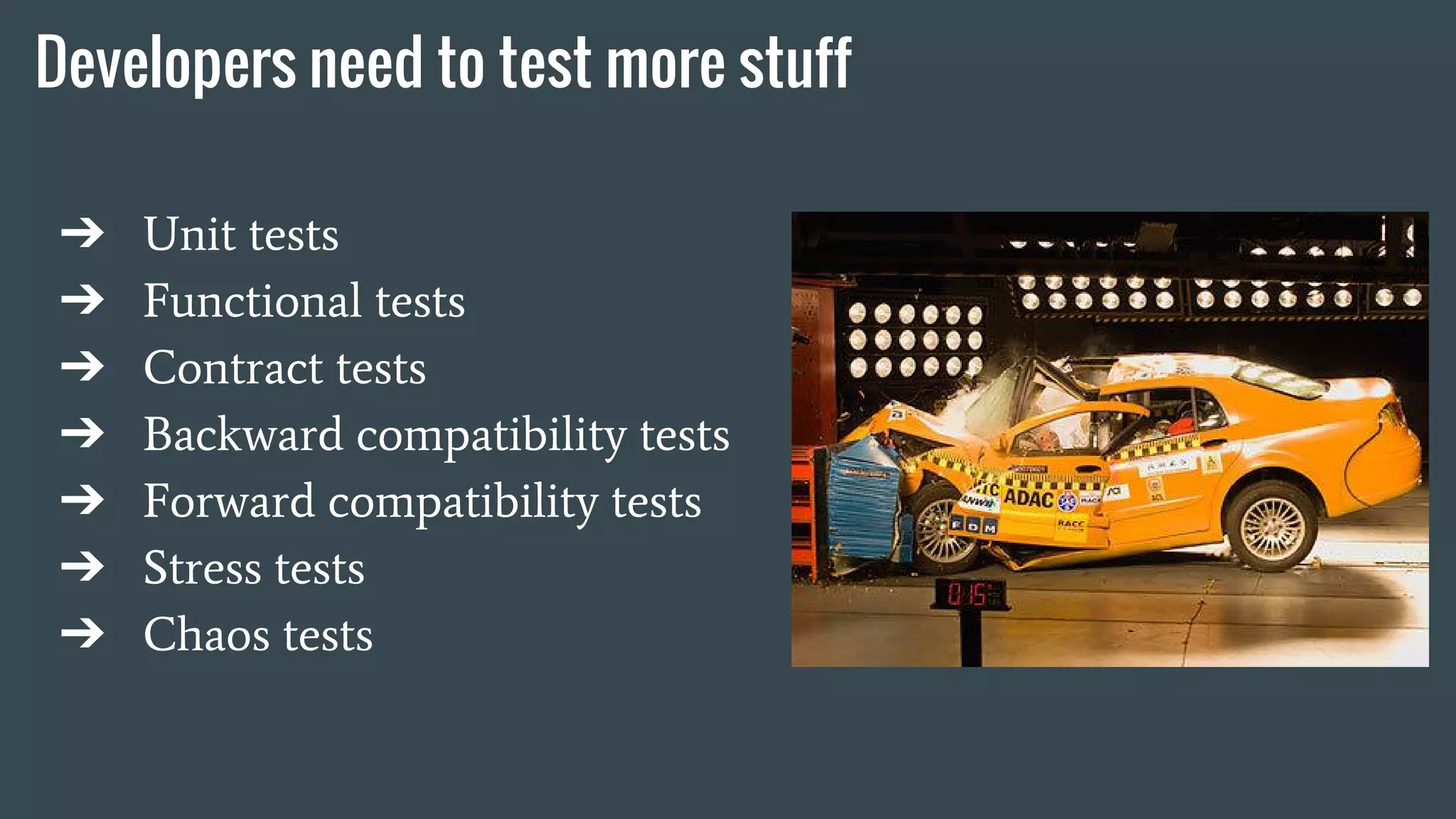
Developers need to test more stuff
➔ Unit tests
➔ Functional tests
➔ Contract tests
➔ Backward compatibility tests
➔ Forward compatibility tests
➔ Stress tests
➔ Chaos tests
Incident Drills
Learning and Teaching Culture
Existing Stacks
Microservice Architecture
Summary
➔ Architecture to scale Teams
➔ Highly Flexible
➔ Highly complex
➔ Ownership using Management 3.0
➔ Development Mastering using Agile Coaching
➔ Agile deploy thanks to a Platform as a Service
➔ Data Architecture
➔ DevOps
Arquitetura orientada a micro serviços: Nirvana ou pesadelo?

Arquitetura orientada a micro serviços: Nirvana ou pesadelo?