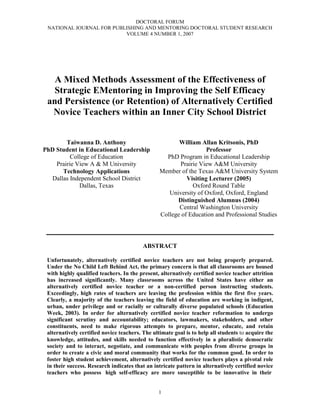
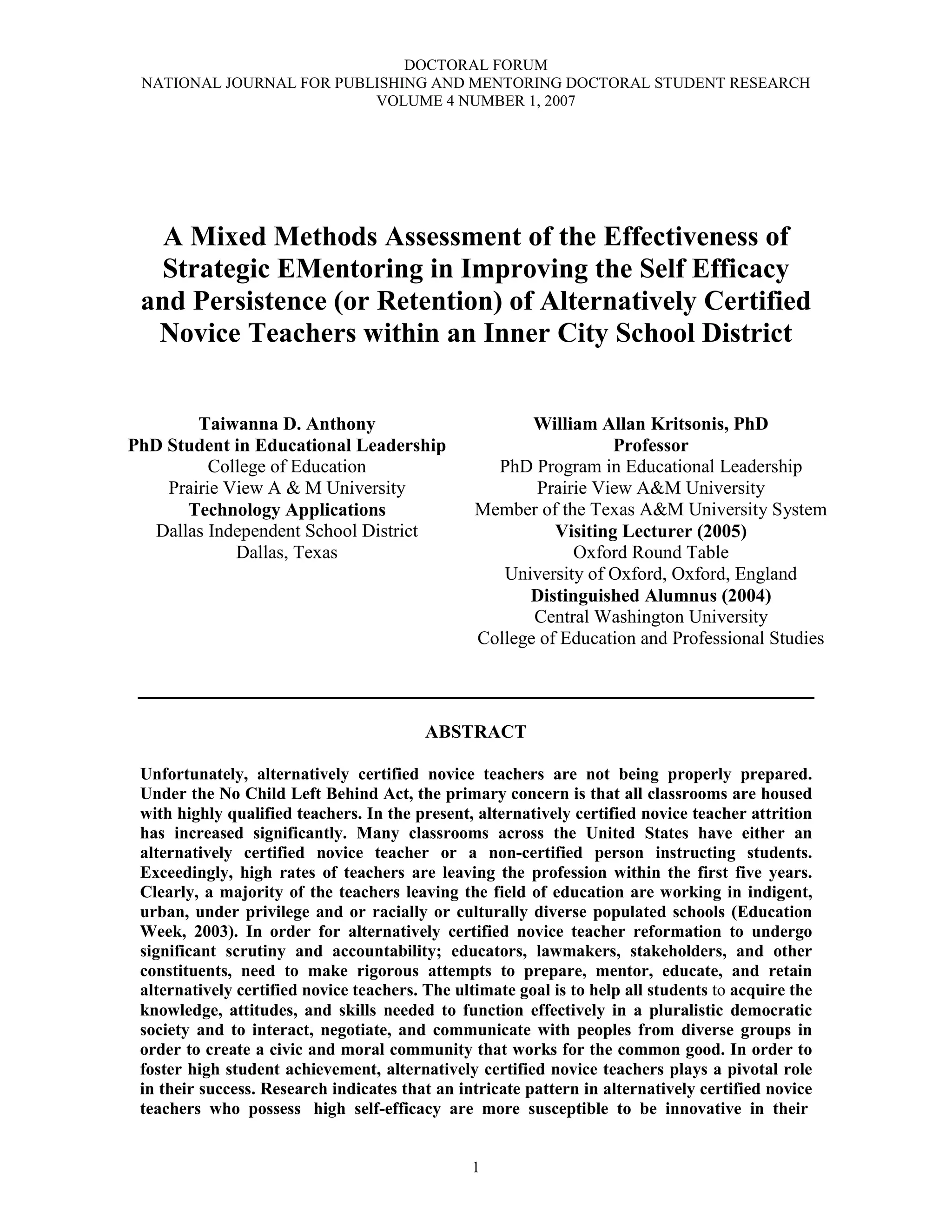
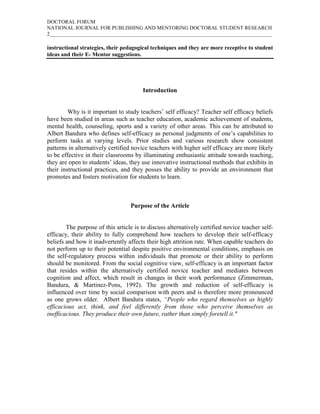
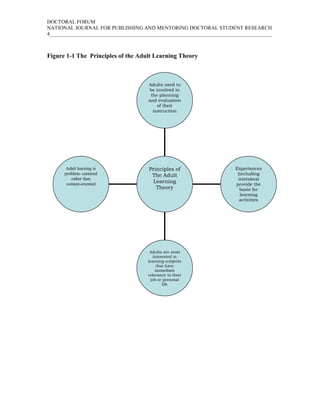
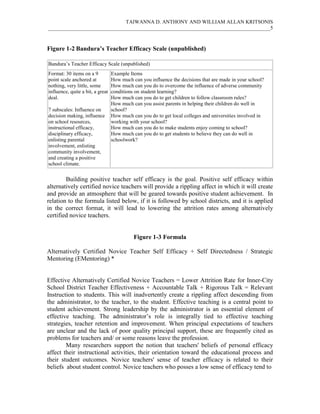
This article discusses an assessment of the effectiveness of strategic e-mentoring in improving self-efficacy and retention of alternatively certified novice teachers in an inner city school district. The study is important because research shows teachers with higher self-efficacy are more effective in the classroom. They are more innovative, open to student ideas, and able to motivate students to learn. The purpose is to understand how developing self-efficacy affects high attrition rates among these teachers. Social learning theory and adult learning theory provide frameworks. Data was collected using Bandura's Teacher Efficacy Scale to measure self-efficacy before and after e-mentoring interventions. The results can help educators better prepare and support alternatively certified novice teachers.


![Dr. Fred C. Lunenburg [1]. the principal and the school what do principals ...](https://cdn.slidesharecdn.com/ss_thumbnails/lunenburgfredc1-theprincipalandtheschool-whatdoprincipalsdonfeasjv27n42010-101117184325-phpapp01-thumbnail.jpg?width=640&height=640&fit=bounds)

![Lunenburg, fred c[1]. group decision making ijmba v13 n1 2010](https://cdn.slidesharecdn.com/ss_thumbnails/lunenburgfredc1-groupdecisionmakingijmbav13n12010-111106154509-phpapp02-thumbnail.jpg?width=640&height=640&fit=bounds)


