Animation A history: 2000BC- 1828AD
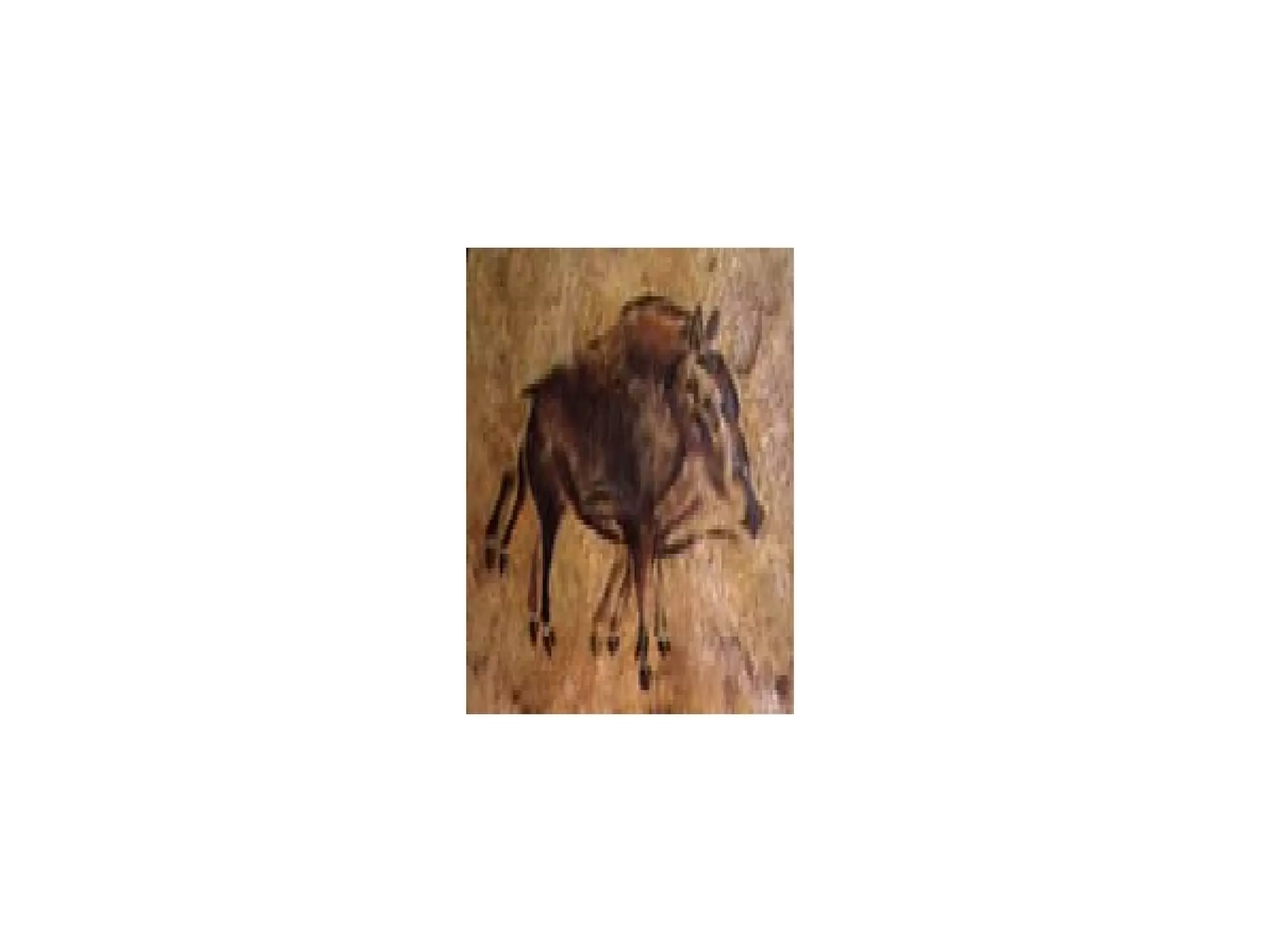
S ince the beginnings of time, human beings have tried to capture a sense of motion in their art. One of the earliest examples is the eight-legged boar in the Altamira caves of Northern Spain which is over 10,000 years old.
 
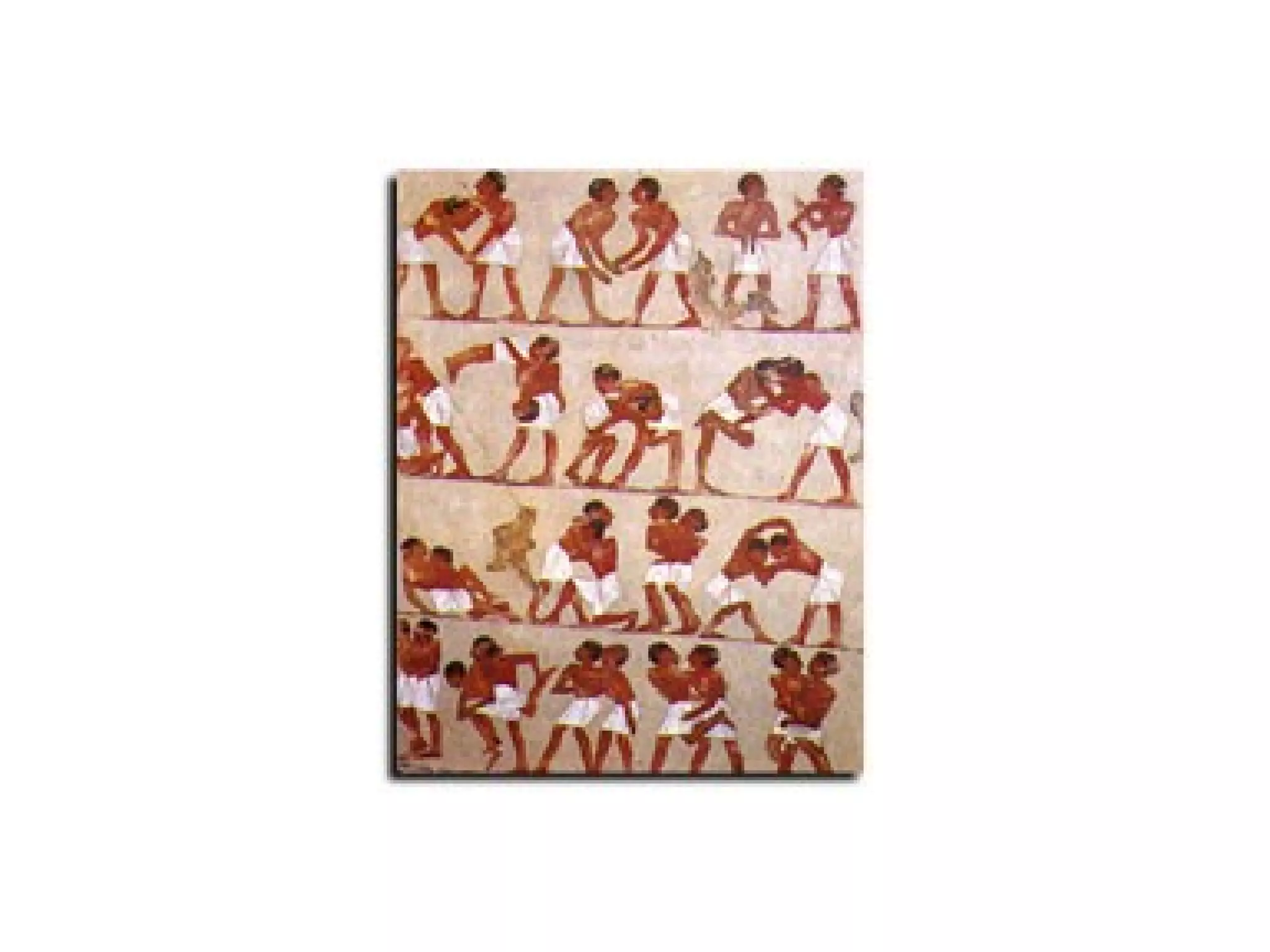
The early years before Disney A forerunner of today's comic strip can be found in an Egyptian wall decoration circa 2000 B.C. In successive panels it depicts the actions of two wrestlers in a variety of holds.
 
In one of Leonardo da Vinci's most famous illustrations, he shows how the limbs would look in various positions.
 
Based on this, how would you define animation? Write a one sentence definition in your own words.
Animation could not be achieved without an interesting feature of the human eye. When you look at a picture, your eye and brain retain the image for a fraction of a second after it has gone. This is called  persistence of vision .
This was first demonstrated in  1828  by Frenchman,  Paul Roget , who invented the  Thaumatrope .
In 1860,  Pierre Desvignes , inserted a strip of paper containing drawings on the inside of a drum-like cylinder. The drum twirled on a spindle, and the viewer gazed through slots at the top of the drum. The figures on the inside magically came to life, endlessly looping in an acrobatic feat. The device was called a  zeotrope.
T he development of the motion camera and projector by Thomas A. Edison and others provided the first real practical means of making animation.
Stuart Blackton , issued a short film in 1906 entitled  Humourous Phases of Funny Faces  where he drew comical faces on a blackboard, photographed them, and the erased it to draw another stage of the facial expression. This "stop-motion" effect astonished audiences by making drawings comes to life.
I n the early twenties, the popularity of the animated cartoon was on the decline. The public was tired of the old formula of stringing sight gags together without including a story line or any character development. What the art of animation could accomplish was not yet evident in this period, except for in the works of  Winsor McCay  such as  Gertie the Dinosaur, 1914 .

Animation lesson 2

  • 1.
    Animation A history:2000BC- 1828AD
  • 2.
    S ince thebeginnings of time, human beings have tried to capture a sense of motion in their art. One of the earliest examples is the eight-legged boar in the Altamira caves of Northern Spain which is over 10,000 years old.
  • 3.
  • 4.
    The early yearsbefore Disney A forerunner of today's comic strip can be found in an Egyptian wall decoration circa 2000 B.C. In successive panels it depicts the actions of two wrestlers in a variety of holds.
  • 5.
  • 6.
    In one ofLeonardo da Vinci's most famous illustrations, he shows how the limbs would look in various positions.
  • 7.
  • 8.
    Based on this,how would you define animation? Write a one sentence definition in your own words.
  • 9.
    Animation could notbe achieved without an interesting feature of the human eye. When you look at a picture, your eye and brain retain the image for a fraction of a second after it has gone. This is called persistence of vision .
  • 10.
    This was firstdemonstrated in 1828 by Frenchman, Paul Roget , who invented the Thaumatrope .
  • 11.
    In 1860, Pierre Desvignes , inserted a strip of paper containing drawings on the inside of a drum-like cylinder. The drum twirled on a spindle, and the viewer gazed through slots at the top of the drum. The figures on the inside magically came to life, endlessly looping in an acrobatic feat. The device was called a zeotrope.
  • 12.
    T he developmentof the motion camera and projector by Thomas A. Edison and others provided the first real practical means of making animation.
  • 13.
    Stuart Blackton ,issued a short film in 1906 entitled Humourous Phases of Funny Faces where he drew comical faces on a blackboard, photographed them, and the erased it to draw another stage of the facial expression. This "stop-motion" effect astonished audiences by making drawings comes to life.
  • 14.
    I n theearly twenties, the popularity of the animated cartoon was on the decline. The public was tired of the old formula of stringing sight gags together without including a story line or any character development. What the art of animation could accomplish was not yet evident in this period, except for in the works of Winsor McCay such as Gertie the Dinosaur, 1914 .