Why android is the most popular mobile
Operating System?
Presented By:-
Diksha Jain
Mohit Ranjan
Bhavishya Mittal
Mohini
Topics To Be Covered
 Definition of Operating System
 What is smartphone operating system.
 Names of mobile OS.
 History & Background of Android.
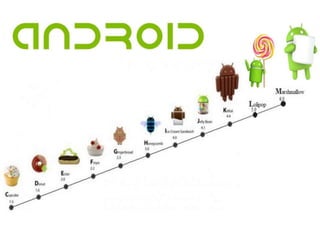
 A brief of Android & its version.
 Android, The World's Most Popular Mobile
Platform
 Comparison of android with some other
Operating System.
We’d like to know……
 Do you have a favorite mobile operating
system?
 Which operating system has the most
relevant applications for you?
 Would you put iOS, Android, Windows
Phone or something else on the ideal
mobile phone?
 Is the user interface or the number of
available applications the most important
factor for you?
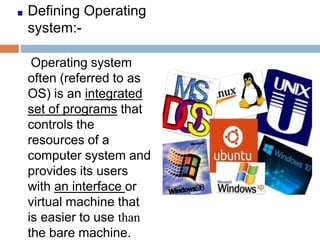
Defining Operating
system:-
Operating system
often (referred to as
OS) is an integrated
set of programs that
controls the
resources of a
computer system and
provides its users
with an interface or
virtual machine that
is easier to use than
the bare machine.
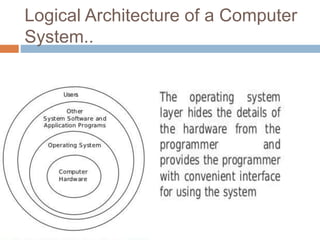
Logical Architecture of a Computer
System..
The operating system on your mobile
phone is the very basic software
which brings together the hardware chips
and components inside your phone and
allows you to make phone calls, send text
messages and use applications.
Smartphone Operating
System.
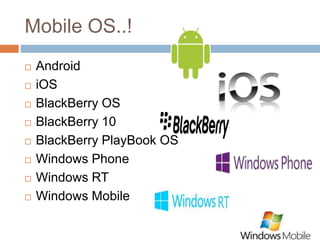
Mobile OS..!
 Android
 iOS
 BlackBerry OS
 BlackBerry 10
 BlackBerry PlayBook OS
 Windows Phone
 Windows RT
 Windows Mobile
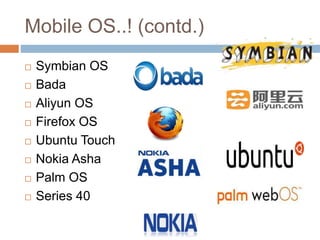
Mobile OS..! (contd.)
 Symbian OS
 Bada
 Aliyun OS
 Firefox OS
 Ubuntu Touch
 Nokia Asha
 Palm OS
 Series 40
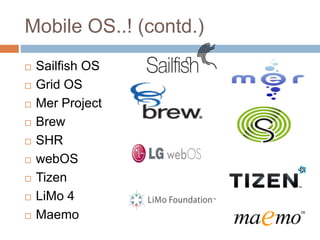
Mobile OS..! (contd.)
 Sailfish OS
 Grid OS
 Mer Project
 Brew
 SHR
 webOS
 Tizen
 LiMo 4
 Maemo
History & Background Of
Android
History & Background of
Android
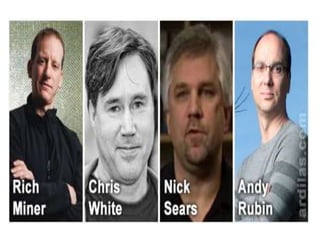
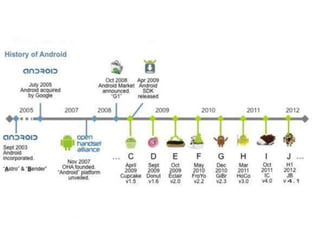
 Android, Inc. was founded in Palo Alto,
California in October 2003 by Andy Rubin,
Rich Miner, Nick Sears and Chris White.
 The idea was to develop smarter mobile
devices that are more aware of its owner's
location and preferences
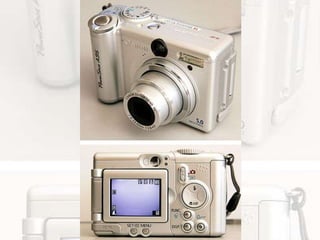
 The early intentions of the company were to
develop an advanced operating system
for digital cameras.
History & Background of
Android(contd.)
 But Somehow, the market for digital cameras
didn’t took a good startup.
 This was the time when company diverted its
efforts toward producing a smartphone
operating system that would rival Symbian and
Microsoft Windows Mobile.
 In July 2005, Google acquired Android Inc. for
$50 million
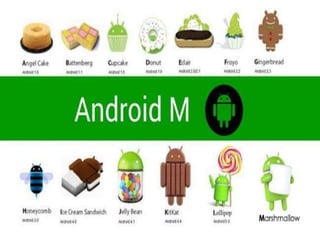
A brief of Android & its
versions
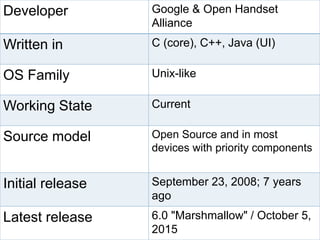
Developer Google & Open Handset
Alliance
Written in C (core), C++, Java (UI)
OS Family Unix-like
Working State Current
Source model Open Source and in most
devices with priority components
Initial release September 23, 2008; 7 years
ago
Latest release 6.0 "Marshmallow" / October 5,
2015
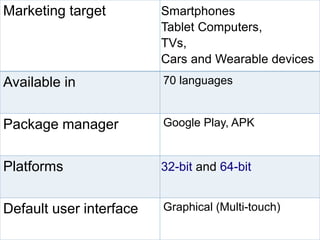
Marketing target Smartphones
Tablet Computers,
TVs,
Cars and Wearable devices
Available in 70 languages
Package manager Google Play, APK
Platforms 32-bit and 64-bit
Default user interface Graphical (Multi-touch)
Android, The World's Most
Popular Mobile Platform
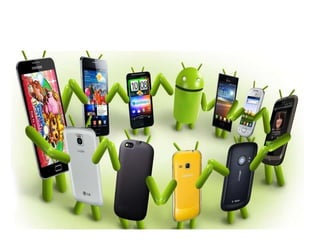
 Android powers hundreds of millions of mobile
devices in more than 190 countries around the
world.
 It's the largest installed base of any mobile platform
and growing fast—every day another million users
power up their Android devices for the first time and
start looking for apps, games, and other digital
content.
 Android gives you a world-class
platform for creating apps and games
for Android users everywhere, as well as
Three Reasons to Pick Android
 Originally created by Google as an open-source
project anyone could tinker with, Android has
become the most widely used mobile operating
system in the world.
 Almost every manufacturer of smartphones has at
least one Android phone, with each one giving
the platform its own spin
 Android will probably appeal
to you if you love tailoring
your mobile experience and
want to play with the newest
technologies.
Comparison of android with
some other Operating
System.
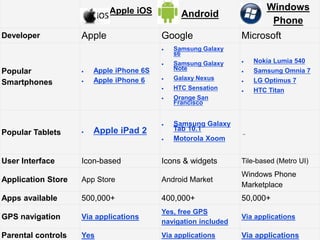
Apple iOS Android
Windows
Phone
Developer Apple Google Microsoft
Popular
Smartphones
 Apple iPhone 6S
 Apple iPhone 6
 Samsung Galaxy
s6
 Samsung Galaxy
Note
 Galaxy Nexus
 HTC Sensation
 Orange San
Francisco
 Nokia Lumia 540
 Samsung Omnia 7
 LG Optimus 7
 HTC Titan
Popular Tablets  Apple iPad 2
 Samsung Galaxy
Tab 10.1
 Motorola Xoom
_
User Interface Icon-based Icons & widgets Tile-based (Metro UI)
Application Store App Store Android Market
Windows Phone
Marketplace
Apps available 500,000+ 400,000+ 50,000+
GPS navigation Via applications
Yes, free GPS
navigation included
Via applications
Parental controls Yes Via applications Via applications
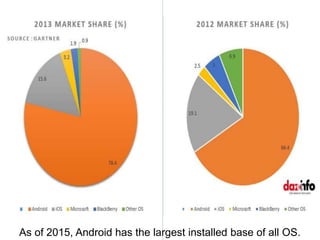
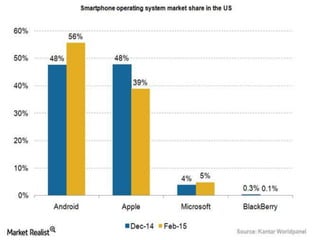
As of 2015, Android has the largest installed base of all OS.
Conclusion
 One of the key differentiation points between
smartphones is the operating system they run.
 Android is a great all-rounder which offers by
far the greatest choice
 Google’s apps and prowess when it comes to
cloud services also weigh in here, and if you’re
a big user of Google services already, Android
definitely makes the most sense for you.
 One of its strengths is also one of its greatest
weaknesses and that’s the old fragmentation
argument.
Android ctp presentation 1

Android ctp presentation 1

  • 1.
    Why android isthe most popular mobile Operating System? Presented By:- Diksha Jain Mohit Ranjan Bhavishya Mittal Mohini
  • 3.
    Topics To BeCovered  Definition of Operating System  What is smartphone operating system.  Names of mobile OS.  History & Background of Android.  A brief of Android & its version.  Android, The World's Most Popular Mobile Platform  Comparison of android with some other Operating System.
  • 4.
    We’d like toknow……  Do you have a favorite mobile operating system?  Which operating system has the most relevant applications for you?  Would you put iOS, Android, Windows Phone or something else on the ideal mobile phone?  Is the user interface or the number of available applications the most important factor for you?
  • 5.
    Defining Operating system:- Operating system often(referred to as OS) is an integrated set of programs that controls the resources of a computer system and provides its users with an interface or virtual machine that is easier to use than the bare machine.
  • 6.
    Logical Architecture ofa Computer System..
  • 7.
    The operating systemon your mobile phone is the very basic software which brings together the hardware chips and components inside your phone and allows you to make phone calls, send text messages and use applications. Smartphone Operating System.
  • 8.
    Mobile OS..!  Android iOS  BlackBerry OS  BlackBerry 10  BlackBerry PlayBook OS  Windows Phone  Windows RT  Windows Mobile
  • 9.
    Mobile OS..! (contd.) Symbian OS  Bada  Aliyun OS  Firefox OS  Ubuntu Touch  Nokia Asha  Palm OS  Series 40
  • 10.
    Mobile OS..! (contd.) Sailfish OS  Grid OS  Mer Project  Brew  SHR  webOS  Tizen  LiMo 4  Maemo
  • 11.
  • 13.
    History & Backgroundof Android  Android, Inc. was founded in Palo Alto, California in October 2003 by Andy Rubin, Rich Miner, Nick Sears and Chris White.  The idea was to develop smarter mobile devices that are more aware of its owner's location and preferences  The early intentions of the company were to develop an advanced operating system for digital cameras.
  • 15.
    History & Backgroundof Android(contd.)  But Somehow, the market for digital cameras didn’t took a good startup.  This was the time when company diverted its efforts toward producing a smartphone operating system that would rival Symbian and Microsoft Windows Mobile.  In July 2005, Google acquired Android Inc. for $50 million
  • 17.
    A brief ofAndroid & its versions
  • 18.
    Developer Google &Open Handset Alliance Written in C (core), C++, Java (UI) OS Family Unix-like Working State Current Source model Open Source and in most devices with priority components Initial release September 23, 2008; 7 years ago Latest release 6.0 "Marshmallow" / October 5, 2015
  • 19.
    Marketing target Smartphones TabletComputers, TVs, Cars and Wearable devices Available in 70 languages Package manager Google Play, APK Platforms 32-bit and 64-bit Default user interface Graphical (Multi-touch)
  • 22.
    Android, The World'sMost Popular Mobile Platform
  • 23.
     Android powershundreds of millions of mobile devices in more than 190 countries around the world.  It's the largest installed base of any mobile platform and growing fast—every day another million users power up their Android devices for the first time and start looking for apps, games, and other digital content.  Android gives you a world-class platform for creating apps and games for Android users everywhere, as well as
  • 24.
    Three Reasons toPick Android  Originally created by Google as an open-source project anyone could tinker with, Android has become the most widely used mobile operating system in the world.  Almost every manufacturer of smartphones has at least one Android phone, with each one giving the platform its own spin  Android will probably appeal to you if you love tailoring your mobile experience and want to play with the newest technologies.
  • 25.
    Comparison of androidwith some other Operating System.
  • 27.
    Apple iOS Android Windows Phone DeveloperApple Google Microsoft Popular Smartphones  Apple iPhone 6S  Apple iPhone 6  Samsung Galaxy s6  Samsung Galaxy Note  Galaxy Nexus  HTC Sensation  Orange San Francisco  Nokia Lumia 540  Samsung Omnia 7  LG Optimus 7  HTC Titan Popular Tablets  Apple iPad 2  Samsung Galaxy Tab 10.1  Motorola Xoom _ User Interface Icon-based Icons & widgets Tile-based (Metro UI) Application Store App Store Android Market Windows Phone Marketplace Apps available 500,000+ 400,000+ 50,000+ GPS navigation Via applications Yes, free GPS navigation included Via applications Parental controls Yes Via applications Via applications
  • 28.
    As of 2015,Android has the largest installed base of all OS.
  • 30.
    Conclusion  One ofthe key differentiation points between smartphones is the operating system they run.  Android is a great all-rounder which offers by far the greatest choice  Google’s apps and prowess when it comes to cloud services also weigh in here, and if you’re a big user of Google services already, Android definitely makes the most sense for you.  One of its strengths is also one of its greatest weaknesses and that’s the old fragmentation argument.