ANAESTHESIA FOR
PATIENT WITH LIVER
DISEASE
FUNCTIONS OF THE LIVER
• Metabolic
• Synthetic
• Immunologic
• Regenerative
• Homeostatic
PERIOPERATIVE
MANAGEMENT
PREOPERATIVE
ASSESSMENT
OBJECTIVES
1. Assess the type and degree of liver
dysfunction.
2. Type of surgery
3. Assess effect on other system.
4. To ensure – post operative facilities (High risk
patient).
PREOPERATIVE
ASSESSMENT
HISTORY
-Dyspnoea, syncope, bleeding, delerium,
effort tolerance
CLINICAL EXAMINATION
- Blood pressure, pulse, oxygenation,
bruising, ascites, orientation, jaundice
INVESTIGATIONS
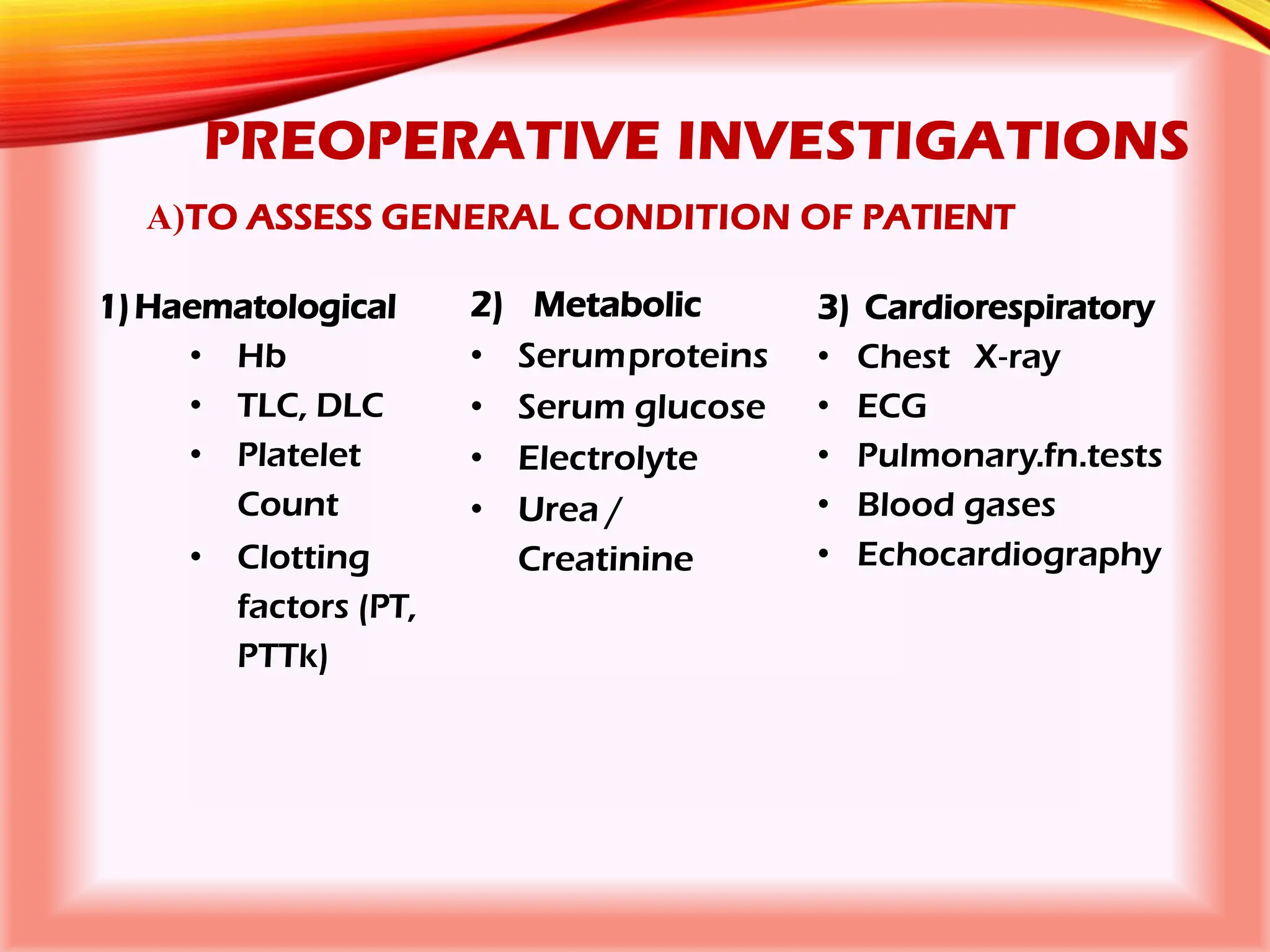
PREOPERATIVE INVESTIGATIONS
A)TO ASSESS GENERAL CONDITION OF PATIENT
1)Haematological
• Hb
• TLC, DLC
• Platelet
Count
• Clotting
factors (PT,
PTTk)
2) Metabolic
• Serumproteins
• Serum glucose
• Electrolyte
• Urea /
Creatinine
3) Cardiorespiratory
• Chest X‐ray
• ECG
• Pulmonary.fn.tests
• Blood gases
• Echocardiography
B) TO KNOW THE PATTERN OF DISEASE
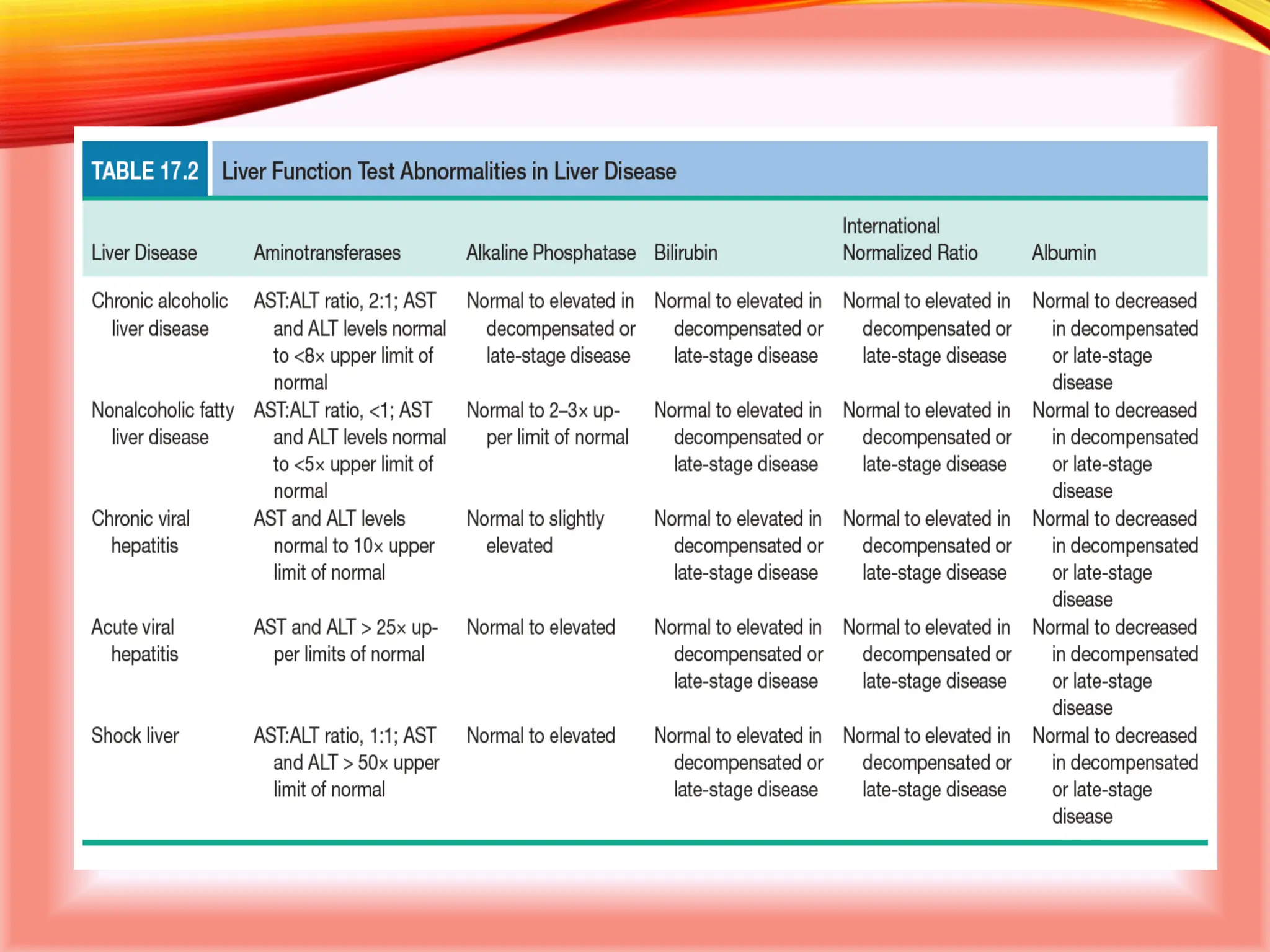
‐ S. Bilirubin
‐ SGOT, SGPT - 90% predictive
‐Alk.phosphatase
Single Marker
Glutathione S transferase – drug induced
Glutamyl transpeptidase – alcohol/drug
induced
C) TO JUDGE THE SYNTHETIC ABILITY OF
LIVER
Serum albumin– < 2·5 gm% - severe damage
Albumin/globulin ratio– reversed.
Prothrombin time– > 1·5 sec. Over control
– INR - > 1.3
C)OTHER TESTS (DONE ONLY FOR MAJOR
SURGERY)
- liver biopsy
- screening for hepatitis
- αfeto protein – Hepatocellular Carcinoma
- Antinuclear antibodies – prim. biliary cirrhosis
- Copper & Ceruloplasmin level – Wilson's disease
-
-
- Ferritin and transferritin – Haemochromatosis
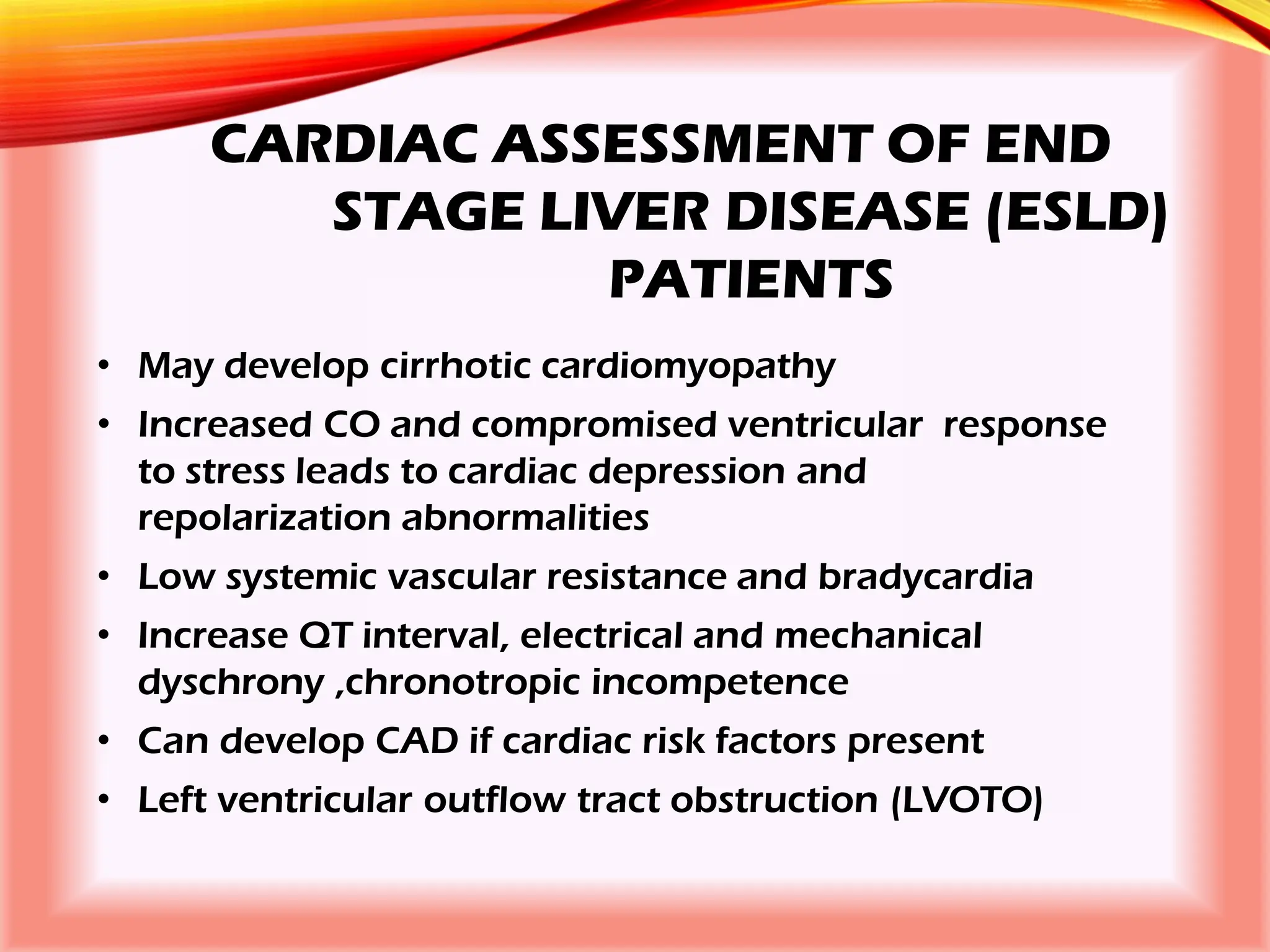
CARDIAC ASSESSMENT OF END
STAGE LIVER DISEASE (ESLD)
PATIENTS
• May develop cirrhotic cardiomyopathy
• Increased CO and compromised ventricular response
to stress leads to cardiac depression and
repolarization abnormalities
• Low systemic vascular resistance and bradycardia
• Increase QT interval, electrical and mechanical
dyschrony ,chronotropic incompetence
• Can develop CAD if cardiac risk factors present
• Left ventricular outflow tract obstruction (LVOTO)
ROLE OF ECHO
• Preop echo
1. Ventricular function, size
2. Valvular function
3. Pulmonary artery pressure
4. Exclude any LVOTO or pericardial effusion
5. Pulmonary artery systolic pressure
calculation
• TEE and/or pulmonary artery catheterization
may be used intraoperatively to allow for
real‐ time hemodynamic monitoring and
volume management.
• Stress testing of ESLD patients can be done
to detect CAD.
• Coronary angiography is the gold standard
for detecting CAD
• Rt heart catheterization role to
measure PAP, PCWP
GRADING OF SEVERITY OF DISEASE
Mild Hepatic dysfunction
‐ Cl. History + evidence of liver pathology
‐ normal plasma albumin, but enzymes
Moderate Hepatic dysfunction
‐ Limited impairment of synthetic function
PT not > 2∙5 sec. above normal
Plasma albumin at least 3 gm%.
Severe hepatic dysfunction
‐ More impairment of synthetic function.
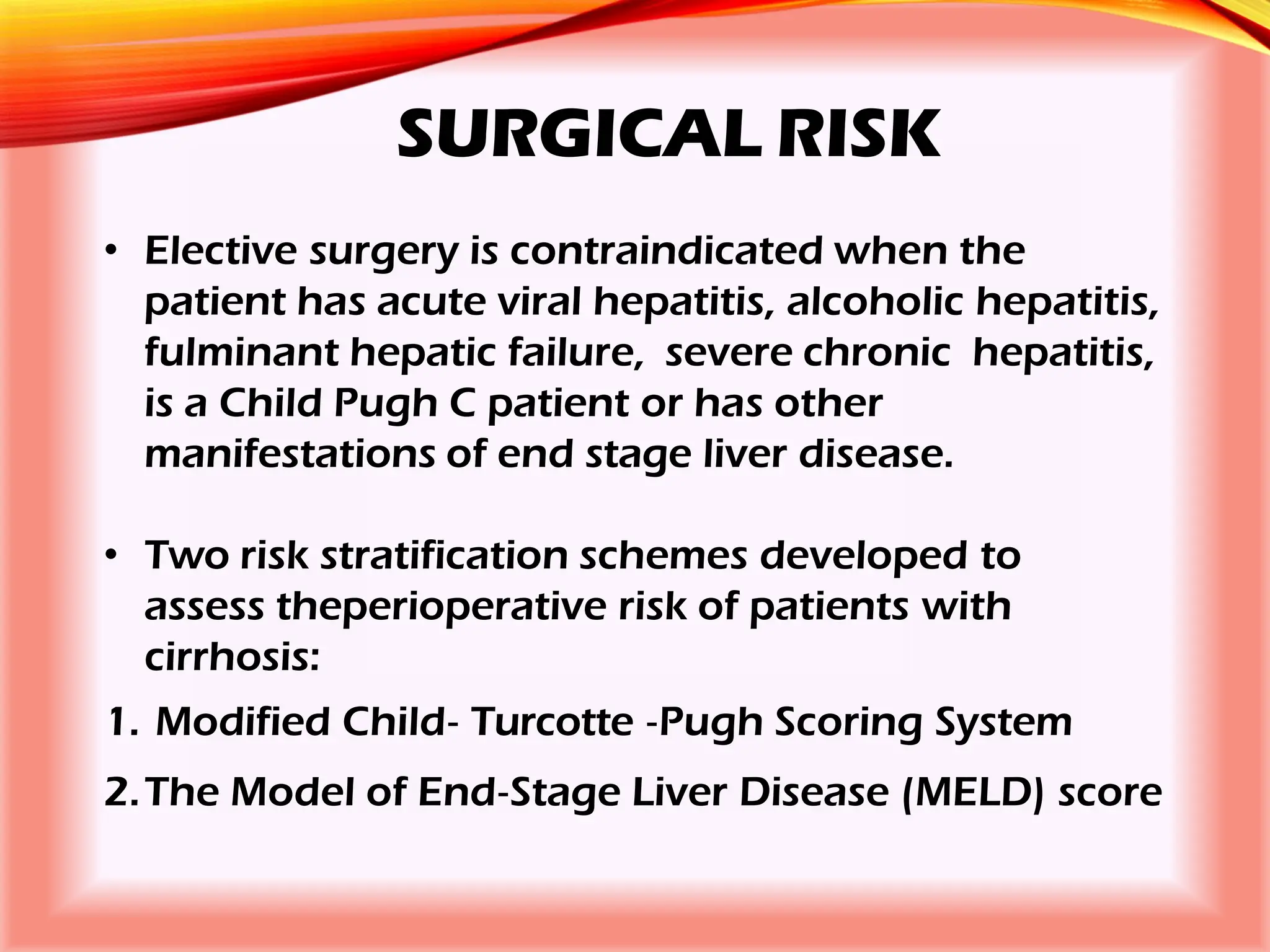
SURGICAL RISK
• Elective surgery is contraindicated when the
patient has acute viral hepatitis, alcoholic hepatitis,
fulminant hepatic failure, severe chronic hepatitis,
is a Child Pugh C patient or has other
manifestations of end stage liver disease.
• Two risk stratification schemes developed to
assess theperioperative risk of patients with
cirrhosis:
1. Modified Child‐ Turcotte ‐Pugh Scoring System
2.The Model of End‐Stage Liver Disease (MELD) score
MODIFIED CHILD‐ TURCOTTE –
PUGH SCORING SYSTEM
MELD
• Objective assessment in predicting 3‐month mortality
0. 38 X ln (bilirubin mg/dl) + 1.12 X ln (INR) + 0.96 ln
(creatinine mg/dl) + 0.64
Best outcomes : MELD score < 14.
• For patients with a MELD score of 15‐24
• Clinical judgment
• Further discussion with the family and the patient
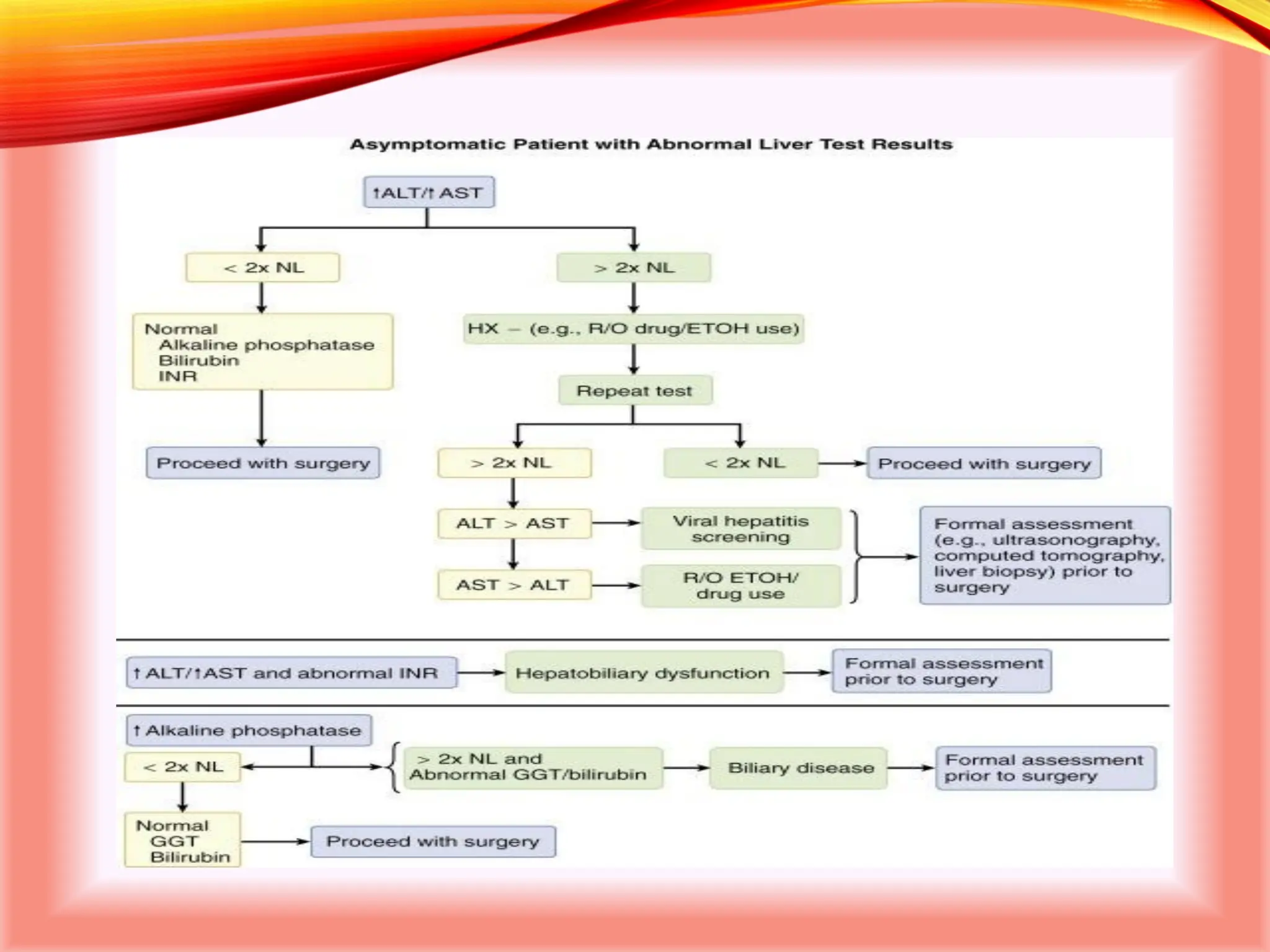
PREOPERATIVE APPROACH: PATIENT WITH
KNOWN/ SUSPECTED LIVER DISEASE
PERIOPERATIVE MANAGEMENT
PREOPERATIVE PREPARATION
(1) Childs Group
A – Elective Surgery recommended
B – acceptable after correction
C – only for emergency
(2) Assess hydration status.
(3) Correct Anemia / Coagulation / hypoalbuminemia
(4) Arrange appropriate blood / blood products.
(5) Inform – postoperative complications
PREMEDICATION
‐ If neuro. status normal –anxiolytic
(oral)
‐ oral H2 antagonist
‐ Vit. K (Obst. J) – 10 mg B D X 3 day
‐ If Bilirubin > 8 mg% –
Mannitol ‐ 100 ml of 20% 2 hrs
preop
ANAESTHETIC MANAGEMENT
GENERAL CONSIDERATIONS
Minimize physiological insult to liver & kidney
‐ Maintain O2 supply – demand relationship in liver.
Adequate pulmonary ventilation and CVS fn.
‐ Maintain renal perfusion
Avoid Hypotension, hypoproteinemia & hypoxia
Meticulous fluid balance
Choose appropriate anaesthetic agent
Metabolism of drugs + Effect on HBF
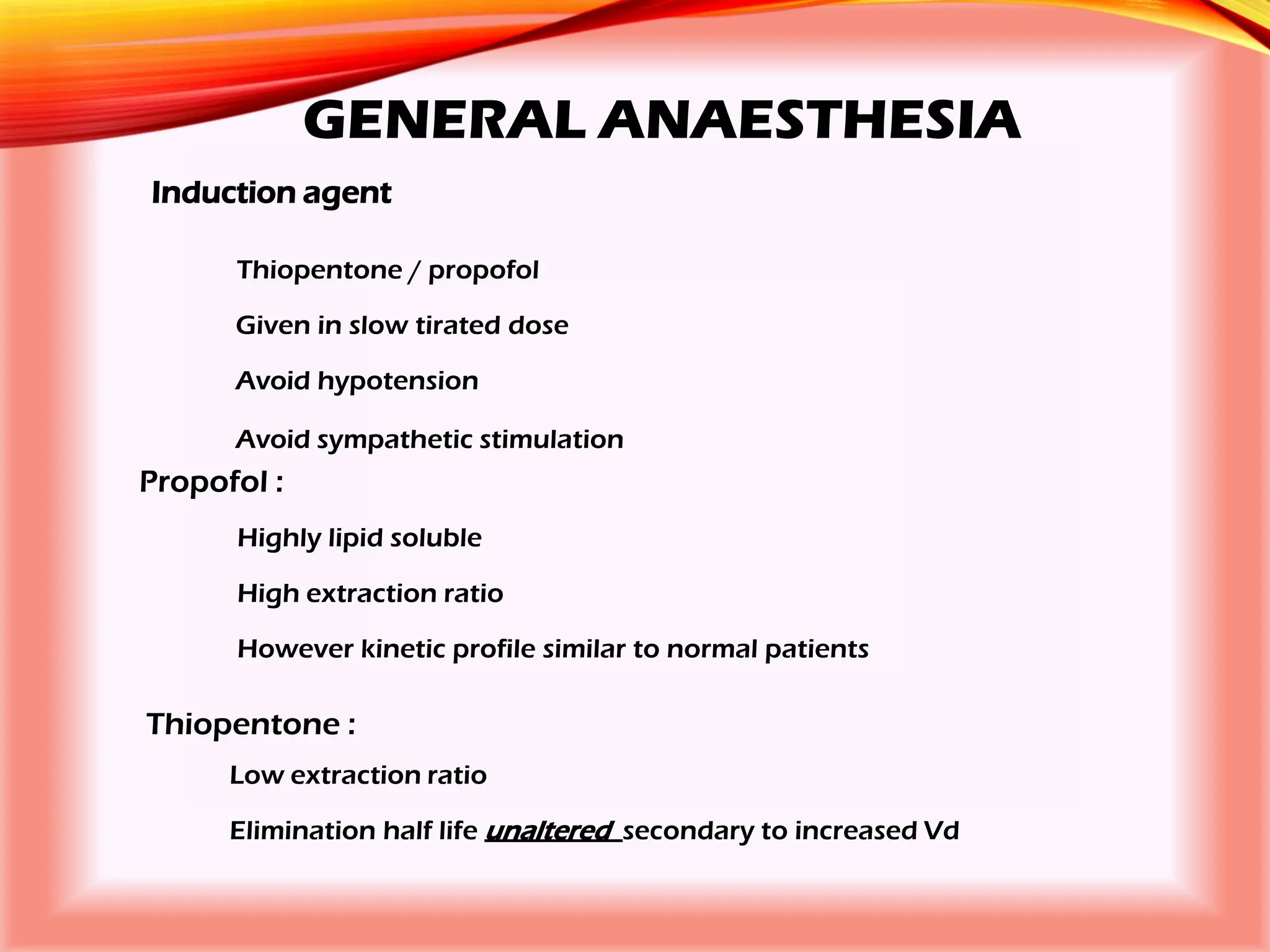
GENERAL ANAESTHESIA
Induction agent
Thiopentone / propofol
Given in slow tirated dose
Avoid hypotension
Avoid sympathetic stimulation
Propofol :
Highly lipid soluble
High extraction ratio
However kinetic profile similar to normal patients
Thiopentone :
Low extraction ratio
Elimination half life unaltered secondary to increased Vd
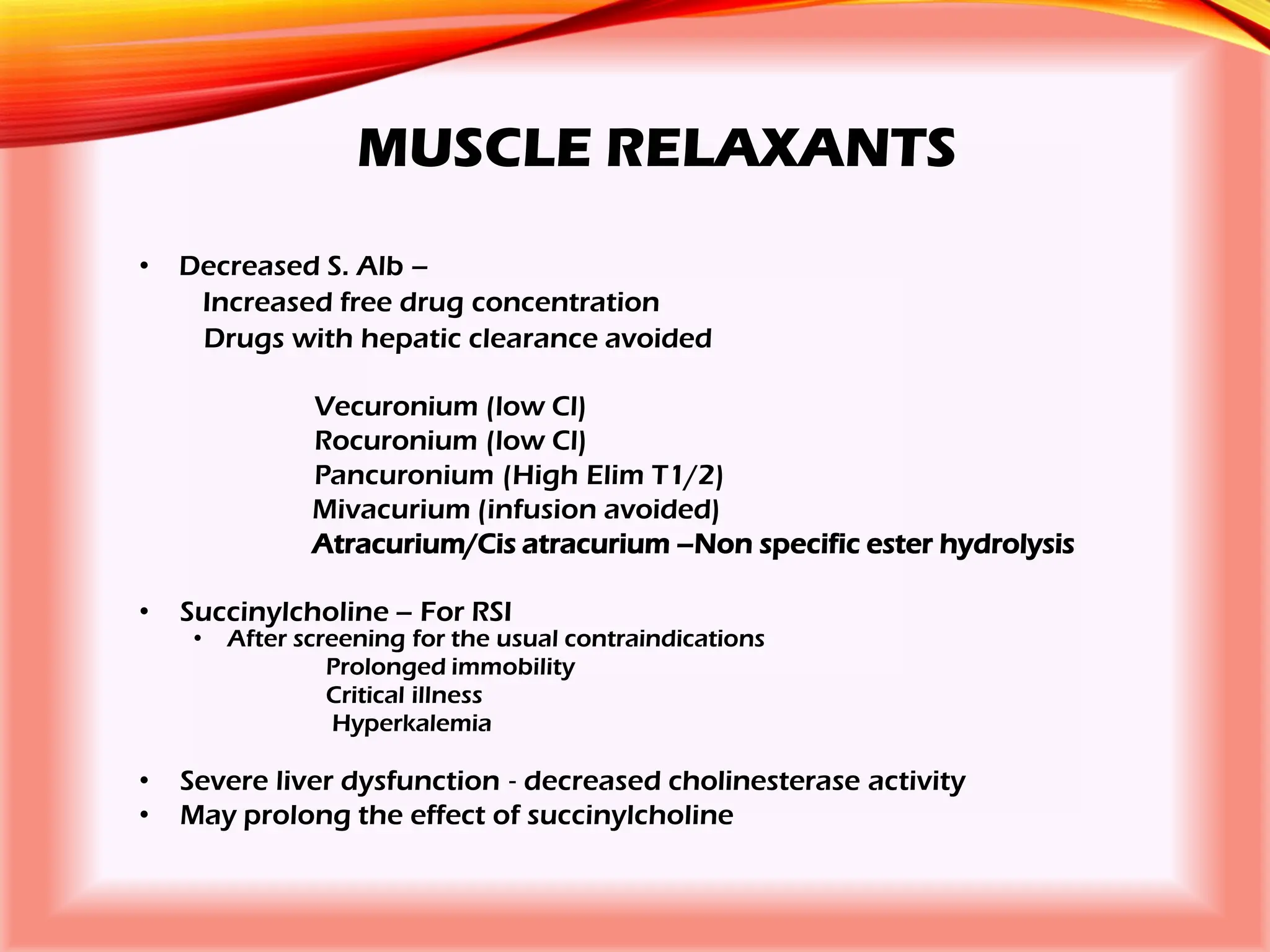
MUSCLE RELAXANTS
• Decreased S. Alb –
Increased free drug concentration
Drugs with hepatic clearance avoided
Vecuronium (low Cl)
Rocuronium (low Cl)
Pancuronium (High Elim T1/2)
Mivacurium (infusion avoided)
Atracurium/Cis atracurium –Non specific ester hydrolysis
• Succinylcholine – For RSI
• After screening for the usual contraindications
Prolonged immobility
Critical illness
Hyperkalemia
• Severe liver dysfunction ‐ decreased cholinesterase activity
• May prolong the effect of succinylcholine
OPIOIDS
MORPHINE
– Reduced metabolism
– Prolonged elimination half life
– Inc. Bioavailability
– Inc. Sedative and Respiratory depressant effects
– Administration interval should be increased 1.5‐ to 2‐fold in
these patients
Meperidine
– 50% reduction in clearance
– Doubling of the half‐life
– In addition, clearance of normeperidine is reduced
– Patients with severe liver disease may experience neurotoxicity
FENTANYL AND SUFENTANIL
-- No significant change in pharmacokinetics
-- Repeated administration or continuous infusions,
accumulation may occur and lead to prolonged effects
ALFENTANIL
-- Shows decrease in plasma clearance
-- Half‐life is almost doubled in patients with cirrhosis
REMIFENTANIL
-- Elimination is unaltered in patients with severe liver disease
SPASM OF SPHINCTER OF ODDI
– Opioids can cause spasm of sphincter of oddi (
Increases common bile duct pressures)
– More with morphine, fentanyl, meperidine
– Avoided if intraoperative cholangiogram to be done
– Treatment
Opioid antagonists (naloxone)
Smooth msrelaxant (nitroglycerine)
Glucagon
‐
SEDATIVES
• Midazolam :
• Reduced protein binding and increased free fractions
• Reduced clearance in patients with end‐stage liver disease
• Produces prolonged elimination half‐lives
• Enhanced sedative effect especially after multiple doses or
prolonged infusions
• Dexmedetomidine
• Primarily metabolized in the liver with minimal renal
clearance.
• Patients with hepatic failure of varying severity have
• Decreased clearance
• Prolonged half‐lives
• Lower bispectral index values
Hence dose adjustments indicated
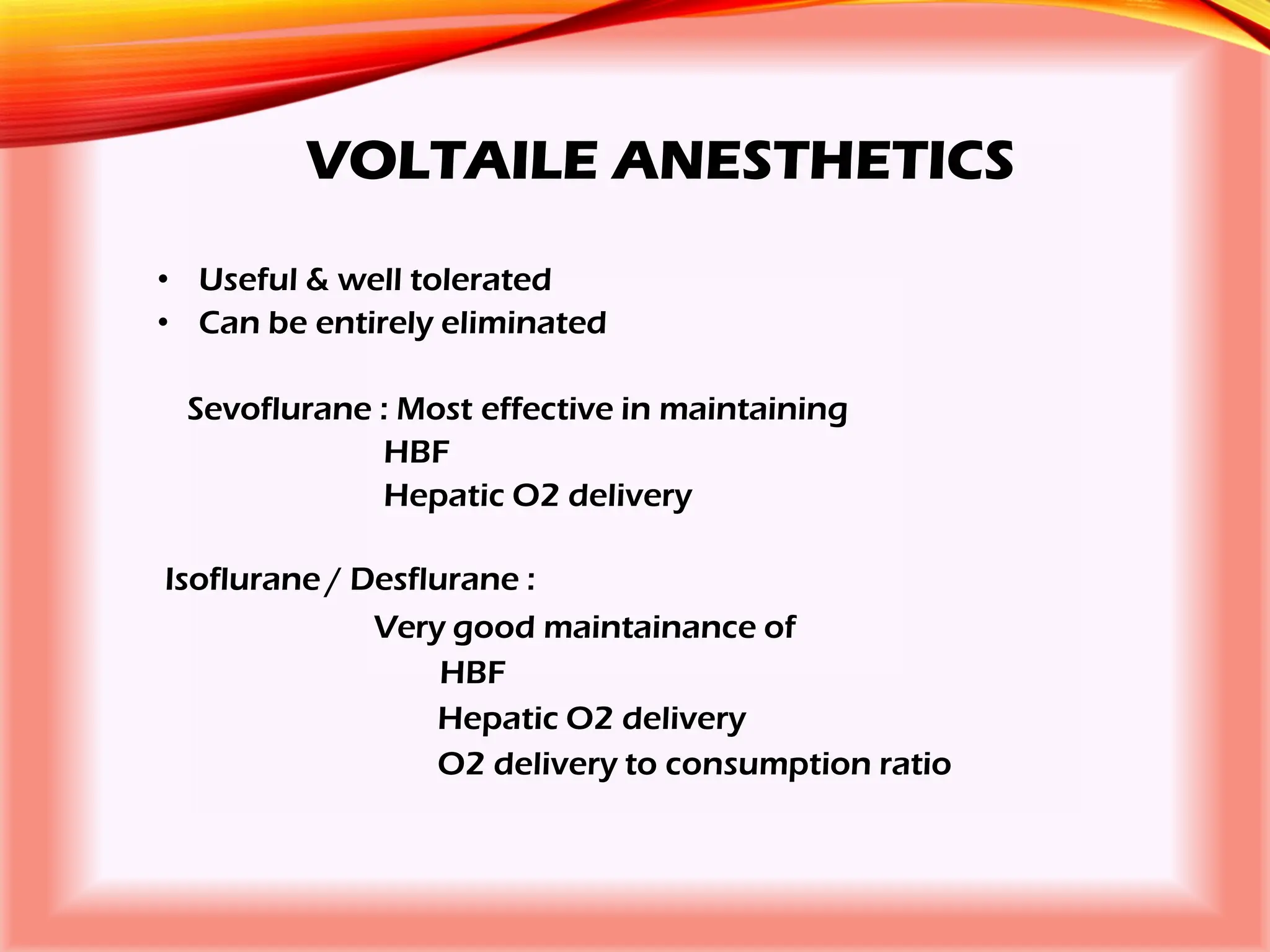
VOLTAILE ANESTHETICS
• Useful & well tolerated
• Can be entirely eliminated
Sevoflurane : Most effective in maintaining
HBF
Hepatic O2 delivery
Isoflurane / Desflurane :
Very good maintainance of
HBF
Hepatic O2 delivery
O2 delivery to consumption ratio
HALOTHANE
Halothane (avoided)
Detrimental reductions in
• Hepatic oxygen delivery
• HBF by alterations in
• Cardiac output
• MAP
• Halothane hepatitis(rare)
XENON
• Considered to be an ideal inhaled anesthetic
• Nonexplosive and nonflammable
• Rapid induction and recovery profiles
• Cardiac stability
• It does not alter HBF
• Does not alter the results of liver function tests
• Animals exposed to xenon : Higher hepatic venous oxygen content levels
• Secondary to a possible reduction of plasma catecholamine levels
• Subsequent reduced hepatic metabolism
Xenon may prove to be an ideal anesthetic relative to hepatic perfusion.
INTRAOPERATIVE CONSIDERATIONS
• IV access using large bore peripheral catheters as
well as central venous access catheters.
• RSI in tense ascites pt –risk of aspiration
• Preventing circulatory collapse by administration of IV
colloid solutions because intravascular volume
re‐equilibrium occurs 6 to 8 hrs after removal of larger
volumes of ascitic fluid.
• Large volumes of colloids/crystalloids maybe given
within a few minutes with the assistance of
commercially available rapid infusion devices.
• Red cell salvage should be facilitated with use of Cell
savers with/without leukocyte filters.
• Blood administration may be associated with
hyperkalemia and hypocalcemia.
• Bleeding during liver surgery could be either
surgical, due to previous or acquired coagulation
disturbances, or both.
• Intraoperative hemostasis panels consisting of INR,
fibrinogen and platelet count, and platelet function
assays for both platelet count and function.
ROLE OF THROMBOELASTOGRAPH
• Thromboelastograph (TEG)‐ useful intraoperative test
for coagulation
• Net effect of pro and anti‐coagulant and pro and anti‐
fibrinolytic factors and the resulting clot tensile
strength.
• Rate ,strength of clot formation and
clot stability/fibrinolysis.
• For detecting intraoperative hypercoagubility.
• TEG facilitate specific goal directed therapy.
• Fibrinolysis ‐ diagnosed on the TEG causing
clinically significant microvascular ooze,small
doses of epsilon aminocaproic acid (EACA) or
tranexamic acid (TA) are suitable antifibrinolytics.
• Factor VII has been used to control massive
bleeding during liver surgery;
THROMBOELASTOGRAPH
• Parameter Interpretation Preferred therapy for
abnormal values
FFP
R R is the time of latency
placed in the TEG® analyzer
until initial fibrin formation
The α‐value measures rapidity
α
of fibrin build up and cross linking
K time is a measure of the
rapidity to reach certain level
of clot strength.
Cryoprecipitate
K
FFP
MA MA, or Maximum Amplitude,
direct function of the maximum
dynamic properties of fibrin
and platelet bonding and represents
the ultimate strength of fibrin clot.
Platelets
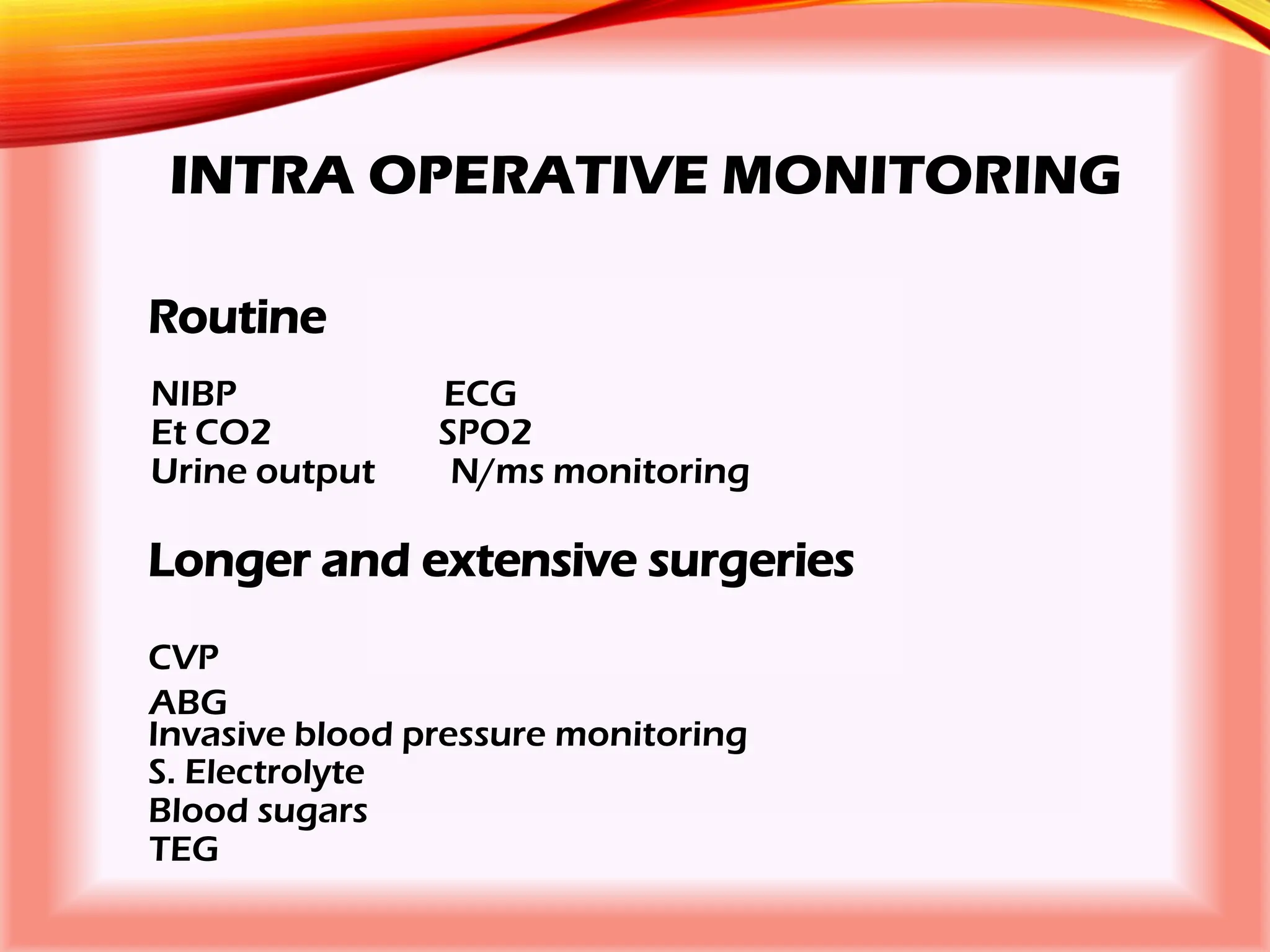
INTRA OPERATIVE MONITORING
Routine
NIBP ECG
Et CO2 SPO2
Urine output N/ms monitoring
Longer and extensive surgeries
CVP
ABG
Invasive blood pressure monitoring
S. Electrolyte
Blood sugars
TEG
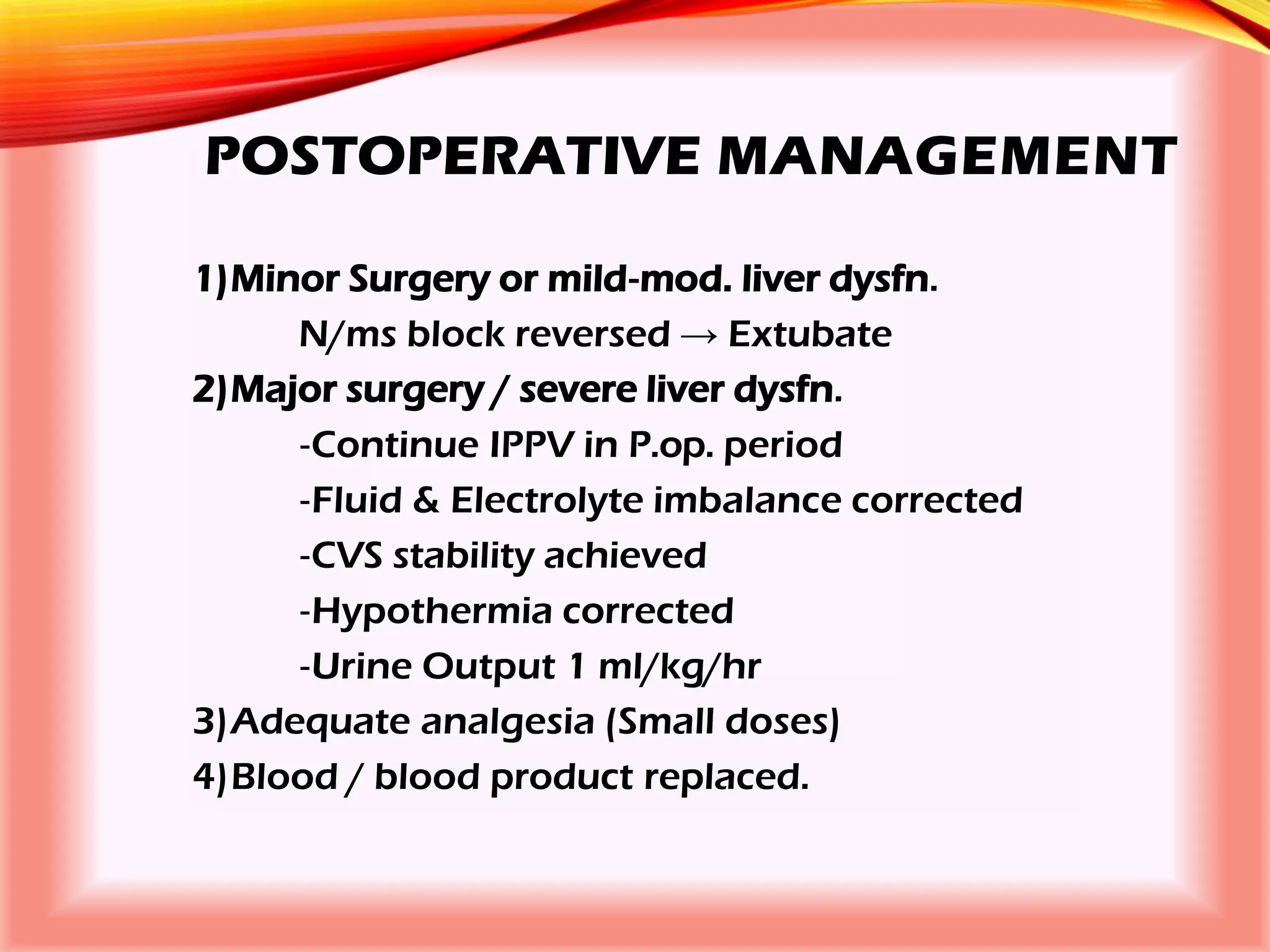
POSTOPERATIVE MANAGEMENT
1)Minor Surgery or mild‐mod. liver dysfn.
N/ms block reversed → Extubate
2)Major surgery / severe liver dysfn.
‐Continue IPPV in P.op. period
‐Fluid & Electrolyte imbalance corrected
‐CVS stability achieved
‐Hypothermia corrected
‐Urine Output 1 ml/kg/hr
3)Adequate analgesia (Small doses)
4)Blood / blood product replaced.
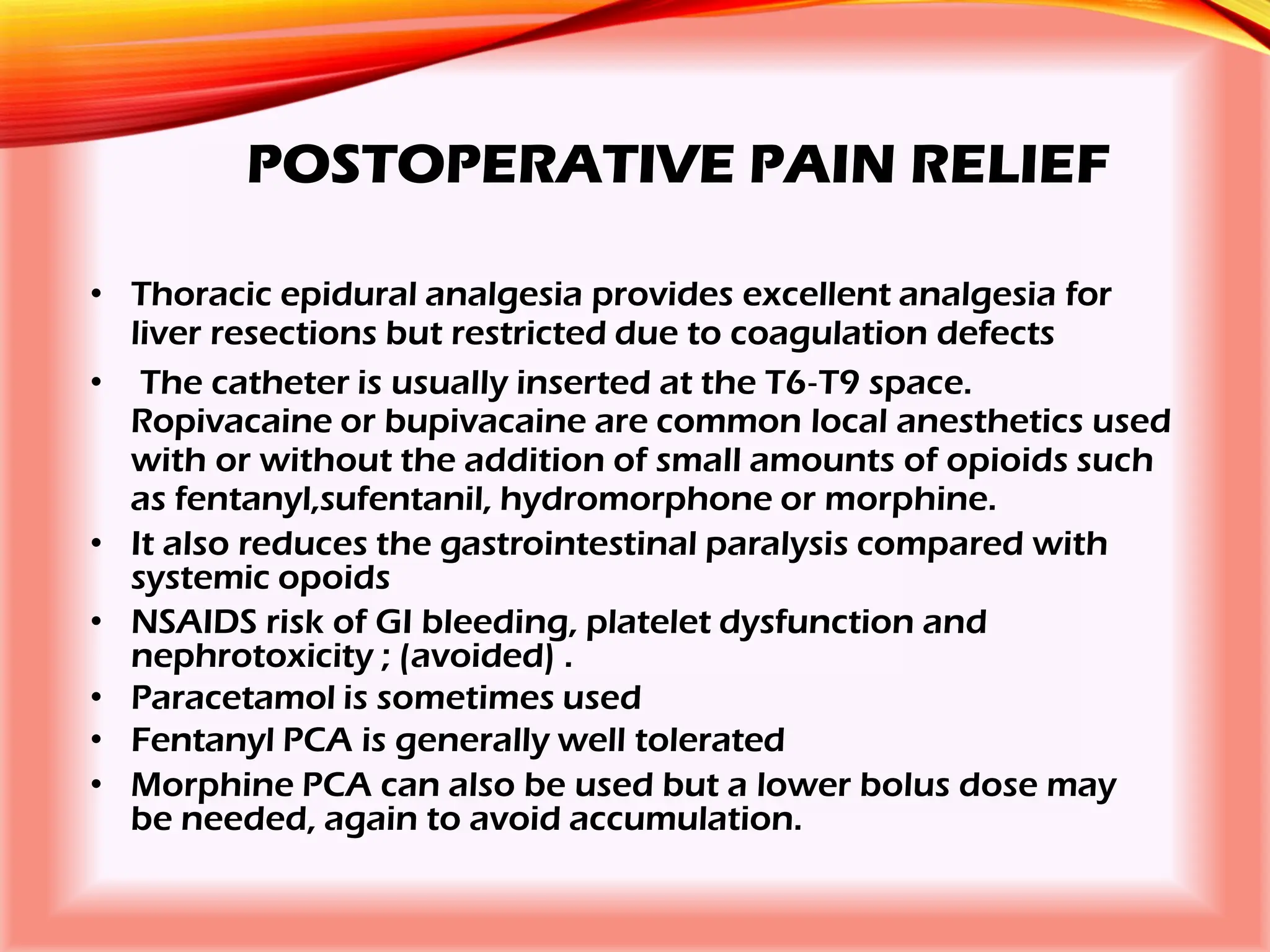
POSTOPERATIVE PAIN RELIEF
• Thoracic epidural analgesia provides excellent analgesia for
liver resections but restricted due to coagulation defects
• The catheter is usually inserted at the T6‐T9 space.
Ropivacaine or bupivacaine are common local anesthetics used
with or without the addition of small amounts of opioids such
as fentanyl,sufentanil, hydromorphone or morphine.
• It also reduces the gastrointestinal paralysis compared with
systemic opoids
• NSAIDS risk of GI bleeding, platelet dysfunction and
nephrotoxicity ; (avoided) .
• Paracetamol is sometimes used
• Fentanyl PCA is generally well tolerated
• Morphine PCA can also be used but a lower bolus dose may
be needed, again to avoid accumulation.
POSTOPERATIVE JAUNDICE
• Incidence < 1%
• Cause –
• Overproduction or under excretion of
bilirubin
• Direct hepatocellular injury
• Extrahepatic obstruction
• Mild < 4mg/dl
• Moderate to Severe > 4mg/dl
CAUSES OF POSTOPERATIVE LIVER
DYSFUNCTION
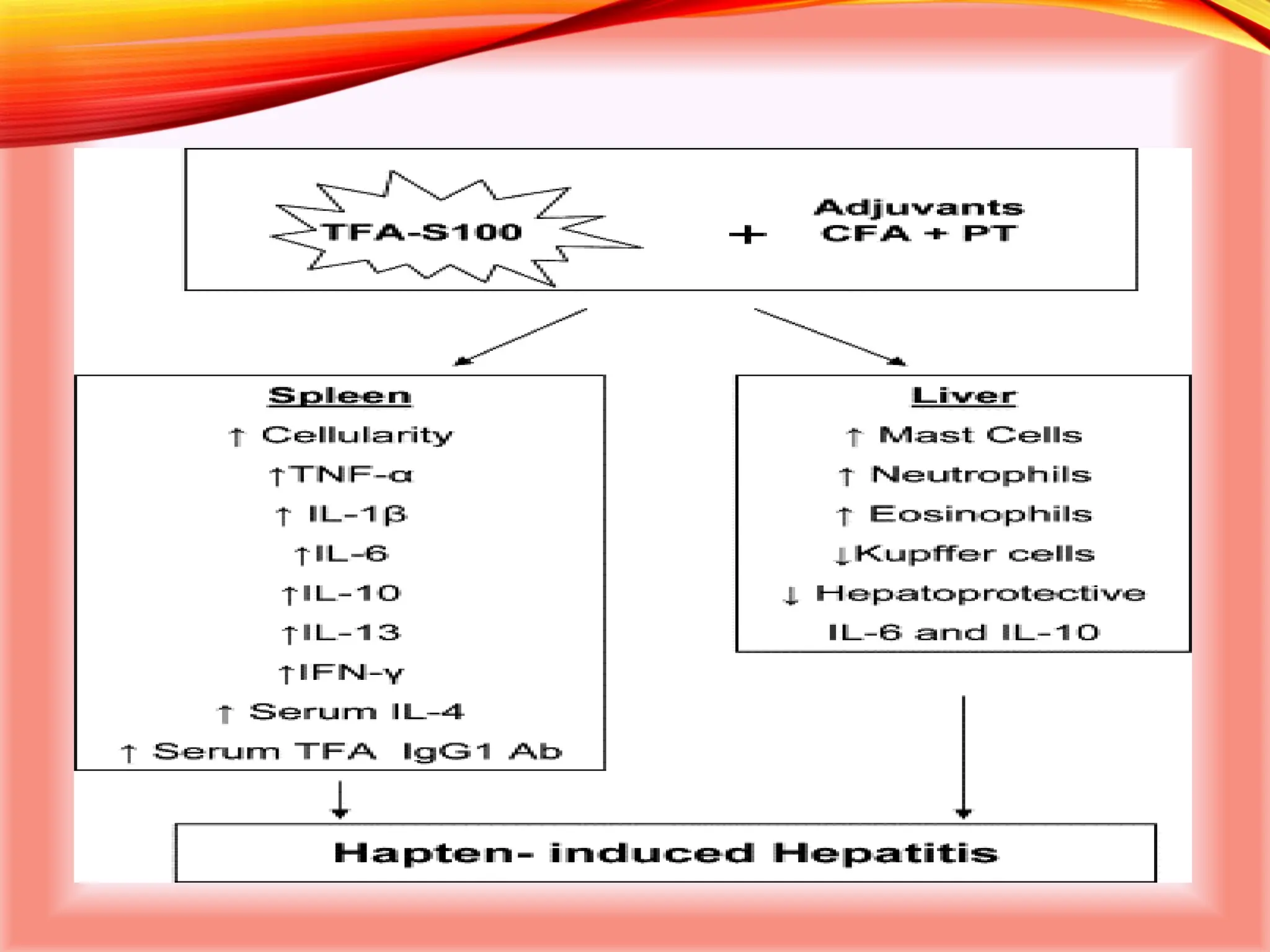
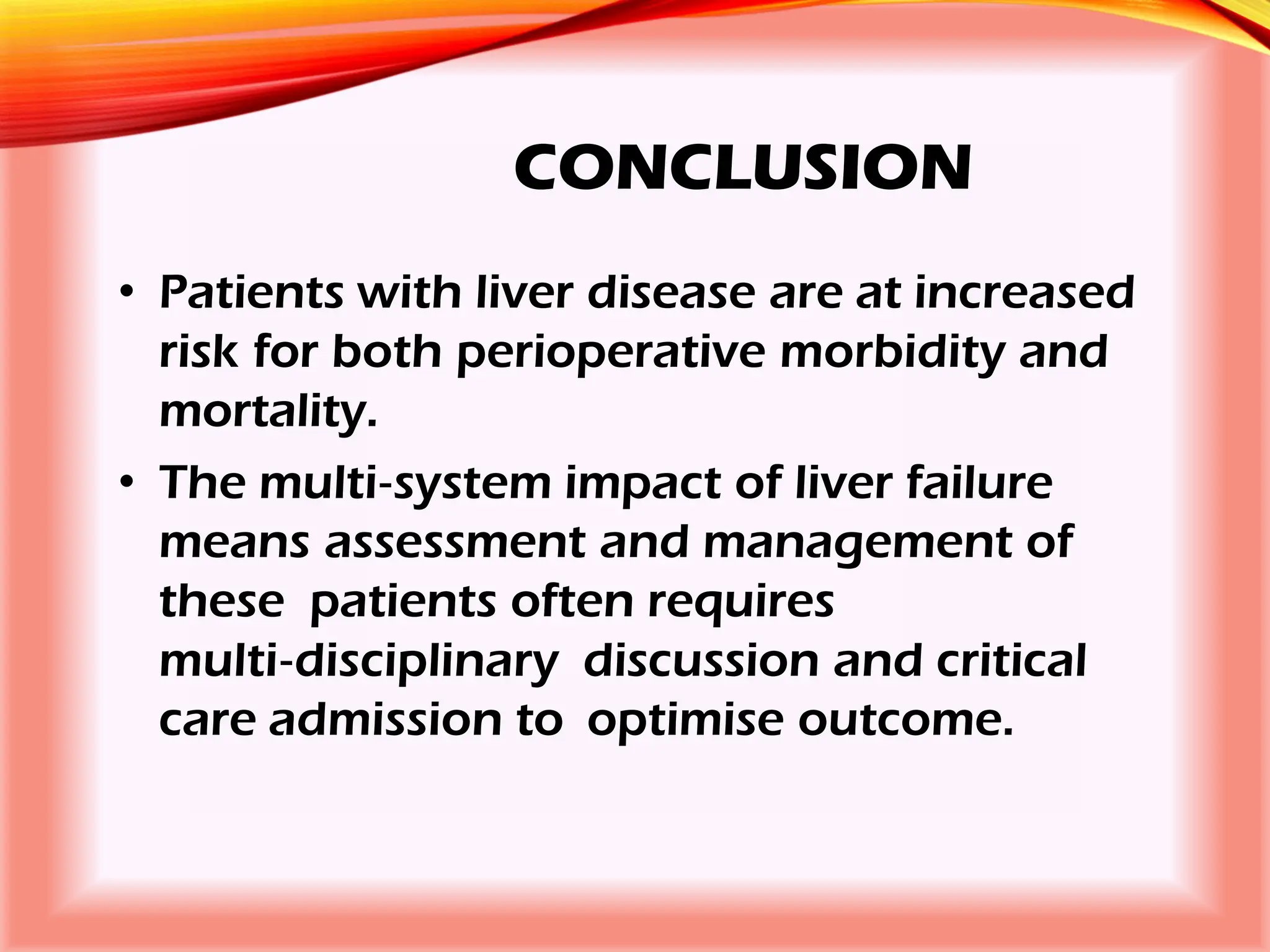
CONCLUSION
• Patients with liver disease are at increased
risk for both perioperative morbidity and
mortality.
• The multi‐system impact of liver failure
means assessment and management of
these patients often requires
multi‐disciplinary discussion and critical
care admission to optimise outcome.
ANAESTHESIA FOR PATIENT WITH LIVER DISEASE.pdf

ANAESTHESIA FOR PATIENT WITH LIVER DISEASE.pdf

  • 1.
  • 2.
    FUNCTIONS OF THELIVER • Metabolic • Synthetic • Immunologic • Regenerative • Homeostatic
  • 3.
  • 4.
    PREOPERATIVE ASSESSMENT OBJECTIVES 1. Assess thetype and degree of liver dysfunction. 2. Type of surgery 3. Assess effect on other system. 4. To ensure – post operative facilities (High risk patient).
  • 5.
    PREOPERATIVE ASSESSMENT HISTORY -Dyspnoea, syncope, bleeding,delerium, effort tolerance CLINICAL EXAMINATION - Blood pressure, pulse, oxygenation, bruising, ascites, orientation, jaundice INVESTIGATIONS
  • 6.
    PREOPERATIVE INVESTIGATIONS A)TO ASSESSGENERAL CONDITION OF PATIENT 1)Haematological • Hb • TLC, DLC • Platelet Count • Clotting factors (PT, PTTk) 2) Metabolic • Serumproteins • Serum glucose • Electrolyte • Urea / Creatinine 3) Cardiorespiratory • Chest X‐ray • ECG • Pulmonary.fn.tests • Blood gases • Echocardiography
  • 7.
    B) TO KNOWTHE PATTERN OF DISEASE ‐ S. Bilirubin ‐ SGOT, SGPT - 90% predictive ‐Alk.phosphatase Single Marker Glutathione S transferase – drug induced Glutamyl transpeptidase – alcohol/drug induced
  • 8.
    C) TO JUDGETHE SYNTHETIC ABILITY OF LIVER Serum albumin– < 2·5 gm% - severe damage Albumin/globulin ratio– reversed. Prothrombin time– > 1·5 sec. Over control – INR - > 1.3 C)OTHER TESTS (DONE ONLY FOR MAJOR SURGERY) - liver biopsy - screening for hepatitis - αfeto protein – Hepatocellular Carcinoma - Antinuclear antibodies – prim. biliary cirrhosis - Copper & Ceruloplasmin level – Wilson's disease - - - Ferritin and transferritin – Haemochromatosis
  • 11.
    CARDIAC ASSESSMENT OFEND STAGE LIVER DISEASE (ESLD) PATIENTS • May develop cirrhotic cardiomyopathy • Increased CO and compromised ventricular response to stress leads to cardiac depression and repolarization abnormalities • Low systemic vascular resistance and bradycardia • Increase QT interval, electrical and mechanical dyschrony ,chronotropic incompetence • Can develop CAD if cardiac risk factors present • Left ventricular outflow tract obstruction (LVOTO)
  • 12.
    ROLE OF ECHO •Preop echo 1. Ventricular function, size 2. Valvular function 3. Pulmonary artery pressure 4. Exclude any LVOTO or pericardial effusion 5. Pulmonary artery systolic pressure calculation
  • 13.
    • TEE and/orpulmonary artery catheterization may be used intraoperatively to allow for real‐ time hemodynamic monitoring and volume management. • Stress testing of ESLD patients can be done to detect CAD. • Coronary angiography is the gold standard for detecting CAD • Rt heart catheterization role to measure PAP, PCWP
  • 14.
    GRADING OF SEVERITYOF DISEASE Mild Hepatic dysfunction ‐ Cl. History + evidence of liver pathology ‐ normal plasma albumin, but enzymes Moderate Hepatic dysfunction ‐ Limited impairment of synthetic function PT not > 2∙5 sec. above normal Plasma albumin at least 3 gm%. Severe hepatic dysfunction ‐ More impairment of synthetic function.
  • 15.
    SURGICAL RISK • Electivesurgery is contraindicated when the patient has acute viral hepatitis, alcoholic hepatitis, fulminant hepatic failure, severe chronic hepatitis, is a Child Pugh C patient or has other manifestations of end stage liver disease. • Two risk stratification schemes developed to assess theperioperative risk of patients with cirrhosis: 1. Modified Child‐ Turcotte ‐Pugh Scoring System 2.The Model of End‐Stage Liver Disease (MELD) score
  • 16.
    MODIFIED CHILD‐ TURCOTTE– PUGH SCORING SYSTEM
  • 18.
    MELD • Objective assessmentin predicting 3‐month mortality 0. 38 X ln (bilirubin mg/dl) + 1.12 X ln (INR) + 0.96 ln (creatinine mg/dl) + 0.64 Best outcomes : MELD score < 14. • For patients with a MELD score of 15‐24 • Clinical judgment • Further discussion with the family and the patient
  • 20.
    PREOPERATIVE APPROACH: PATIENTWITH KNOWN/ SUSPECTED LIVER DISEASE
  • 21.
    PERIOPERATIVE MANAGEMENT PREOPERATIVE PREPARATION (1)Childs Group A – Elective Surgery recommended B – acceptable after correction C – only for emergency (2) Assess hydration status. (3) Correct Anemia / Coagulation / hypoalbuminemia (4) Arrange appropriate blood / blood products. (5) Inform – postoperative complications
  • 22.
    PREMEDICATION ‐ If neuro.status normal –anxiolytic (oral) ‐ oral H2 antagonist ‐ Vit. K (Obst. J) – 10 mg B D X 3 day ‐ If Bilirubin > 8 mg% – Mannitol ‐ 100 ml of 20% 2 hrs preop
  • 23.
    ANAESTHETIC MANAGEMENT GENERAL CONSIDERATIONS Minimizephysiological insult to liver & kidney ‐ Maintain O2 supply – demand relationship in liver. Adequate pulmonary ventilation and CVS fn. ‐ Maintain renal perfusion Avoid Hypotension, hypoproteinemia & hypoxia Meticulous fluid balance Choose appropriate anaesthetic agent Metabolism of drugs + Effect on HBF
  • 24.
    GENERAL ANAESTHESIA Induction agent Thiopentone/ propofol Given in slow tirated dose Avoid hypotension Avoid sympathetic stimulation Propofol : Highly lipid soluble High extraction ratio However kinetic profile similar to normal patients Thiopentone : Low extraction ratio Elimination half life unaltered secondary to increased Vd
  • 25.
    MUSCLE RELAXANTS • DecreasedS. Alb – Increased free drug concentration Drugs with hepatic clearance avoided Vecuronium (low Cl) Rocuronium (low Cl) Pancuronium (High Elim T1/2) Mivacurium (infusion avoided) Atracurium/Cis atracurium –Non specific ester hydrolysis • Succinylcholine – For RSI • After screening for the usual contraindications Prolonged immobility Critical illness Hyperkalemia • Severe liver dysfunction ‐ decreased cholinesterase activity • May prolong the effect of succinylcholine
  • 26.
    OPIOIDS MORPHINE – Reduced metabolism –Prolonged elimination half life – Inc. Bioavailability – Inc. Sedative and Respiratory depressant effects – Administration interval should be increased 1.5‐ to 2‐fold in these patients Meperidine – 50% reduction in clearance – Doubling of the half‐life – In addition, clearance of normeperidine is reduced – Patients with severe liver disease may experience neurotoxicity
  • 27.
    FENTANYL AND SUFENTANIL --No significant change in pharmacokinetics -- Repeated administration or continuous infusions, accumulation may occur and lead to prolonged effects ALFENTANIL -- Shows decrease in plasma clearance -- Half‐life is almost doubled in patients with cirrhosis REMIFENTANIL -- Elimination is unaltered in patients with severe liver disease
  • 28.
    SPASM OF SPHINCTEROF ODDI – Opioids can cause spasm of sphincter of oddi ( Increases common bile duct pressures) – More with morphine, fentanyl, meperidine – Avoided if intraoperative cholangiogram to be done – Treatment Opioid antagonists (naloxone) Smooth msrelaxant (nitroglycerine) Glucagon ‐
  • 29.
    SEDATIVES • Midazolam : •Reduced protein binding and increased free fractions • Reduced clearance in patients with end‐stage liver disease • Produces prolonged elimination half‐lives • Enhanced sedative effect especially after multiple doses or prolonged infusions • Dexmedetomidine • Primarily metabolized in the liver with minimal renal clearance. • Patients with hepatic failure of varying severity have • Decreased clearance • Prolonged half‐lives • Lower bispectral index values Hence dose adjustments indicated
  • 30.
    VOLTAILE ANESTHETICS • Useful& well tolerated • Can be entirely eliminated Sevoflurane : Most effective in maintaining HBF Hepatic O2 delivery Isoflurane / Desflurane : Very good maintainance of HBF Hepatic O2 delivery O2 delivery to consumption ratio
  • 31.
    HALOTHANE Halothane (avoided) Detrimental reductionsin • Hepatic oxygen delivery • HBF by alterations in • Cardiac output • MAP • Halothane hepatitis(rare)
  • 34.
    XENON • Considered tobe an ideal inhaled anesthetic • Nonexplosive and nonflammable • Rapid induction and recovery profiles • Cardiac stability • It does not alter HBF • Does not alter the results of liver function tests • Animals exposed to xenon : Higher hepatic venous oxygen content levels • Secondary to a possible reduction of plasma catecholamine levels • Subsequent reduced hepatic metabolism Xenon may prove to be an ideal anesthetic relative to hepatic perfusion.
  • 35.
    INTRAOPERATIVE CONSIDERATIONS • IVaccess using large bore peripheral catheters as well as central venous access catheters. • RSI in tense ascites pt –risk of aspiration • Preventing circulatory collapse by administration of IV colloid solutions because intravascular volume re‐equilibrium occurs 6 to 8 hrs after removal of larger volumes of ascitic fluid. • Large volumes of colloids/crystalloids maybe given within a few minutes with the assistance of commercially available rapid infusion devices. • Red cell salvage should be facilitated with use of Cell savers with/without leukocyte filters.
  • 36.
    • Blood administrationmay be associated with hyperkalemia and hypocalcemia. • Bleeding during liver surgery could be either surgical, due to previous or acquired coagulation disturbances, or both. • Intraoperative hemostasis panels consisting of INR, fibrinogen and platelet count, and platelet function assays for both platelet count and function.
  • 37.
    ROLE OF THROMBOELASTOGRAPH •Thromboelastograph (TEG)‐ useful intraoperative test for coagulation • Net effect of pro and anti‐coagulant and pro and anti‐ fibrinolytic factors and the resulting clot tensile strength. • Rate ,strength of clot formation and clot stability/fibrinolysis. • For detecting intraoperative hypercoagubility. • TEG facilitate specific goal directed therapy. • Fibrinolysis ‐ diagnosed on the TEG causing clinically significant microvascular ooze,small doses of epsilon aminocaproic acid (EACA) or tranexamic acid (TA) are suitable antifibrinolytics. • Factor VII has been used to control massive bleeding during liver surgery;
  • 38.
    THROMBOELASTOGRAPH • Parameter InterpretationPreferred therapy for abnormal values FFP R R is the time of latency placed in the TEG® analyzer until initial fibrin formation The α‐value measures rapidity α of fibrin build up and cross linking K time is a measure of the rapidity to reach certain level of clot strength. Cryoprecipitate K FFP MA MA, or Maximum Amplitude, direct function of the maximum dynamic properties of fibrin and platelet bonding and represents the ultimate strength of fibrin clot. Platelets
  • 40.
    INTRA OPERATIVE MONITORING Routine NIBPECG Et CO2 SPO2 Urine output N/ms monitoring Longer and extensive surgeries CVP ABG Invasive blood pressure monitoring S. Electrolyte Blood sugars TEG
  • 41.
    POSTOPERATIVE MANAGEMENT 1)Minor Surgeryor mild‐mod. liver dysfn. N/ms block reversed → Extubate 2)Major surgery / severe liver dysfn. ‐Continue IPPV in P.op. period ‐Fluid & Electrolyte imbalance corrected ‐CVS stability achieved ‐Hypothermia corrected ‐Urine Output 1 ml/kg/hr 3)Adequate analgesia (Small doses) 4)Blood / blood product replaced.
  • 42.
    POSTOPERATIVE PAIN RELIEF •Thoracic epidural analgesia provides excellent analgesia for liver resections but restricted due to coagulation defects • The catheter is usually inserted at the T6‐T9 space. Ropivacaine or bupivacaine are common local anesthetics used with or without the addition of small amounts of opioids such as fentanyl,sufentanil, hydromorphone or morphine. • It also reduces the gastrointestinal paralysis compared with systemic opoids • NSAIDS risk of GI bleeding, platelet dysfunction and nephrotoxicity ; (avoided) . • Paracetamol is sometimes used • Fentanyl PCA is generally well tolerated • Morphine PCA can also be used but a lower bolus dose may be needed, again to avoid accumulation.
  • 43.
    POSTOPERATIVE JAUNDICE • Incidence< 1% • Cause – • Overproduction or under excretion of bilirubin • Direct hepatocellular injury • Extrahepatic obstruction • Mild < 4mg/dl • Moderate to Severe > 4mg/dl
  • 44.
    CAUSES OF POSTOPERATIVELIVER DYSFUNCTION
  • 45.
    CONCLUSION • Patients withliver disease are at increased risk for both perioperative morbidity and mortality. • The multi‐system impact of liver failure means assessment and management of these patients often requires multi‐disciplinary discussion and critical care admission to optimise outcome.