 Serves over 400,000 patients annually in
WestTexas and New Mexico
 Includes one main campus and
23 regional health centers
 LevelOneTrauma Center
Considers patient and employee security
a top concern along with providing
optimal medical care
 Launching Communication Plan
 Technology Requirements
 Managing Effectiveness
 Feedback Process
 Address Negative Responses
 Impact on Organizational Change
Communication Needs
 Target Audience
 Frequency of Communication
 Content Providers
 Delivery Channels
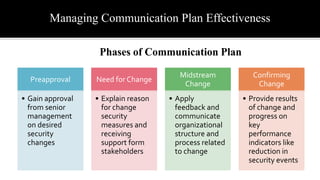
Managing Communication Plan Effectiveness
Preapproval
• Gain approval
from senior
management
on desired
security
changes
Need for Change
• Explain reason
for change
security
measures and
receiving
support form
stakeholders
Midstream
Change
• Apply
feedback and
communicate
organizational
structure and
process related
to change
Confirming
Change
• Provide results
of change and
progress on
key
performance
indicators like
reduction in
security events
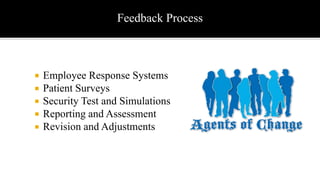
 Employee Response Systems
 Patient Surveys
 Security Test and Simulations
 Reporting and Assessment
 Revision and Adjustments
Feedback Process
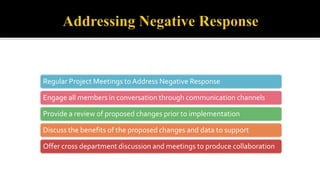
Regular Project Meetings to Address Negative Response
Engage all members in conversation through communication channels
Provide a review of proposed changes prior to implementation
Discuss the benefits of the proposed changes and data to support
Offer cross department discussion and meetings to produce collaboration
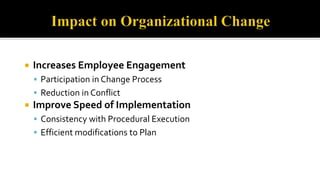
 Increases Employee Engagement
 Participation in Change Process
 Reduction in Conflict
 Improve Speed of Implementation
 Consistency with Procedural Execution
 Efficient modifications to Plan
 UMC Change
 Improved hospital security
 Reduce security occurrences
 Implement improved technology
 Increase employee engagement
 Provide a safe environment for
employees and patients
 Communication Plan Support
 Provide relevant data to
stakeholders
 Create awareness and reduce
inconsistency
 Provide method for discussion and
compromise
 Create efficient flow of information
from content providers and all staff
References
Inter-Con Security Systems, Inc.. (2015).Technology &
Communications. Retrieved from
http://icsecurity.com/sectors/technology-and-communications
Tupper, C., Deszca, G., & Cynthia, I. (2012). Organizational Change: An
action oriented toolkit (2nd ed.). Retrieved fromThe University
of Phoenix eBook Collection database.

AET/560 communication plan

  • 1.
     Serves over400,000 patients annually in WestTexas and New Mexico  Includes one main campus and 23 regional health centers  LevelOneTrauma Center Considers patient and employee security a top concern along with providing optimal medical care
  • 2.
     Launching CommunicationPlan  Technology Requirements  Managing Effectiveness  Feedback Process  Address Negative Responses  Impact on Organizational Change
  • 3.
    Communication Needs  TargetAudience  Frequency of Communication  Content Providers  Delivery Channels
  • 5.
    Managing Communication PlanEffectiveness Preapproval • Gain approval from senior management on desired security changes Need for Change • Explain reason for change security measures and receiving support form stakeholders Midstream Change • Apply feedback and communicate organizational structure and process related to change Confirming Change • Provide results of change and progress on key performance indicators like reduction in security events
  • 6.
     Employee ResponseSystems  Patient Surveys  Security Test and Simulations  Reporting and Assessment  Revision and Adjustments Feedback Process
  • 7.
    Regular Project Meetingsto Address Negative Response Engage all members in conversation through communication channels Provide a review of proposed changes prior to implementation Discuss the benefits of the proposed changes and data to support Offer cross department discussion and meetings to produce collaboration
  • 8.
     Increases EmployeeEngagement  Participation in Change Process  Reduction in Conflict  Improve Speed of Implementation  Consistency with Procedural Execution  Efficient modifications to Plan
  • 9.
     UMC Change Improved hospital security  Reduce security occurrences  Implement improved technology  Increase employee engagement  Provide a safe environment for employees and patients  Communication Plan Support  Provide relevant data to stakeholders  Create awareness and reduce inconsistency  Provide method for discussion and compromise  Create efficient flow of information from content providers and all staff
  • 10.
    References Inter-Con Security Systems,Inc.. (2015).Technology & Communications. Retrieved from http://icsecurity.com/sectors/technology-and-communications Tupper, C., Deszca, G., & Cynthia, I. (2012). Organizational Change: An action oriented toolkit (2nd ed.). Retrieved fromThe University of Phoenix eBook Collection database.

Editor's Notes

  • #3 A communication plan is an effective tool for delivering important content to members of an organization. An effective communication plan address specific needs of the organization and manages the challenges that exist among different departments and employees. The following communication plan will address the needs related to the organizational change planned for UMC and its improvement in safety throughout its locations. The key elements of the communication plan will include the launch of the plan, technology requirements, managing effectiveness, feedback process, addressing negative response and the impact on the organizational change. The development of this plan will help to ensure the organization achieves its desired results and the employees and members of the organization have sufficient information to execute the corporate strategies.
  • #4  The UMC organization focus is to improve the safety of its facilities by preventing security attacks through improve security measures. The plan to improve the organizations security involves several behavioral adjustments and company processes. Providing the company employees and supportive agencies with sufficient information and regular updates is vital to the success of the organization change. The communication will work to provide a streamline method for supporting all departments. The key areas the Communication plan will focus on includes the needs such as the target audience, frequency of communication, content providers and delivery channels. The target audience will include all security staff, training departments, and all employee personnel that works on a UMC location. Depending on the type of communication, content will need to be delivered daily, weekly, monthly, and quarterly. Content providers will include security personnel, project coordinators, and supporting agencies in the community that may disperse information related to local events. Appropriate delivery channels include verbal, technology based, and written content.
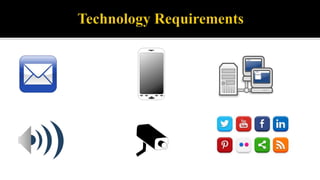
  • #5 University Medical Center (UMC) is a public, non-profit hospital located in and owned by Lubbock County, and the many branches and offices spread across the South Plains region work together to provide optimal patient care. Therefore, it is important for the communication systems to be interconnected and provide sufficient information to meet the needs of broad communication (Inter-Con Security Systems, Inc., 2015). The support of each facility to share content and provide up to date communications will support the implementation of new security processes. An increased amount of video and audio surveillance at each of their facilities will help to provide additional eyes for security staff to respond and prevent security threats.
  • #6 The phases of a communication help to define appropriate steps towards managing effectiveness. The phases include preapproval, need for change, midstream change, and confirming change (Tupper, Deszca, & Cynthia, 2012, p. 320). UMC identified the recent security events across the nation as a motivating factor for implementing change which fulfilled the preapproval phase. Conducting research and assessing appropriate change needs help to fulfill the need for change phase. During the implementation and development of the security changes as well as communication process, UMC will continue to provide and seek feedback from patients to make the necessary adjustments. The final phase will include recognition of the reduction in security events and improved safety for employees and patients.
  • #7 The feedback process of the communication plan is an important step to determine what change is working and how improvements can continue to be made. The employee response system for UMC will involve communication channels through intranet, written communcation, verbal discussions at project meetings, and other communication channels. Conducting client surveys and regular security test and simulations will provide valuable data on the progress of security initiatives. The delivery of results form these process will keep the change top of mind for all team members and continue to reinforce the need for execution of the change procedures designed by employees and corporate leaders. A reporting tool such as a balance scorecard will help to identify adjustments that need to be made and display areas of success.
  • #8 During a process of change regular communication is vital to the success of the proposed plan. Communication to each party that is affected by the changes can help to reduce the conflict and dissatisfaction that may occur because of the implemented process. The plan for UMC will include an employee feedback line that can be communicated using the company intranet, phone, email, or discussed in project meetings. Although the negative responses may not result in change in process, it is an opportunity to address concerns and explain the reason behind the change. Increased awareness of the importance of security and the follow up on desired improvements maintains engagement among frontline team members and middle managers that often have little voice in the process. Communication between all increase engagement and reduces friction.
  • #9 The effectiveness of a the communication plan for UMC will have a large influence on the effectiveness of the change plan. The delivery of information to all stakeholders plays an important role in the overall engagement of team members. In addition, the increased awareness of key performance indicators can help to reinforce behaviors while also identify additional areas of change. Regular reminders and recognition through communication channels provide people with the opportunity to gain recognition and maintain a high level of productivity. Although the plan has to be effective, the delivery through a communication plan can have a large influence on the results of the change desired.
  • #10 The role of a communication plan is to support change and maintain a fluid flow of information between corporate executives designing change and frontline team members implementing change. UMC’s desire to improve security involves the adjustment to several company policies, procedures, and employee roles. Therefore the creation of the communication plan will help the company to maintain consistency and reduce the negative responses to proposed change. As the company continues to gather data, adjustments and improvements to the communication plan will enhance the productivity of the change and help the company to achieve its goals of improved safety.