Using a DevelopmentalUsing a Developmental
Approach to EvaluatingApproach to Evaluating
Innovative ExtensionInnovative Extension
ProgramsPrograms
Kathleen Kelsey, Grape CoP
Oklahoma State University
Sarah Baughman, Network Literacy CoP
eXtension
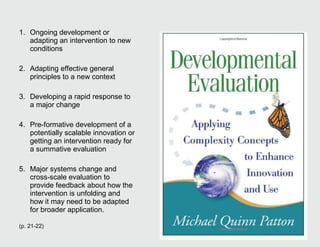
1. Ongoing development or
adapting an intervention to new
conditions
2. Adapting effective general
principles to a new context
3. Developing a rapid response to
a major change
4. Pre-formative development of a
potentially scalable innovation or
getting an intervention ready for
a summative evaluation
5. Major systems change and
cross-scale evaluation to
provide feedback about how the
intervention is unfolding and
how it may need to be adapted
for broader application.
(p. 21-22)
PlanningPlanning
Why Developmental Approach?Why Developmental Approach?
Grapes
• Collaborative approach of
community of practice
• Exploration of what is being
developed and what is
emerging
• Sustainability or what’s next
Network Literacy
• CoP leaders looking for a
more “flexible” evaluation
process that allowed for
outcomes to emerge and
change
• Ultimately looking for system
change
• Social media significant part
of programming requiring
rapid response
Finding an EvaluatorFinding an Evaluator
Why Us?Why Us?
Grapes Network Literacy
• Staff evaluator for larger
MFLN
• Willingness to try different
approach
Working with the evaluatorsWorking with the evaluators
Data CollectionData Collection
ReportingReporting
Grapes
• Informal
• Continuous
• Included formal annual
reports for grant
Network Literacy
• Combination of informal
reporting through
conversations with
leadership team
• Formal reporting to MFLN
and Department of Defense
on monthly basis
Cycling Lessons LearnedCycling Lessons Learned
• Critical friend role
Network Literacy
• Incorporates the informal
and formal reporting into
leadership team work
• Challenge to get
membership and leadership
of CoP to take action
• Heavy investment of time
and effort
Where we are now and what weWhere we are now and what we
might changemight change
• Year 3 for Grape CoP, year 2 for
Network Literacy
• NetLit still emerging based partly on
challenges reaching target DoD
audience
• Grapes ready to begin formative
evaluation

Using a Developmental Approach to Evaluating Innovative Extension Programs

  • 1.
    Using a DevelopmentalUsinga Developmental Approach to EvaluatingApproach to Evaluating Innovative ExtensionInnovative Extension ProgramsPrograms Kathleen Kelsey, Grape CoP Oklahoma State University Sarah Baughman, Network Literacy CoP eXtension
  • 2.
    1. Ongoing developmentor adapting an intervention to new conditions 2. Adapting effective general principles to a new context 3. Developing a rapid response to a major change 4. Pre-formative development of a potentially scalable innovation or getting an intervention ready for a summative evaluation 5. Major systems change and cross-scale evaluation to provide feedback about how the intervention is unfolding and how it may need to be adapted for broader application. (p. 21-22)
  • 4.
    PlanningPlanning Why Developmental Approach?WhyDevelopmental Approach? Grapes • Collaborative approach of community of practice • Exploration of what is being developed and what is emerging • Sustainability or what’s next Network Literacy • CoP leaders looking for a more “flexible” evaluation process that allowed for outcomes to emerge and change • Ultimately looking for system change • Social media significant part of programming requiring rapid response
  • 5.
    Finding an EvaluatorFindingan Evaluator Why Us?Why Us? Grapes Network Literacy • Staff evaluator for larger MFLN • Willingness to try different approach
  • 6.
    Working with theevaluatorsWorking with the evaluators
  • 7.
  • 8.
    ReportingReporting Grapes • Informal • Continuous •Included formal annual reports for grant Network Literacy • Combination of informal reporting through conversations with leadership team • Formal reporting to MFLN and Department of Defense on monthly basis
  • 9.
    Cycling Lessons LearnedCyclingLessons Learned • Critical friend role Network Literacy • Incorporates the informal and formal reporting into leadership team work • Challenge to get membership and leadership of CoP to take action • Heavy investment of time and effort
  • 10.
    Where we arenow and what weWhere we are now and what we might changemight change • Year 3 for Grape CoP, year 2 for Network Literacy • NetLit still emerging based partly on challenges reaching target DoD audience • Grapes ready to begin formative evaluation

Editor's Notes

  • #3 Patton suggests five potential uses of developmental evaluation Describe the context – why we choose a developmental approach for our evals. Kathleen focused on #3 for grapes Sarah focused on #5 for network literacy as their goal is to truly change how people work and one of the overal questions is how this is impacting the system.
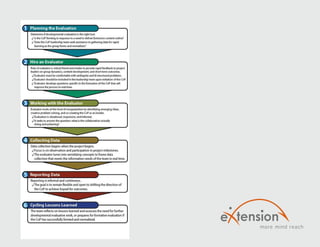
  • #4 Proposed model for developmental evaluation. Kathleen can discuss overall model.
  • #7 Sarah – this is where the rubber hits the road and my challenges really emerged – CoP leadership wanted and went looking for a different kind of evaluation but once we got the project started it was difficulty to get folks to fully participate. Work closely with the leadership and constantly bringing data / information to them which they are receptive of but getting some action is challenging. We are still in formative phase. Kathleen discuss her process.
  • #8 Each discuss our data collection processes. Sarah with netlit See as a constant looping rather than a linear process – social media data is critical and regularly monitored and fed back to the leadership team. To bein to get a sense of what is being developed held reflective practice sessions to leading to questions for the membership so conducted focus groups. Information analyzed, shared and turned into recommended actions. Team is working on next steps