Advertising techniques
These techniques make some 
claims of superiority and 
effectiveness for the product 
being advertized. 
Advertisers use one of the 
following techniques in the 
. text of their advertisement
THE WEASEL WORDS. 1 
These words are often misleading and seem 
to say one thing but are sufficiently vague as 
. to offer no proof 
:Some commonly weasel words are 
….like – acts – works – can be – fights
. It helps to control dandruff 
For example, people think 
[. [help] means [stop
THE UNFINISHED COPARISON. 2 
The unfinished comparison is a 
technique by which the ad claims 
the product is better, or has more of 
something, but does not finish the 
.comparison
!!!!!It gets your teeth whiter 
But whiter than 
?what
THE "WE'RE DIFFERENT AND . 3 
UNIQUE" CLAIM 
This kind of ad states that there 
is nothing else quite like the 
product being advertised. The 
uniqueness claim is supposed to 
be interpreted by readers as a 
. claim to superiority
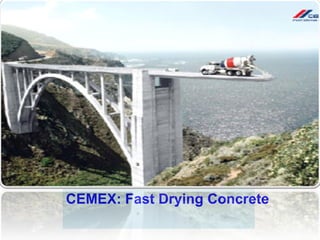
CEMEX: Fast Drying Concrete
THE "WATER IS WET" CLAIM. 4 
This kind of ad says something about 
the product that is true for any 
brand in that product category. 
This claim is usually a statement of 
fact but not a real advantage over 
. other brands
Skin . smells differently on every one 
!As do many perfumes
THE "SO WHAT" CLAIM. 5 
This is the kind of claim to which the careful 
reader will react by saying "So What?" A 
claim is made which is true but which gives 
no real advantage to the product. This is 
similar to the "water is wet" claim except 
that it claims an advantage which is not 
shared by most of the other brands in the 
. product category
This pet food . contains more phosphor 
!It may be true but pets don’t need more phosphor
THE VAGUE WORDS. 6 
The vague claim is simply not clear. This 
category often overlaps with others. 
The key to the vague claim is the use of 
words that are colorful but 
meaningless, as well as the use of 
subjective and emotional opinions that 
are hard to verify. Most contain 
.weasels
Winston taste good . like a cigarette should
THE SCIENTIFIC OR STATISTICAL EVIDENCE. 8 
This kind of ad uses some sort of 
scientific proof or experiment, very 
specific numbers, or objective 
factual information to prove the 
. product is quality or validity
"THE "THE CONSUMER COMPLIMENTING. 8 
This kind of claim butters up the 
.consumer by some form of flattery
THE 
LADY 
HAS 
!TASTE
THE RHETORICAL QUESTION. 9 
This technique demands a response 
from the audience. A question is 
asked and the viewer or listener is 
supposed to answer in such a way 
.as to affirm the product's goodness
Shouldn't your family be 
?drinking Hawaiian Punch
THE PROBLEM AND SOLUTION.10 
This technique of advertising 
assumes that the reader is in need 
of advice. A question is posed and 
.then a solution is offered
? Feeding friends 
!Relax

Advertising techniques

  • 1.
  • 2.
    These techniques makesome claims of superiority and effectiveness for the product being advertized. Advertisers use one of the following techniques in the . text of their advertisement
  • 3.
    THE WEASEL WORDS.1 These words are often misleading and seem to say one thing but are sufficiently vague as . to offer no proof :Some commonly weasel words are ….like – acts – works – can be – fights
  • 4.
    . It helpsto control dandruff For example, people think [. [help] means [stop
  • 5.
    THE UNFINISHED COPARISON.2 The unfinished comparison is a technique by which the ad claims the product is better, or has more of something, but does not finish the .comparison
  • 6.
    !!!!!It gets yourteeth whiter But whiter than ?what
  • 7.
    THE "WE'RE DIFFERENTAND . 3 UNIQUE" CLAIM This kind of ad states that there is nothing else quite like the product being advertised. The uniqueness claim is supposed to be interpreted by readers as a . claim to superiority
  • 8.
  • 9.
    THE "WATER ISWET" CLAIM. 4 This kind of ad says something about the product that is true for any brand in that product category. This claim is usually a statement of fact but not a real advantage over . other brands
  • 10.
    Skin . smellsdifferently on every one !As do many perfumes
  • 11.
    THE "SO WHAT"CLAIM. 5 This is the kind of claim to which the careful reader will react by saying "So What?" A claim is made which is true but which gives no real advantage to the product. This is similar to the "water is wet" claim except that it claims an advantage which is not shared by most of the other brands in the . product category
  • 12.
    This pet food. contains more phosphor !It may be true but pets don’t need more phosphor
  • 13.
    THE VAGUE WORDS.6 The vague claim is simply not clear. This category often overlaps with others. The key to the vague claim is the use of words that are colorful but meaningless, as well as the use of subjective and emotional opinions that are hard to verify. Most contain .weasels
  • 14.
    Winston taste good. like a cigarette should
  • 15.
    THE SCIENTIFIC ORSTATISTICAL EVIDENCE. 8 This kind of ad uses some sort of scientific proof or experiment, very specific numbers, or objective factual information to prove the . product is quality or validity
  • 17.
    "THE "THE CONSUMERCOMPLIMENTING. 8 This kind of claim butters up the .consumer by some form of flattery
  • 18.
    THE LADY HAS !TASTE
  • 19.
    THE RHETORICAL QUESTION.9 This technique demands a response from the audience. A question is asked and the viewer or listener is supposed to answer in such a way .as to affirm the product's goodness
  • 20.
    Shouldn't your familybe ?drinking Hawaiian Punch
  • 21.
    THE PROBLEM ANDSOLUTION.10 This technique of advertising assumes that the reader is in need of advice. A question is posed and .then a solution is offered
  • 22.