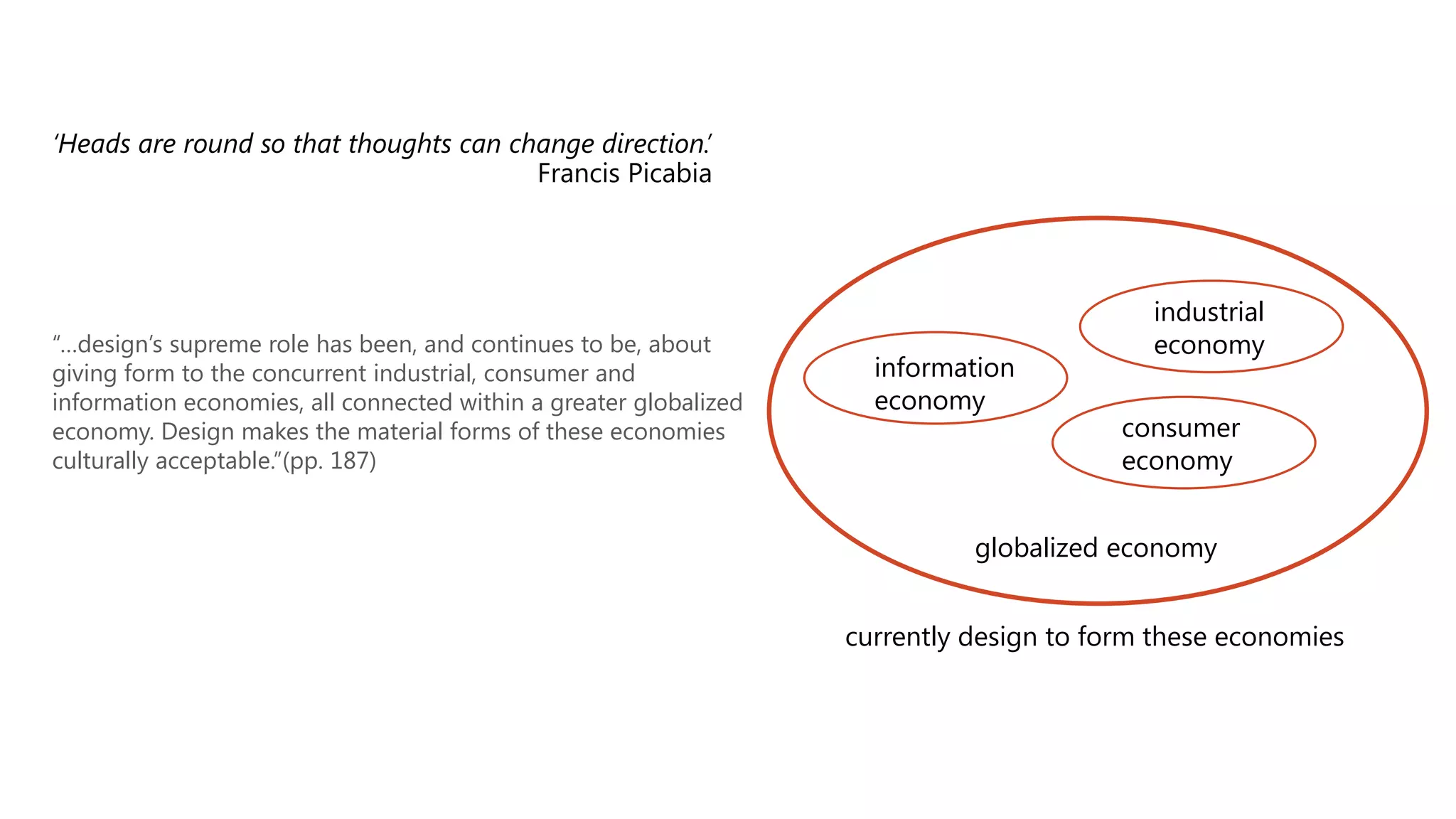
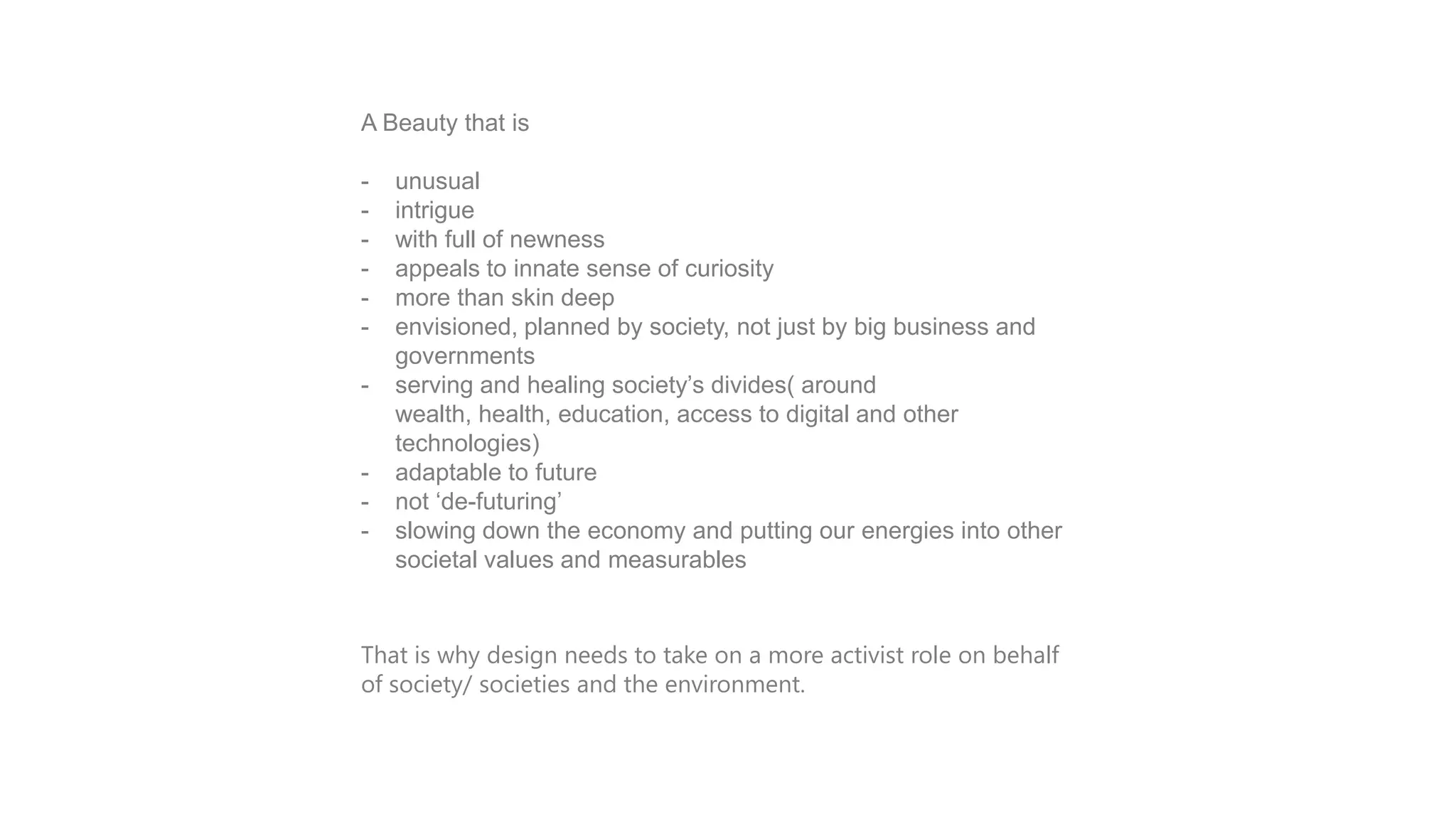
1) The document discusses how design has traditionally focused on giving form to industrial, consumer, and information economies within a globalized system, but that a new vision is needed where design takes a more activist role on behalf of society and the environment.
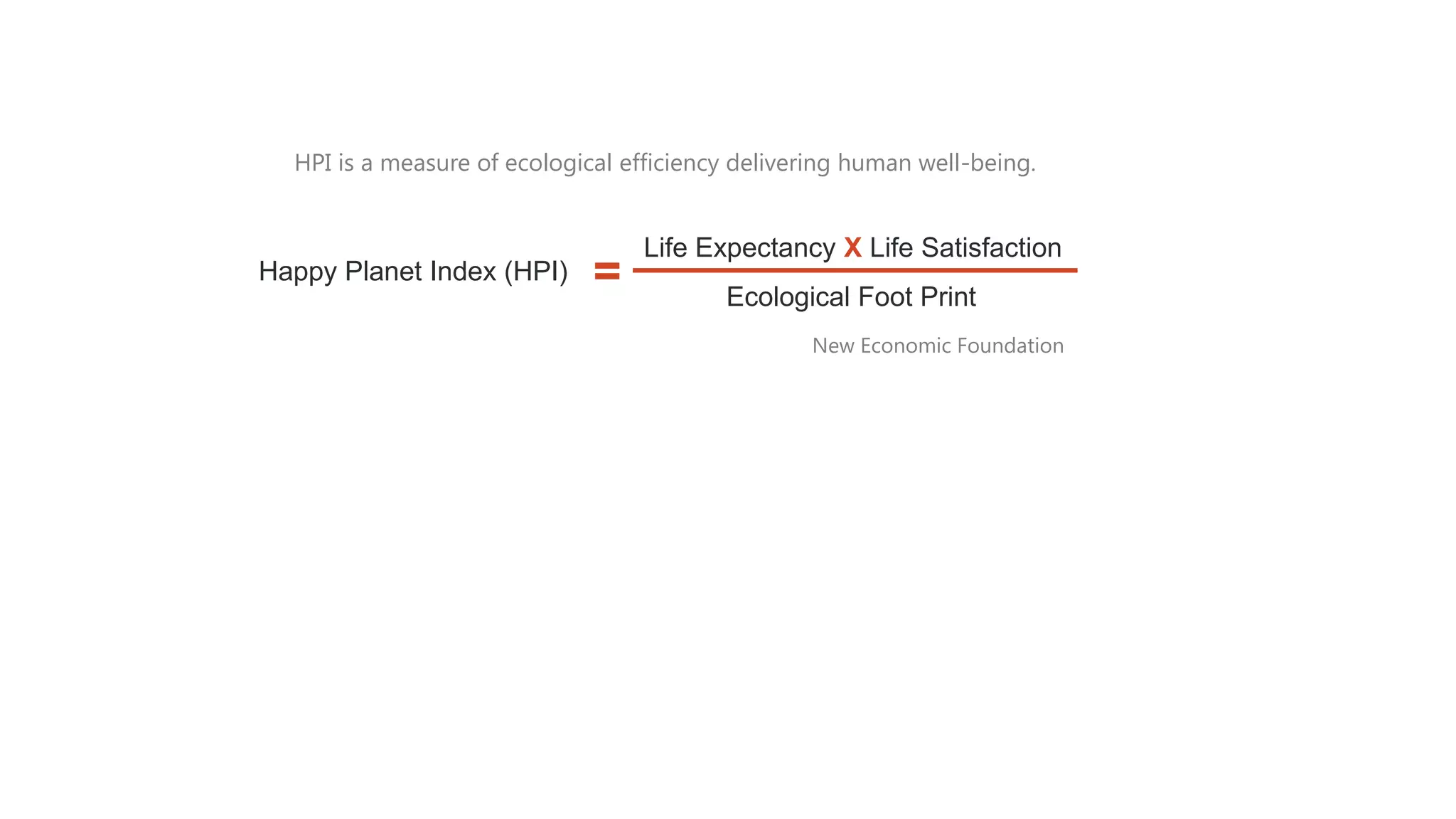
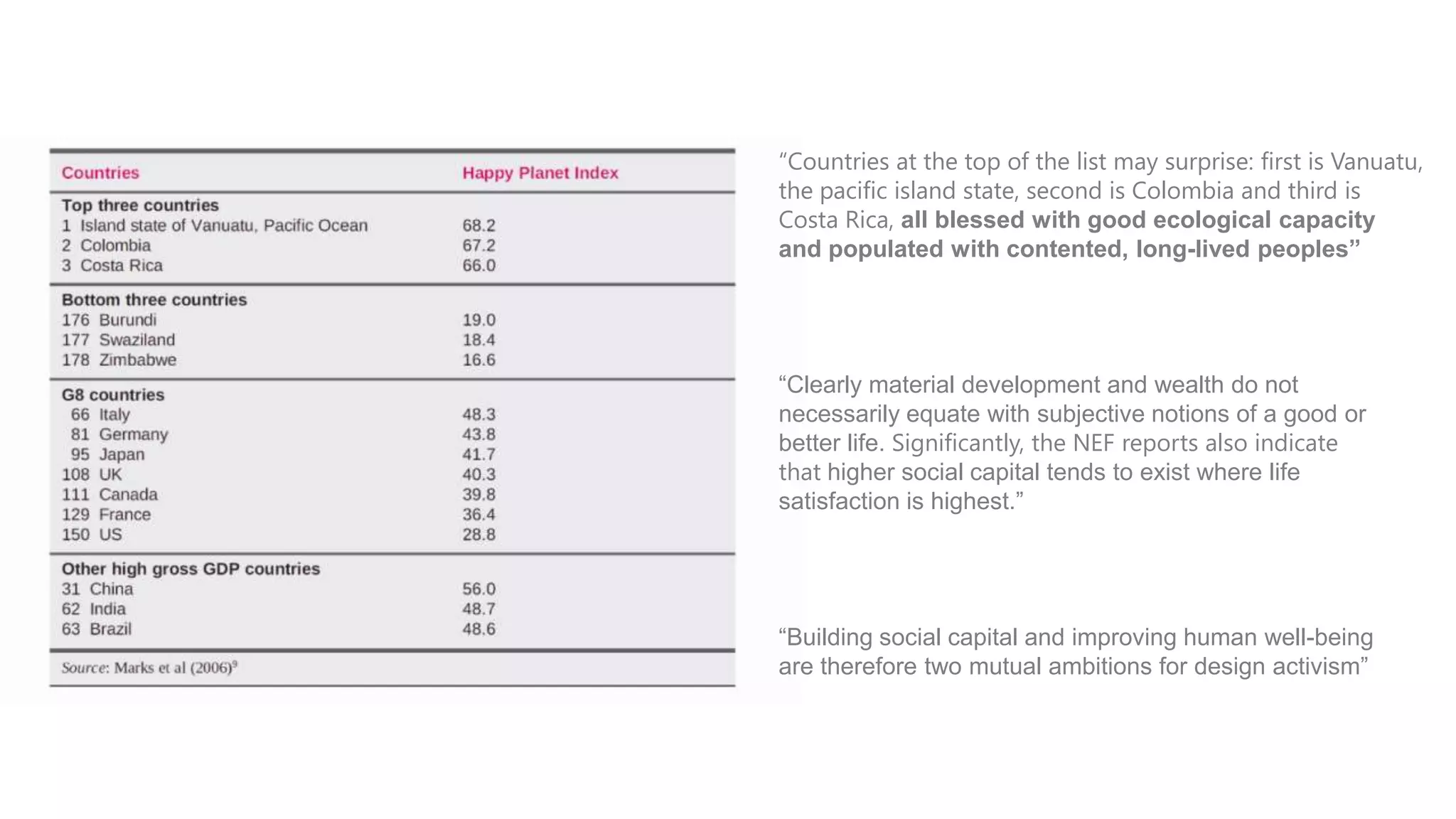
2) It proposes measuring societal success and well-being through concepts like the Happy Planet Index, which considers life expectancy, life satisfaction, and ecological footprint. Countries that top these rankings often surprise by prioritizing community and environment over wealth.
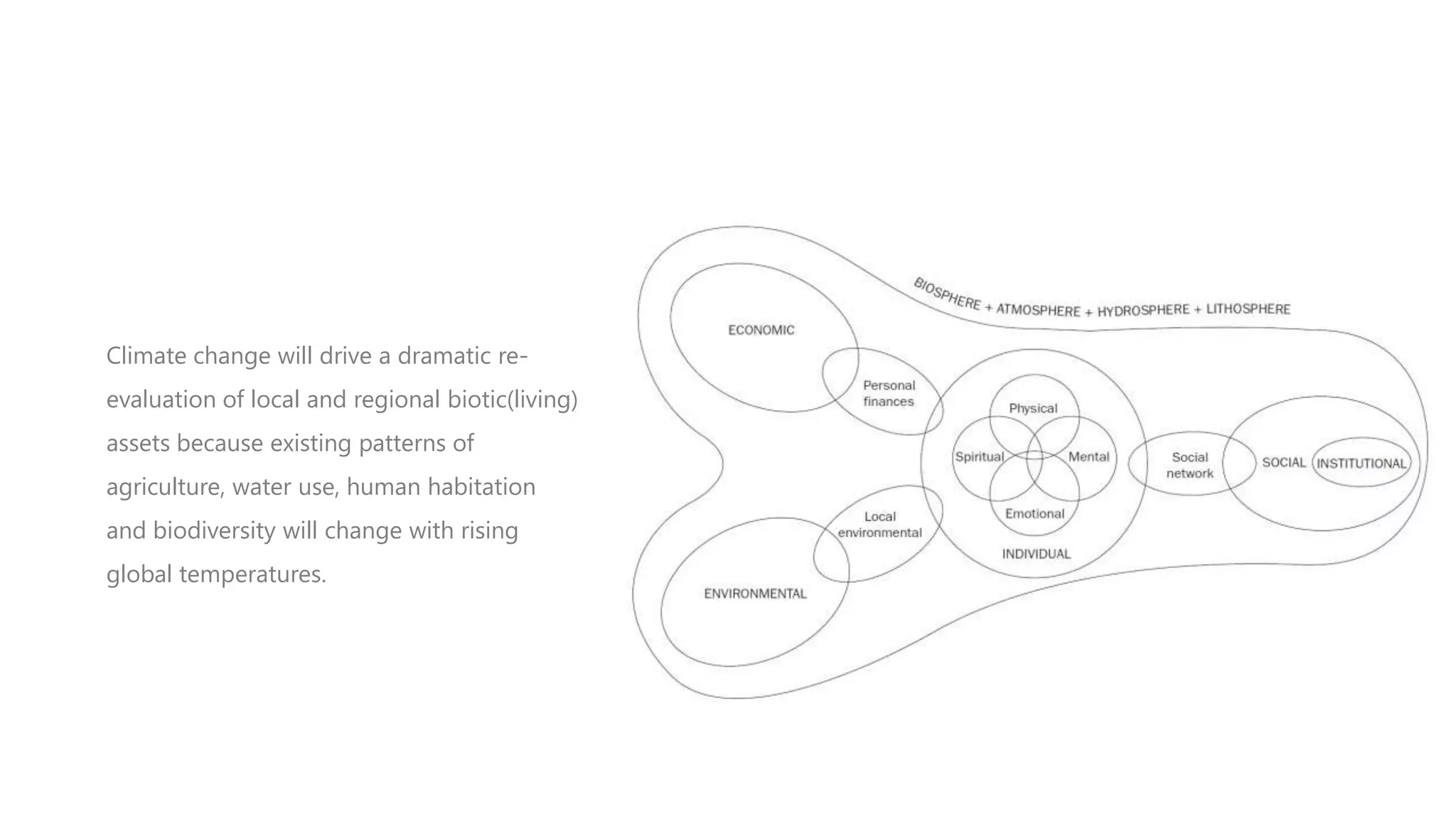
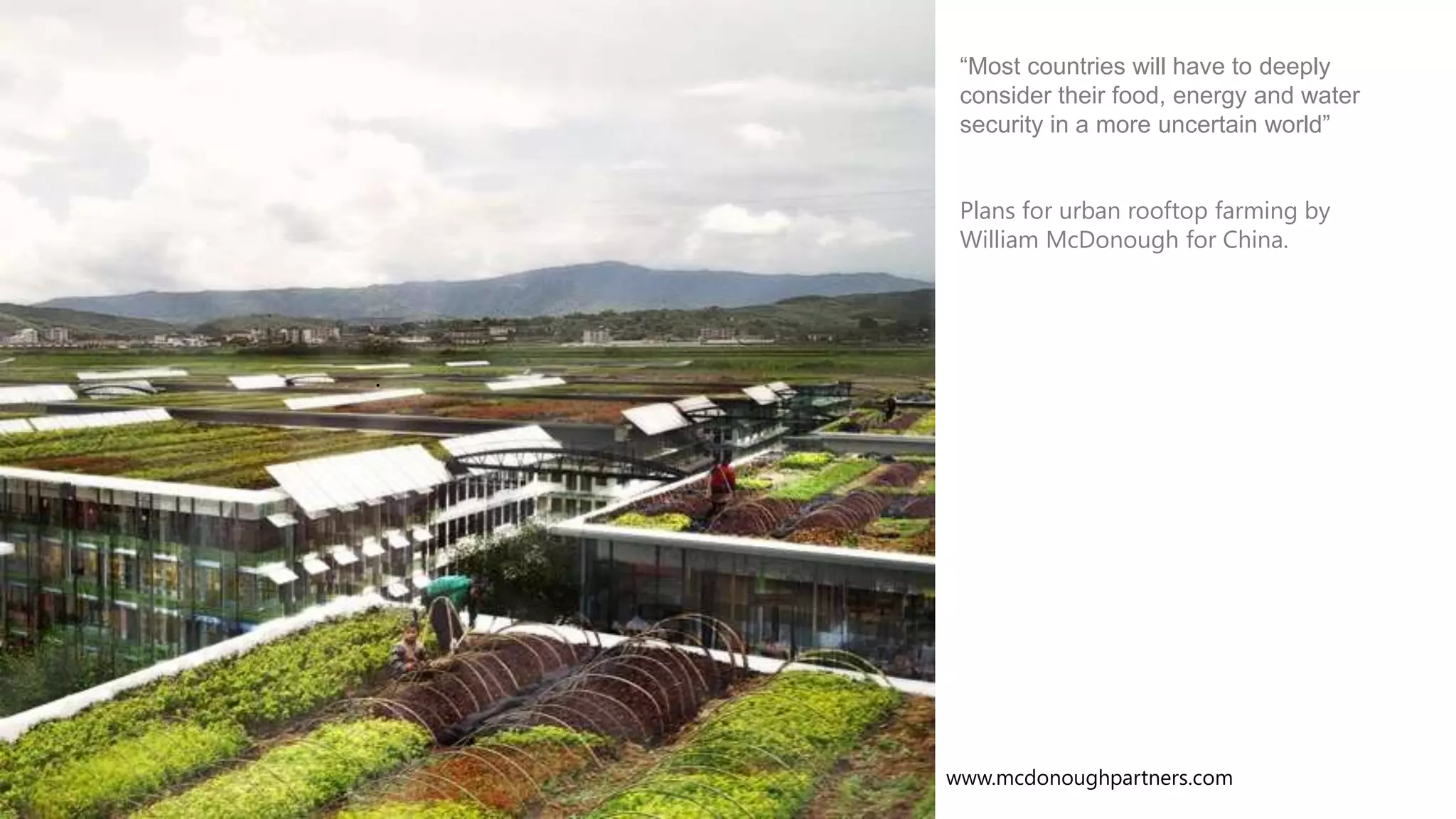
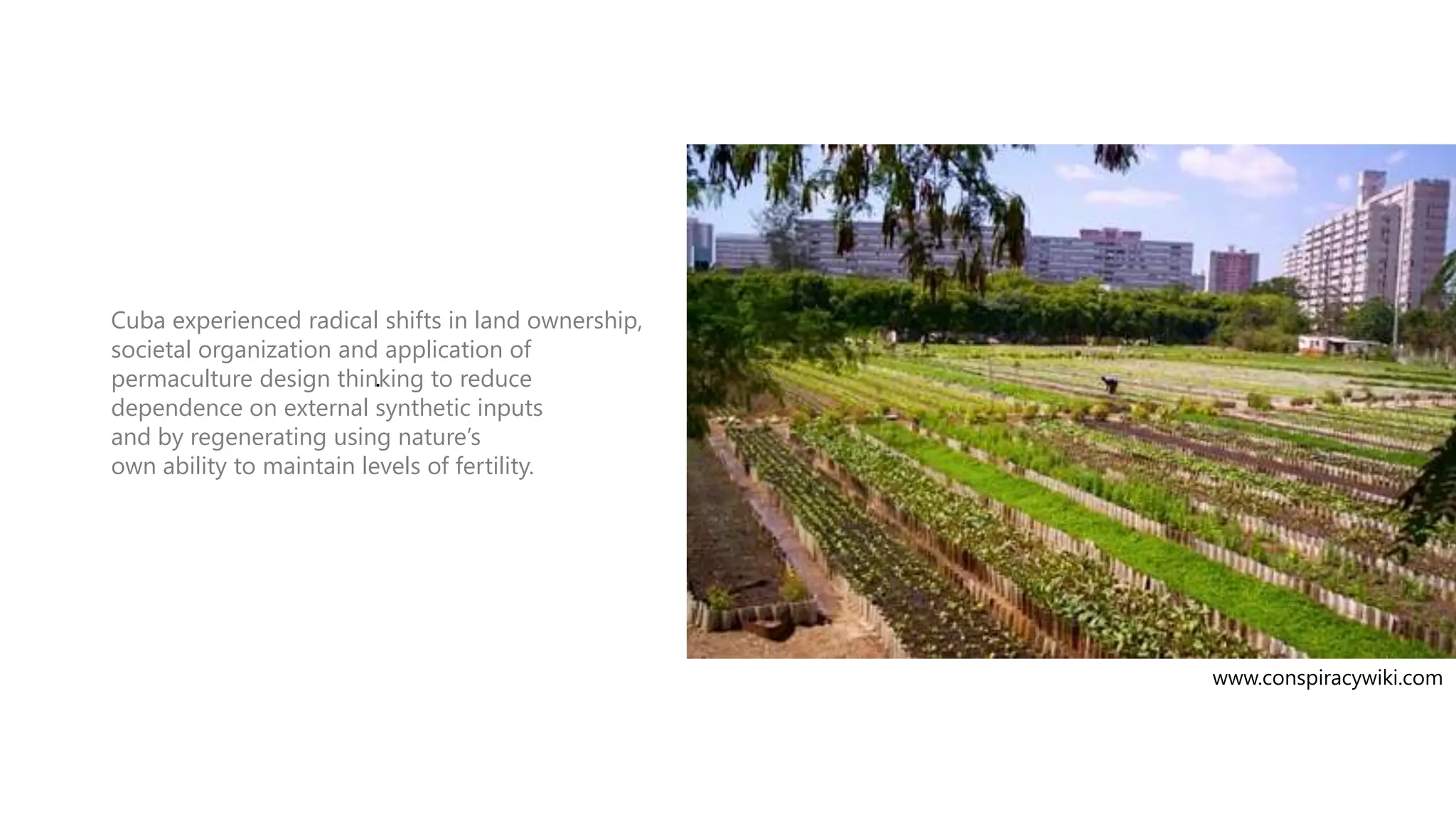
3) Design activism could help society envision and plan for challenges like climate change, food and water security, by taking cues from examples like permaculture design in Cuba that reduced dependence on external inputs through regenerative systems.



![[BROCHURE] Italy Tour Project | @SlideON](https://cdn.slidesharecdn.com/ss_thumbnails/brochure8-251215152319-2805af68-thumbnail.jpg?width=640&height=640&fit=bounds)


