An introduction to
Environmental health,
toxicology
& risk assessment
Lecture 1
Contact me at:
 Office: 1st Floor Block 5 SHCV
 Tel: 3620538
 Email: gracebao@uic.edu.hk
Lecture Objectives
 Define fundamental terms
 Explain the basic relationship between
the environment and health
 Explain impact of environmental
factors on health
 Explain risk assessment
 Consider the risk management model
and process.
Content
 Environmental health
 Toxicology
 Risk assessment
Health
 ‘Health is a state of complete
physical, mental and social well-
being and not merely the absence of
disease or infirmity' (WHO, 1948)
 健康是指生理、心理及社会适应三个方面全
部良好的一种状况,而不仅仅是指没有生病
或者体质健壮。
Human Health is affected by
 An individual genetic factors(遗传因素)
 determine an individual how to be affected
by environmental hazard.
 Exposed Environment (环境因素)
 ‘that which is external to the individual
human host.’
 Physical, chemical, biological, social and
cultural environment
Health
 ‘Health is only possible where
resources are available to meet
human needs and where the living
and working environment is protected
from life-threatening and health
threatening pollutants, pathogens and
physical hazards.' (WHO, 1992)
Environmental health
 Environmental health comprises those
aspects of human health, including quality
of life, that are determined by physical,
chemical, biological, social and
psychosocial factors in the environment.
 It also refers to the theory and practice of
assessing, correcting, controlling and
preventing those factors in the
environment that can potentially affect
adversely the health of present and future
generations.
(WHO, 1993)
Environmental health
 Assesses environmental factors that
influence human health and quality of
life.
 Seeks to prevent adverse effects on
human health and ecological systems.
 Contains environmental toxicology
within its scope.
Basic Healthy Environment
 Clean Air
 Safe and sufficient water
 Adequate and safe food
 Safe and Peaceful Settlements (安定
生活)
 Stable Global Environment (稳定的全
球环境)
Health and environment
 ‘Genetics loads the gun…
but the environment pulls the trigger. ’
Dr. Judith Stern (2009)
Professor of Nutrition & Internal Medicine
Univ. of California, Davis
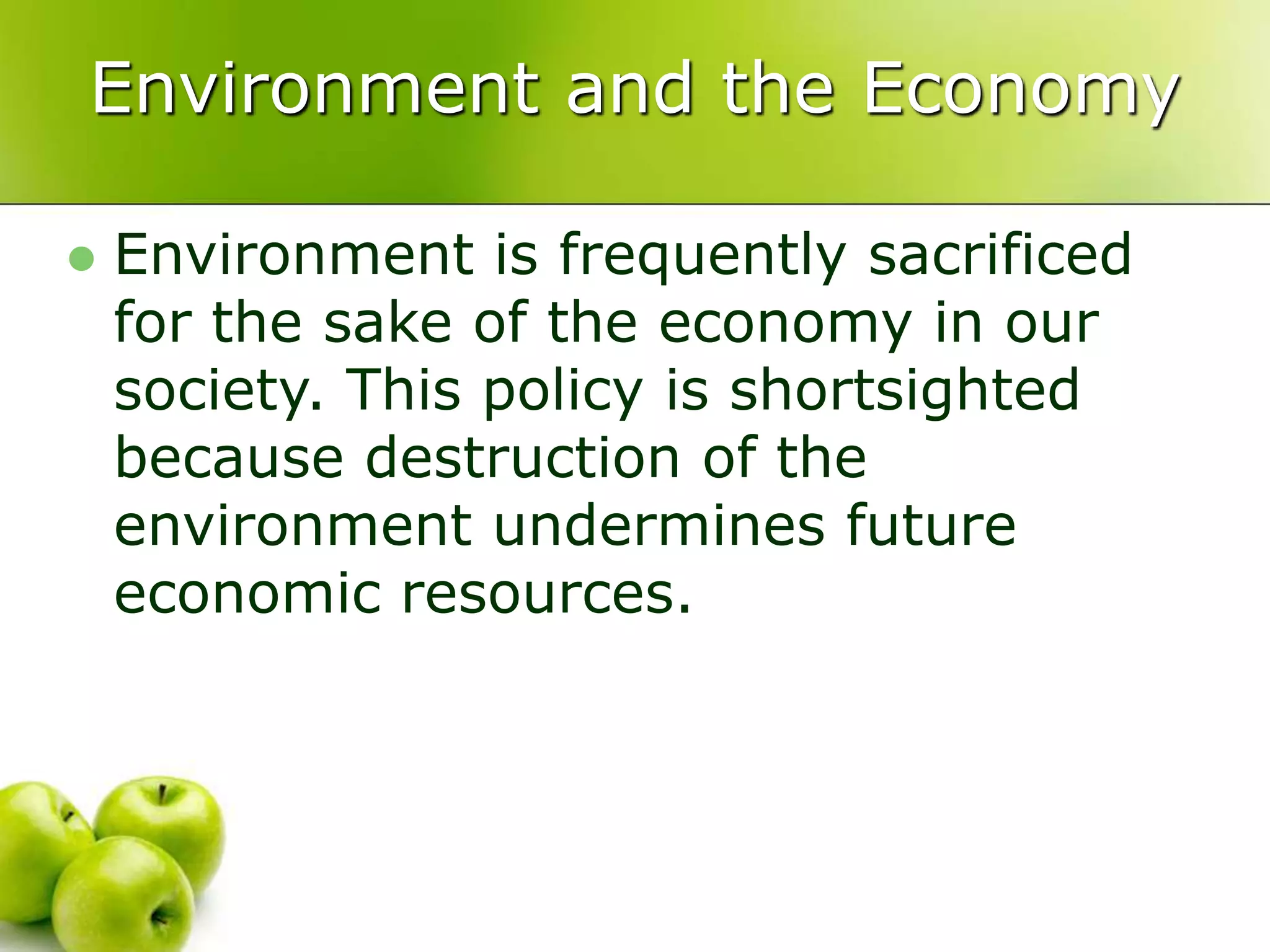
Environment and the Economy
 Environment is frequently sacrificed
for the sake of the economy in our
society. This policy is shortsighted
because destruction of the
environment undermines future
economic resources.
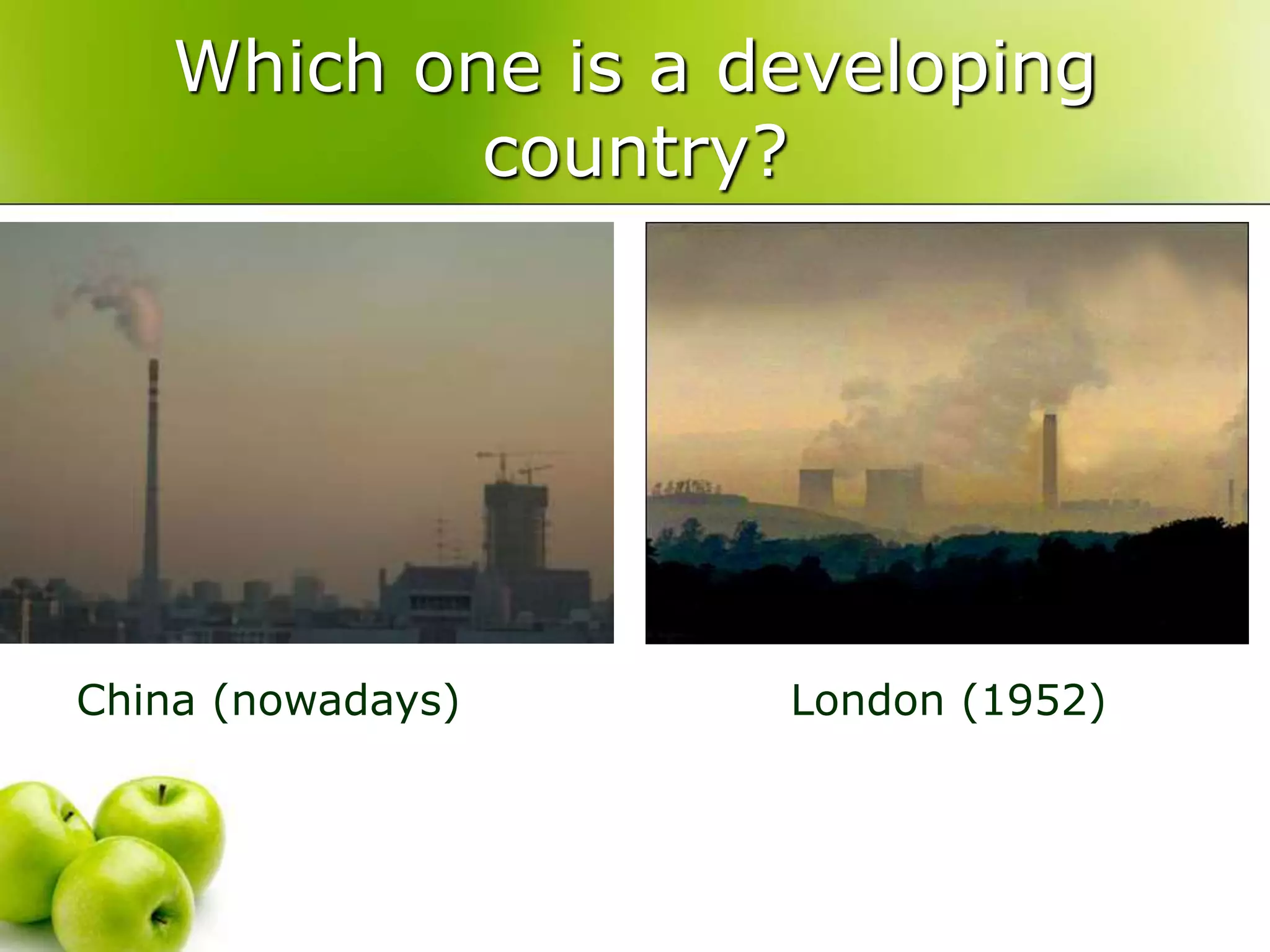
China (nowadays) London (1952)
Which one is a developing
country?
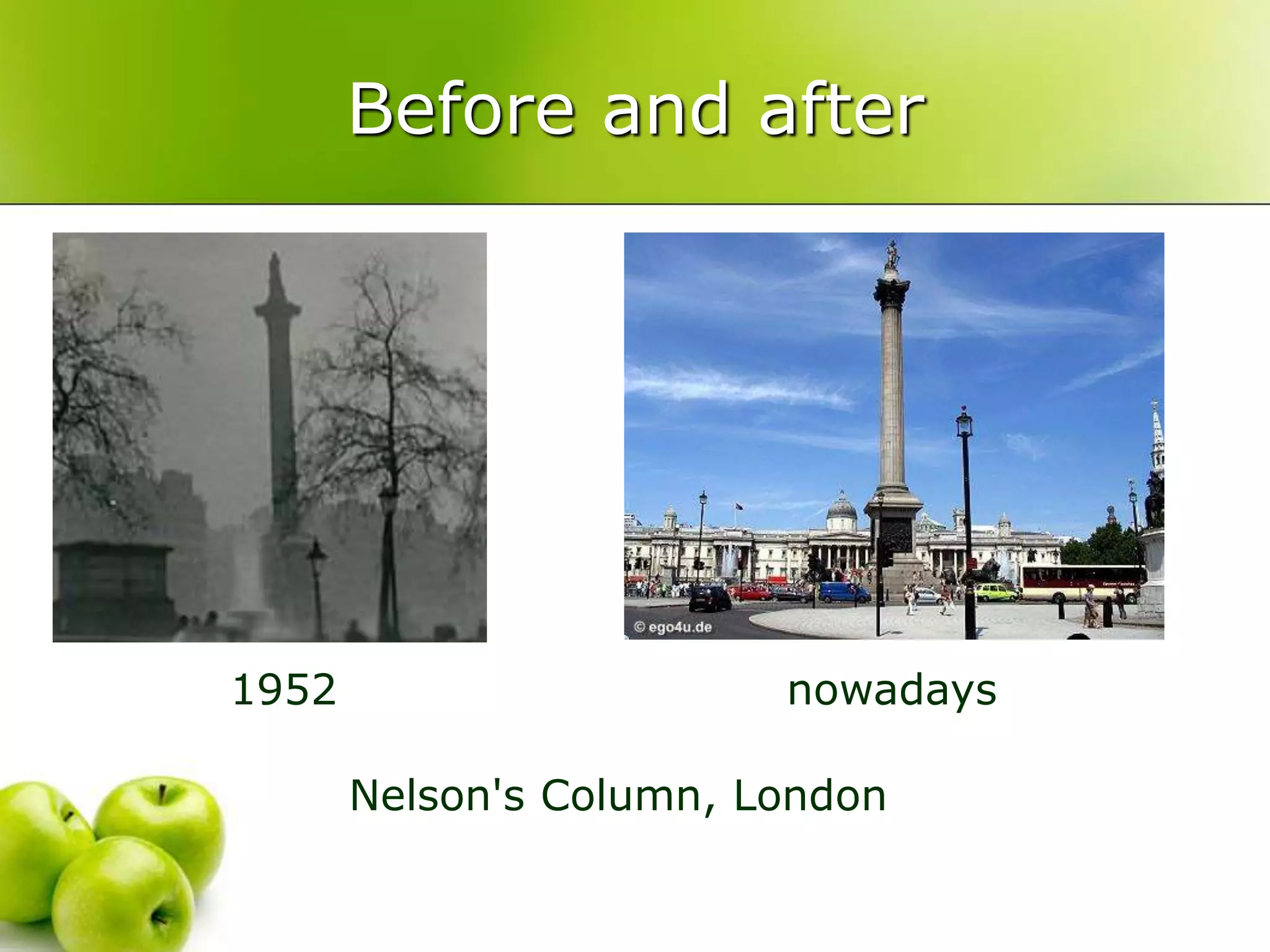
Nelson's Column, London
Before and after
1952 nowadays
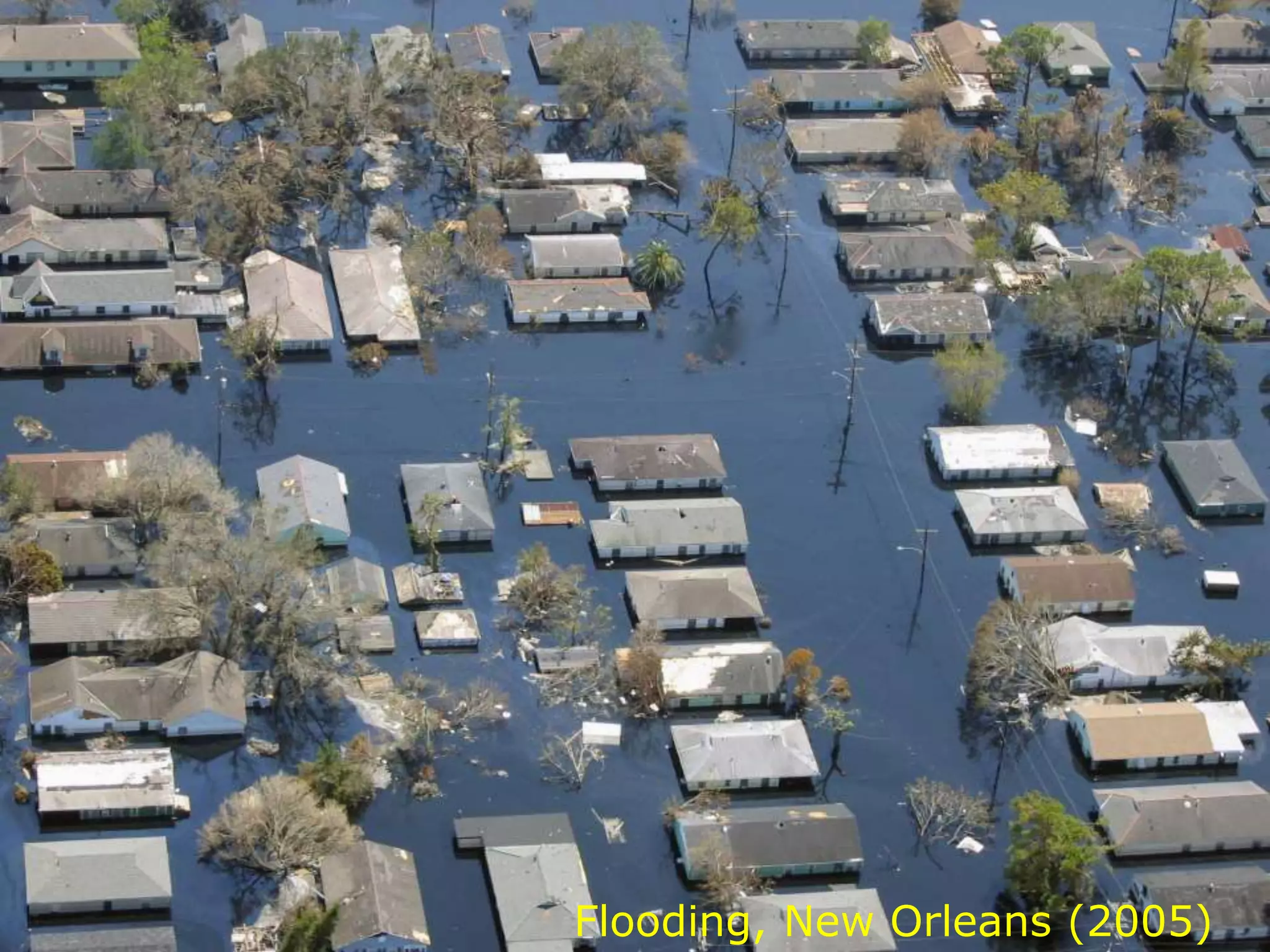
Flooding, New Orleans (2005)
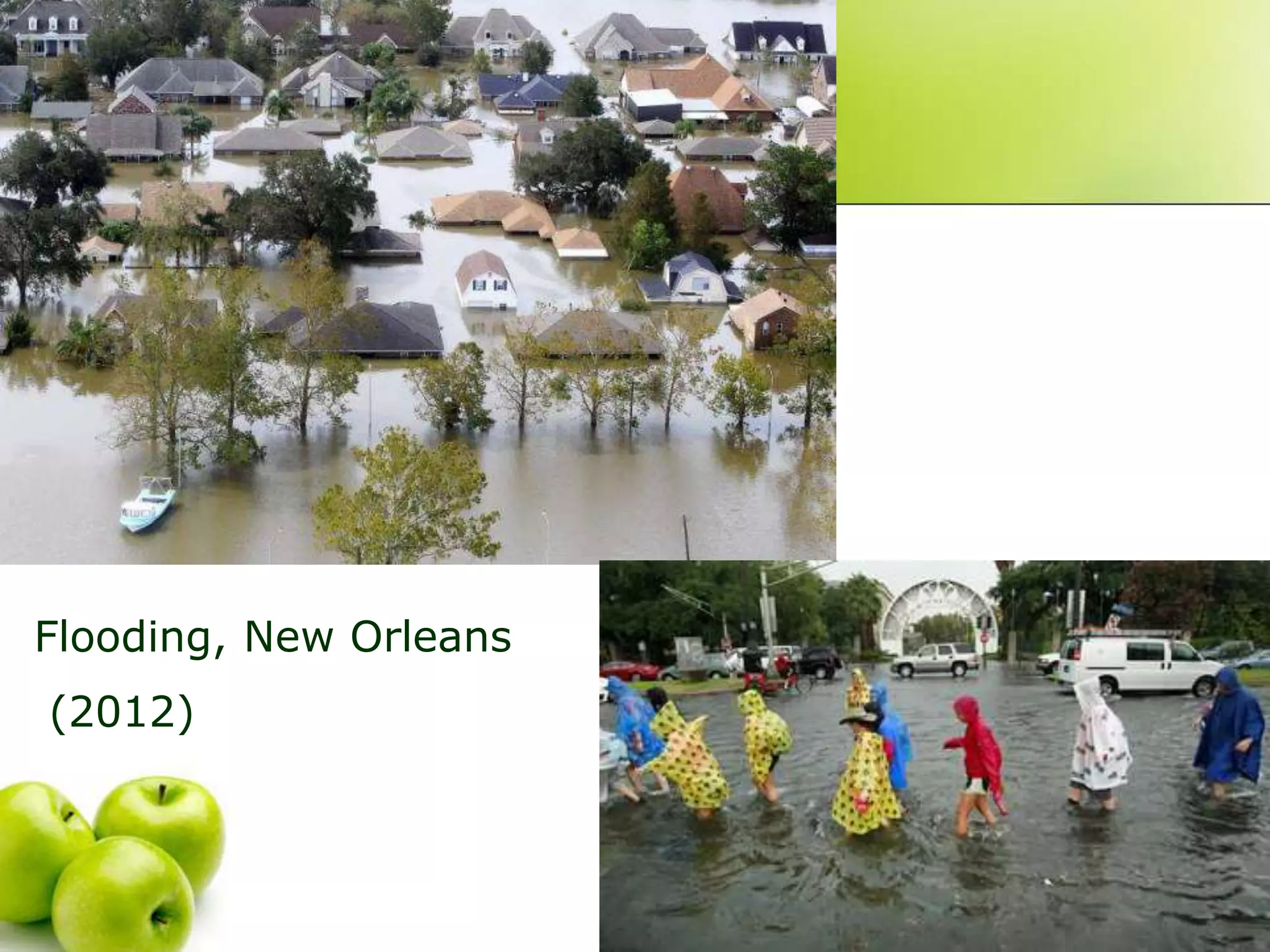
Flooding, New Orleans
(2012)
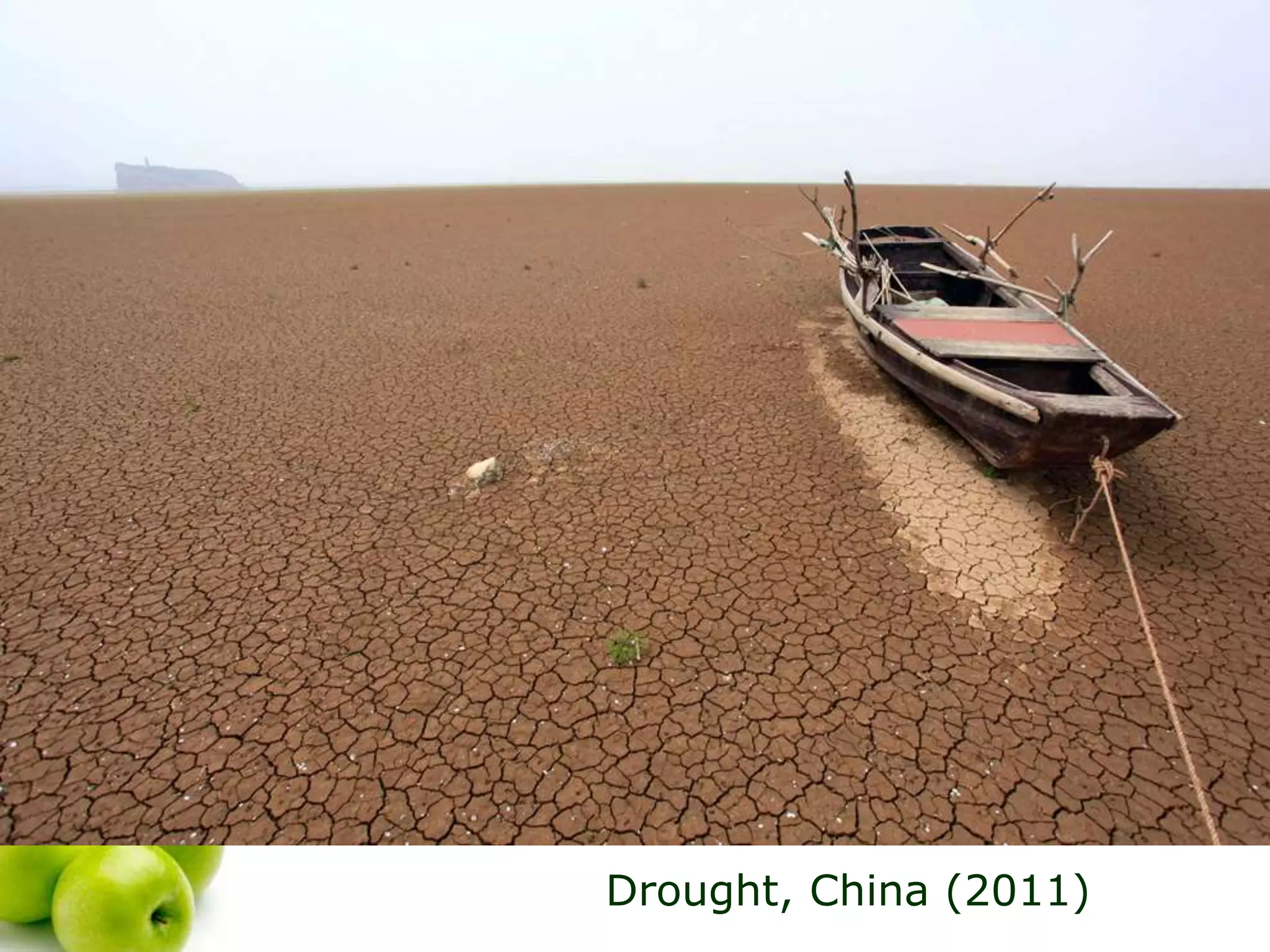
Drought, China (2011)
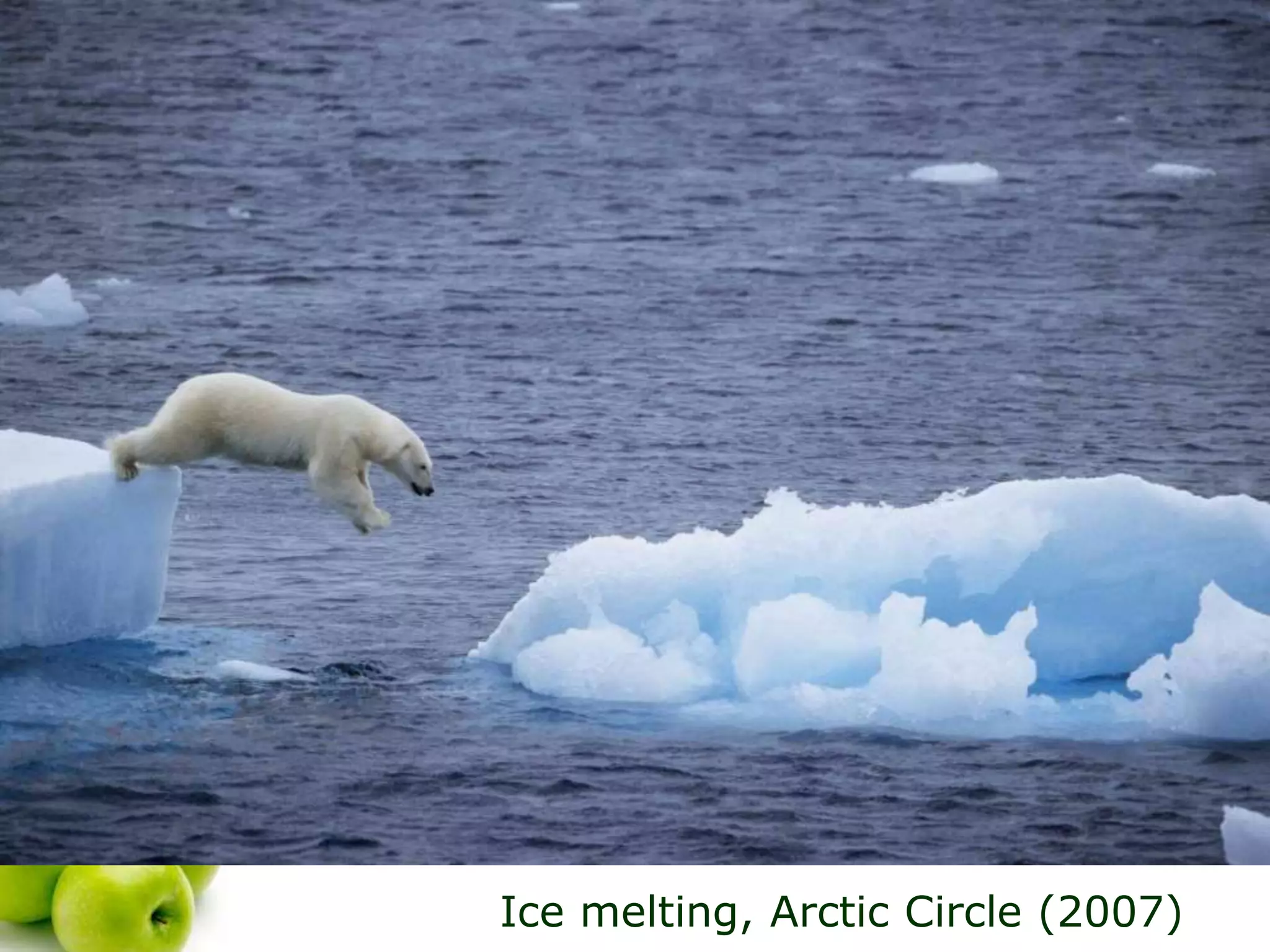
Ice melting, Arctic Circle (2007)
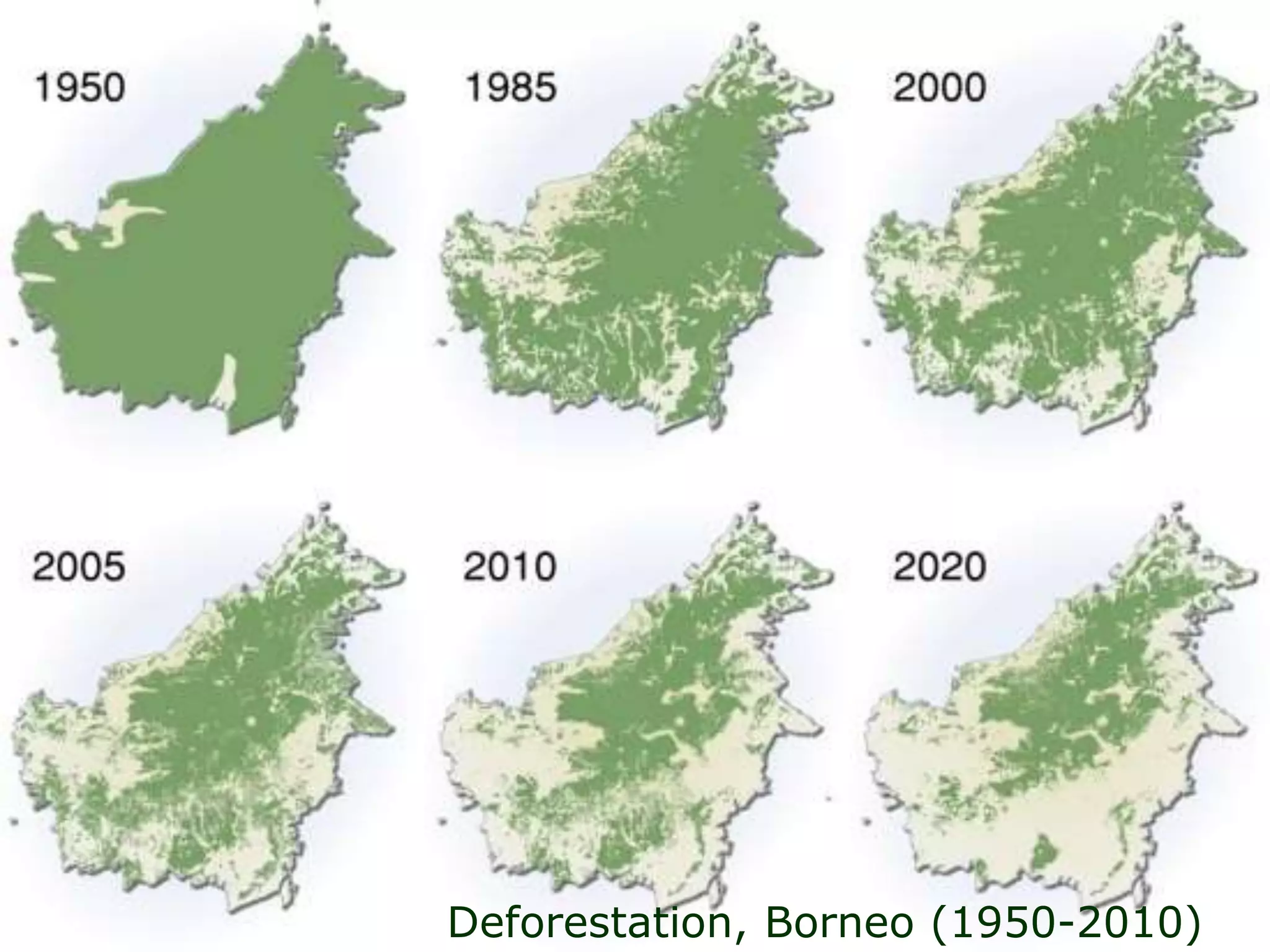
Deforestation, Borneo (1950-2010)
 …Drought, deforestation, flooding,
hurricanes, ice melting, heat waves…
are these incidents above isolated?
Everything is linked
Toxicology
 Toxicology = toxico + logy = poisons + study
 Toxicology is traditionally defined as
the study of the harmful effects of
drugs, chemicals and chemical
mixtures on living organisms.
Toxicology
 Toxicologists assess and compare
toxic agents, or toxicants, for their
toxicity, the degree of harm a
substance can inflict.
 Environmental toxicology focuses on
effects of chemical poisons released
into the environment.
Environmental toxicology
 Studies toxicants that come from or
are discharged into the environment,
and:
 Health effects on humans
 Effects on animals
 Effects on ecosystems
Environmental toxicology
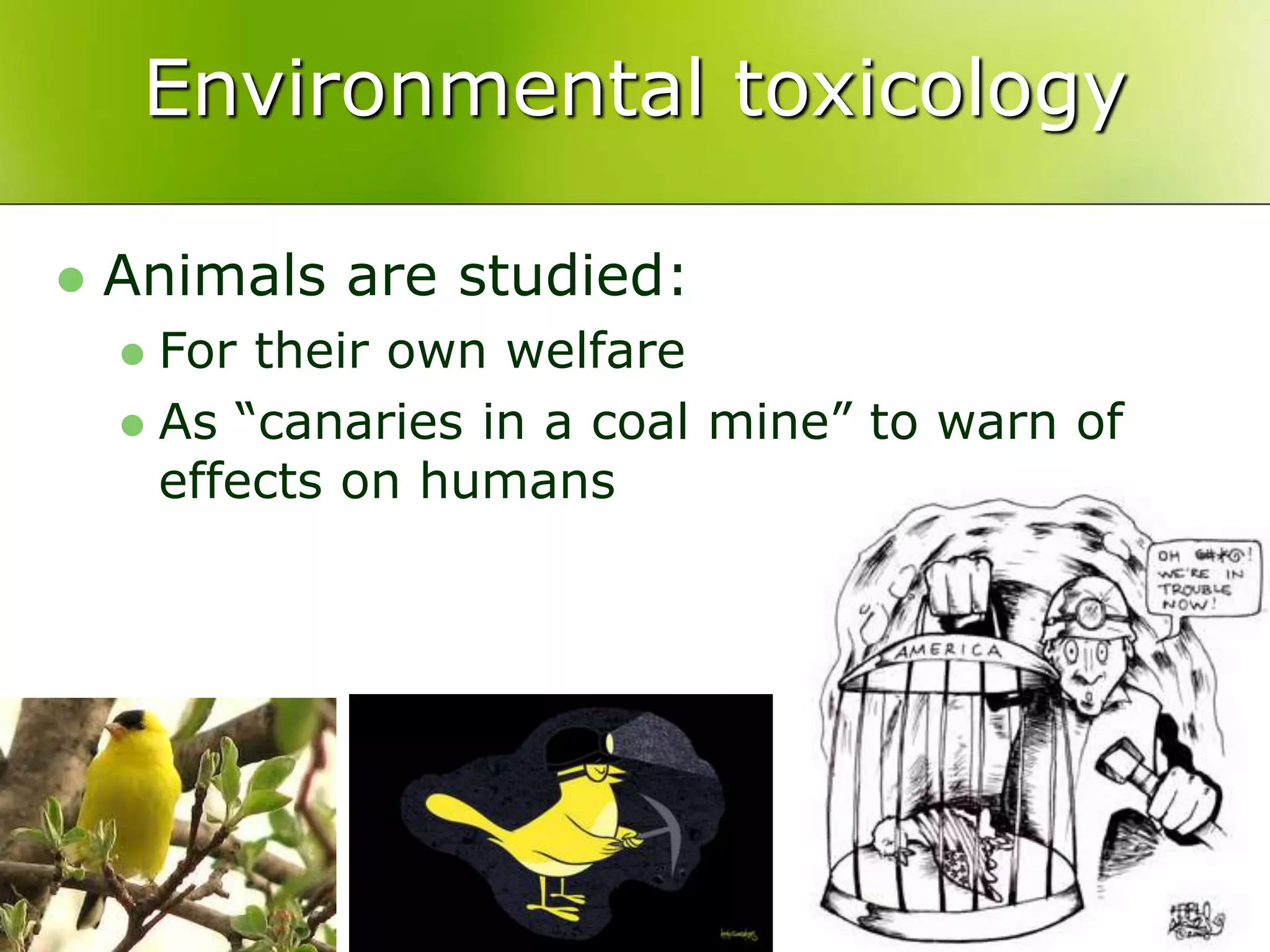
 Animals are studied:
 For their own welfare
 As “canaries in a coal mine” to warn of
effects on humans
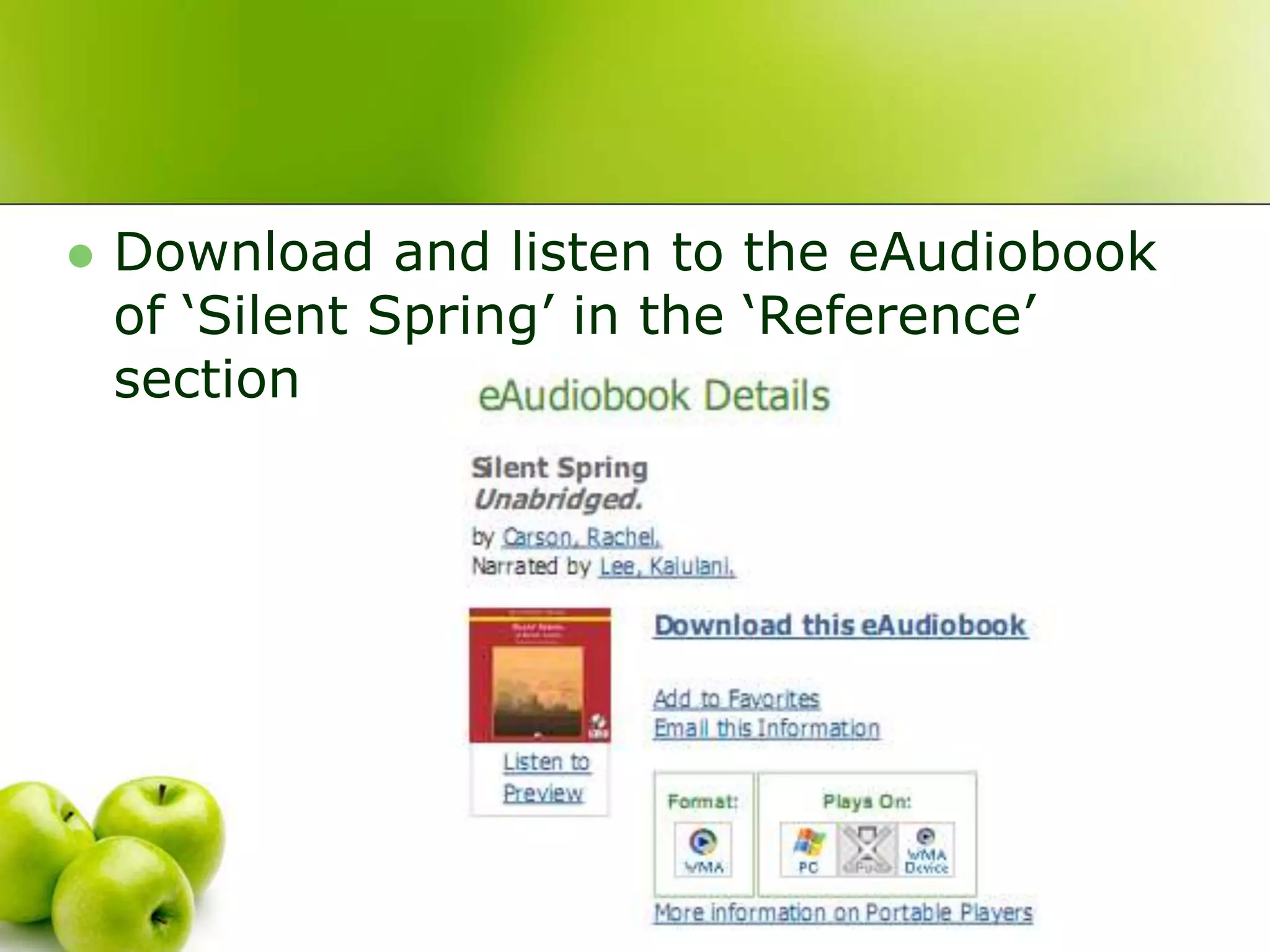
Silent Spring and Rachel Carson
 Carson’s 1962 book alerted the public
that DDT and other pesticides could
be toxic to animals and people.
 Further research led the EPA to ban
DDT in 1973.
 These developments were central to
the modern environmental
movement.
 Download and listen to the eAudiobook
of ‘Silent Spring’ in the ‘Reference’
section
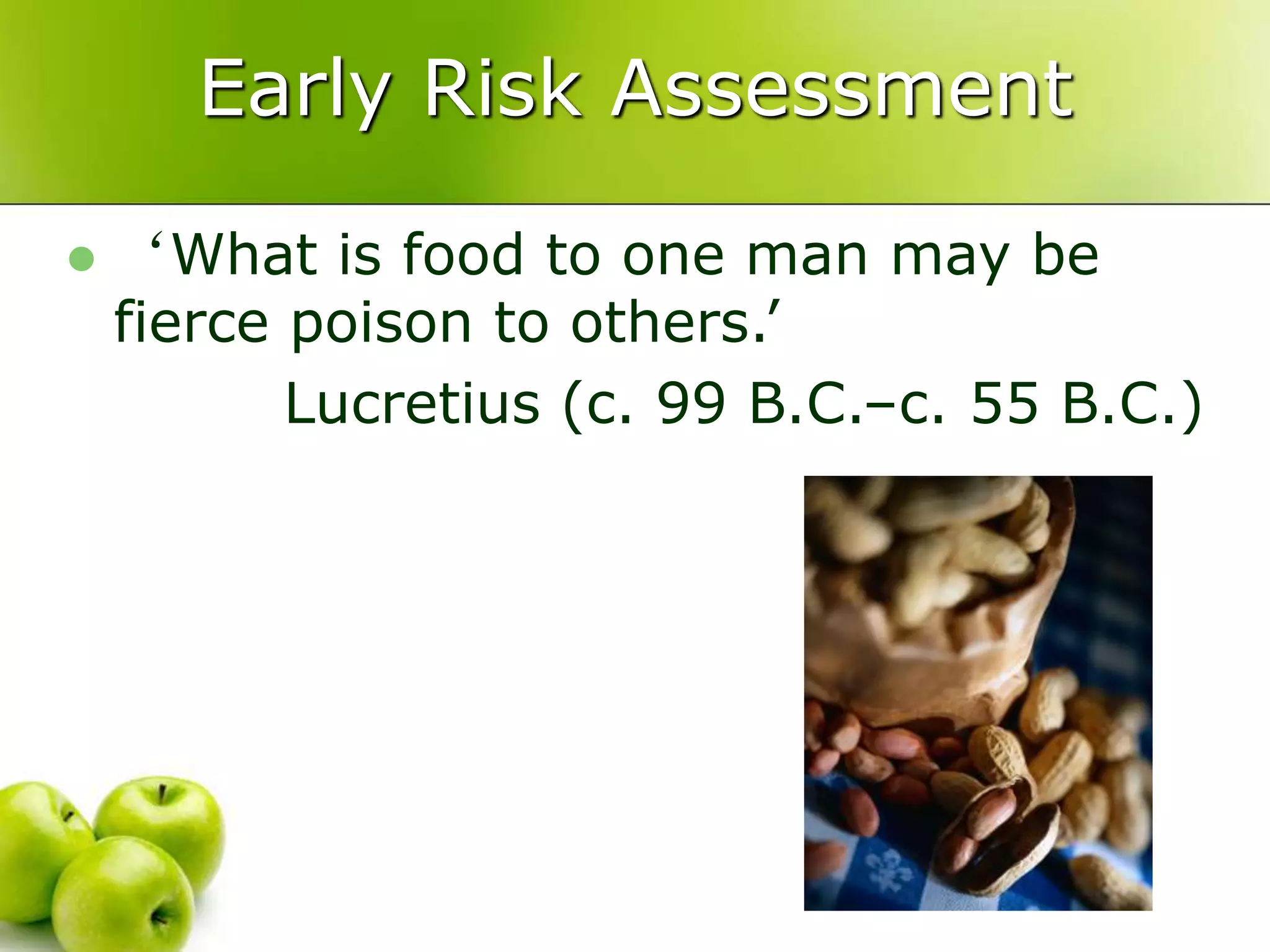
Early Risk Assessment
 ‘What is food to one man may be
fierce poison to others.’
Lucretius (c. 99 B.C.–c. 55 B.C.)
Which one is Risky?
 Genetic Modified Foods
 Nuclear Power
 Mercury
 Dioxins
 Pesticides in Agriculture
 X-Rays
 Landfill of Domestic Waste
Ranking!
Hazard
 An event, or property, associated with
an activity, product, process or site
which has the potential to cause harm
Environmental health hazards
 Physical or climatic hazards (floods,
heat wave, acid rain, UV exposure…)
 Biological hazards (viruses, bacterial
pathogens…)
 Chemical hazards (Synthetic and
natural toxicants…)
 Cultural or lifestyle hazards
(drinking, smoking, bad diet…)
Risk
 A combination of the probability,
frequency, of occurrence of a defined
hazard, and the magnitude (severity)
of the consequence of the occurrence
Key Risk Questions
 What are undesirable outcomes and
who decides, what undesirable
means?
Key Risk Questions
 How can we specify, qualify and
quantify the possibilities of
undesirable outcomes?
Key Risk Questions
 How do we aggregate different types
of undesirable outcomes into a
common concept which allows
comparisons and priority setting?
Harm
 Harm to the health of living
organisms or other interference with
ecological systems of which they form
a part and, in the case of man,
includes offence caused to any of his
senses or harm to his property
Tolerable Risk
 'Tolerability' does not mean
'acceptability'.
 No risk is acceptable, only tolerable to
the extent that there is some benefit
arising from the activity and all
possible controls are in place.
Tolerability of Risk
(HSE, 2010)
Risk assessment
 Analyses risks quantitatively
 Measures and compares risks
involved in different activities or
substances
 Helps identify and prioritise serious
risks
 Helps determine threats posed to
humans, wildlife, ecosystems
Risk assessment
 Involves:
 Dose-response analysis or other tests of
toxicity
 Assessing likely exposure to the hazard
(concentration, time, frequency)
 Risk rating
Risk rating
Actual risk outcome
Risk rating
RISK LIKELIHOOD TABLE - Guidance
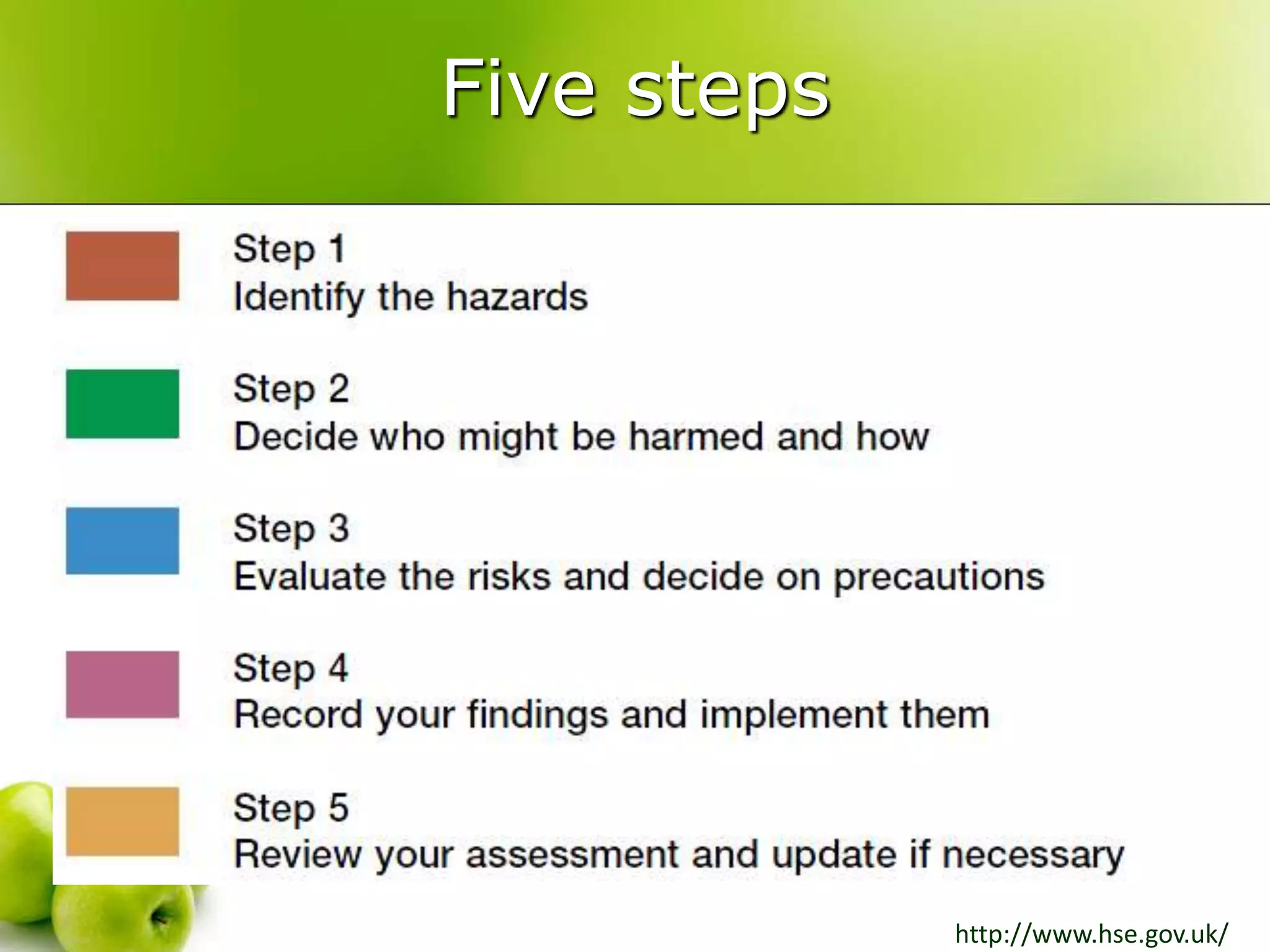
Five steps
http://www.hse.gov.uk/
RA Example
 Scenario 1- Bitten by snakes when
working outdoors
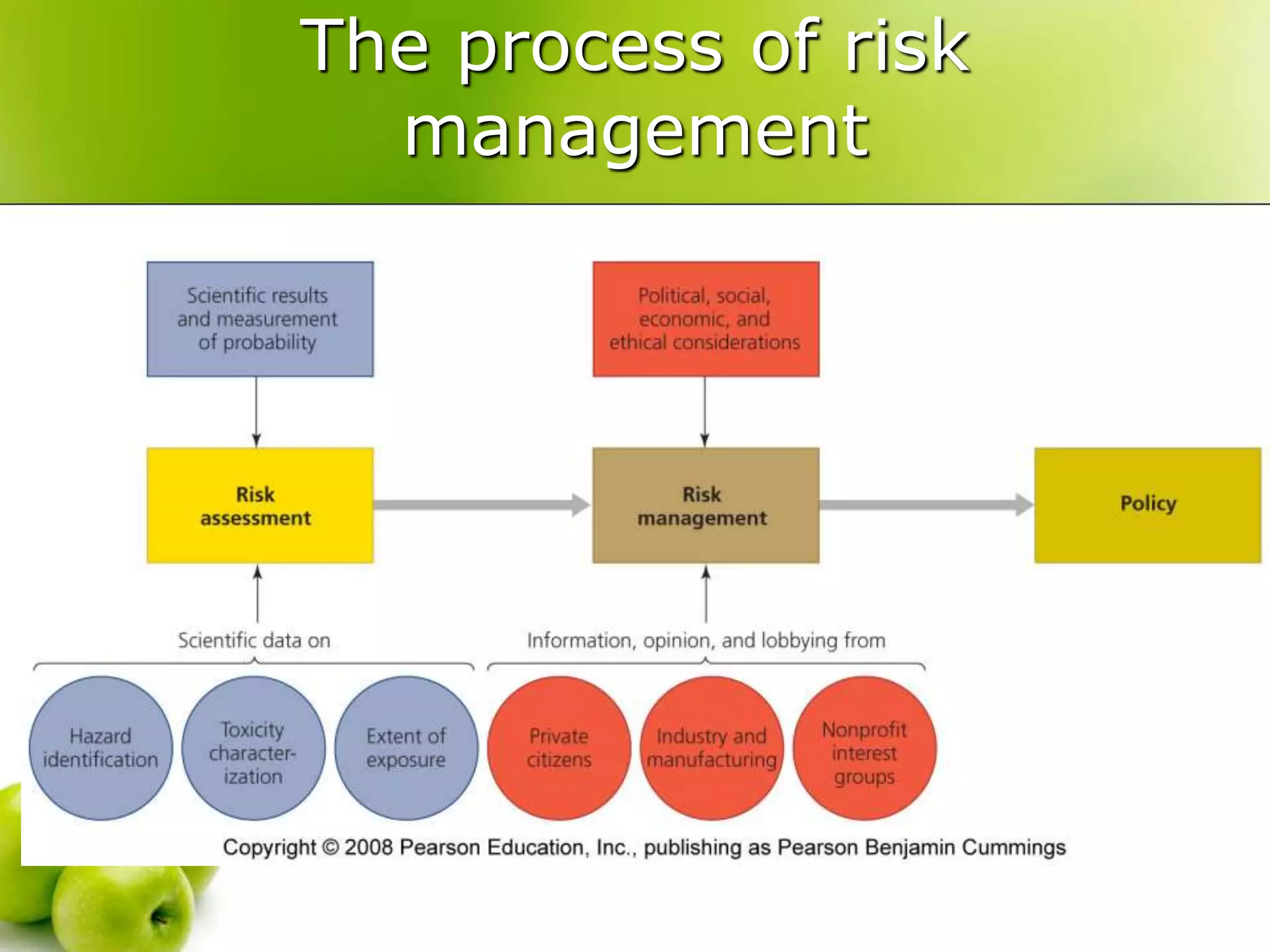
Risk management
 Consider risk assessments in light of
social, economic, and political needs
and values.
 Weigh costs and benefits, given both
scientific and nonscientific concerns.
 Decide whether or not to reduce or
eliminate risk.
The process of risk
management
Four Simple Stages
 What is the possible
problem?
 How big a problem
might it be?
 What will be the
effect?
 Does it matter?
Hazard Identification
Hazard Assessment
Risk Evaluation
Source-Pathway- Receptor
 Without a source or pathway or target
there cannot be a risk. Therefore,
determining the:
Source-pathway-Receptor
relationship is the key to risk
assessment and management
Toxicants take many routes through the
environment
Hazard Identification
(What is the possible problem?)
 Identify the chemicals, events,
releases, the pathways and targets
taking into account the environmental
setting and proposed activity
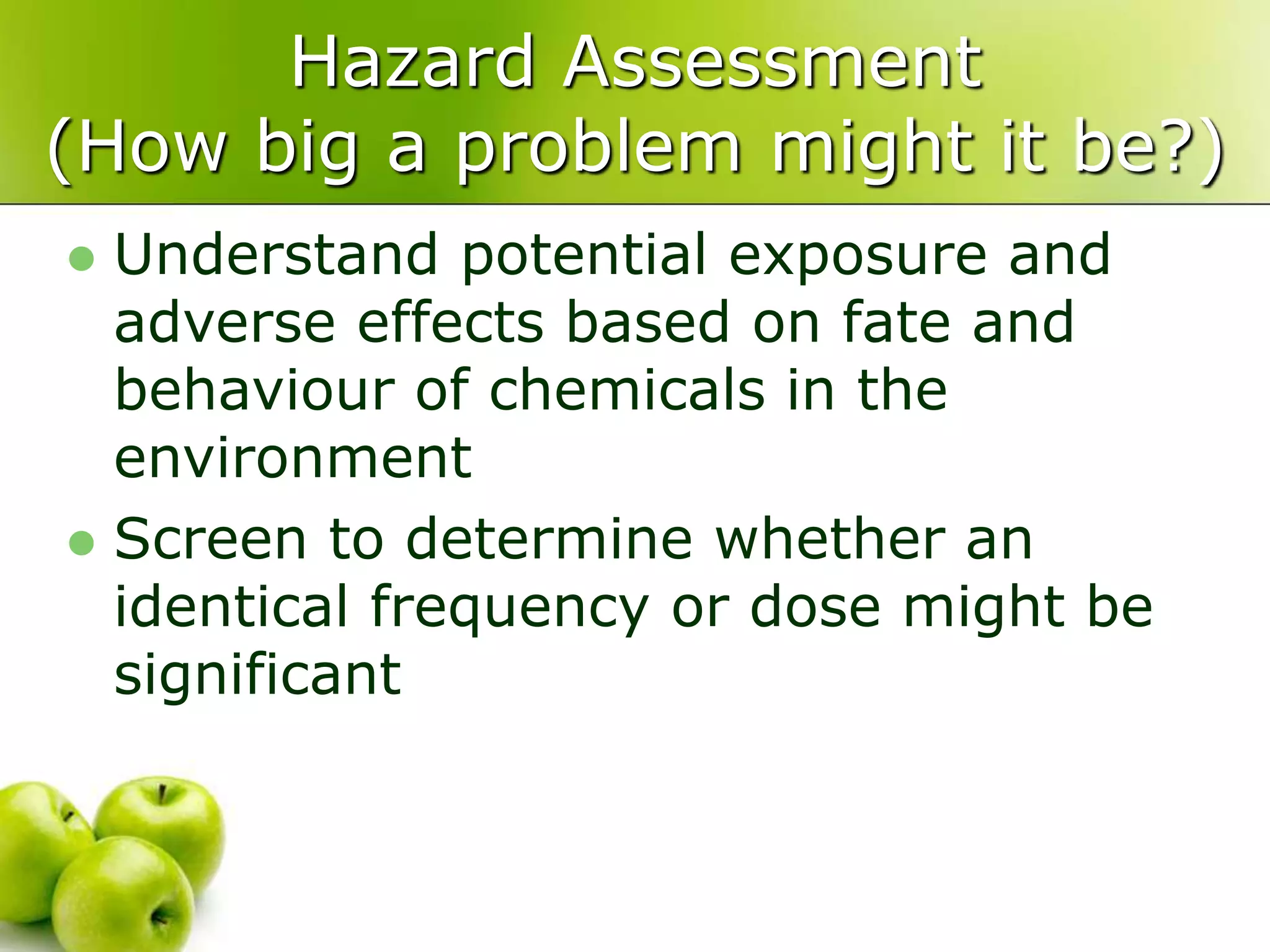
Hazard Assessment
(How big a problem might it be?)
 Understand potential exposure and
adverse effects based on fate and
behaviour of chemicals in the
environment
 Screen to determine whether an
identical frequency or dose might be
significant
Risk Evaluation
 Requires consideration of:
 The qualitative or quantitative
statements about risk derived from the
risk estimation process
 Other site-specific factors which may
affect the risk
 The uncertainties in the estimates
 The costs and benefits of taking action to
control or reduce unacceptable risks
 The social pressures for action
Uncertainty/Complexity
 Sources: natural variability; people -
poor data collection; models which do
not reflect the real world; data
manipulation & availability
 Methods to manage: worst-case
scenario; safety factors; collect more
data
Case study
Scenario 2
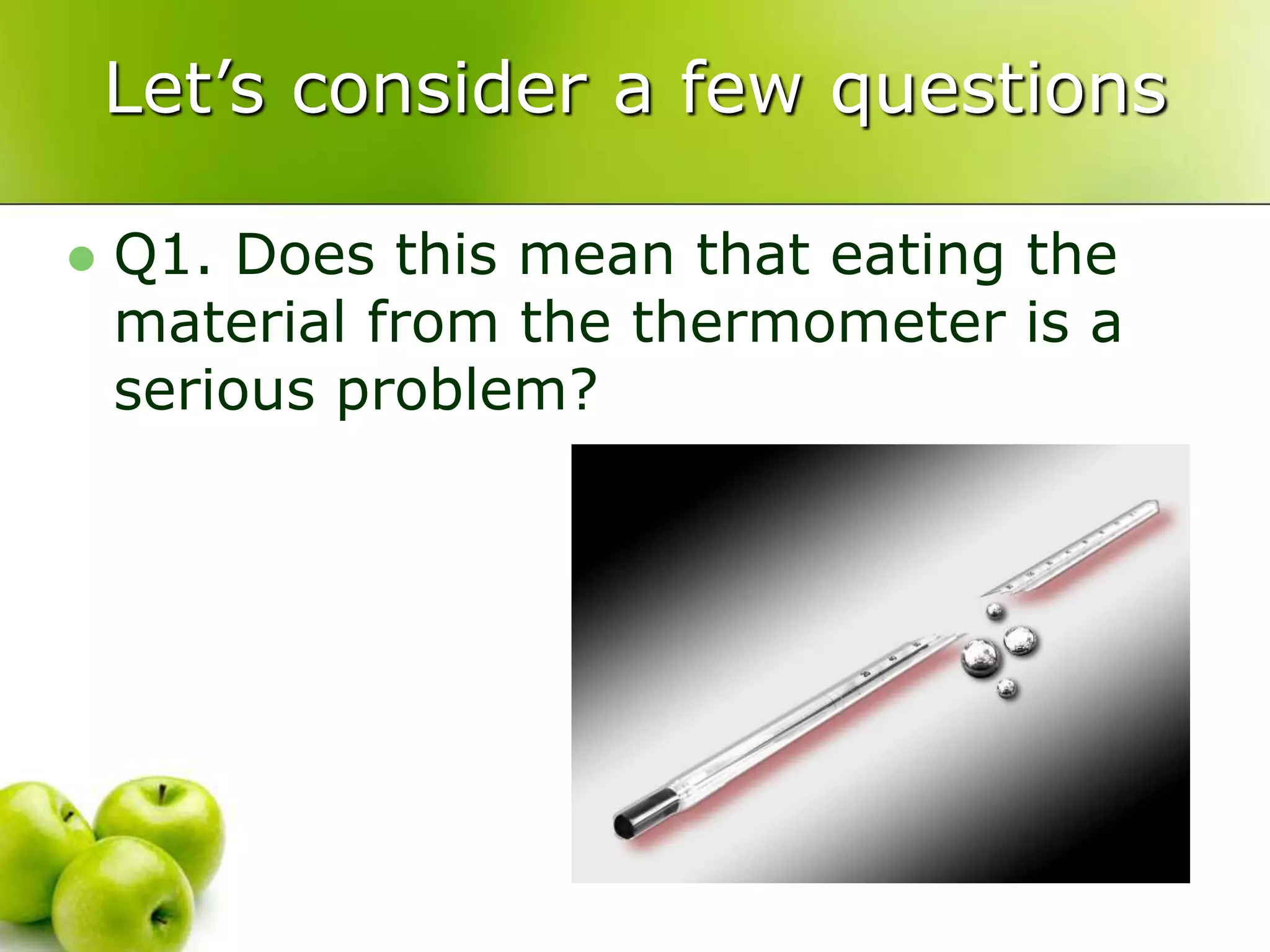
 Your mom calls you to say that your little
cousin broke a thermometer and ate the
silvery-grey material inside.
 You know the silvery-grey material is
mercury.
 The FDA advises that pregnant women,
women who may become pregnant,
nursing mothers, and young children
should avoid eating shark, swordfish, king
mackerel and tilefish due to high levels of
mercury in these fish.
Let’s consider a few questions
 Q1. Does this mean that eating the
material from the thermometer is a
serious problem?
 Q2. With the mercury from the
thermometer, what risks other than
swallowing might be a problem?
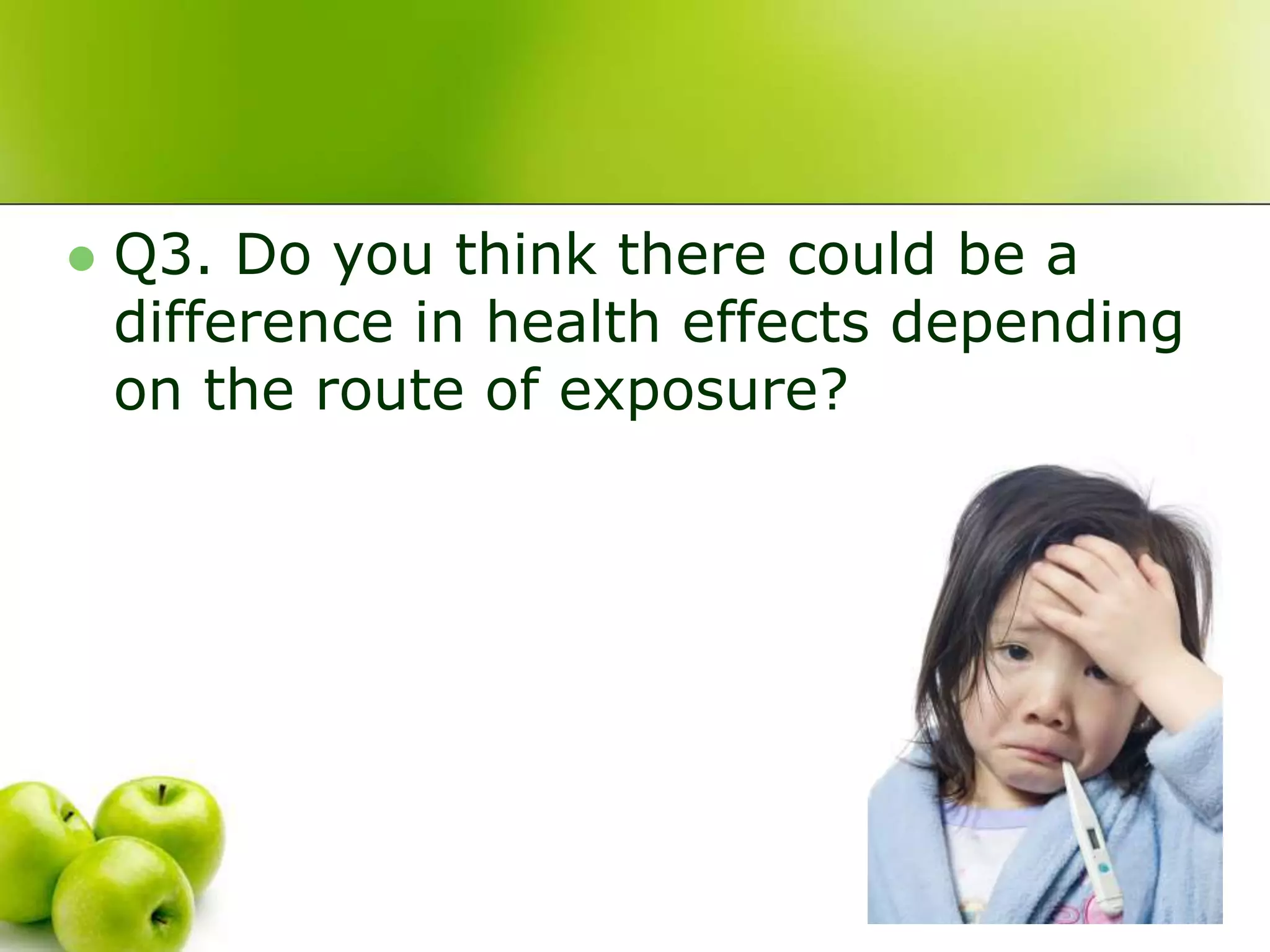
 Q3. Do you think there could be a
difference in health effects depending
on the route of exposure?
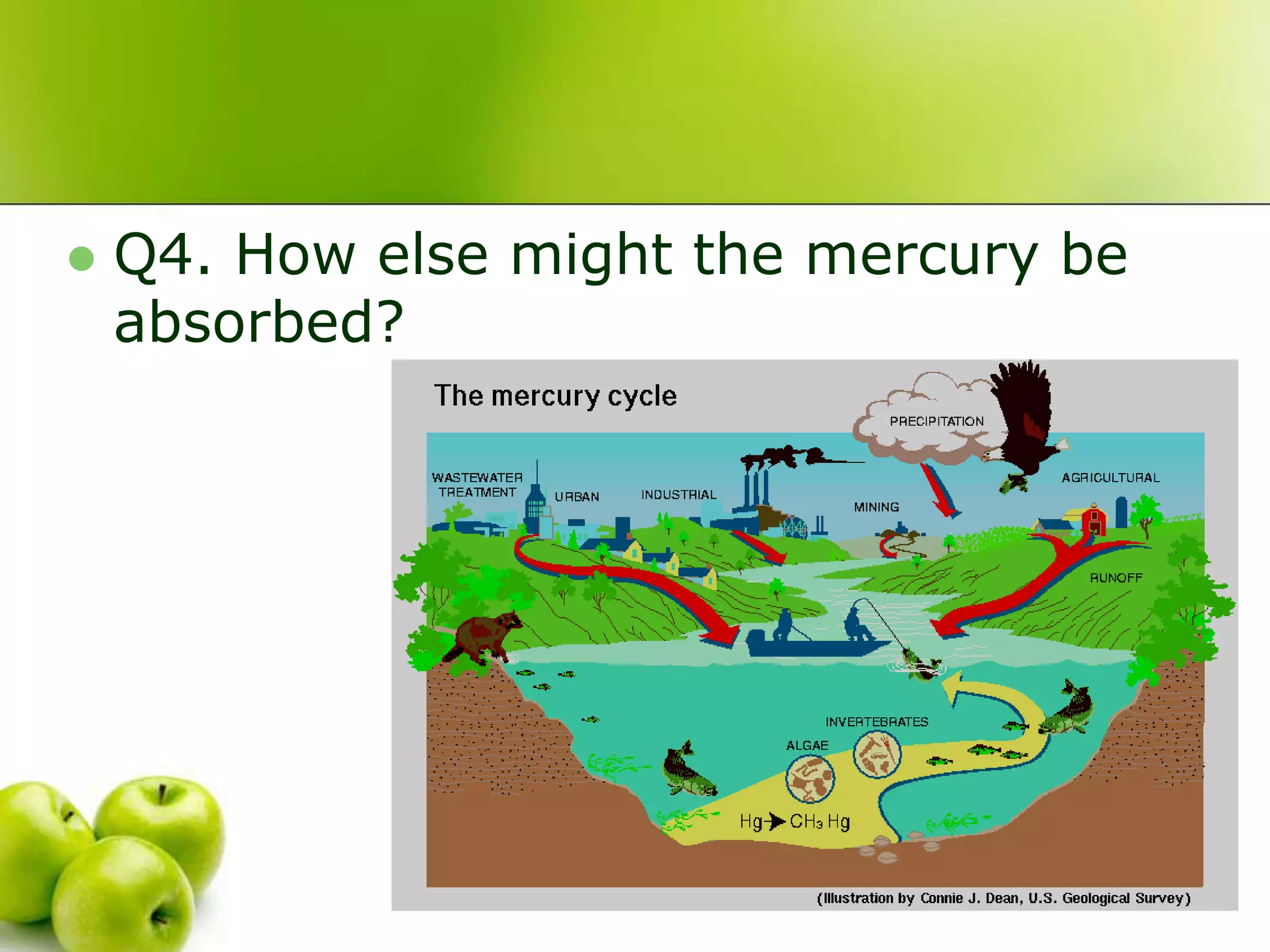
 Q4. How else might the mercury be
absorbed?
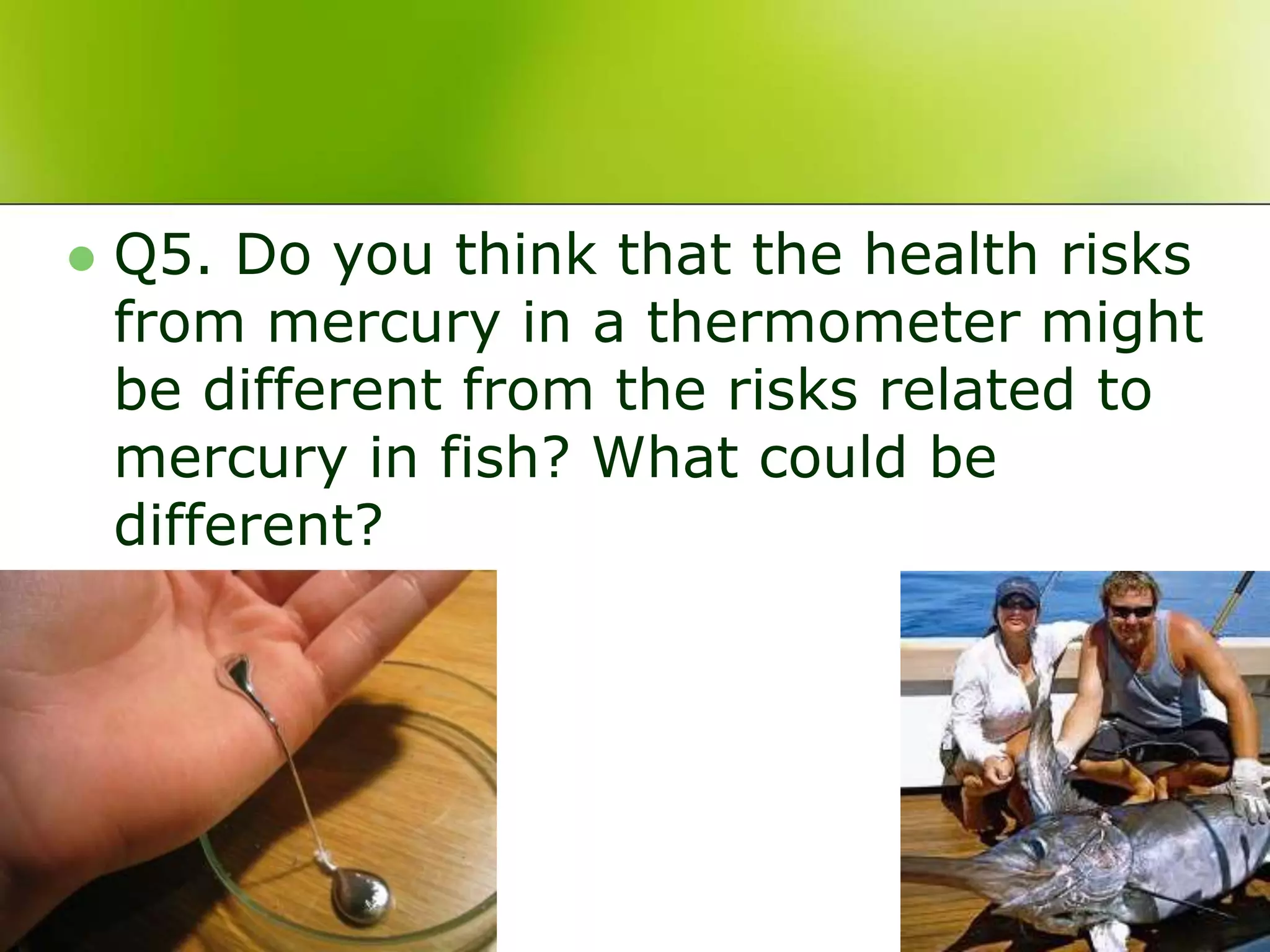
 Q5. Do you think that the health risks
from mercury in a thermometer might
be different from the risks related to
mercury in fish? What could be
different?
 Q6. Do you think there could be a
difference in the effects of mercury on
children, as opposed to adults?
7694259.ppt

7694259.ppt

  • 1.
    An introduction to Environmentalhealth, toxicology & risk assessment Lecture 1
  • 2.
    Contact me at: Office: 1st Floor Block 5 SHCV  Tel: 3620538  Email: gracebao@uic.edu.hk
  • 3.
    Lecture Objectives  Definefundamental terms  Explain the basic relationship between the environment and health  Explain impact of environmental factors on health  Explain risk assessment  Consider the risk management model and process.
  • 4.
    Content  Environmental health Toxicology  Risk assessment
  • 5.
    Health  ‘Health isa state of complete physical, mental and social well- being and not merely the absence of disease or infirmity' (WHO, 1948)  健康是指生理、心理及社会适应三个方面全 部良好的一种状况,而不仅仅是指没有生病 或者体质健壮。
  • 6.
    Human Health isaffected by  An individual genetic factors(遗传因素)  determine an individual how to be affected by environmental hazard.  Exposed Environment (环境因素)  ‘that which is external to the individual human host.’  Physical, chemical, biological, social and cultural environment
  • 7.
    Health  ‘Health isonly possible where resources are available to meet human needs and where the living and working environment is protected from life-threatening and health threatening pollutants, pathogens and physical hazards.' (WHO, 1992)
  • 8.
    Environmental health  Environmentalhealth comprises those aspects of human health, including quality of life, that are determined by physical, chemical, biological, social and psychosocial factors in the environment.  It also refers to the theory and practice of assessing, correcting, controlling and preventing those factors in the environment that can potentially affect adversely the health of present and future generations. (WHO, 1993)
  • 9.
    Environmental health  Assessesenvironmental factors that influence human health and quality of life.  Seeks to prevent adverse effects on human health and ecological systems.  Contains environmental toxicology within its scope.
  • 10.
    Basic Healthy Environment Clean Air  Safe and sufficient water  Adequate and safe food  Safe and Peaceful Settlements (安定 生活)  Stable Global Environment (稳定的全 球环境)
  • 11.
    Health and environment ‘Genetics loads the gun… but the environment pulls the trigger. ’ Dr. Judith Stern (2009) Professor of Nutrition & Internal Medicine Univ. of California, Davis
  • 12.
    Environment and theEconomy  Environment is frequently sacrificed for the sake of the economy in our society. This policy is shortsighted because destruction of the environment undermines future economic resources.
  • 15.
    China (nowadays) London(1952) Which one is a developing country?
  • 16.
    Nelson's Column, London Beforeand after 1952 nowadays
  • 17.
  • 18.
  • 19.
  • 20.
    Ice melting, ArcticCircle (2007)
  • 21.
  • 22.
     …Drought, deforestation,flooding, hurricanes, ice melting, heat waves… are these incidents above isolated?
  • 23.
  • 24.
    Toxicology  Toxicology =toxico + logy = poisons + study  Toxicology is traditionally defined as the study of the harmful effects of drugs, chemicals and chemical mixtures on living organisms.
  • 25.
    Toxicology  Toxicologists assessand compare toxic agents, or toxicants, for their toxicity, the degree of harm a substance can inflict.  Environmental toxicology focuses on effects of chemical poisons released into the environment.
  • 26.
    Environmental toxicology  Studiestoxicants that come from or are discharged into the environment, and:  Health effects on humans  Effects on animals  Effects on ecosystems
  • 27.
    Environmental toxicology  Animalsare studied:  For their own welfare  As “canaries in a coal mine” to warn of effects on humans
  • 28.
    Silent Spring andRachel Carson  Carson’s 1962 book alerted the public that DDT and other pesticides could be toxic to animals and people.  Further research led the EPA to ban DDT in 1973.  These developments were central to the modern environmental movement.
  • 29.
     Download andlisten to the eAudiobook of ‘Silent Spring’ in the ‘Reference’ section
  • 30.
    Early Risk Assessment ‘What is food to one man may be fierce poison to others.’ Lucretius (c. 99 B.C.–c. 55 B.C.)
  • 31.
    Which one isRisky?  Genetic Modified Foods  Nuclear Power  Mercury  Dioxins  Pesticides in Agriculture  X-Rays  Landfill of Domestic Waste Ranking!
  • 32.
    Hazard  An event,or property, associated with an activity, product, process or site which has the potential to cause harm
  • 33.
    Environmental health hazards Physical or climatic hazards (floods, heat wave, acid rain, UV exposure…)  Biological hazards (viruses, bacterial pathogens…)  Chemical hazards (Synthetic and natural toxicants…)  Cultural or lifestyle hazards (drinking, smoking, bad diet…)
  • 34.
    Risk  A combinationof the probability, frequency, of occurrence of a defined hazard, and the magnitude (severity) of the consequence of the occurrence
  • 35.
    Key Risk Questions What are undesirable outcomes and who decides, what undesirable means?
  • 36.
    Key Risk Questions How can we specify, qualify and quantify the possibilities of undesirable outcomes?
  • 37.
    Key Risk Questions How do we aggregate different types of undesirable outcomes into a common concept which allows comparisons and priority setting?
  • 38.
    Harm  Harm tothe health of living organisms or other interference with ecological systems of which they form a part and, in the case of man, includes offence caused to any of his senses or harm to his property
  • 39.
    Tolerable Risk  'Tolerability'does not mean 'acceptability'.  No risk is acceptable, only tolerable to the extent that there is some benefit arising from the activity and all possible controls are in place.
  • 40.
  • 41.
    Risk assessment  Analysesrisks quantitatively  Measures and compares risks involved in different activities or substances  Helps identify and prioritise serious risks  Helps determine threats posed to humans, wildlife, ecosystems
  • 42.
    Risk assessment  Involves: Dose-response analysis or other tests of toxicity  Assessing likely exposure to the hazard (concentration, time, frequency)  Risk rating
  • 43.
  • 44.
  • 45.
  • 46.
    RA Example  Scenario1- Bitten by snakes when working outdoors
  • 47.
    Risk management  Considerrisk assessments in light of social, economic, and political needs and values.  Weigh costs and benefits, given both scientific and nonscientific concerns.  Decide whether or not to reduce or eliminate risk.
  • 48.
    The process ofrisk management
  • 49.
    Four Simple Stages What is the possible problem?  How big a problem might it be?  What will be the effect?  Does it matter? Hazard Identification Hazard Assessment Risk Evaluation
  • 50.
    Source-Pathway- Receptor  Withouta source or pathway or target there cannot be a risk. Therefore, determining the: Source-pathway-Receptor relationship is the key to risk assessment and management
  • 51.
    Toxicants take manyroutes through the environment
  • 52.
    Hazard Identification (What isthe possible problem?)  Identify the chemicals, events, releases, the pathways and targets taking into account the environmental setting and proposed activity
  • 53.
    Hazard Assessment (How biga problem might it be?)  Understand potential exposure and adverse effects based on fate and behaviour of chemicals in the environment  Screen to determine whether an identical frequency or dose might be significant
  • 54.
    Risk Evaluation  Requiresconsideration of:  The qualitative or quantitative statements about risk derived from the risk estimation process  Other site-specific factors which may affect the risk  The uncertainties in the estimates  The costs and benefits of taking action to control or reduce unacceptable risks  The social pressures for action
  • 55.
    Uncertainty/Complexity  Sources: naturalvariability; people - poor data collection; models which do not reflect the real world; data manipulation & availability  Methods to manage: worst-case scenario; safety factors; collect more data
  • 56.
    Case study Scenario 2 Your mom calls you to say that your little cousin broke a thermometer and ate the silvery-grey material inside.  You know the silvery-grey material is mercury.  The FDA advises that pregnant women, women who may become pregnant, nursing mothers, and young children should avoid eating shark, swordfish, king mackerel and tilefish due to high levels of mercury in these fish.
  • 57.
    Let’s consider afew questions  Q1. Does this mean that eating the material from the thermometer is a serious problem?
  • 58.
     Q2. Withthe mercury from the thermometer, what risks other than swallowing might be a problem?
  • 59.
     Q3. Doyou think there could be a difference in health effects depending on the route of exposure?
  • 60.
     Q4. Howelse might the mercury be absorbed?
  • 61.
     Q5. Doyou think that the health risks from mercury in a thermometer might be different from the risks related to mercury in fish? What could be different?
  • 62.
     Q6. Doyou think there could be a difference in the effects of mercury on children, as opposed to adults?