Atropine
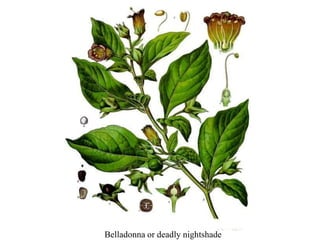
“Belladonna”
Hyoscine
• Atropine is a naturally occurring
tropane alkaloid extracted from
deadly nightshade (Atropa
belladonna), Jimson weed (Datura
stramonium). It is a secondary
metabolite of these plants and
serves as a drug with a wide
variety of effects.
• In general, atropine counters the "rest
and digest" activity of glands
regulated by the parasympathetic
nervous system. This occurs because
atropine is a competitive antagonist of
the muscarinic acetylcholine receptors
(acetylcholine being the main
neurotransmitter used by the
parasympathetic nervous system).
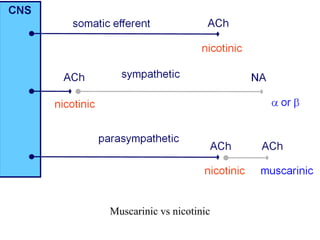
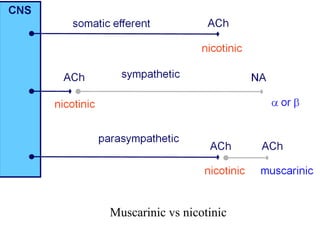
Muscarinic vs nicotinic
Belladonna or deadly nightshade
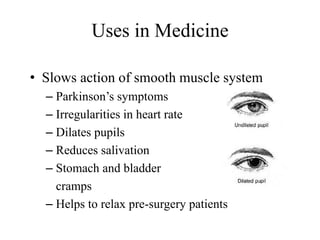
Uses in Medicine
• Slows action of smooth muscle system
– Parkinson’s symptoms
– Irregularities in heart rate
– Dilates pupils
– Reduces salivation
– Stomach and bladder
cramps
– Helps to relax pre-surgery patients
Effects on Humans
• Increased/rapid heart rate
• Fits of laughter
• Inability to urinate
• Dilated pupils
• Dryness of mouth
• Nausea, vomiting
• Muscle failure
• Exhaustion
Signs of Overdose
• Stop perspiring i.e. sweating
• Dry mouth and difficulty of speech
• Rise in body temperature
• Inability to see or blurred vision, atropine
dilates pupils
• Hallucinations
• Flushed skin
• Confusion
• Coma
• Death
Atropine dilates the pupils, increases heart
rate, and reduces salivation and other
secretions.
Adverse reactions to atropine include
ventricular fibrillation, supraventricular or
ventricular tachycardia, dizziness, nausea,
blurred vision, loss of balance, dilated
pupils, photophobia, dry mouth and
potentially extreme confusion, dissociative
hallucinations and excitation especially
amongst the elderly..
•These latter effects are because
atropine is able to cross the
blood–brain barrier. Because
of the hallucinogenic
properties, some have used the
drug recreationally, though this
is potentially dangerous and
often unpleasant
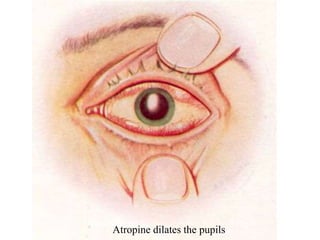
Atropine dilates the pupils
In overdoses, atropine is poisonous.
Atropine is sometimes added to
potentially addictive drugs,
particularly anti-diarrhea opioid
drugs such as diphenoxylate or
difenoxin, wherein the secretion-
reducing effects of the atropine can
also aid the anti-diarrhea effects.
Although atropine treats
bradycardia in emergency
settings, it can cause paradoxical
heart rate slowing when given at
very low doses (i.e. <0.5 mg),
presumably as a result of central
action in the CNS.
•One proposed mechanism for
atropine's paradoxical
bradycardia effect at low doses
involves blockade of inhibitory
presynaptic muscarinic
autoreceptors, thereby
blocking a system that inhibits
the parasympathetic response.
• The antidote to atropine is
physostigmine or pilocarpine.
• These associations reflect the
specific changes of warm, dry skin
from decreased sweating, blurry
vision, decreased sweating/
lacrimation, vasodilation, and
central nervous system effects on
muscarinic receptors, type 4 and 5.
• This set of symptoms is known as
anticholinergic toxidrome, and
may also be caused by other drugs
with anticholinergic effects, such
as scopolamine, diphenhydramine,
phenothiazine antipsychotics and
benztropine
• Treatment.--Wash out the
stomach freely; a hypodermic
injection of apomorphine as an
emetic, followed by
hypodermic injections of
pilocarpine or physiostegmine.
Tea, coffee, or tannin, to
precipitate the
alkaloid.
Barbiturate Poisoning
Long acting phenobarbital epilepsy
Intermediate amobarbital insomnia
Short pentobarbital overcome
difficulty in falling asleep
Ultrashort pentobarbital for
anesthesia and euthanasia.
Barbiturate overdose
A barbiturate overdose results when a
person takes excessive doses of
barbiturates. Symptoms of an overdose
typically include sluggishness,
incoordination, difficulty in thinking,
slowness of speech, faulty judgment,
drowsiness, shallow breathing, and
staggering. In severe cases, coma and death
can result. The lethal dosage of barbiturates
varies greatly with tolerance and from one
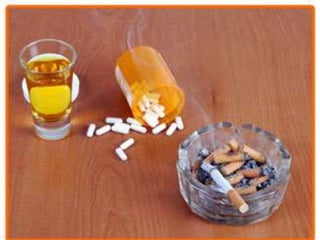
• Barbiturate overdose with other
CNS depressants, such as alcohol,
opiates or benzodiazepines, is
even more dangerous due to
additive CNS and respiratory
depressant effects
In the case of benzodiazepines, barbiturates
also increase the binding affinity of the
benzodiazepine binding sites thus leading to
an exaggerated effect of benzodiazepines.
This makes the predicting the effect of
combinations difficult and the same dose of
the same drugs will not always produce the
same degree of sedation and respiratory
depression as the previous experience.
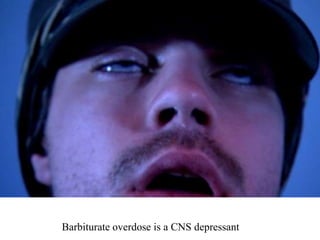
Barbiturate overdose is a CNS depressant
• The treatment of barbiturate abuse or overdose is
generally supportive. The amount of support required
depends on the person's symptoms. If the patient is
drowsy but awake and can swallow and breathe
without difficulty, the treatment can be as simple as
monitoring the patient closely. If the patient is not
breathing, it may involve mechanical ventilation until
the drug has worn off.
• Supportive treatment often includes the following:
• Activated charcoal may be given via nasogastric tube.
• Intravenous administration of saline, naloxone (opioid
antagonist), thiamine, and/or glucose.
NaHCO3 to alkalize the urine to increase rate of
excretion.
Intubation and sleeving , or a hand-breather where
these are not available until the patient can breathe
under their own power.
Observation in the Emergency Department for a
number of hours or admission to the hospital for
several days of observation if symptoms are severe.
Advise the patient about drug misuse or refer for
psychiatric consult.
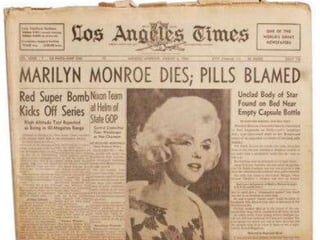
In famous cases, Marilyn Monroe, Dalida, Judy
Garland, Jimi Hendrix, and also Edie Sedgwick died
from a barbiturate overdose.
Pesticides
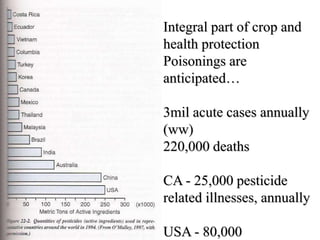
Integral part of crop and
health protection
Poisonings are
anticipated…
3mil acute cases annually
(ww)
220,000 deaths
CA - 25,000 pesticide
related illnesses, annually
USA - 80,000
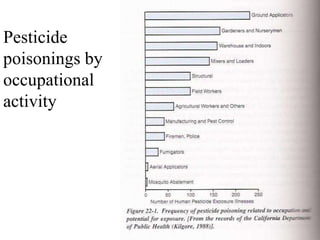
Pesticide
poisonings by
occupational
activity
Medical successes
• DDT
– Typhus in Naples, Italy
– River blindness, West Africa
– Malaria - Africa, Asia, Middle East
There are still many parasitic and vector-borne
diseases…
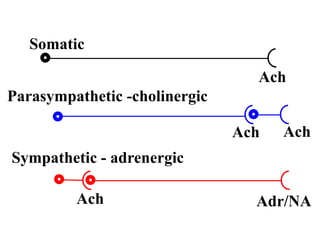
Somatic
Ach
Parasympathetic -cholinergic
Ach Ach
Sympathetic - adrenergic
Ach Adr/NA
Muscarinic vs nicotinic
Pesticides
•Organochlorines
•ChE inhibitors
•Organophosphates
•Carbamates
•Phenoxyherbicides
•Pyrethroids
•Bromine-based
•Phenol- derivatives
•Dipyridyl derivatives
Cholinesterase inhibitors
• Organophosphates (OP) and Carbamates
– Strong Acute neurotoxicity - AChE inhibition
(cholinergic effects)
– Nervous system toxins - nerve gas (sarin)
– highly toxic synthetic organophosphorus
compound.
• The effects of organophosphate poisoning on
muscarinic receptors are:
• Salivation, Lacrimation, Urination,
Defecation, gastrointestinal motility, Emesis,
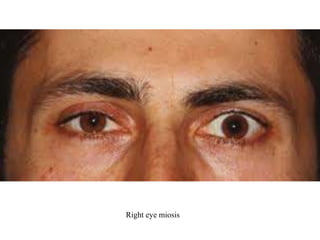
miosis.
• An additional mnemonic is : miosis, urination,
diarrhea, diaphoresis, lacrimation, excitation,
and salivation
Lacrimation
Right eye miosis
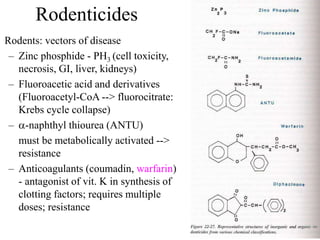
Rodenticides
Rodents: vectors of disease
– Zinc phosphide - PH3 (cell toxicity,
necrosis, GI, liver, kidneys)
– Fluoroacetic acid and derivatives
(Fluoroacetyl-CoA --> fluorocitrate:
Krebs cycle collapse)
– -naphthyl thiourea (ANTU)
must be metabolically activated -->
resistance
– Anticoagulants (coumadin, warfarin)
- antagonist of vit. K in synthesis of
clotting factors; requires multiple
doses; resistance

3._Atropine_poisoning.pptx

  • 1.
  • 2.
    • Atropine isa naturally occurring tropane alkaloid extracted from deadly nightshade (Atropa belladonna), Jimson weed (Datura stramonium). It is a secondary metabolite of these plants and serves as a drug with a wide variety of effects.
  • 3.
    • In general,atropine counters the "rest and digest" activity of glands regulated by the parasympathetic nervous system. This occurs because atropine is a competitive antagonist of the muscarinic acetylcholine receptors (acetylcholine being the main neurotransmitter used by the parasympathetic nervous system).
  • 4.
  • 5.
  • 6.
    Uses in Medicine •Slows action of smooth muscle system – Parkinson’s symptoms – Irregularities in heart rate – Dilates pupils – Reduces salivation – Stomach and bladder cramps – Helps to relax pre-surgery patients
  • 7.
    Effects on Humans •Increased/rapid heart rate • Fits of laughter • Inability to urinate • Dilated pupils • Dryness of mouth • Nausea, vomiting • Muscle failure • Exhaustion
  • 8.
    Signs of Overdose •Stop perspiring i.e. sweating • Dry mouth and difficulty of speech • Rise in body temperature • Inability to see or blurred vision, atropine dilates pupils • Hallucinations • Flushed skin • Confusion • Coma • Death
  • 9.
    Atropine dilates thepupils, increases heart rate, and reduces salivation and other secretions. Adverse reactions to atropine include ventricular fibrillation, supraventricular or ventricular tachycardia, dizziness, nausea, blurred vision, loss of balance, dilated pupils, photophobia, dry mouth and potentially extreme confusion, dissociative hallucinations and excitation especially amongst the elderly..
  • 10.
    •These latter effectsare because atropine is able to cross the blood–brain barrier. Because of the hallucinogenic properties, some have used the drug recreationally, though this is potentially dangerous and often unpleasant
  • 11.
  • 12.
    In overdoses, atropineis poisonous. Atropine is sometimes added to potentially addictive drugs, particularly anti-diarrhea opioid drugs such as diphenoxylate or difenoxin, wherein the secretion- reducing effects of the atropine can also aid the anti-diarrhea effects.
  • 13.
    Although atropine treats bradycardiain emergency settings, it can cause paradoxical heart rate slowing when given at very low doses (i.e. <0.5 mg), presumably as a result of central action in the CNS.
  • 14.
    •One proposed mechanismfor atropine's paradoxical bradycardia effect at low doses involves blockade of inhibitory presynaptic muscarinic autoreceptors, thereby blocking a system that inhibits the parasympathetic response.
  • 15.
    • The antidoteto atropine is physostigmine or pilocarpine. • These associations reflect the specific changes of warm, dry skin from decreased sweating, blurry vision, decreased sweating/ lacrimation, vasodilation, and central nervous system effects on muscarinic receptors, type 4 and 5.
  • 16.
    • This setof symptoms is known as anticholinergic toxidrome, and may also be caused by other drugs with anticholinergic effects, such as scopolamine, diphenhydramine, phenothiazine antipsychotics and benztropine
  • 17.
    • Treatment.--Wash outthe stomach freely; a hypodermic injection of apomorphine as an emetic, followed by hypodermic injections of pilocarpine or physiostegmine. Tea, coffee, or tannin, to precipitate the alkaloid.
  • 18.
    Barbiturate Poisoning Long actingphenobarbital epilepsy Intermediate amobarbital insomnia Short pentobarbital overcome difficulty in falling asleep Ultrashort pentobarbital for anesthesia and euthanasia.
  • 19.
    Barbiturate overdose A barbiturateoverdose results when a person takes excessive doses of barbiturates. Symptoms of an overdose typically include sluggishness, incoordination, difficulty in thinking, slowness of speech, faulty judgment, drowsiness, shallow breathing, and staggering. In severe cases, coma and death can result. The lethal dosage of barbiturates varies greatly with tolerance and from one
  • 20.
    • Barbiturate overdosewith other CNS depressants, such as alcohol, opiates or benzodiazepines, is even more dangerous due to additive CNS and respiratory depressant effects
  • 22.
    In the caseof benzodiazepines, barbiturates also increase the binding affinity of the benzodiazepine binding sites thus leading to an exaggerated effect of benzodiazepines. This makes the predicting the effect of combinations difficult and the same dose of the same drugs will not always produce the same degree of sedation and respiratory depression as the previous experience.
  • 23.
    Barbiturate overdose isa CNS depressant
  • 25.
    • The treatmentof barbiturate abuse or overdose is generally supportive. The amount of support required depends on the person's symptoms. If the patient is drowsy but awake and can swallow and breathe without difficulty, the treatment can be as simple as monitoring the patient closely. If the patient is not breathing, it may involve mechanical ventilation until the drug has worn off. • Supportive treatment often includes the following: • Activated charcoal may be given via nasogastric tube. • Intravenous administration of saline, naloxone (opioid antagonist), thiamine, and/or glucose.
  • 26.
    NaHCO3 to alkalizethe urine to increase rate of excretion. Intubation and sleeving , or a hand-breather where these are not available until the patient can breathe under their own power. Observation in the Emergency Department for a number of hours or admission to the hospital for several days of observation if symptoms are severe. Advise the patient about drug misuse or refer for psychiatric consult. In famous cases, Marilyn Monroe, Dalida, Judy Garland, Jimi Hendrix, and also Edie Sedgwick died from a barbiturate overdose.
  • 28.
  • 29.
    Integral part ofcrop and health protection Poisonings are anticipated… 3mil acute cases annually (ww) 220,000 deaths CA - 25,000 pesticide related illnesses, annually USA - 80,000
  • 30.
  • 31.
    Medical successes • DDT –Typhus in Naples, Italy – River blindness, West Africa – Malaria - Africa, Asia, Middle East There are still many parasitic and vector-borne diseases…
  • 32.
  • 33.
  • 34.
  • 35.
    Cholinesterase inhibitors • Organophosphates(OP) and Carbamates – Strong Acute neurotoxicity - AChE inhibition (cholinergic effects) – Nervous system toxins - nerve gas (sarin) – highly toxic synthetic organophosphorus compound.
  • 36.
    • The effectsof organophosphate poisoning on muscarinic receptors are: • Salivation, Lacrimation, Urination, Defecation, gastrointestinal motility, Emesis, miosis. • An additional mnemonic is : miosis, urination, diarrhea, diaphoresis, lacrimation, excitation, and salivation
  • 37.
  • 38.
  • 39.
    Rodenticides Rodents: vectors ofdisease – Zinc phosphide - PH3 (cell toxicity, necrosis, GI, liver, kidneys) – Fluoroacetic acid and derivatives (Fluoroacetyl-CoA --> fluorocitrate: Krebs cycle collapse) – -naphthyl thiourea (ANTU) must be metabolically activated --> resistance – Anticoagulants (coumadin, warfarin) - antagonist of vit. K in synthesis of clotting factors; requires multiple doses; resistance