Audiences and Representations
Learning Objectives:
To develop understanding of the concept of
audience (for Exam Section B AO1 & AO2 also
for Magazine design)

To develop understanding of concept of
representation (for Exam Section B AO1 &
AO2 also for Magazine Design)

To draw attention to links between Practical and
Theoretical aspects of the course.
Audience = group that consumes the product

Target group can be wide/mass audience or
           specific/niche group

Each audience and member of audience will
    consume product in a different way
In order to target the most appropriate
audience the producers of media texts will
research using categories such as:
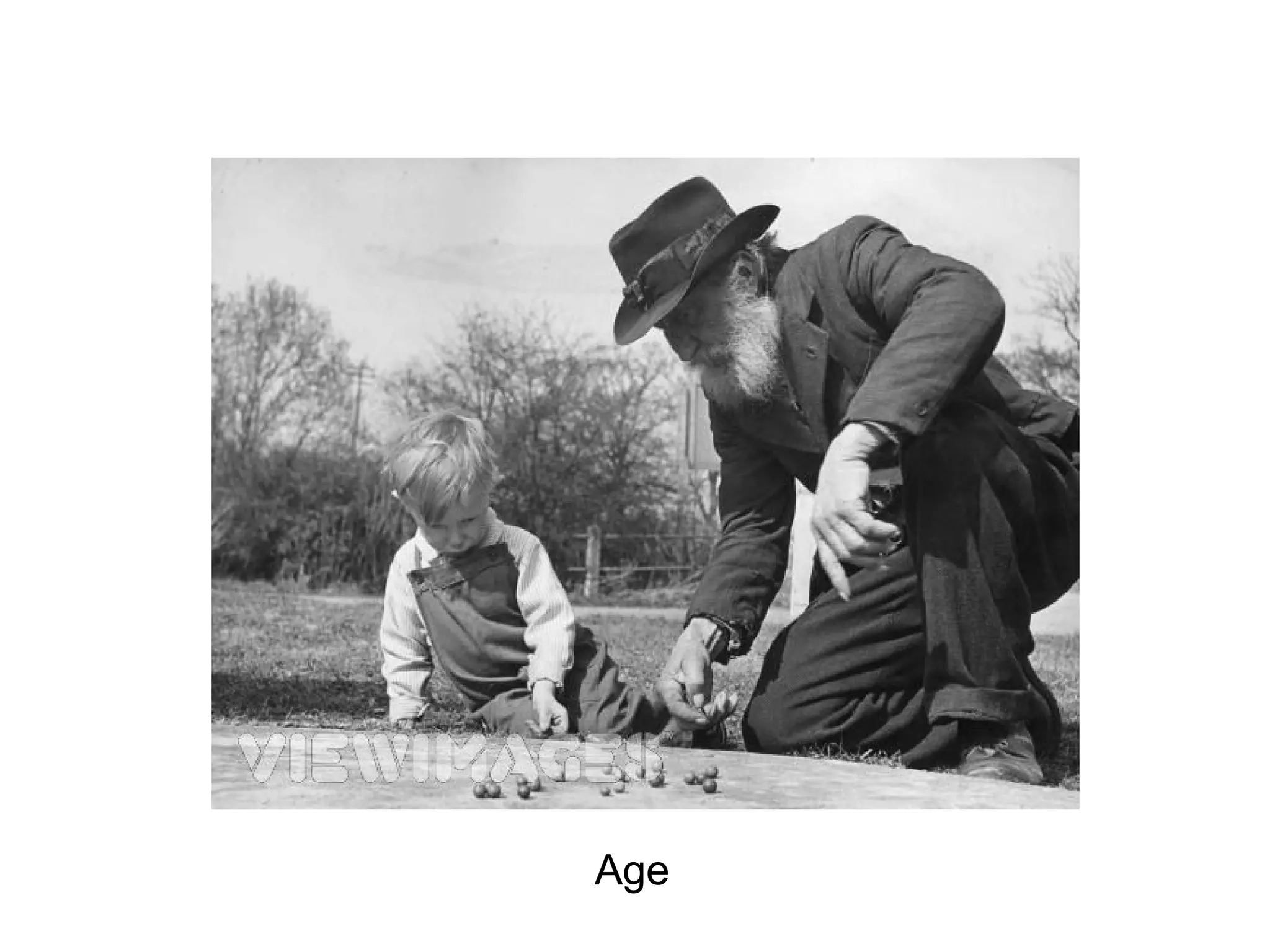
Age
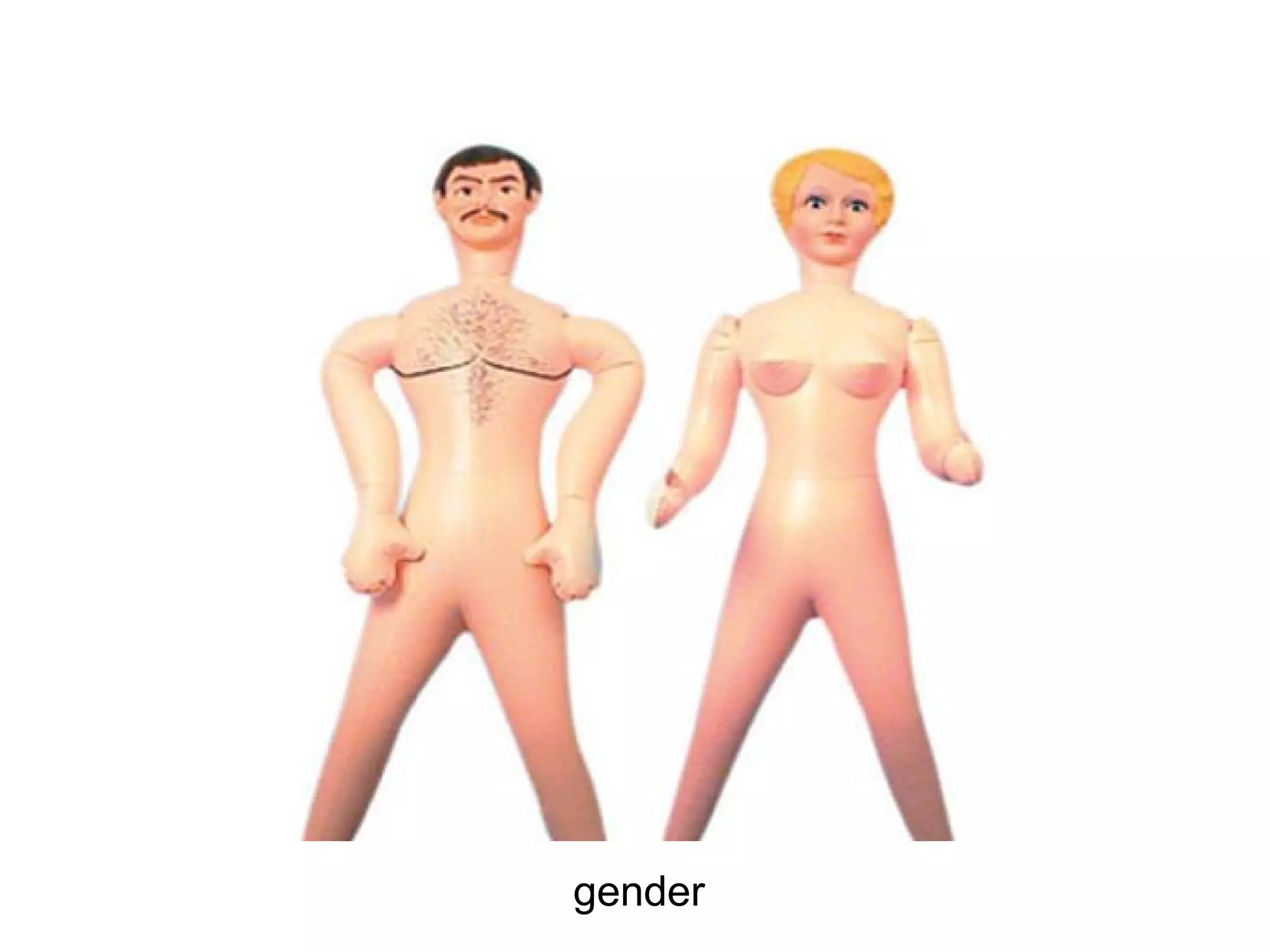
gender
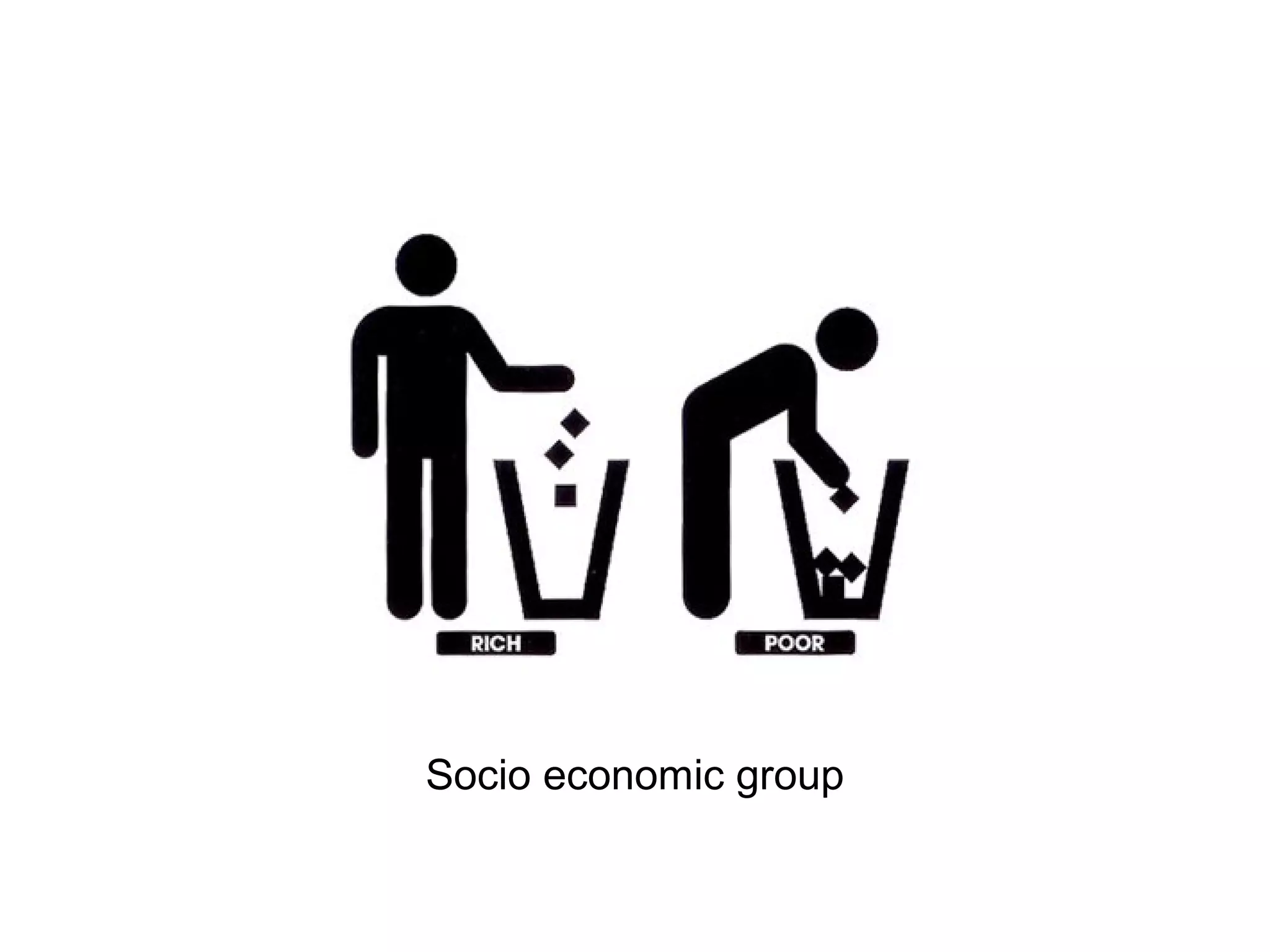
Socio economic group
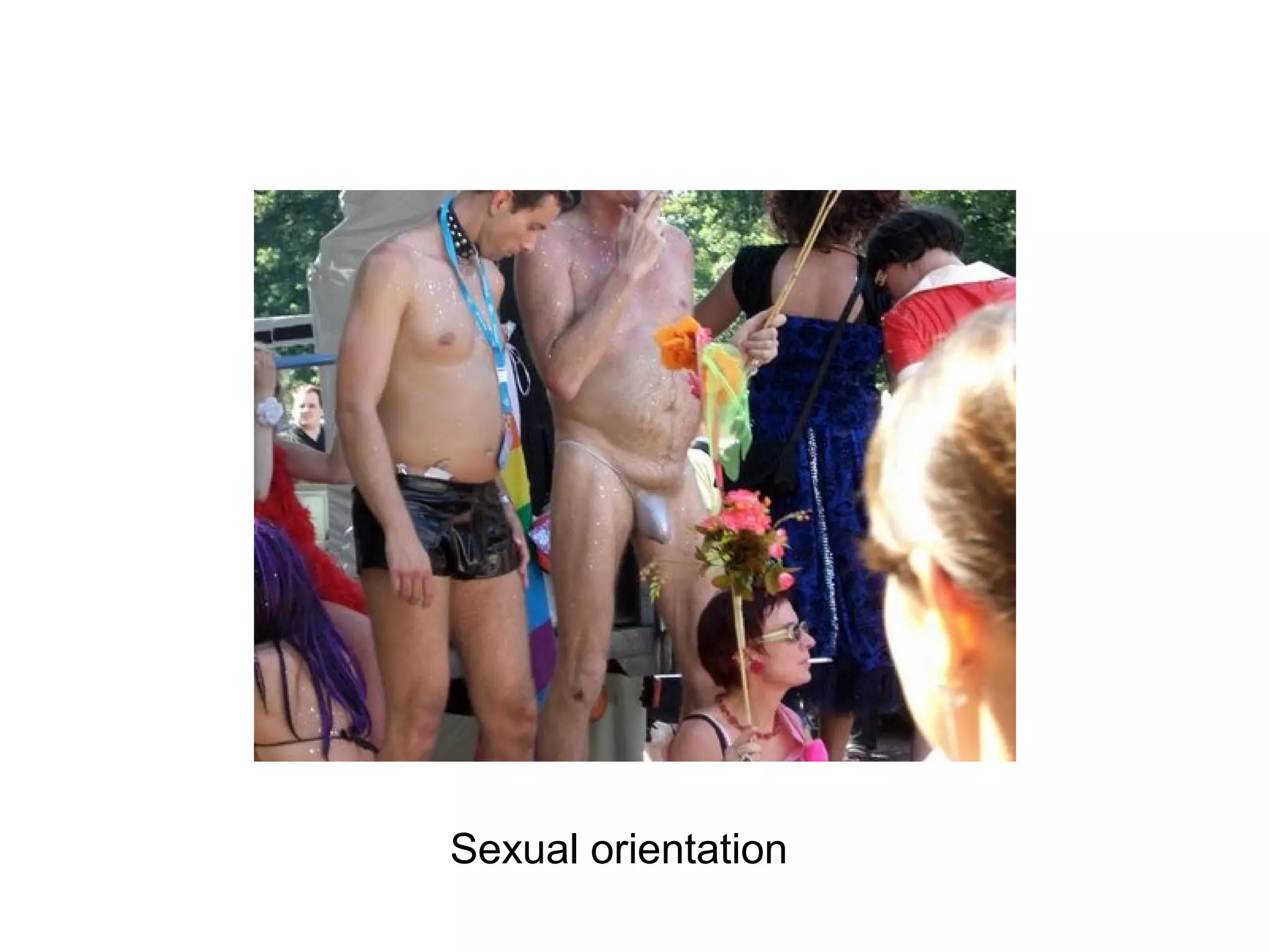
Sexual orientation
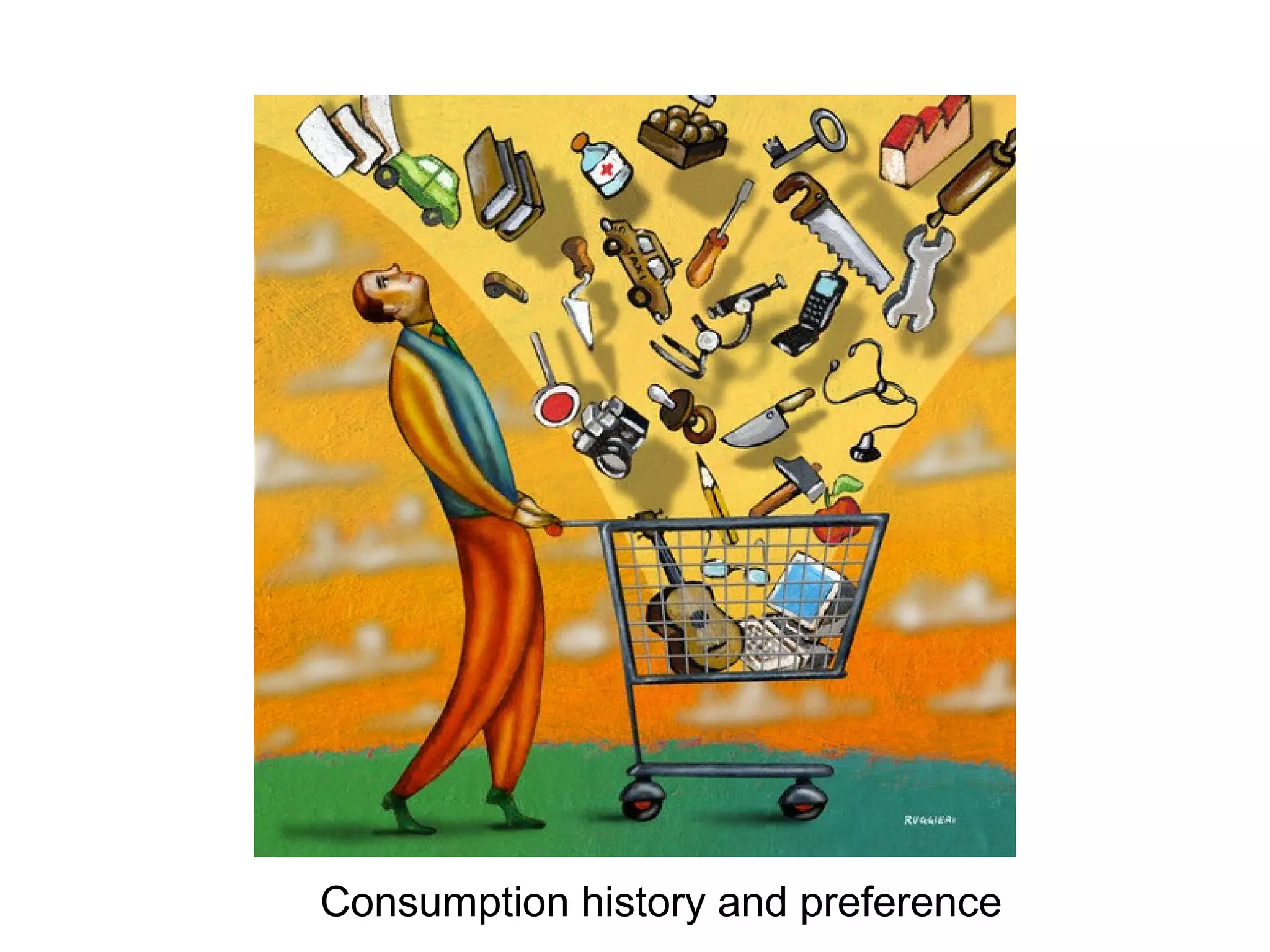
Consumption history and preference
Things you must be able to discuss:
•The fact that all media texts have a target
audience
•The various ways in which both institutions
and producers research and target the
audience
•The ways in which the audience responds
to representation in media texts
•The means by which individuals learn to
consider their role within an audience
•The consumption of media texts by the
audience
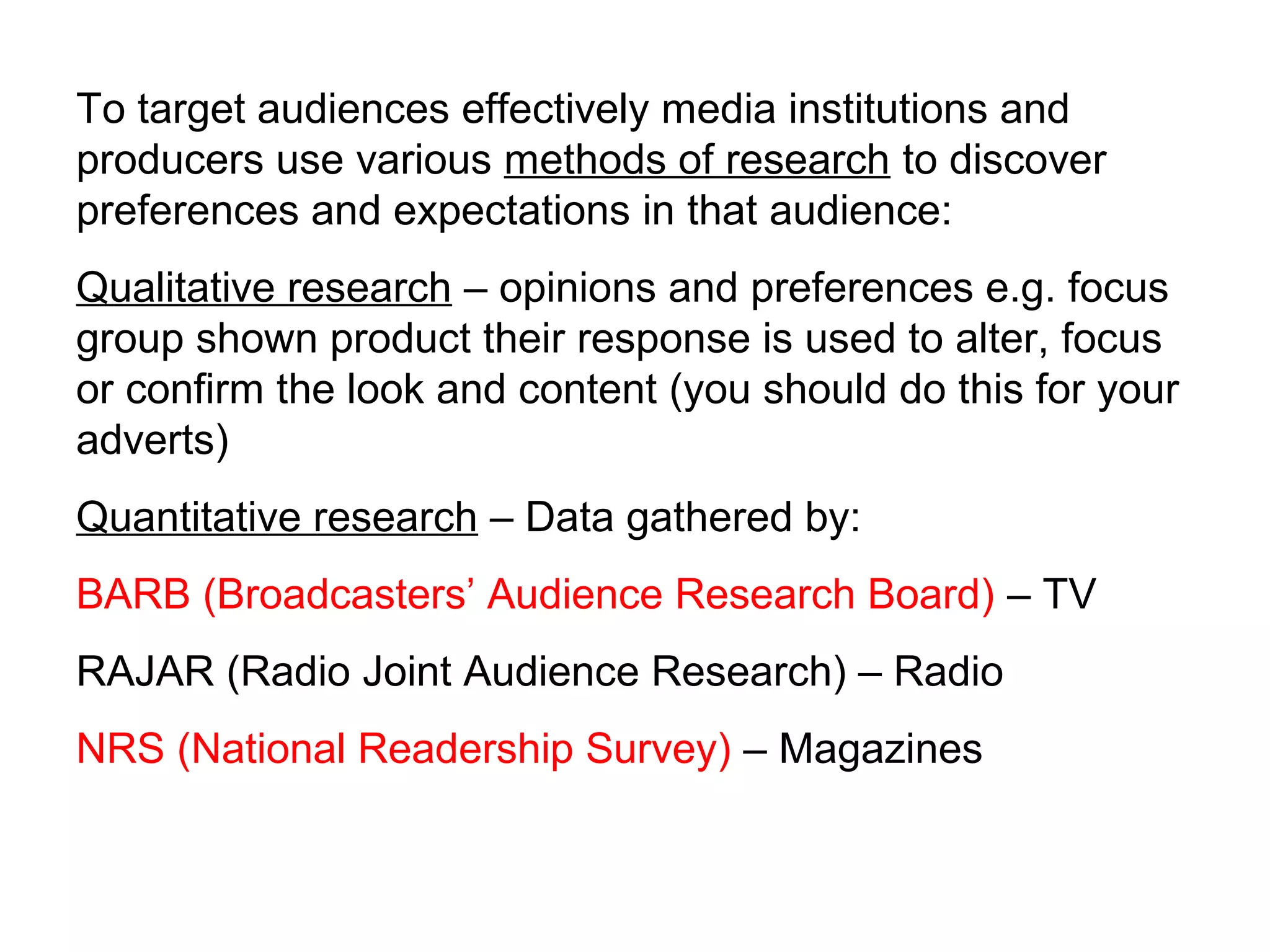
To target audiences effectively media institutions and
producers use various methods of research to discover
preferences and expectations in that audience:
Qualitative research – opinions and preferences e.g. focus
group shown product their response is used to alter, focus
or confirm the look and content (you should do this for your
adverts)
Quantitative research – Data gathered by:
BARB (Broadcasters’ Audience Research Board) – TV
RAJAR (Radio Joint Audience Research) – Radio
NRS (National Readership Survey) – Magazines
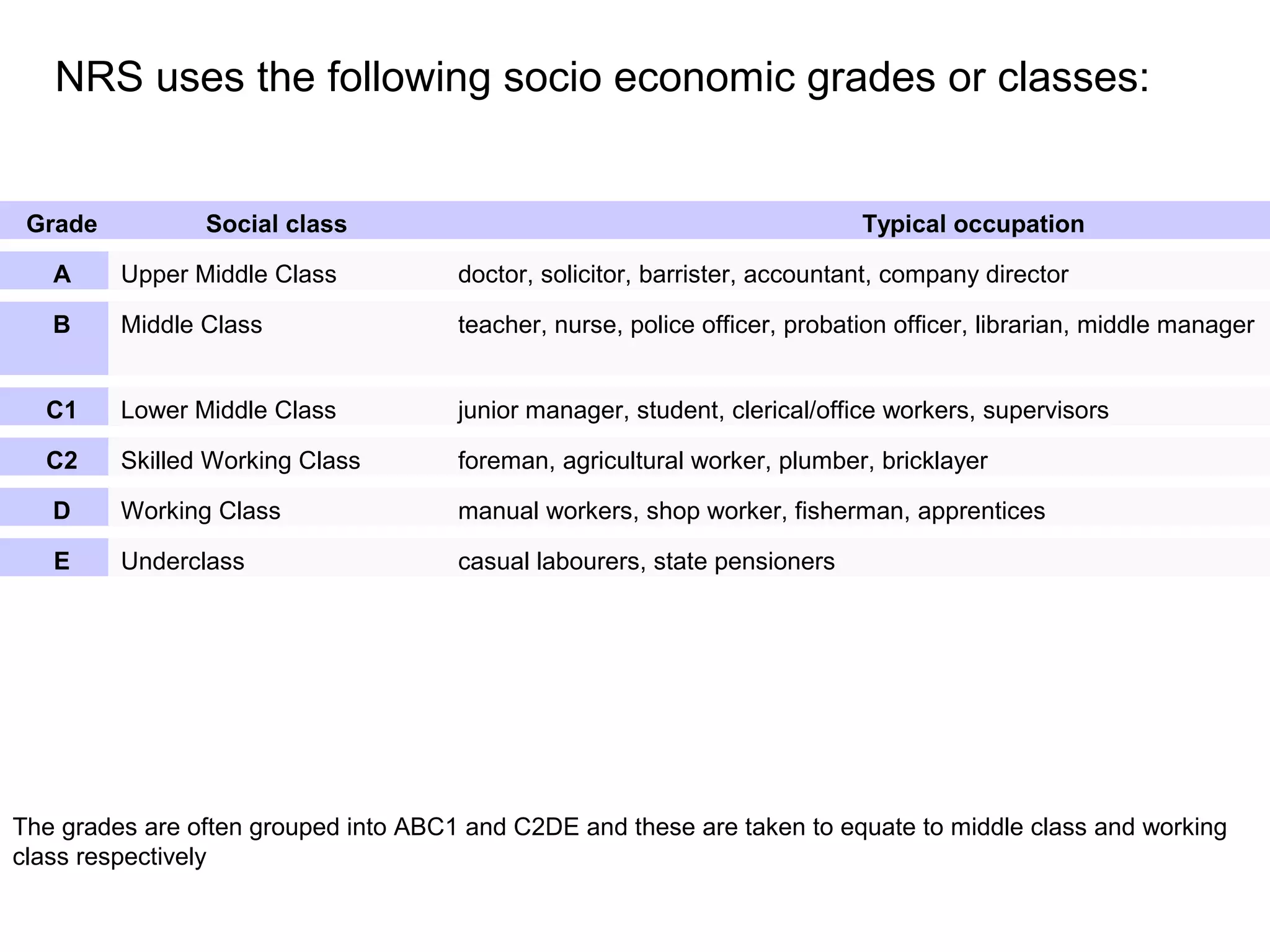
NRS uses the following socio economic grades or classes:


 Grade          Social class                                                Typical occupation

   A     Upper Middle Class           doctor, solicitor, barrister, accountant, company director

   B     Middle Class                 teacher, nurse, police officer, probation officer, librarian, middle manager


  C1     Lower Middle Class           junior manager, student, clerical/office workers, supervisors

  C2     Skilled Working Class        foreman, agricultural worker, plumber, bricklayer

   D     Working Class                manual workers, shop worker, fisherman, apprentices

   E     Underclass                   casual labourers, state pensioners


The grades are often grouped into ABC1 and C2DE and these are taken to equate to middle class and working
class respectively
For example:
Once the target audience is established the product
producers will target the audience by promotion e.g:
In magazines read by the target audience
Internet sites (pop ups banners viral adverts etc)
Adverts between preferred programmes
Some other audience descriptors you could refer to:
Segmentation (advertisers):
1.succeeders 2.aspirers 3.carers 4.achievers
5.radicals 6.traditional 7.underachievers
Social Values (social scientists):
1.Traditionalist – keep things the way they are
2.Materialist – have something now, pay later
3.Hedonist – to play, or enjoy life now
4.Post Materialist – to be something later
5.Post Modernist – to have, to be, and to play
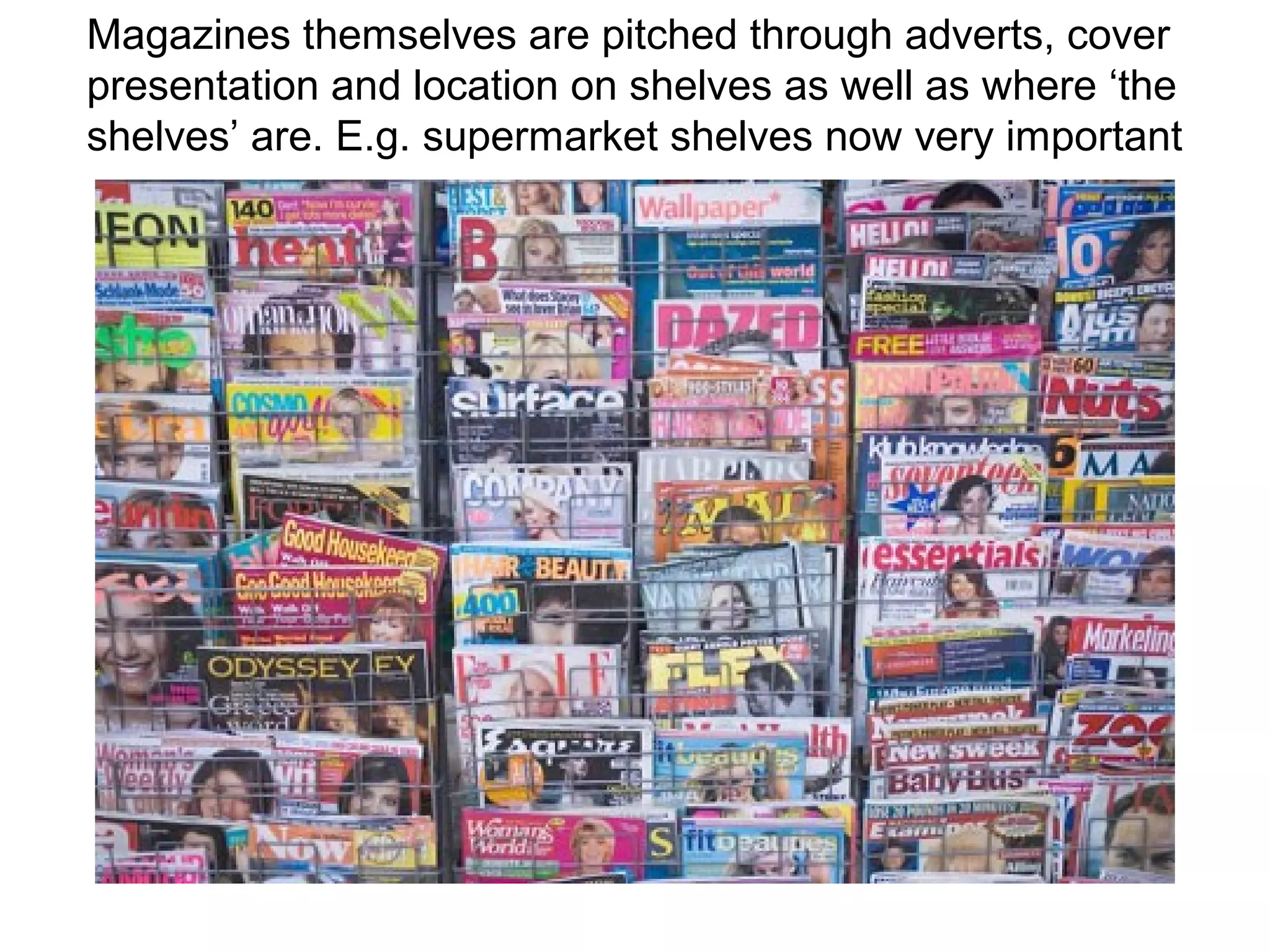
Magazines themselves are pitched through adverts, cover
presentation and location on shelves as well as where ‘the
shelves’ are. E.g. supermarket shelves now very important
‘It is clear, therefore, that audiences consume the media
texts… …in different ways: they may accept, reject or
negotiate a response to a preferred textual reading and will
often be extremely active within the consumption process’ (in
contrast with early media theories of passive consumption and
influence)
‘an audience will often respond emotionally to what they are
consuming’(they don’t often consciously analyse stuff)
‘We might also have a particular ideological position that is
being engaged by the media text’ (ideology is a set of ideas or
ideals within a society)
‘Remember that whether we read something from a dominant,
negotiated or oppositional perspective it is intrinsically linked to
whatever personal experience or detail the text encourages us
to reflect upon.’
                             (p25 AS Media Studies for OCR)
Audiences are often prepared to question
stereotypes yet frequently relate themselves to
a stereotype or typical audience
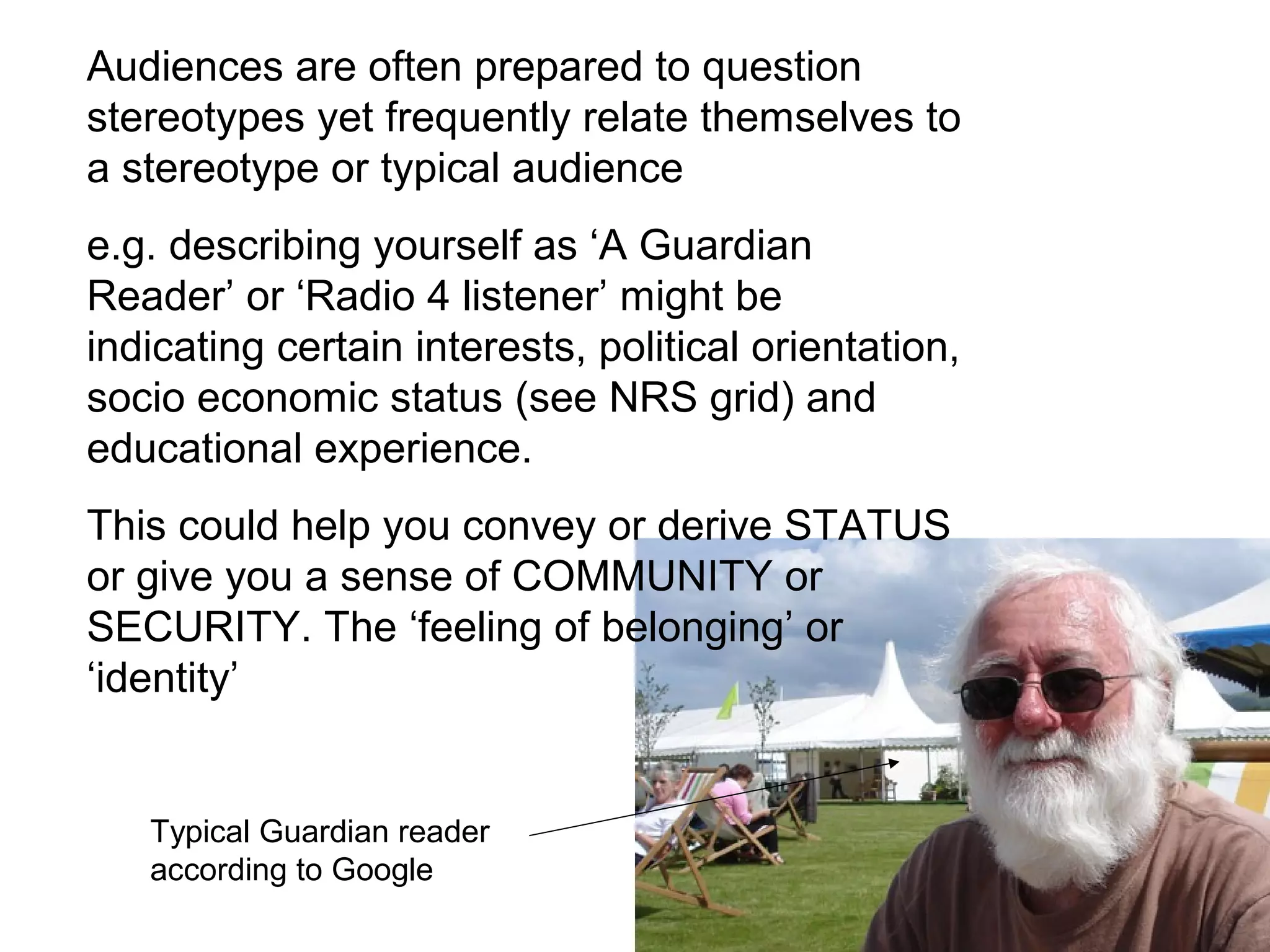
e.g. describing yourself as ‘A Guardian
Reader’ or ‘Radio 4 listener’ might be
indicating certain interests, political orientation,
socio economic status (see NRS grid) and
educational experience.
This could help you convey or derive STATUS
or give you a sense of COMMUNITY or
SECURITY. The ‘feeling of belonging’ or
‘identity’


   Typical Guardian reader
   according to Google
As individuals we often define ourselves through groups within
which we are included e.g. different musical tastes:


punk                                                       emo


                                                           raver

New romantic
Representation
Basically this idea of social groups which are defined through
                  images, reports, articles etc.
  OCR text book defines representation as: ‘the process by
    which images, words or sounds are used to indicate
(connote) issues or debates beyond what they literally mean.’
Representations can be positive or negative and this notion is
subjective – different social groupings might have opposing
views of what is or isn’t a positive/negative representation.
(e.g. use of the term ‘nigger’ in Big Brother.)
Debates arise when a stereotype is explored or exploited.

               Representation (A-level) from
               MediaKnowall site
Representations of women across all media
tend to highlight the following:
•beauty (within narrow conventions)
•size/physique (again, within narrow
conventions)
•sexuality (as expressed by the above)
•emotional (as opposed to intellectual)
dealings
•relationships (as opposed to
independence/freedom)
Women are often represented as being
part of a context (family, friends,
colleagues) and working/thinking as part of
a team. In drama, they tend to take the
role of helper (Propp) or object, passive
rather than active. Often their passivity
extends to victimhood.
Men are still represented as TV drama
characters up to 3 times more frequently
than women, and tend to be the
predominant focus of news stories.
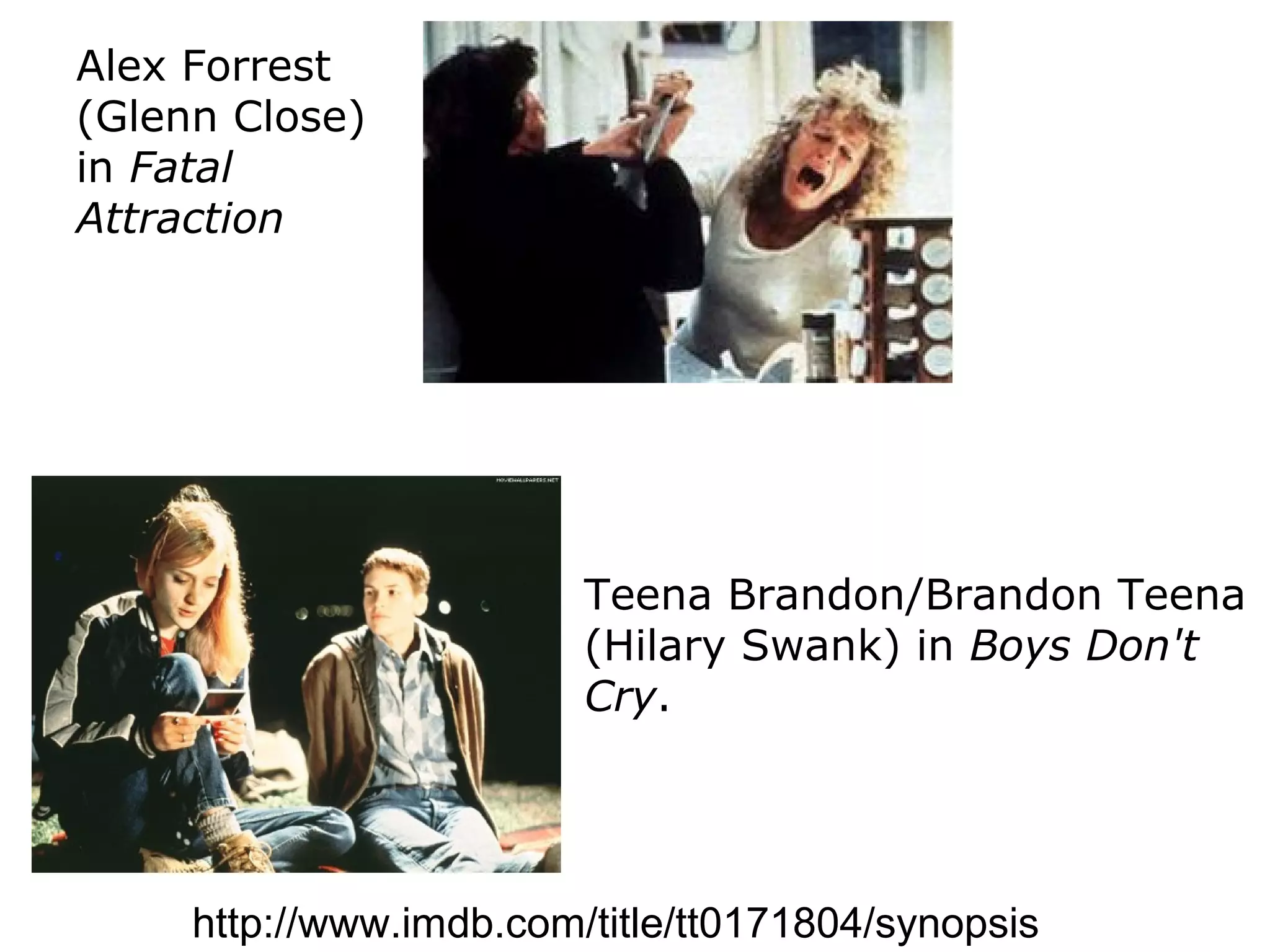
The representations of women that do make it
onto page and screen do tend to be
stereotypical
Characters who do not fit into the mould tend
to be seen as dangerous and deviant.
And they get their comeuppance, particularly
in the movies:
Alex Forrest
(Glenn Close)
in Fatal
Attraction


                         Teena Brandon/Brandon Teena
                         (Hilary Swank) in Boys Don't
                         Cry.


     http://www.imdb.com/title/tt0171804/synopsis
America seems to expect its women to behave better
than their European counterparts - British viewers
adored the antics of Patsy & Edina in Absolutely
Fabulous, but these had to be severely toned down
(less swearing, NO drugtaking) for the US remake,
High Society (which was a flop).
Moving Image Media (Film and TV) use the following
devices to suggest the ways the audience should
respond to situations and people: (this is known as
positioning the audience)
Characters who offer ‘shorthand’ representations of real
types of people (or stereotypes)
Narrative which is visually presented and demands high
levels of active audience understanding (of what is assumed
to happen between edits e.g. passage of time – the
difference between plot and story)
Mise en scene (costume, props, lighting ‘authenticity’)
Camerawork that ensures continuity and creates drama
through visual conventions
Dialogue, sound and music which create a balance
between ‘verisimilitude’ (the believable logic of the world
within the text – usually diegetic sound)
and drama e.g. dialogue more polished than it would be in
reality and ‘scary music’ non diegetic sound.

3 audiences and representation

  • 1.
    Audiences and Representations LearningObjectives: To develop understanding of the concept of audience (for Exam Section B AO1 & AO2 also for Magazine design) To develop understanding of concept of representation (for Exam Section B AO1 & AO2 also for Magazine Design) To draw attention to links between Practical and Theoretical aspects of the course.
  • 2.
    Audience = groupthat consumes the product Target group can be wide/mass audience or specific/niche group Each audience and member of audience will consume product in a different way
  • 3.
    In order totarget the most appropriate audience the producers of media texts will research using categories such as:
  • 4.
  • 5.
  • 6.
  • 7.
  • 8.
  • 9.
    Things you mustbe able to discuss: •The fact that all media texts have a target audience •The various ways in which both institutions and producers research and target the audience •The ways in which the audience responds to representation in media texts •The means by which individuals learn to consider their role within an audience •The consumption of media texts by the audience
  • 10.
    To target audienceseffectively media institutions and producers use various methods of research to discover preferences and expectations in that audience: Qualitative research – opinions and preferences e.g. focus group shown product their response is used to alter, focus or confirm the look and content (you should do this for your adverts) Quantitative research – Data gathered by: BARB (Broadcasters’ Audience Research Board) – TV RAJAR (Radio Joint Audience Research) – Radio NRS (National Readership Survey) – Magazines
  • 11.
    NRS uses thefollowing socio economic grades or classes: Grade Social class Typical occupation A Upper Middle Class doctor, solicitor, barrister, accountant, company director B Middle Class teacher, nurse, police officer, probation officer, librarian, middle manager C1 Lower Middle Class junior manager, student, clerical/office workers, supervisors C2 Skilled Working Class foreman, agricultural worker, plumber, bricklayer D Working Class manual workers, shop worker, fisherman, apprentices E Underclass casual labourers, state pensioners The grades are often grouped into ABC1 and C2DE and these are taken to equate to middle class and working class respectively
  • 12.
  • 13.
    Once the targetaudience is established the product producers will target the audience by promotion e.g: In magazines read by the target audience Internet sites (pop ups banners viral adverts etc) Adverts between preferred programmes
  • 14.
    Some other audiencedescriptors you could refer to: Segmentation (advertisers): 1.succeeders 2.aspirers 3.carers 4.achievers 5.radicals 6.traditional 7.underachievers Social Values (social scientists): 1.Traditionalist – keep things the way they are 2.Materialist – have something now, pay later 3.Hedonist – to play, or enjoy life now 4.Post Materialist – to be something later 5.Post Modernist – to have, to be, and to play
  • 15.
    Magazines themselves arepitched through adverts, cover presentation and location on shelves as well as where ‘the shelves’ are. E.g. supermarket shelves now very important
  • 16.
    ‘It is clear,therefore, that audiences consume the media texts… …in different ways: they may accept, reject or negotiate a response to a preferred textual reading and will often be extremely active within the consumption process’ (in contrast with early media theories of passive consumption and influence) ‘an audience will often respond emotionally to what they are consuming’(they don’t often consciously analyse stuff) ‘We might also have a particular ideological position that is being engaged by the media text’ (ideology is a set of ideas or ideals within a society) ‘Remember that whether we read something from a dominant, negotiated or oppositional perspective it is intrinsically linked to whatever personal experience or detail the text encourages us to reflect upon.’ (p25 AS Media Studies for OCR)
  • 17.
    Audiences are oftenprepared to question stereotypes yet frequently relate themselves to a stereotype or typical audience e.g. describing yourself as ‘A Guardian Reader’ or ‘Radio 4 listener’ might be indicating certain interests, political orientation, socio economic status (see NRS grid) and educational experience. This could help you convey or derive STATUS or give you a sense of COMMUNITY or SECURITY. The ‘feeling of belonging’ or ‘identity’ Typical Guardian reader according to Google
  • 18.
    As individuals weoften define ourselves through groups within which we are included e.g. different musical tastes: punk emo raver New romantic
  • 19.
    Representation Basically this ideaof social groups which are defined through images, reports, articles etc. OCR text book defines representation as: ‘the process by which images, words or sounds are used to indicate (connote) issues or debates beyond what they literally mean.’ Representations can be positive or negative and this notion is subjective – different social groupings might have opposing views of what is or isn’t a positive/negative representation. (e.g. use of the term ‘nigger’ in Big Brother.) Debates arise when a stereotype is explored or exploited. Representation (A-level) from MediaKnowall site
  • 20.
    Representations of womenacross all media tend to highlight the following: •beauty (within narrow conventions) •size/physique (again, within narrow conventions) •sexuality (as expressed by the above) •emotional (as opposed to intellectual) dealings •relationships (as opposed to independence/freedom)
  • 21.
    Women are oftenrepresented as being part of a context (family, friends, colleagues) and working/thinking as part of a team. In drama, they tend to take the role of helper (Propp) or object, passive rather than active. Often their passivity extends to victimhood. Men are still represented as TV drama characters up to 3 times more frequently than women, and tend to be the predominant focus of news stories.
  • 22.
    The representations ofwomen that do make it onto page and screen do tend to be stereotypical Characters who do not fit into the mould tend to be seen as dangerous and deviant. And they get their comeuppance, particularly in the movies:
  • 23.
    Alex Forrest (Glenn Close) inFatal Attraction Teena Brandon/Brandon Teena (Hilary Swank) in Boys Don't Cry. http://www.imdb.com/title/tt0171804/synopsis
  • 24.
    America seems toexpect its women to behave better than their European counterparts - British viewers adored the antics of Patsy & Edina in Absolutely Fabulous, but these had to be severely toned down (less swearing, NO drugtaking) for the US remake, High Society (which was a flop).
  • 25.
    Moving Image Media(Film and TV) use the following devices to suggest the ways the audience should respond to situations and people: (this is known as positioning the audience)
  • 26.
    Characters who offer‘shorthand’ representations of real types of people (or stereotypes) Narrative which is visually presented and demands high levels of active audience understanding (of what is assumed to happen between edits e.g. passage of time – the difference between plot and story) Mise en scene (costume, props, lighting ‘authenticity’) Camerawork that ensures continuity and creates drama through visual conventions Dialogue, sound and music which create a balance between ‘verisimilitude’ (the believable logic of the world within the text – usually diegetic sound) and drama e.g. dialogue more polished than it would be in reality and ‘scary music’ non diegetic sound.