WalkTalks
An engagement tool focused on creating
community connections
Ryan Martinson, Sustainable Calgary
June 25, 2014
Community of Practice
WALKTALK FOUNDATION
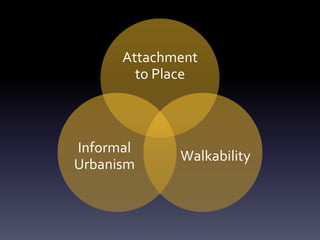
Attachment
to Place
Walkability
Informal
Urbanism
ATTACHMENTTO PLACE
Attachment
to Place
Walkability
Informal
Urbanism
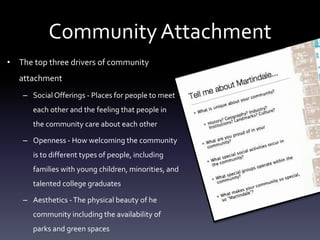
CommunityAttachment
• The top three drivers of community
attachment
– Social Offerings - Places for people to meet
each other and the feeling that people in
the community care about each other
– Openness - How welcoming the community
is to different types of people, including
families with young children, minorities, and
talented college graduates
– Aesthetics -The physical beauty of he
community including the availability of
parks and green spaces
WALKABILITY
Attachment
to Place
Walkability
Informal
Urbanism
WALKING DOESN’T HAPPEN
ANYMORE, SO WHY BOTHER…
OR DOES IT?
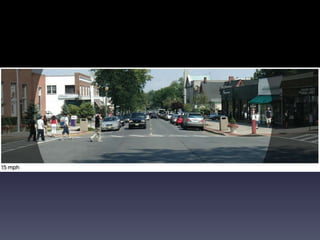
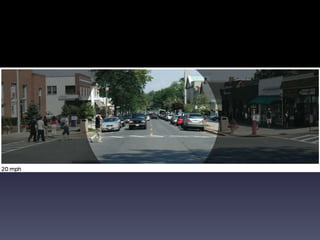
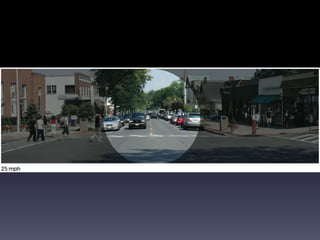
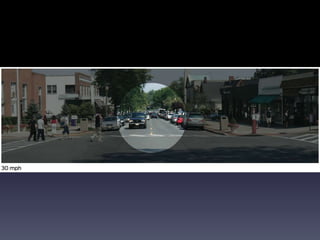
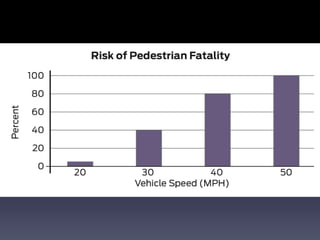
VEHICLE SPEED
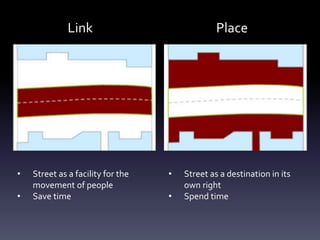
Link Place
• Street as a facility for the
movement of people
• Save time
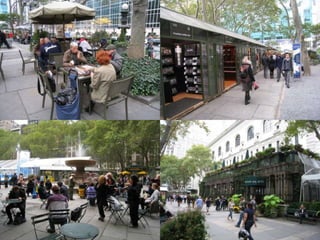
• Street as a destination in its
own right
• Spend time
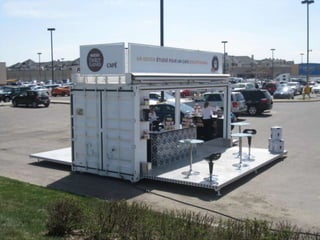
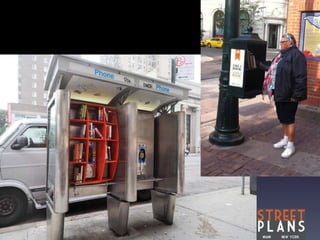
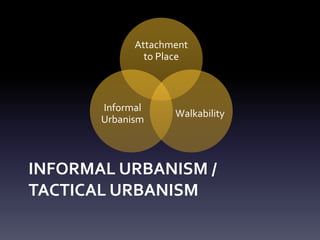
INFORMAL URBANISM /
TACTICAL URBANISM
Attachment
to Place
Walkability
Informal
Urbanism
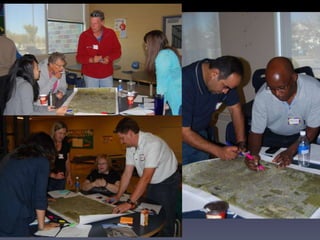
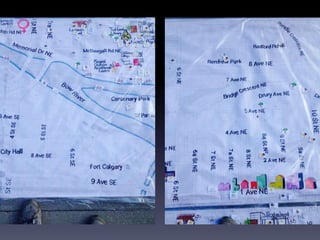
HOWTHE EVENT GOES
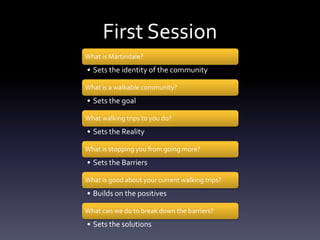
First Session
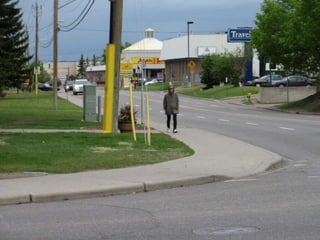
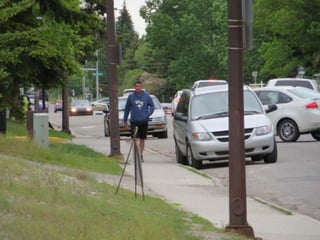
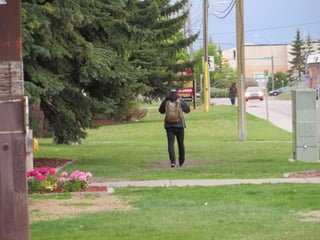
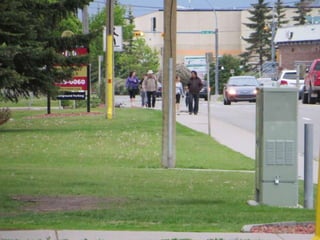
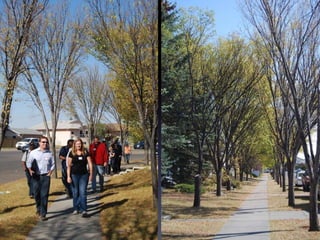
What is Martindale?
• Sets the identity of the community
What is a walkable community?
• Sets the goal
What walking trips to you do?
• Sets the Reality
What is stopping you from going more?
• Sets the Barriers
What is good about your current walking trips?
• Builds on the positives
What can we do to break down the barriers?
• Sets the solutions
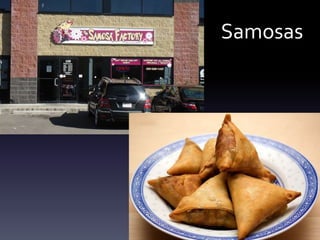
Samosas
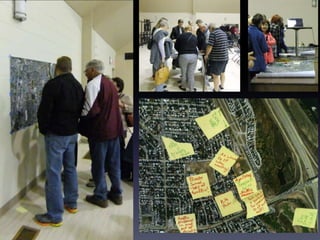
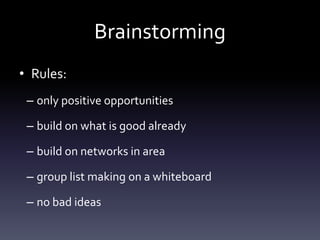
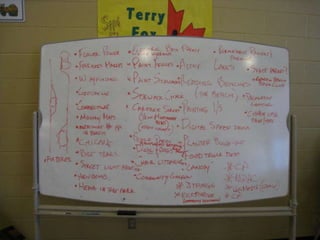
Brainstorming
• Rules:
– only positive opportunities
– build on what is good already
– build on networks in area
– group list making on a whiteboard
– no bad ideas
What Martindale thought of:
RESULTS
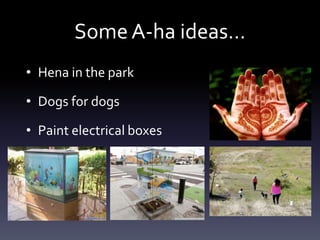
Some A-ha ideas…
• Hena in the park
• Dogs for dogs
• Paint electrical boxes
‘Build the social fabric and transform the
isolation within our communities into
connectedness and caring for the whole’
Community –The structure of belonging by Peter Block
A blend of questions and new
ideas
• The traditional conversations that seek to explain,
study, analyze, define tools, and express the desire to
change others are interesting but not powerful.
• Questions open the door to the future and are more
powerful than answers in that they demand
engagement. Engagement in the right questions is
what creates accountability.
Community –The structure of belonging by Peter Block
Why it might work
• ‘Shift our conversations from the problems of
community to the possibility of community.’
• The essence of creating an alternative future
comes form citizen-to-citizen engagement
that constantly focuses on the well-being of
the whole.
Community –The structure of belonging by Peter Block
Leadership
• Leadership is convening and held to three
tasks:
– Shift the context within which people gather.
– Name the debate through powerful questions.
– Listen rather than advocate, defend, or provide
answers.
Community –The structure of belonging by Peter Block

20140623 co p walktalks final low res

  • 1.
    WalkTalks An engagement toolfocused on creating community connections Ryan Martinson, Sustainable Calgary June 25, 2014 Community of Practice
  • 2.
  • 3.
  • 4.
  • 5.
    CommunityAttachment • The topthree drivers of community attachment – Social Offerings - Places for people to meet each other and the feeling that people in the community care about each other – Openness - How welcoming the community is to different types of people, including families with young children, minorities, and talented college graduates – Aesthetics -The physical beauty of he community including the availability of parks and green spaces
  • 6.
  • 12.
    WALKING DOESN’T HAPPEN ANYMORE,SO WHY BOTHER… OR DOES IT?
  • 29.
  • 35.
    Link Place • Streetas a facility for the movement of people • Save time • Street as a destination in its own right • Spend time
  • 36.
    INFORMAL URBANISM / TACTICALURBANISM Attachment to Place Walkability Informal Urbanism
  • 41.
  • 42.
    First Session What isMartindale? • Sets the identity of the community What is a walkable community? • Sets the goal What walking trips to you do? • Sets the Reality What is stopping you from going more? • Sets the Barriers What is good about your current walking trips? • Builds on the positives What can we do to break down the barriers? • Sets the solutions
  • 51.
  • 56.
    Brainstorming • Rules: – onlypositive opportunities – build on what is good already – build on networks in area – group list making on a whiteboard – no bad ideas
  • 57.
  • 58.
  • 59.
    Some A-ha ideas… •Hena in the park • Dogs for dogs • Paint electrical boxes
  • 60.
    ‘Build the socialfabric and transform the isolation within our communities into connectedness and caring for the whole’ Community –The structure of belonging by Peter Block
  • 61.
    A blend ofquestions and new ideas • The traditional conversations that seek to explain, study, analyze, define tools, and express the desire to change others are interesting but not powerful. • Questions open the door to the future and are more powerful than answers in that they demand engagement. Engagement in the right questions is what creates accountability. Community –The structure of belonging by Peter Block
  • 62.
    Why it mightwork • ‘Shift our conversations from the problems of community to the possibility of community.’ • The essence of creating an alternative future comes form citizen-to-citizen engagement that constantly focuses on the well-being of the whole. Community –The structure of belonging by Peter Block
  • 63.
    Leadership • Leadership isconvening and held to three tasks: – Shift the context within which people gather. – Name the debate through powerful questions. – Listen rather than advocate, defend, or provide answers. Community –The structure of belonging by Peter Block

Editor's Notes

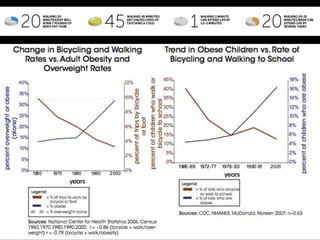
  • #8 It has been well established that regular physical activity, including walking, is important to health and well-being (Warburton et al., 2006; Blair and Morris, 2009). Despite the numerous benefits of physical activity, we have not seen an improvement in physical activity participation in Alberta. Physical activity levels have decreased among Albertans from 58.5% in 2009 to 54.3% in 2011 (Loitz, et al., 2011). In Canada it has been the estimated that, in 2009, the total (direct and indirect) health care cost due to physical inactivity is $6.8 billion, approximately 3.7% of total health care costs (Janssen, 2012).  Unfortunately, physical activity is often viewed as an “individual’s choice and responsibility” and should be addressed through education and lifestyle management. However, there is growing evidence that addressing walking through active transportation and the built environment may be the best method to increasing physical activity participation (Nagel et al., 2008; King, 2008; Frank et al., 2005; Aytur et al., 2007).
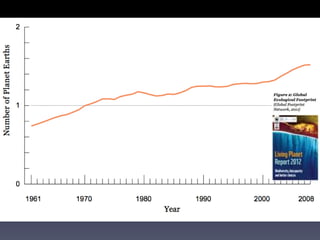
  • #9 We are toast… but how can we change this trend?
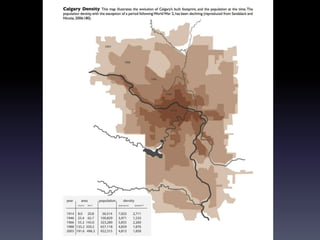
  • #10 picture of city and how it grew A lot of growth happened post 1950, same as car planning
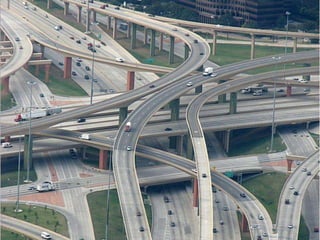
  • #12 Highway planning principles are used in an urban environment Mobility based planning focuses on the quickest movement from A to B for a single mode Accessibility based planning looks at mobility by mode, proximity, convenient choices
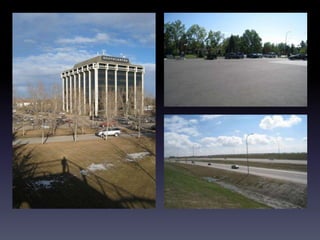
  • #13 Separation of land uses