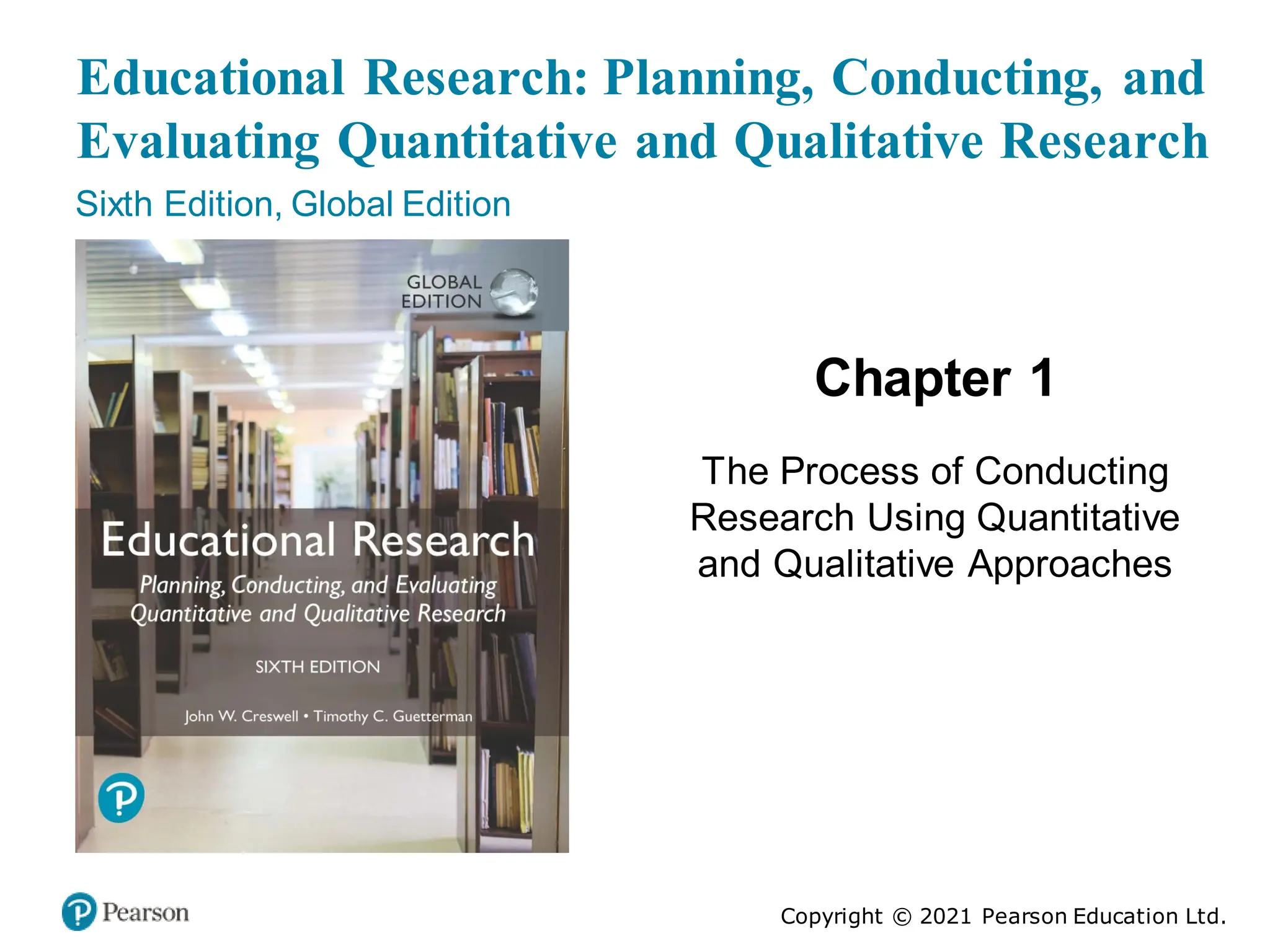
Educational Research: Planning, Conducting, and
Evaluating Quantitative and Qualitative Research
Sixth Edition, Global Edition
Chapter 1
The Process of Conducting
Research Using Quantitative
and Qualitative Approaches
Copyright © 2021 Pearson Education Ltd.
Learning Objectives
1.1 Define and describe the importance of educational
research
1.2 Describe the six steps in the process of research
1.3 Identify the characteristics of quantitative and qualitative
research in the six steps
1.4 Identify the type of research designs associated with
quantitative and qualitative research
1.5 Discuss important ethical issues in conducting research
1.6 Recognize skills needed to design and conduct research
Copyright © 2021 Pearson Education Ltd.
What is Research?
• The researcher poses a question.
• The researcher collects data to answer the question.
• The researcher presents an answer to the question.
Copyright © 2021 Pearson Education Ltd.
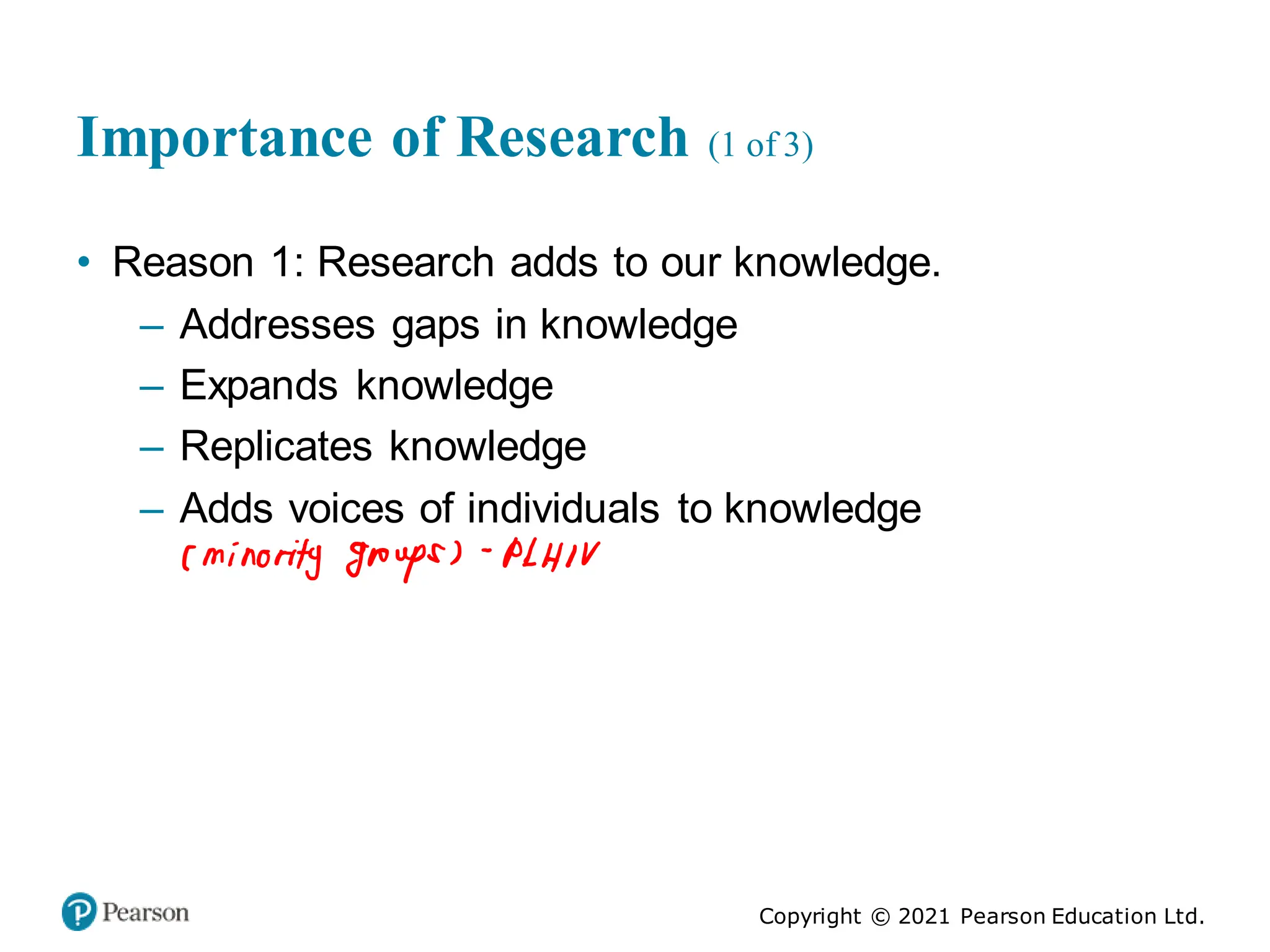
Importance of Research (1 of 3)
• Reason 1: Research adds to our knowledge.
– Addresses gaps in knowledge
– Expands knowledge
– Replicates knowledge
– Adds voices of individuals to knowledge
Copyright © 2021 Pearson Education Ltd.
Importance of Research (2 of 3)
• Reason 2: Research helps improve practice.
– Educators gain new ideas for their job.
– Educators gain new insights into approaches.
– Educators can connect with other educators.
Copyright © 2021 Pearson Education Ltd.
Importance of Research (3 of 3)
• Reason 3: Research helps inform policy debates.
– Research allows people to weigh different
perspectives on issues.
– Research enables people to make informed decisions
regarding policy.
Copyright © 2021 Pearson Education Ltd.
Problems with Research Today
• Contradictory or vague findings
• Questionable data
• Unclear statements about the intent of the study
• Lack of full disclosure of the data collection procedure
• Inarticulate rendering of the research problem
Copyright © 2021 Pearson Education Ltd.
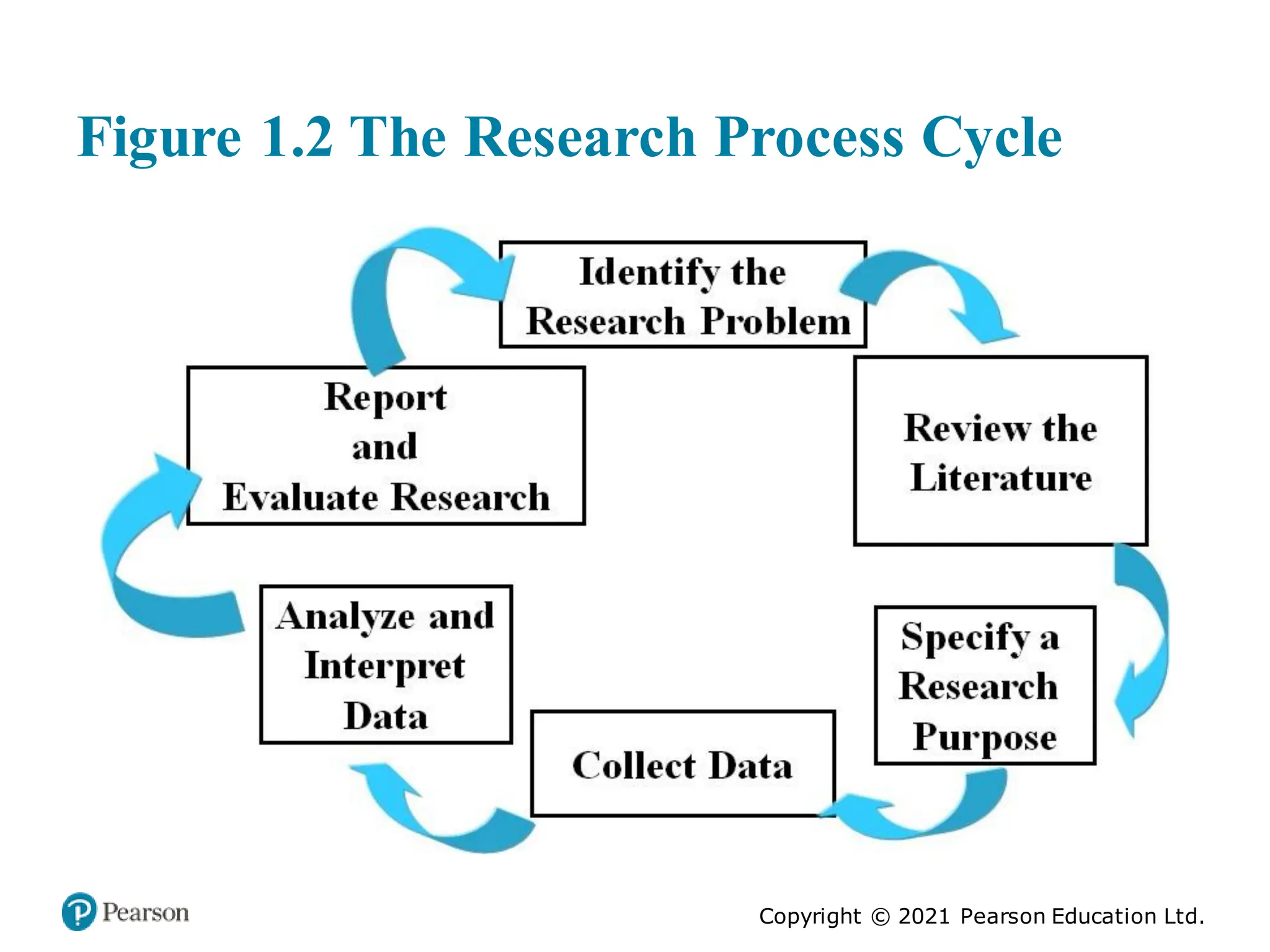
Figure 1.2 The Research Process Cycle
Copyright © 2021 Pearson Education Ltd.
The Process of Research: Identify the
Research Problem
• Specify a problem
• Justify a problem
• Suggest a need to study the problem for audiences
Copyright © 2021 Pearson Education Ltd.
The Process of Research: Review the
Literature
• Locate resources
– Books
– Journals
– Electronic resources
• Choose resources to include in the review
• Summarize the literature in a written report
Copyright © 2021 Pearson Education Ltd.
The Process of Research: Specify a
Research Purpose
• Identify the purpose statement
– The major intent of the study
– The participants in the study
– The site of the study
• Narrow the purpose statement to research questions
Copyright © 2021 Pearson Education Ltd.
The Research Process: Collect Data
• Determine the data collection method
• Select the individuals to study
• Obtain permissions
• Design data collection instruments and outline data
collection procedures
• Gather data
Copyright © 2021 Pearson Education Ltd.
The Research Process: Analyze and
Interpret Data
• Take the data apart to look at individual responses
• Represent the data in tables, figures, and pictures
• Explain conclusions from the data that address the
research questions
Copyright © 2021 Pearson Education Ltd.
The Research Process: Report and
Evaluate Research (1 of 2)
• Report research
– Determine the audience for the report
– Structure the report
– Write the report sensitively and accurately
Copyright © 2021 Pearson Education Ltd.
The Research Process: Report and
Evaluate Research (2 of 2)
• Evaluate research
– Assess quality of research using recognized
standards
– Standards arise from the
▪ academic community
▪ school districts
▪ federal or state agencies
Copyright © 2021 Pearson Education Ltd.
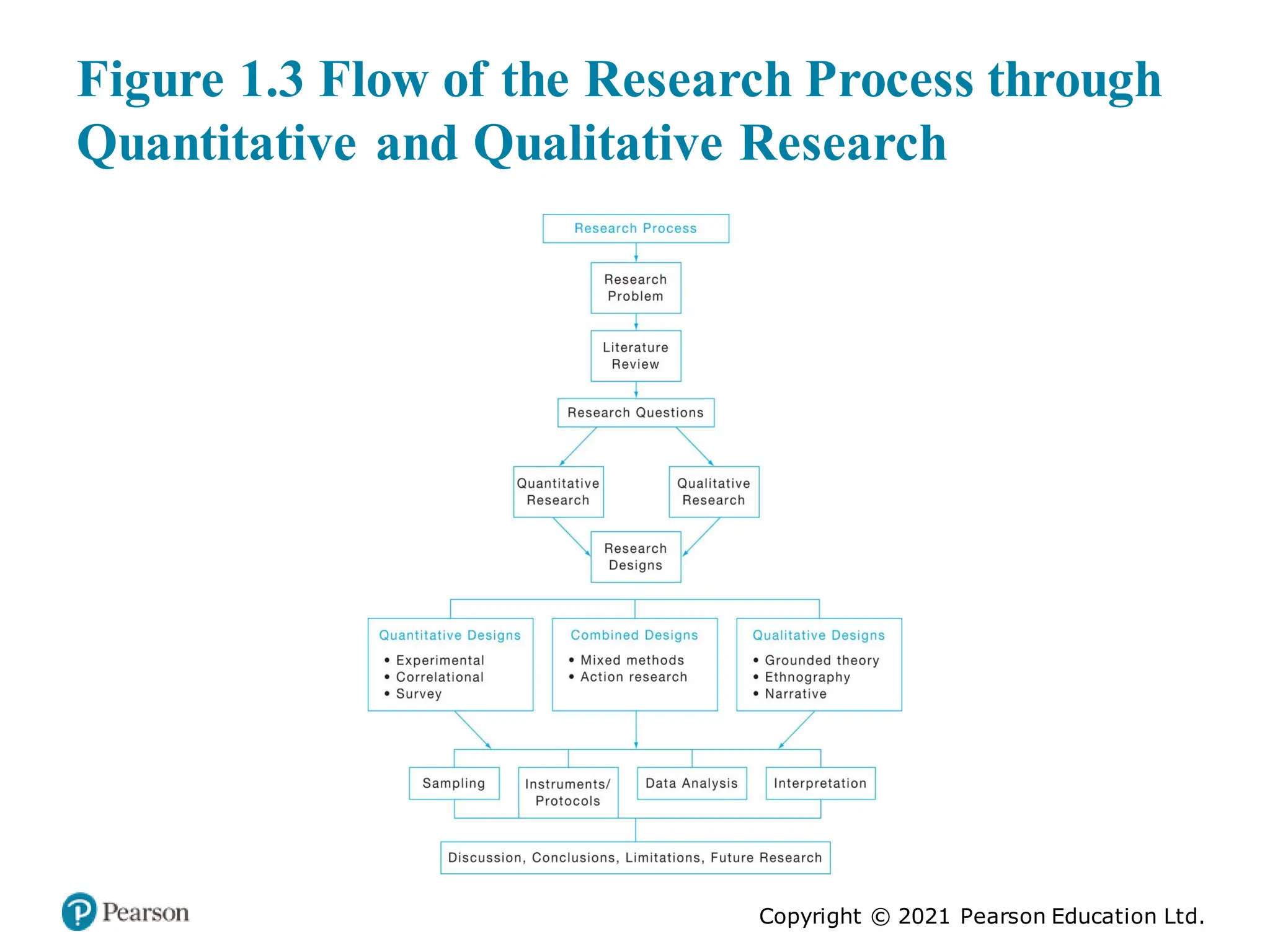
Figure 1.3 Flow of the Research Process through
Quantitative and Qualitative Research
Copyright © 2021 Pearson Education Ltd.
Quantitative Research Characteristics (1 of 2)
• Describe a research problem through trends and
relationships
• Give major role for the literature to suggest questions and
justify the research problem
• Create purpose statements, research questions, and
hypotheses that are specific, narrow, measureable, and
observable
Copyright © 2021 Pearson Education Ltd.
Quantitative Research Characteristics (2 of 2)
• Collect numeric data from a large number of people using
instruments
• Analyze data for trends, group comparisons, and
relationships among variables
• Write the research report using standard, fixed structures
and an objective, unbiased approach
Copyright © 2021 Pearson Education Ltd.
Qualitative Research Characteristics (1 of 2)
• Explore a problem through obtaining a detailed
understanding of a central phenomenon
• Have the literature justify the problem and play a minor
role
• State the purpose and research questions in a general,
open-ended way
Copyright © 2021 Pearson Education Ltd.
Qualitative Research Characteristics (2 of 2)
• Collect data based on words from a small number of
participants
• Analyze the data using text analysis to obtain detailed
descriptions and themes
• Write the research report using flexible and emerging
structures
Copyright © 2021 Pearson Education Ltd.
Similarities between Quantitative and
Qualitative Research
• Both follow the six steps in the process of research
• Both have introductions that establish the importance of
the research problem
• Both use interviews and observations
Copyright © 2021 Pearson Education Ltd.
Differences between Quantitative and
Qualitative Research
• Quantitative research problems direct hypotheses and
questions; Qualitative problems establishes importance
• Quantitative data collection is more closed-ended;
Qualitative more open-ended
• Quantitative data analysis is based on statistics;
Qualitative analysis based on text or image analysis
• Quantitative reporting has a set structure; Qualitative
reporting is more flexible
• Different points on a continuum
Copyright © 2021 Pearson Education Ltd.
Factors in Deciding to Use Quantitative or
Qualitative Research
• Match type of research to your research problem
• Fit type of research to your audiences
• Relate type of research to your experiences and training
Copyright © 2021 Pearson Education Ltd.
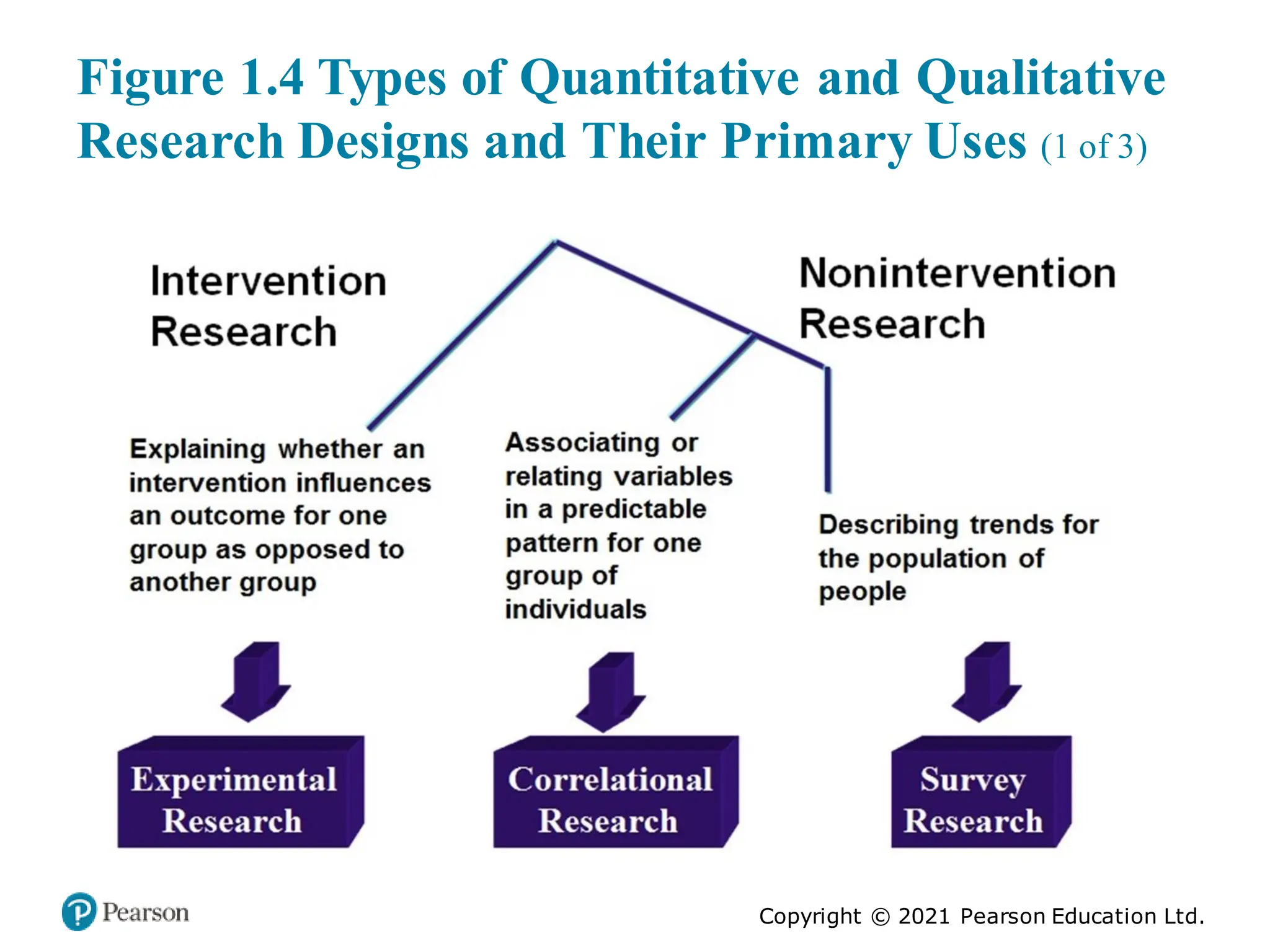
Figure 1.4 Types of Quantitative and Qualitative
Research Designs and Their Primary Uses (1 of 3)
Copyright © 2021 Pearson Education Ltd.
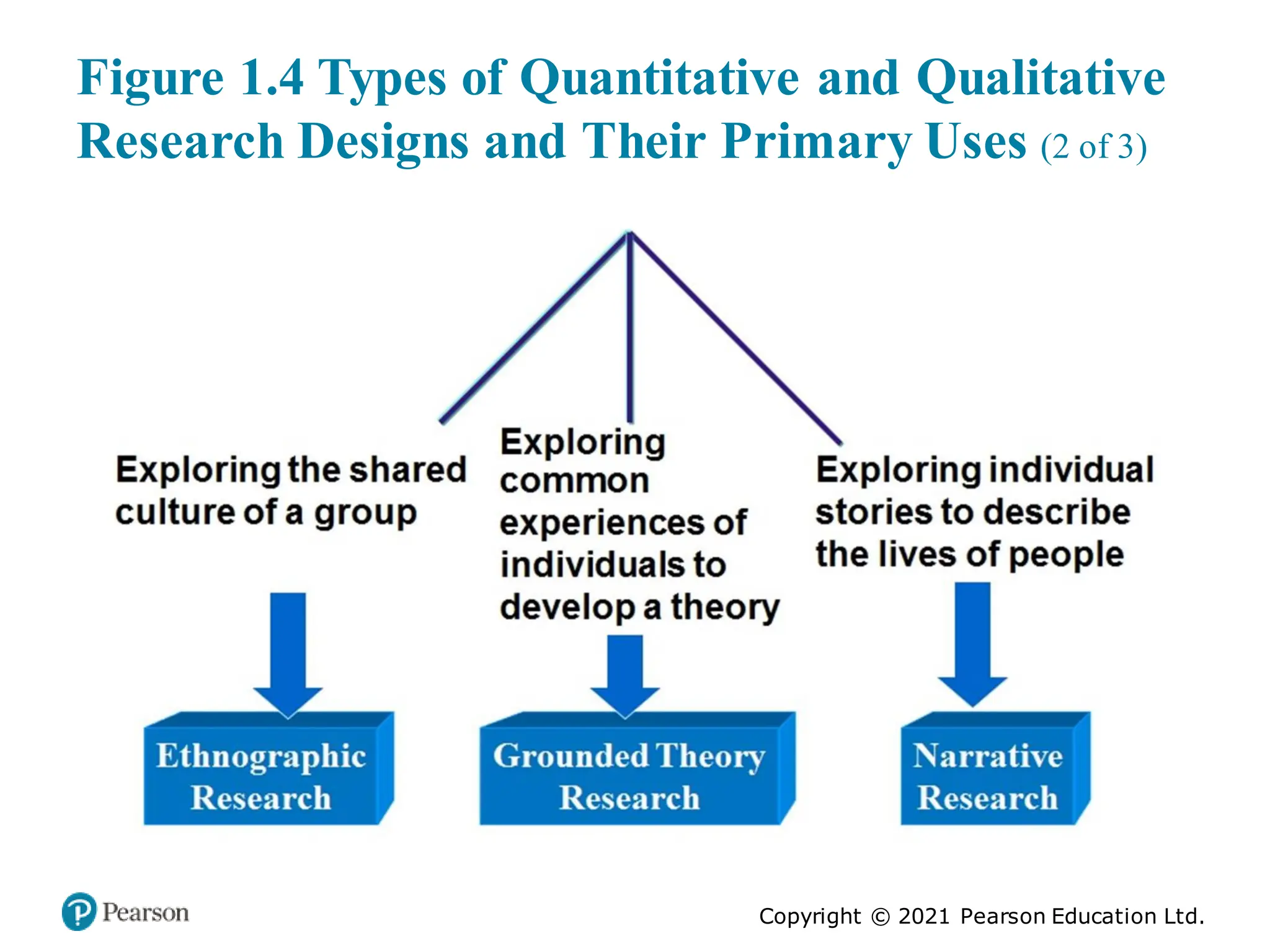
Figure 1.4 Types of Quantitative and Qualitative
Research Designs and Their Primary Uses (2 of 3)
Copyright © 2021 Pearson Education Ltd.
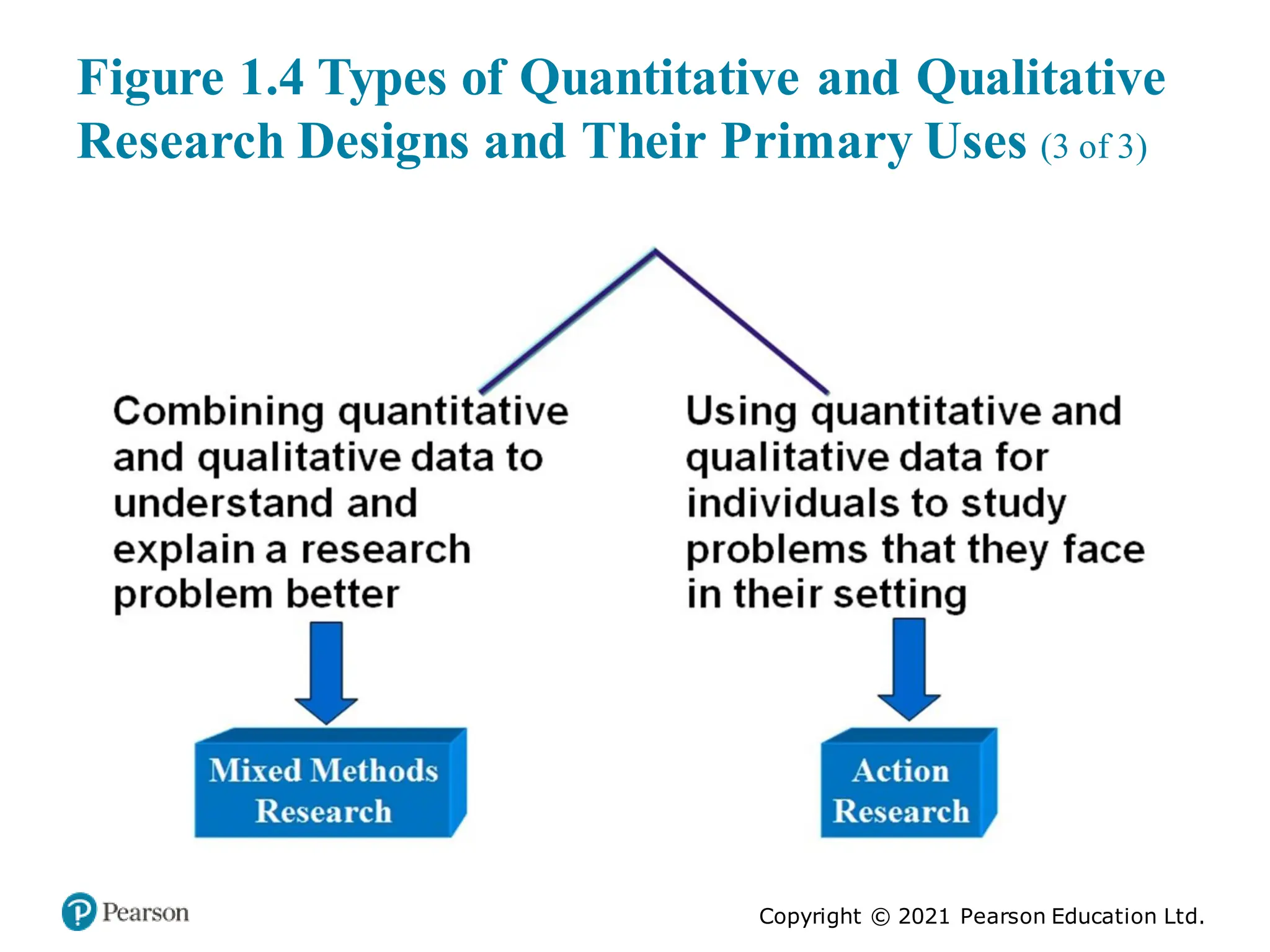
Figure 1.4 Types of Quantitative and Qualitative
Research Designs and Their Primary Uses (3 of 3)
Copyright © 2021 Pearson Education Ltd.
Important Ethical Issues in Conducting
Research
• Learn to apply for approval from your institutional review
board
• Recognize guidelines from professional associations
• Use ethical practices throughout research
• Use respectful data collection procedures
• Show respect to audiences who read and use research
Copyright © 2021 Pearson Education Ltd.
Skills Needed for Research
• Curiosity to solve puzzles
• Long attention spans
• Library and computer resource skills
• Writing and editing skills

1-The Process of Conducting Research Using Quantitative and Qualitative Approaches.pdf

  • 1.
    Educational Research: Planning,Conducting, and Evaluating Quantitative and Qualitative Research Sixth Edition, Global Edition Chapter 1 The Process of Conducting Research Using Quantitative and Qualitative Approaches Copyright © 2021 Pearson Education Ltd.
  • 2.
    Copyright © 2021Pearson Education Ltd. Learning Objectives 1.1 Define and describe the importance of educational research 1.2 Describe the six steps in the process of research 1.3 Identify the characteristics of quantitative and qualitative research in the six steps 1.4 Identify the type of research designs associated with quantitative and qualitative research 1.5 Discuss important ethical issues in conducting research 1.6 Recognize skills needed to design and conduct research
  • 3.
    Copyright © 2021Pearson Education Ltd. What is Research? • The researcher poses a question. • The researcher collects data to answer the question. • The researcher presents an answer to the question.
  • 4.
    Copyright © 2021Pearson Education Ltd. Importance of Research (1 of 3) • Reason 1: Research adds to our knowledge. – Addresses gaps in knowledge – Expands knowledge – Replicates knowledge – Adds voices of individuals to knowledge
  • 5.
    Copyright © 2021Pearson Education Ltd. Importance of Research (2 of 3) • Reason 2: Research helps improve practice. – Educators gain new ideas for their job. – Educators gain new insights into approaches. – Educators can connect with other educators.
  • 6.
    Copyright © 2021Pearson Education Ltd. Importance of Research (3 of 3) • Reason 3: Research helps inform policy debates. – Research allows people to weigh different perspectives on issues. – Research enables people to make informed decisions regarding policy.
  • 7.
    Copyright © 2021Pearson Education Ltd. Problems with Research Today • Contradictory or vague findings • Questionable data • Unclear statements about the intent of the study • Lack of full disclosure of the data collection procedure • Inarticulate rendering of the research problem
  • 8.
    Copyright © 2021Pearson Education Ltd. Figure 1.2 The Research Process Cycle
  • 9.
    Copyright © 2021Pearson Education Ltd. The Process of Research: Identify the Research Problem • Specify a problem • Justify a problem • Suggest a need to study the problem for audiences
  • 10.
    Copyright © 2021Pearson Education Ltd. The Process of Research: Review the Literature • Locate resources – Books – Journals – Electronic resources • Choose resources to include in the review • Summarize the literature in a written report
  • 11.
    Copyright © 2021Pearson Education Ltd. The Process of Research: Specify a Research Purpose • Identify the purpose statement – The major intent of the study – The participants in the study – The site of the study • Narrow the purpose statement to research questions
  • 12.
    Copyright © 2021Pearson Education Ltd. The Research Process: Collect Data • Determine the data collection method • Select the individuals to study • Obtain permissions • Design data collection instruments and outline data collection procedures • Gather data
  • 13.
    Copyright © 2021Pearson Education Ltd. The Research Process: Analyze and Interpret Data • Take the data apart to look at individual responses • Represent the data in tables, figures, and pictures • Explain conclusions from the data that address the research questions
  • 14.
    Copyright © 2021Pearson Education Ltd. The Research Process: Report and Evaluate Research (1 of 2) • Report research – Determine the audience for the report – Structure the report – Write the report sensitively and accurately
  • 15.
    Copyright © 2021Pearson Education Ltd. The Research Process: Report and Evaluate Research (2 of 2) • Evaluate research – Assess quality of research using recognized standards – Standards arise from the ▪ academic community ▪ school districts ▪ federal or state agencies
  • 16.
    Copyright © 2021Pearson Education Ltd. Figure 1.3 Flow of the Research Process through Quantitative and Qualitative Research
  • 17.
    Copyright © 2021Pearson Education Ltd. Quantitative Research Characteristics (1 of 2) • Describe a research problem through trends and relationships • Give major role for the literature to suggest questions and justify the research problem • Create purpose statements, research questions, and hypotheses that are specific, narrow, measureable, and observable
  • 18.
    Copyright © 2021Pearson Education Ltd. Quantitative Research Characteristics (2 of 2) • Collect numeric data from a large number of people using instruments • Analyze data for trends, group comparisons, and relationships among variables • Write the research report using standard, fixed structures and an objective, unbiased approach
  • 19.
    Copyright © 2021Pearson Education Ltd. Qualitative Research Characteristics (1 of 2) • Explore a problem through obtaining a detailed understanding of a central phenomenon • Have the literature justify the problem and play a minor role • State the purpose and research questions in a general, open-ended way
  • 20.
    Copyright © 2021Pearson Education Ltd. Qualitative Research Characteristics (2 of 2) • Collect data based on words from a small number of participants • Analyze the data using text analysis to obtain detailed descriptions and themes • Write the research report using flexible and emerging structures
  • 21.
    Copyright © 2021Pearson Education Ltd. Similarities between Quantitative and Qualitative Research • Both follow the six steps in the process of research • Both have introductions that establish the importance of the research problem • Both use interviews and observations
  • 22.
    Copyright © 2021Pearson Education Ltd. Differences between Quantitative and Qualitative Research • Quantitative research problems direct hypotheses and questions; Qualitative problems establishes importance • Quantitative data collection is more closed-ended; Qualitative more open-ended • Quantitative data analysis is based on statistics; Qualitative analysis based on text or image analysis • Quantitative reporting has a set structure; Qualitative reporting is more flexible • Different points on a continuum
  • 23.
    Copyright © 2021Pearson Education Ltd. Factors in Deciding to Use Quantitative or Qualitative Research • Match type of research to your research problem • Fit type of research to your audiences • Relate type of research to your experiences and training
  • 24.
    Copyright © 2021Pearson Education Ltd. Figure 1.4 Types of Quantitative and Qualitative Research Designs and Their Primary Uses (1 of 3)
  • 25.
    Copyright © 2021Pearson Education Ltd. Figure 1.4 Types of Quantitative and Qualitative Research Designs and Their Primary Uses (2 of 3)
  • 26.
    Copyright © 2021Pearson Education Ltd. Figure 1.4 Types of Quantitative and Qualitative Research Designs and Their Primary Uses (3 of 3)
  • 27.
    Copyright © 2021Pearson Education Ltd. Important Ethical Issues in Conducting Research • Learn to apply for approval from your institutional review board • Recognize guidelines from professional associations • Use ethical practices throughout research • Use respectful data collection procedures • Show respect to audiences who read and use research
  • 28.
    Copyright © 2021Pearson Education Ltd. Skills Needed for Research • Curiosity to solve puzzles • Long attention spans • Library and computer resource skills • Writing and editing skills