HIS 102 Western Civilization II
Fall 2015, HYBRID COURSE
Thursdays, 11:00am – 12:15pm, MP 208
Instructor: Kara Heitz
• What is “Western” and “The West”?
• What is “Civilization”?
- Both highly variable and contentious terms
What is “The West”?
• Europe?
–Geographic Europe?
–Political Europe? Cultural Europe?
• Western v. Eastern Europe
• European Union today
Geographic
Europe
Boundaries:
Northern – Arctic Sea
Western – Atlantic Ocean
Southern – Mediterranean
and Black Seas
Eastern – Ural and Caucus
Mountains
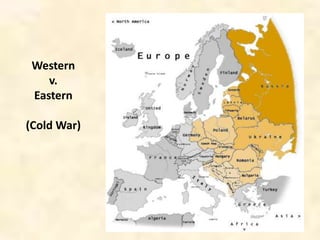
Western
v.
Eastern
(Cold War)
European Union today (27 member states)
European Borders, 1140-2010 CE
What is “The West”?
• Europe?
• Areas influenced by ancient Greece & Rome?
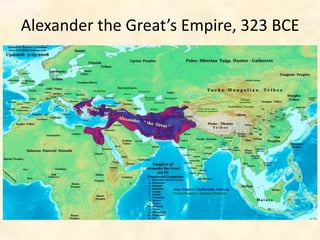
Alexander the Great’s Empire, 323 BCE
What is “The West”?
• Europe?
• Areas influenced by ancient Greece & Rome?
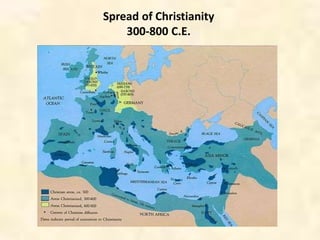
• Cultures dominated by Christianity?
Spread of Christianity
300-800 C.E.
Christianity Today
What is “The West”?
• Europe?
• Areas influenced by ancient Greece & Rome?
• Cultures dominated by Christianity?
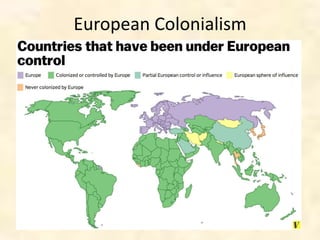
• Areas colonized by Europe and/or under
imperial control?
European Colonialism
What is “The West”?
• Europe?
• Areas influenced by ancient Greece & Rome?
• Cultures dominated by Christianity?
• Areas colonized by Europe and/or under imperial
control?
• West of what? What is “the East? What is not
part of “the West”?
Jerusalem as the center of the world (1585)
Modern Clash of Civilizations?
What is Civilization?
• Dictionary definitions:
1. “An advanced state of human society, in which a
high level of culture, science, industry, and
government has been reached.”
2. ”Any type of culture, society, etc., of a specific
place, time, or group. For example: Greek
civilization.”
- Both problematic definitions, WHY?
Why do we have Western
Civilization courses in the U.S.?
• Connecting U.S. to “Western tradition”
• First broadly introduced after WWI
• WWII & “Atlantic Civilization”
• Recent focus on World History
- So why do we still study Western Civilization
in college today?

1. intro overheads

  • 1.
    HIS 102 WesternCivilization II Fall 2015, HYBRID COURSE Thursdays, 11:00am – 12:15pm, MP 208 Instructor: Kara Heitz
  • 2.
    • What is“Western” and “The West”? • What is “Civilization”? - Both highly variable and contentious terms
  • 3.
    What is “TheWest”? • Europe? –Geographic Europe? –Political Europe? Cultural Europe? • Western v. Eastern Europe • European Union today
  • 4.
    Geographic Europe Boundaries: Northern – ArcticSea Western – Atlantic Ocean Southern – Mediterranean and Black Seas Eastern – Ural and Caucus Mountains
  • 5.
  • 6.
    European Union today(27 member states)
  • 7.
  • 8.
    What is “TheWest”? • Europe? • Areas influenced by ancient Greece & Rome?
  • 9.
    Alexander the Great’sEmpire, 323 BCE
  • 11.
    What is “TheWest”? • Europe? • Areas influenced by ancient Greece & Rome? • Cultures dominated by Christianity?
  • 12.
  • 13.
  • 14.
    What is “TheWest”? • Europe? • Areas influenced by ancient Greece & Rome? • Cultures dominated by Christianity? • Areas colonized by Europe and/or under imperial control?
  • 15.
  • 16.
    What is “TheWest”? • Europe? • Areas influenced by ancient Greece & Rome? • Cultures dominated by Christianity? • Areas colonized by Europe and/or under imperial control? • West of what? What is “the East? What is not part of “the West”?
  • 18.
    Jerusalem as thecenter of the world (1585)
  • 19.
    Modern Clash ofCivilizations?
  • 20.
    What is Civilization? •Dictionary definitions: 1. “An advanced state of human society, in which a high level of culture, science, industry, and government has been reached.” 2. ”Any type of culture, society, etc., of a specific place, time, or group. For example: Greek civilization.” - Both problematic definitions, WHY?
  • 21.
    Why do wehave Western Civilization courses in the U.S.? • Connecting U.S. to “Western tradition” • First broadly introduced after WWI • WWII & “Atlantic Civilization” • Recent focus on World History - So why do we still study Western Civilization in college today?