Pediatric TerminologyPediatric Terminology
Third Stage LabThird Stage Lab
MS.c. Zainab Neamat Al-MS.c. Zainab Neamat Al-
TaeeTaee
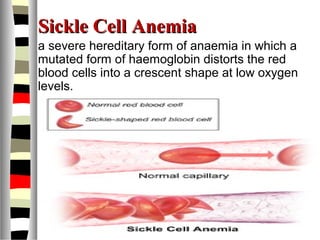
Sickle Cell AnemiaSickle Cell Anemia
a severe hereditary form of anaemia in which a
mutated form of haemoglobin distorts the red
blood cells into a crescent shape at low oxygen
levels.
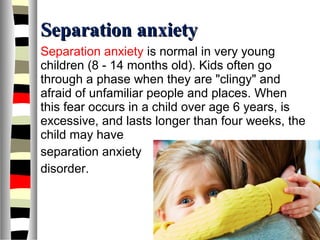
Separation anxietySeparation anxiety
Separation anxiety is normal in very young
children (8 - 14 months old). Kids often go
through a phase when they are "clingy" and
afraid of unfamiliar people and places. When
this fear occurs in a child over age 6 years, is
excessive, and lasts longer than four weeks, the
child may have
separation anxiety
disorder.
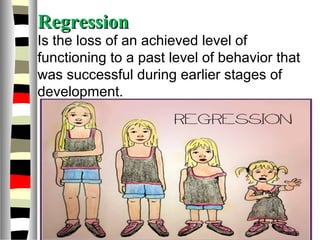
RegressionRegression
Is the loss of an achieved level of
functioning to a past level of behavior that
was successful during earlier stages of
development.
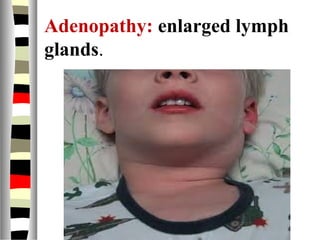
Adenopathy: enlarged lymph
glands.
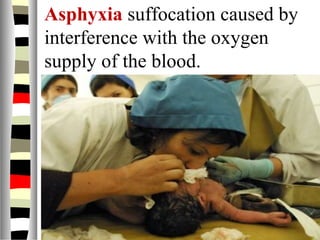
Asphyxia suffocation caused by
interference with the oxygen
supply of the blood.
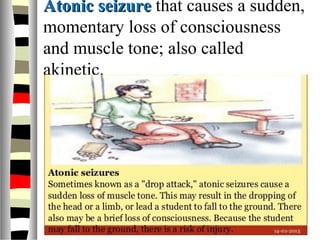
Atonic seizureAtonic seizure that causes a sudden,
momentary loss of consciousness
and muscle tone; also called
akinetic.
ClonusClonus rapid involuntary muscle
contraction and relaxation.
Tonus:Tonus: tone is greatly increased: the
body, arms, or legs become suddenly
stiff or tense
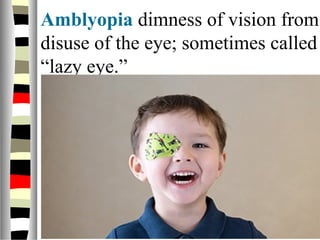
Amblyopia dimness of vision from
disuse of the eye; sometimes called
“lazy eye.”
AutisticAutistic totally self-centered and
unable to relate to others, often
exhibiting bizarre behaviors.
Autistic children can sometimes
be destructive to themselves and
others.
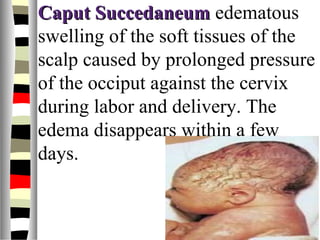
Caput SuccedaneumCaput Succedaneum edematous
swelling of the soft tissues of the
scalp caused by prolonged pressure
of the occiput against the cervix
during labor and delivery. The
edema disappears within a few
days.
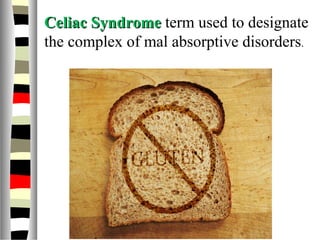
Celiac SyndromeCeliac Syndrome term used to designate
the complex of mal absorptive disorders.
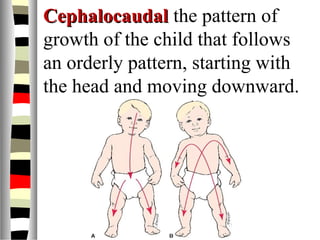
CephalocaudalCephalocaudal the pattern of
growth of the child that follows
an orderly pattern, starting with
the head and moving downward.
Child Neglect failing to provide
adequate hygiene, health care,
nutrition, love, nurturing, and
supervision as needed for a
child’s growth and development.
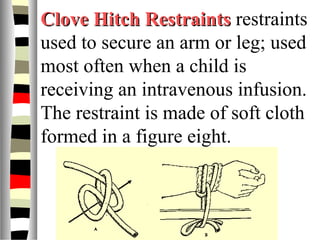
Clove Hitch RestraintsClove Hitch Restraints restraints
used to secure an arm or leg; used
most often when a child is
receiving an intravenous infusion.
The restraint is made of soft cloth
formed in a figure eight.
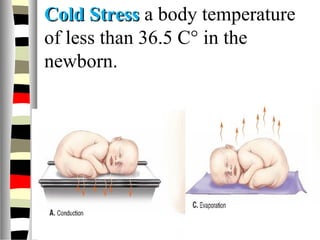
Cold StressCold Stress a body temperature
of less than 36.5 C° in the
newborn.
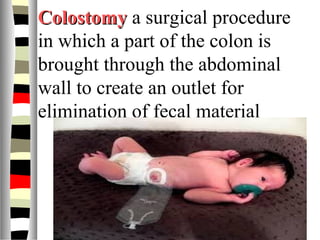
ColostomyColostomy a surgical procedure
in which a part of the colon is
brought through the abdominal
wall to create an outlet for
elimination of fecal material
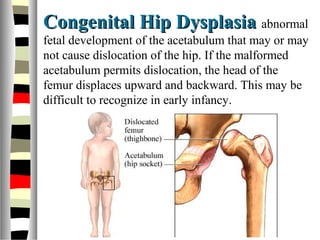
Congenital Hip DysplasiaCongenital Hip Dysplasia abnormal
fetal development of the acetabulum that may or may
not cause dislocation of the hip. If the malformed
acetabulum permits dislocation, the head of the
femur displaces upward and backward. This may be
difficult to recognize in early infancy.
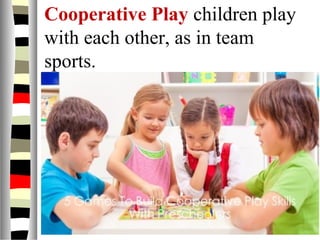
Cooperative Play children play
with each other, as in team
sports.
CretinismCretinism a congenital condition
marked by stunted growth and
mental retardation.
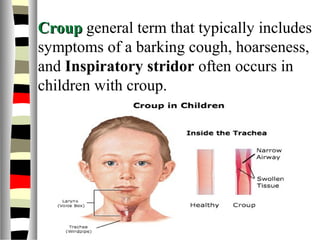
CroupCroup general term that typically includes
symptoms of a barking cough, hoarseness,
and Inspiratory stridor often occurs in
children with croup.
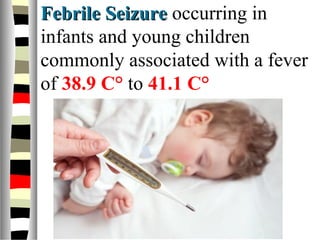
Febrile SeizureFebrile Seizure occurring in
infants and young children
commonly associated with a fever
of 38.9 C° to 41.1 C°
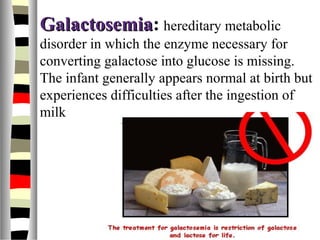
GalactosemiaGalactosemia: hereditary metabolic
disorder in which the enzyme necessary for
converting galactose into glucose is missing.
The infant generally appears normal at birth but
experiences difficulties after the ingestion of
milk
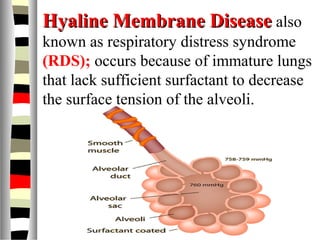
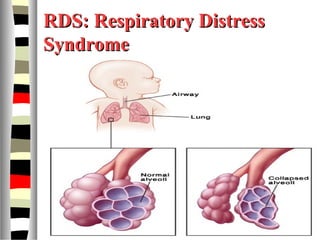
Hyaline Membrane DiseaseHyaline Membrane Disease also
known as respiratory distress syndrome
(RDS); occurs because of immature lungs
that lack sufficient surfactant to decrease
the surface tension of the alveoli.
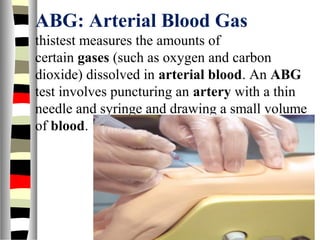
ABG: Arterial Blood Gas
thistest measures the amounts of
certain gases (such as oxygen and carbon
dioxide) dissolved in arterial blood. An ABG
test involves puncturing an artery with a thin
needle and syringe and drawing a small volume
of blood.
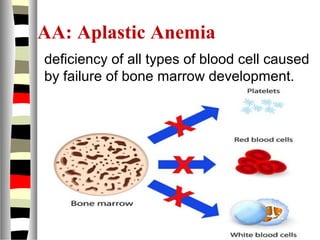
AA: Aplastic Anemia
deficiency of all types of blood cell caused
by failure of bone marrow development.
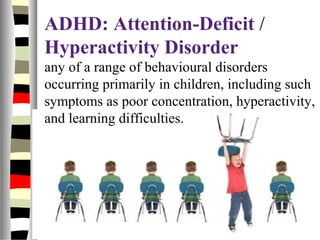
ADHD: Attention-Deficit /
Hyperactivity Disorder
any of a range of behavioural disorders
occurring primarily in children, including such
symptoms as poor concentration, hyperactivity,
and learning difficulties.
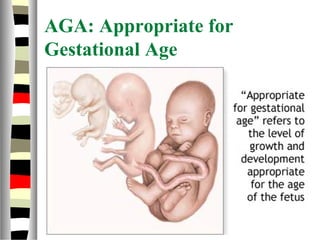
AGA: Appropriate for
Gestational Age
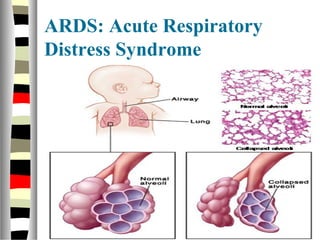
ARDS: Acute Respiratory
Distress Syndrome
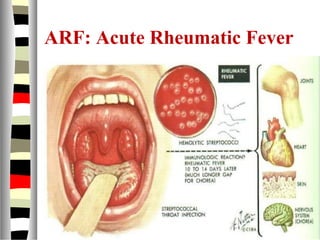
ARF: Acute Rheumatic Fever
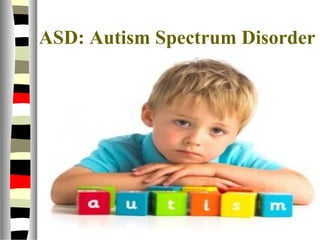
ASD: Autism Spectrum Disorder
BCG: Bacillus Camille-Guerin
CDP: Constitutional DelayedCDP: Constitutional Delayed
PubertyPuberty
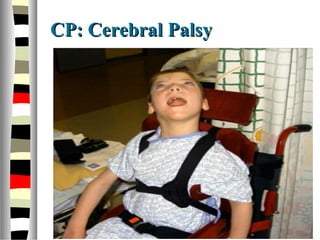
CP: Cerebral PalsyCP: Cerebral Palsy
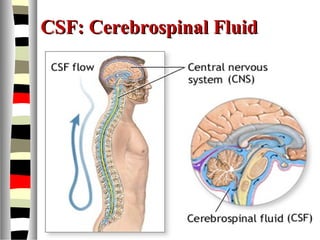
CSF: Cerebrospinal FluidCSF: Cerebrospinal Fluid
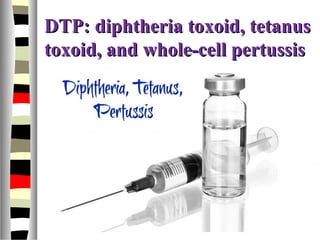
DTP: diphtheria toxoid, tetanusDTP: diphtheria toxoid, tetanus
toxoid, and whole-cell pertussistoxoid, and whole-cell pertussis
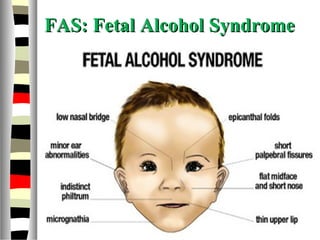
FAS: Fetal Alcohol SyndromeFAS: Fetal Alcohol Syndrome
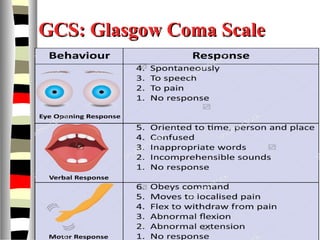
GCS: Glasgow Coma ScaleGCS: Glasgow Coma Scale
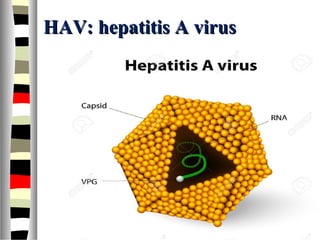
HAV: hepatitis A virusHAV: hepatitis A virus
CPAP: Continuous PositiveCPAP: Continuous Positive
Airway PressureAirway Pressure
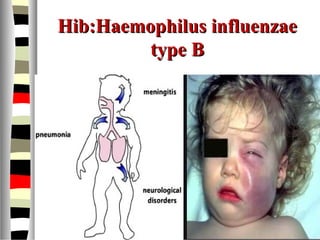
Hib:Haemophilus influenzaeHib:Haemophilus influenzae
type Btype B
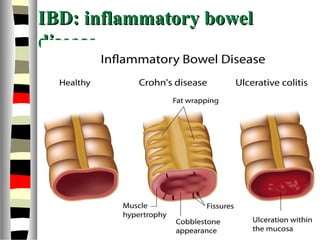
IBD: inflammatory bowelIBD: inflammatory bowel
diseasedisease
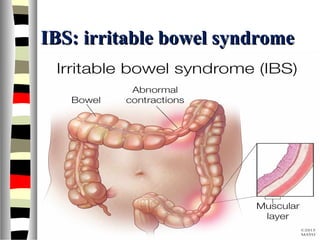
IBS: irritable bowel syndromeIBS: irritable bowel syndrome
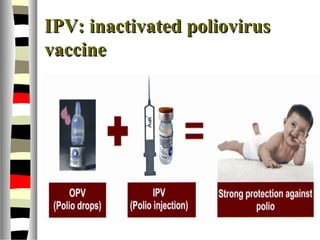
IPV: inactivated poliovirusIPV: inactivated poliovirus
vaccinevaccine
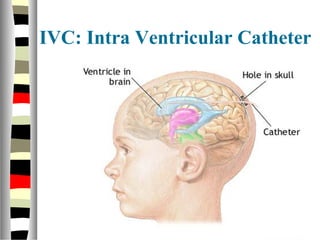
IVC: Intra Ventricular Catheter
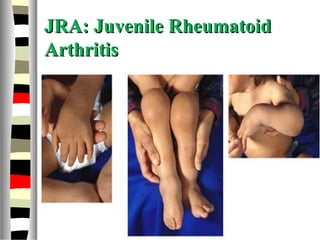
JRA: Juvenile RheumatoidJRA: Juvenile Rheumatoid
ArthritisArthritis
LGA: large for gestational ageLGA: large for gestational age
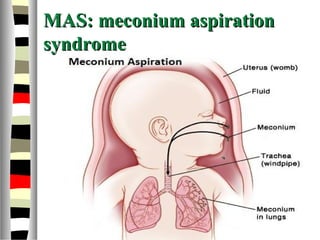
MAS: meconium aspirationMAS: meconium aspiration
syndromesyndrome
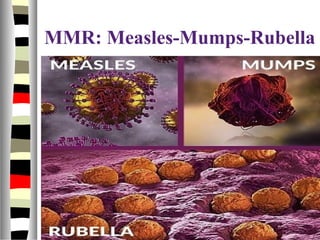
MMR: Measles-Mumps-Rubella
NICU: Neonatal Intensive Care
Unit
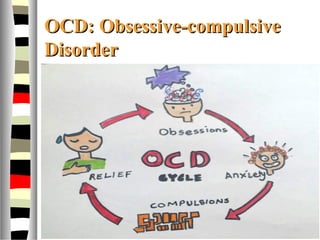
OCD: Obsessive-compulsiveOCD: Obsessive-compulsive
DisorderDisorder
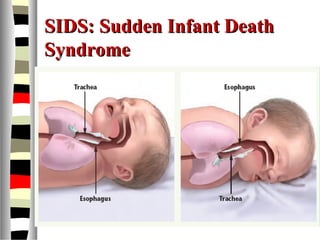
SIDS: Sudden Infant DeathSIDS: Sudden Infant Death
SyndromeSyndrome
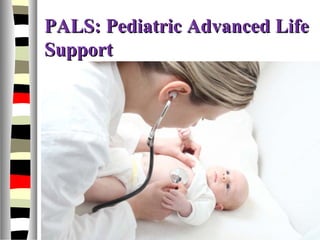
PALS: Pediatric Advanced LifePALS: Pediatric Advanced Life
SupportSupport
RDS: Respiratory DistressRDS: Respiratory Distress
SyndromeSyndrome
SGA: Small For GestationalSGA: Small For Gestational
AgeAge
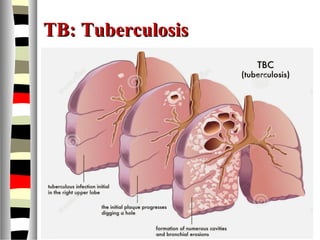
TB: TuberculosisTB: Tuberculosis
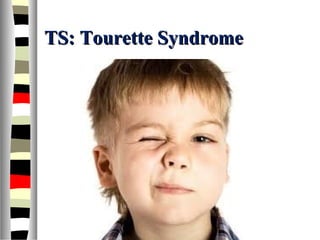
TS: Tourette SyndromeTS: Tourette Syndrome
UNHS: Universal NewbornUNHS: Universal Newborn
Hearing ScreeningHearing Screening
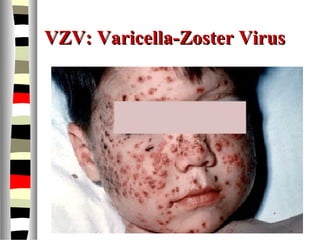
VZV: Varicella-Zoster VirusVZV: Varicella-Zoster Virus
BID: twice a dayBID: twice a day
gts: dropsgts: drops
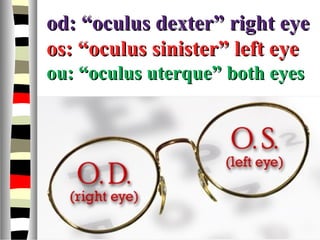
od: “oculus dexter”od: “oculus dexter” right eyeright eye
os: “oculus sinister” left eyeos: “oculus sinister” left eye
ou: “oculus uterque”ou: “oculus uterque” both eyesboth eyes
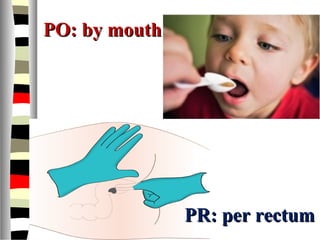
PO: by mouthPO: by mouth
PR: per rectumPR: per rectum
PRN: “Pro re nata”PRN: “Pro re nata”    as neededas needed
Q8h “quaque octa hora “ :Q8h “quaque octa hora “ :
every 8 hoursevery 8 hours
AC: before mealsAC: before meals
QD: once a dayQD: once a day
QHS: at bedtimeQHS: at bedtime
QOD: every other dayQOD: every other day
TID: three times a dayTID: three times a day

Pediatric terminology

Pediatric terminology

Editor's Notes

  • #6 Adenopathy, also referred to as lymphadenopathy, is the enlargement of lymph nodes anywhere in your body. Lymph nodes are a part of your immune system and are where immune cells mature to fight infection and unfamiliar antigenic substances.
  • #10 Amblyopia, also known as lazy eye, is a vision development disorder in which an eye fails to achieve normal visual acuity, even with prescription eyeglasses or contact lenses.Amblyopia begins during infancy and early childhood. In most cases, only one eye is affected.
  • #21 Cretinism is a condition of severely stunted physical and mental growth owing to untreated congenital deficiency of thyroid hormone (congenital hypothyroidism) usually owing to maternal hypothyroidism.
  • #22 1-Croup Cough  is a disease that causes a harsh, barking, dry cough that can sound similar to a seal barking. Children with croup have a swollen upper trachea, or windpipe; this is usually caused by a viral infection. The swelling, which is beneath the vocal cords, causes the barking cough. 2- Hoarseness refers to a difficulty making sounds when trying to speak. Vocal sounds may be weak, breathy, scratchy, or husky, and the pitch or quality of the voice may change. 3- Inspiratory stridor often occurs in children with croup. It may be indicative of serious airway obstruction from severe conditions such as epiglottitis, a foreign body lodged in the airway, or a laryngeal tumor.
  • #26 An arterial blood gas (ABG) test is a blood gas test of blood from an artery; it is thus a blood test that measures the amounts of certain gases (such as oxygen and carbon dioxide) dissolved in arterial blood. An ABG test involves puncturing an artery with a thin needle and syringe and drawing a small volume of blood.
  • #28 any of a range of behavioural disorders occurring primarily in children, including such symptoms as poor concentration, hyperactivity, and learning difficulties.
  • #29 If the baby's gestational age findings after birth match the calendar age, the baby is said to be appropriate for gestational age (AGA) AGA babies have lower rates of problems and death than babies that are small or large for their gestational age.
  • #30 Acute respiratory distress syndrome (ARDS) is a medical condition occurring in critically ill patients characterized by widespread inflammation in the lungs. ARDS is not a particular disease, rather it is a clinical phenotype which may be triggered by various pathologies such as trauma, pneumonia and sepsis.
  • #31 Rheumatic fever (RF), also known as acute rheumatic fever (ARF), is an inflammatory disease that can involve the heart, joints, skin, and brain. The disease typically develops two to four weeks after a streptococcal throat infection.
  • #32 A developmental disorder characterized by difficulties in social interaction and communication and by restricted or repetitive patterns of thought and behavior
  • #34 Constitutional delay of growth and puberty (CDGP) is a term describing a temporary delay in the skeletal growth and thus height of a child with no physical abnormalities causing the delay. ... CDGP is the most common cause of short stature and delayed puberty.
  • #35 a condition marked by impaired muscle coordination (spastic paralysis) and/or other disabilities, typically caused by damage to the brain before or at birth.
  • #36 clear watery fluid which fills the space between the arachnoid membrane and the pia mater.
  • #37 DTaP (also DTPa and TDaP) is a combined vaccine against diphtheria, tetanus, and pertussis, in which the component with lower case 'a' is acellular. This is in contrast to whole-cell, inactivated DTP (aka DTwP). The acellular vaccine uses selected antigens of the pertussis pathogen to induce immunity.
  • #38 Women who drink alcohol during pregnancy can give birth to babies with fetal alcohol spectrum disorders (sometimes known as FASD). FASD is the umbrella term for a range of disorders. These disorders can be mild or severe and can cause physical and mental birth defects. The most severe form of the condition is known as fetal alcohol syndrome (FAS). Other types include partial fetal alcohol syndrome (pFAS), alcohol-related neurodevelopmental disorder (ARND) and alcohol-related birth defects (ARBD). Fetal alcohol spectrum disorders are caused by drinking alcohol during pregnancy.
  • #39 The GCS is the summation of scores for eye, verbal, and motor responses. The minimum score is a 3 which indicates deep coma or a brain-dead state. The maximum is 15 which indicates a fully awake patient
  • #40 Hepatitis A (formerly known as infectious hepatitis) is an infectious disease of the liver caused by the hepatitis A virus (HAV). ... It is usually spread by eating food or drinking water contaminated with infected feces.
  • #41 Continuous positive airway pressure (CPAP) is a form of positive airway pressure ventilator, which applies mild air pressure on a continuous basis to keep the airways continuously open in people who are able to breathe spontaneously on their own. 
  • #42 a bacterium capable of causing a range of diseases including ear infections, cellulitis (soft tissue infection), upper respiratory infections, pneumonia, and such serious invasive infections as meningitis with potential brain damage and epiglottitis with airway 
  • #43 (IBD) is a group of inflammatory conditions of the colon and small intestine. Crohn's disease and ulcerative colitis are the principal types of inflammatory bowel disease.
  • #44 irritable bowel syndrome (IBS) is a common disorder that affects the large intestine (colon). Irritable bowel syndrome commonly causes cramping, abdominal pain, bloating, gas, diarrhea and constipation. IBS is a chronic condition that need to get manage in long term.
  • #45 Polio vaccines are vaccines used to prevent poliomyelitis (polio). There are two types: one that uses inactivated poliovirus and is given by injection (IPV), and one that uses weakened poliovirus and is given by mouth (OPV).
  • #46 The intra ventricular catheter is the most accurate monitoring method. To insert an intraventricular catheter, a hole is drilled through the skull. The catheter is inserted through the brain into the lateral ventricle
  • #47 Juvenile rheumatoid arthritis (JRA), often referred to by doctors today as juvenile idiopathic arthritis (JIA), is a type of arthritis that causes joint inflammation and stiffness for more than six weeks in a child aged 16 or younger. ... The result is inflammation -- marked by redness, heat, pain, and swelling.
  • #48 (LGA) is an indication of high prenatal growth rate. LGA is often defined as a weight, length, or head circumference that lies above the 90th percentile for that gestational age. ... A baby is also called “large for gestational age” if its weight is greater than the 90th percentile at birth.
  • #49 (MAS) also known as neonatal aspiration of meconium is a medical condition affecting newborn infants. It occurs when meconium is present in their lungs during or before delivery. If the baby then inhales the contaminated fluid, respiratory problems may occur.
  • #50 The MMR vaccine (also known as the MPR vaccine after the Latin names of the diseases) is an immunization vaccine against measles, mumps, and rubella (German measles). It is a mixture of live attenuated viruses of the three diseases, administered via injection.
  • #51 A neonatal intensive care unit (NICU), also known as an intensive care nursery (ICN), is an intensive care unit specializing in the care of ill or premature newborn infants.
  • #52 Obsessive-compulsive disorder (OCD) is an anxiety disorder characterized by uncontrollable, unwanted thoughts and repetitive, ritualized behaviors patient feels compelled to perform.
  • #53 Sudden infant death syndrome (SIDS), also known as cot death or crib death, is the sudden unexplained death of a child less than one year of age. Diagnosis requires that the death remains unexplained even after a thorough autopsy and detailed death scene investigation. SIDS usually occurs during sleep.
  • #54 Pediatric Advanced Life Support (PALS) . Instructor-led course uses a series of videos and simulated pediatric emergencies to reinforce the important concepts of a systematic approach to pediatric assessment, basic life support, PALS treatment algorithms, effective resuscitation, and team dynamics.
  • #55 another term for Hyaline Membrane Disease .  a syndrome of respiratory difficulty in newborn infants caused by a deficiency of a molecule called surfactant.
  • #56 Small for gestational age is a term used to describe a baby who is smaller than the usual amount for the number of weeks of pregnancy. SGA babies usually have birthweights below the 10th percentile for babies of the same gestational age.
  • #57 an infectious bacterial disease characterized by the growth of nodules (tubercles) in the tissues, especially the lungs.
  • #58 a neurological disorder characterized by involuntary tics and vocalizations and often the compulsive utterance of obscenities.
  • #59 Testing of the newborn baby's ability to hear. Newborn screening of hearing is done with automated auditory brainstem response tests or, less often, with what are called otoacoustic emission or conventional auditory brainstem response tests.
  • #60 Varicella zoster virus (VZV) is one of eight herpes viruses known to infect humans. VZV infections are species-specific to humans. It causes chickenpox (varicella), a disease most commonly affecting children, teens and young adults and herpes zoster (shingles) in older adults; shingles is rare in children.
  • #63 Abbreviation of "oculus sinister." Latin for "left eye." By contrast, OD stands for "oculus dexter" which is Latin for the right eye. "OU." This is the abbreviation for the Latin term oculus uterque, which means "both eyes."
  • #64 Abbreviation meaning by mouth, orally (from the Latin "per os", by mouth).
  • #65  Pro re nata is a Latin phrase meaning in the circumstances or as the circumstance arises (literally "for the affair born"). It is commonly used in medicine to mean as needed or as the situation arises.
  • #66 q.8h. (in prescriptions) abbreviation for quaque octa hora, a Latin phrase meaning "every 8 hours."
  • #67 a.c.: Abbreviation on a prescription meaning before meals; from the Latin "ante cibum", before meals.
  • #68 (qd or QD) is once a day; q.d. stands for "quaque die" (which means, in Latin, once a day).
  • #69  Abbreviation for L. quaque hora somni, every bedtime.
  • #70 every other day (from Latin quaque altera die) ... every day before noon (from Latin quaque die ante meridiem)
  • #71 It is an abbreviation for "ter in die" which in Latin means three times a day