Per Your Last Email:
Trauma-Informed Communication
...in trying times, and all the time
Bryce Kozla
Twitter: @PLSanders
February 18, 2021
This webinar is being recorded
Slides will be available afterward
Housekeeping
● 50 minutes
● Fidgeting/doodling/knitting welcome!
● Ask questions in the chat
This webinar is being recorded
Slides will be available afterward
What this Webinar will be/What it will not be
We WILL cover:
● Where we’re at brain-wise
● Tips for effective communication
We WILL NOT cover:
● De-escalating another person in the moment
This webinar is being recorded
Slides will be available afterward
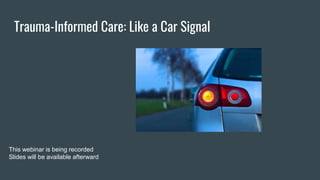
Trauma-Informed Care: Like a Car Signal
This webinar is being recorded
Slides will be available afterward
“Not another self-care talk!”
● Trained by Trauma-Informed Oregon
● Lived experience; not a medical
professional
● Knows what wonderful, malleable jerks our
brains can be
This webinar is being recorded
Slides will be available afterward Yes this is my new favorite shirt
Empathy
● ability to regard someone else as a human being, just like you are
● being able to bear witness to someone else’s struggle and
understanding how they’re feeling through their frame of reference,
not our own
● some of the greatest gifts we can give each other are TIME and
VALIDATION
● When we are stressed, our ability to empathize is affected
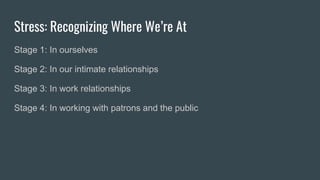
Stress: Recognizing Where We’re At
Stage 1: In ourselves
Stage 2: In our intimate relationships
Stage 3: In work relationships
Stage 4: In working with patrons and the public
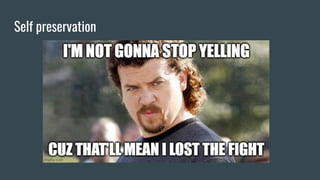
Self preservation
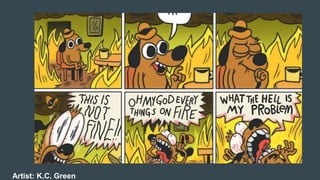
Artist: K.C. Green
Hyperarousal and Safety
● Hoping a space is safe and creating a safe space are not the same
● Hyperarousal:
○ Scanning for patterns and threats
○ Labeling situations as safe, dangerous, or actively threatening
● There is a slim chance a space will be safe for everyone, but it’s still
important to try
What can you do instead?
● give as much context as you can beforehand (even if it’s not good
news)
● Point out the exits if someone needs to leave the interaction
● goal of being trauma-informed is affirmation and empowerment
Trauma-Informed Communication can:
● Promote stability in the workplace
● Help keep a stable workplace from becoming toxic
● Be fiscally responsible
What does trauma-informed communication look like?
● being warm, informative, clear, and succinct
● transparency
● making self-preservation easy
We have to start somewhere.
Being warm, informative, clear, and succinct
Word comprehension and recall can be difficult to access when stressed.
Communication breakdowns can happen when we can’t understand each
other.
Further breakdowns in communication can turn an interaction toxic.
Being warm, informative, clear, and succinct
Warm: take a deep breath; give yourself a moment.
Informative: am I conveying the information I need to convey?
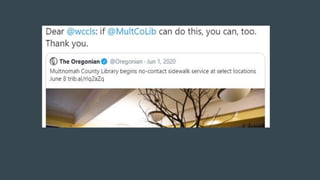
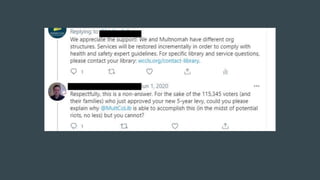
Clear: keeping sentences short, using graphics to help, avoiding idioms.
Succinct: action items and due dates front and center
Transparency
Transparency is about what people want to know, not what you think
they need to know.
Transparency should be for everyone.
Make self-preservation easy
● Interpret mistakes/slights in the most charitable way possible
● Treat it as a one-time thing (avoid a self-fulfilling prophecy)
● Offer a clear path forward
Make self-preservation easy
● Keep our own stress responses in check
● Personal snub vs. Honest mistake
● Resentment you can’t act on is draining; no one wins.
Energy audit
● Take an honest look at your interactions throughout the day or week.
● Which of those interactions feel rejuvenating or empowering?
● Are there any draining interactions that you can limit?
● Back to basics: don’t read the comments
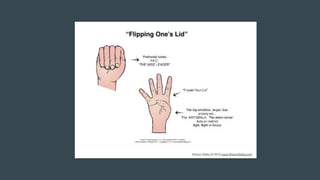
If your lid is flipped/you’re having trouble
● this energy that needs to be mitigated
● Walking, fidgeting can help (search “mental health kit”)
● write out what happened and save it somewhere safe
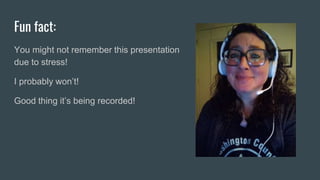
Fun fact:
You might not remember this presentation
due to stress!
I probably won’t!
Good thing it’s being recorded!
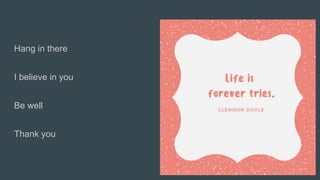
Hang in there
I believe in you
Be well
Thank you
Questions?
Bryce Kozla
brycekozla@gmail.com
https://brycekozlablog.blogspot.com/
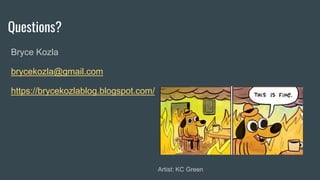
Artist: KC Green

Trauma informed communication

  • 1.
    Per Your LastEmail: Trauma-Informed Communication ...in trying times, and all the time Bryce Kozla Twitter: @PLSanders February 18, 2021 This webinar is being recorded Slides will be available afterward
  • 2.
    Housekeeping ● 50 minutes ●Fidgeting/doodling/knitting welcome! ● Ask questions in the chat This webinar is being recorded Slides will be available afterward
  • 3.
    What this Webinarwill be/What it will not be We WILL cover: ● Where we’re at brain-wise ● Tips for effective communication We WILL NOT cover: ● De-escalating another person in the moment This webinar is being recorded Slides will be available afterward
  • 4.
    Trauma-Informed Care: Likea Car Signal This webinar is being recorded Slides will be available afterward
  • 5.
    “Not another self-caretalk!” ● Trained by Trauma-Informed Oregon ● Lived experience; not a medical professional ● Knows what wonderful, malleable jerks our brains can be This webinar is being recorded Slides will be available afterward Yes this is my new favorite shirt
  • 6.
    Empathy ● ability toregard someone else as a human being, just like you are ● being able to bear witness to someone else’s struggle and understanding how they’re feeling through their frame of reference, not our own ● some of the greatest gifts we can give each other are TIME and VALIDATION ● When we are stressed, our ability to empathize is affected
  • 8.
    Stress: Recognizing WhereWe’re At Stage 1: In ourselves Stage 2: In our intimate relationships Stage 3: In work relationships Stage 4: In working with patrons and the public
  • 10.
  • 11.
  • 12.
    Hyperarousal and Safety ●Hoping a space is safe and creating a safe space are not the same ● Hyperarousal: ○ Scanning for patterns and threats ○ Labeling situations as safe, dangerous, or actively threatening ● There is a slim chance a space will be safe for everyone, but it’s still important to try
  • 13.
    What can youdo instead? ● give as much context as you can beforehand (even if it’s not good news) ● Point out the exits if someone needs to leave the interaction ● goal of being trauma-informed is affirmation and empowerment
  • 14.
    Trauma-Informed Communication can: ●Promote stability in the workplace ● Help keep a stable workplace from becoming toxic ● Be fiscally responsible
  • 15.
    What does trauma-informedcommunication look like? ● being warm, informative, clear, and succinct ● transparency ● making self-preservation easy We have to start somewhere.
  • 16.
    Being warm, informative,clear, and succinct Word comprehension and recall can be difficult to access when stressed. Communication breakdowns can happen when we can’t understand each other. Further breakdowns in communication can turn an interaction toxic.
  • 17.
    Being warm, informative,clear, and succinct Warm: take a deep breath; give yourself a moment. Informative: am I conveying the information I need to convey? Clear: keeping sentences short, using graphics to help, avoiding idioms. Succinct: action items and due dates front and center
  • 21.
    Transparency Transparency is aboutwhat people want to know, not what you think they need to know. Transparency should be for everyone.
  • 22.
    Make self-preservation easy ●Interpret mistakes/slights in the most charitable way possible ● Treat it as a one-time thing (avoid a self-fulfilling prophecy) ● Offer a clear path forward
  • 23.
    Make self-preservation easy ●Keep our own stress responses in check ● Personal snub vs. Honest mistake ● Resentment you can’t act on is draining; no one wins.
  • 24.
    Energy audit ● Takean honest look at your interactions throughout the day or week. ● Which of those interactions feel rejuvenating or empowering? ● Are there any draining interactions that you can limit? ● Back to basics: don’t read the comments
  • 25.
    If your lidis flipped/you’re having trouble ● this energy that needs to be mitigated ● Walking, fidgeting can help (search “mental health kit”) ● write out what happened and save it somewhere safe
  • 26.
    Fun fact: You mightnot remember this presentation due to stress! I probably won’t! Good thing it’s being recorded!
  • 27.
    Hang in there Ibelieve in you Be well Thank you
  • 28.