Slides are available at

www.banhar.blogspot.com

Singapore Math
Implementing
Common Core State
Standards

Dr. Yeap Ban Har
Marshall Cavendish Institute
Singapore
yeapbanhar@gmail.com

www.facebook.com/MCISingapore
Improving Low Student Achievement
“Upon separation from Malaysia in 1965, Singapore
was faced with … high levels of unemployment and
poverty. 70% of Singapore’s households lived in badly
overcrowded conditions, and a third of its people
squatted in slums on the city fringes. Unemployment
averaged 14%, GDP per capita was less than $2,700,
and half of the population was illiterate. “
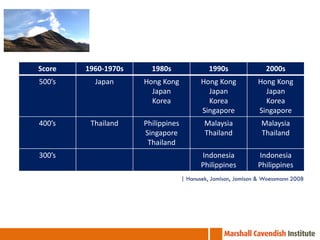
Score

1960-1970s

1980s

1990s

2000s

500’s

Japan

Hong Kong
Japan
Korea

Hong Kong
Japan
Korea
Singapore

Hong Kong
Japan
Korea
Singapore

400’s

Thailand

Philippines
Singapore
Thailand

Malaysia
Thailand

Malaysia
Thailand

Indonesia
Philippines

Indonesia
Philippines

300’s

| Hanusek, Jamison, Jamison & Woessmann 2008
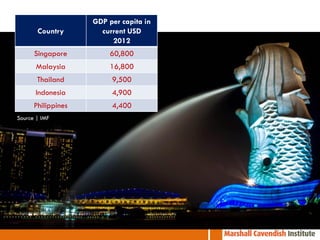
Country

GDP per capita in
current USD
2012

Singapore

60,800

Malaysia

16,800

Thailand

9,500

Indonesia

4,900

Philippines

4,400

Source | IMF
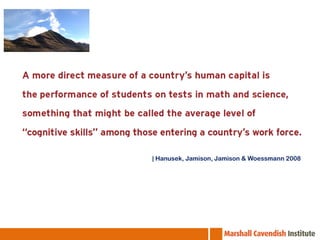
| Hanusek, Jamison, Jamison & Woessmann 2008
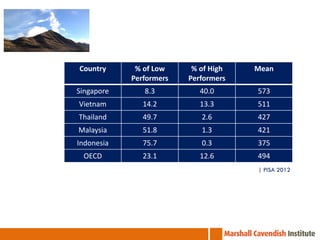
Country

% of Low
Performers

% of High
Performers

Mean

Singapore

8.3

40.0

573

Vietnam

14.2

13.3

511

Thailand

49.7

2.6

427

Malaysia

51.8

1.3

421

Indonesia

75.7

0.3

375

OECD

23.1

12.6

494
| PISA 2012
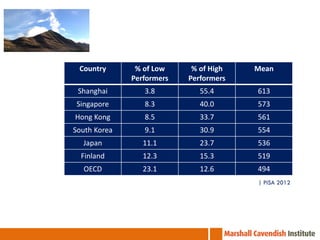
Country

% of Low
Performers

% of High
Performers

Mean

Shanghai

3.8

55.4

613

Singapore

8.3

40.0

573

Hong Kong

8.5

33.7

561

South Korea

9.1

30.9

554

Japan

11.1

23.7

536

Finland

12.3

15.3

519

OECD

23.1

12.6

494
| PISA 2012
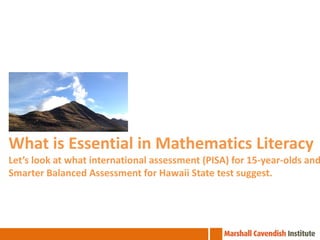
What is Essential in Mathematics Literacy

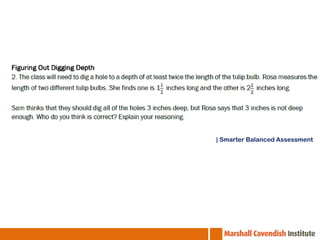
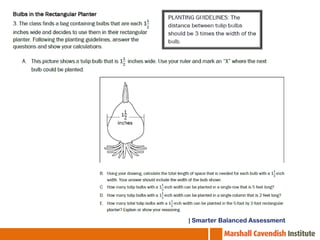
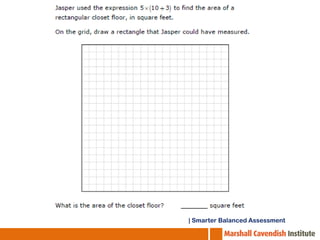
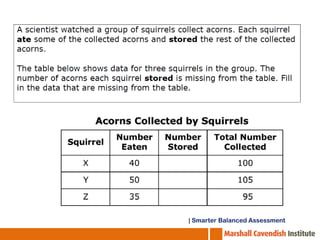
Let’s look at what international assessment (PISA) for 15-year-olds and
Smarter Balanced Assessment for Hawaii State test suggest.
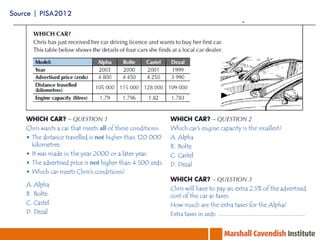
Source | PISA2012
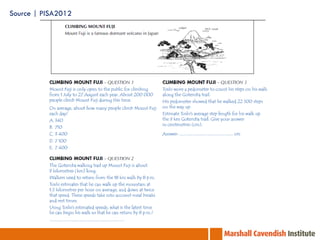
Source | PISA2012
| Smarter Balanced Assessment
| Smarter Balanced Assessment
| Smarter Balanced Assessment
| Smarter Balanced Assessment
| Smarter Balanced Assessment
What is Essential in Mathematics Literacy
What should students be learning in mathematics and what are the
implications for classroom practices?
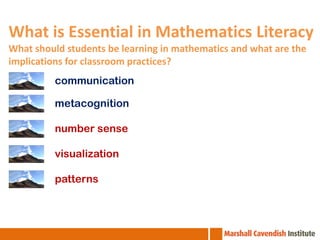
What is Essential in Mathematics Literacy
What should students be learning in mathematics and what are the
implications for classroom practices?
communication
metacognition
number sense
visualization
patterns
What is Basics?
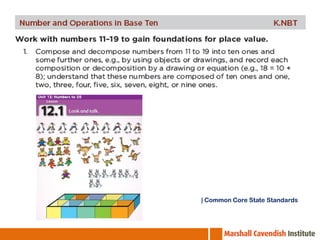
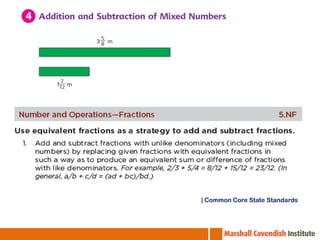
The state standards (in this case Common Core State Standards)
outline what the basics are. In the next three examples, the
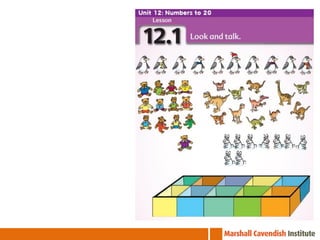
standards suggest that (Kindergarten) knowing that 12 is 10 and 2 is
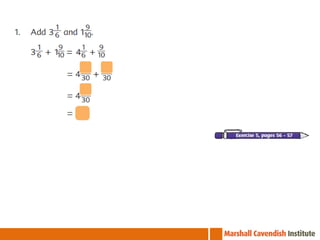
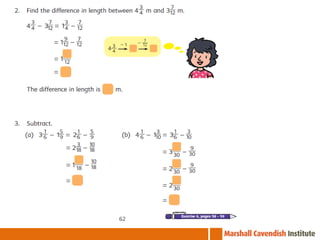
basic, (Grade 5) being able to add and subtract mixed numbers with
different denominators is basic and (High School Algebra) being able
to solve simple equations is basic.
| Common Core State Standards
| Common Core State Standards
What Does Teaching for Relational /
Conceptual Understand Look Like?
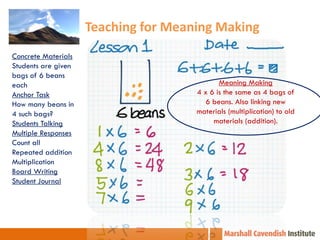
Teaching for Meaning Making
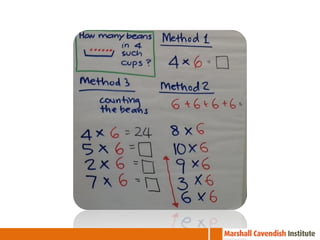
Concrete Materials
Students are given
bags of 6 beans
each
Anchor Task
How many beans in
4 such bags?
Students Talking
Multiple Responses
Count all
Repeated addition
Multiplication
Board Writing
Student Journal

Meaning Making
4 x 6 is the same as 4 bags of
6 beans. Also linking new
materials (multiplication) to old
materials (addition).
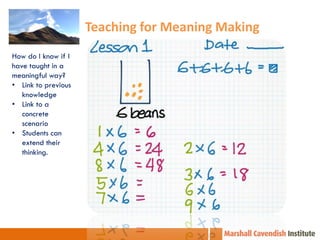
Teaching for Meaning Making
How do I know if I
have taught in a
meaningful way?
• Link to previous
knowledge
• Link to a
concrete
scenario
• Students can
extend their
thinking.
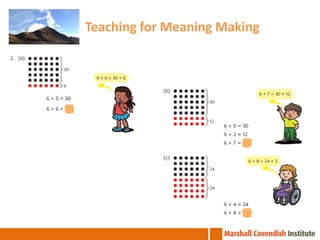
Teaching for Meaning Making
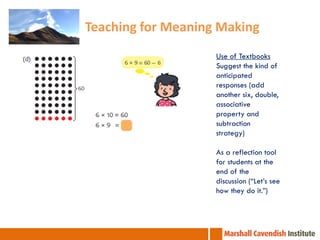
Use of Textbooks
Suggest the kind of
anticipated
responses (add
another six, double,
associative
property and
subtraction
strategy)
As a reflection tool
for students at the
end of the
discussion (“Let’s see
how they do it.”)
Teaching Through Problem Solving
Assessing
Differentiating
Remediation
Enrichment
Acceleration
Teaching Through Problem Solving
What’s My Anchor Task?
Anticipated Responses
Differentiating
Remediation
Enrichment
Acceleration
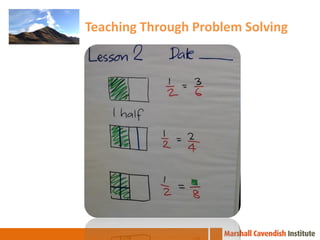
Teaching Through Problem Solving
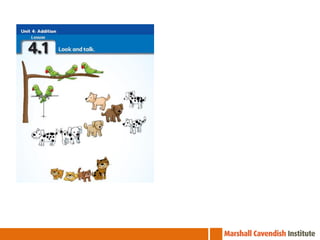
Variation in Examples
2013 December Maui

2013 December Maui

  • 1.
    Slides are availableat www.banhar.blogspot.com Singapore Math Implementing Common Core State Standards Dr. Yeap Ban Har Marshall Cavendish Institute Singapore yeapbanhar@gmail.com www.facebook.com/MCISingapore
  • 2.
  • 3.
    “Upon separation fromMalaysia in 1965, Singapore was faced with … high levels of unemployment and poverty. 70% of Singapore’s households lived in badly overcrowded conditions, and a third of its people squatted in slums on the city fringes. Unemployment averaged 14%, GDP per capita was less than $2,700, and half of the population was illiterate. “
  • 4.
    Score 1960-1970s 1980s 1990s 2000s 500’s Japan Hong Kong Japan Korea Hong Kong Japan Korea Singapore HongKong Japan Korea Singapore 400’s Thailand Philippines Singapore Thailand Malaysia Thailand Malaysia Thailand Indonesia Philippines Indonesia Philippines 300’s | Hanusek, Jamison, Jamison & Woessmann 2008
  • 5.
    Country GDP per capitain current USD 2012 Singapore 60,800 Malaysia 16,800 Thailand 9,500 Indonesia 4,900 Philippines 4,400 Source | IMF
  • 6.
    | Hanusek, Jamison,Jamison & Woessmann 2008
  • 7.
    Country % of Low Performers %of High Performers Mean Singapore 8.3 40.0 573 Vietnam 14.2 13.3 511 Thailand 49.7 2.6 427 Malaysia 51.8 1.3 421 Indonesia 75.7 0.3 375 OECD 23.1 12.6 494 | PISA 2012
  • 8.
    Country % of Low Performers %of High Performers Mean Shanghai 3.8 55.4 613 Singapore 8.3 40.0 573 Hong Kong 8.5 33.7 561 South Korea 9.1 30.9 554 Japan 11.1 23.7 536 Finland 12.3 15.3 519 OECD 23.1 12.6 494 | PISA 2012
  • 9.
    What is Essentialin Mathematics Literacy Let’s look at what international assessment (PISA) for 15-year-olds and Smarter Balanced Assessment for Hawaii State test suggest.
  • 10.
  • 11.
  • 12.
  • 13.
  • 14.
  • 15.
  • 16.
  • 17.
    What is Essentialin Mathematics Literacy What should students be learning in mathematics and what are the implications for classroom practices?
  • 18.
    What is Essentialin Mathematics Literacy What should students be learning in mathematics and what are the implications for classroom practices? communication metacognition number sense visualization patterns
  • 19.
    What is Basics? Thestate standards (in this case Common Core State Standards) outline what the basics are. In the next three examples, the standards suggest that (Kindergarten) knowing that 12 is 10 and 2 is basic, (Grade 5) being able to add and subtract mixed numbers with different denominators is basic and (High School Algebra) being able to solve simple equations is basic.
  • 20.
    | Common CoreState Standards
  • 23.
    | Common CoreState Standards
  • 26.
    What Does Teachingfor Relational / Conceptual Understand Look Like?
  • 28.
    Teaching for MeaningMaking Concrete Materials Students are given bags of 6 beans each Anchor Task How many beans in 4 such bags? Students Talking Multiple Responses Count all Repeated addition Multiplication Board Writing Student Journal Meaning Making 4 x 6 is the same as 4 bags of 6 beans. Also linking new materials (multiplication) to old materials (addition).
  • 29.
    Teaching for MeaningMaking How do I know if I have taught in a meaningful way? • Link to previous knowledge • Link to a concrete scenario • Students can extend their thinking.
  • 30.
  • 31.
    Teaching for MeaningMaking Use of Textbooks Suggest the kind of anticipated responses (add another six, double, associative property and subtraction strategy) As a reflection tool for students at the end of the discussion (“Let’s see how they do it.”)
  • 32.
    Teaching Through ProblemSolving Assessing Differentiating Remediation Enrichment Acceleration
  • 33.
  • 34.
    What’s My AnchorTask? Anticipated Responses Differentiating Remediation Enrichment Acceleration
  • 35.
  • 36.