Downloaded 16 times

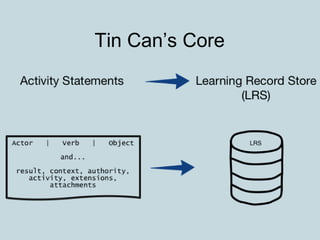
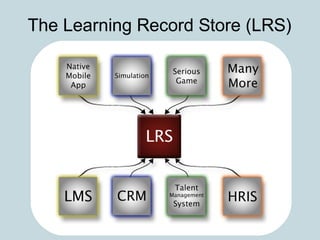
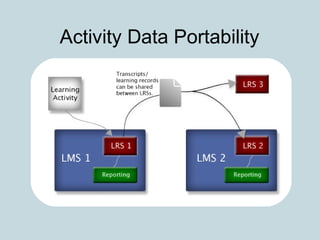
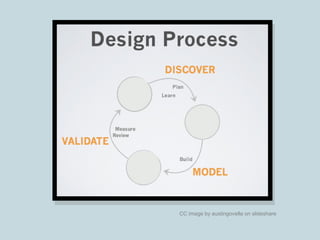
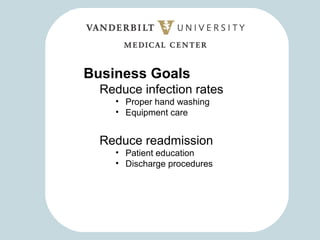
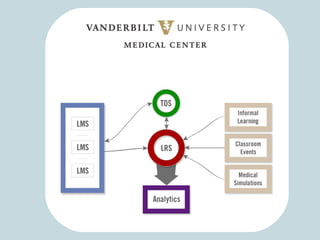
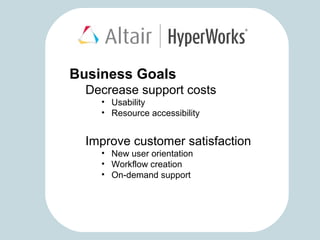
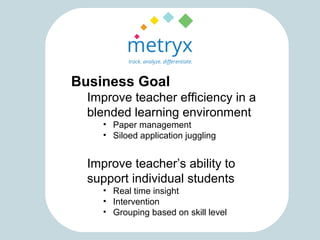
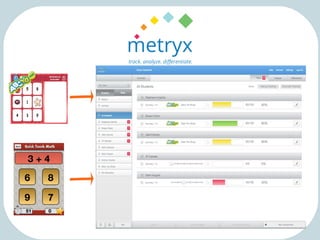
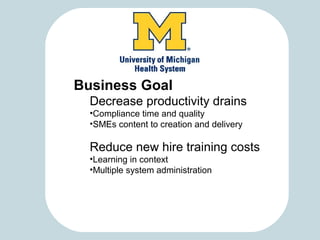
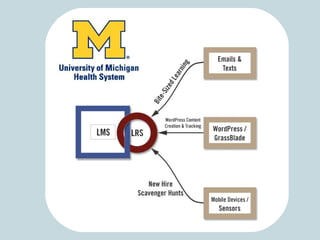
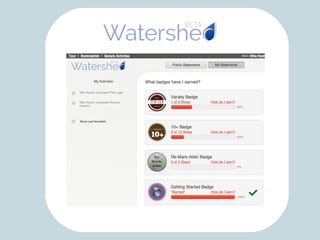
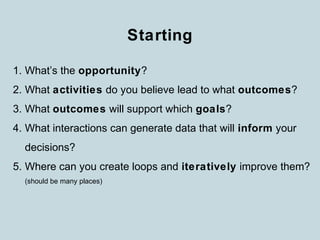

This document discusses how Tin Can APIs can be used to improve learning and business goals. It begins by explaining how SCORM has constrained course design by requiring courses to live within an LMS and only track certain data. Tin Can allows for more flexible design by using an LRS-centric architecture to port activity data. Examples are given of how Tin Can could be used to reduce infection rates by improving hand washing training or decrease training costs by providing learning in context. The document concludes by posing questions about how to identify opportunities, activities, and outcomes to design feedback loops that iteratively improve learning and business goals using real-time analytics from an LRS.


